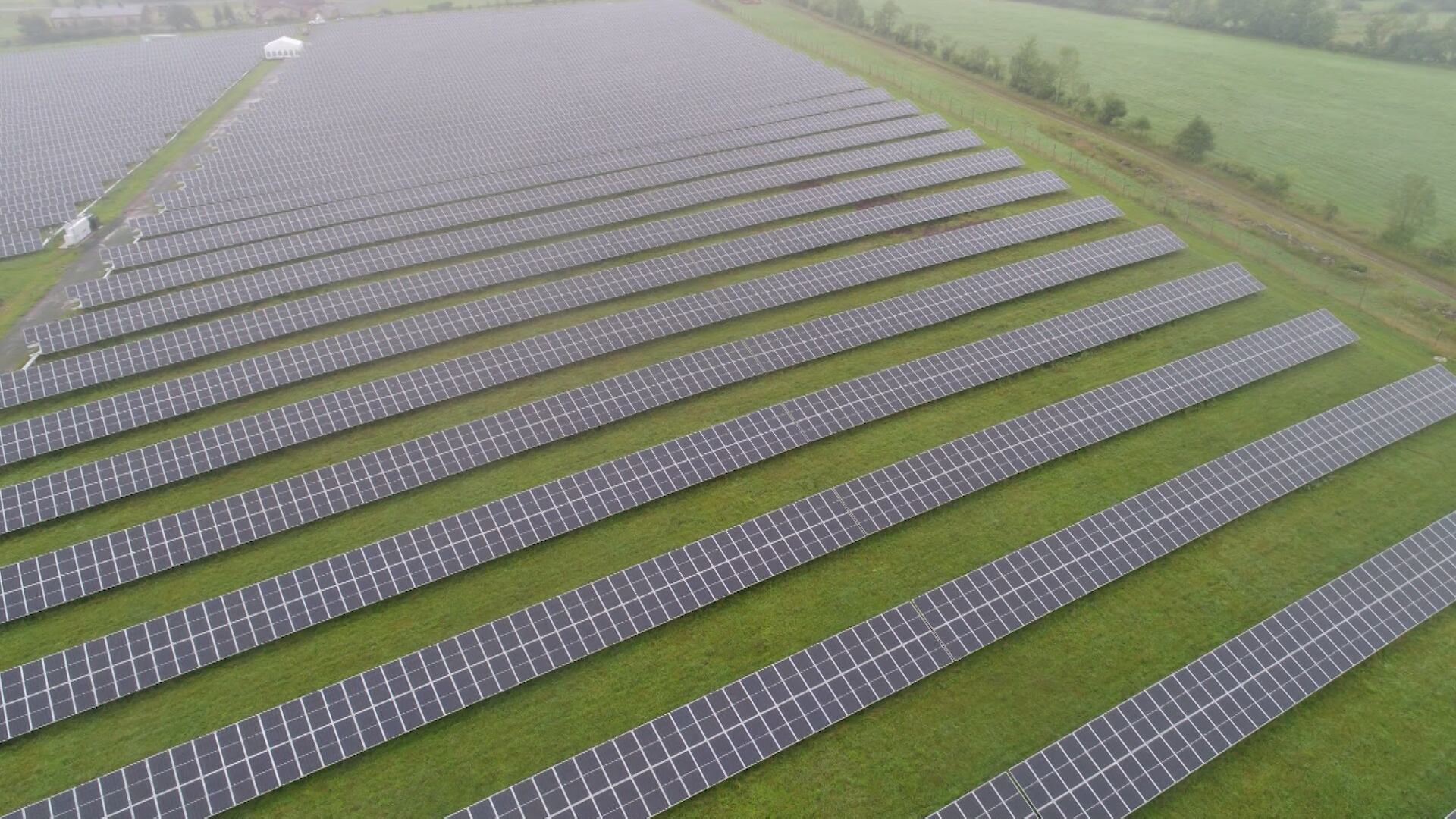
Solar power is the fastest growing part of the global energy industry. Inderpreet Wadhwa, CEO of Azure Power, one of the largest solar power producers in India, sat down with us to discuss why India is well positioned to capitalize on the trend.
Wadhwa emphasizes that over 200 million people in India do not have electricity. He says there is a lot of potential because solar radiation is available in most parts of the country, and India has over 300 days of sun. The fact that India is an emerging economy and has to build new infrastructure is another advantage, he says, because the country can "leapfrog" coal industry infrastructure.
For Azure Power, it is important to work closely with the government. Wadhwa says energy in India is highly regulated so they need favorable government policy. 90% of the company's contracts are with the government. With the price of solar much cheaper than energy consumed in many industries, Wadhwa says they are now doing more commercial contracts with industries such as the hotels.
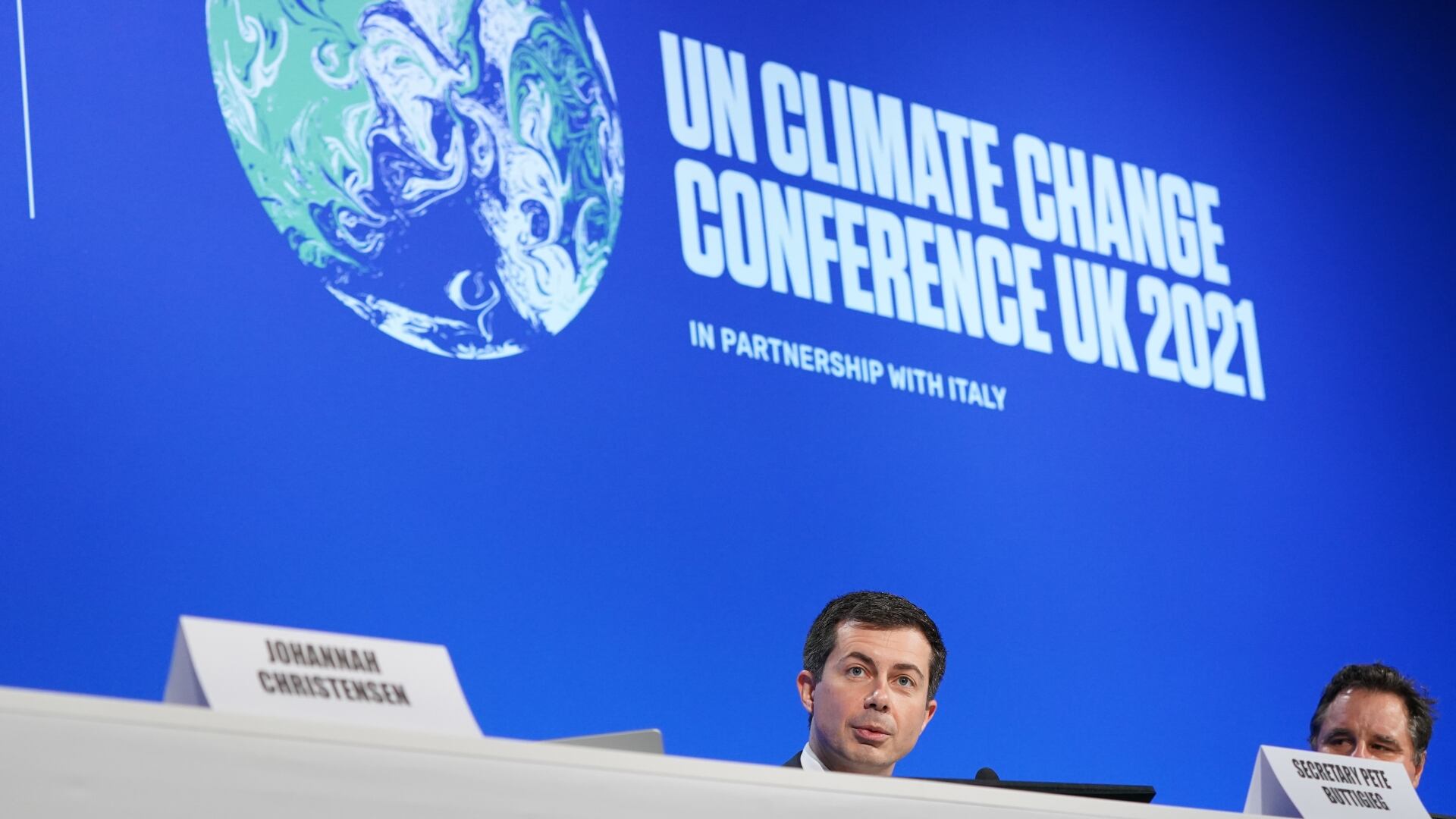
The COP26 summit in Scotland is in its final days, and the U.N. has just released a draft of an agreement for more than 200 world leaders to sign on Friday. The draft urges nations to set more aggressive goals in cutting emissions, while also calling for coal to be phased out. Chloe Demrovsky, President and CEO of Disaster Recovery Institute International, joins Cheddar News to discuss this agreement.
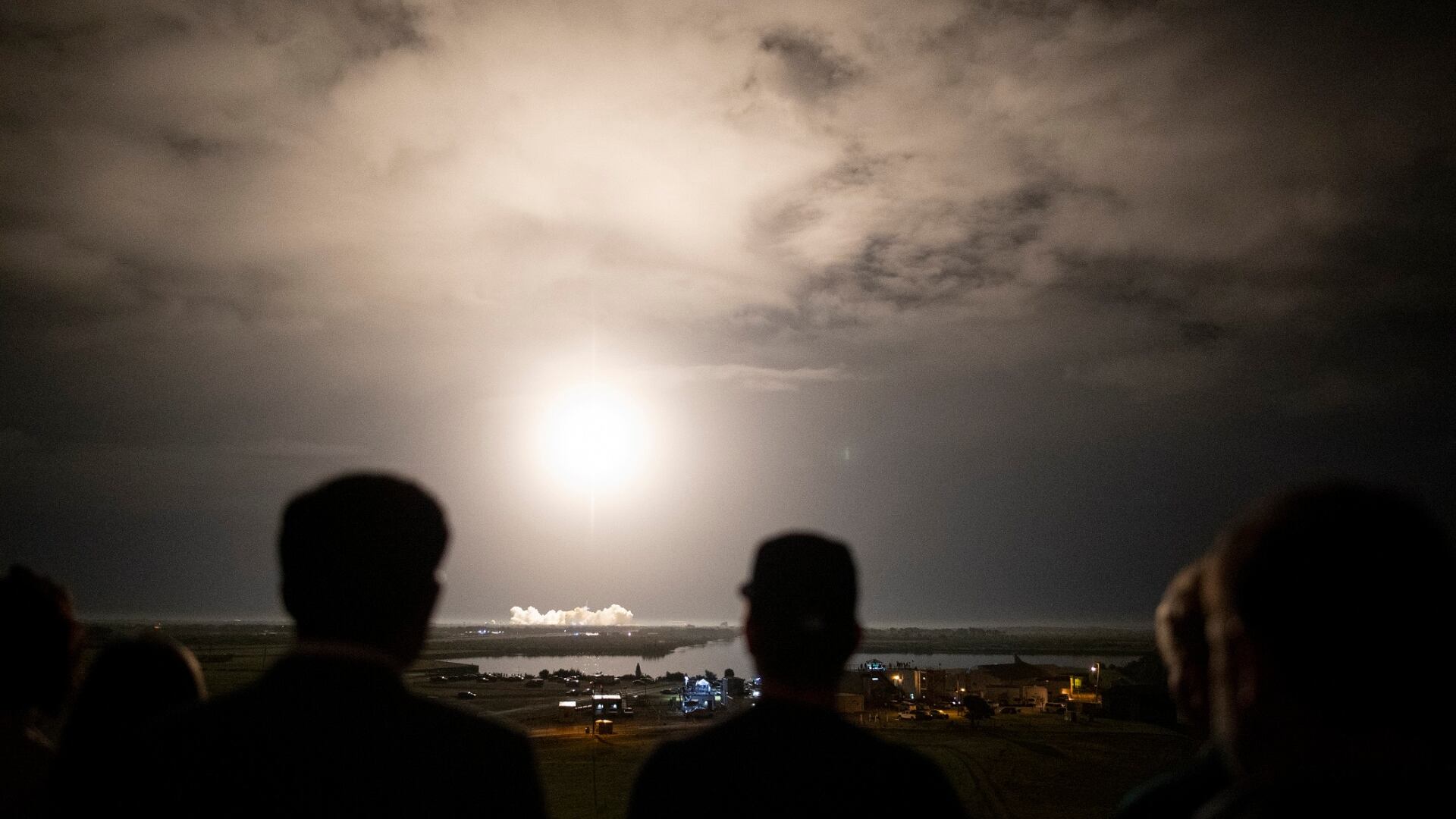
SpaceX and NASA have collaborated on another successful launch sending four astronauts to the international space station. The international crew will stay in orbit aboard the ISS for six months.
On this episode of Cheddar Innovates: Yat Labs Co-Founder breaks down how a 'Yat' is changing the way people think about their online identities; Scythe Robotics CEO explains how it's bringing innovation to the landscaping industry with its autonomous, all-electric mowers; Founder of California Cowboy discusses how its creating clothing designed for creating in-person connections with others with features like a beverage pocket, bottle opener, and conversation cards; Cheddar gets a look at Curiosity Stream's 'Beyond the Spotlight' biography series.
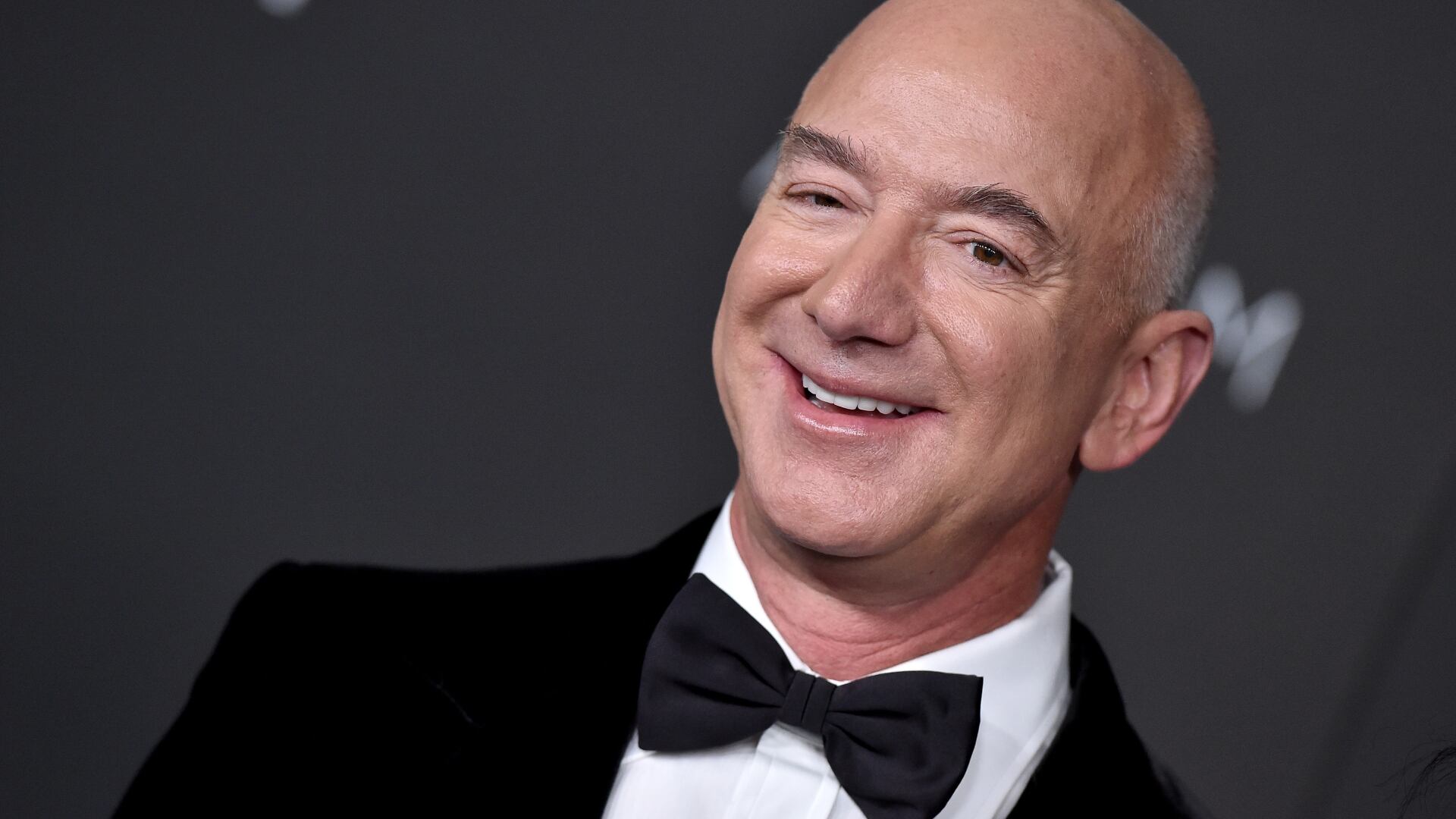
Amazon founder Jeffrey Bezos took to the stage at the U.N.'s COP26 Climate Summit to unveil a new plan to combat climate change, but some say it might do more harm than good. Justine Calma, Science Reporter at The Verge, joined Cheddar to discuss.
Pfizer has asked the FDA to expand authorization of COVID booster shots for all adults. The agency is expected to grant the request in the coming weeks, allowing vaccinated Americans as young as 18 to get boosted before the holidays. Dr. Bayo Curry-Winchell, Regional Clinical Director at Carbon Health, joined Cheddar to discuss.
Wood modification technology company Kebony recently raised $34 million in its latest funding round. The company's patented technology transformed sustainable softwood using leftover materials and makes it into a product that behaves like premium hardwood. The process has the potential to transform the global construction industry, as it is cost-effective and eco-friendly. Kebony CEO Norman Willemsen joined Cheddar News' Closing Bell to discuss.
Emma Searson, an author on the just-released Renewables on the Rise report and the director, 100% Renewable Campaign at Environment America, joined Cheddar to discuss the rapidly growing renewable energy sector. Between 2011 and 2020, the report shows that wind, solar, and geothermal energy production grew about 15 percent annually and that wind and solar alone account for 11 percent of electricity in the country. "There are a few really important drivers of the renewable energy progress that we're seeing all across the country," Searson said, highlighting falling prices, technology improvements, and supportive policies.