Solar power is the fastest growing part of the global energy industry. Inderpreet Wadhwa, CEO of Azure Power, one of the largest solar power producers in India, sat down with us to discuss why India is well positioned to capitalize on the trend.
Wadhwa emphasizes that over 200 million people in India do not have electricity. He says there is a lot of potential because solar radiation is available in most parts of the country, and India has over 300 days of sun. The fact that India is an emerging economy and has to build new infrastructure is another advantage, he says, because the country can "leapfrog" coal industry infrastructure.
For Azure Power, it is important to work closely with the government. Wadhwa says energy in India is highly regulated so they need favorable government policy. 90% of the company's contracts are with the government. With the price of solar much cheaper than energy consumed in many industries, Wadhwa says they are now doing more commercial contracts with industries such as the hotels.
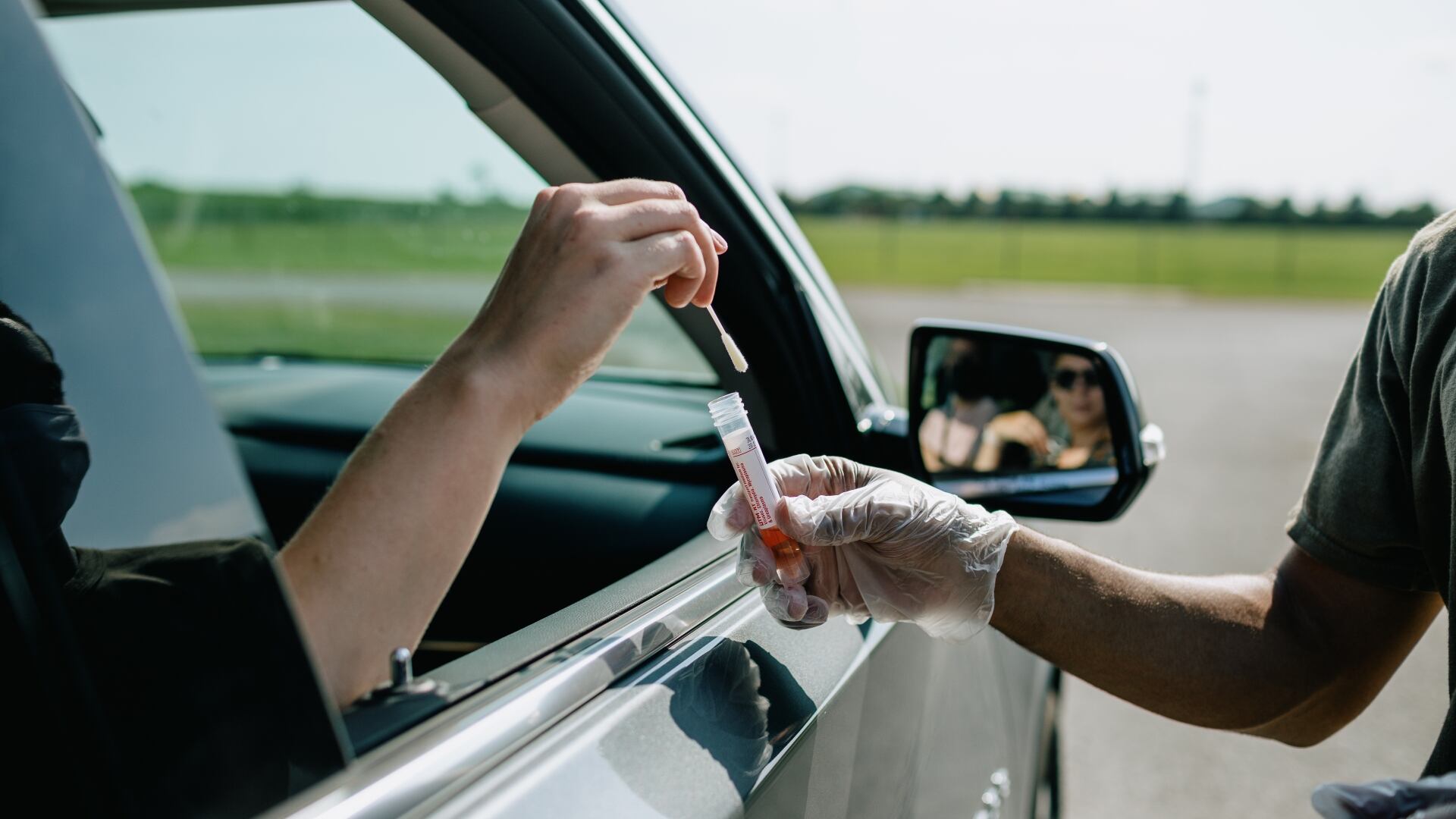
Neuroscientist Dr. Bankole Johnson joined Cheddar News to talk about the expectation of boosters for all U.S. adults and what the move would mean in the fight against the pandemic.
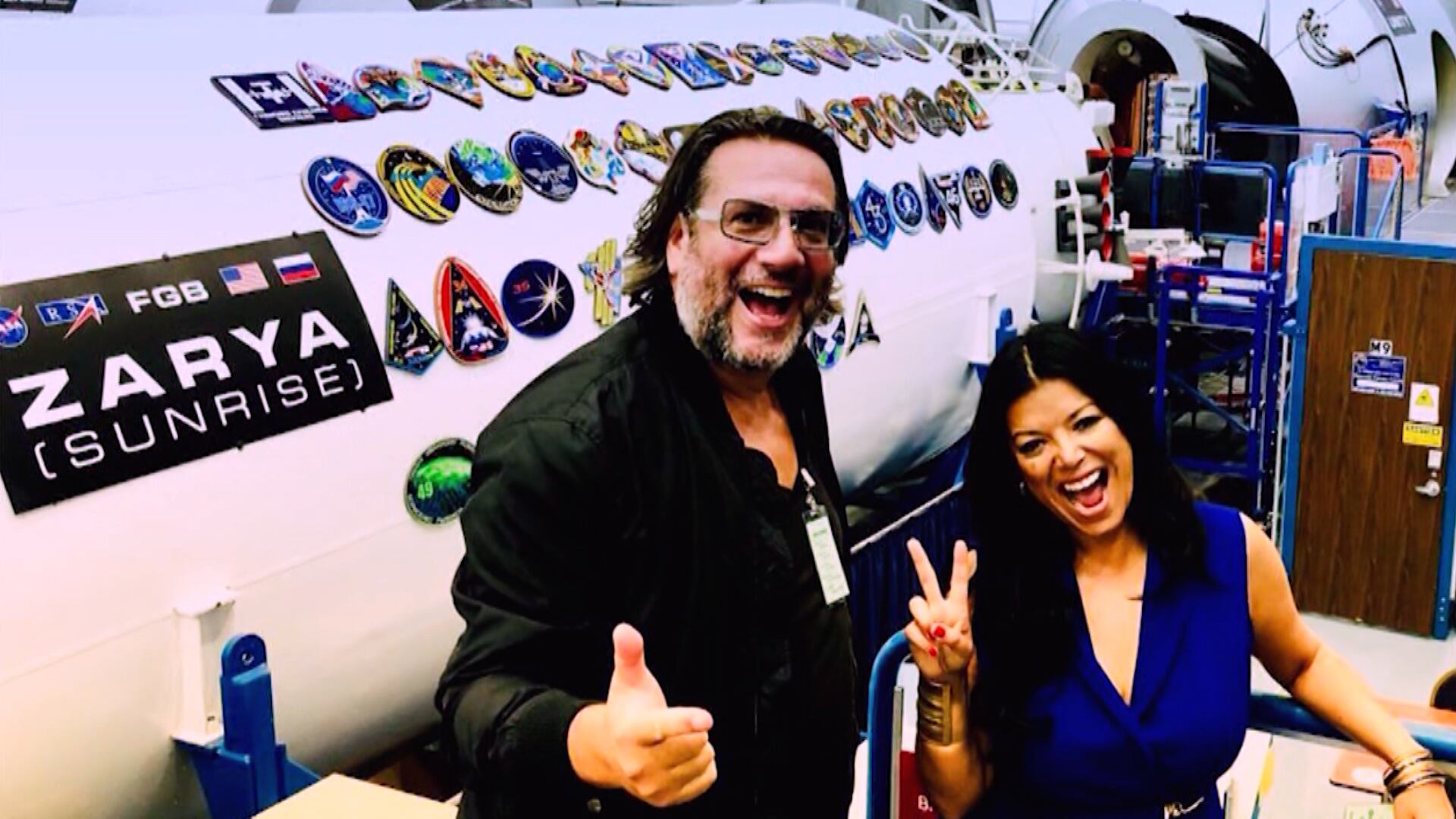
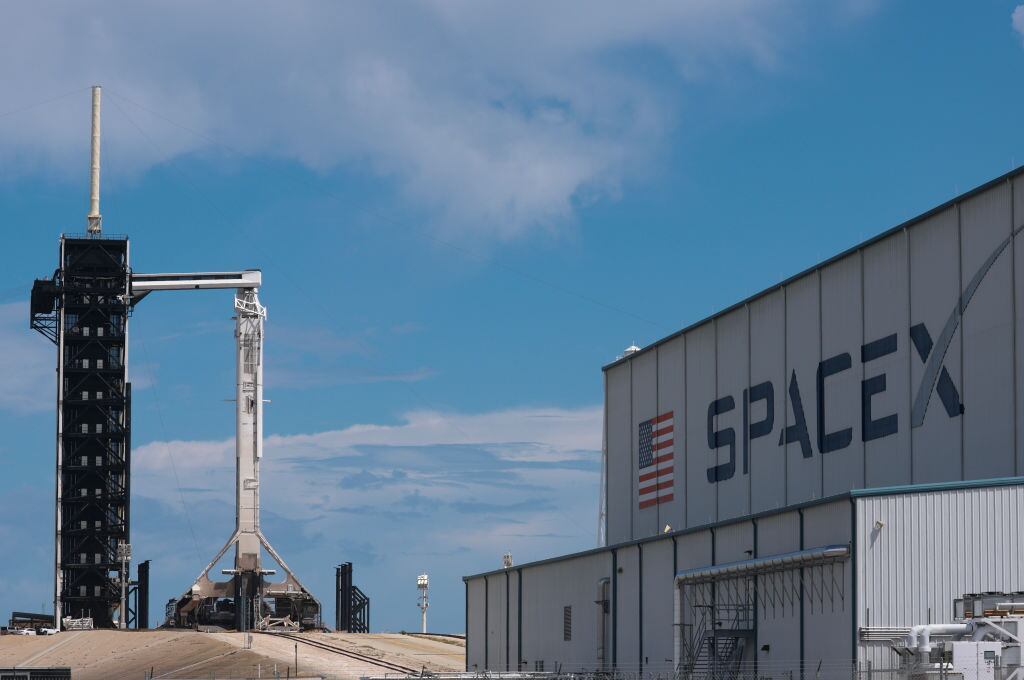
Deborah Sass, CO-CEO and Founding Partner of Space Hero, joins ChedHER to discuss how she's creating a global competition to send someone on a 10-day trip to space, her experience in the space industry without a background in STEM, and how she hopes to inspire younger generations of women.
A new report from Dr. Michael Worobey alleges that it is likely that COVID-19 originated from a raccoon dog at the Wuhan live animal market in China. While his report does not rule out the coronavirus could have escaped from a lab, Worobey's evidence points to a natural origin.
Jill and Carlo are back to cover the latest in the Rittenhouse trial, new information on the origins of Covid, return-to-office and more.
JOIN US FOR THE YOUTUBE WATCH PARTY @ 9aET: http://www.youtube.com/cheddarnow
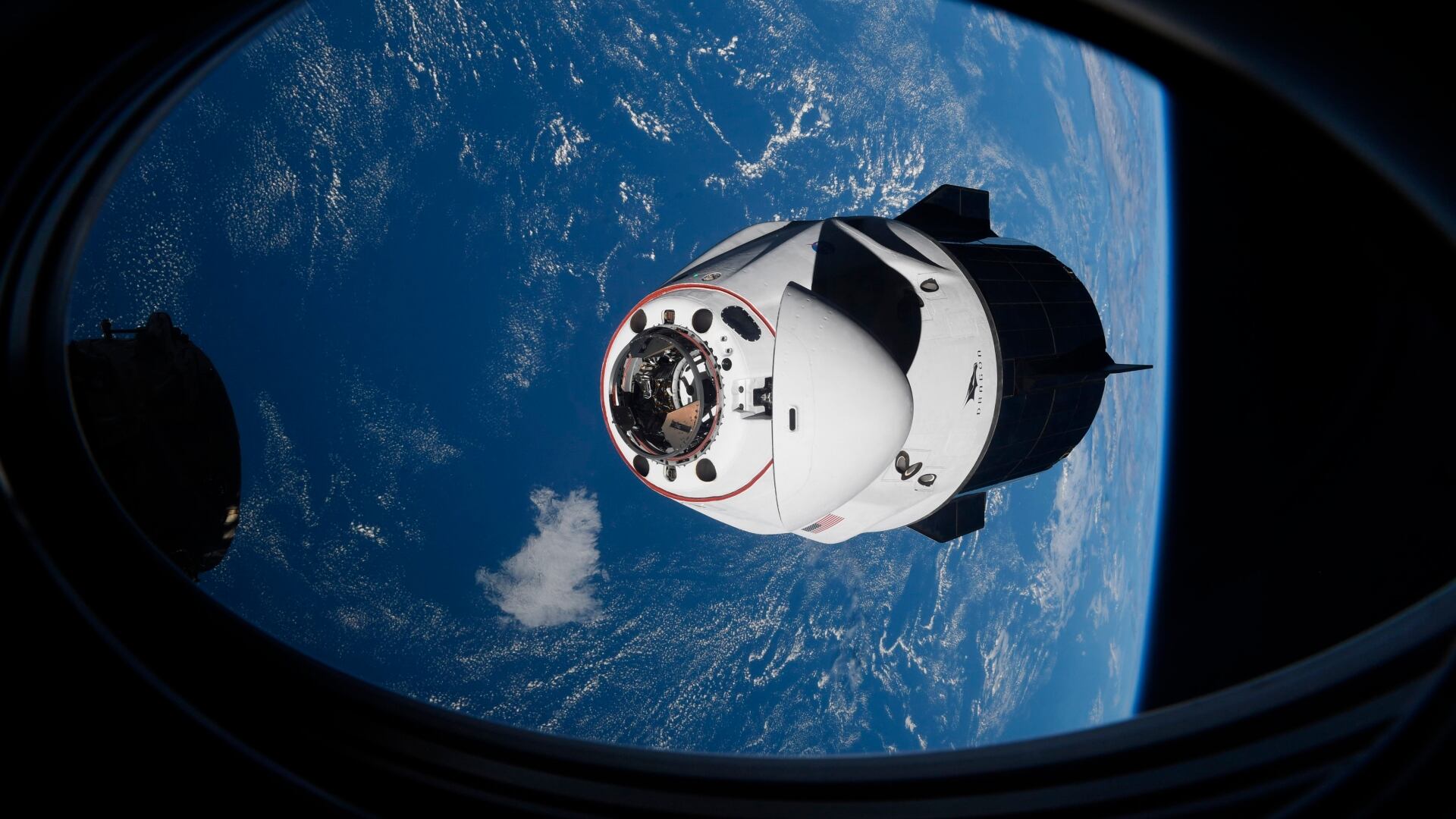
Over the weekend, Russia fired a missile at one of its own satellites, triggering an explosion that launched thousands of pieces of shrapnel through space and forced the astronauts aboard the International Space Station to shelter in place. Senior Writer from Space.com Chelsea 'Foxanne' Gohd, joined Cheddar to discuss more.
Gerald Comissiong, CEO of Todos Medical, joins None of the Above to discuss why we're seeing surges of COVID-19 cases in Europe, the potential for a winter surge of COVID-19, the benefits of high vaccination rates in a community, and the coming COVID treatment pills.
Cognitive healthcare platform BrainCheck recently raised $10 million in a Series B round. The platform offers neurologists a new way to detect and care for brain disorders like Alzeheimer's, and brain injuries like concussions. BrainCheck CEO Yael Katz joined Cheddar News' Closing Bell to discuss.
On this episode of Cheddar Innovates: Ice Barrel CEO breaks down the physical and mental health benefits to cold therapy training; Dishcraft CEO explains how its robotics is transforming the role of a dishwasher in restaurant kitchens; A look at Curiosity Stream's original series 'The Year That Rocked The World.'
Jill Wagner is joined by Baker to talk about kids and vaccines: we finally know how many young kids are getting vaccinated. Plus, Democrats are working on a Plan B for paid family leave. And the salad chain Sweetgreen goes public.
A breakthrough deal between the U.S. and China when it comes to climate has finally been reached. The two countries have pledged to work together to curb carbon emissions. Amy Harder, executive editor at Cipher, joined Cheddar News to discuss more.