SurveyMonkey CEO Zander Lurie Sees Plenty of 'Green Field' to Compete in 'Massive' Market
*By Chloe Aiello*
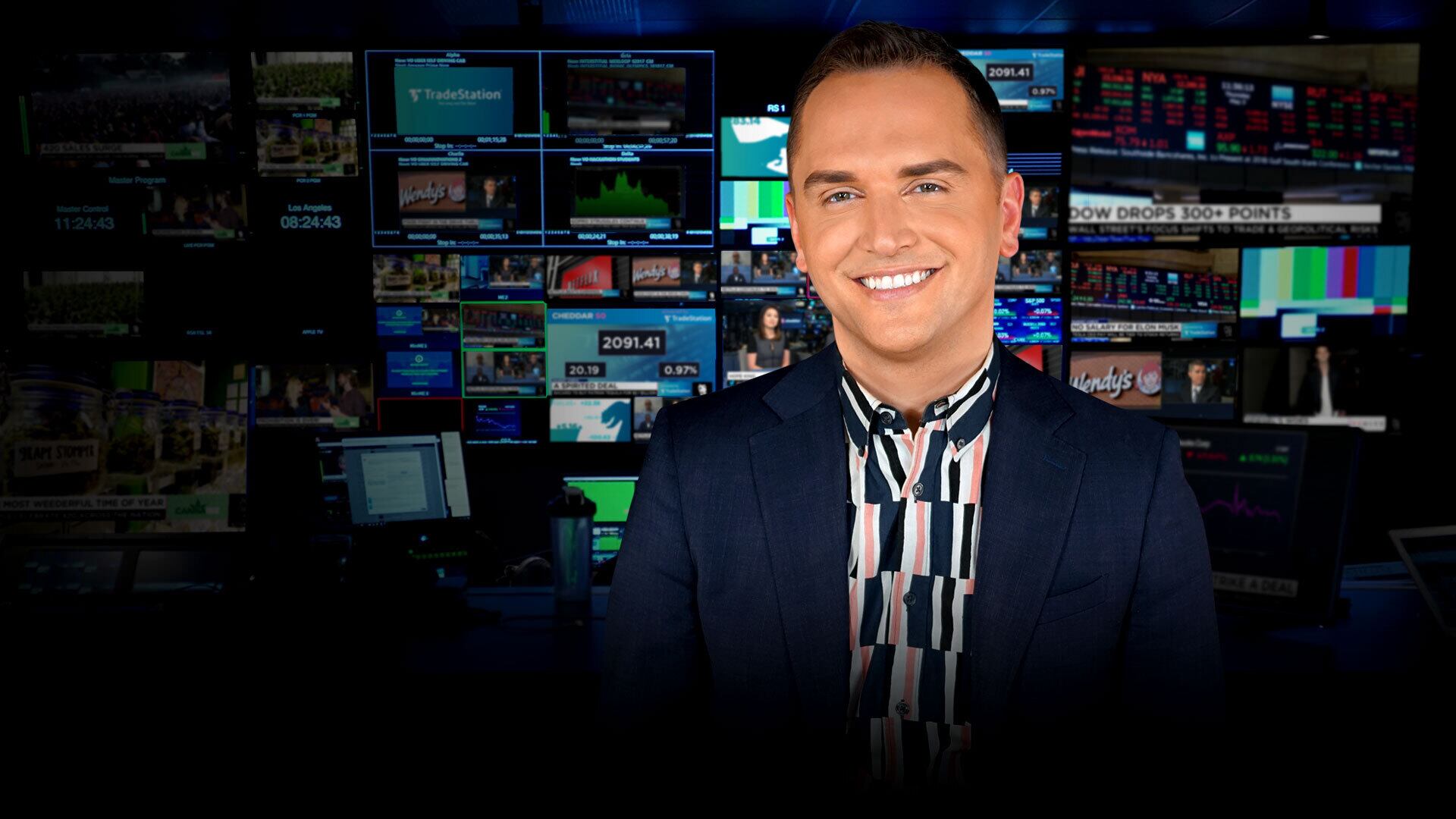
Despite tumbling shares post-earnings and the loss of a longtime executive, SurveyMonkey CEO Zander Lurie is bullish on the future, saying independence from big tech backing could prove to be an advantage in an increasingly competitive market.
SurveyMonkey ($SVMK) is a subscription software as a service company that offers customizable surveys and a suite of back-end data analytics tools for individuals and enterprises. Its shares have been tumbling since it reported earnings in line with analyst expectations Wednesday evening. Lurie attributed the plunge to the expiration of SurveyMonkey's post IPO lock-up period.
"We had our lockup released today, so a lot of the shareholders who have accumulated stock over the last 19 years finally had a chance to sell it. I think if we deliver on the plan that we laid out for shareholders, our shares will perform just fine," Lurie said.
Concurrently with Wednesday earnings, SurveyMonkey announced that Chief Financial Officer Tim Maly will retire at the end of March.
Lurie told Cheddar he will serve as interim CFO, but is confident the company can absorb Maly's departure.
SurveyMonkey has had a volatile couple of months since its September IPO as it fights to compete in a crowded space with huge competitors like SAP-owned ($SAP)Qualtrics and Google ($GOOGL). But Lurie told Cheddar he sees independence from big technology companies as a strength for SurveyMonkey as it fights for customers.
Lurie noted that Qualtrics is now "owned by SAP, so you can imagine them steering deeper into SAP's customer base."
"That leaves a lot of green field for us to compete, especially for shops that are using Microsoft ($MSFT) software, Salesforce ($CRM) software," he added. "We see a massive category that can support several multi-billion dollar companies."
Distance from big tech companies might also help keep SurveyMonkey far from the data scandals that have plagued them in recent months.
"We have built the biggest canonical data set in the survey category with over 50 billion responses," Lurie said. "That data is our customers' data and we invest significant dollars to protect that data. Our business is really built on people paying for our products." He added that he [commends Europe's data protection regulation](https://cheddar.com/media/surveymonkey-ceo-says-gdpr-compliance-is-strength-in-a-crowded-market) for "raising the bar" for data security.
Upflex Co-founder and CEO Christophe Garnier discusses how his company is working with WeWork to establish the future of work and elaborates on how his startup will use $30 in new funding.
Dan Ives, Managing Director of Equity Research at Wedbush Securities, joins Cheddar News' Closing Bell, where he provides his insight on what Elon Musk's presence means for Twitter, as well as how recent allegations against the Tesla CEO could impact both the social media platform and the EV giant.
Anthony Bartolacci, VP of Financial Institutions at Sensor Tower, joined Closing Bell to discuss the factors dragging down Snap and other social media and tech stocks.
David Stryzewski, CEO of Sound Planning Group, joins Cheddar News' Closing Bell, where he says that rate hikes are driving the market right now and outlines what must be in place for a stock rally.
Andrew Arons, Founder and Partner at Synergy Advisory Management Group, joins Cheddar News' Closing Bell, where he breaks down Tuesday's market action and provides his insight on Snap's historic slide after the comments made by CEO Evan Spiegel.
Peter Andersen, CIO at Andersen Capital Management, joins Cheddar News' Closing Bell, where he breaks down Monday's trading action and discusses whether this could be the start of a new rally or a blip in an otherwise disappointing stretch.
The crypto industry is still reeling from Terra's recent crash. The company's blockchain was temporarily halted earlier this month after the collapse of its cryptocurrency Luna (LUNA) and its stablecoin TerraUSD (UST), which led to almost $45 billion being wiped from the tokens' market caps within a week. Now, many are left wondering what Terra's struggles mean for the broader crypto market. Reeve Collins, CEO of the NFT platform BLOCKv, joins Cheddar News' Closing Bell from Davos 2022 to discuss.
China's largest ride-hailing company will no longer be listed on the world's largest stock exchange. Didi shareholders voted on Monday to delist from the New York Stock Exchange, less than a year after launching a $4.4 billion IPO with the most significant U.S. share offering by a Chinese company since Alibaba debuted in 2014. Since going public in June of last year, around $70 billion has been wiped from Didi's market value and shares of the company have dropped nearly 90%. Now, Didi is expected to begin preparations to list in Hong Kong. Kevin T. Carter, founder and Chief Investment Officer of EMQQ Global, joins Cheddar News' Closing Bell to discuss.