SurveyMonkey CEO Zander Lurie Sees Plenty of 'Green Field' to Compete in 'Massive' Market
*By Chloe Aiello*
Despite tumbling shares post-earnings and the loss of a longtime executive, SurveyMonkey CEO Zander Lurie is bullish on the future, saying independence from big tech backing could prove to be an advantage in an increasingly competitive market.
SurveyMonkey ($SVMK) is a subscription software as a service company that offers customizable surveys and a suite of back-end data analytics tools for individuals and enterprises. Its shares have been tumbling since it reported earnings in line with analyst expectations Wednesday evening. Lurie attributed the plunge to the expiration of SurveyMonkey's post IPO lock-up period.
"We had our lockup released today, so a lot of the shareholders who have accumulated stock over the last 19 years finally had a chance to sell it. I think if we deliver on the plan that we laid out for shareholders, our shares will perform just fine," Lurie said.
Concurrently with Wednesday earnings, SurveyMonkey announced that Chief Financial Officer Tim Maly will retire at the end of March.
Lurie told Cheddar he will serve as interim CFO, but is confident the company can absorb Maly's departure.
SurveyMonkey has had a volatile couple of months since its September IPO as it fights to compete in a crowded space with huge competitors like SAP-owned ($SAP)Qualtrics and Google ($GOOGL). But Lurie told Cheddar he sees independence from big technology companies as a strength for SurveyMonkey as it fights for customers.
Lurie noted that Qualtrics is now "owned by SAP, so you can imagine them steering deeper into SAP's customer base."
"That leaves a lot of green field for us to compete, especially for shops that are using Microsoft ($MSFT) software, Salesforce ($CRM) software," he added. "We see a massive category that can support several multi-billion dollar companies."
Distance from big tech companies might also help keep SurveyMonkey far from the data scandals that have plagued them in recent months.
"We have built the biggest canonical data set in the survey category with over 50 billion responses," Lurie said. "That data is our customers' data and we invest significant dollars to protect that data. Our business is really built on people paying for our products." He added that he [commends Europe's data protection regulation](https://cheddar.com/media/surveymonkey-ceo-says-gdpr-compliance-is-strength-in-a-crowded-market) for "raising the bar" for data security.
Alex Gladstein, Chief Strategy Officer for the Human Rights Foundation, joins Closing Bell, where he explains where tech experts are getting it wrong when they call crypto risky and unproven. He also stresses the importance of crypto and points to how Ukraine was able to use Bitcoin during the onset of the Russian invasion.
API platform RapidAPI recently became a unicorn with a $1 billion valuation after raising $150 million in a Series D funding round led by Softbank Vision Two Fund. Microsoft's Venture Fund, M12, and Andreessen Horowitz also participated. RapidAPI says it provides the world's largest API hub which enables millions of developers and companies to build software faster. Iddo Gino, founder and CEO of RapidAPI, joins Cheddar News' Closing Bell to discuss.
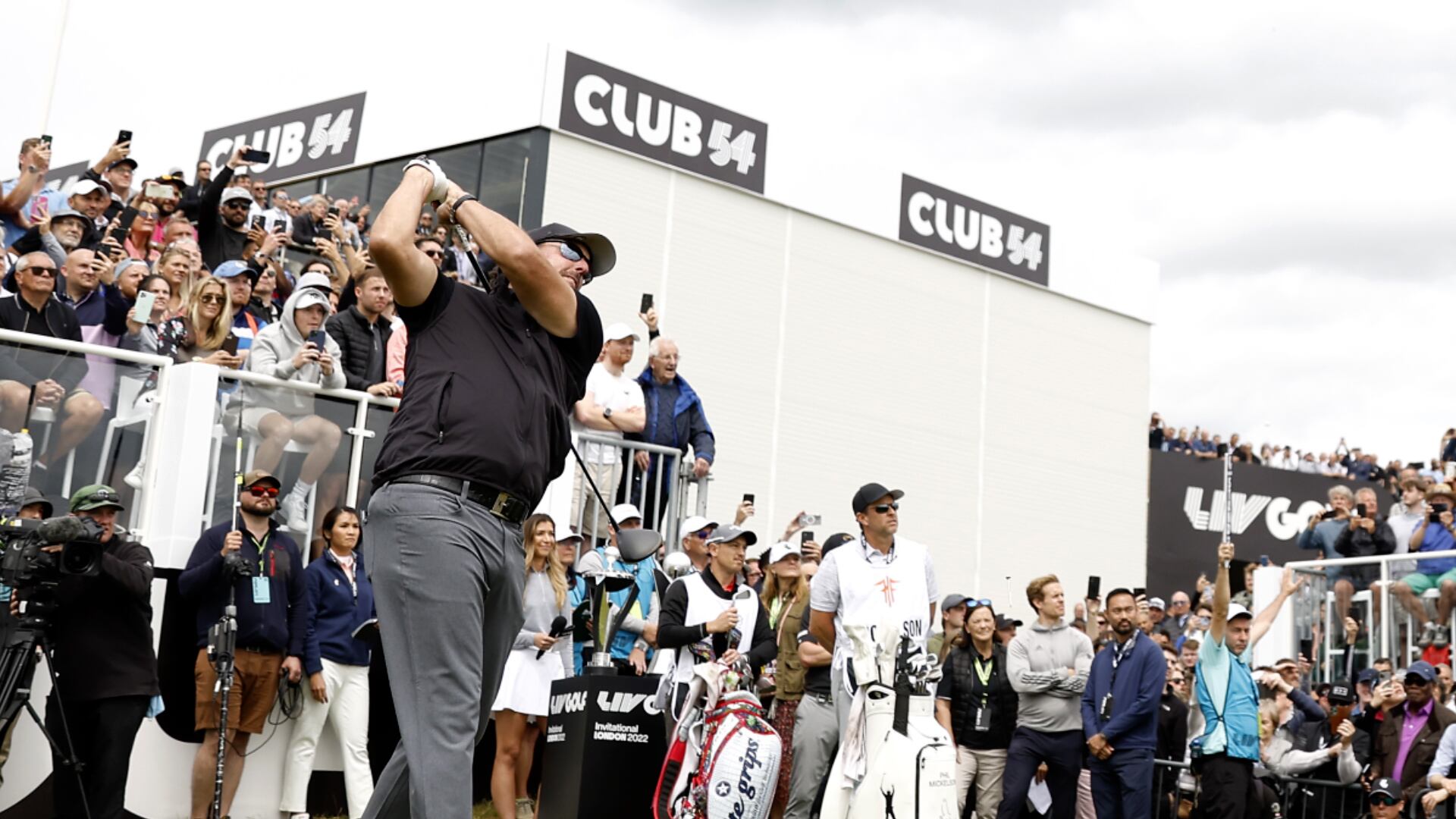
The PGA Tour has announced that it will suspend players that are competing in the LIV Golf event that teed off today. At least 17 players, including names like Phil Mickelson, Dustin Johnson, and Sergio Garcia are banned from the PGA Tour competition. Hilary Fordwich, a business analyst and golf expert, joined Cheddar News to discuss why the PGA had to go this route. This is a threat to the future of golf for them, and there's been many contentions about them not being fair and that this is vindictive," she said. "Don't forget, of course, they represent sort of a monopoly in the history of golf. So you've got two sides to this story. You've got those the purists, those that feel that golf should only be a certain way and that there are only these limited events that the PGA puts on. And then you've got other people who are saying … this is all about money"
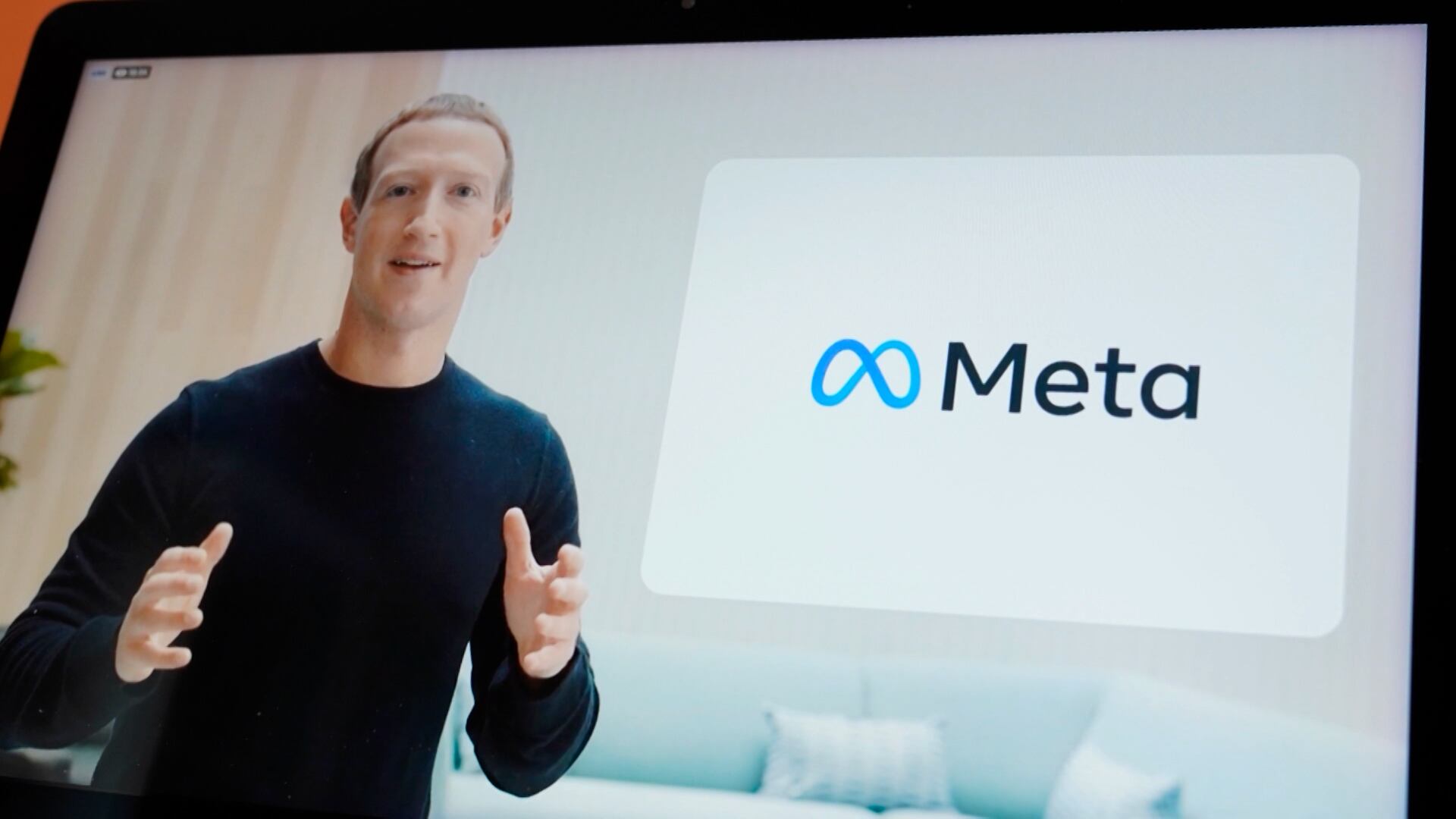
Facebook parent Meta officially has changed it’s ticker symbol from ‘FB’ to ‘META’. Paul Meeks, a portfolio manager, Independent Solutions Wealth Management, and a professor of practice in the Baker School of Business at The Citadel, joined Cheddar News to discuss why the tech giant has had to make big changes to its name, its ticker, and its business plans. "When you see what's happening in digital advertising — and there was a slowdown there even before the threat of a recession, which could cause a even more drastic slowdown next year — they had to pivot," he said. Meeks noted he sees Facebook dominating in the metaverse space going forward — whatever that may end up being.
Sports merchandising company Fanatics announced it will be making trading cards featuring college athletes, a deal made possible by the NCAA's change to NIL rules for its players. Anchors Kristen Scholer and Ken Buffa break down the deal for Cheddar.
Catching you up on today’s top business headlines with household wealth falling in Q1 for the first time in two years, Meta officially changing its ticker symbol from ‘FB’ to ‘META’, and updates on Tesla.
The European Union has approved a 40 percent quota for women to sit on company boards. This comes as only 9 of the 27 EU member states have gender equality legislation.
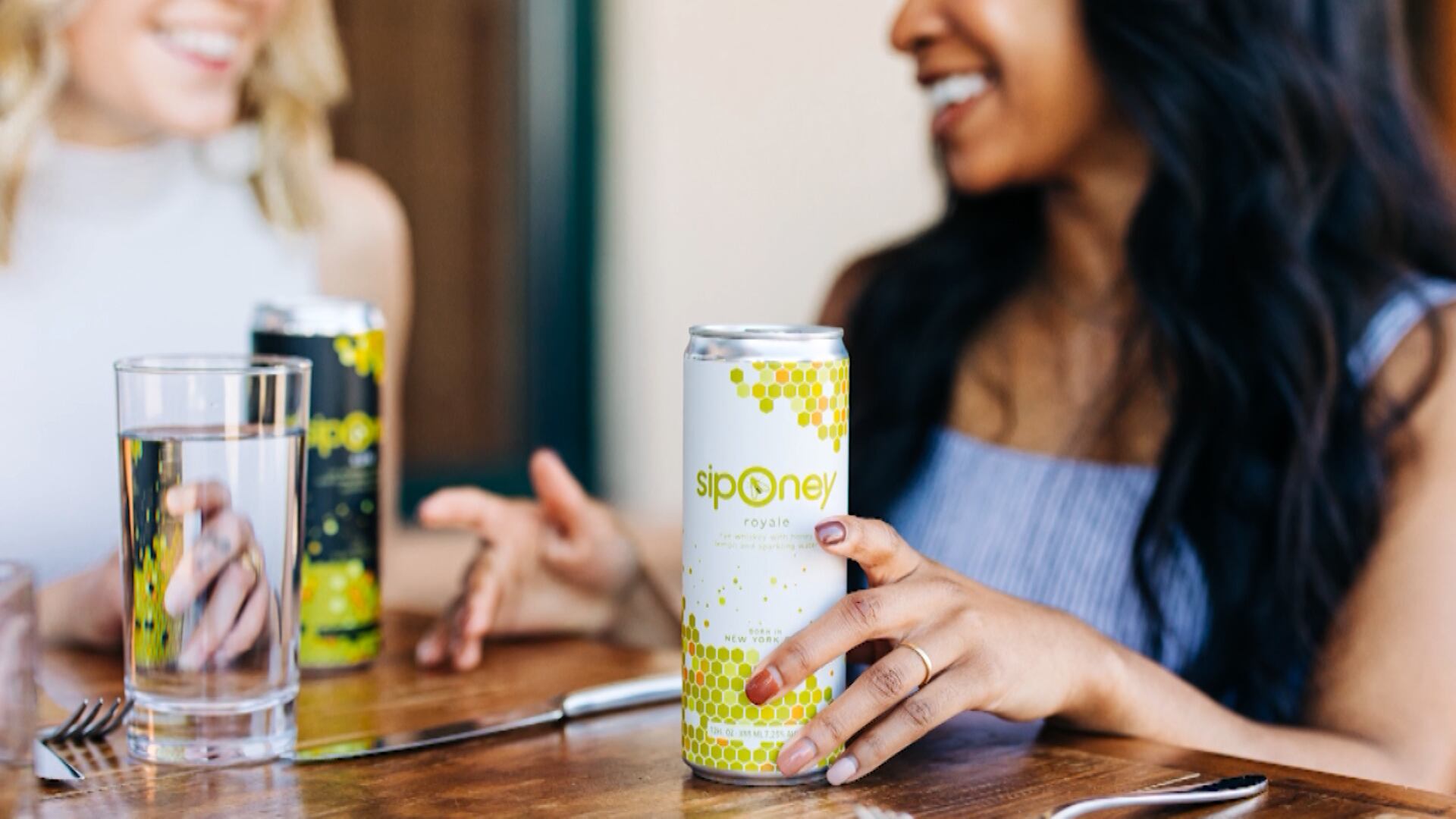
Amanda Victoria, co-founder and CEO of Siponey, joins Cheddar News to talk about the company's canned cocktails. The spritz is made with only four ingredients — wildflower honey, aged rye whiskey, sparkling water, and fresh lemon juice.