SurveyMonkey CEO Zander Lurie Sees Plenty of 'Green Field' to Compete in 'Massive' Market
*By Chloe Aiello*
Despite tumbling shares post-earnings and the loss of a longtime executive, SurveyMonkey CEO Zander Lurie is bullish on the future, saying independence from big tech backing could prove to be an advantage in an increasingly competitive market.
SurveyMonkey ($SVMK) is a subscription software as a service company that offers customizable surveys and a suite of back-end data analytics tools for individuals and enterprises. Its shares have been tumbling since it reported earnings in line with analyst expectations Wednesday evening. Lurie attributed the plunge to the expiration of SurveyMonkey's post IPO lock-up period.
"We had our lockup released today, so a lot of the shareholders who have accumulated stock over the last 19 years finally had a chance to sell it. I think if we deliver on the plan that we laid out for shareholders, our shares will perform just fine," Lurie said.
Concurrently with Wednesday earnings, SurveyMonkey announced that Chief Financial Officer Tim Maly will retire at the end of March.
Lurie told Cheddar he will serve as interim CFO, but is confident the company can absorb Maly's departure.
SurveyMonkey has had a volatile couple of months since its September IPO as it fights to compete in a crowded space with huge competitors like SAP-owned ($SAP)Qualtrics and Google ($GOOGL). But Lurie told Cheddar he sees independence from big technology companies as a strength for SurveyMonkey as it fights for customers.
Lurie noted that Qualtrics is now "owned by SAP, so you can imagine them steering deeper into SAP's customer base."
"That leaves a lot of green field for us to compete, especially for shops that are using Microsoft ($MSFT) software, Salesforce ($CRM) software," he added. "We see a massive category that can support several multi-billion dollar companies."
Distance from big tech companies might also help keep SurveyMonkey far from the data scandals that have plagued them in recent months.
"We have built the biggest canonical data set in the survey category with over 50 billion responses," Lurie said. "That data is our customers' data and we invest significant dollars to protect that data. Our business is really built on people paying for our products." He added that he [commends Europe's data protection regulation](https://cheddar.com/media/surveymonkey-ceo-says-gdpr-compliance-is-strength-in-a-crowded-market) for "raising the bar" for data security.
Jay Hatfield, Chief Investment Officer at Infrastructure Capital Management, joined Closing Bell to break down the big factors leading to this latest market meltdown, as inflation and an upcoming Fed policy decision affect investor sentiment.
Tech apprenticeship platform Multiverse became a unicorn with a $1.7 billion valuation, after raising $220 million in a Series D round. As companies across the country face challenges in hiring and retaining tech talent, Multiverse says it's trying to offer a solution with a new way to train and hire workers that can serve as an alternative to college and corporate training. Sophie Ruddock, VP and GM North America of Multiverse, joins Cheddar News' Closing Bell to discuss.
Bitcoin's price has fallen below $24,000, its lowest level since December 2020. Matt Hougan, CIO at Bitwise Asset Management, joined Cheddar News to discuss the future of crypto amid the latest high-profile point of concern, the halting of withdrawals at Celsius Network. "Last month we saw Luna collapse. This month we're seeing Celsius possibly collapsing," he said. "So this stress test is finding weaknesses in the crypto ecosystem and it will continue until we get to a strong foundation from which crypto can recover."
An analyst at JP Morgan is predicting massive future growth for Apple in its music and gaming divisions — to the tune of more than $8 billion in revenue by 2025. Cheddar News anchors Kristen Scholer and Hena Doba discuss the glowing forecast for the tech giant.
Catching you up on today’s top headlines with Bitcoin falling below $24,000, U.S. gas prices reaching above $5 on average, Tesla shareholders voting on a 3-for-1 stock split, and more.
On this episode of On The Job presented by ADP: Gemma Burgess, CEO of Ferguson Partners, explains what people are looking for in an employer, and how to convey positive work culture to potential employees; Amy Leschke-Kahle, Vice President of Performance Acceleration at The Marcus Buckingham Company, an ADP company, breaks down how encouraging employee engagement and empowering employee voices can benefit every workplace and busts a myth about employee engagement while working from home; Jim Huether, CEO of Hyperice, discusses Hyperice's new employee mental health initiative, known as the Workplace Alliance, with 100-plus companies to combat the ongoing mental health crisis and how they're taking a hands-on, data-driven approach to the mental health crisis.
Amy Leschke-Kahle, Vice President of Performance Acceleration at The Marcus Buckingham Company, an ADP company, joins Cheddar to discuss how encouraging employee engagement and empowering employee voices can benefit every workplace and busts a myth about employee engagement while working from home.
Jim Huether, CEO of Hyperice, joins Cheddar to discuss Hyperice's new employee mental health initiative, known as the Workplace Alliance, with 100-plus companies to combat the ongoing mental health crisis and how they're taking a hands-on, data-driven approach to the mental health crisis.
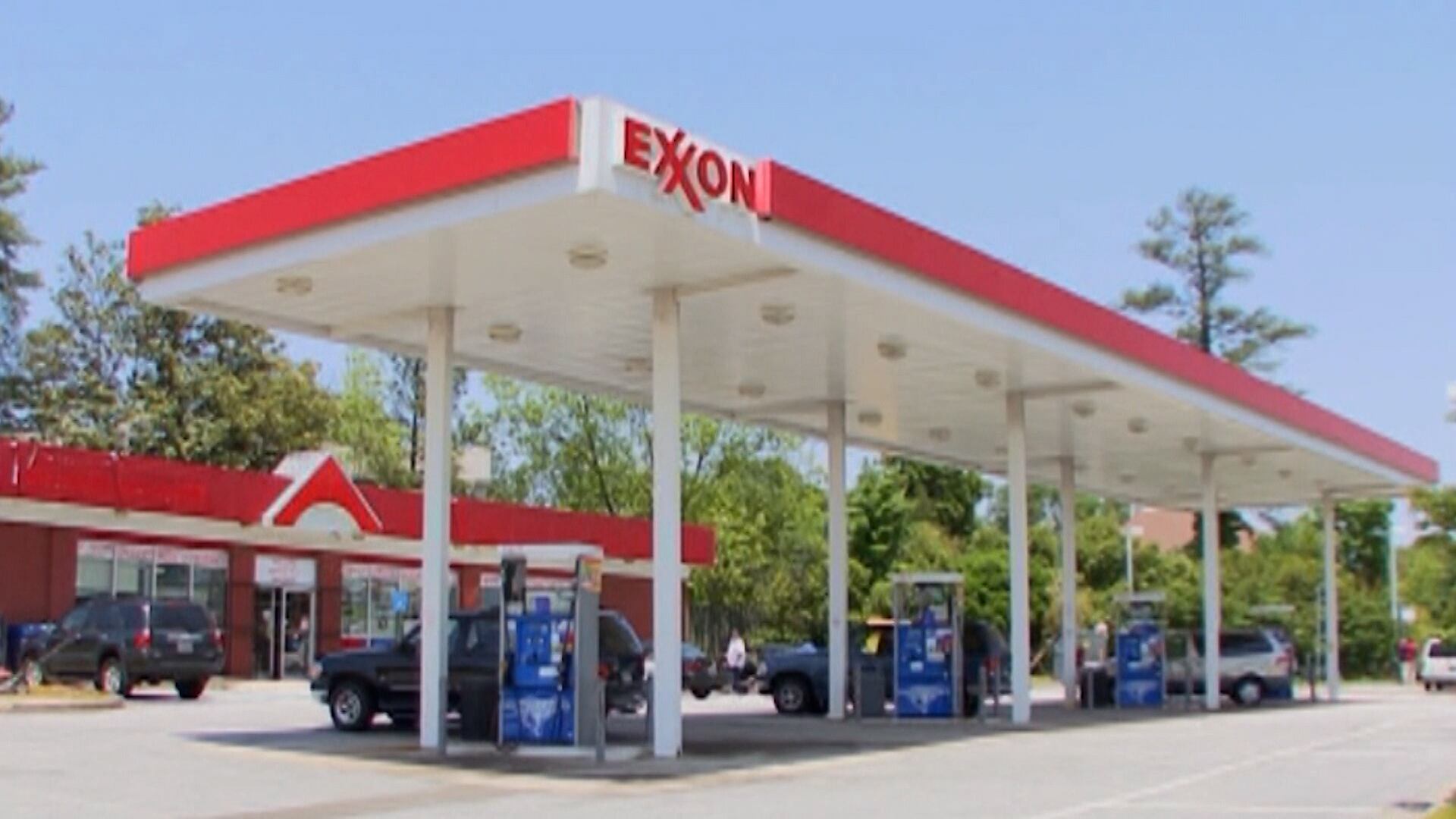
Consumer prices saw an 8.6 percent jump in May, with fuel prices showing the biggest surge, climbing 17 percent last month. As inflation continues to climb to levels not seen in 40 years, President Biden took to calling out ExxonMobil and other major oil companies, accusing them of holding back production while continuing to collect huge profits at the cost of the consumer. Mark Avallone, the president of Potomac Wealth Advisors, joined Cheddar's Opening Bell to discuss. “They have reduced long-term expenditures. But why? Because the world is going to alternative energy and as consumers, if we thought that that welcome change to alternatives was going to happen without pain, we might have been mistaken," he said. "The less investment they make in oil because they're getting ready for a new world of electric vehicles, the less we're going to be prepared for oil shocks such as the one we got when Russia invaded Ukraine."