Dry January doesn't have to mean sober January — at least for the 21 percent of participants turning to cannabis or CBD to make it through the month.
According to a survey by Civic Science, 67 percent of Dry January participants, or those choosing to abstain from alcohol consumption for the month of January, reported they are replacing alcohol with something — whether that be mocktails and alcohol-free beers or sodas and seltzers.
The largest share, 21 percent, said they would enjoy cannabis or non-psychoactive CBD in place of alcohol. The preference for substitutes wasn't uniform across all respondents. Cannabis was the most popular substitute among the youngest respondents with 34 percent of 21- to 24-year-olds preferring it. Among the 55 and older crowd, by contrast, just 9 percent reported they'd enjoy cannabis or CBD instead of alcohol, and 54 percent reported they'd stay the course without any support.
Dry January's Growing Popularity
Interest in Dry January has climbed over the recent years. At the close of 2022, about 41 percent of respondents in a separate survey by Civic Science reported they were "somewhat to very likely" to participate in Dry January come 2023. That's in-line with pre-pandemic data for the start of 2020, but slightly behind 2022 responses, which rebounded after a lag in interest during the 2021 pandemic year.
As with the preference for cannabis, interest in Dry January tends to vary by age — and younger generations are leading the charge. For the year of 2023, more than half of the youngest respondents, aged 21 to 24 years old, said they were "somewhat to very likely" to participate versus just 41 percent of those 55 and older.
Studies suggest social media is contributing to a growing reluctance to drink with younger generations fearful of consequences if their drunk escapades are documented on the internet. According to 2019 research from Google, 49 percent of Generation Z reports their image online is "always at the back of their mind when they go out socializing and drinking." Some 76 percent reported it is important to have control of "all aspects of their life at all times," according to the research.
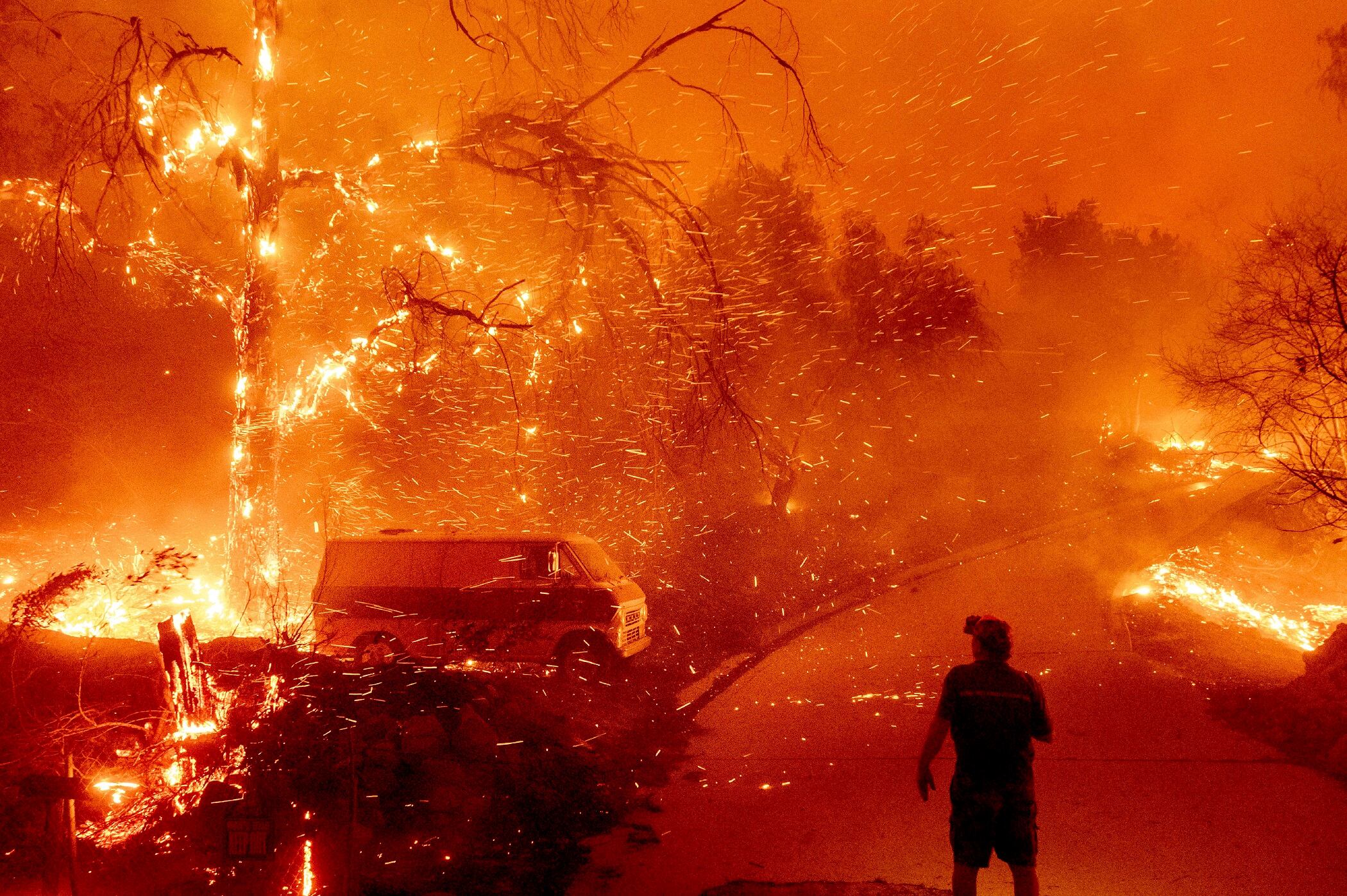
In a nearly 3,700 page UN report, climate scientists outline the imminent dangers caused by climate change, saying fossil fuels are 'choking humanity.' The report calls some of the impacts of global warming 'irreversible,' warning of extreme consequences in the near future. Kristie L. Ebi, Professor of Global Health and Environmental and Occupational Health Sciences, University of Washington joined Cheddar's Opening Bell to discuss.
World leaders are currently dealing with a handful of pressing issues, including Russia's invasion of Ukraine, inflation, and not to mention the COVID-19 pandemic; but it could be argued that the most pressing issue is one that has experienced its fair share of neglect in the past -- climate change. As tensions escalate between Russia and Ukraine, there is fear the focus on climate will once again be pushed aside. However, the White House appears to be making some effort to prevent that from happening. The White House Office of Science and Technology held a first-of-its-kind roundtable discussion with some of the nation's leading climate scientists on Thursday. Michael Mann, Director of the Earth System Science Center at Pennsylvania State University, and author of the book 'The New Climate War' joins Cheddar News' Closing Bell to discuss his experience as one of the climate scientists at the White House event.
On December 25, 2021, NASA got into the holiday spirit by launching the James Webb Space Telescope, the largest and most powerful space science observatory in history.
It is intended to succeed the Hubble Space Telescope as NASA's flagship mission in astrophysics and is able to view objects too old and distant for Hubble. Gregory Robinson, director of NASA's James Webb Space Telescope program, joins Cheddar News' Closing Bell to discuss the mission. "I think a lot of what we don't know today is what I'm expecting to find and certainly really understand what took place more than 13.5 billion years ago and see the formation of some of the first galaxies in our universe," said Robinson.
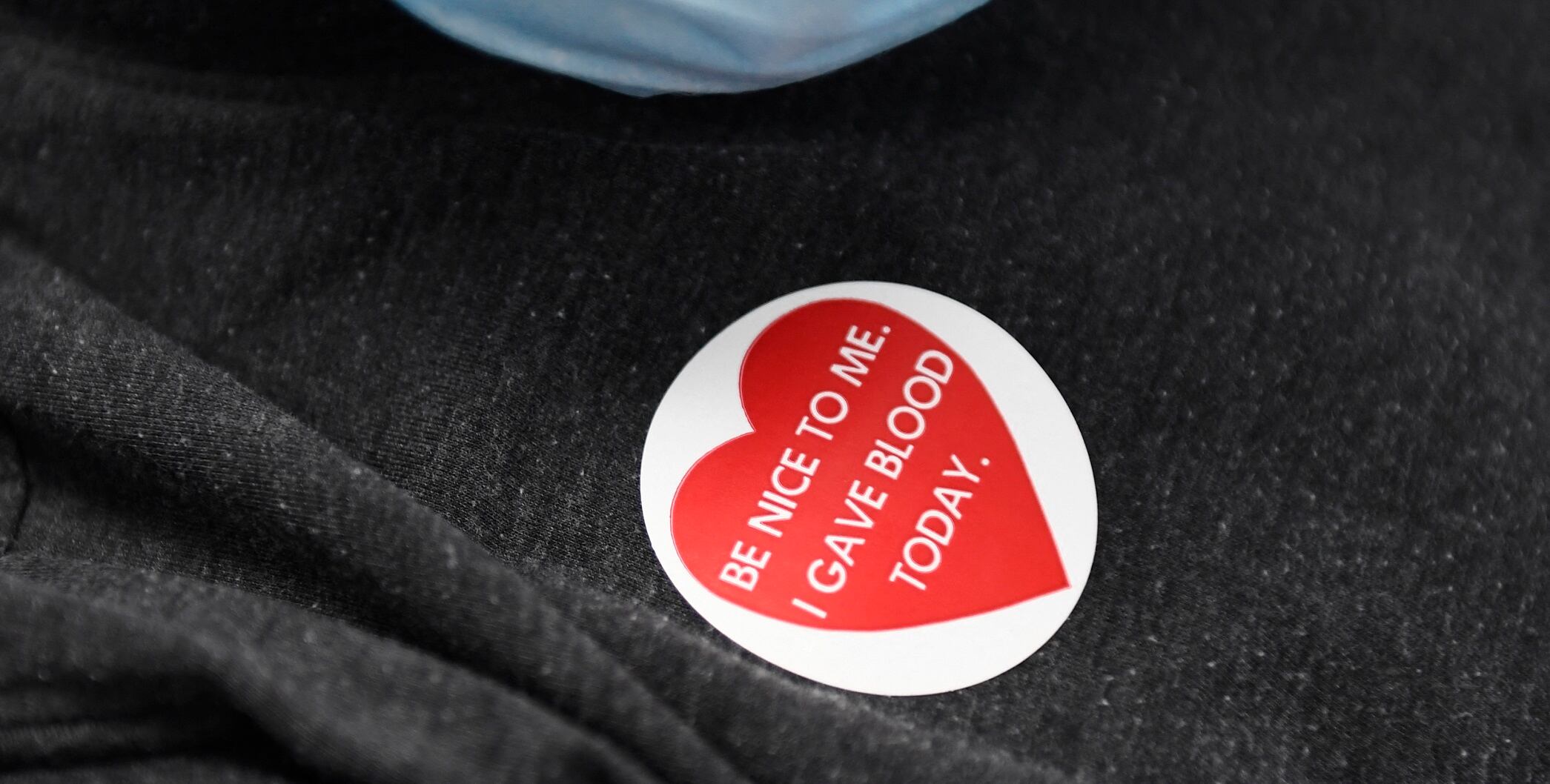
The COVID-19 pandemic disrupted blood donations leading to severe shortages throughout the country. Chloe Aiello reports on the desperate need for new donors.
GSK has unveiled its new consumer health unit called Haelon. Haleon will debut as a standalone company later this year. Katie Williams, U.S. chief marketing officer at GSK, joined Cheddar News to discuss.
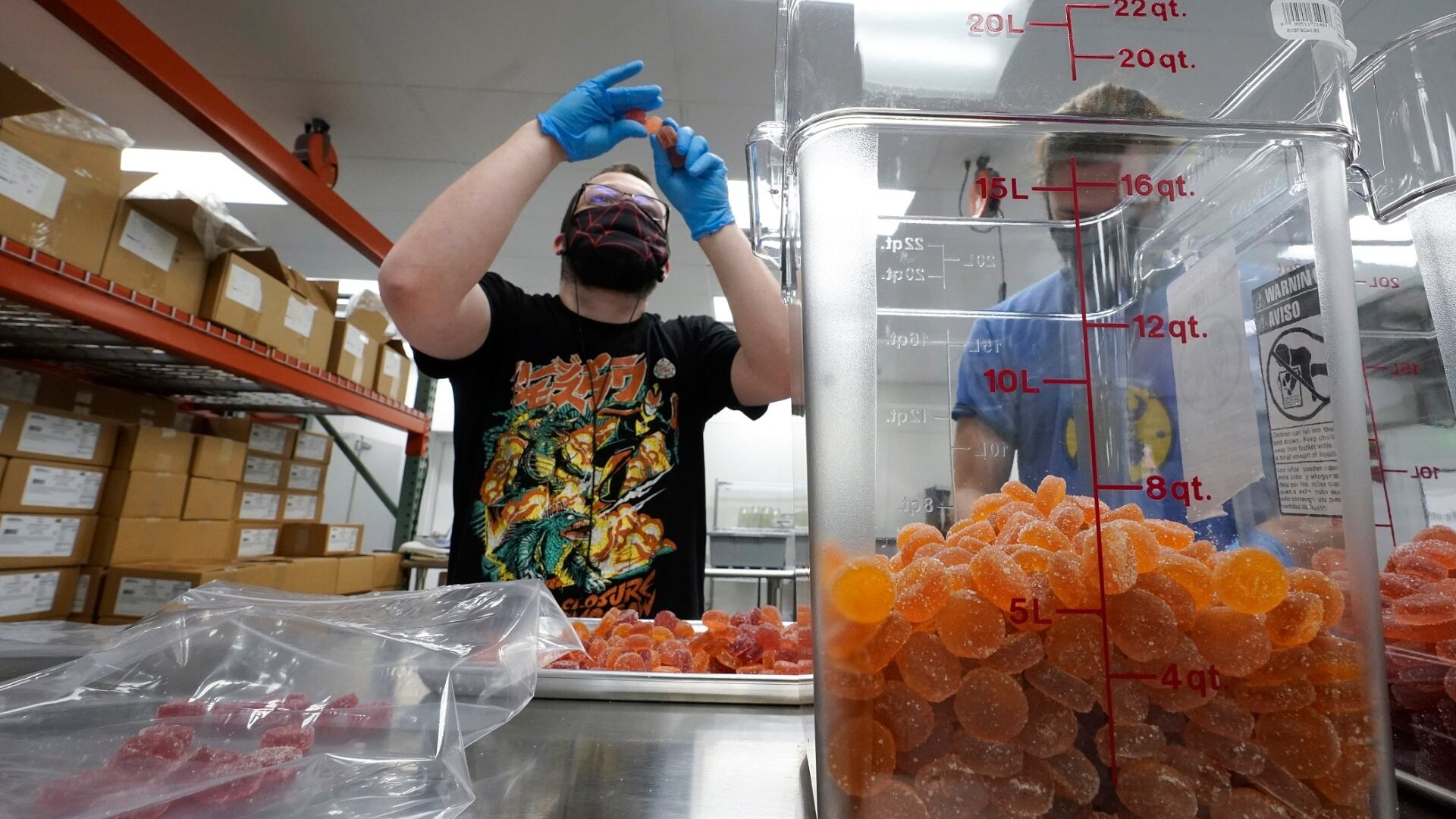
Even amid the Great Resignation, the cannabis industry saw major job growth. As of January 2022, the legal industry supported more than 428,000 jobs — a 33 percent increase year-over-year, according to the sixth annual jobs report from Leafly, a website focused on cannabis use and education. Yoko Miyashita, CEO of Leafly, joined Cheddar News' Closing Bell to discuss. “You know we've got big moments coming ahead in New Jersey and New York with adult-use sales starting in New Jersey, hopefully by this fall, with New York quickly to follow," she said. "So we're hugely optimistic about the kind of job growth that those markets can drive with the right type of market setup.
DNA evidence now shows that the 500-pound black bear the public had nicknamed “Hank the Tank” is, in fact, three not-so-little bears who have damaged more than 30 properties around Lake Tahoe in recent months.
The Biden administration will significantly loosen federal mask-wearing guidelines to protect against COVID-19 transmission on Friday, according to two people familiar with the matter.