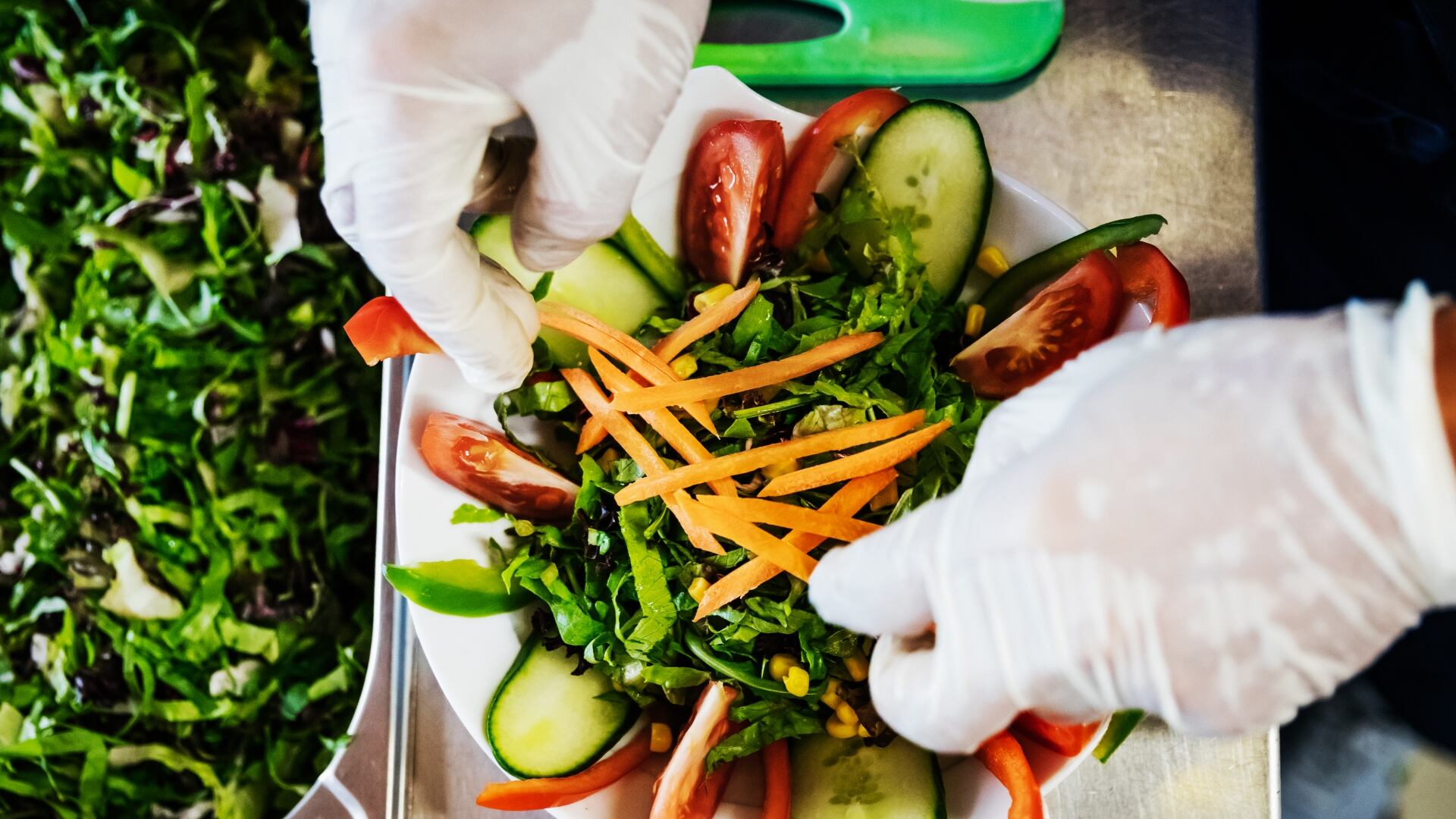
Dry January doesn't have to mean sober January — at least for the 21 percent of participants turning to cannabis or CBD to make it through the month.
According to a survey by Civic Science, 67 percent of Dry January participants, or those choosing to abstain from alcohol consumption for the month of January, reported they are replacing alcohol with something — whether that be mocktails and alcohol-free beers or sodas and seltzers.
The largest share, 21 percent, said they would enjoy cannabis or non-psychoactive CBD in place of alcohol. The preference for substitutes wasn't uniform across all respondents. Cannabis was the most popular substitute among the youngest respondents with 34 percent of 21- to 24-year-olds preferring it. Among the 55 and older crowd, by contrast, just 9 percent reported they'd enjoy cannabis or CBD instead of alcohol, and 54 percent reported they'd stay the course without any support.
Dry January's Growing Popularity
Interest in Dry January has climbed over the recent years. At the close of 2022, about 41 percent of respondents in a separate survey by Civic Science reported they were "somewhat to very likely" to participate in Dry January come 2023. That's in-line with pre-pandemic data for the start of 2020, but slightly behind 2022 responses, which rebounded after a lag in interest during the 2021 pandemic year.
As with the preference for cannabis, interest in Dry January tends to vary by age — and younger generations are leading the charge. For the year of 2023, more than half of the youngest respondents, aged 21 to 24 years old, said they were "somewhat to very likely" to participate versus just 41 percent of those 55 and older.
Studies suggest social media is contributing to a growing reluctance to drink with younger generations fearful of consequences if their drunk escapades are documented on the internet. According to 2019 research from Google, 49 percent of Generation Z reports their image online is "always at the back of their mind when they go out socializing and drinking." Some 76 percent reported it is important to have control of "all aspects of their life at all times," according to the research.
Carlo and Baker cover the big races to watch on this off-cycle Election Day, the concrete pledges starting to come out of COP26, Jeffrey Epstein keeps causing CEOs to lose their jobs, and Ryan Murphy's TV hit that wasn't.
The UN climate change conference kicked off on Sunday with about 120 world leaders and delegates gathering in Glasgow, Scotland this week, as experts continue to warn about the harms of heightened emissions and the effects on climate change. The topic of ESG investing is expected to be a top priority at the summit. Jefferies global head of ESG and sustainability research Aniket Shah joined Cheddar News' Closing Bell to discuss.
Christian Kroll, CEO of Ecosia, joins 'Fast Forward' to discuss how Ecosia uses its ad revenue to plant trees, and what the company plans to do after launching a $405 million venture capital fund focused on combating the climate crisis.
Dr. Ashley McClure, co-founder of Climate Health Now, joins 'Fast Forward' to discuss why the climate crisis is the greatest threat to humanity and health, and measures we need to take to reverse course.
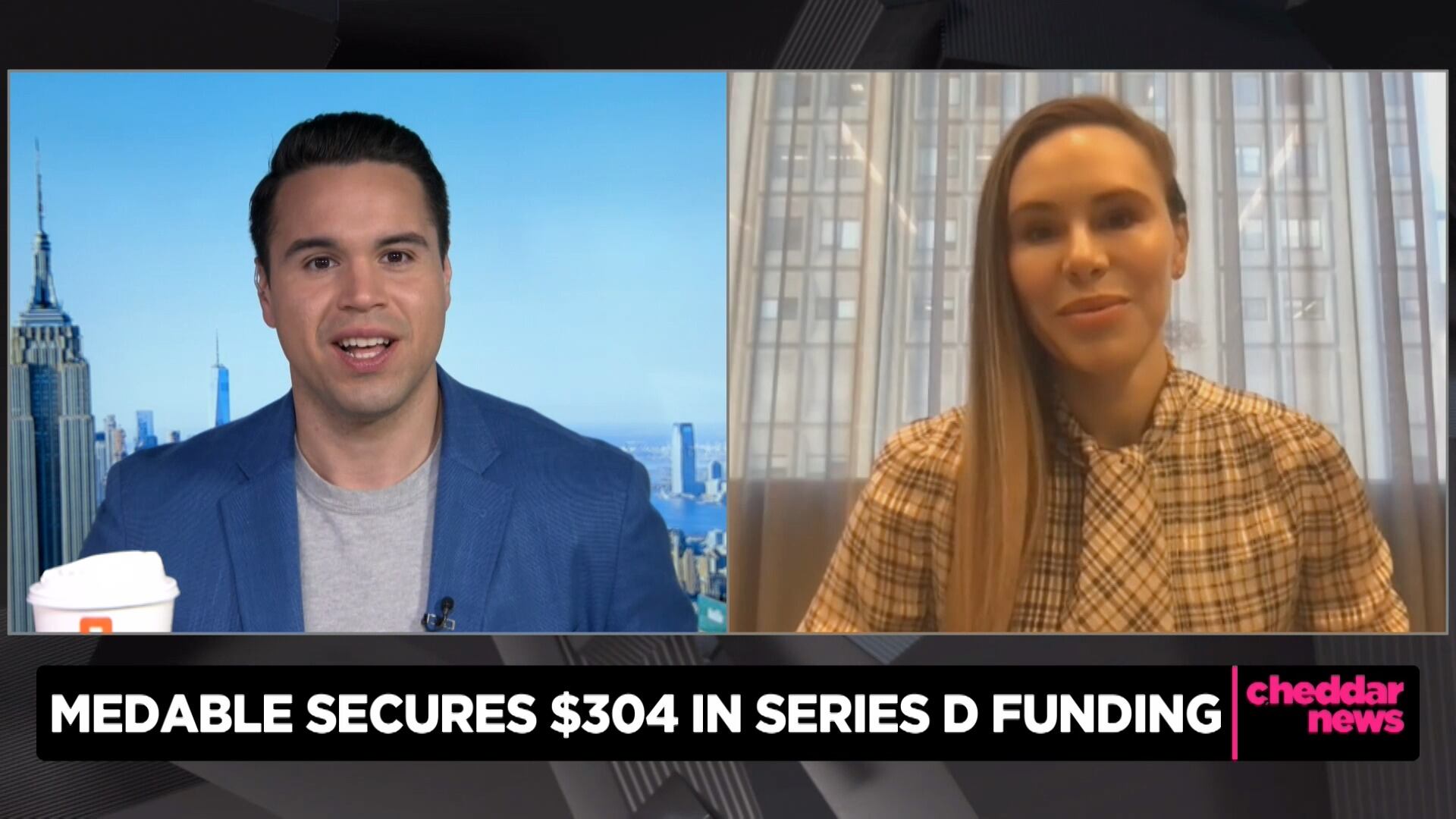
Clinical research company Medable has secured $304 million in Series D funding, marking its fourth round since 2020, giving the firm a valuation of just over $2 billion. Dr. Michelle Longmire, CEO and Co-founder, Medable joined Cheddar's Opening Bell to discuss the future of the company.
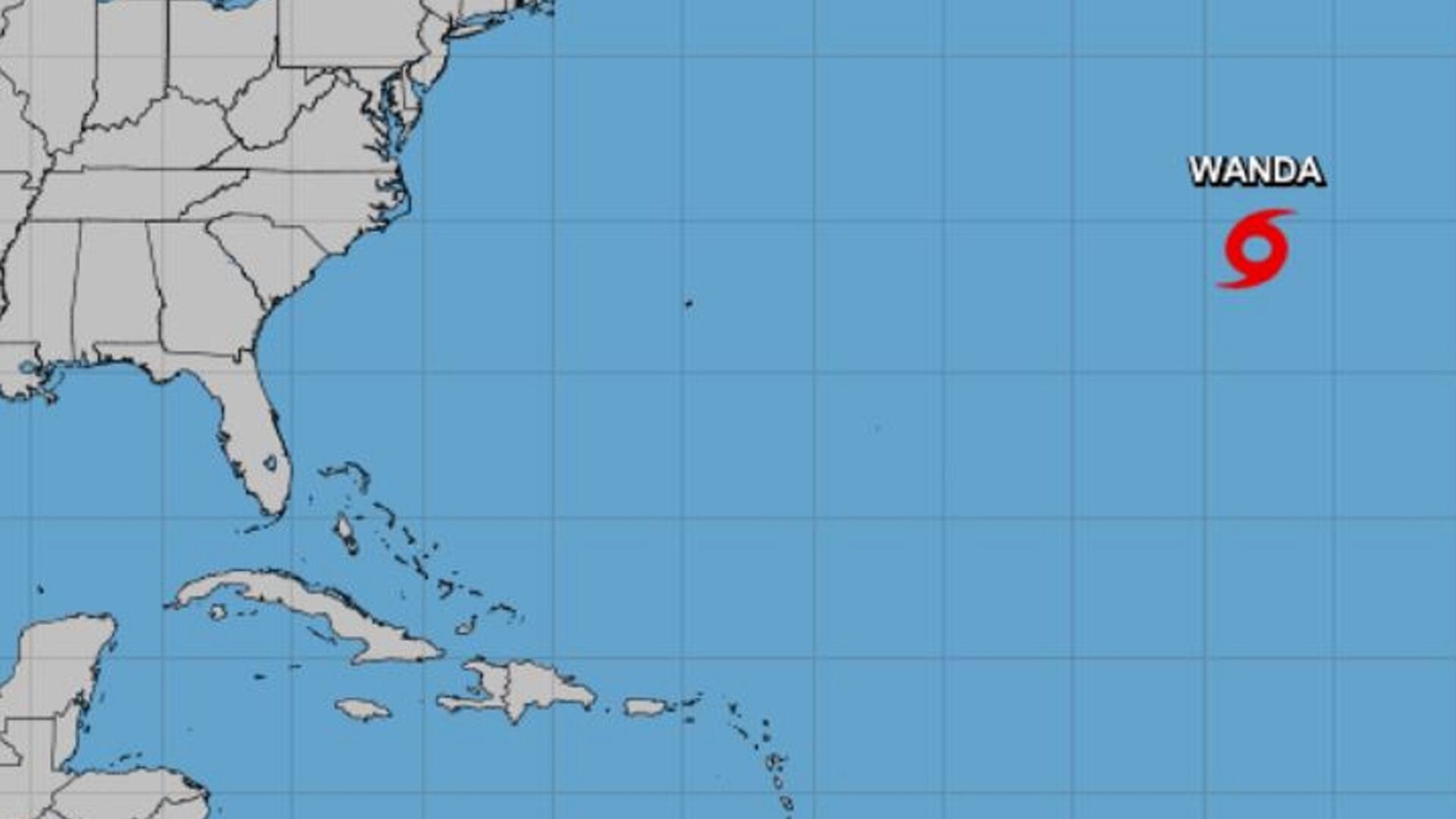
The National Hurricane Center announced that the list of storm names in 2021 has been exhausted as one of the most active hurricane seasons in history continues to stir in the Atlantic Ocean. Subtropical Storm Wanda marks only the third time in history (last year being the second) that all the names were used in a single season.
Astronomers at NASA have located what could be the first exoplanet not only outside of the solar system but outside of our own galaxy in the Messier 51 (or the Whirlpool Galaxy), 28 million light-years away. It could take astronomers up to 70 years to see if the planet passes in front of its star to verify the find.
Even with pandemic lockdowns, greenhouse gas levels reached new highs in 2020, according to the World Meteorological Organization. This report comes just a week ahead of the United Nations Climate Change Conference, otherwise known as Cop26. Shannon Osaka, climate policy and solutions reporter at Grist, joined Cheddar's Between Bells to discuss.
Oatly Chief Sustainability Officer, Ashley Allen joins Cheddar News to talk about food waste and hows its been left off the table in the upcoming COP26 agenda. Ashley will be on the ground at COP26 and advocating for this conversation to get the attention it deserves.
Carlo's flying solo today, talking COP26 and climate change, another racially charged trial gets underway, SCOTUS takes on abortion and a stunning rise in traffic deaths points to a bigger societal breakdown sparked by the pandemic.