Dry January doesn't have to mean sober January — at least for the 21 percent of participants turning to cannabis or CBD to make it through the month.
According to a survey by Civic Science, 67 percent of Dry January participants, or those choosing to abstain from alcohol consumption for the month of January, reported they are replacing alcohol with something — whether that be mocktails and alcohol-free beers or sodas and seltzers.
The largest share, 21 percent, said they would enjoy cannabis or non-psychoactive CBD in place of alcohol. The preference for substitutes wasn't uniform across all respondents. Cannabis was the most popular substitute among the youngest respondents with 34 percent of 21- to 24-year-olds preferring it. Among the 55 and older crowd, by contrast, just 9 percent reported they'd enjoy cannabis or CBD instead of alcohol, and 54 percent reported they'd stay the course without any support.
Dry January's Growing Popularity
Interest in Dry January has climbed over the recent years. At the close of 2022, about 41 percent of respondents in a separate survey by Civic Science reported they were "somewhat to very likely" to participate in Dry January come 2023. That's in-line with pre-pandemic data for the start of 2020, but slightly behind 2022 responses, which rebounded after a lag in interest during the 2021 pandemic year.
As with the preference for cannabis, interest in Dry January tends to vary by age — and younger generations are leading the charge. For the year of 2023, more than half of the youngest respondents, aged 21 to 24 years old, said they were "somewhat to very likely" to participate versus just 41 percent of those 55 and older.
Studies suggest social media is contributing to a growing reluctance to drink with younger generations fearful of consequences if their drunk escapades are documented on the internet. According to 2019 research from Google, 49 percent of Generation Z reports their image online is "always at the back of their mind when they go out socializing and drinking." Some 76 percent reported it is important to have control of "all aspects of their life at all times," according to the research.
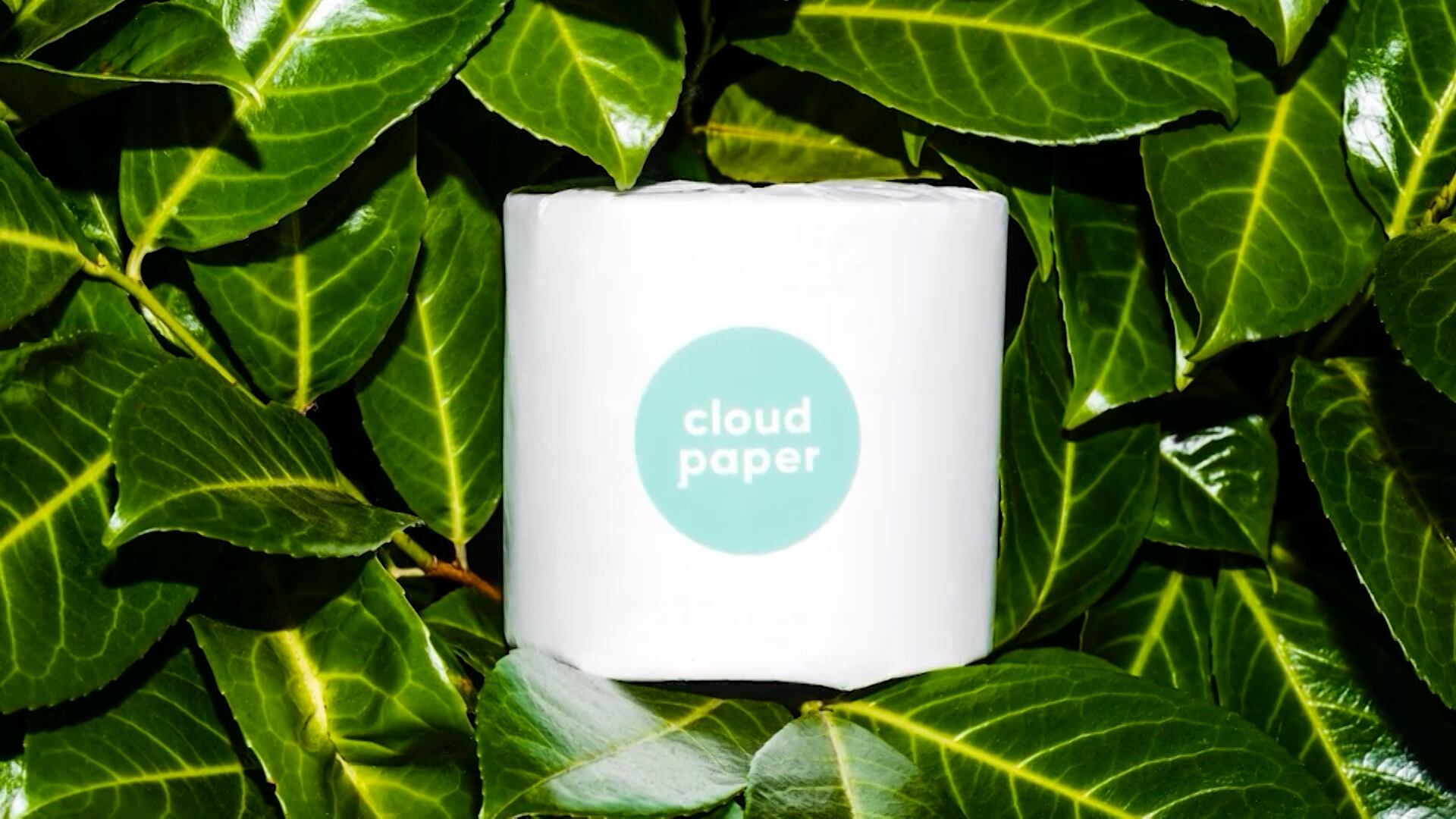
Bamboo-based toilet paper company Cloud Paper raised $5 million in a recent funding round. Its product is a bamboo-based alternative to traditional toilet paper made from trees, and its mission is to end the deforestation caused by traditional paper products. Cloud Paper says the raise will allow it to make significant investments in its supply chain, product development, and hiring. Ryan Fritsch, a co-founder of Cloud Paper, joined Cheddar News' Closing Bell to discuss.
Space tourism company World View plans to launch its first commercial flights in early 2024, with voyages to take off from iconic locations around the world like the Grand Canyon — but seemingly at a flexible price point. Dale Hipsh, president of tourism and exploration at World View, joined Cheddar to discuss what a trip to the stratosphere would look like with his company and its much less expensive take on space travel. "Our technology allows us to be more democratic, to offer more opportunities for people to experience near space, and that overview effect," he said. "So we're really thrilled to be bringing it to market."
A recent NOAA report found America's coastline could experience a century's worth of sea rise in just 30 years. By 2050, water on the U.S. coast will be 10-12 inches higher, causing major eastern cities to be hit regularly with floods, even on sunny days. Gary Mitchum, professor of physical oceanography at the University of South Florida, joins Cheddar News to discuss.
The Biden administration is launching a new task force to promote the use of 'cleaner' construction materials with lower life cycle emissions. This comes as the White House works to speed up government purchases of greener products. Sweta Chakraborty, climate change expert and U.S. president of "We Don't Have Time," joins Cheddar News to discuss.
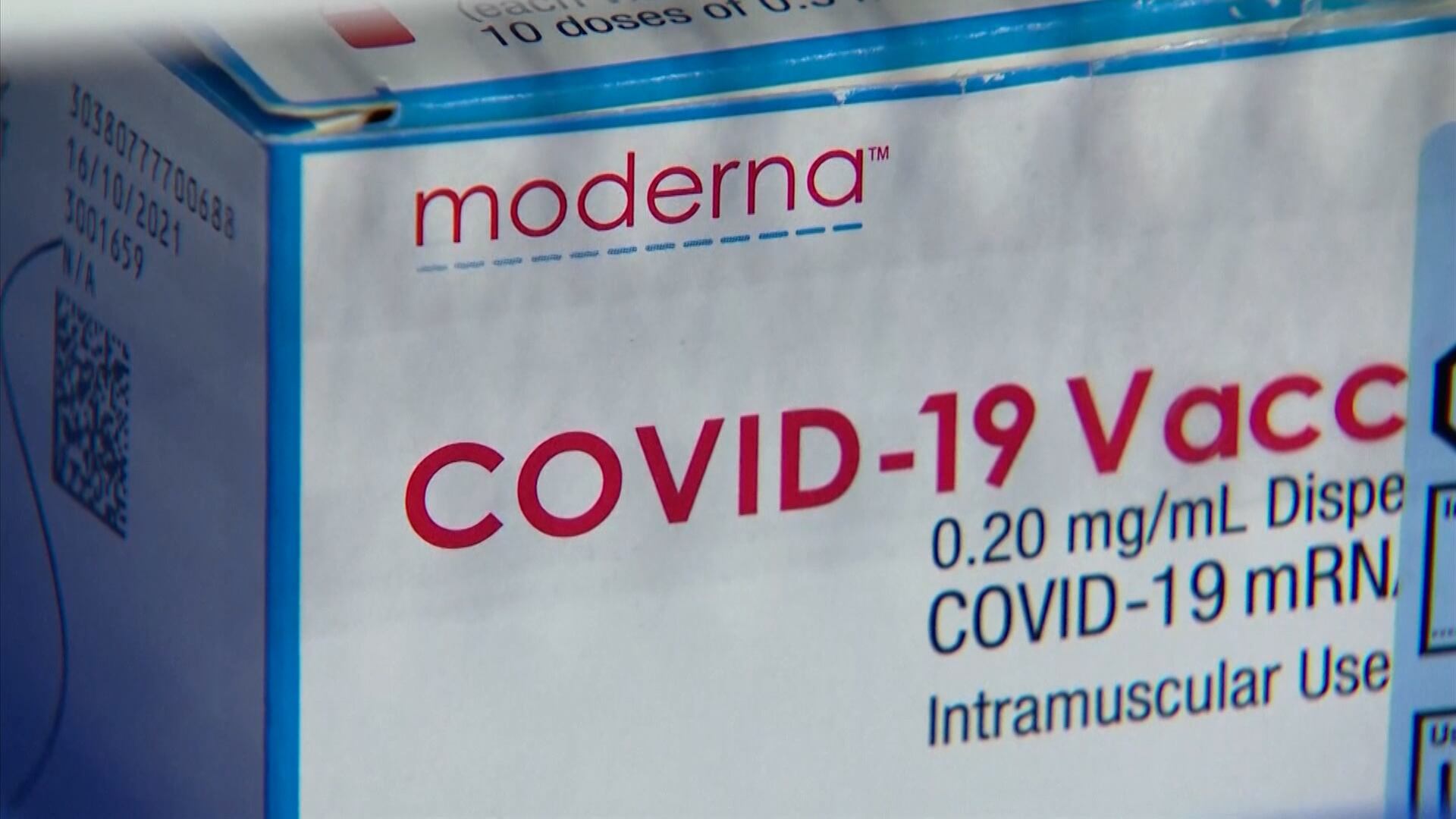
Stephen Gardner, director at ETF Managers Group, explains why investors shouldn't be rushing to sell vaccine stocks like Moderna or BioNTech even as the spread of COVID-19 slows down.
On this episode of Cheddar Innovates: Evolution Devices CEO breaks down how the Evowalk wearable device can help those with walking impairments; Cresilon CEO explains how he's created a plant-based gel to easily treat wounds in both humans and animals; A look at Curiosity Stream's 'The Colorado Problem.'
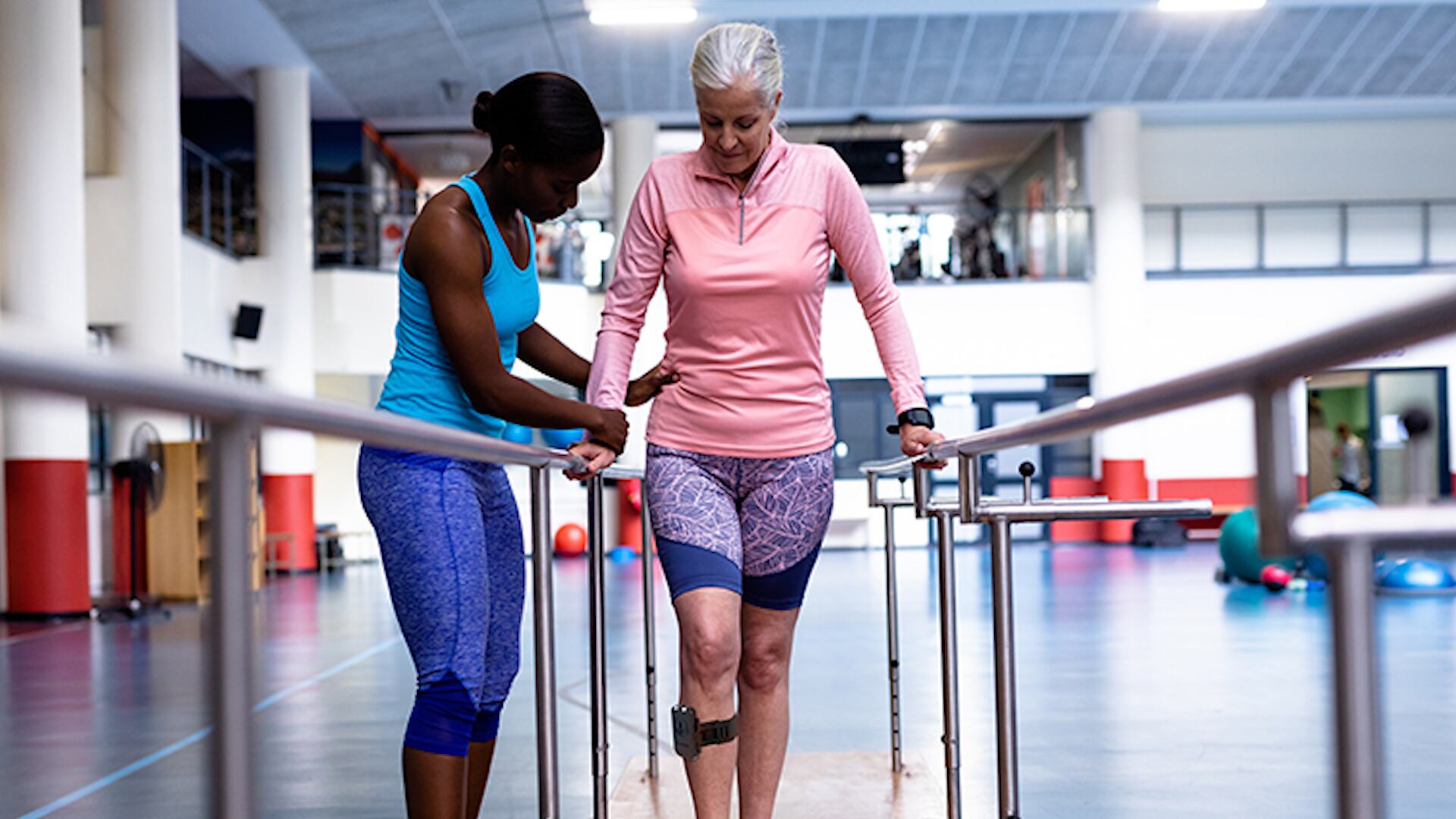
Pier Mantovani, Founder and CEO of Evolution Devices, joins Cheddar Innovates to discuss how the Evowalk wearable device can help those with walking impairments, and how remote physical therapy is becoming a reality.
Joe Landolina, CEO and Co-Founder of Cresilon, joins Cheddar Innovates to discuss how he's created a plant-based gel to easily treat wounds in both humans and animals.
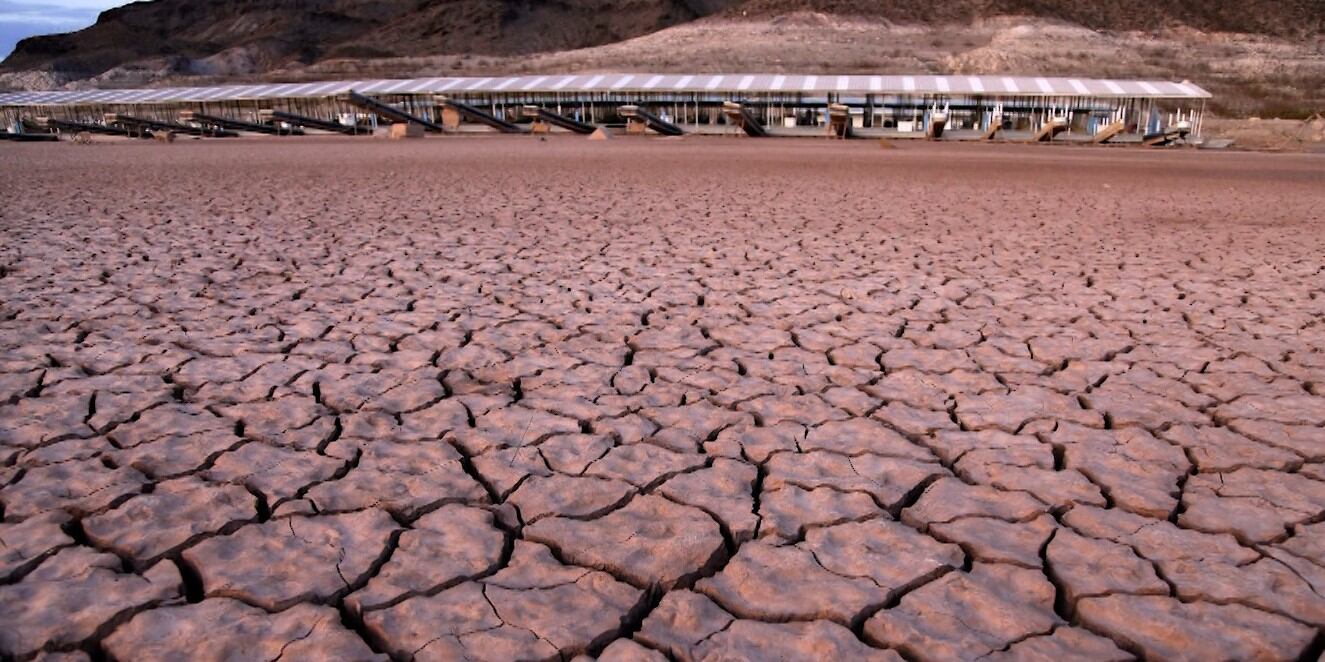
A new analysis reveals that for more than two decades, the West has been the driest it has ever been since 800 A.D. The drought which began in 2000 has brought more devastating wildfires and draining water reserves well below healthy levels. Climate Scientists and Adjunct Associate Research Scientist at Lamont Doherty Earth Observatory at Columbia University,Benjamin Cook, joined Cheddar to discuss more.