By Christopher Rugaber
A majority of the nation’s business economists expect a U.S. recession to begin later this year than they had previously forecast, after a series of reports have pointed to a surprisingly resilient economy despite steadily higher interest rates.
Fifty-eight percent of 48 economists who responded to a survey by the National Association for Business Economics envision a recession sometime this year, the same proportion who said so in the NABE's survey in December. But only a quarter think a recession will have begun by the end of March, only half the proportion who had thought so in December.
The findings, reflecting a survey of economists from businesses, trade associations and academia, were released Monday.
A third of the economists who responded to the survey now expect a recession to begin in the April-June quarter. One-fifth think it will start in the July-September quarter.
The delay in the economists' expectations of when a downturn will begin follows a series of government reports that have pointed to a still-robust economy even after the Federal Reserve has raised interest rates eight times in a strenuous effort to slow growth and curb high inflation.
In January, employers added more than a half-million jobs, and the unemployment rate reached 3.4%, the lowest level since 1969.
And sales at retail stores and restaurants jumped 3% in January, the sharpest monthly gain in nearly two years. That suggested that consumers as a whole, who drive most of the economy's growth, still feel financially healthy and willing to spend.
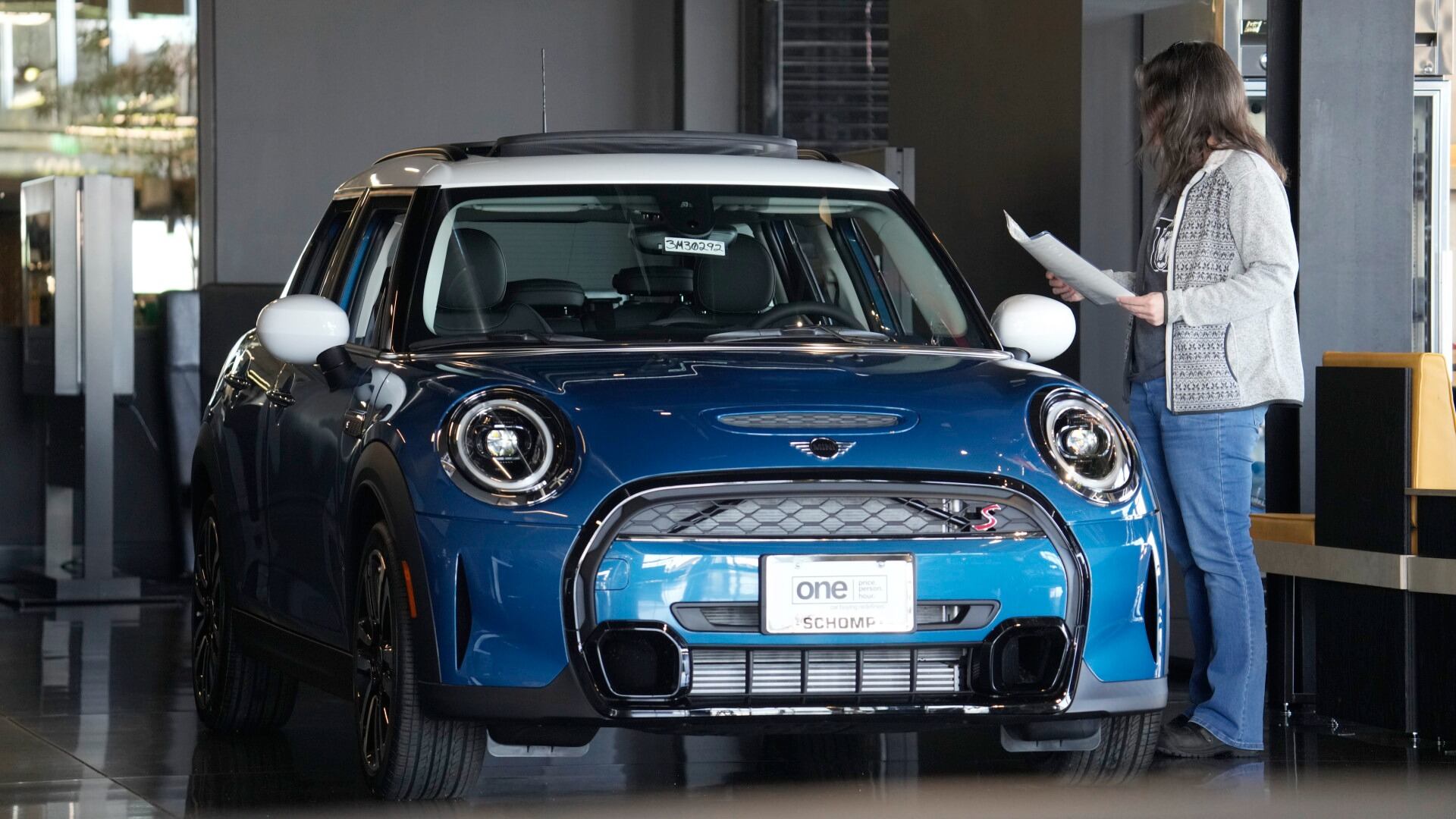
At the same time, several government releases also showed that inflation shot back up in January after weakening for several months, fanning fears that the Fed will raise its benchmark rate even higher than was previously expected. When the Fed lifts its key rate, it typically leads to more expensive mortgages, auto loans and credit card borrowing. Interest rates on business loans also rise.
Tighter credit can then weaken the economy and even cause a recession. Economic research released Friday found that the Fed has never managed to reduce inflation from the high levels it has recently reached without causing a recession.