By Jessica Gresko
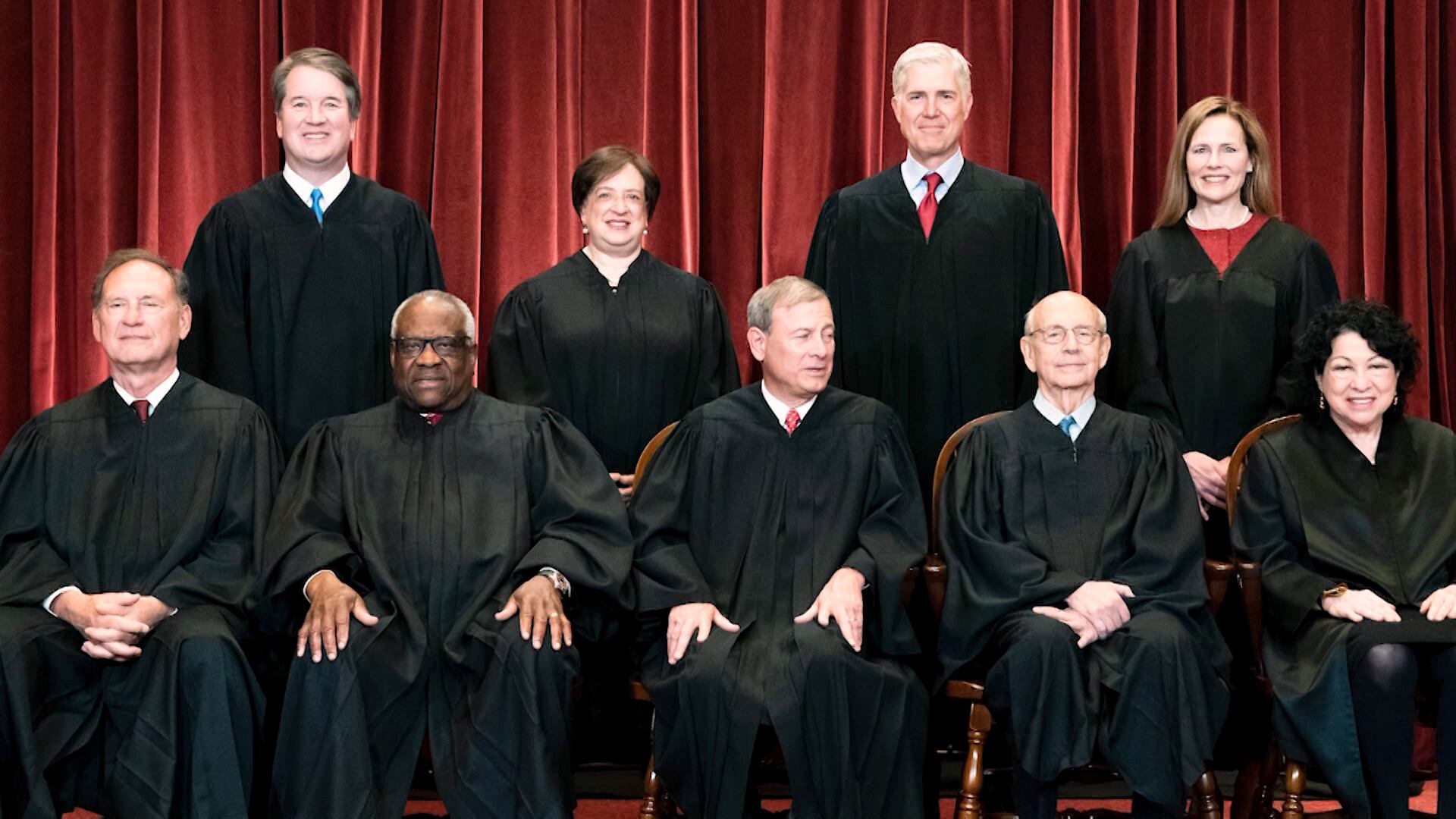
In a significant defeat for former President Donald Trump, the Supreme Court on Monday declined to step in to halt the turnover of his tax records to a New York state prosecutor.
The court’s action is the apparent culmination of a lengthy legal battle that had already reached the high court once before.
Trump’s tax records are not supposed to become public as part of prosecutors' criminal investigation, but the high court’s action is a blow to Trump because he has long fought on so many fronts to keep his tax records shielded from view. The ongoing investigation that the records are part of could also become an issue for Trump in his life after the presidency. Trump has called it “a fishing expedition” and “a continuation of the witch hunt — the greatest witch hunt in history.”
The Supreme Court waited months to act in the case. The last of the written briefs in the case was filed Oct. 19. But a court that includes three Trump appointees waited through the election, Trump’s challenge to his defeat and a month after Trump left office before issuing its order.
The court offered no explanation for the delay, and the legal issue before the justices did not involve whether Trump was due any special deference because he was president.
The court’s order is a win for Manhattan District Attorney Cyrus Vance Jr., who has been seeking Trump’s tax records since 2019 as part of an investigation. Vance, a Democrat, had subpoenaed the records from the Mazars accounting firm that has long done work for Trump and his businesses. Mazars has said it would comply with the subpoena, but Trump, a Republican, sued to block the records’ release.
Vance’s office had said it would be free to enforce the subpoena and obtain the records in the event the Supreme Court declined to step in and halt the records’ turnover, but it was unclear when that might happen. In a three-word statement, Vance on Monday said only: “The work continues.”
Representatives for Trump did not immediately respond to a request for comment.
The case the high court ruled in involves a grand jury subpoena for more than eight years of Trump’s personal and corporate tax records. Vance has disclosed little about what prompted him to request the records. In one court filing last year, however, prosecutors said they were justified in demanding the records because of public reports of “possibly extensive and protracted criminal conduct at the Trump Organization.”
Part of the probe involves payments to two women — porn actress Stormy Daniels and model Karen McDougal — to keep them quiet during the 2016 presidential campaign about alleged extramarital affairs with Trump. Trump has denied the affairs.
In July, the justices in a 7-2 ruling rejected Trump’s argument that the president is immune from investigation while he holds office or that a prosecutor must show a greater need than normal to obtain the tax records.
Justices Neil Gorsuch and Brett Kavanaugh, whom Trump nominated to the high court, joined that decision. It was issued before Trump’s third nominee, Justice Amy Coney Barrett, replaced the late Justice Ruth Bader Ginsburg on the court.
As part of its July decision, the high court returned the Vance case and a similar case involving records sought by Congress to lower courts. And the court prevented the records from being turned over while the cases proceeded.
Since the high court’s ruling, in the Vance case, Trump’s attorneys made additional arguments that his tax records should not be turned over, but they lost again in federal court in New York and on appeal. It was those rulings that Trump had sought to put on hold.
___
Associated Press reporter Jill Colvin contributed to this report.
Updated on February 22, 2021, at 11:36 a.m. ET with the latest details.