In a significant defeat for former President Donald Trump, the Supreme Court on Monday declined to step in to halt the turnover of his tax records to a New York state prosecutor.
The court’s action is the apparent culmination of a lengthy legal battle that had already reached the high court once before.
Trump’s tax records are not supposed to become public as part of prosecutors' criminal investigation, but the high court’s action is a blow to Trump because he has long fought on so many fronts to keep his tax records shielded from view. The ongoing investigation that the records are part of could also become an issue for Trump in his life after the presidency. Trump has called it “a fishing expedition” and “a continuation of the witch hunt — the greatest witch hunt in history.”
The Supreme Court waited months to act in the case. The last of the written briefs in the case was filed Oct. 19. But a court that includes three Trump appointees waited through the election, Trump’s challenge to his defeat and a month after Trump left office before issuing its order.
The court offered no explanation for the delay, and the legal issue before the justices did not involve whether Trump was due any special deference because he was president.
The court’s order is a win for Manhattan District Attorney Cyrus Vance Jr., who has been seeking Trump’s tax records since 2019 as part of an investigation. Vance, a Democrat, had subpoenaed the records from the Mazars accounting firm that has long done work for Trump and his businesses. Mazars has said it would comply with the subpoena, but Trump, a Republican, sued to block the records’ release.
Vance’s office had said it would be free to enforce the subpoena and obtain the records in the event the Supreme Court declined to step in and halt the records’ turnover, but it was unclear when that might happen. In a three-word statement, Vance on Monday said only: “The work continues.”
Representatives for Trump did not immediately respond to a request for comment.
The case the high court ruled in involves a grand jury subpoena for more than eight years of Trump’s personal and corporate tax records. Vance has disclosed little about what prompted him to request the records. In one court filing last year, however, prosecutors said they were justified in demanding the records because of public reports of “possibly extensive and protracted criminal conduct at the Trump Organization.”
Part of the probe involves payments to two women — porn actress Stormy Daniels and model Karen McDougal — to keep them quiet during the 2016 presidential campaign about alleged extramarital affairs with Trump. Trump has denied the affairs.
In July, the justices in a 7-2 ruling rejected Trump’s argument that the president is immune from investigation while he holds office or that a prosecutor must show a greater need than normal to obtain the tax records.
Justices Neil Gorsuch and Brett Kavanaugh, whom Trump nominated to the high court, joined that decision. It was issued before Trump’s third nominee, Justice Amy Coney Barrett, replaced the late Justice Ruth Bader Ginsburg on the court.
As part of its July decision, the high court returned the Vance case and a similar case involving records sought by Congress to lower courts. And the court prevented the records from being turned over while the cases proceeded.
Since the high court’s ruling, in the Vance case, Trump’s attorneys made additional arguments that his tax records should not be turned over, but they lost again in federal court in New York and on appeal. It was those rulings that Trump had sought to put on hold.
___
Associated Press reporter Jill Colvin contributed to this report.
Updated on February 22, 2021, at 11:36 a.m. ET with the latest details.
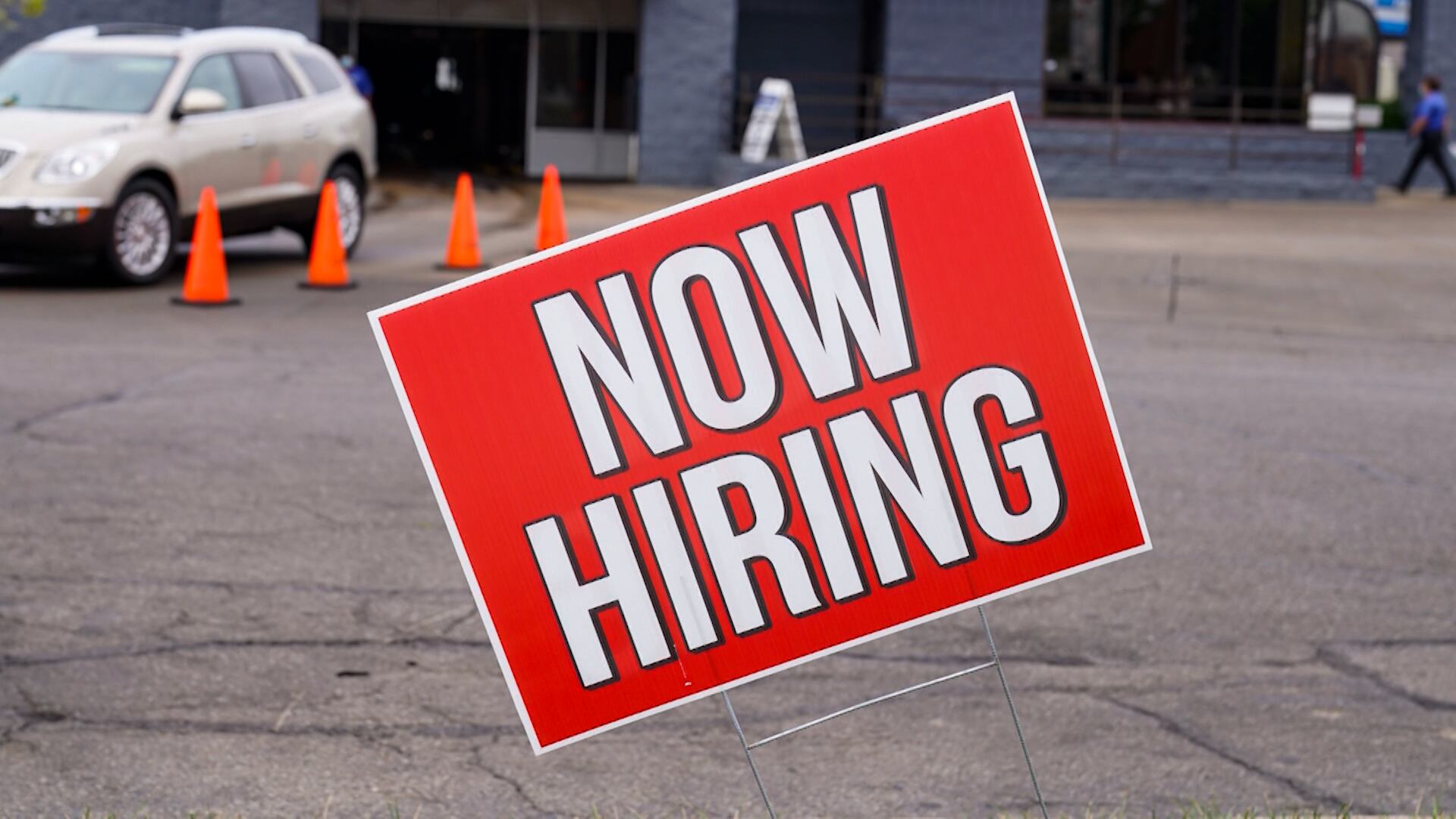
Following the surprising big beat on estimates for the January jobs report, William M. Rodgers III, vice president and director of the Institute for Economic Equity at the Federal Reserve Bank of St. Louis, joined Cheddar News to break down the data. “We ended 2021 with a strong crescendo to a recovery that had taken hold, and we started 2022 in good fashion." He also discussed the dueling pressures of wage growth and inflation.
Jessica Mason Pieklo, senior vice president and executive editor of the Rewired News Group and co-host of the podcast. "Boom! Lawyered," joins Cheddar Politics to discuss Justice Stephen Breyer's retirement, legacy and potential replacement on the Supreme Court.
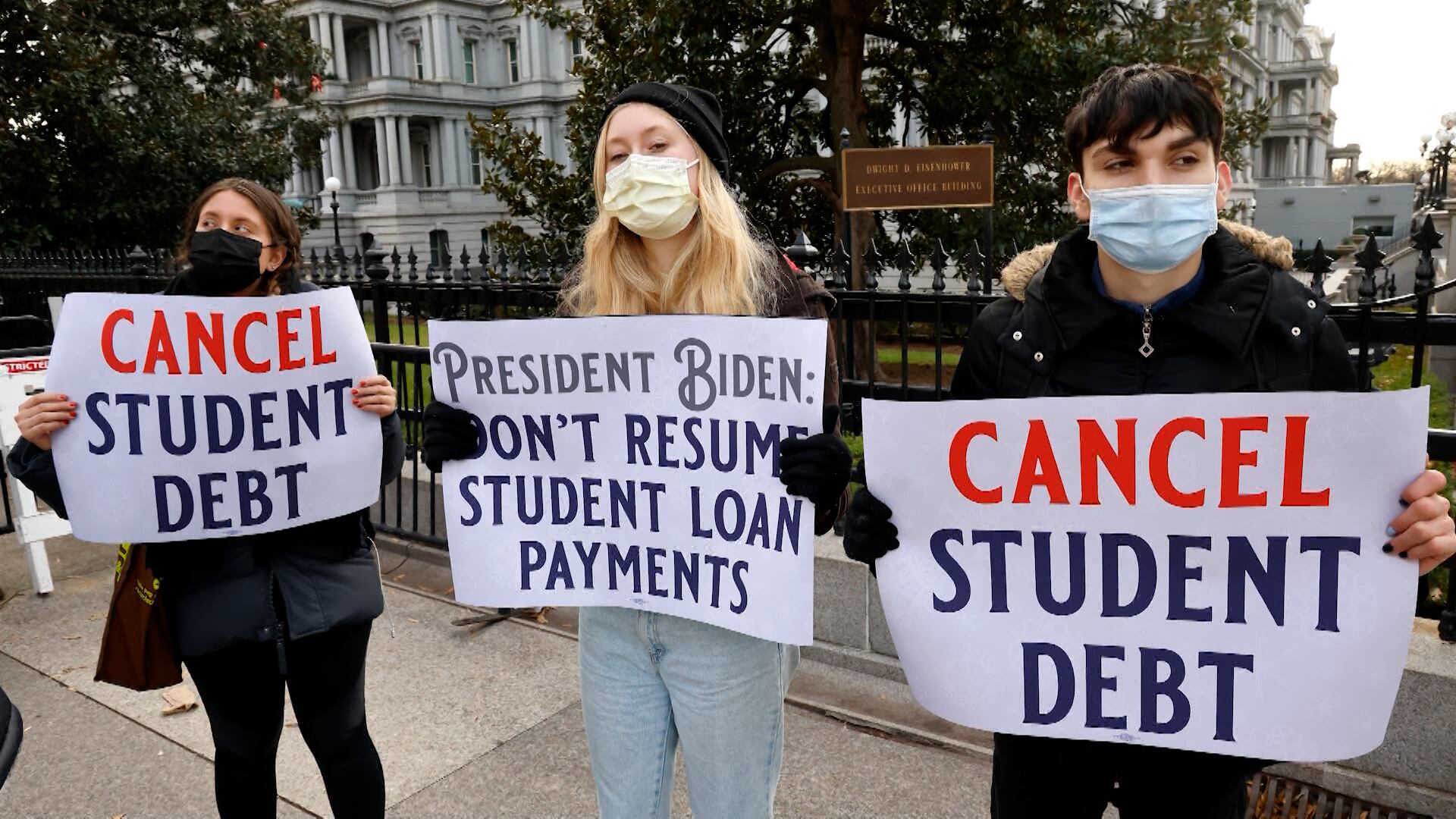
The Biden administration delivered a temporary win for student loan borrowers this year by extending the moratorium on federal payments for a few more months. That moratorium is coming to an end on May 1st and borrowers will again have their monthly loan payment plopped in their lap.
Stephanie Vanderslice, a creative writing professor paying off debt through the Parent Plus program, and Mike Pierce, executive director of the Student Borrower Protection Center, join Cheddar Politics to discuss.
2022 was already going to be a big year for the Supreme Court. We have decisions on major issues like abortion and gun rights on the way. Then, Justice Stephen Breyer announced his retirement and that set up a major confirmation fight for later this year. Amy Howe, co-founder of SCOTUSblog, joins Cheddar Politics to discuss.
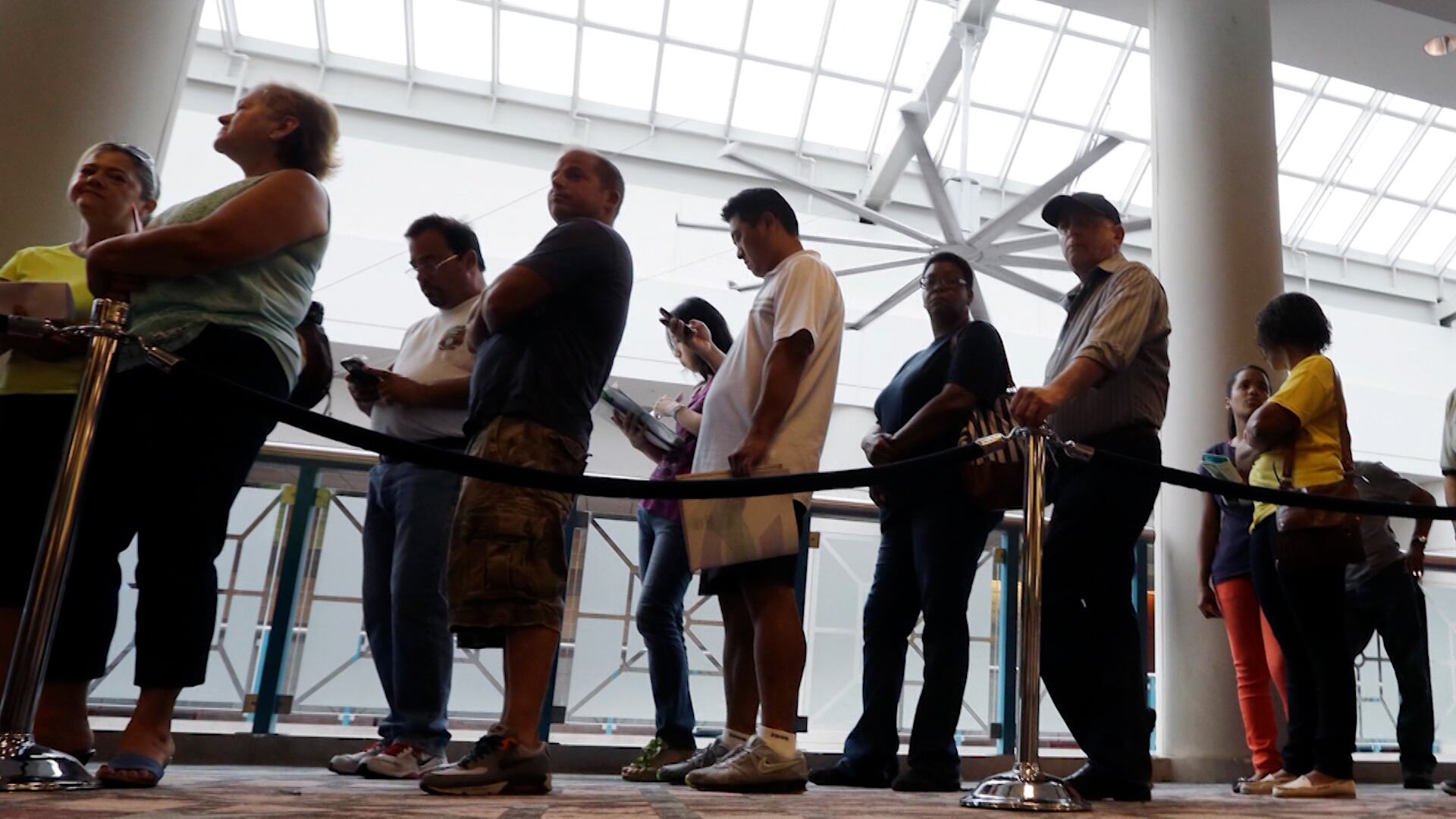
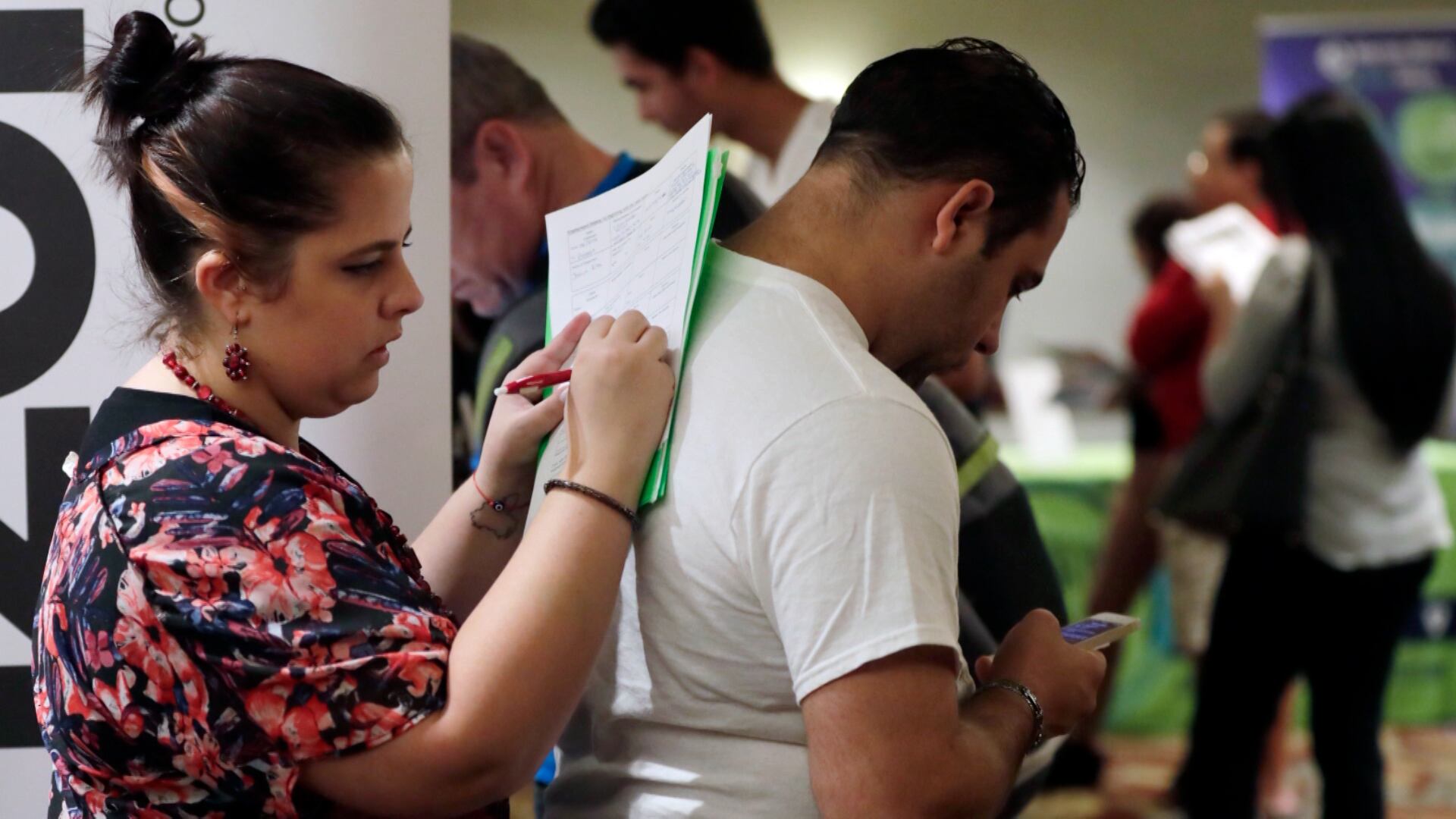
The Labor Department released a better-than-expected report of 467,000 jobs added in January. Heather Boushey, Council of Economic Advisers Member for President Biden, joined Cheddar to tout the administration's handling of the economy amid the pandemic and the upward revisions for the previous month. "It also shows that, because of the revisions, the economy was stronger over the past couple of months," she said. "I don't think that this can be said enough, but economic forecasting during an historic pandemic is extremely difficult." Boushey also addressed issues involving wage growth versus the rapid rise of inflation.
The Labor Department's January jobs report showed 467,000 jobs were added, compared to the 150,000 that were projected, a sign that employment is continuign to return to pre-pandemic levels. Lindsey Piegza, chief economist at investment bank Stifel, joined Cheddar to break down the report, noting the big gains but adding a note of caution. "Remember, even with this morning's stellar report, we're still millions below that level that we had reached prior to the onset of COVID-19," she said." Yes, we are recapturing jobs. We still have further ground that needs to be made before we can talk about reaching that previous peak." Piegza also discussed the role of the Federal Reserve going forward as the employment figures turn more positive.
As President Biden's poll numbers fall with Black voters, Rep. Ayanna Pressley (D-Mass. 7th District) joined Cheddar to discuss what she feels could help the embattled administration: deliver on policies. Pressley pointed to stalled legislation such as new voting rights laws and Build Back Betters and canceling student loan debt, which would go a long way to improving his standing with Black constituents. "President Biden has the authority and the power to alleviate this burden, which would also help in closing the racial wealth gap, and he can do it by executive action with the stroke of a pen," she said. "And it doesn't require one vote from Congress. So, the Biden administration just needs to deliver to Black America in a tangible and impactful way."