The Supreme Court seemed skeptical Wednesday of a lawsuit trying to hold social media companies responsible for a terrorist attack at a Turkish nightclub that killed 39 people.
During arguments at the high court several justices underscored that there was no evidence linking Twitter, Facebook and Google directly to the 2017 attack on the Reina nightclub in Istanbul. The family of a man killed in the attack says the companies aided and abetted the attack because they assisted in the growth of the Islamic State group, which claimed responsibility for the attack . A lower court let the lawsuit go forward.
The court’s disposition of Wednesday’s case and a related one it heard a day earlier is important, particularly because the companies have been shielded from liability on the internet, allowing them to grow into the giants they are today.
If the court bars the lawsuit involving the attack in Turkey from going forward it could avoid a major ruling on the companies' legal immunity. That outcome would leave the current system in place, but also leave open the possibility that the justices could take up the issue again in a later case.
Justice Amy Coney Barrett was among the members of the court who suggested that the suit against the companies lacks the kind of specificity required under a federal anti-terrorism law. Barrett said there would have to be specific allegations in the complaint, “not just general recruitment or radicalizing people.”
Justice Neil Gorsuch, participating remotely for a second straight day because of illness, told a lawyer for the family that he was "struggling with how your complaint lines up with the three requirements of the statute” that the companies knowingly helped a person commit a terrorist act.
The law the case involves is the Justice Against Sponsors of Terrorism Act, which allows Americans injured by a terrorist attack abroad to sue for money damages in federal court. U.S. citizens who are family members of Nawras Alassaf, who was killed in the Reina nightclub attack, sued Twitter, Facebook and YouTube parent Google under the law.
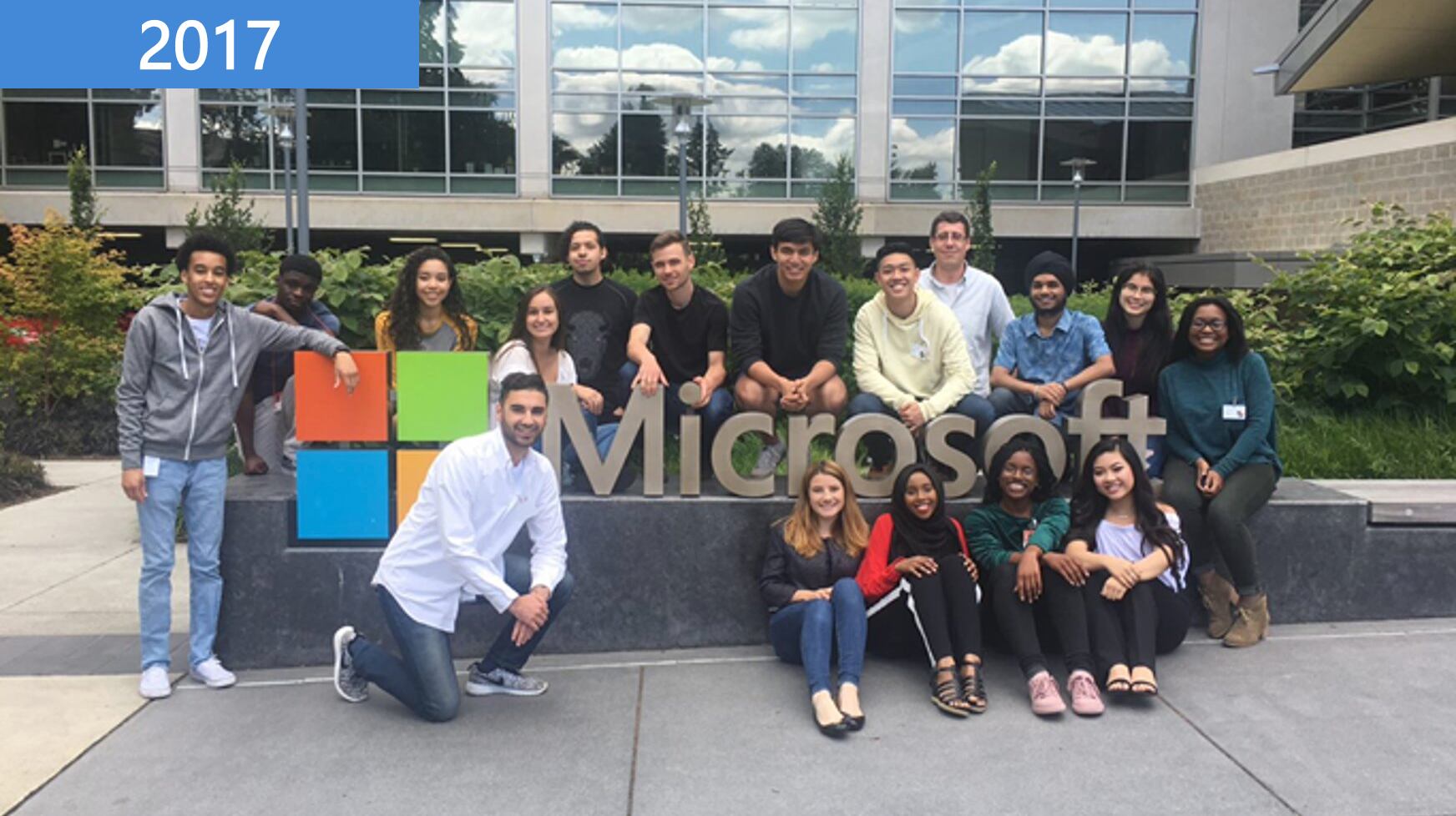
The founder and president of Cyborg Mobile Kobie Hatcher has been on a strong trajectory to disrupt his industry with a program called The New Technologists. It's not only meant to address the diversity gap within large tech companies but also help pave the way to transform the lives of young BIPOC students. He joined Cheddar News to talk about how he's working to make a difference with the lack of diversity in tech. “There's truly no lack of talent out there. It's just identifying them and letting them know that, hey, I've been in the tech sector for over 20 years. I see you. I know what you can bring, bring it, we need it," Hatcher said.
Constituent service platform Indigov recently raised $25 million in a Series B funding round. Indigov bills itself as a constituent relationship management tool that helps elected officials improve the way they organize, respond to, and engage those they serve. The startup's services are being used by federal, state, and local governments across the country, including the U.S. House of Representatives. Alex Kouts, founder & CEO of Indigov, joins Cheddar News' Closing Bell to discuss.
The 2022 NBA playoffs are intensifying as four teams vie for an NBA finals berth. Tonight, Stephen Curry and the Golden State Warriors can book their finals ticket with a win over the Dallas Mavericks, while Miami will be feeling the 'heat' tomorrow night, facing elimination against the Boston Celtics.
And with the growing popularity of sports betting, the NBA playoffs offers a potential money-making opportunity for fans. Trysta Krick, host of BetMGM Tonight, joins Cheddar News' Closing Bell to discuss.
Snap stock saw the worst day ever after a large drop in price on Tuesday following warnings of revenue and earnings slowdown. This trend caught on with other social and digital media stocks due to fears that brands heavily relying on advertising get hit with the same inflation struggles. However, some analysts note that Snap may be a unique case due to a rapid, possibly unsustainable, expansion leading to the current grim forecast.
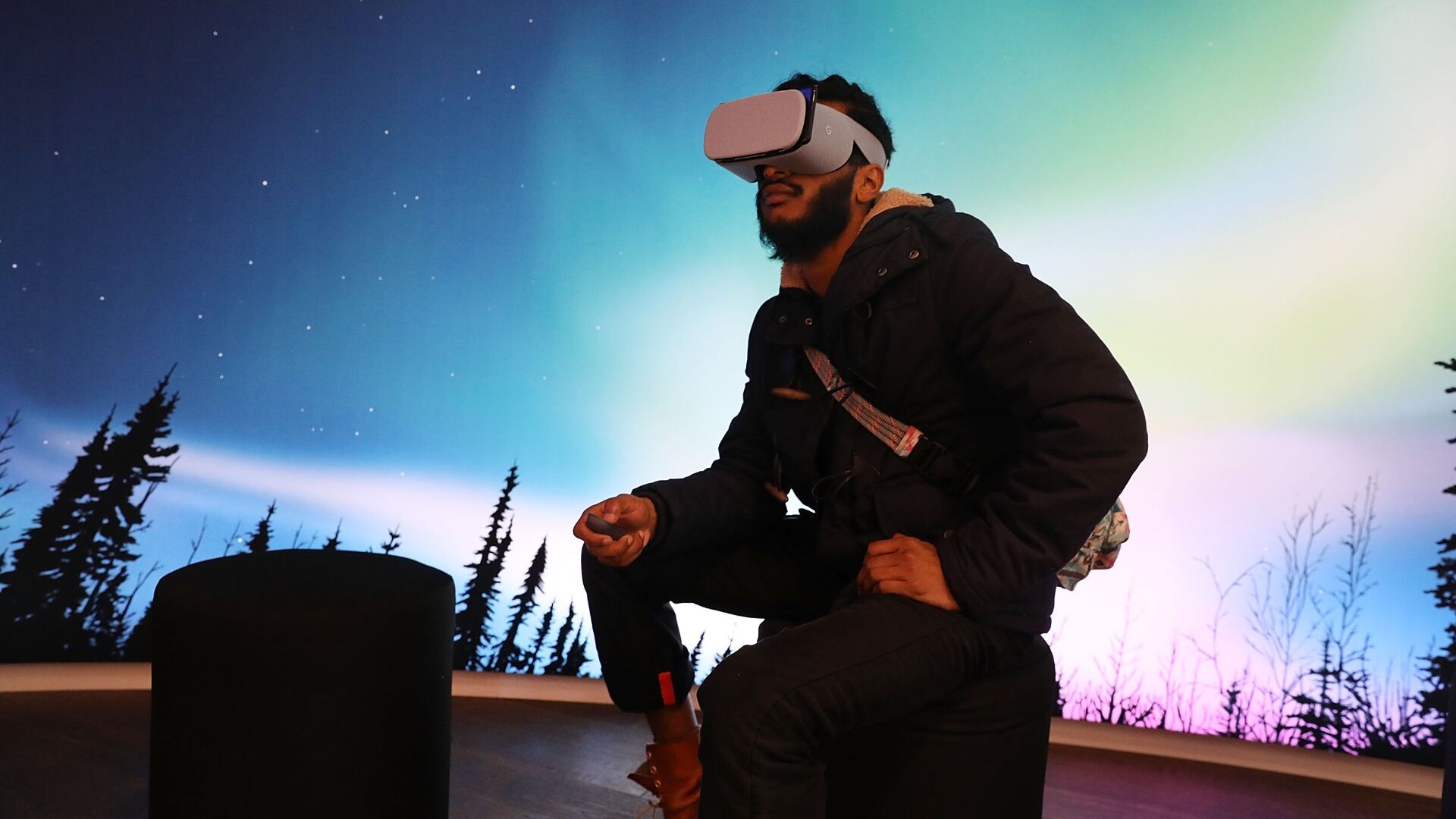
From Meta’s Oculus to PlayStation’s VR headsets, Cheddar News anchors Ken Bufa and Kristen Scholer cover the potential for this tech in Cheddar Connected as more heavy hitters like Apple look to take the stage.