The Supreme Court seemed skeptical Wednesday of a lawsuit trying to hold social media companies responsible for a terrorist attack at a Turkish nightclub that killed 39 people.
During arguments at the high court several justices underscored that there was no evidence linking Twitter, Facebook and Google directly to the 2017 attack on the Reina nightclub in Istanbul. The family of a man killed in the attack says the companies aided and abetted the attack because they assisted in the growth of the Islamic State group, which claimed responsibility for the attack . A lower court let the lawsuit go forward.
The court’s disposition of Wednesday’s case and a related one it heard a day earlier is important, particularly because the companies have been shielded from liability on the internet, allowing them to grow into the giants they are today.
If the court bars the lawsuit involving the attack in Turkey from going forward it could avoid a major ruling on the companies' legal immunity. That outcome would leave the current system in place, but also leave open the possibility that the justices could take up the issue again in a later case.
Justice Amy Coney Barrett was among the members of the court who suggested that the suit against the companies lacks the kind of specificity required under a federal anti-terrorism law. Barrett said there would have to be specific allegations in the complaint, “not just general recruitment or radicalizing people.”
Justice Neil Gorsuch, participating remotely for a second straight day because of illness, told a lawyer for the family that he was "struggling with how your complaint lines up with the three requirements of the statute” that the companies knowingly helped a person commit a terrorist act.
The law the case involves is the Justice Against Sponsors of Terrorism Act, which allows Americans injured by a terrorist attack abroad to sue for money damages in federal court. U.S. citizens who are family members of Nawras Alassaf, who was killed in the Reina nightclub attack, sued Twitter, Facebook and YouTube parent Google under the law.
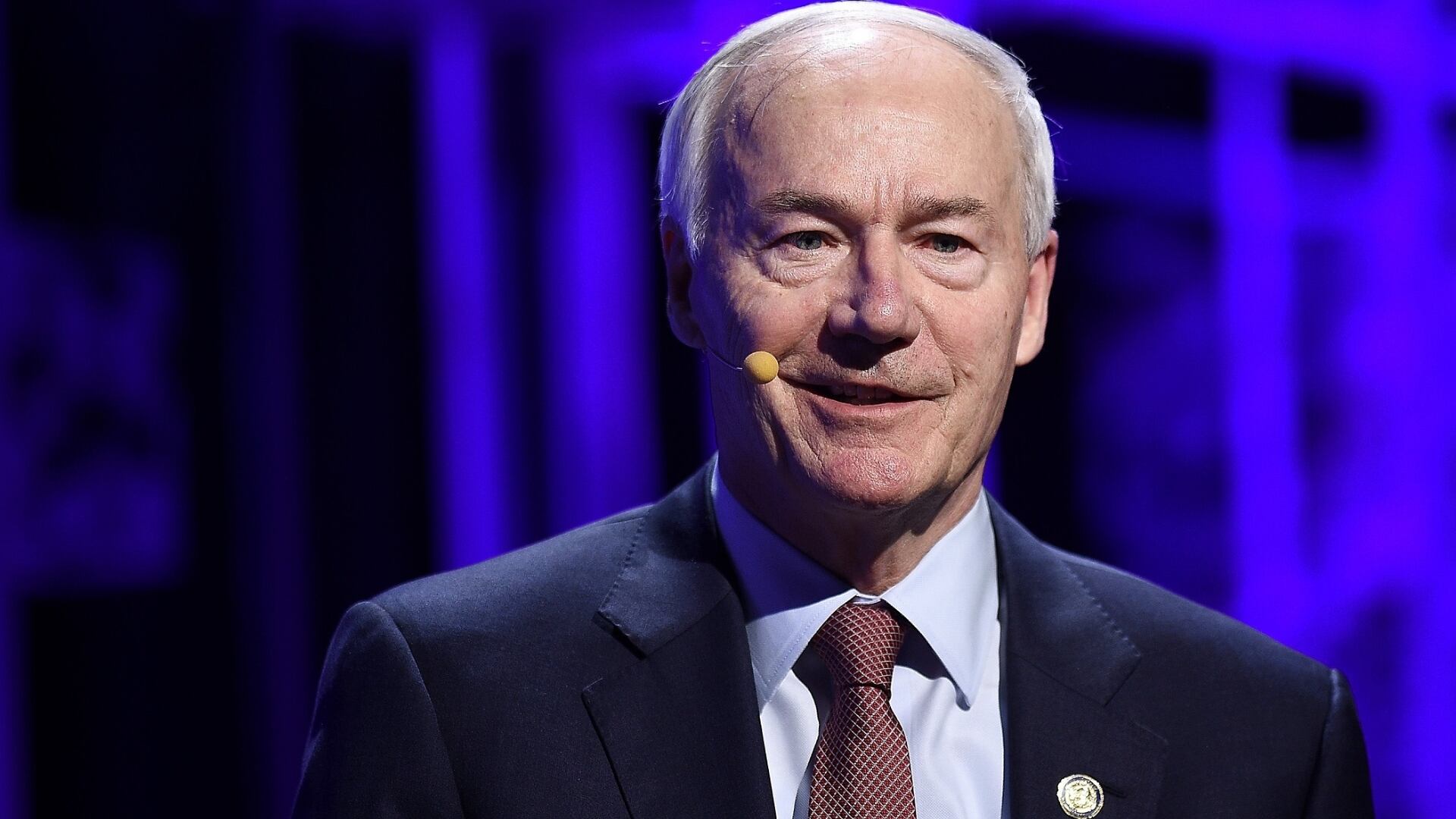
Arkansas is planning to reshape itself by putting a strong emphasis on technology through computer science in the classroom. Governor Asa Hutchinson joined Cheddar News Buffa to discuss the state's efforts to promote itself as a future tech hub. “It gives young people such a huge opportunity for success," he noted. The term-limited governor also touched on the issue of gun ownership, offering up the idea of possibly raising the age limit to obtain rifles like the AR-15 to 21 instead of 18 as it currently stands.
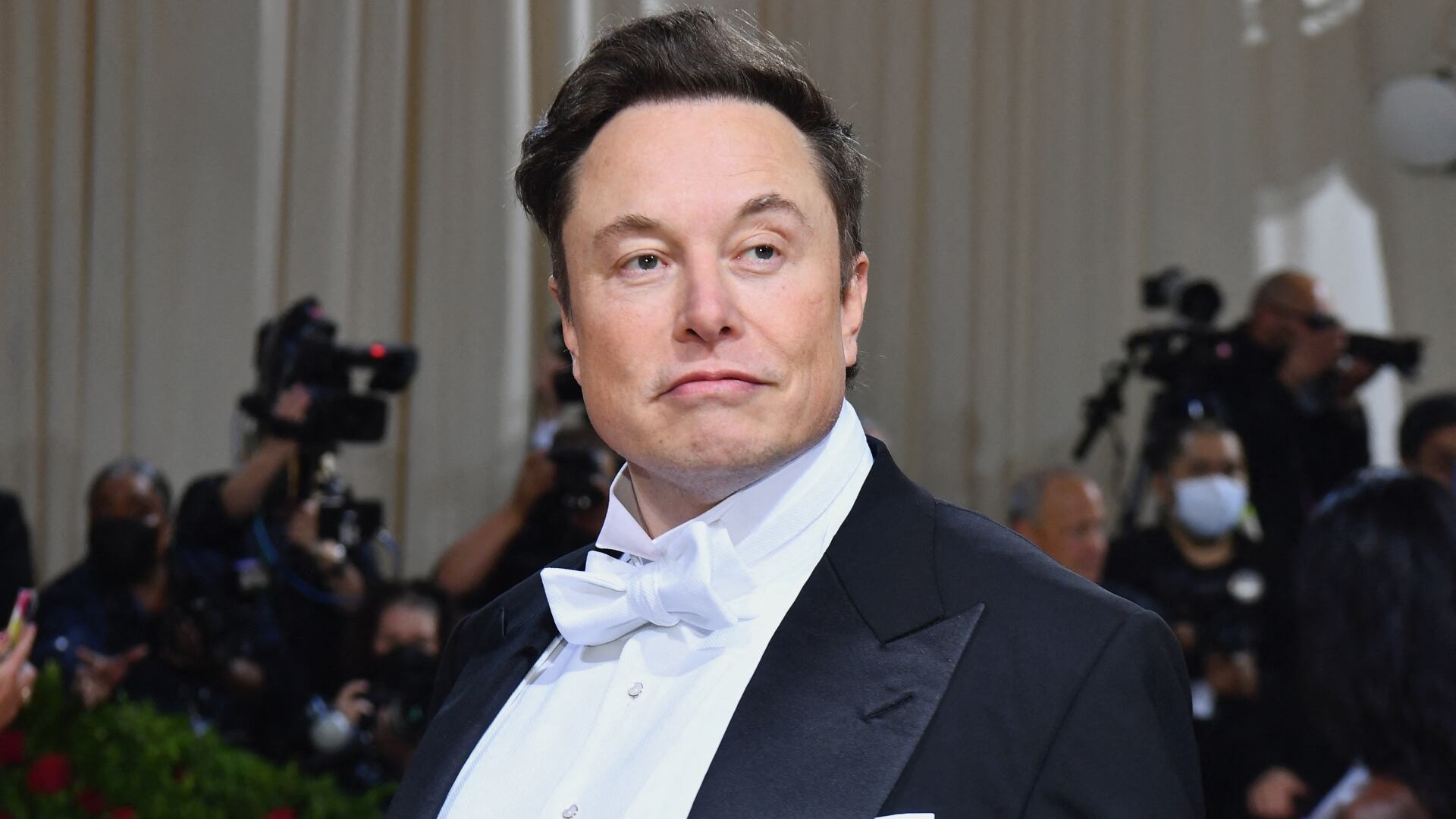
Elon Musk is demanding his Tesla employees to return to the office full time, a minimum of at least 40 hours a week. The CEO also took a shot at other companies who have some form of work-from-home status. The ultimatum comes at a tumultuous time for Musk with the reveal of a sexual misconduct scandal and his attempted Twitter purchase.
Bindu Sundaresan, Director, AT&T Cybersecurity, joins Cheddar to discuss best practices and important cybersecurity milestones to hit for any organization, and how small business owners can think about cyber beyond technology and compliance.
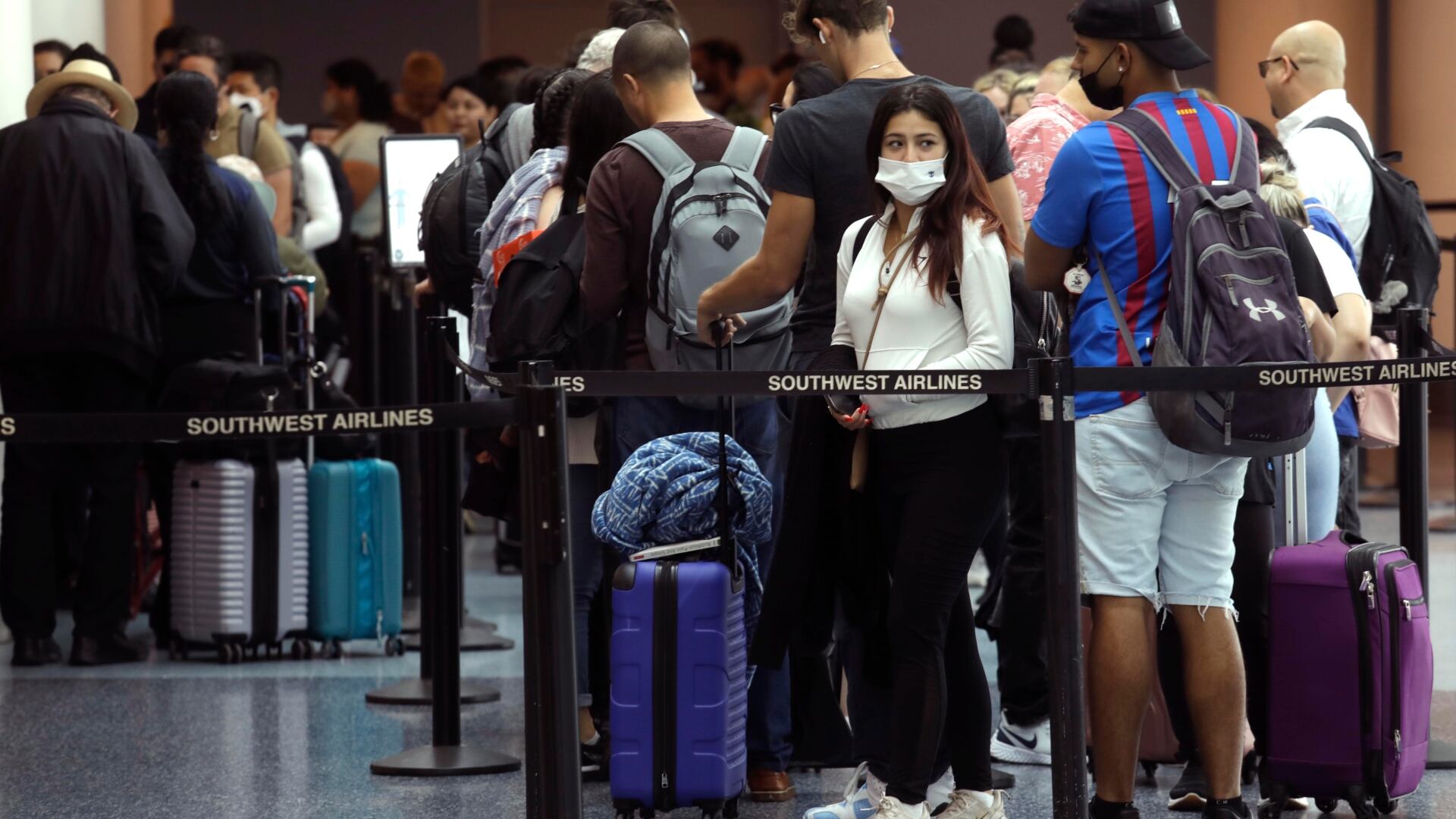
Memorial Day rang in the unofficial start of summer here in the United States -- and with it, the unofficial start of summer travel. Whether consumers traveled by air or by land, they probably experienced some form of frustration over the weekend. Flyers faced delays and cancellations, and drivers faced the most expensive gas prices ever recorded on Memorial Day. Zach Griff, Senior Aviation Reporter for the Points Guy, joins Cheddar News' Closing Bell to discuss.
Next-generation gaming ecosystem Joystick recently raised $8 million in a seed round and is in the process of raising a $110 million Series A funding round. Gaming ecosystems are a relatively new type of platform in the Web3 space, allowing users to maximize their play-to-earn gaming opportunities, exchange crypto-currencies, and sell their digital assets. Joystick says its platform is flipping the current model on its head by giving players the opportunity to keep 100% of the revenue they earn. Robin Defay, co-founder and CEO of Joystick, and Michael Le, co-founder of Joystick and TikTok content creator, join Cheddar News' Closing Bell to discuss.
The dating app Bumble has sponsored bills and pushed lawmakers to criminalize the online practice of sending unsolicited nudes or “cyberflashing." Payton Iheme, Bumble's head of public policy for the Americas, joined Cheddar News to discuss why the app was going after the harassing behavior beyond its own platform. "Now, while we went to work internally in the company, and we created something called private detector to automatically blur those images so the user can decide if they want to see them, there's nothing for the rest of the internet," she said. "And so that's why we went to work with these laws."