Sen. Jeff Merkley (D-Ore.), a noted proponent of environmental protection efforts, said that the Supreme Court vacancy left by the death of Justice Ruth Bader Ginsburg could end up having dire consequences for the nation's fight against the climate crisis.
"It has enormous impact, both directly and indirectly," said Merkley, citing Supreme Court decisions that have disenfranchised voters, which he says ultimately helps fossil fuel companies.
"It is a very big deal, indeed, to lose a champion for civil rights and election integrity, as well as a champion for consumer interest over corporate interest because there is, of course, vast corporate interest in the fossil fuel world and they are winning case after case before the court," he added.
The fossil fuel industry already has an outsized impact on blocking climate regulations, using "dark money" extensively to sway votes that favor their businesses, the senator said.
In an effort to combat extreme weather affecting the U.S., Merkley and other Senate Democrats formed a special committee.
"I think we are now building tremendous political momentum to address this challenge," he said.
The committee, according to Merkley, wants to designate "$400 billion per year" to battle climate change, as well as "provide extensive subsidies" that would fast-track the transition to renewable energy.
He also said it would set 2035 as a target for the U.S. to completely stop selling fossil-fueled cars, vans, and pickup trucks.
However, in order to affect change, the group of Democrats currently needs to work with Republicans and President Donald Trump, who often downplays the reality of the climate crisis and the science backing it.
"It's a complete failure of leadership on, perhaps, the most important issue facing human civilization on this planet," Merkley said.
In order for the U.S. to reverse course on climate, according to the senator, the best option is to elect Joe Biden and Kamala Harris.
"In other words, putting America back in a position of global dialogue, global leadership so we're not only getting our own house in order, we're working in partnership with the world. It's only through that kind of partnership that human civilization is going to be able to tackle this issue,"
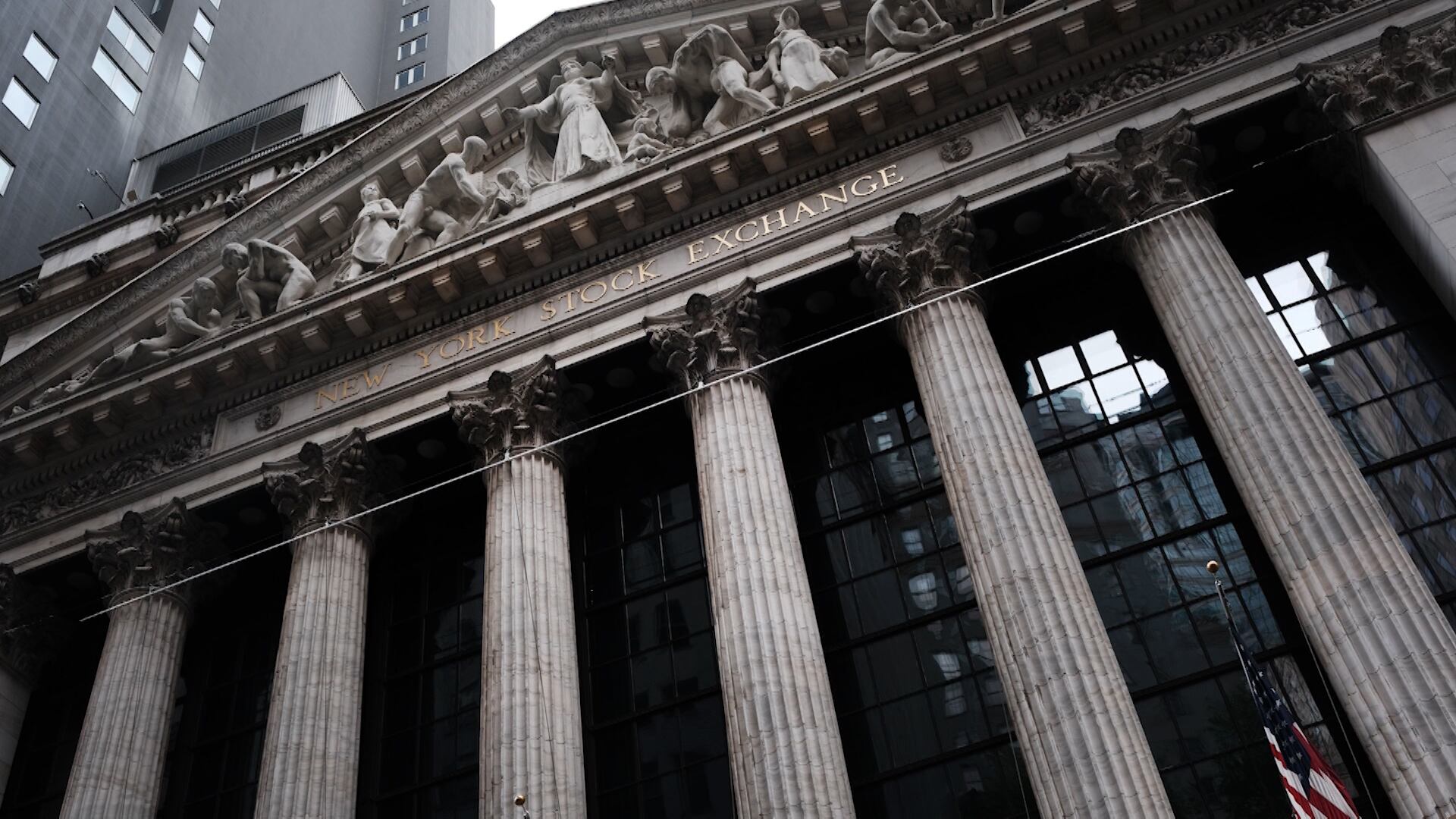
Christopher Wolfe, CIO at First Republic Private Wealth Management, joins Cheddar News' Closing Bell, where he says he is surprised that the first quarter was the first down period in a long time, but adds that the second quarter could be difficult with a lot of volatility expected.
Jeffrey Small, President of Arbor Financial, joins Chedar News' Closing Bell, where he breaks down why stocks closed near session lows on Wednesday and tells viewers what to expect ahead of next earnings season.
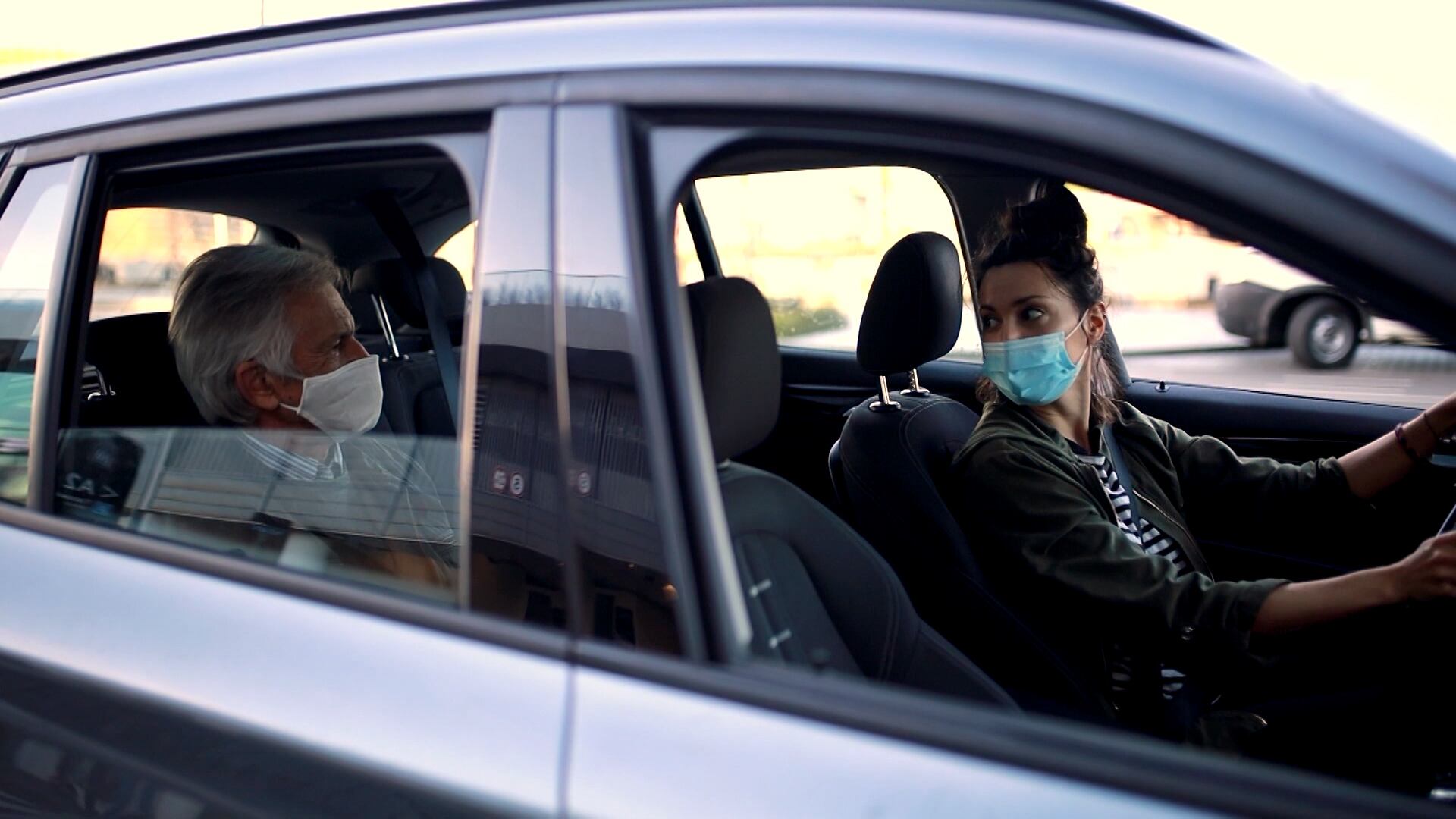
Uber and Lyft drivers are cruising in Washington State, the first U.S. state to set an earnings standard for drivers for the ride-hailing companies. Governor Jay Inslee signed the new minimum pay standard into law Thursday, which also gives drivers access to perks like paid sick time and family medical leave. John Logan, Director of Labor and Employment Studies at San Francisco State University, joins Cheddar News' Closing Bell to discuss.
Jeremy Berke, senior reporter on the cannabis industry for Business Insider, joins Cheddar Politics to discuss developments in cannabis legalization at the federal level. He helps break down the bill and what legalization efforts might look like in the Senate.
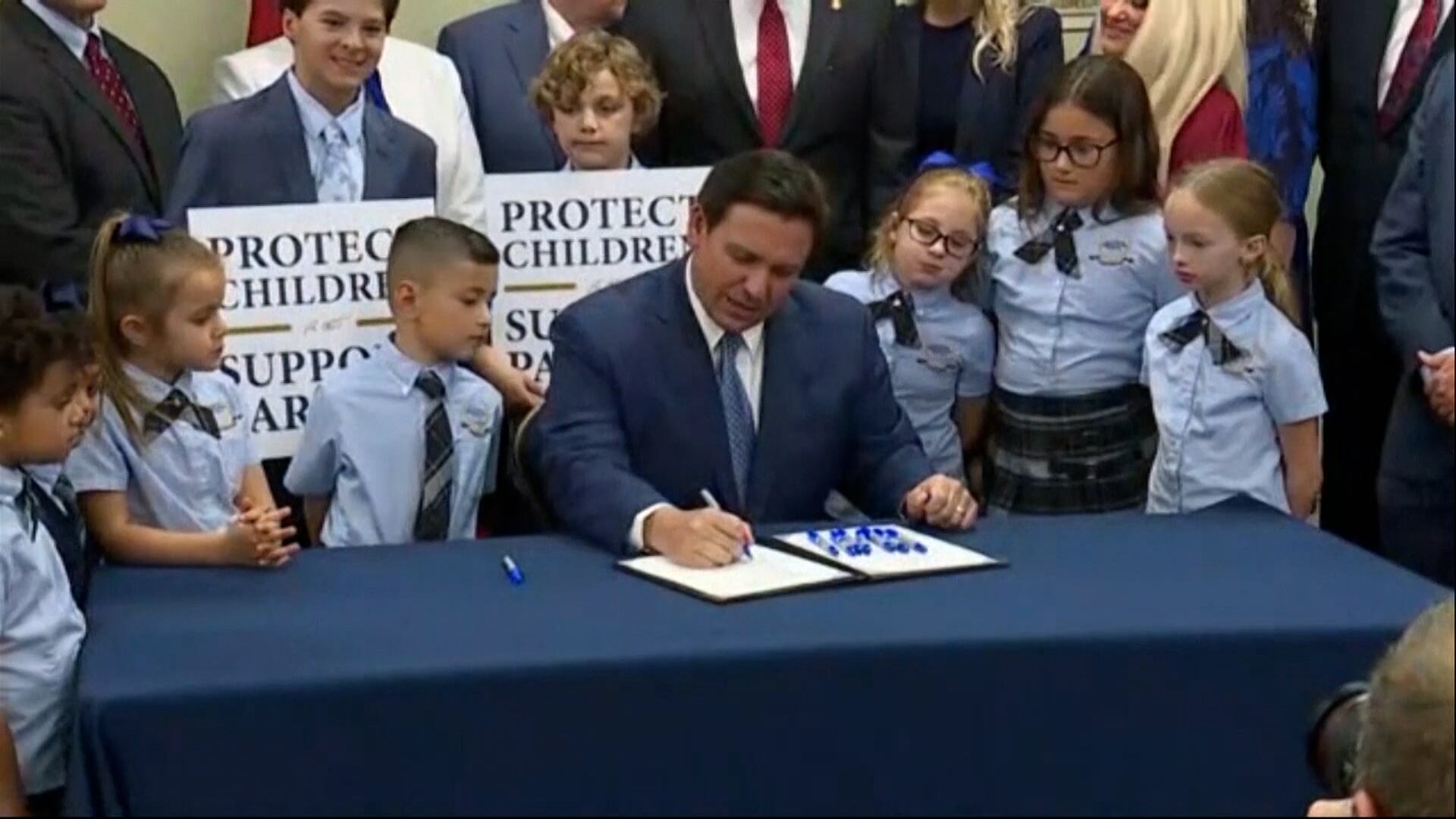
Selene San Felice, Tampa Bay reporter for Axios Local, and Jennifer Levi, director of the Transgender Rights Project at GLBTQ Legal Advocates & Defenders (GLAD) join Cheddar Politics to discuss the impact of the new law targeting LGBTQ communities in Florida schools.
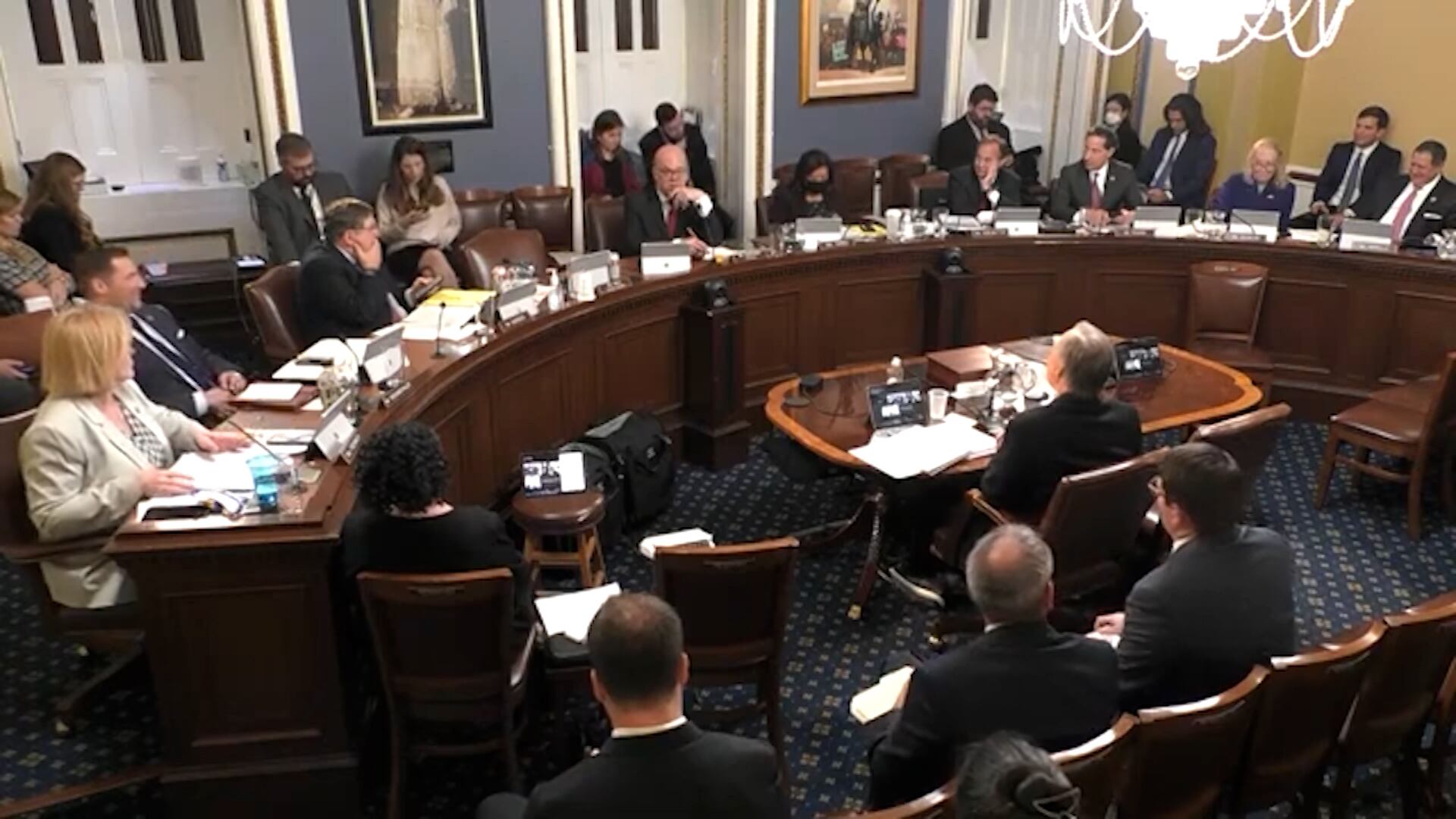
Ryan Barber, justice correspondent at Insider, joins Cheddar Politics to discuss the latest developments in the January 6 investigation, including texts between Ginni Thomas, the wife of Supreme Court Justice Clarence Thomas, and former White House Chief of Staff Mark Meadows.
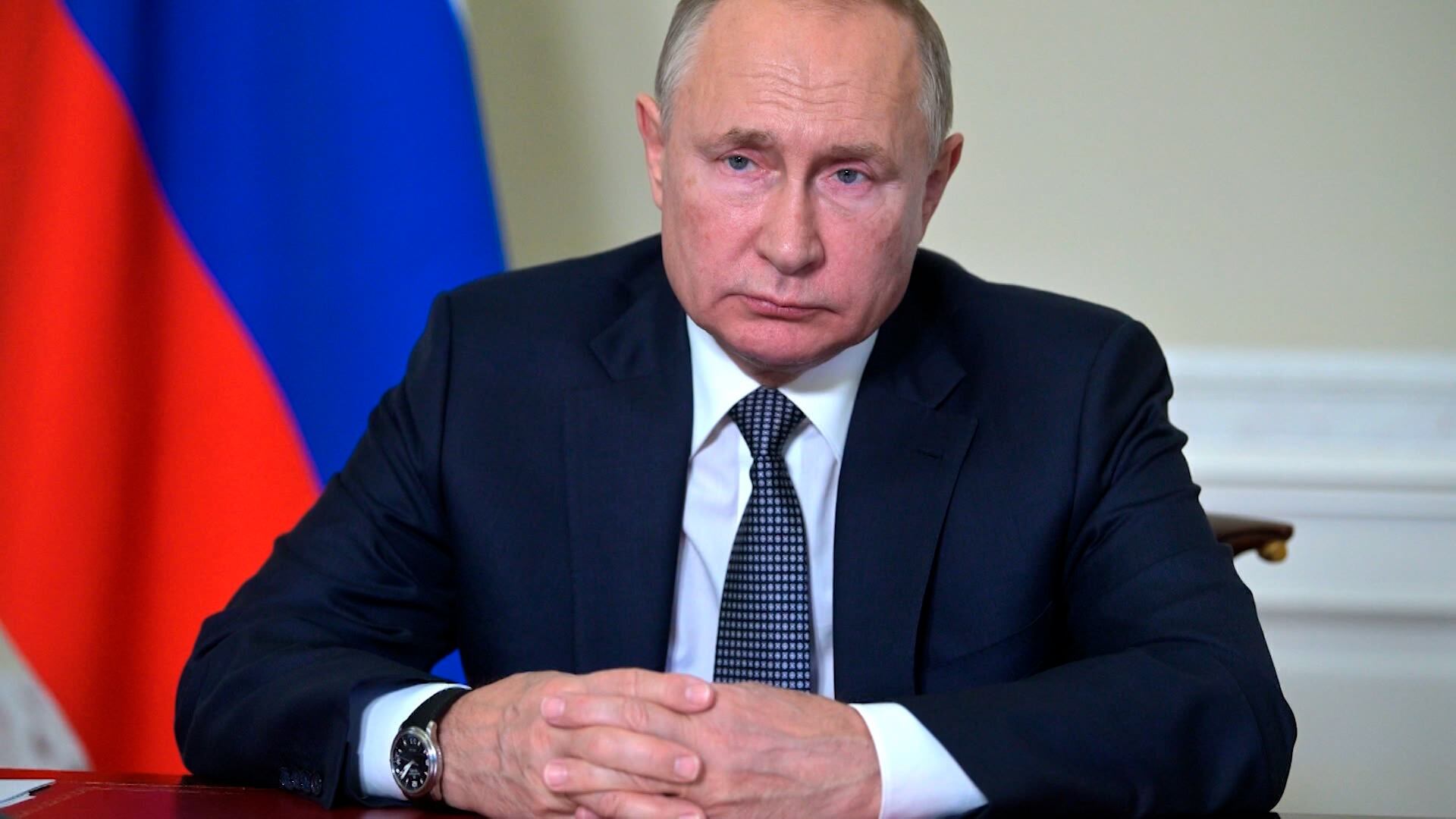
Joel Rubin, former Deputy Assistant Secretary of State and president of the Washington Strategy Group, joins Cheddar Politics to discuss the latest developments in the Russian invasion of Ukraine.
The head of Russia’s space program says the future of the ISS hangs in the balance after the U.S., EU, and Canadian space agencies missed a deadline to meet Russian demands for lifting sanctions on Russian enterprises and hardware.
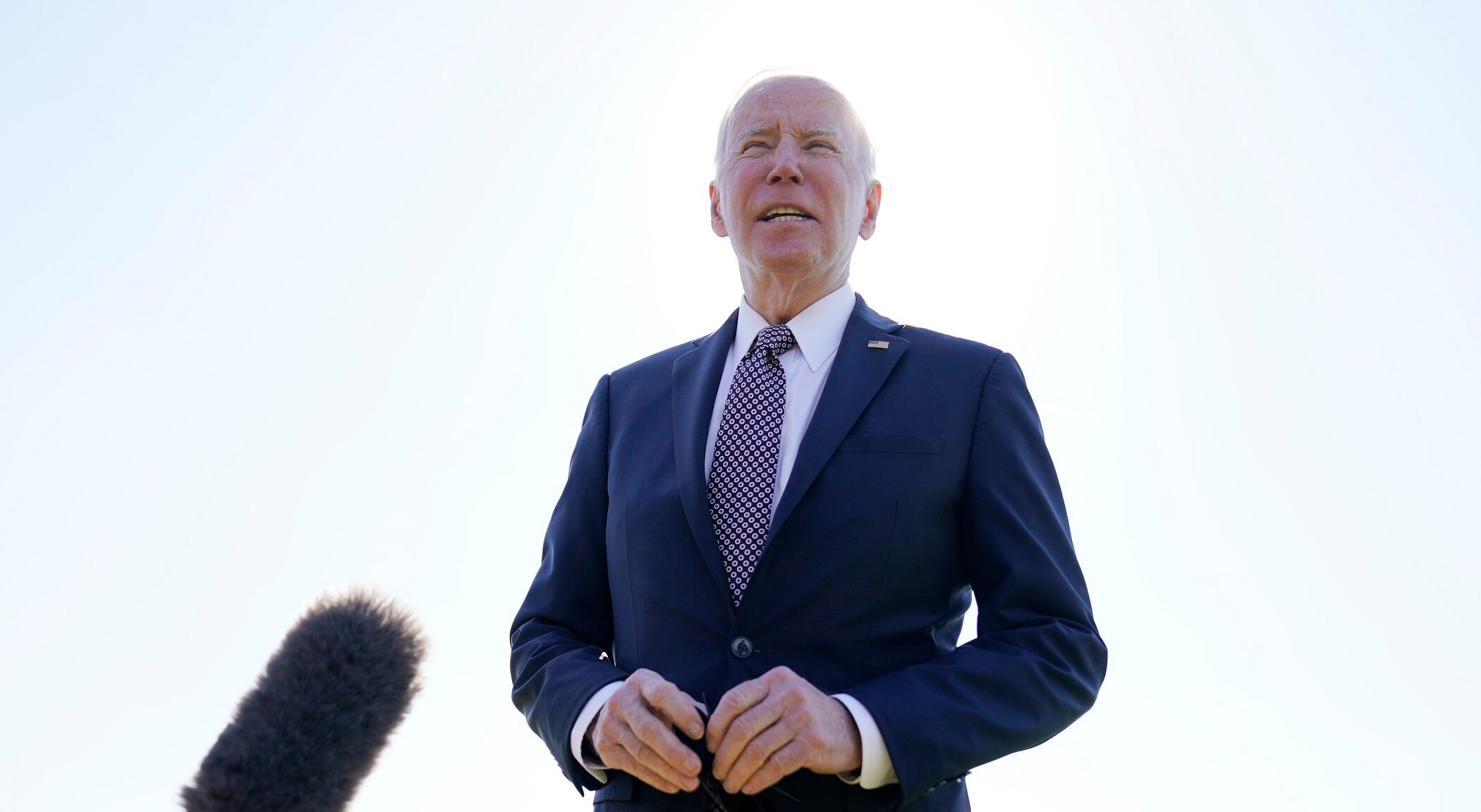
President Joe Biden called for a war crimes trial against Russian President Vladimir Putin and said he’d seek more sanctions after reported atrocities in Ukraine.
Catching you up on what you need to know on April 4, 2022, with reports of Russian war crimes in Ukraine, a weekend shooting in Sacramento killing six and injuring 12, Mexico ending its gas subsidization for U.S. drivers, and the University of South Carolina winning the women's NCAA basketball championship, and more.