Sen. Jeff Merkley (D-Ore.), a noted proponent of environmental protection efforts, said that the Supreme Court vacancy left by the death of Justice Ruth Bader Ginsburg could end up having dire consequences for the nation's fight against the climate crisis.
"It has enormous impact, both directly and indirectly," said Merkley, citing Supreme Court decisions that have disenfranchised voters, which he says ultimately helps fossil fuel companies.
"It is a very big deal, indeed, to lose a champion for civil rights and election integrity, as well as a champion for consumer interest over corporate interest because there is, of course, vast corporate interest in the fossil fuel world and they are winning case after case before the court," he added.
The fossil fuel industry already has an outsized impact on blocking climate regulations, using "dark money" extensively to sway votes that favor their businesses, the senator said.
In an effort to combat extreme weather affecting the U.S., Merkley and other Senate Democrats formed a special committee.
"I think we are now building tremendous political momentum to address this challenge," he said.
The committee, according to Merkley, wants to designate "$400 billion per year" to battle climate change, as well as "provide extensive subsidies" that would fast-track the transition to renewable energy.
He also said it would set 2035 as a target for the U.S. to completely stop selling fossil-fueled cars, vans, and pickup trucks.
However, in order to affect change, the group of Democrats currently needs to work with Republicans and President Donald Trump, who often downplays the reality of the climate crisis and the science backing it.
"It's a complete failure of leadership on, perhaps, the most important issue facing human civilization on this planet," Merkley said.
In order for the U.S. to reverse course on climate, according to the senator, the best option is to elect Joe Biden and Kamala Harris.
"In other words, putting America back in a position of global dialogue, global leadership so we're not only getting our own house in order, we're working in partnership with the world. It's only through that kind of partnership that human civilization is going to be able to tackle this issue,"
Matt Hayden, vice president of govtech solutions at Exiger and a former assistant secretary of cyber at Department of Homeland Security, joined Cheddar to discuss the surprise phone call initiated by Russian President Vladimir Putin to President Joe Biden, ahead of January security talks about the rising tensions over Ukraine. "We're hoping to hear that we're able to talk about the aggression and the leadup of the Ukrainian militarization," Hayden said. "But we're also looking to hear is how the Kremlin leveraged their talking points to try to test their negotiation stance with the United States leading into this January 10th meeting."
The No Surprises Act begins implementation on January 1, 2022. The legislation is meant to curb the practice of unexpected billing for care from providers the patient was unaware were out-of-network from their insurance. Patricia Kelmar, director of health care campaigns for U.S. PIRG joined Cheddar to describe the hundreds, sometimes thousands, of dollars charged to unsuspecting patients and how things will change under the new law. "If we are picking an in-network doctor and an in-network hospital, we should not see those added costs from anesthesiologists, radiologists, scrub-in surgeons," she said. "The other area it protects you is in air ambulances — not ground ambulances, unfortunately — but the helicopters or the airplanes you might need to transport you in an emergency situation."
President Joe Biden and Russian President Vladmir Putin are expected to have another conversation surrounding escalating tensions between Russia and Ukraine. Ariel Cohen, senior fellow at the Atlantic Council, joined Cheddar's Ken Buffa to discuss the ongoing tensions and why Putin's request for a conversation with Biden comes now. "This is very serious. This is the worst security crisis we had since the collapse of the Soviet Union," Cohen told Cheddar.
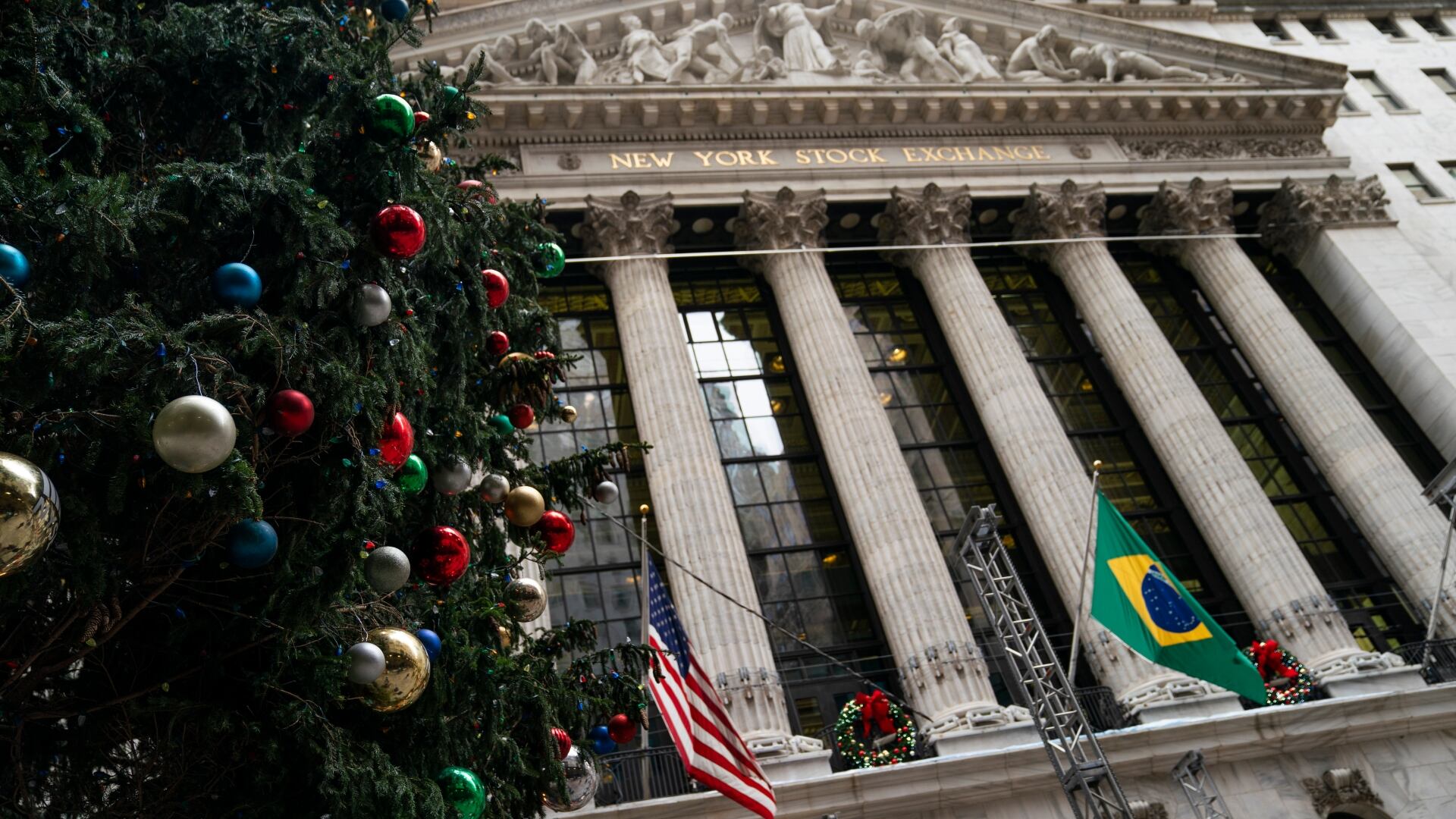
Stocks closed mixed on Wednesday, but two indexes - the Dow and the S&P 500 - ended the session with a new record. Akshata Bailkeri, Equity Analyst at Bruderman Asset Management, joins Cheddar News' Closing Bell, where she says there is a consensus for robust consumer spreading in 2022, especially as the Omicron variant is proving to be milder than other COVID-19 strains.
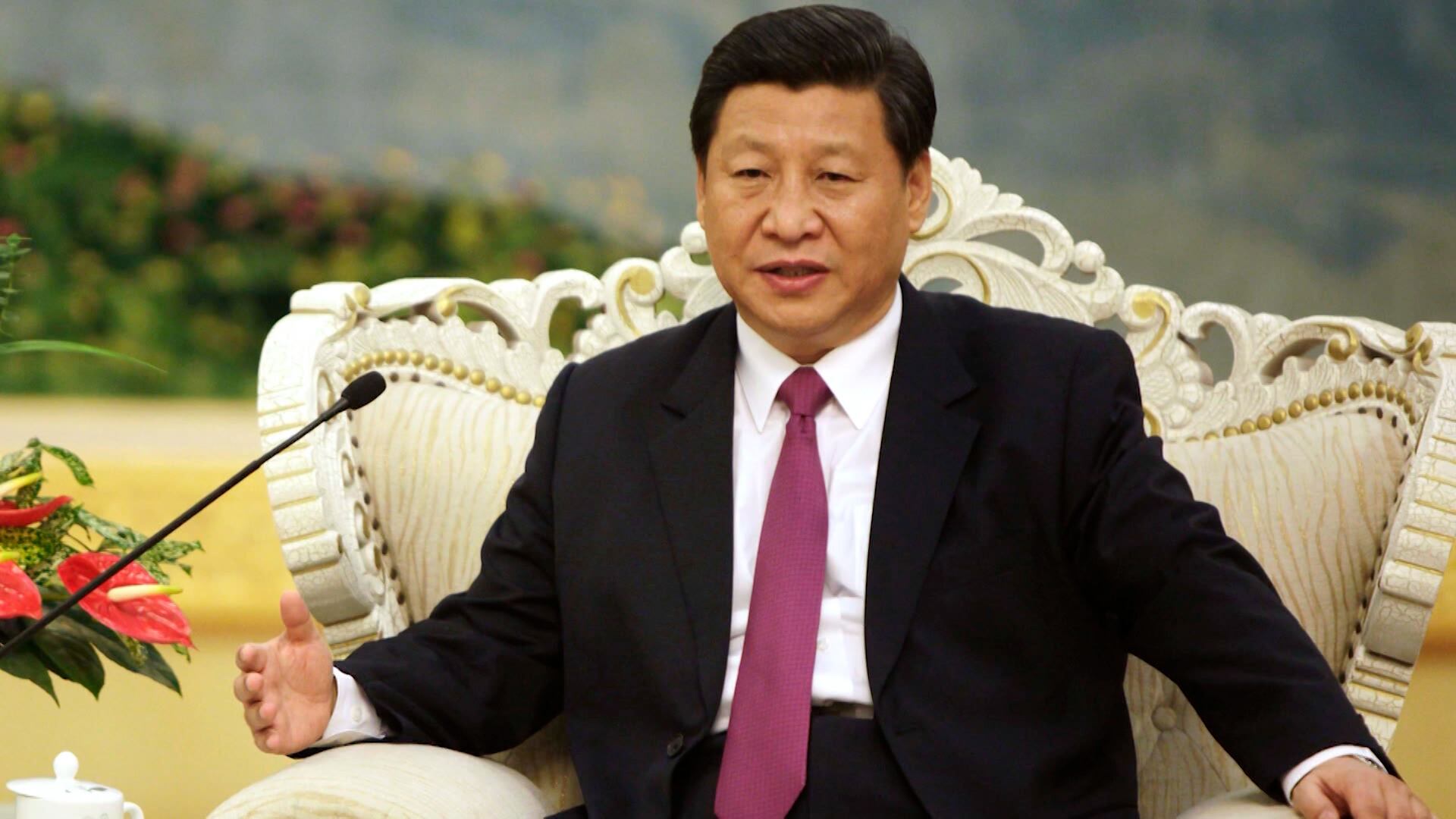
John Quelch, Dean of Miami Herbert Business School, joins Cheddar News' Closing Bell, where he says the retail giant is acting in accordance to President Biden's new law banning goods from China's Xinjiang region. Quelch also elaborates on the importance of China in Walmart's overall strategy.