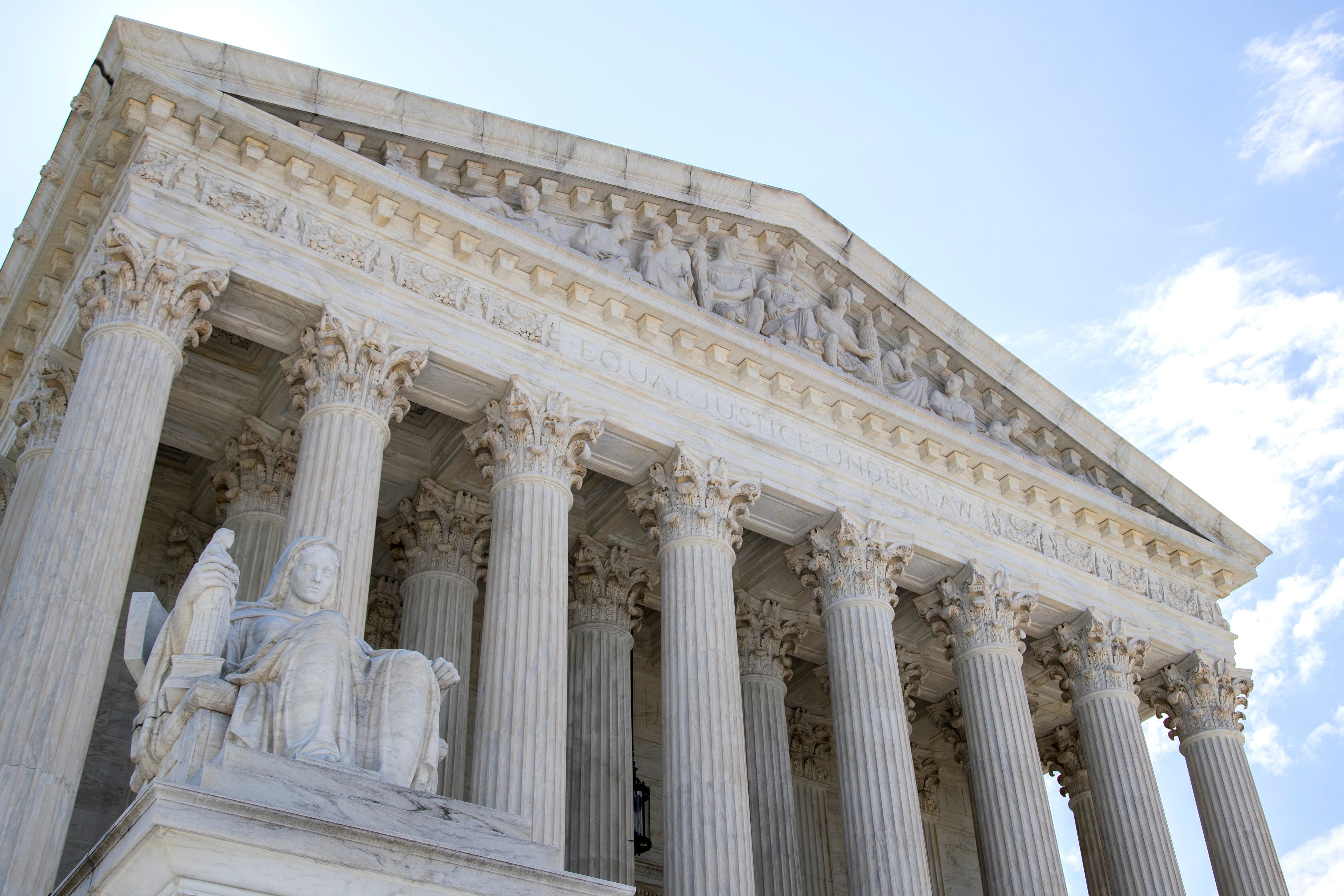
The Supreme Court on Monday upheld a 1991 law that bars robocalls to cellphones.
The case, argued by telephone in May because of the coronavirus pandemic, only arose after Congress in 2015 created an exception in the law that allowed the automated calls for collection of government debt.
Political consultants and pollsters were among those who asked the Supreme Court to strike down the entire 1991 law that bars them from making robocalls to cellphones as a violation of their free speech rights under the Constitution. The issue was whether, by allowing one kind of speech but not others, the exception made the whole law unconstitutional.
Six justices agreed that by allowing debt collection calls to cellphones Congress "impermissibly favored debt-collection speech over political and other speech, in violation of the First Amendment," Justice Brett Kavanaugh wrote. And seven justices agreed that the 2015 exception should be stricken from the law.
"Americans passionately disagree about many things. But they are largely united in their disdain for robocalls," Kavanaugh noted at the outset of his opinion.
During arguments in the case in May, Justice Stephen Breyer got cut off when someone tried calling him. Breyer said after he rejoined the court's arguments: "The telephone started to ring, and it cut me off the call and I don't think it was a robocall."
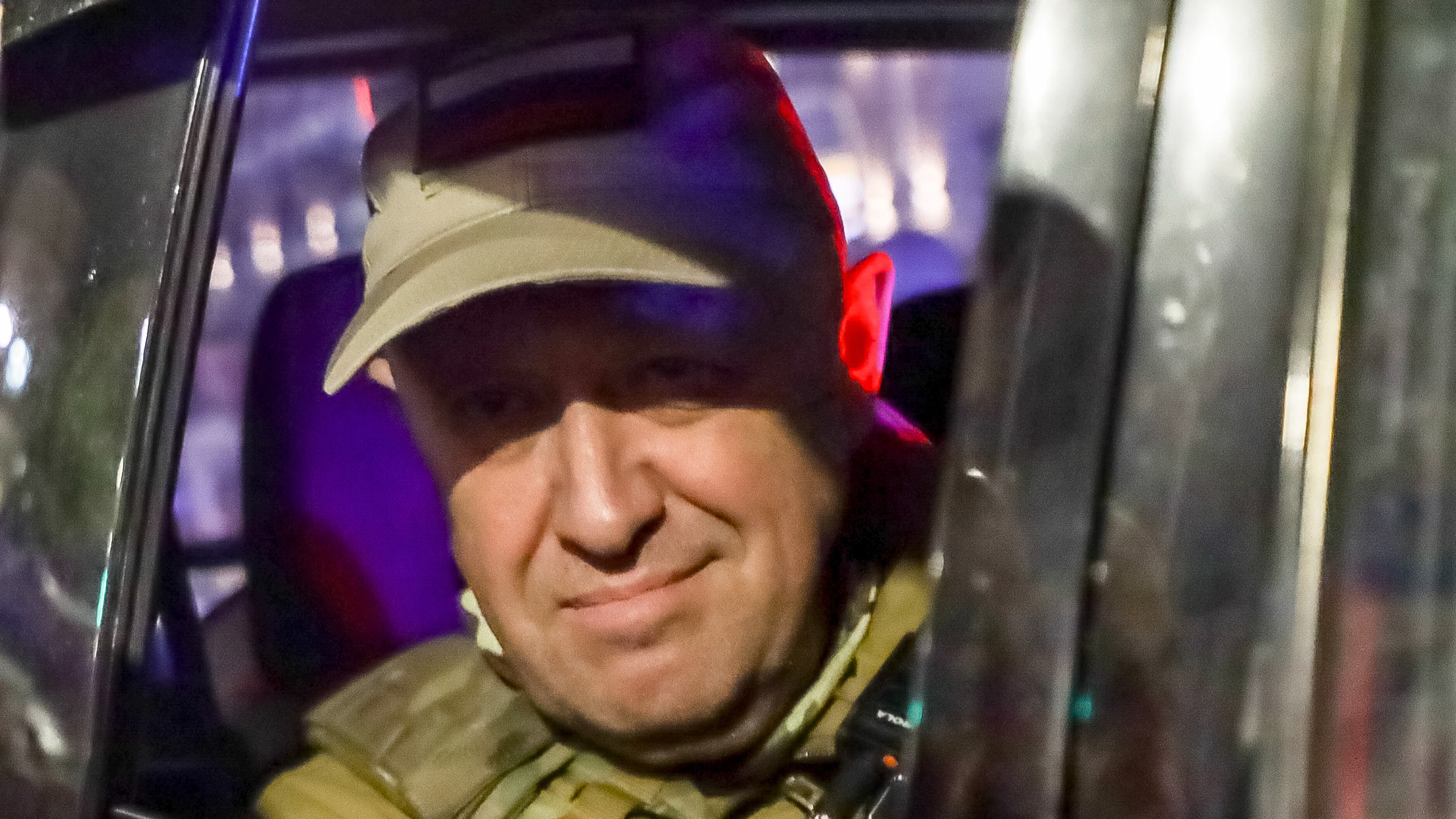
The bodies of Russian mercenary chief Yevgeny Prigozhin and some of his top lieutenants killed in a Russian jet crash on Wednesday were sent to a nearby facility for medical and forensic analysis, according to Russian media.
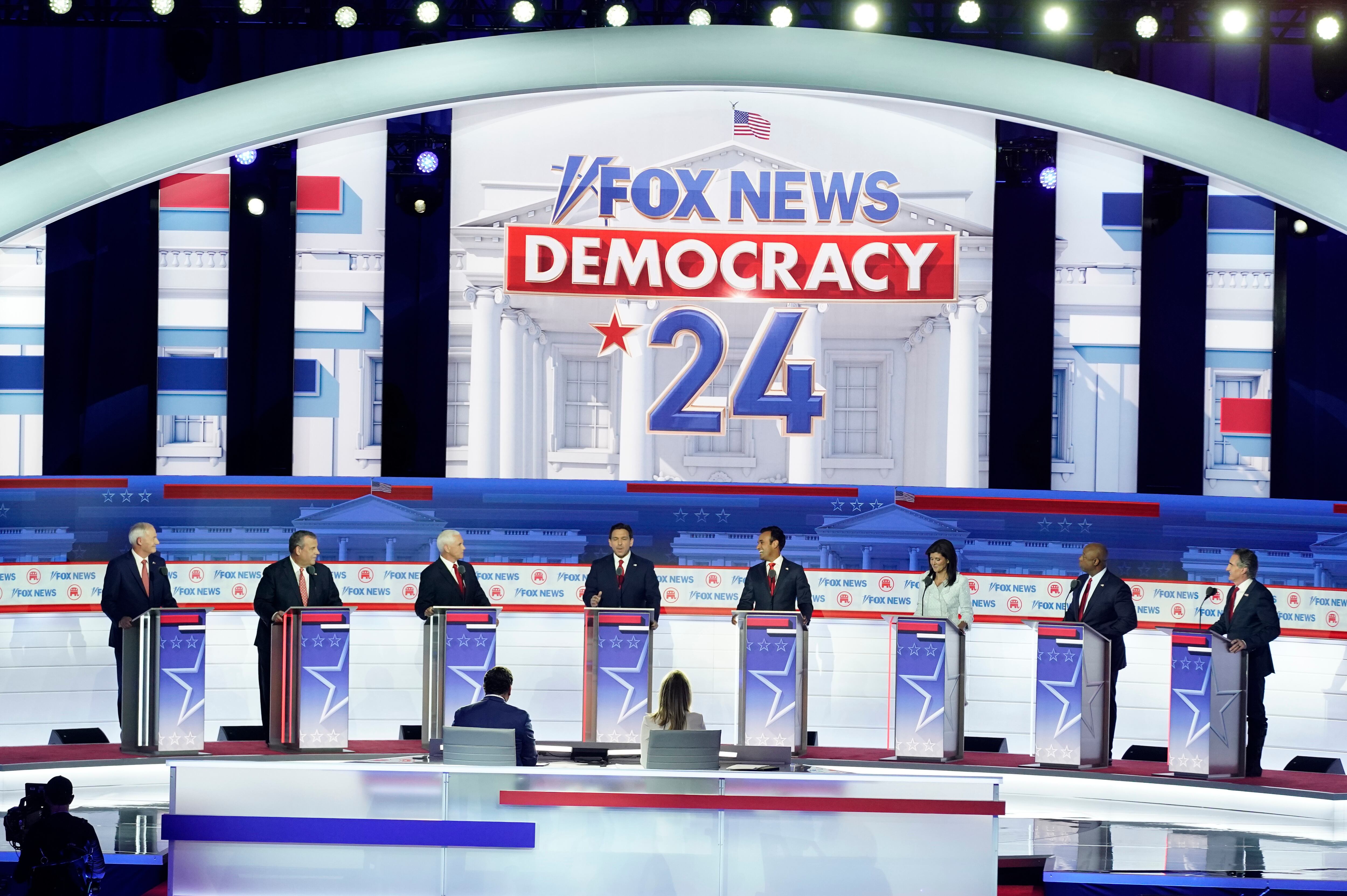
Political strategist Jonathan Harris breaks down the highlights from Wednesday's first Republican presidential primary debate and how Former President Donald Trump's absence affected the event.
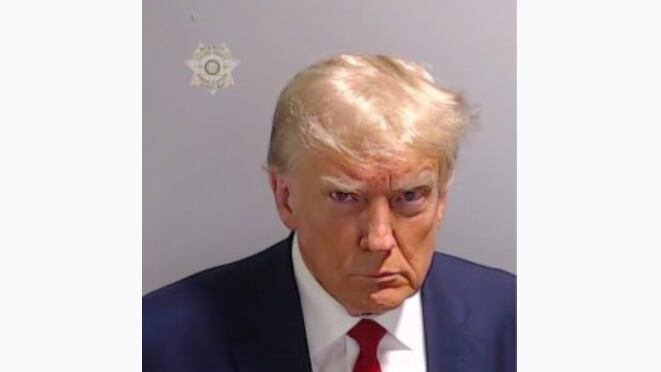
A scowling Donald Trump posed for a mug shot Thursday as he surrendered inside a jail in Atlanta on charges that he illegally schemed to overturn the 2020 election in Georgia, creating a historic and humbling visual underscoring the former president's escalating legal troubles.
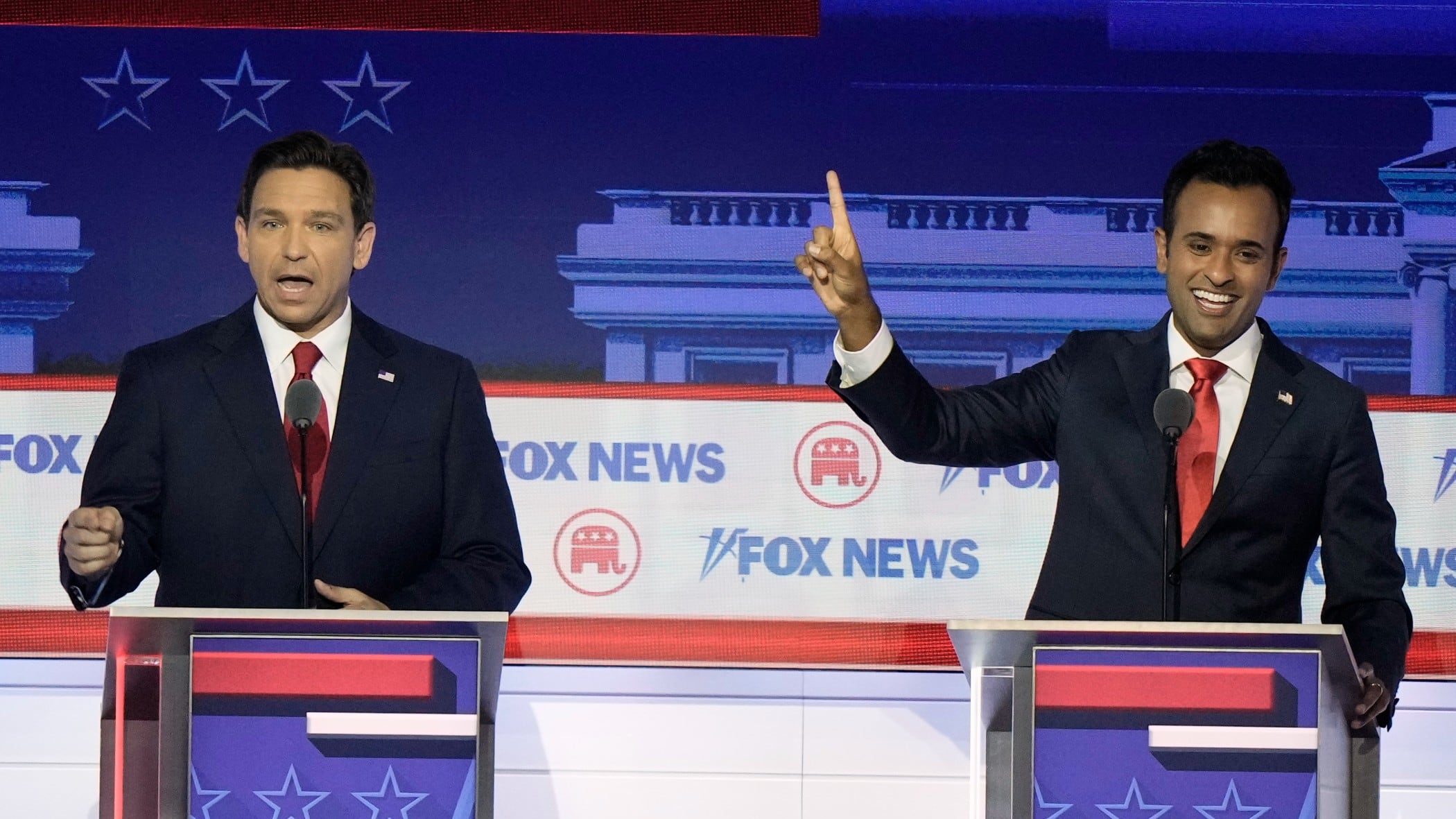
Ramaswamy has crept up in recent polls, leading to his position next to Florida Gov. Ron DeSantis at center stage. He quickly took advantage of the spotlight, attacking the other candidates as "super PAC puppets" and drawing them into tit-for-tats that gave him more air time.
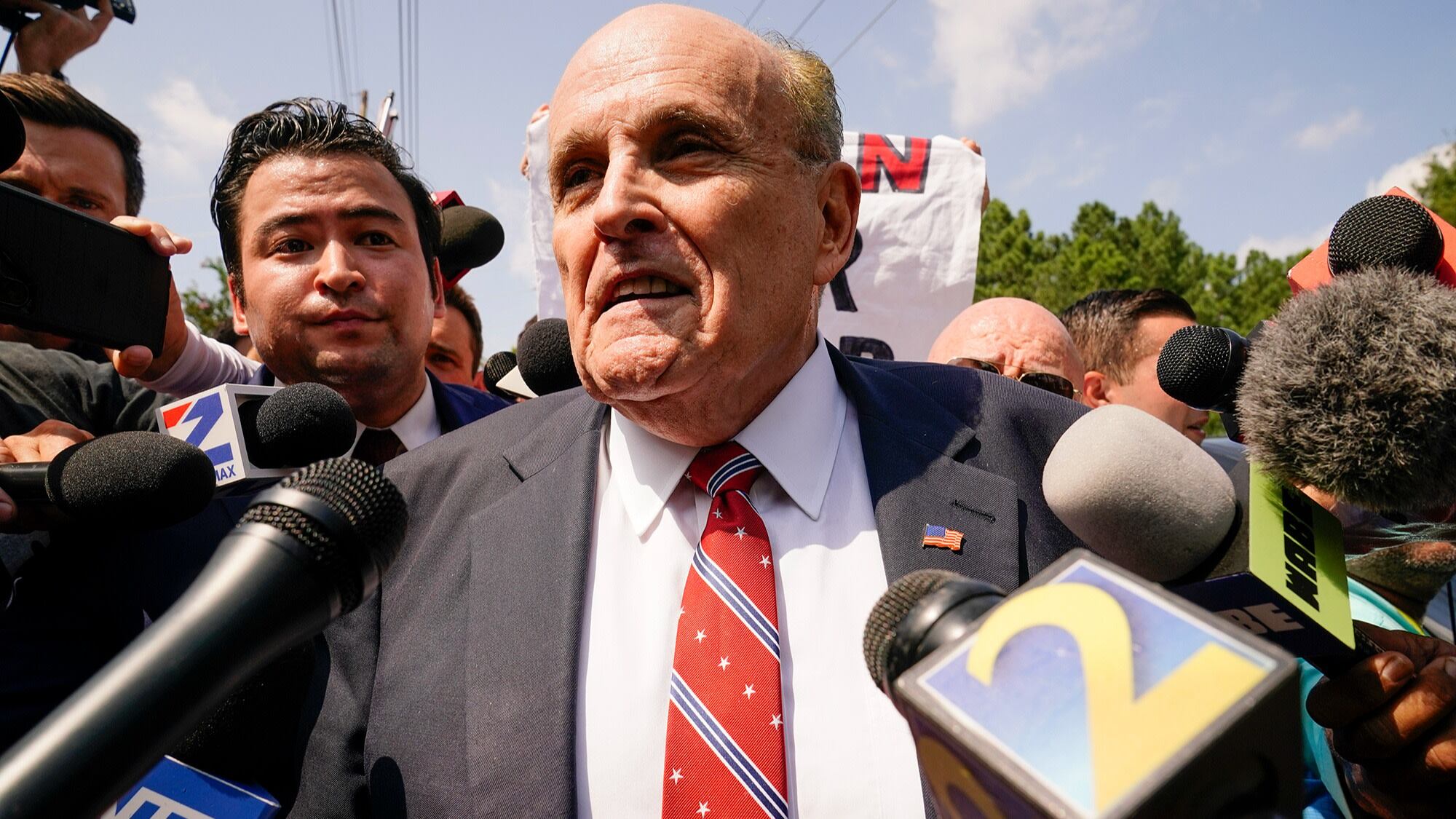
The former New York City mayor, charged as former President Donald Trump's chief co-conspirator in a plot to subvert the 2020 election, is charged with Trump and 17 other people under Georgia’s Racketeer Influenced and Corrupt Organizations Act.
The 4-1 ruling Wednesday departs from the court's own decision earlier this year to strike down a similar law from 2021.
A private jet crashed over Russia on Wednesday, killing all 10 people on board, emergency officials said.
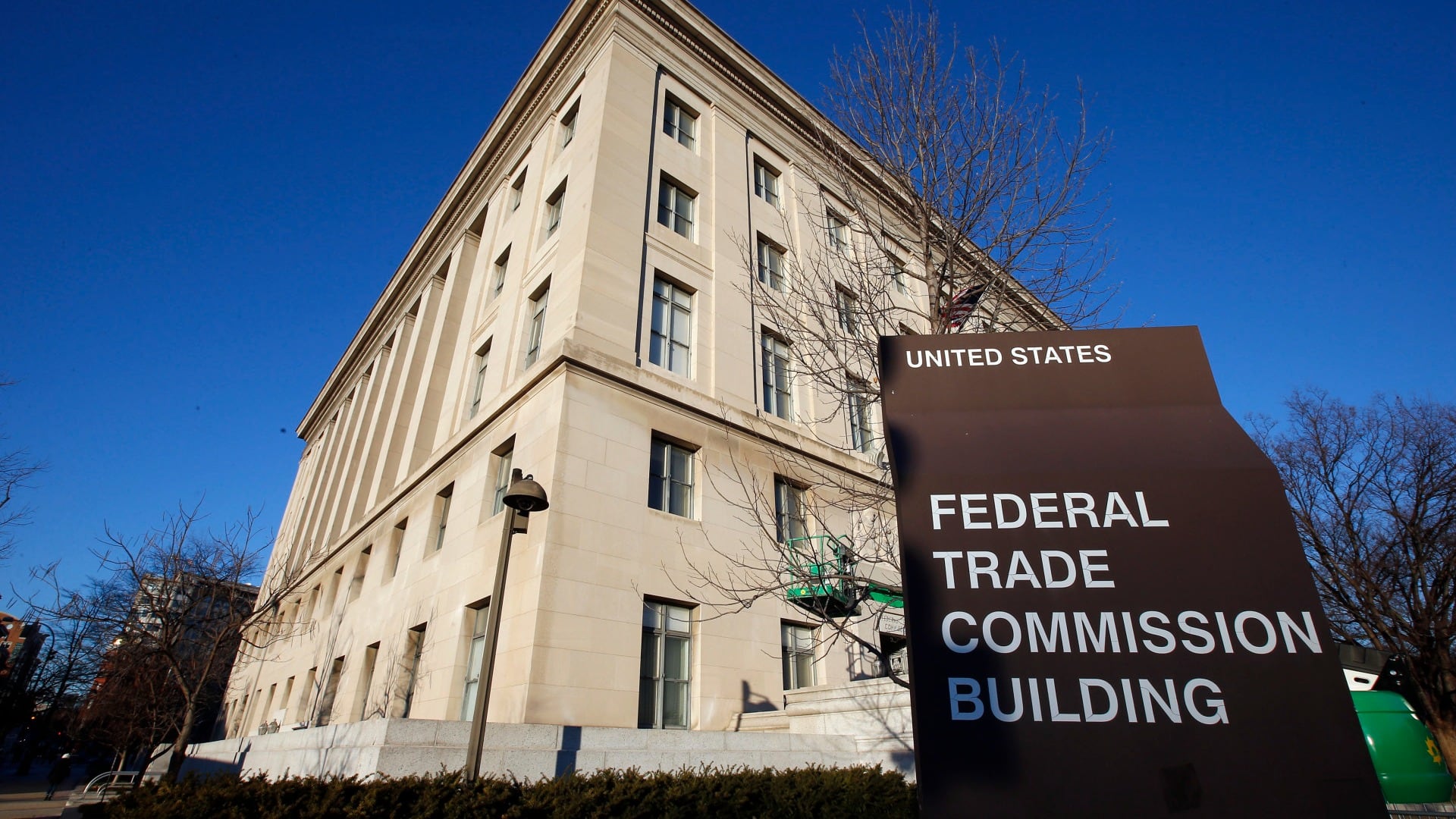
Children’s advocacy groups including Fairplay and Common Sense Media are asking the Federal Trade Commission to investigate Google, saying the tech giant serves personalized ads to kids on YouTube despite federal law prohibiting the practice.
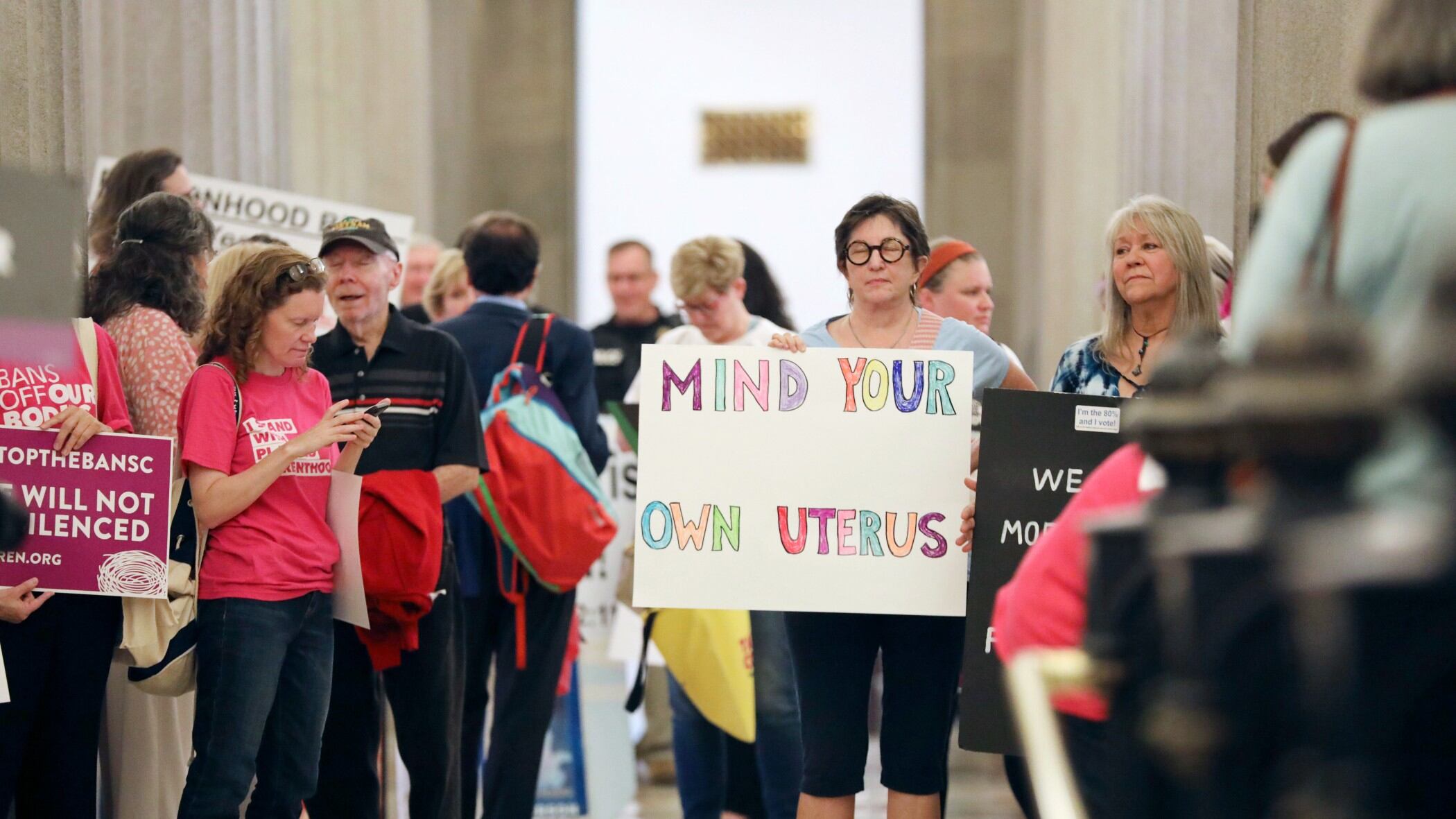
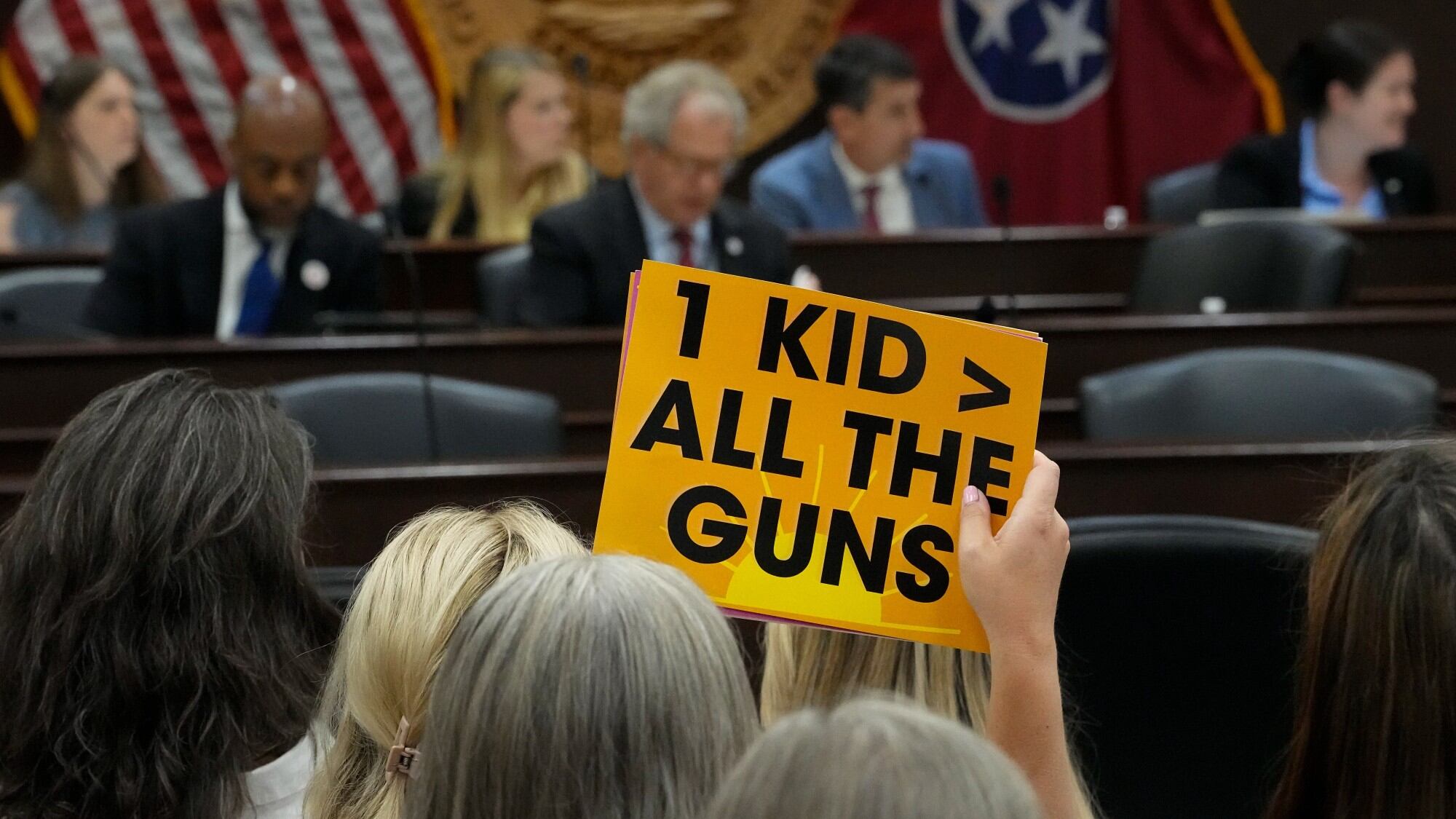
A Tennessee judge agreed Wednesday to temporarily block a new rule advanced by state House Republicans that banned the public from holding signs during floor and committee proceedings.
Former President Donald Trump is skipping tonight's GOP primary debate so what will the other candidates do? Political strategist Johnathan Harris weighs in.