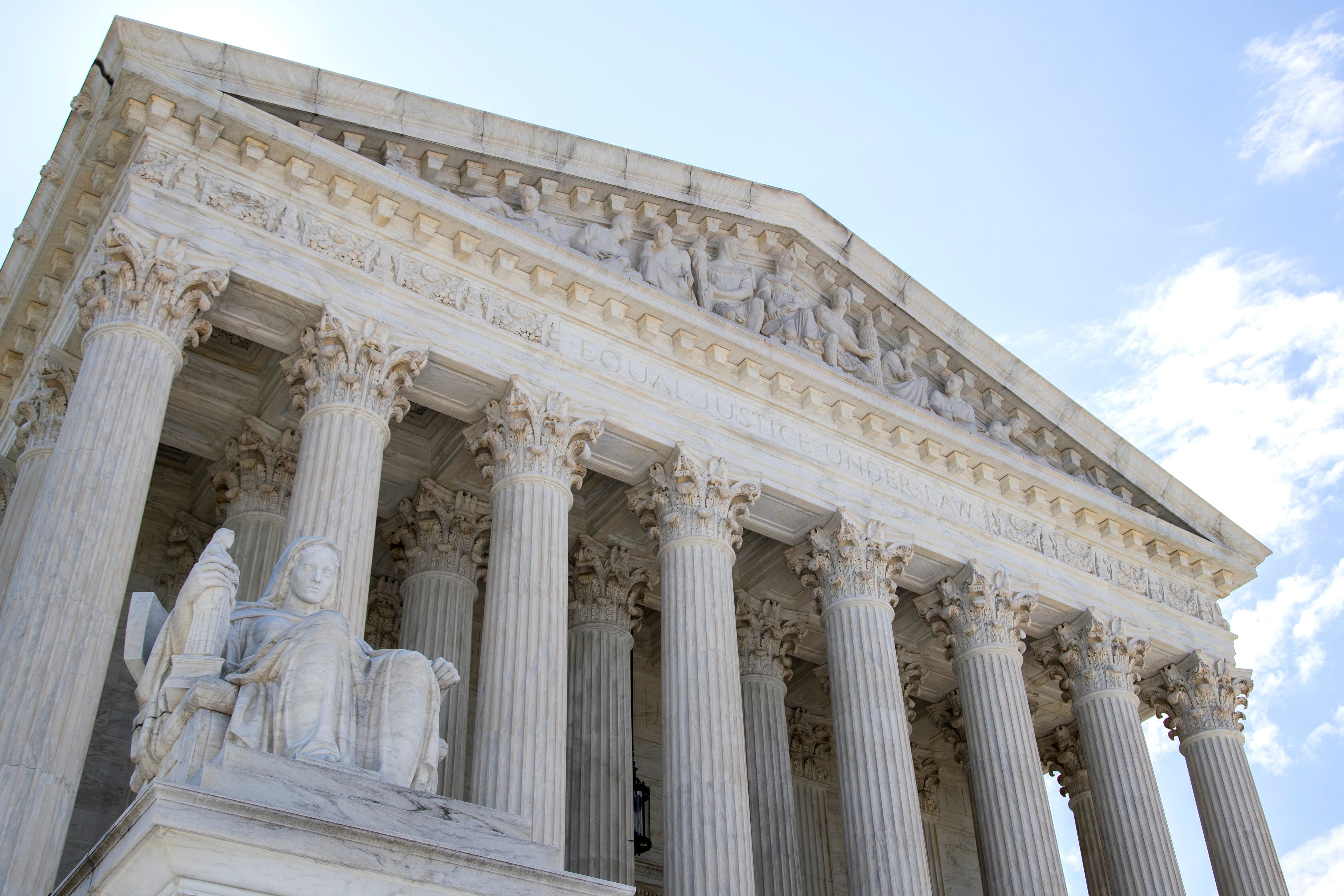
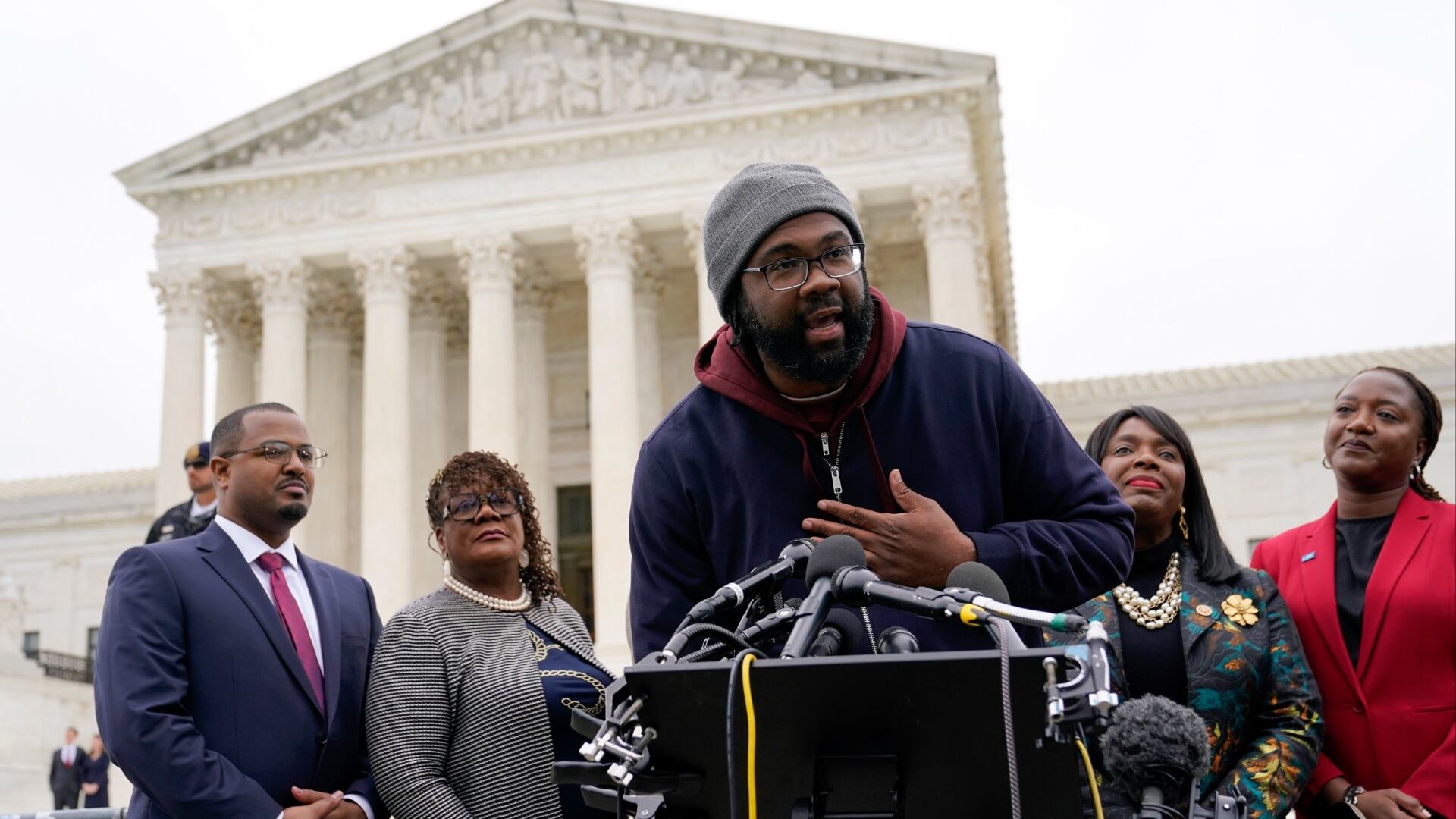
The U.S. Supreme Court is seen Tuesday, June 30, 2020 in Washington. (AP Photo/Manuel Balce Ceneta)
The Supreme Court on Monday upheld a 1991 law that bars robocalls to cellphones.
The case, argued by telephone in May because of the coronavirus pandemic, only arose after Congress in 2015 created an exception in the law that allowed the automated calls for collection of government debt.
Political consultants and pollsters were among those who asked the Supreme Court to strike down the entire 1991 law that bars them from making robocalls to cellphones as a violation of their free speech rights under the Constitution. The issue was whether, by allowing one kind of speech but not others, the exception made the whole law unconstitutional.
Six justices agreed that by allowing debt collection calls to cellphones Congress "impermissibly favored debt-collection speech over political and other speech, in violation of the First Amendment," Justice Brett Kavanaugh wrote. And seven justices agreed that the 2015 exception should be stricken from the law.
"Americans passionately disagree about many things. But they are largely united in their disdain for robocalls," Kavanaugh noted at the outset of his opinion.
During arguments in the case in May, Justice Stephen Breyer got cut off when someone tried calling him. Breyer said after he rejoined the court's arguments: "The telephone started to ring, and it cut me off the call and I don't think it was a robocall."
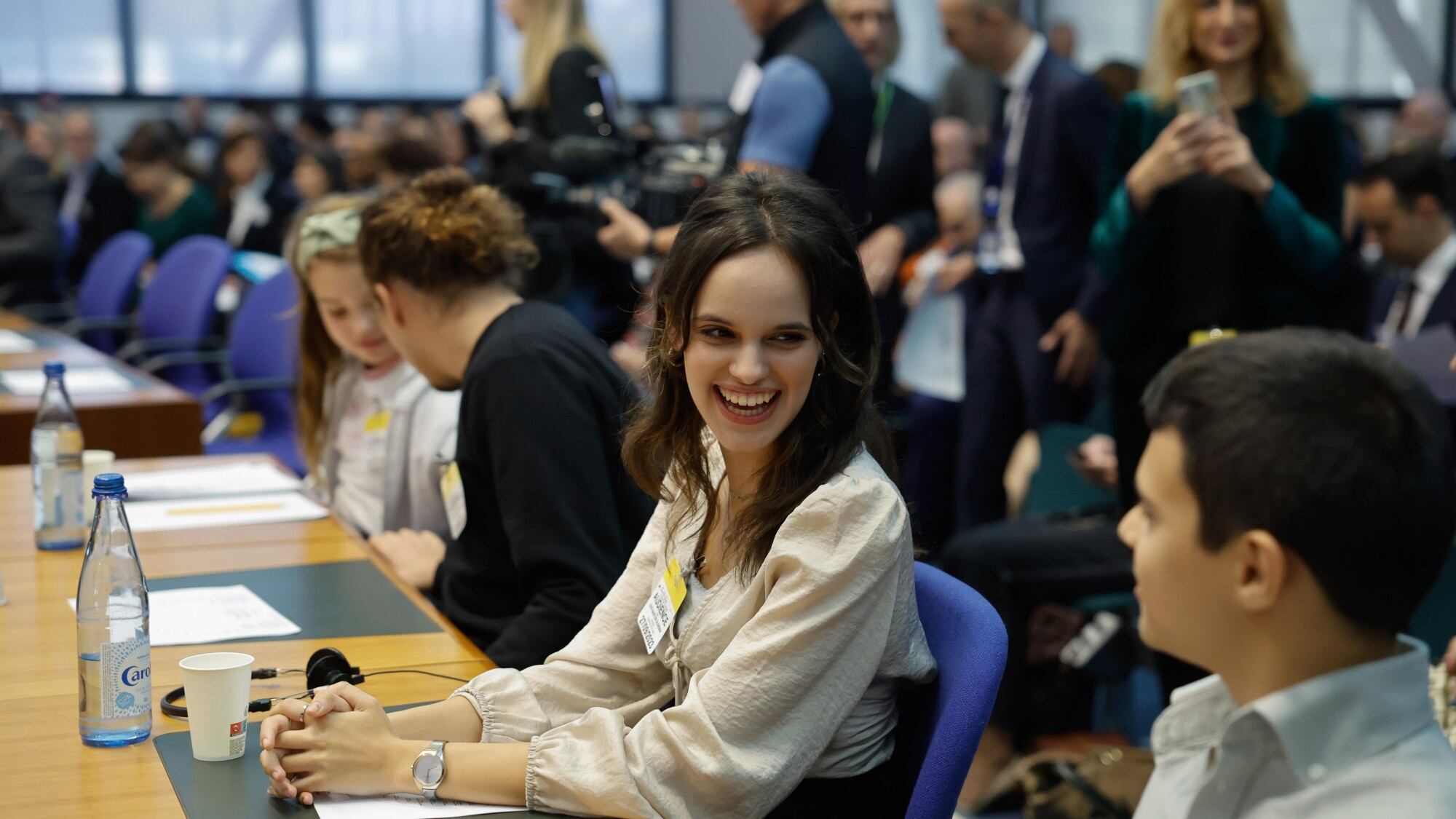
Six young adults and children argued that governments across Europe aren’t doing enough to protect people from climate change at the European Court of Human Rights on Wednesday in the latest and largest instance of activists taking governments to court to force climate action.
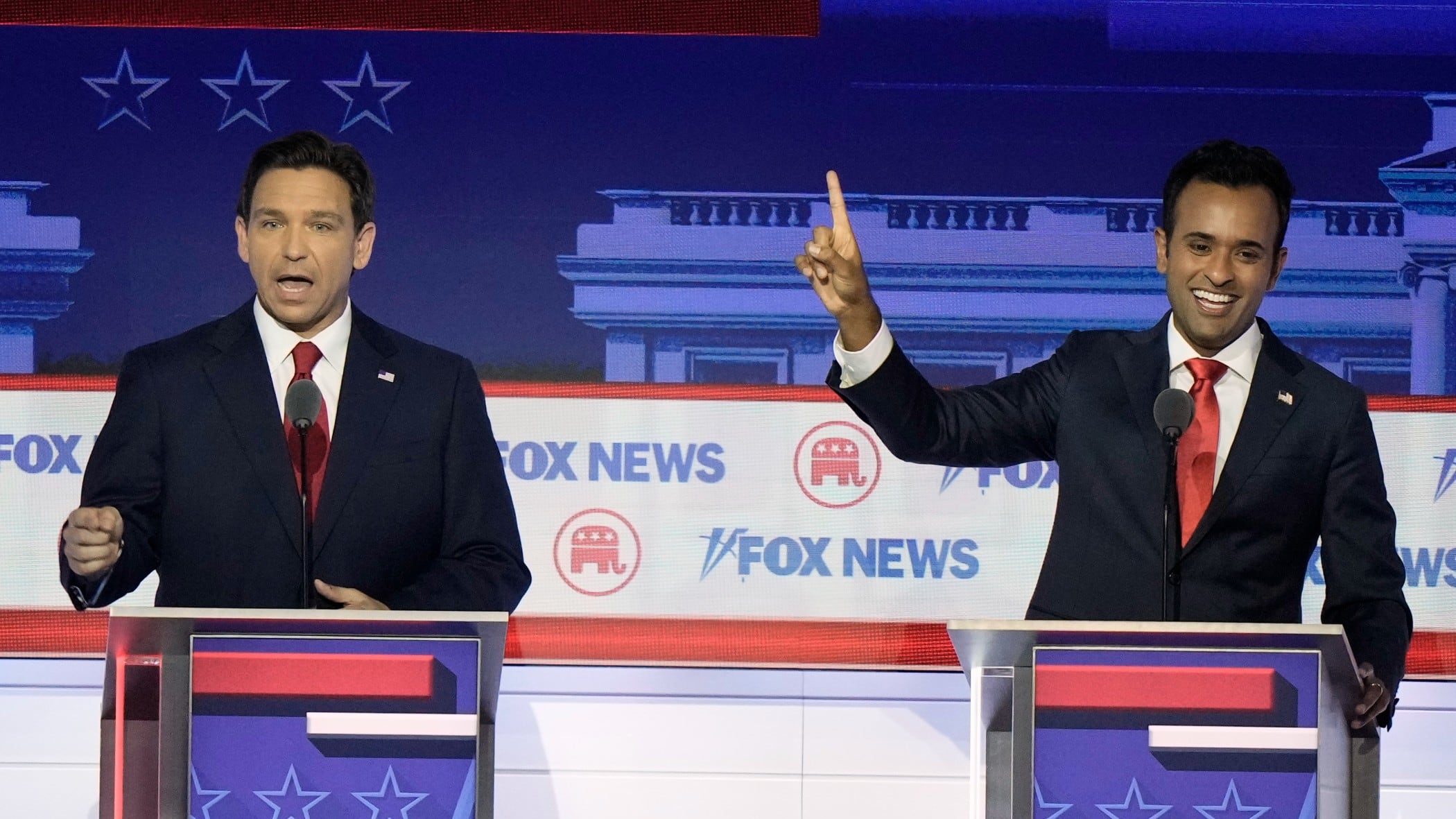
Seven Republican presidential candidates will take the stage at the party's second primary debate in California. Jonathan Harris, a columnist and political analyst, joined Cheddar News to break down what to expect as 2024 nears.
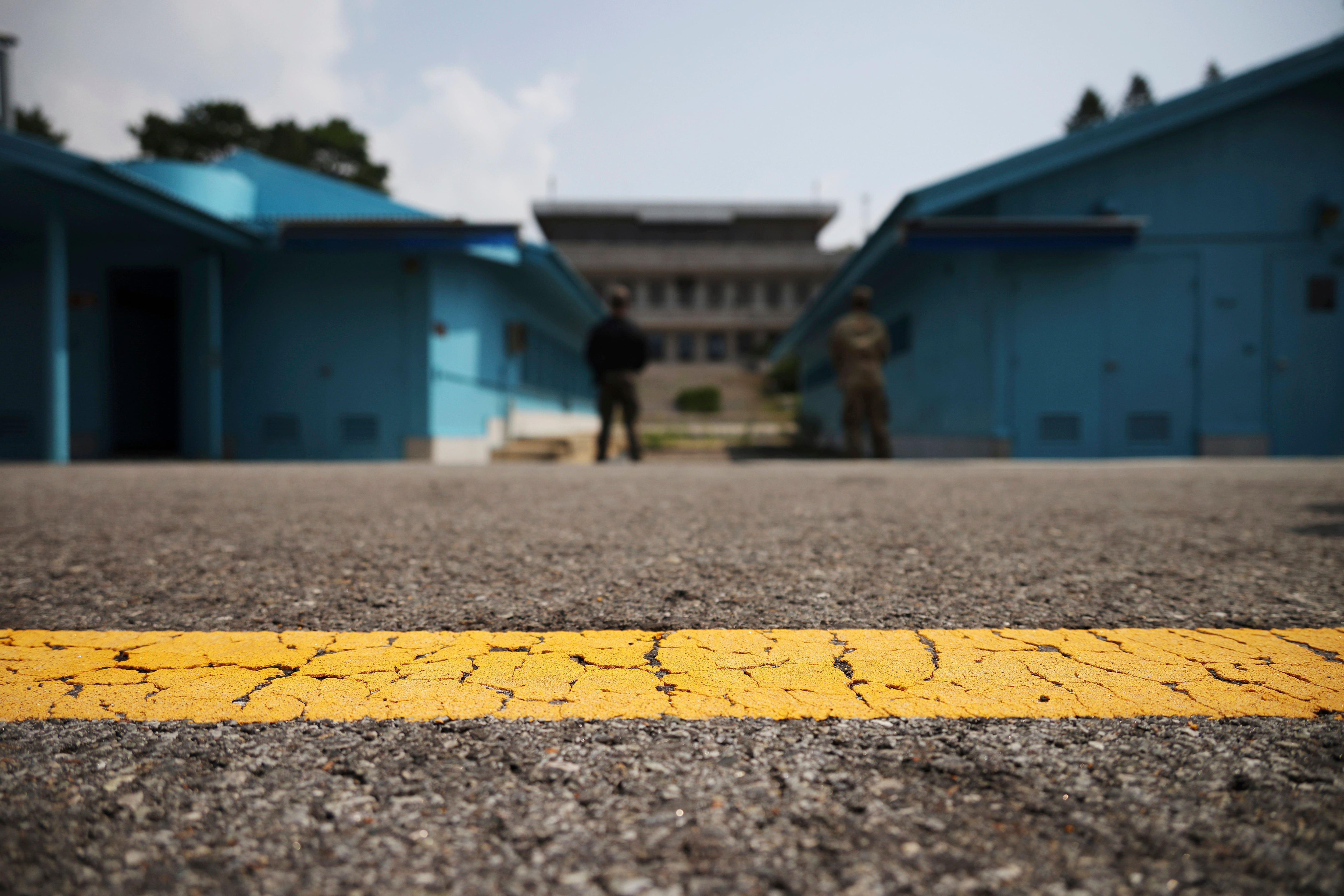
The American soldier who sprinted into North Korea across the heavily fortified border between the Koreas more than two months ago was whisked to a Texas Army base Thursday for medical checks and interviews after his return to the U.S., according to the Pentagon.
Republican presidential hopefuls have largely shunned TikTok, the hugely popular video-sharing app that some in both parties allege is a potential spy mechanism for China.
Amazon is being sued by U.S. regulators and and 17 states over allegations that the company abuses its position in the marketplace to inflate prices on other platforms, overcharge sellers and stifle competition.