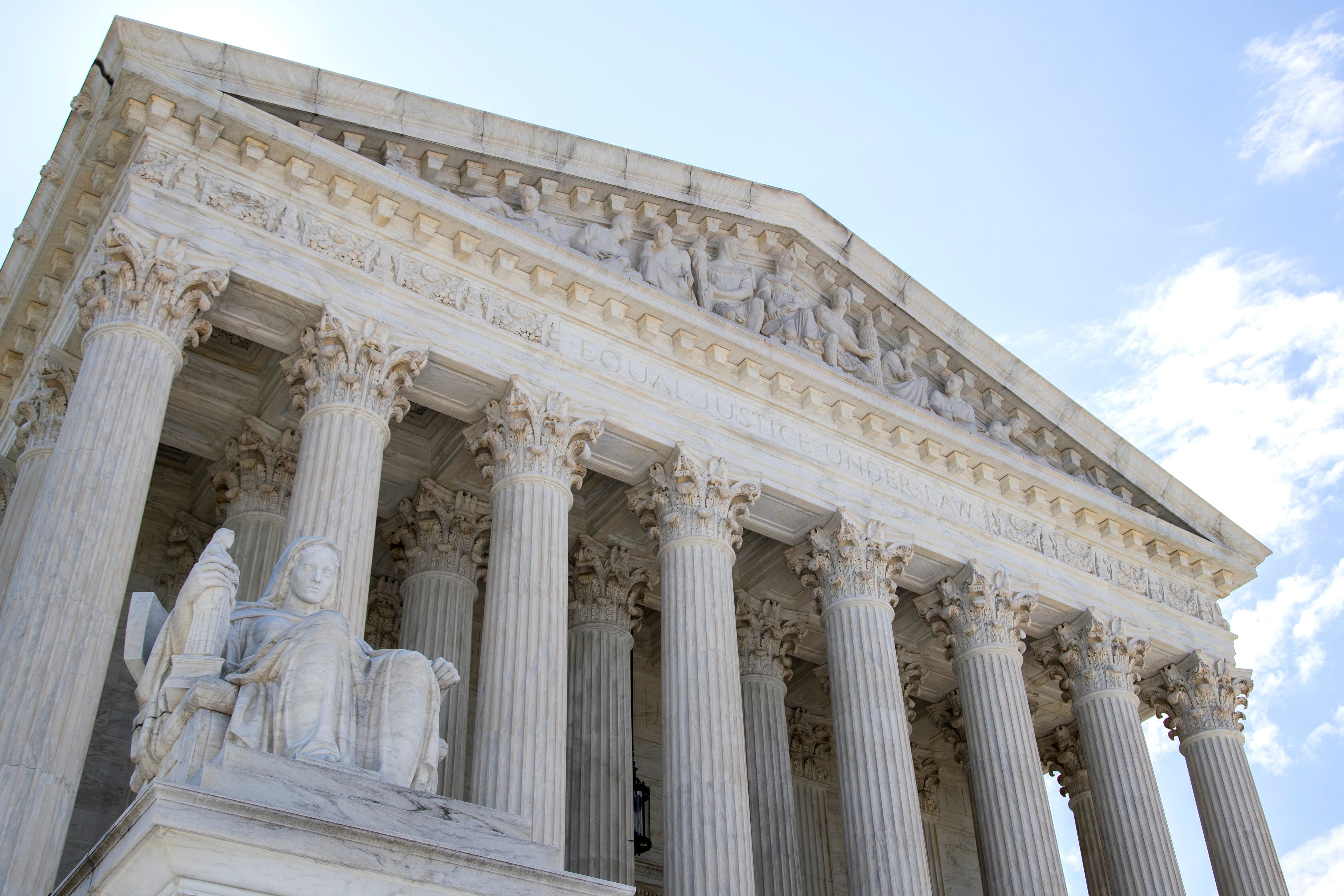
The Supreme Court on Monday upheld a 1991 law that bars robocalls to cellphones.
The case, argued by telephone in May because of the coronavirus pandemic, only arose after Congress in 2015 created an exception in the law that allowed the automated calls for collection of government debt.
Political consultants and pollsters were among those who asked the Supreme Court to strike down the entire 1991 law that bars them from making robocalls to cellphones as a violation of their free speech rights under the Constitution. The issue was whether, by allowing one kind of speech but not others, the exception made the whole law unconstitutional.
Six justices agreed that by allowing debt collection calls to cellphones Congress "impermissibly favored debt-collection speech over political and other speech, in violation of the First Amendment," Justice Brett Kavanaugh wrote. And seven justices agreed that the 2015 exception should be stricken from the law.
"Americans passionately disagree about many things. But they are largely united in their disdain for robocalls," Kavanaugh noted at the outset of his opinion.
During arguments in the case in May, Justice Stephen Breyer got cut off when someone tried calling him. Breyer said after he rejoined the court's arguments: "The telephone started to ring, and it cut me off the call and I don't think it was a robocall."
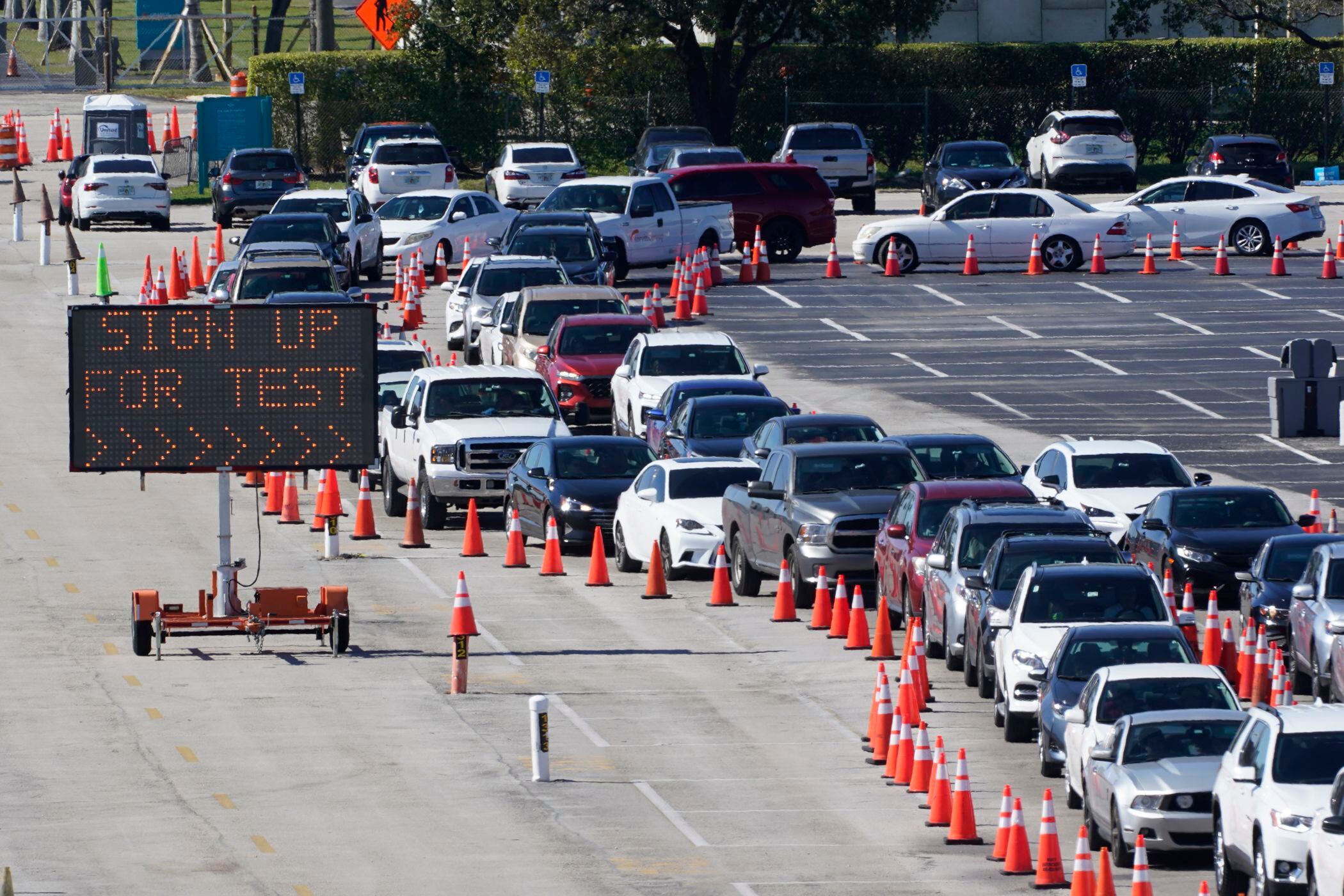
Coronavirus deaths and cases in the U.S. have dropped markedly over the past couple of weeks but are still running at alarmingly high levels.
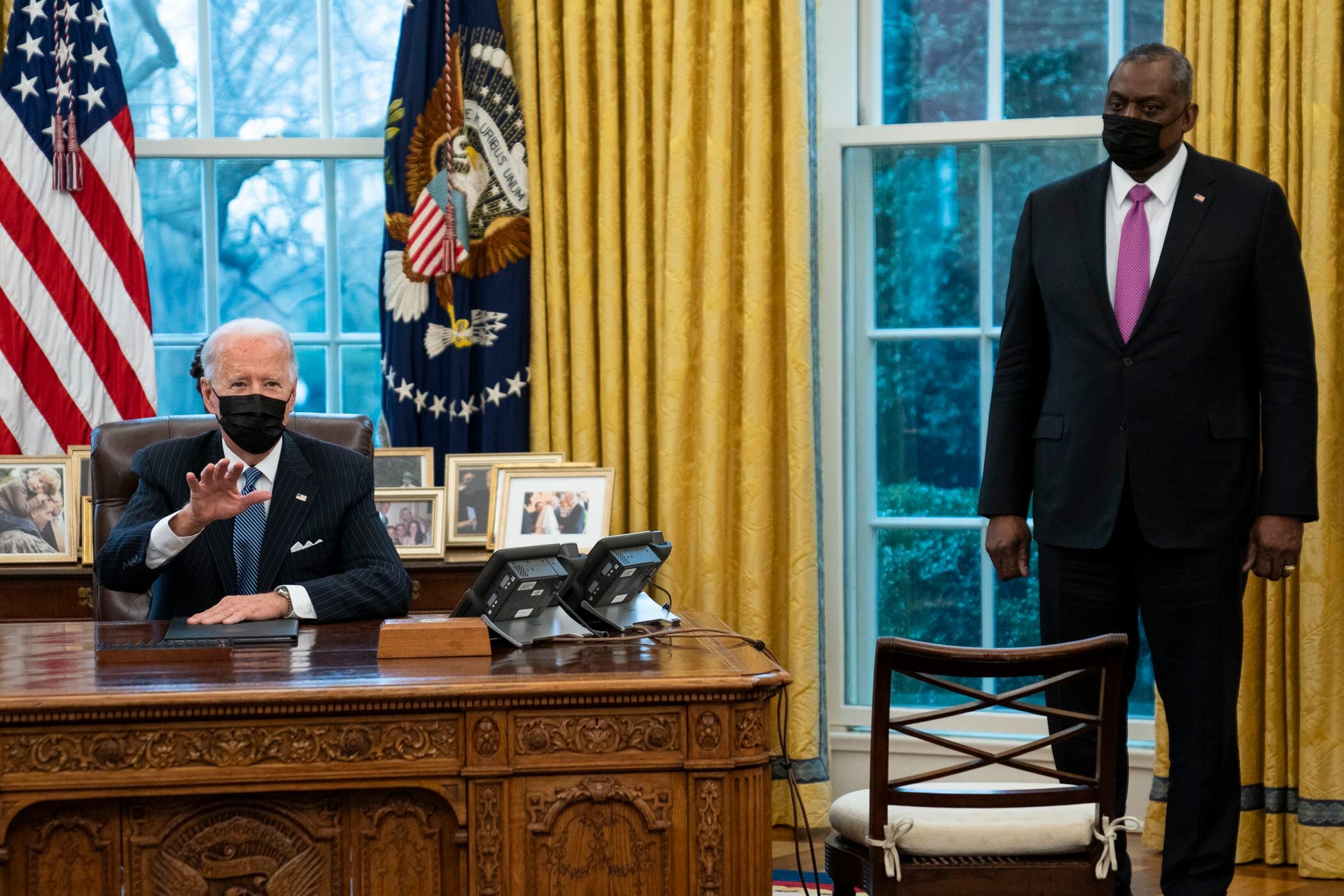
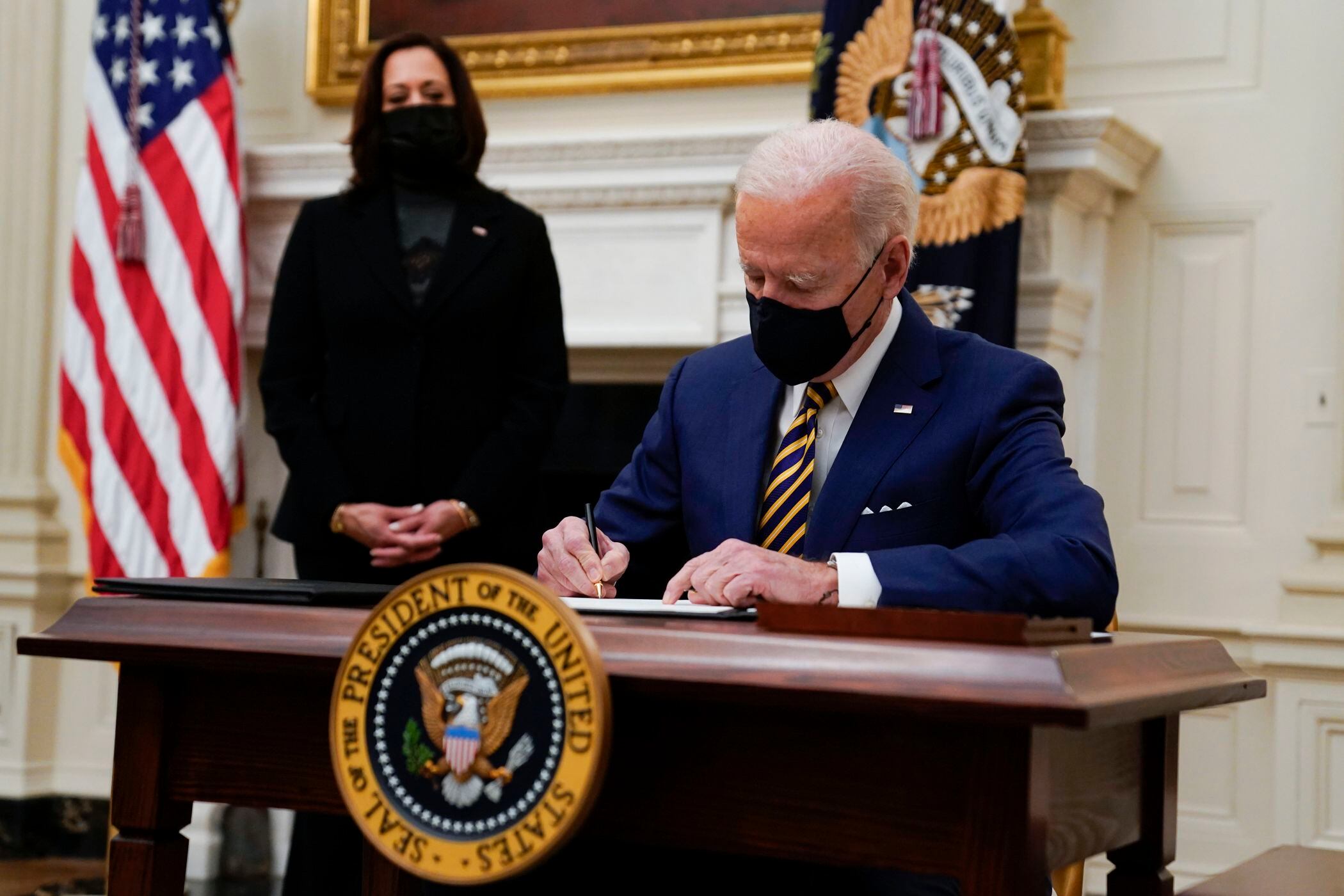
President Joe Biden has signed an executive order revoking a Pentagon policy that largely barred transgender individuals from joining the military.
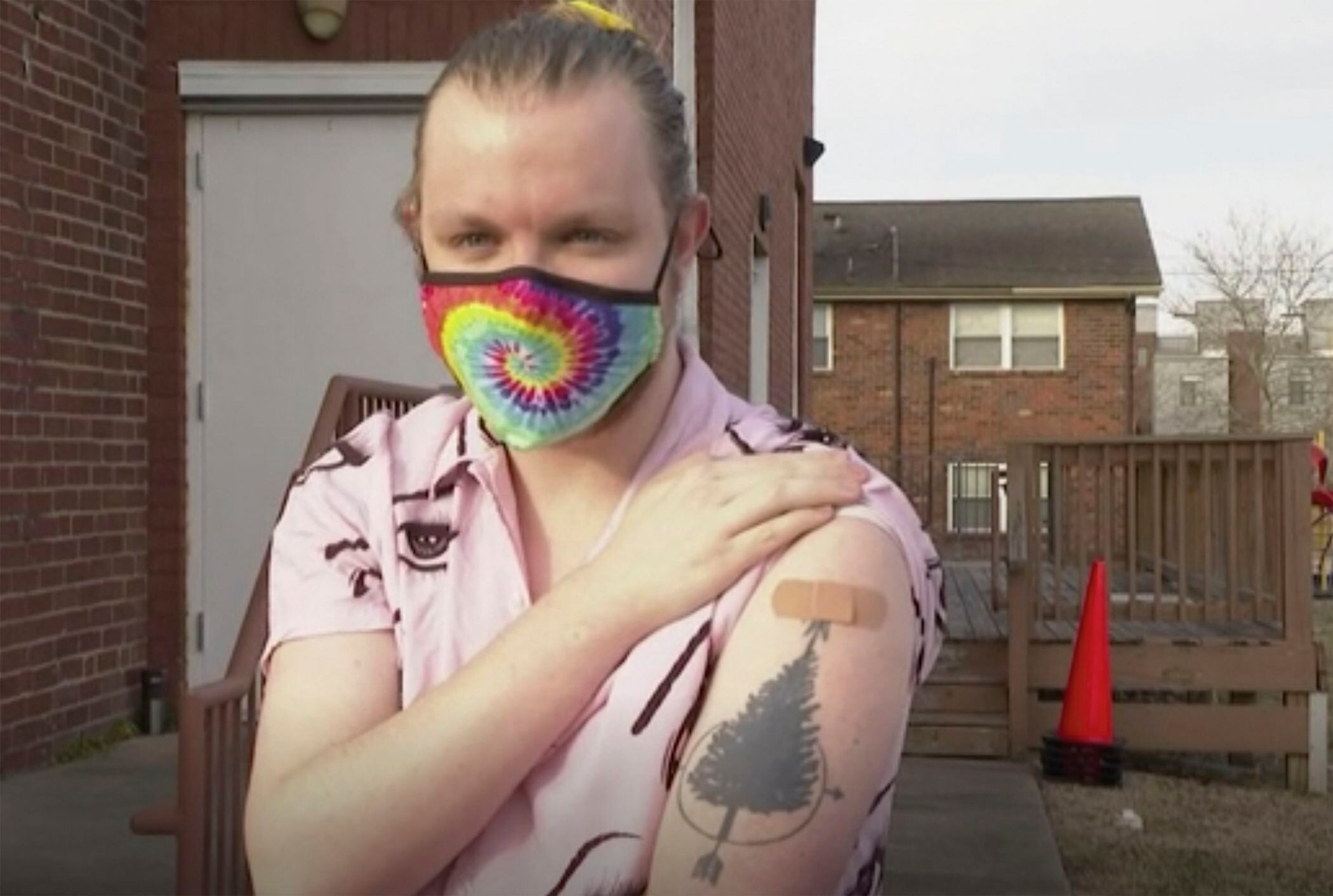
With millions of Americans waiting for their chance to get the coronavirus vaccine, a fortunate few are getting bumped to the front of the line as clinics scramble to get rid of extra, perishable doses at the end of the day.
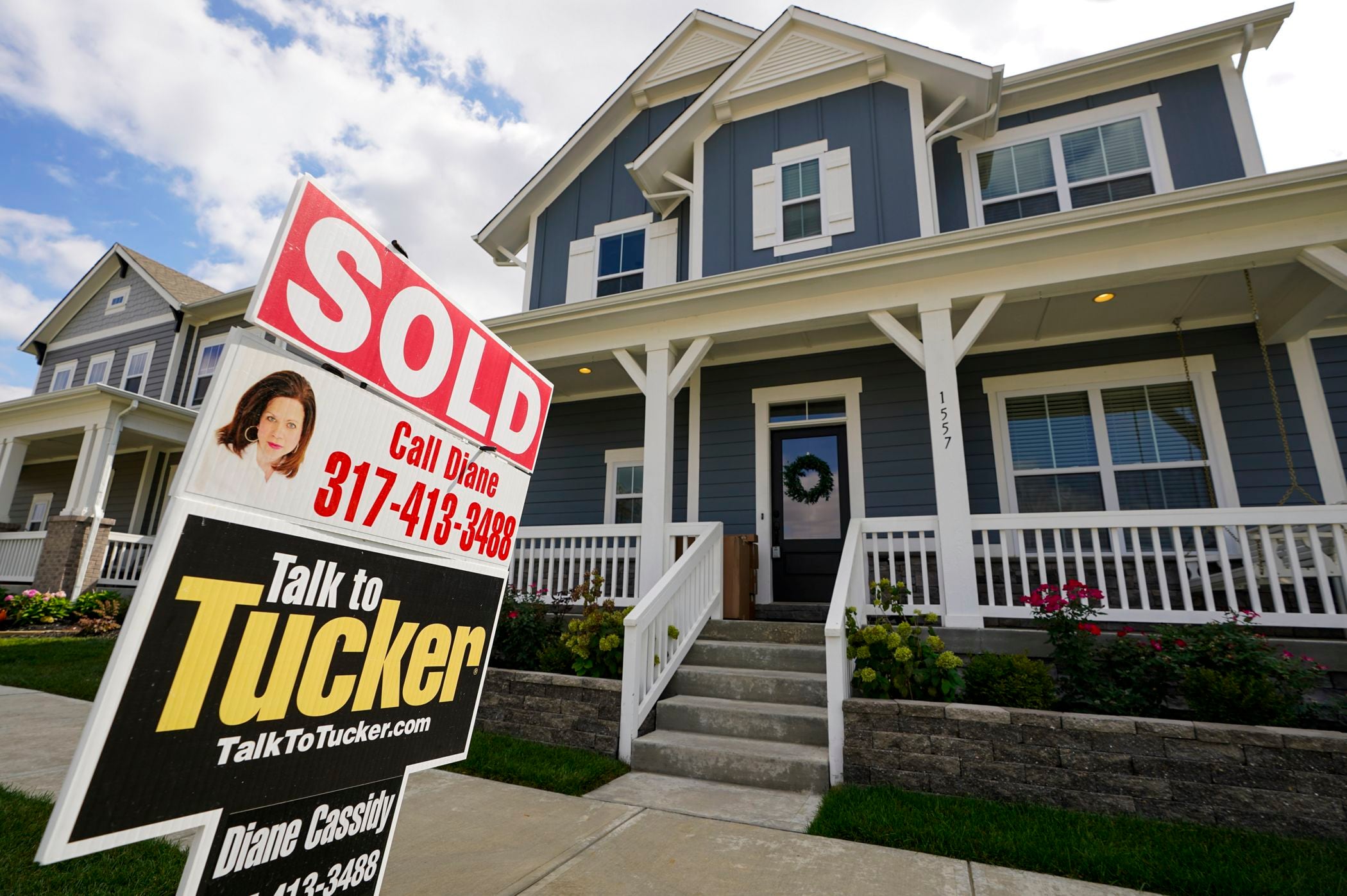
An improved economy overall would mean an uptick in mortgage rates, and with Biden committed to a $1.9 trillion stimulus package and a more robust coronavirus response, that's exactly what mortgage experts are anticipating.
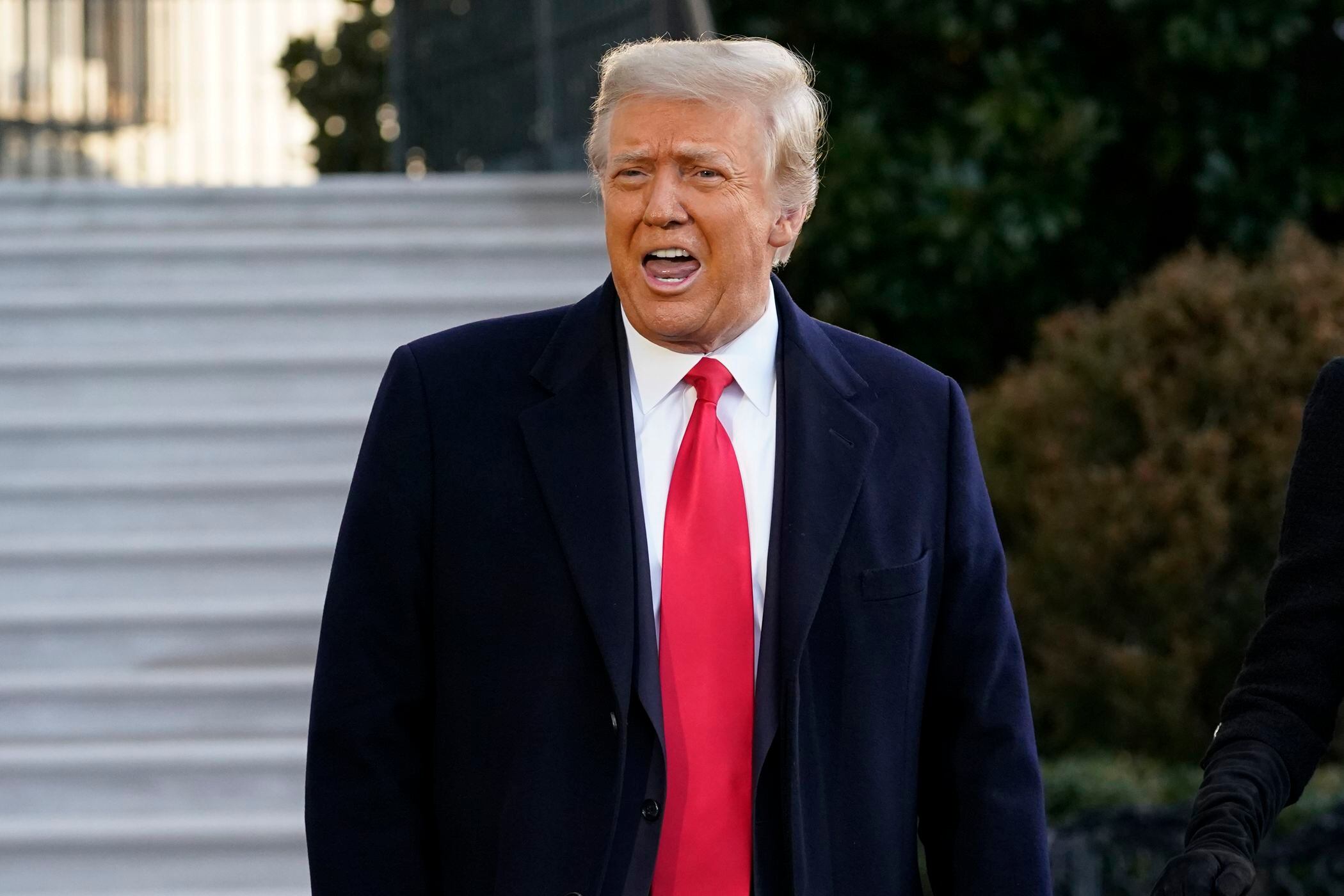
The Supreme Court has brought an end to lawsuits over whether Donald Trump illegally profited off of his presidency.
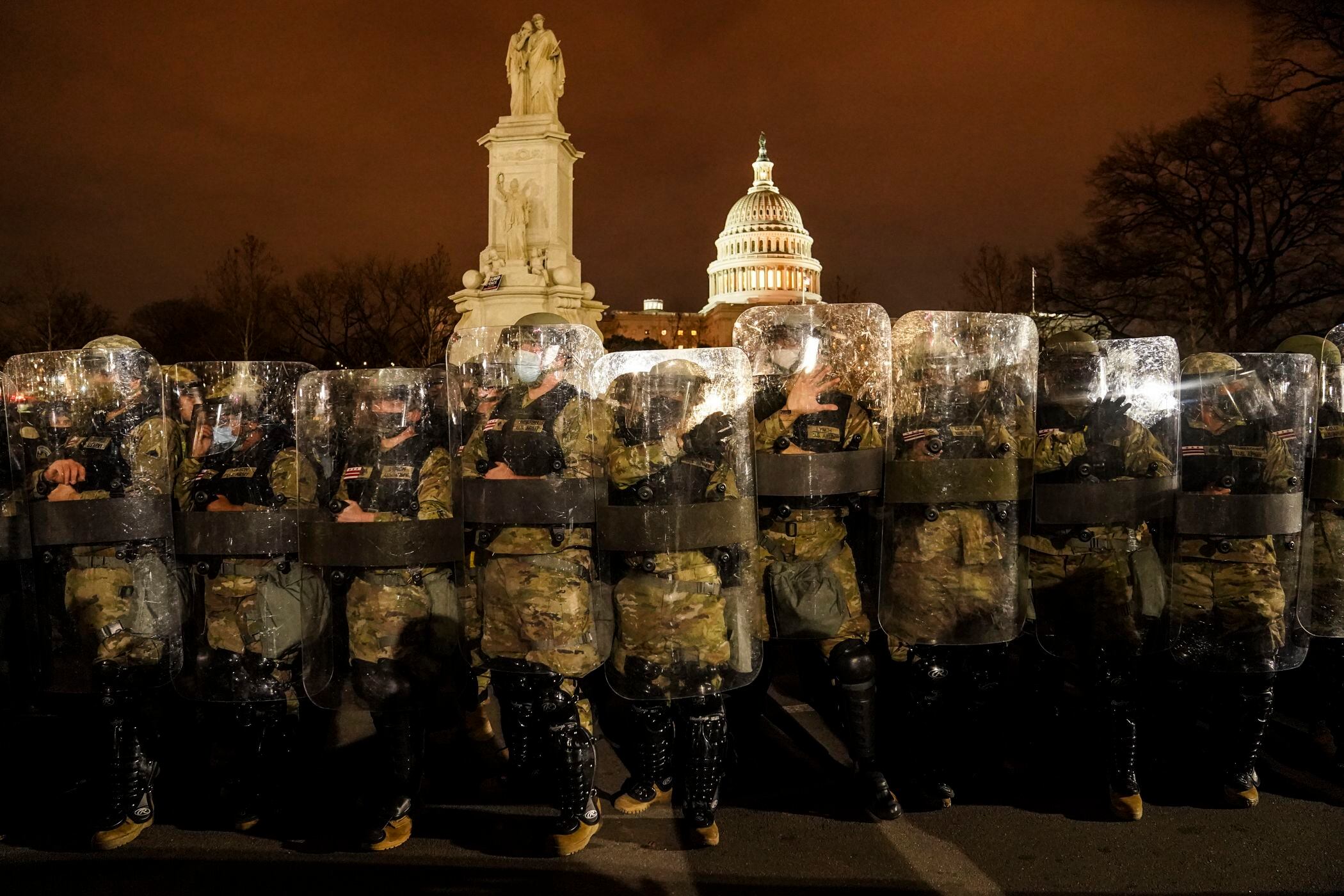
President Joe Biden has directed his intelligence community to study the threat of domestic extremism in the United States.
From Wall Street to Silicon Valley, these are the top stories that moved markets and had investors, business leaders, and entrepreneurs talking this week on Cheddar.
Rep. John Garamendi, a Democrat from California, praised President Biden's pic for heading the Department of Defense, Lloyd Austin.
Tom Price, former secretary of Health and Human Services under President Trump, talked to Cheddar about the new administration's plans for taking on COVID-19.
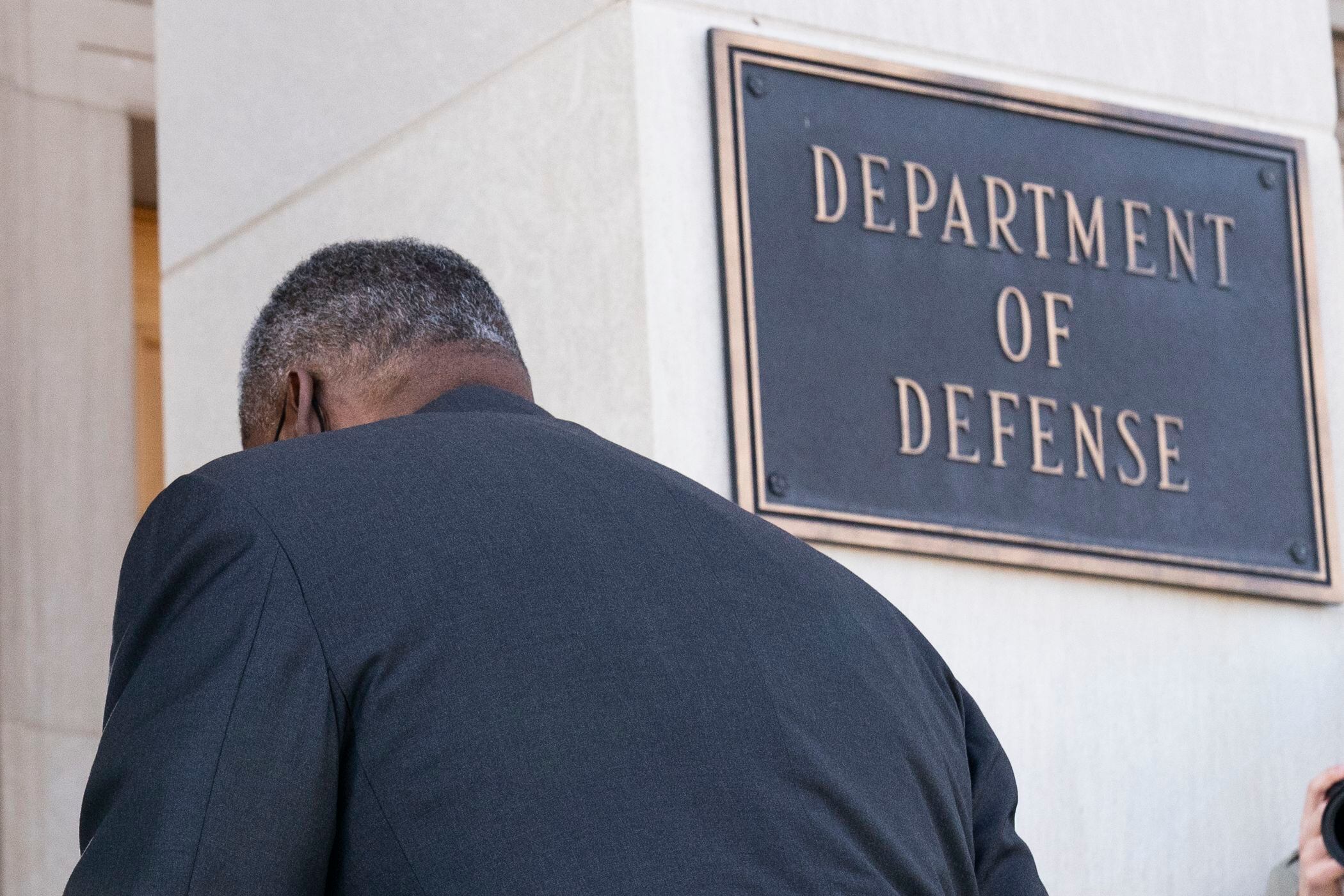
Lloyd J. Austin, the West Point graduate who rose to the Army’s elite ranks and marched through racial barriers in a 41-year career, has won Senate confirmation to become the nation’s first Black secretary of defense.