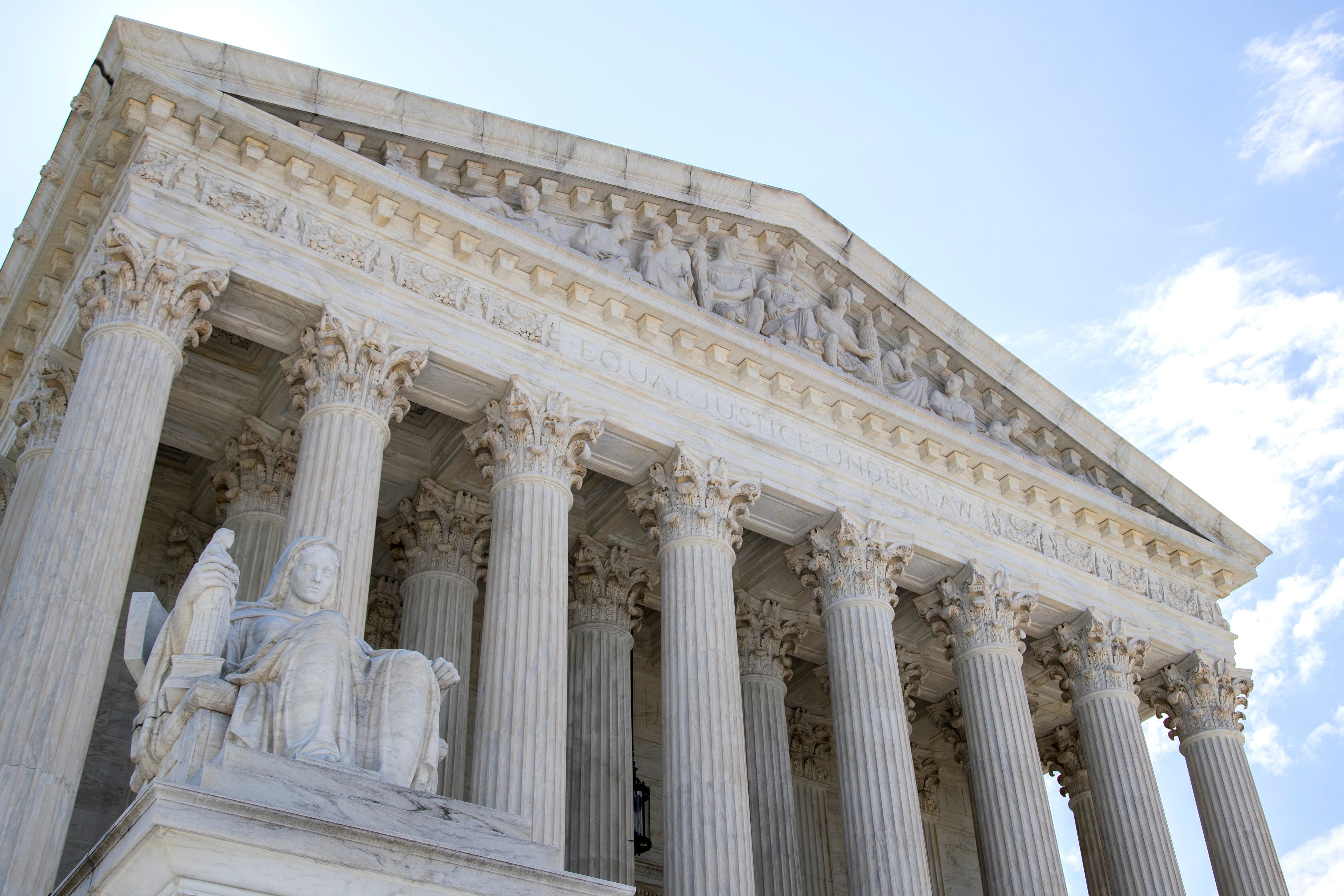
The Supreme Court on Monday upheld a 1991 law that bars robocalls to cellphones.
The case, argued by telephone in May because of the coronavirus pandemic, only arose after Congress in 2015 created an exception in the law that allowed the automated calls for collection of government debt.
Political consultants and pollsters were among those who asked the Supreme Court to strike down the entire 1991 law that bars them from making robocalls to cellphones as a violation of their free speech rights under the Constitution. The issue was whether, by allowing one kind of speech but not others, the exception made the whole law unconstitutional.
Six justices agreed that by allowing debt collection calls to cellphones Congress "impermissibly favored debt-collection speech over political and other speech, in violation of the First Amendment," Justice Brett Kavanaugh wrote. And seven justices agreed that the 2015 exception should be stricken from the law.
"Americans passionately disagree about many things. But they are largely united in their disdain for robocalls," Kavanaugh noted at the outset of his opinion.
During arguments in the case in May, Justice Stephen Breyer got cut off when someone tried calling him. Breyer said after he rejoined the court's arguments: "The telephone started to ring, and it cut me off the call and I don't think it was a robocall."
New York may have undercounted COVID-19 deaths among nursing home residents by thousands.
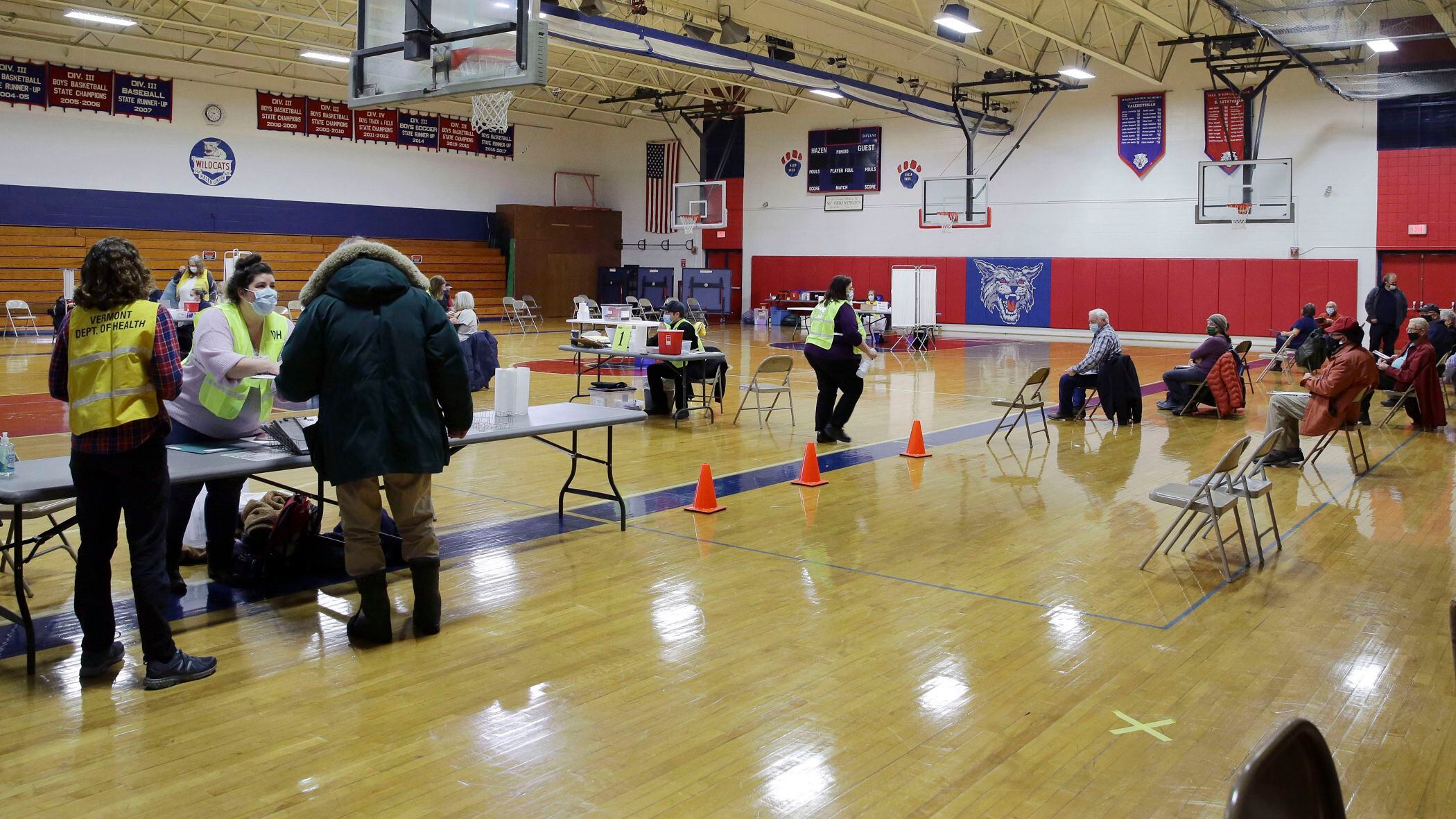
Employers weigh the pros and cons of potentially mandating workers get the COVID vaccine or incentivizing them to get the shots, a conundrum complicated by legal considerations.
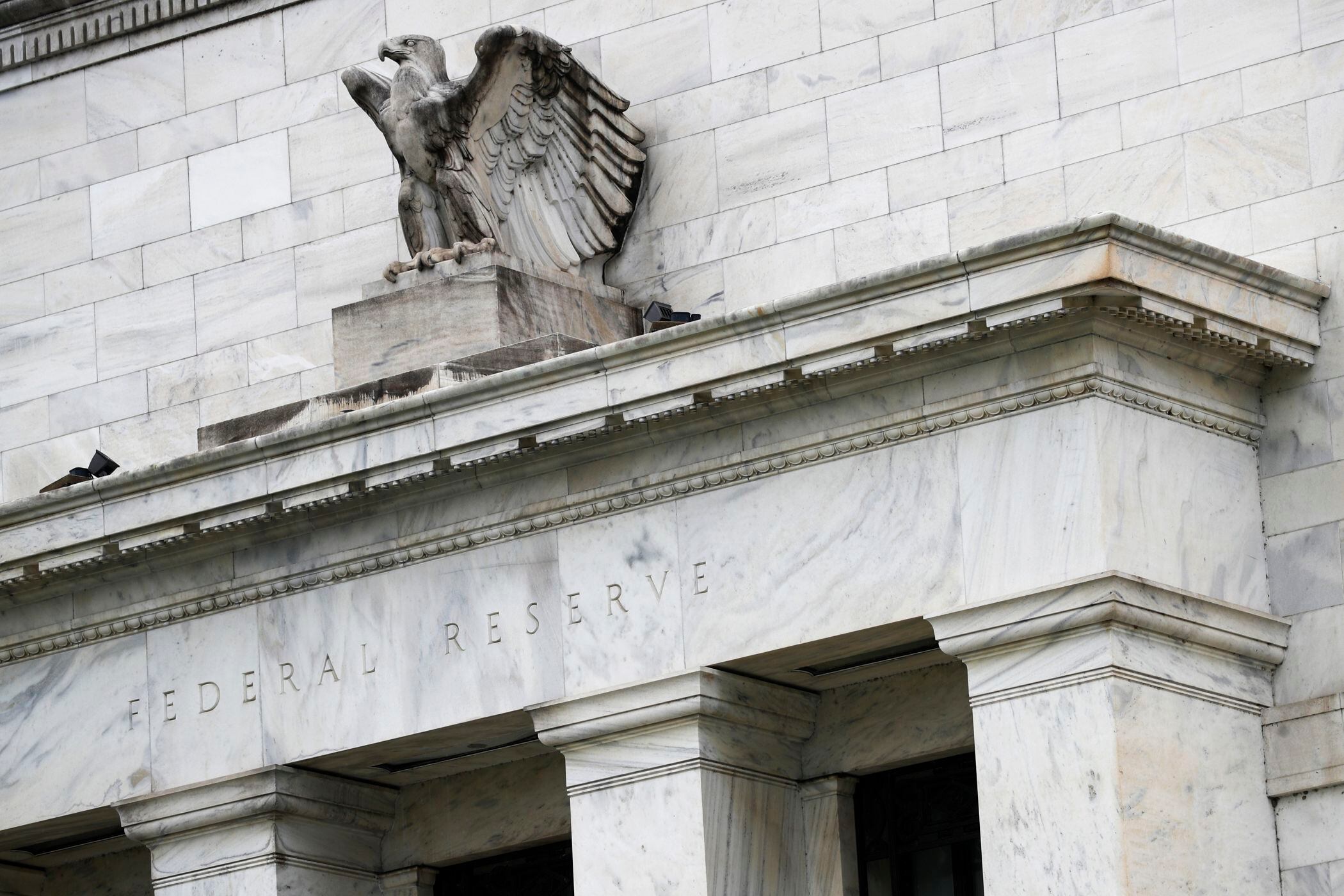
Fed Chair Jerome Powell confirmed interest rates remaining near zero and continuation of asset purchases but declined to speak to the ongoing GameStop drama.
Stuck in the grip of a viral pandemic, the U.S. economy grew at a 4% annual rate in the final three months of 2020 and shrank last year by the largest amount in 74 years.
Stock Swings, Climate Change & Young Tony Soprano
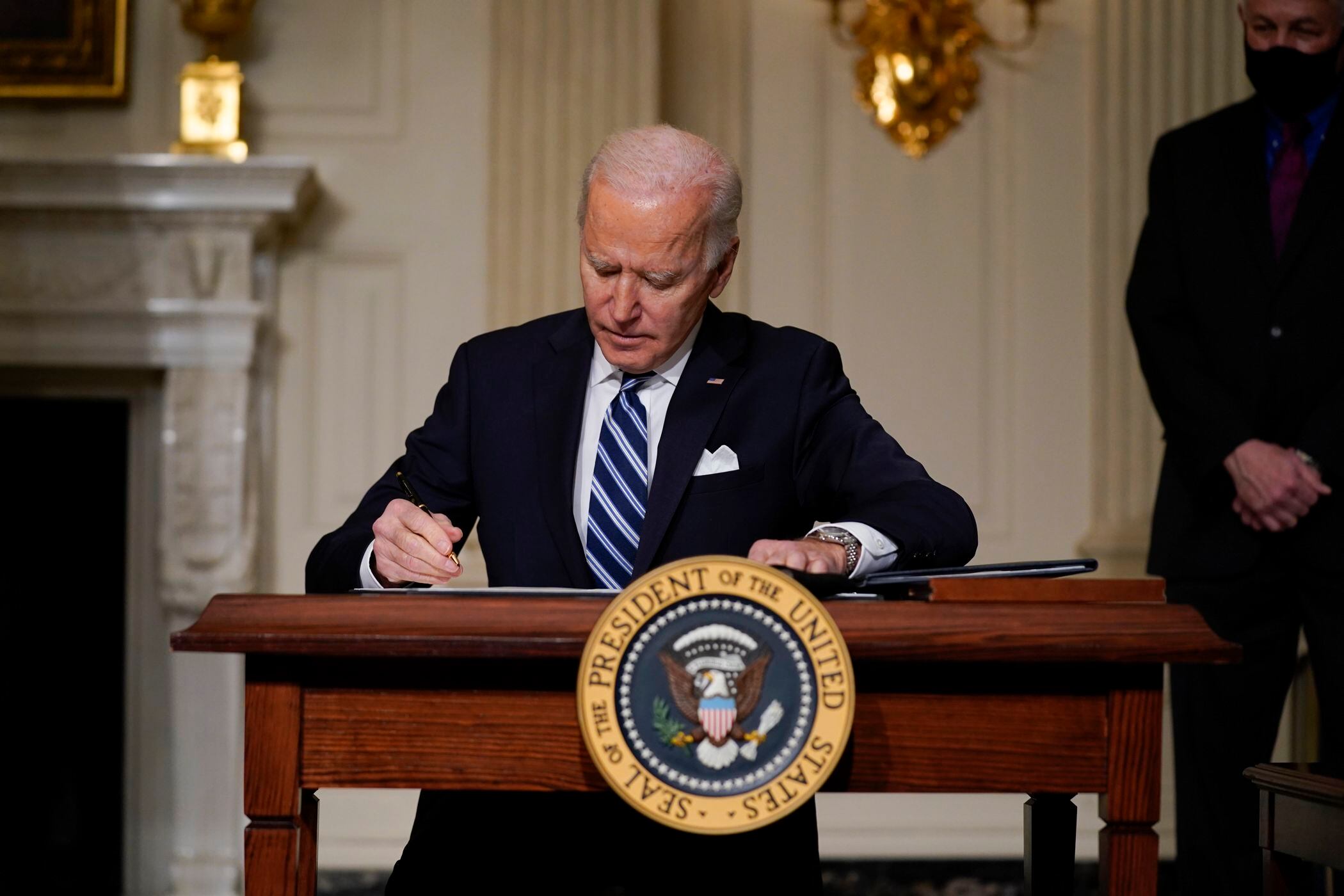
President Joe Biden is undertaking what would be the most ambitious effort to cut America’s oil, gas and coal emissions and stave off the worst effects of climate change.
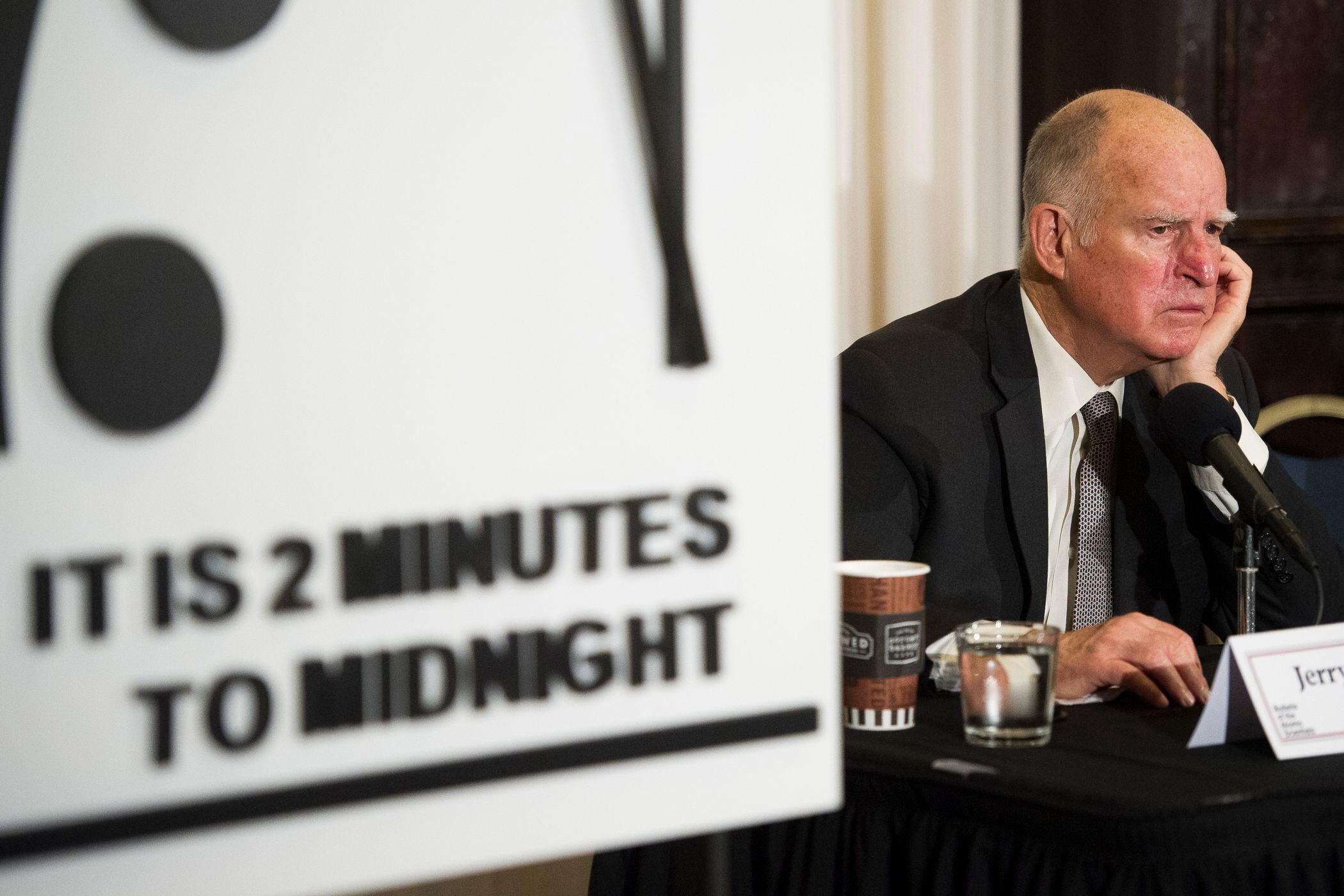
The Doomsday Clock remains as close to midnight as it has ever been – just 100 seconds to midnight.
The Federal Reserve pledged on Wednesday to keep its low interest rate policies in place even well after the economy has sustained a recovery from the viral pandemic.
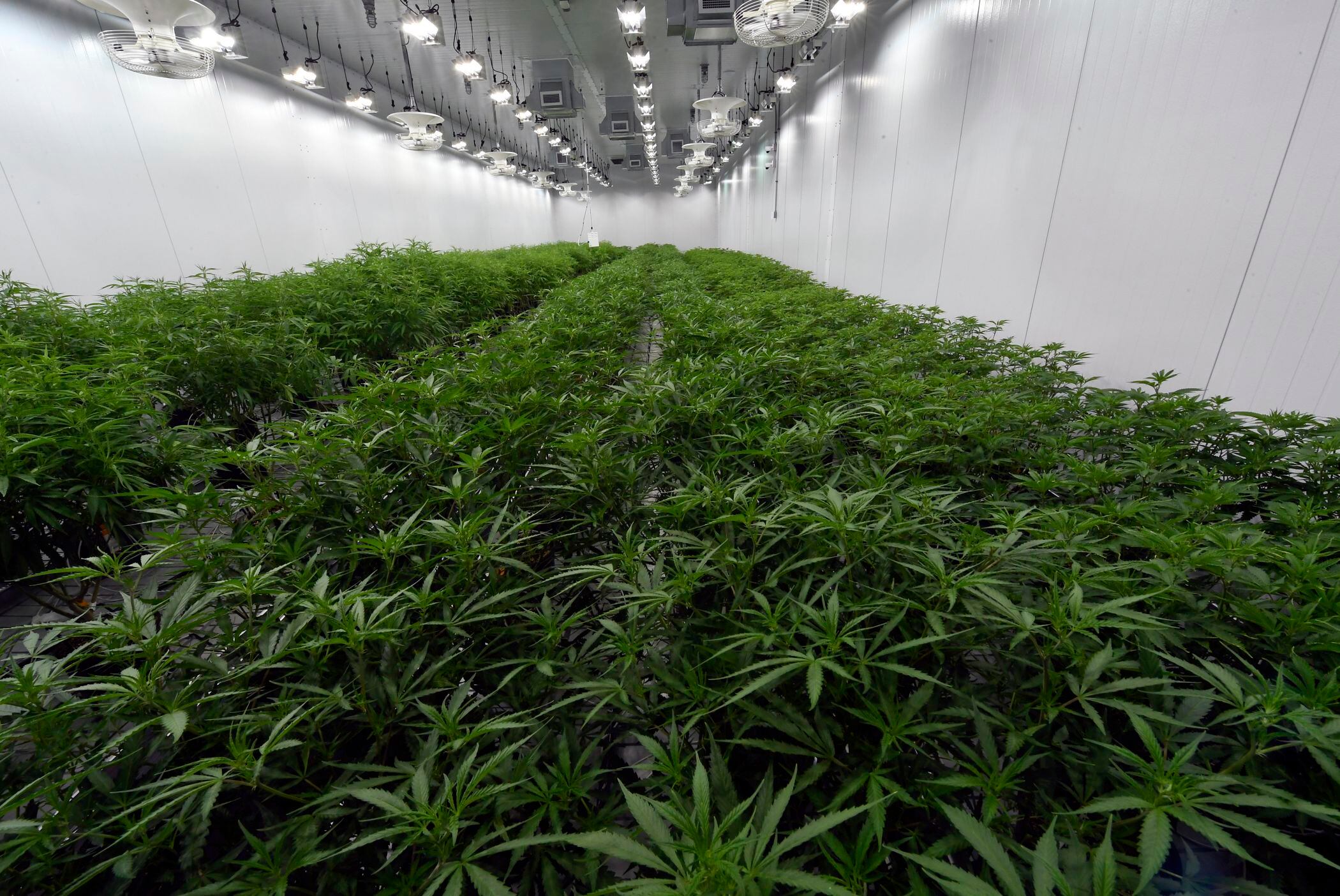
New York Lt. Gov. Kathy Hochul spoke with Cheddar about why the time is right to pass marijuana legalization in light of COVID and budget shortfalls.
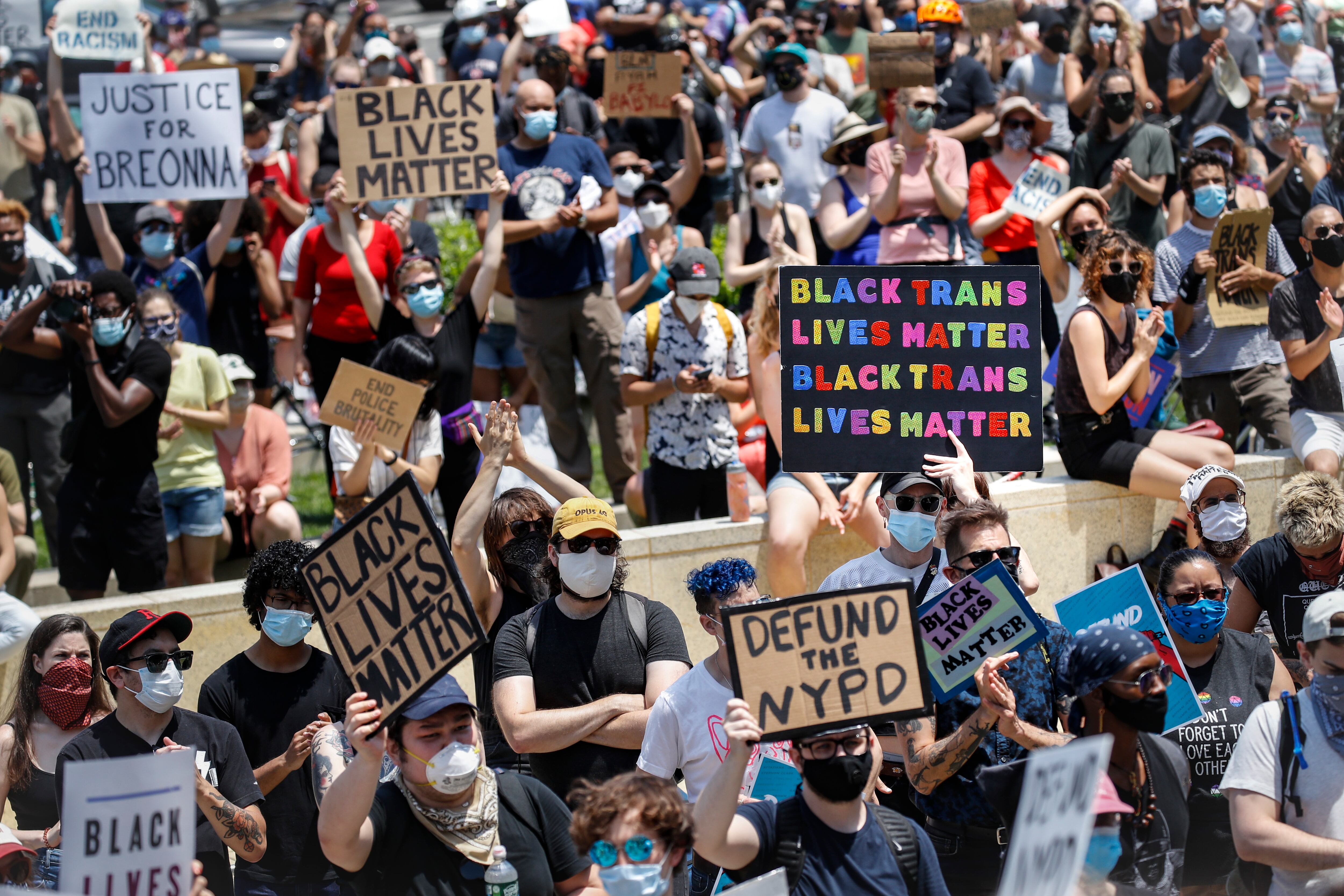
Rallies, celebrations, and marches all over Brooklyn on Friday to celebrate the actual end of slavery 155 years ago, took on added significance in the wake of high profile police killings of Black Americans.