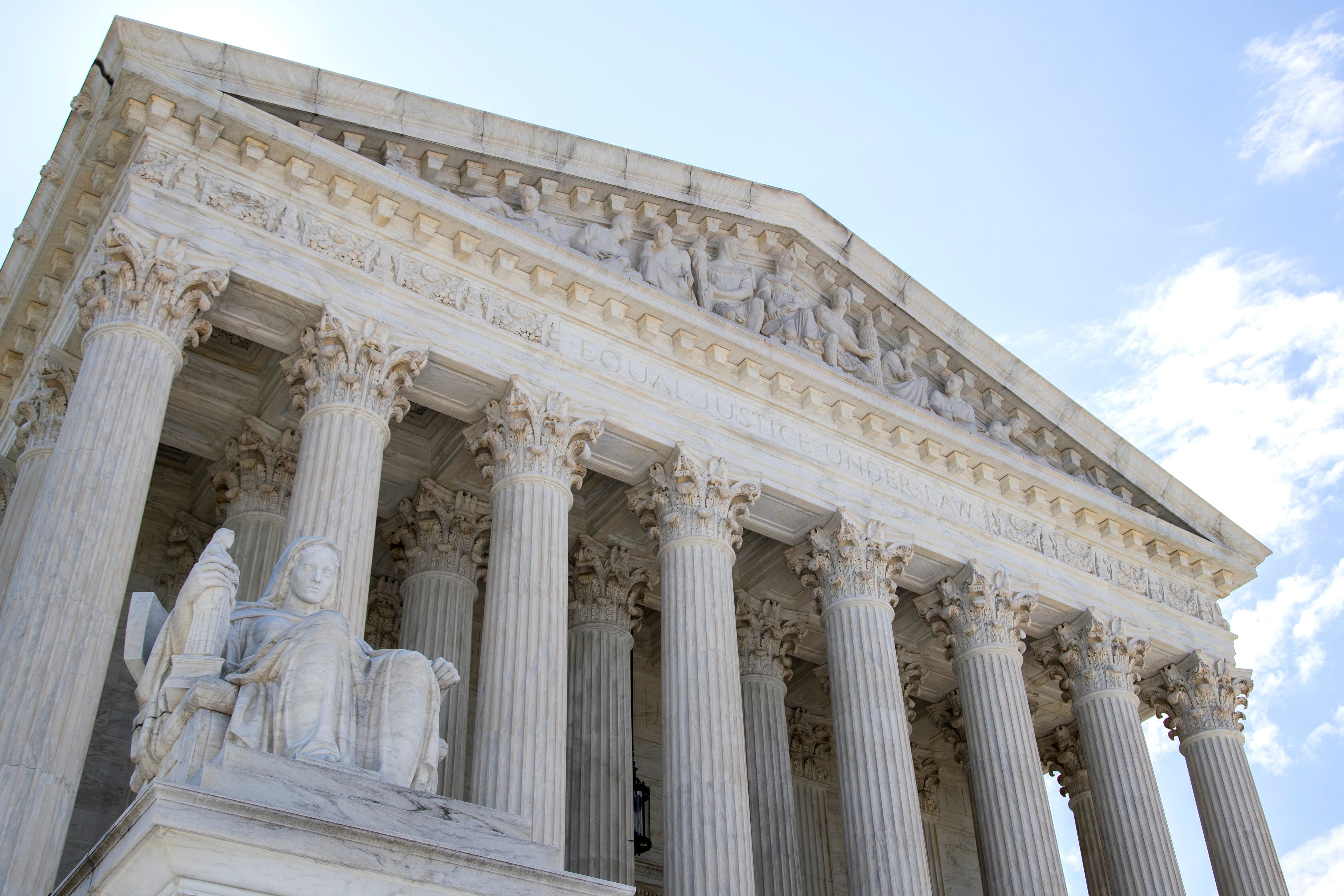
The Supreme Court on Monday upheld a 1991 law that bars robocalls to cellphones.
The case, argued by telephone in May because of the coronavirus pandemic, only arose after Congress in 2015 created an exception in the law that allowed the automated calls for collection of government debt.
Political consultants and pollsters were among those who asked the Supreme Court to strike down the entire 1991 law that bars them from making robocalls to cellphones as a violation of their free speech rights under the Constitution. The issue was whether, by allowing one kind of speech but not others, the exception made the whole law unconstitutional.
Six justices agreed that by allowing debt collection calls to cellphones Congress "impermissibly favored debt-collection speech over political and other speech, in violation of the First Amendment," Justice Brett Kavanaugh wrote. And seven justices agreed that the 2015 exception should be stricken from the law.
"Americans passionately disagree about many things. But they are largely united in their disdain for robocalls," Kavanaugh noted at the outset of his opinion.
During arguments in the case in May, Justice Stephen Breyer got cut off when someone tried calling him. Breyer said after he rejoined the court's arguments: "The telephone started to ring, and it cut me off the call and I don't think it was a robocall."
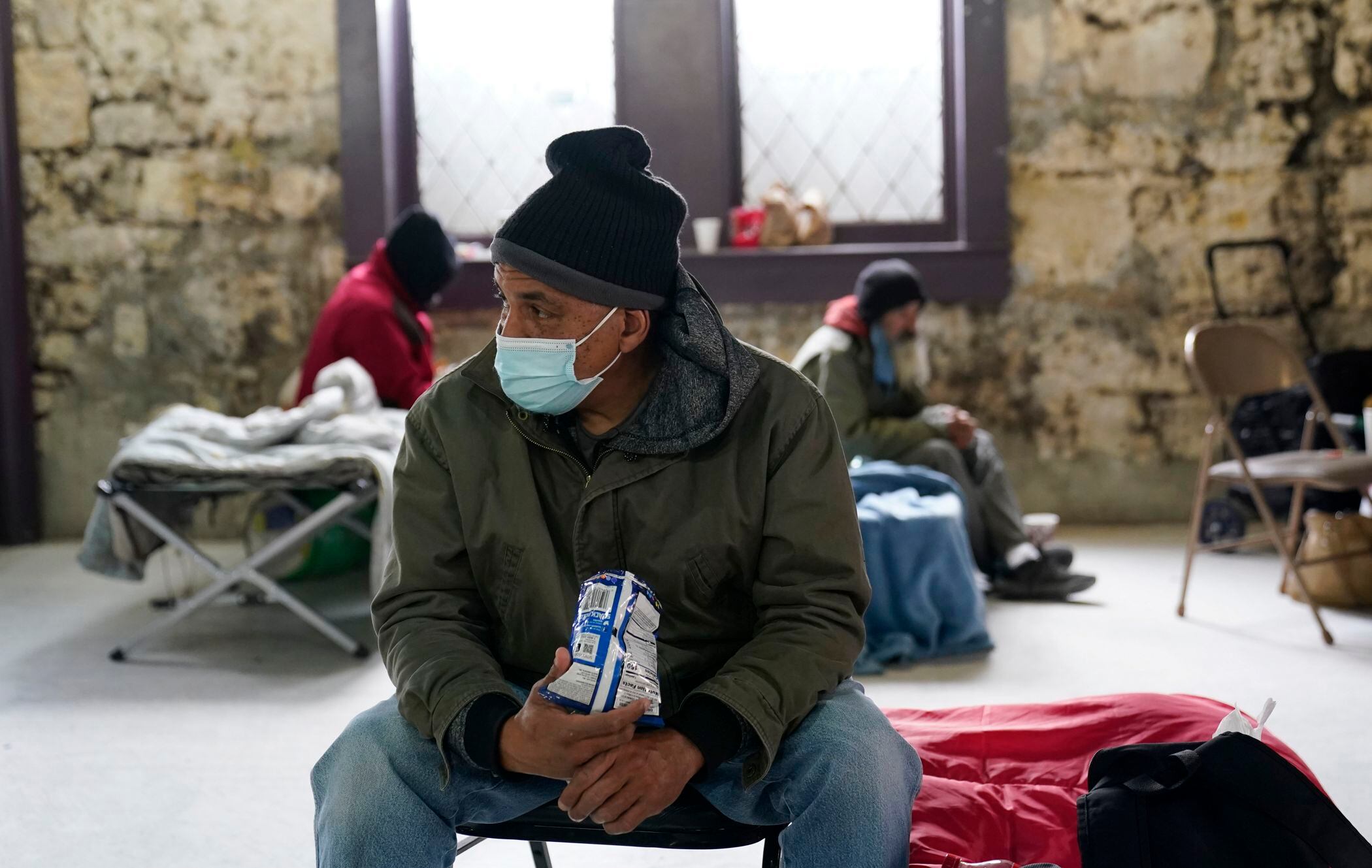
Anger over Texas' power grid failing in the face of a record winter freeze is mounting. Nearly 3 million customers in the energy capital of the U.S. woke up Wednesday still without power.
Cheddar Climate is highlighting the automotive industry and the steps its leaders are taking to reduce carbon emissions.
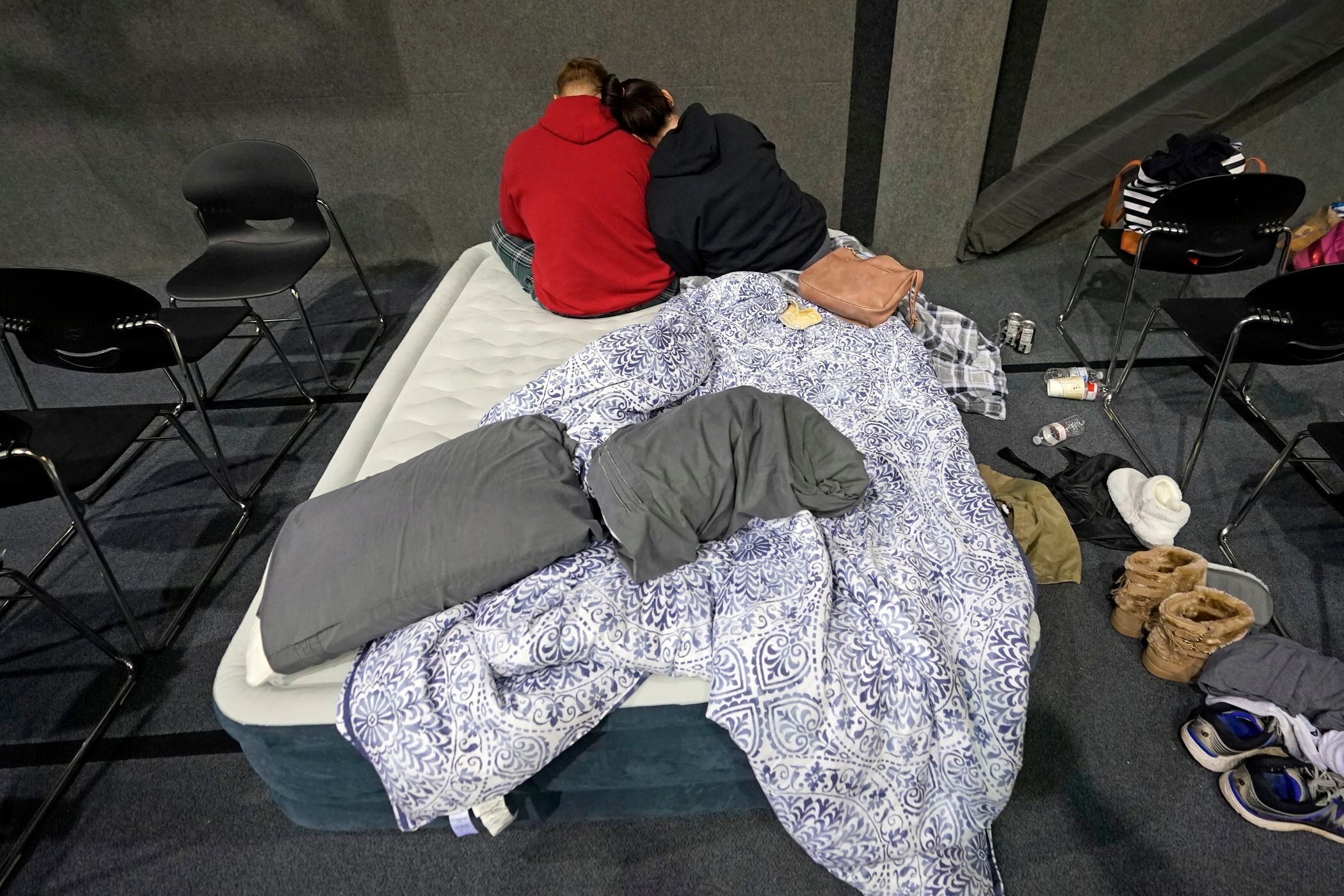
A winter storm that left millions without power in record-breaking cold weather has claimed more lives.
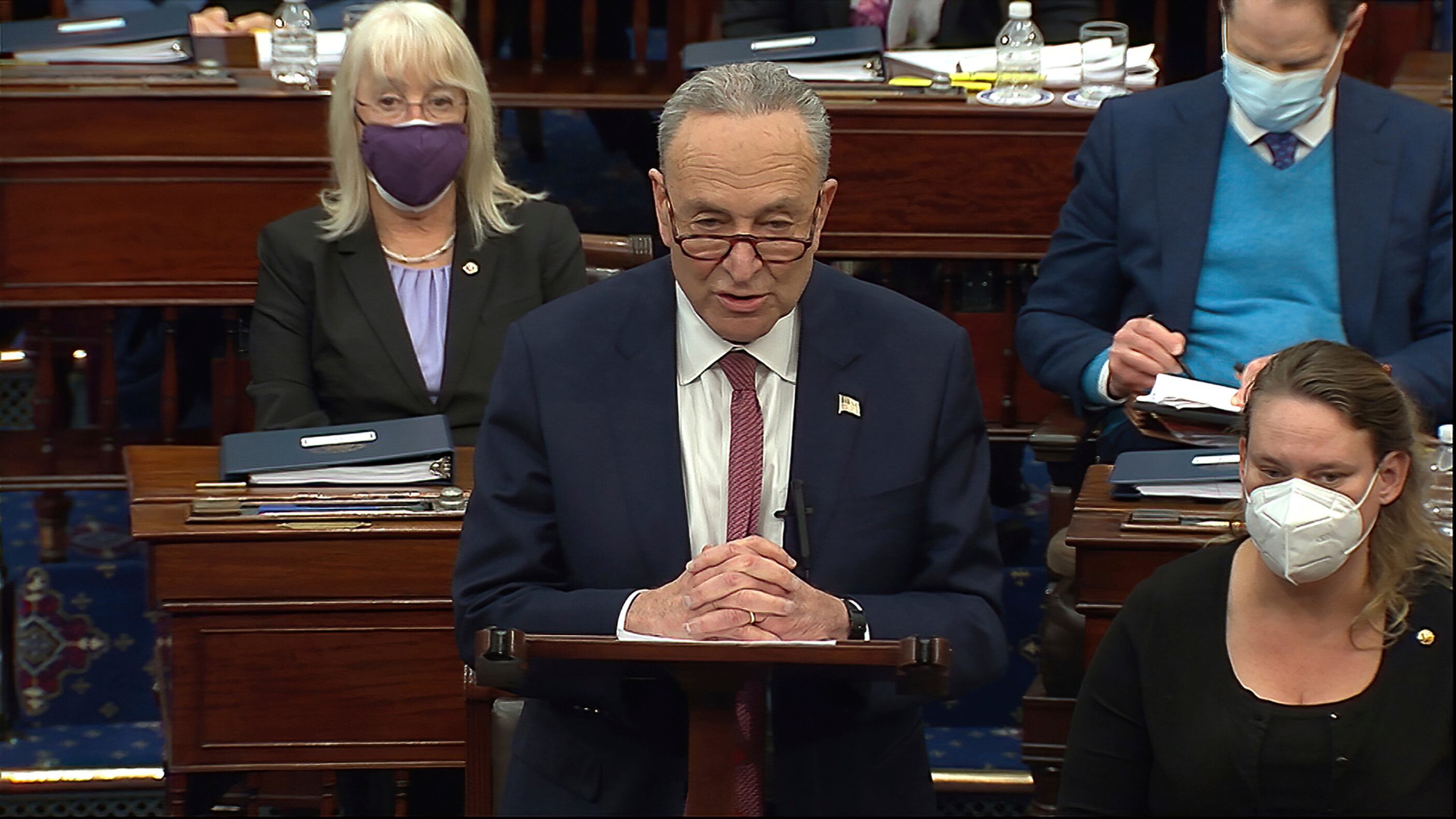
The Senate has acquitted Donald Trump in his impeachment trial. The rare Saturday session comes barely one month since the deadly Jan. 6 siege at the U.S. Capitol.
While Congress negotiates another stimulus package with a price tag of up to $1.9 trillion, some economists are raising concerns that inflationary pressures will return to the economy.
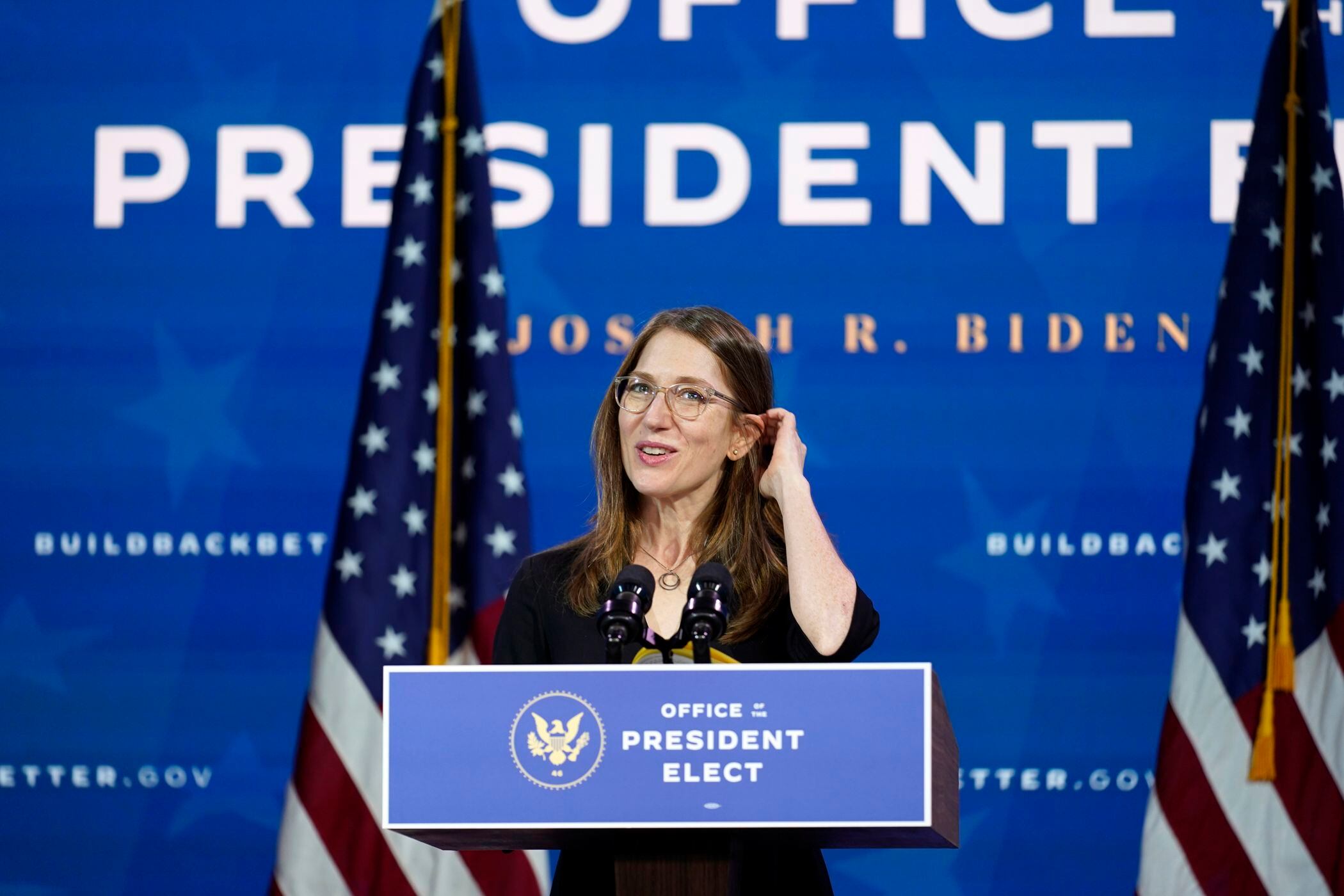
Heather Boushey, a member of the Biden administration's Council of Economic Advisers, spoke with Cheddar about the need to mitigate COVID-19 in order to return Americans to full employment.
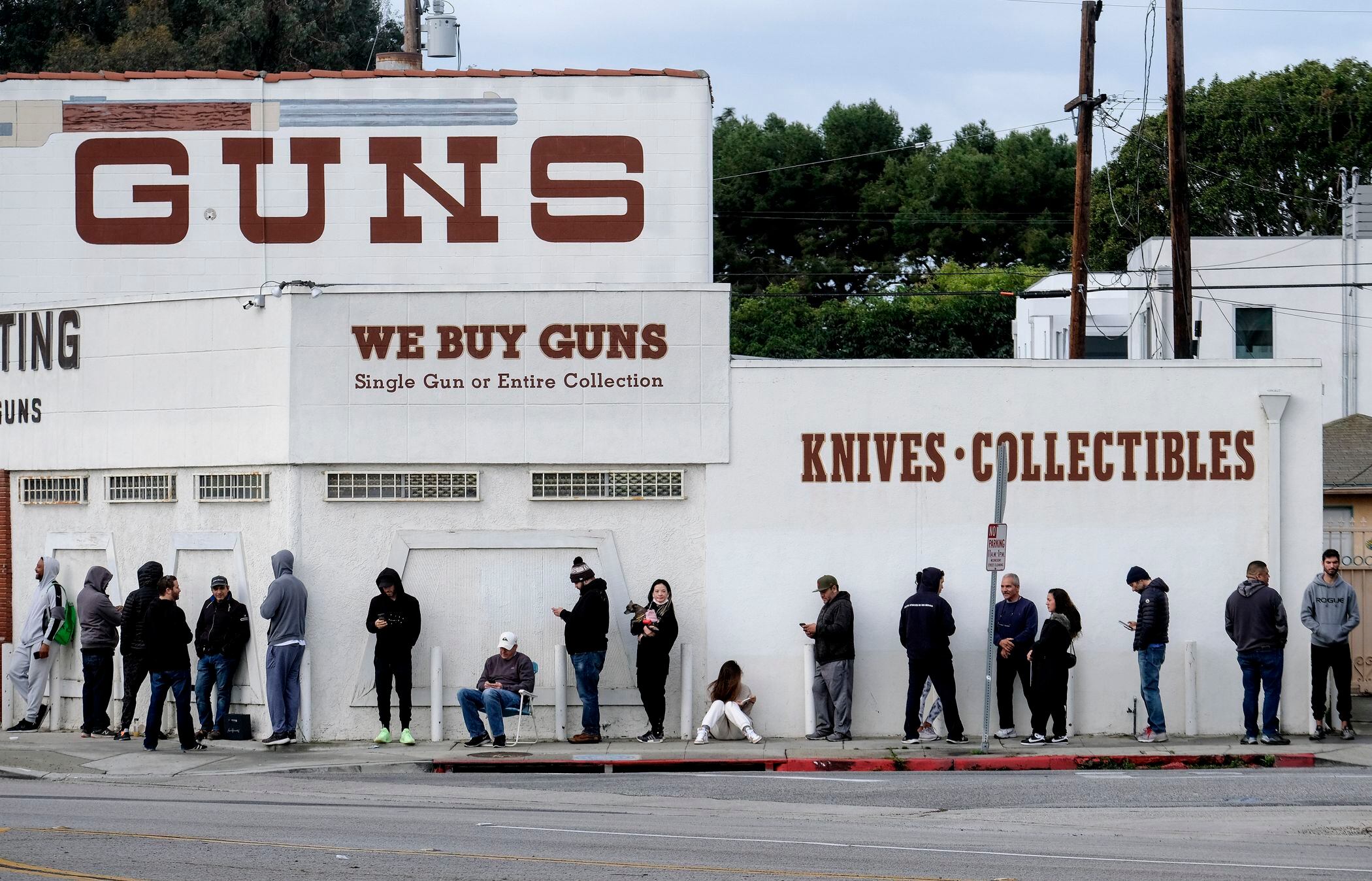
Rep. Carolyn Maloney (D-N.Y. 12th District) has introduced a legislative package containing five bills aimed at improving gun safety in the U.S.
Canopy Growth CEO David Klein talked to Cheddar about the confidence he has that the Canadian cannabis company will soon be entering the U.S. market.
The new organization, U.S. Cannabis Council (USCC), will lobby and organize on the state and federal levels to push lawmakers toward ending cannabis prohibition through industry-friendly reforms that promote equity and inclusion.
State Rep. Noel Frame discussed a new proposal by Washington democrats to impose a wealth tax on billionaires to help combat growing inequality.