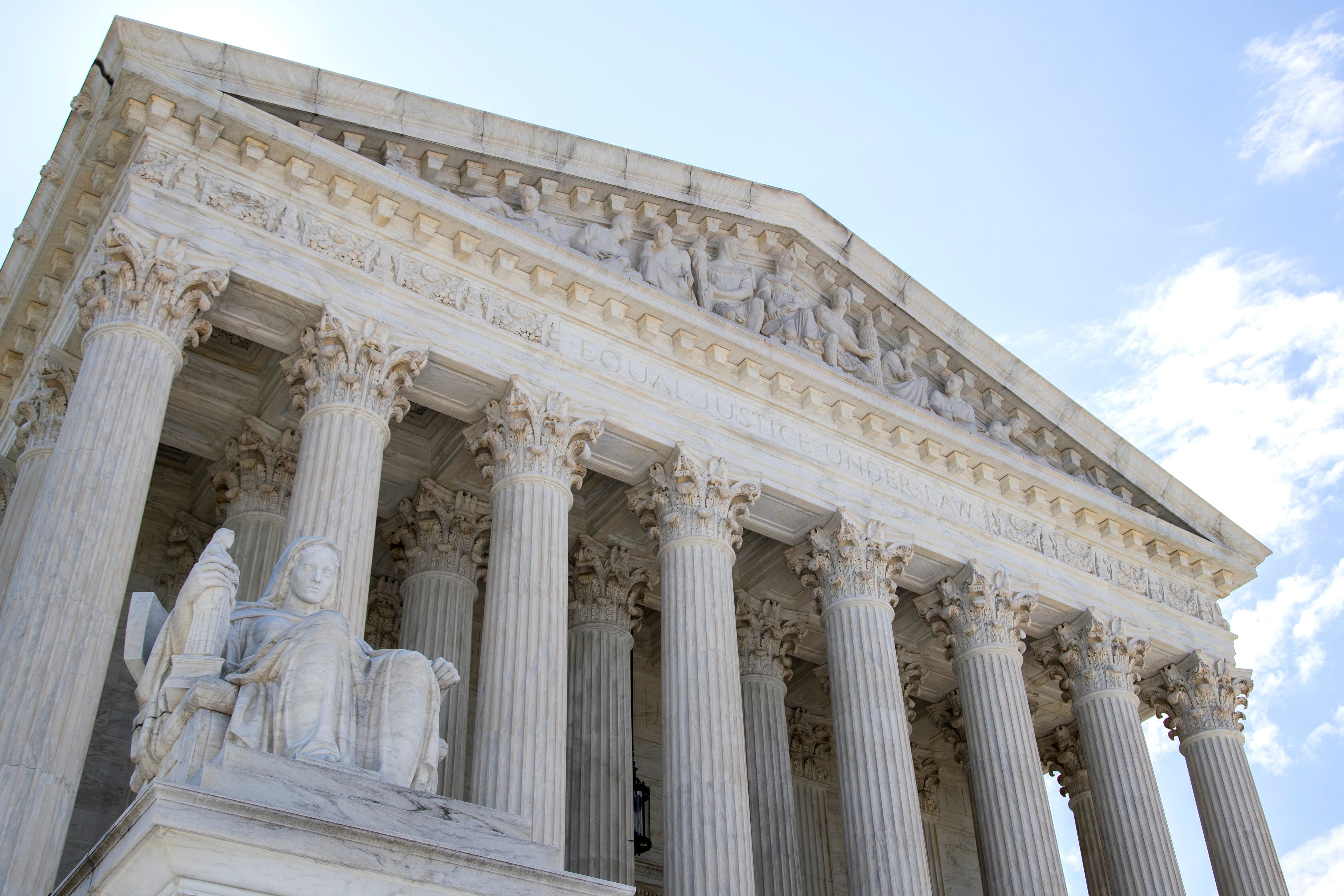
The Supreme Court on Monday upheld a 1991 law that bars robocalls to cellphones.
The case, argued by telephone in May because of the coronavirus pandemic, only arose after Congress in 2015 created an exception in the law that allowed the automated calls for collection of government debt.
Political consultants and pollsters were among those who asked the Supreme Court to strike down the entire 1991 law that bars them from making robocalls to cellphones as a violation of their free speech rights under the Constitution. The issue was whether, by allowing one kind of speech but not others, the exception made the whole law unconstitutional.
Six justices agreed that by allowing debt collection calls to cellphones Congress "impermissibly favored debt-collection speech over political and other speech, in violation of the First Amendment," Justice Brett Kavanaugh wrote. And seven justices agreed that the 2015 exception should be stricken from the law.
"Americans passionately disagree about many things. But they are largely united in their disdain for robocalls," Kavanaugh noted at the outset of his opinion.
During arguments in the case in May, Justice Stephen Breyer got cut off when someone tried calling him. Breyer said after he rejoined the court's arguments: "The telephone started to ring, and it cut me off the call and I don't think it was a robocall."
Andy Purdy, chief security officer for the company's U.S. division, refuted reports that Huawei would be manufacturing electric cars of its own.
Democrats are looking to Biden to aggressively pursue judicial appointments following Trump's rapid rate of picks. Advocates point to some early signs that the new president may be following their lead.
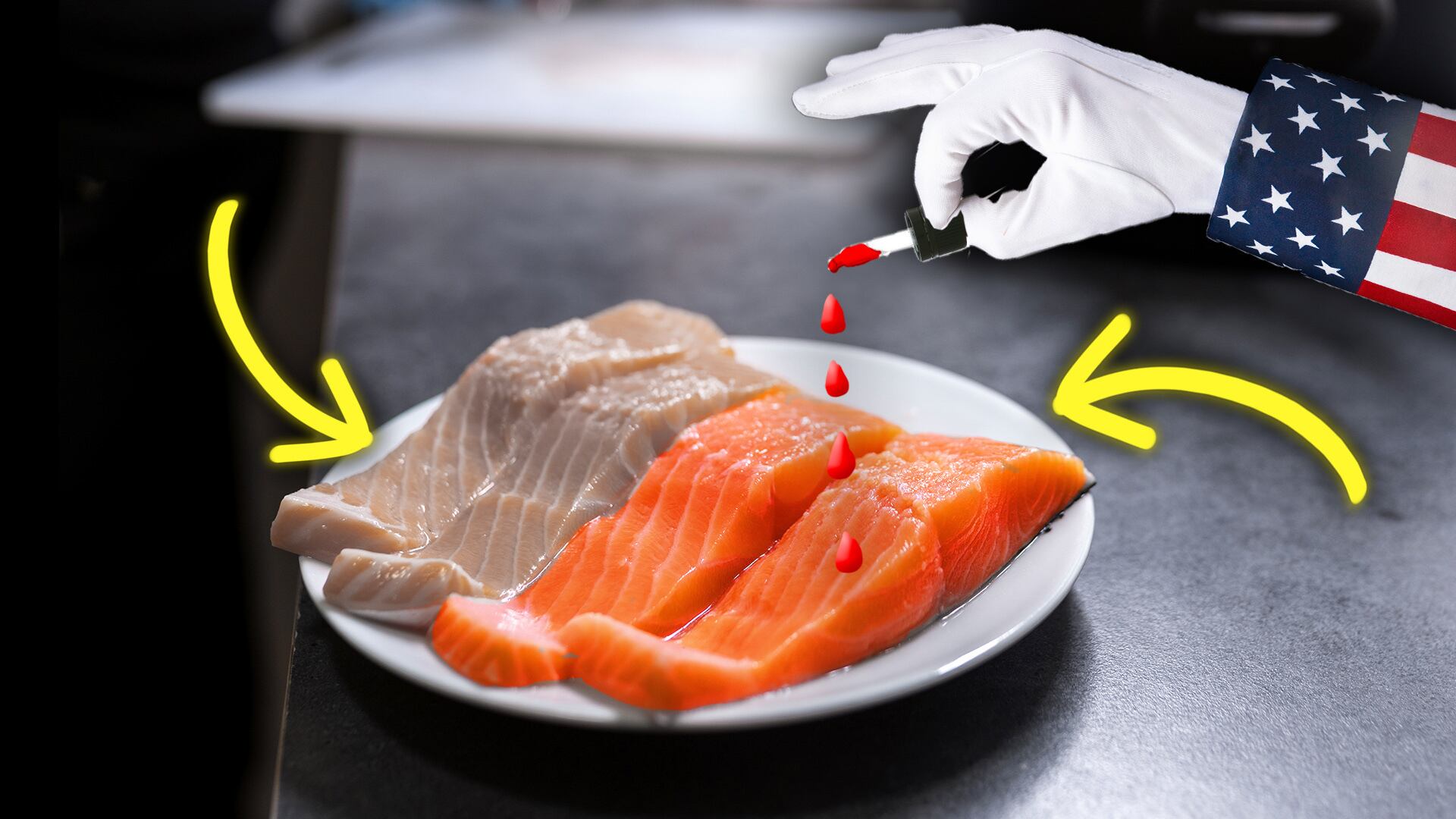
The government plays a key role in determining the colors of your food, and for that, we can thank the margarine wars of the late 19th century.
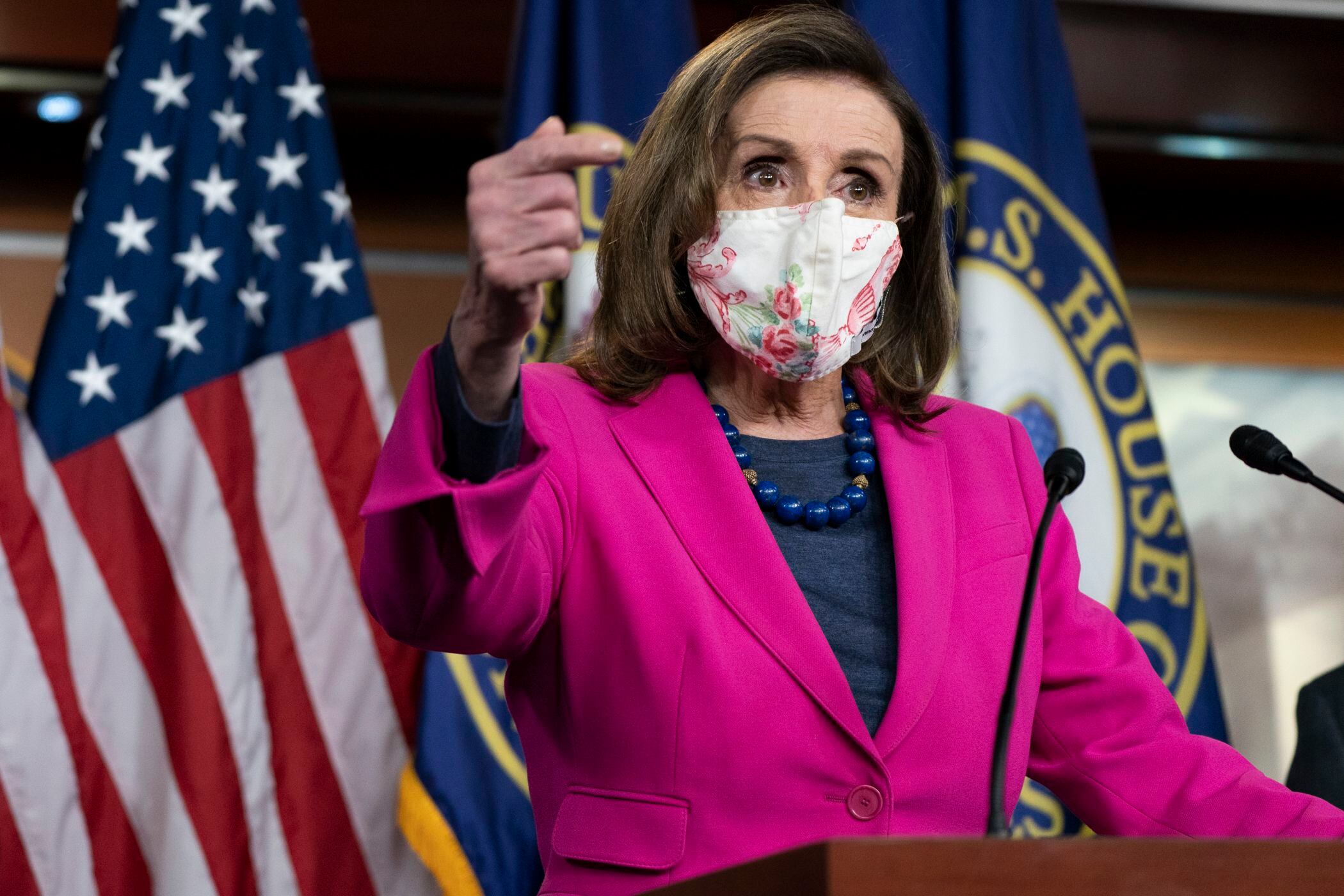
The Democratic-led House passed a bill that would enshrine LGBTQ protections in the nation’s labor and civil rights laws.
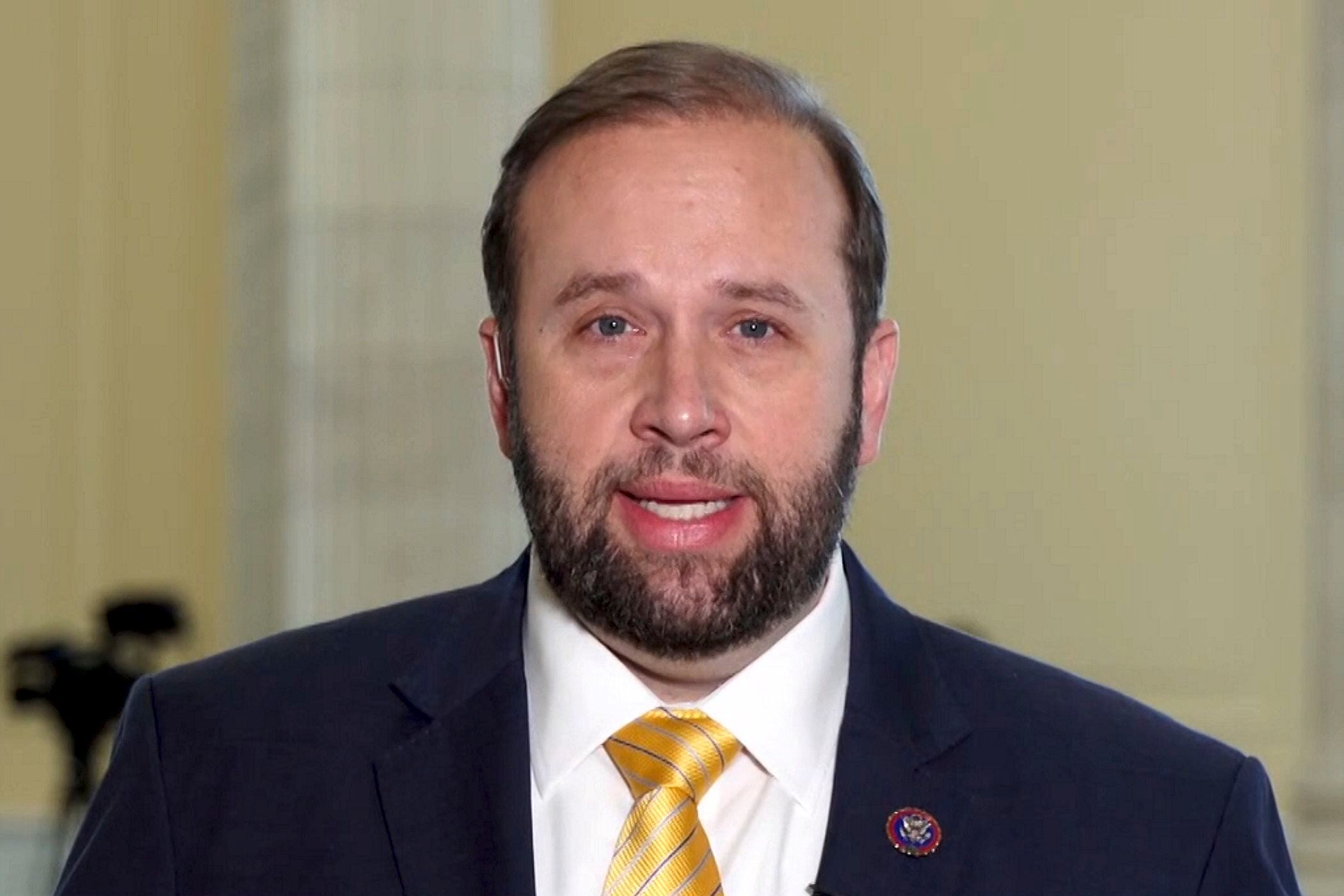
Rep. Jason Smith (R-Mo. 8th District), talked to Cheddar about his objections to the latest stimulus bill presented by Democrats.
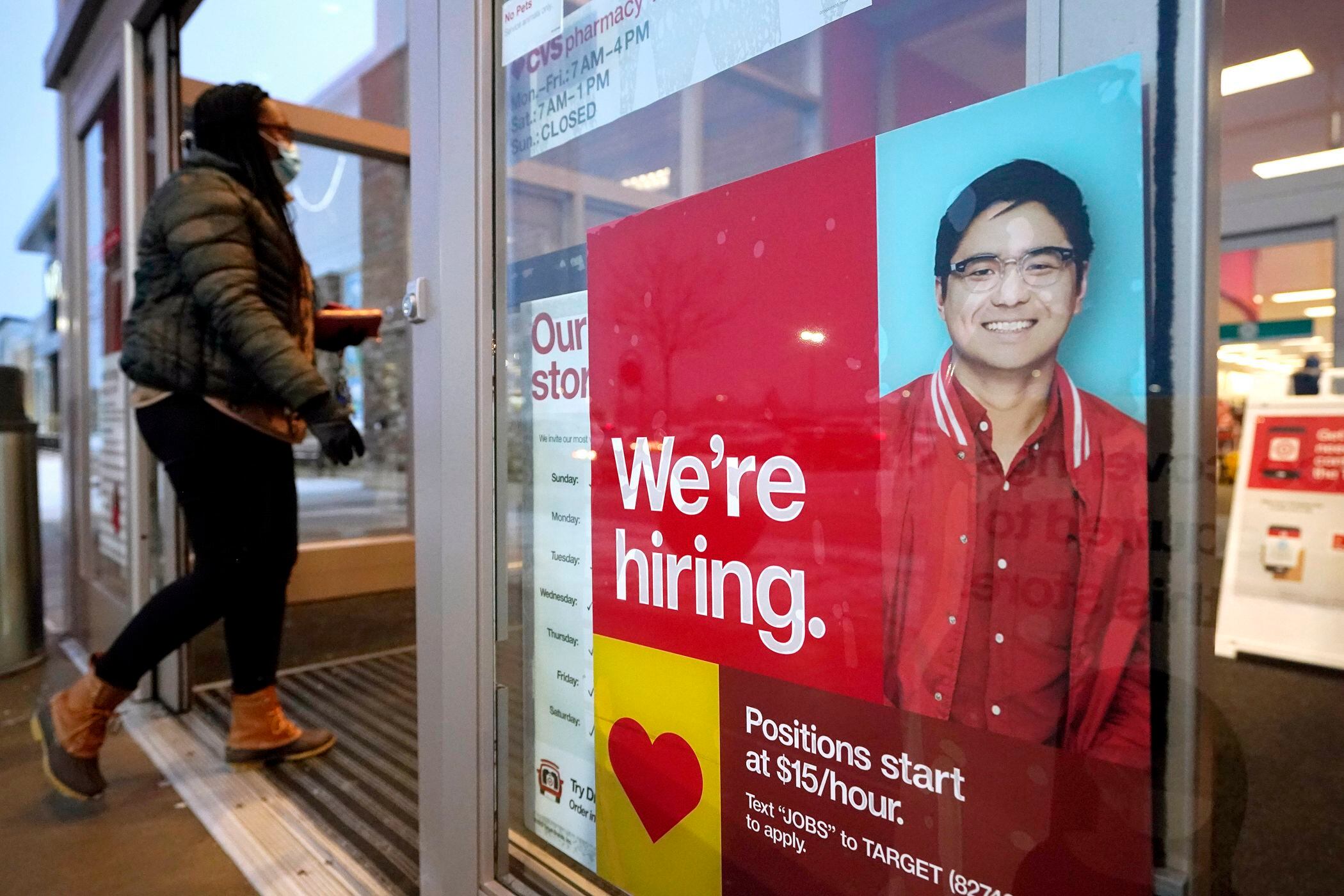
The number of Americans seeking unemployment benefits fell sharply last week in a sign that layoffs may have eased, though claims remain at a historically high level.
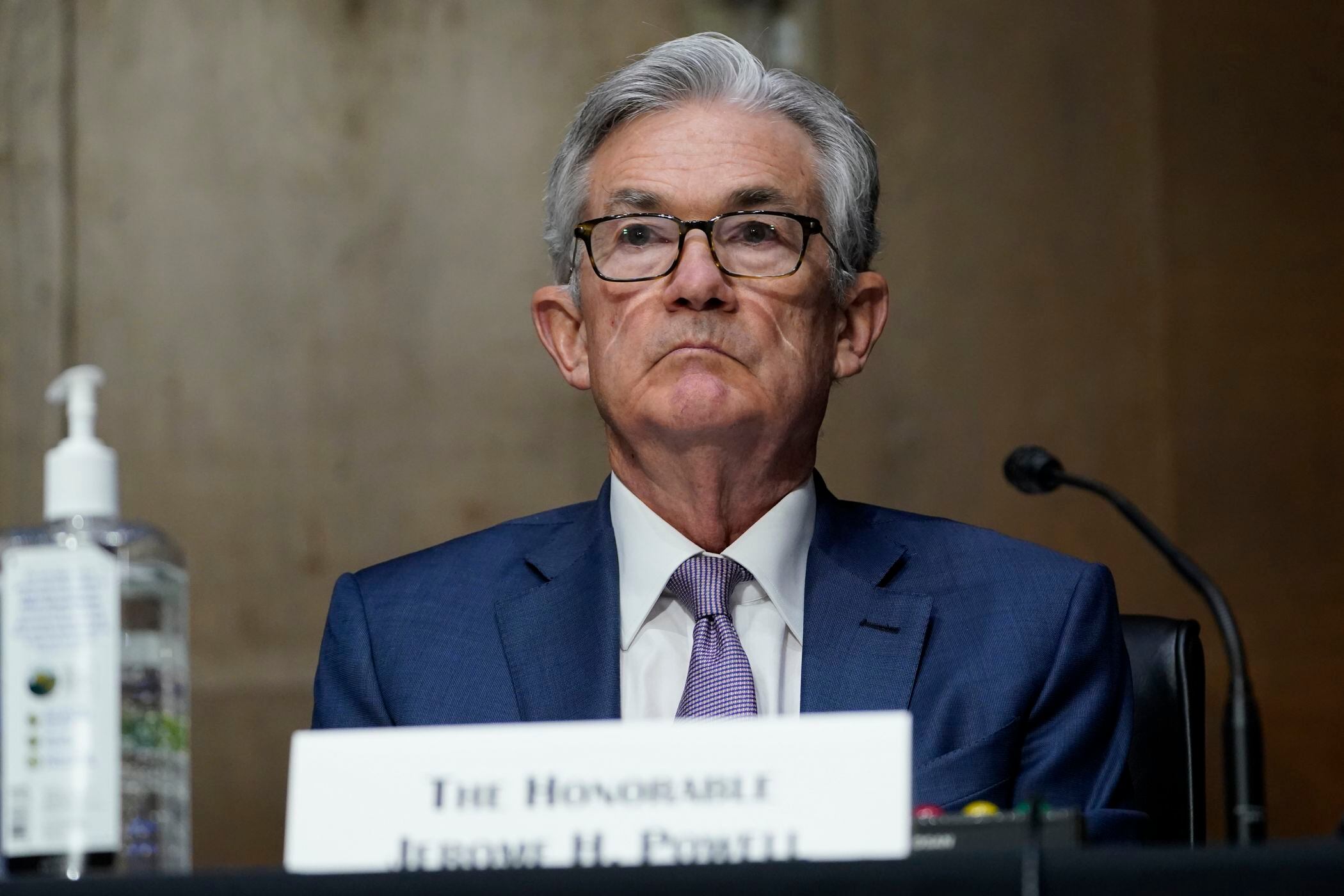
Federal Reserve Chairman Jerome Powell has told Congress that the central bank will not begin raising interest rates until it believes its goals on maximum employment and inflation have been reached.
An analysis by U.S. regulators says Johnson & Johnson's single-dose vaccine protects against COVID-19.
The U.S. Postal Service says it has chosen Oshkosh Defense to build its next-generation mail-delivery vehicle.
The Senate Select Committee on Intelligence concluded its hearing on the massive SolarWinds hack.