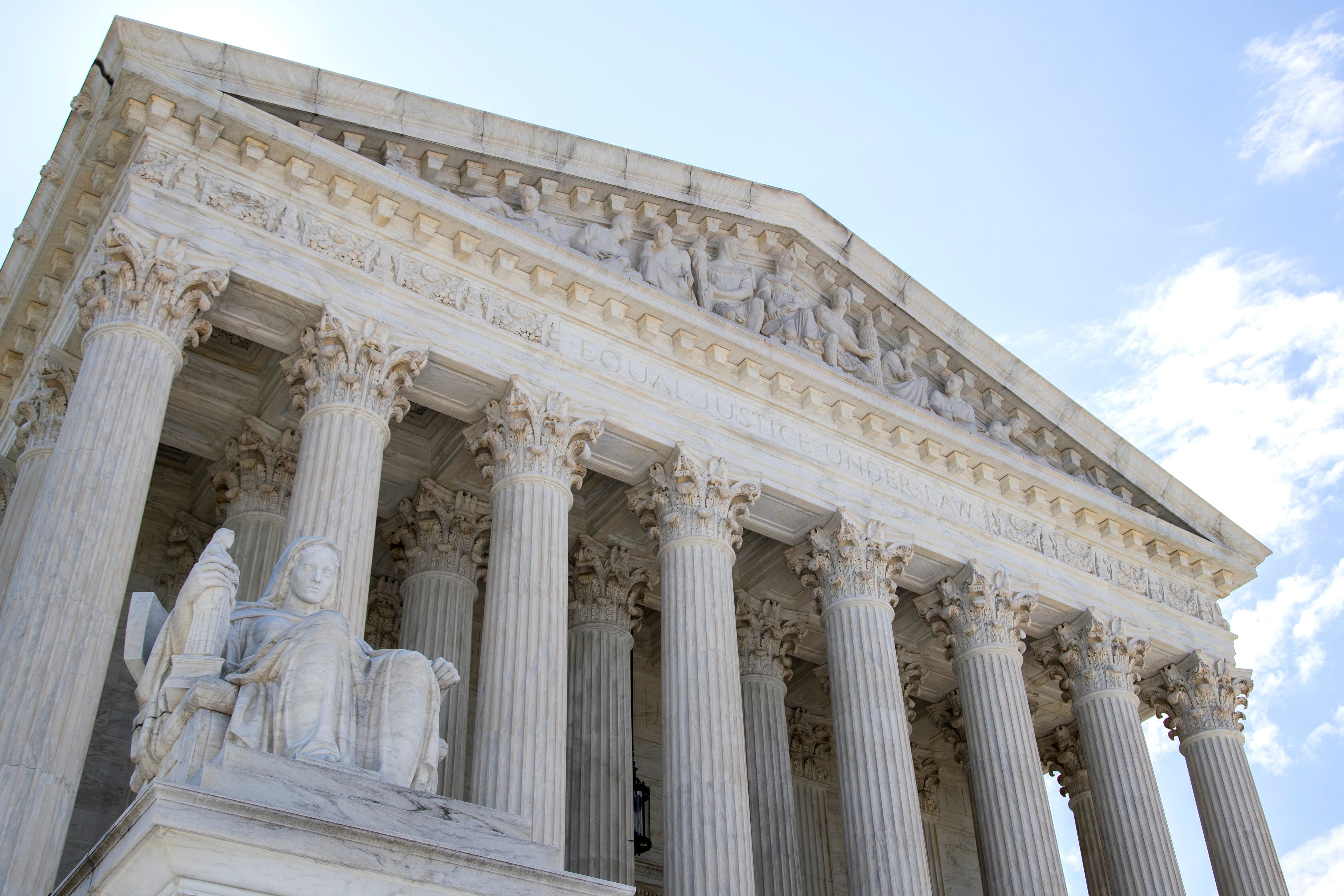
The Supreme Court on Monday upheld a 1991 law that bars robocalls to cellphones.
The case, argued by telephone in May because of the coronavirus pandemic, only arose after Congress in 2015 created an exception in the law that allowed the automated calls for collection of government debt.
Political consultants and pollsters were among those who asked the Supreme Court to strike down the entire 1991 law that bars them from making robocalls to cellphones as a violation of their free speech rights under the Constitution. The issue was whether, by allowing one kind of speech but not others, the exception made the whole law unconstitutional.
Six justices agreed that by allowing debt collection calls to cellphones Congress "impermissibly favored debt-collection speech over political and other speech, in violation of the First Amendment," Justice Brett Kavanaugh wrote. And seven justices agreed that the 2015 exception should be stricken from the law.
"Americans passionately disagree about many things. But they are largely united in their disdain for robocalls," Kavanaugh noted at the outset of his opinion.
During arguments in the case in May, Justice Stephen Breyer got cut off when someone tried calling him. Breyer said after he rejoined the court's arguments: "The telephone started to ring, and it cut me off the call and I don't think it was a robocall."
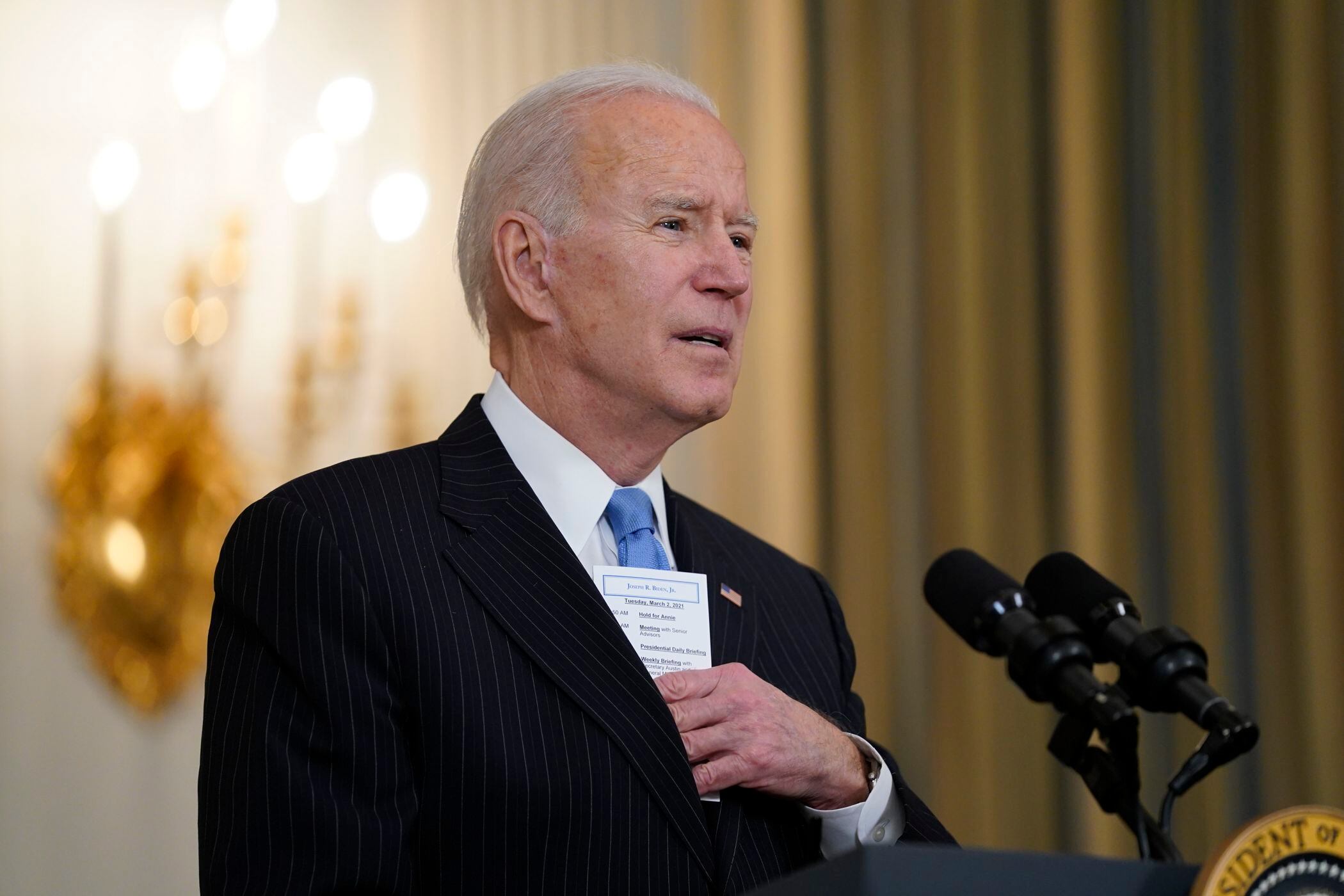
President Joe Biden says the U.S. expects to take delivery of enough coronavirus vaccines for all adult Americans by the end of May, two months earlier than anticipated.
State Representative Marcus C. Evans, Jr. from Chicago filed amendments to an Illinois bill that would further ban games considered to be too violent from reaching the hands of minors.
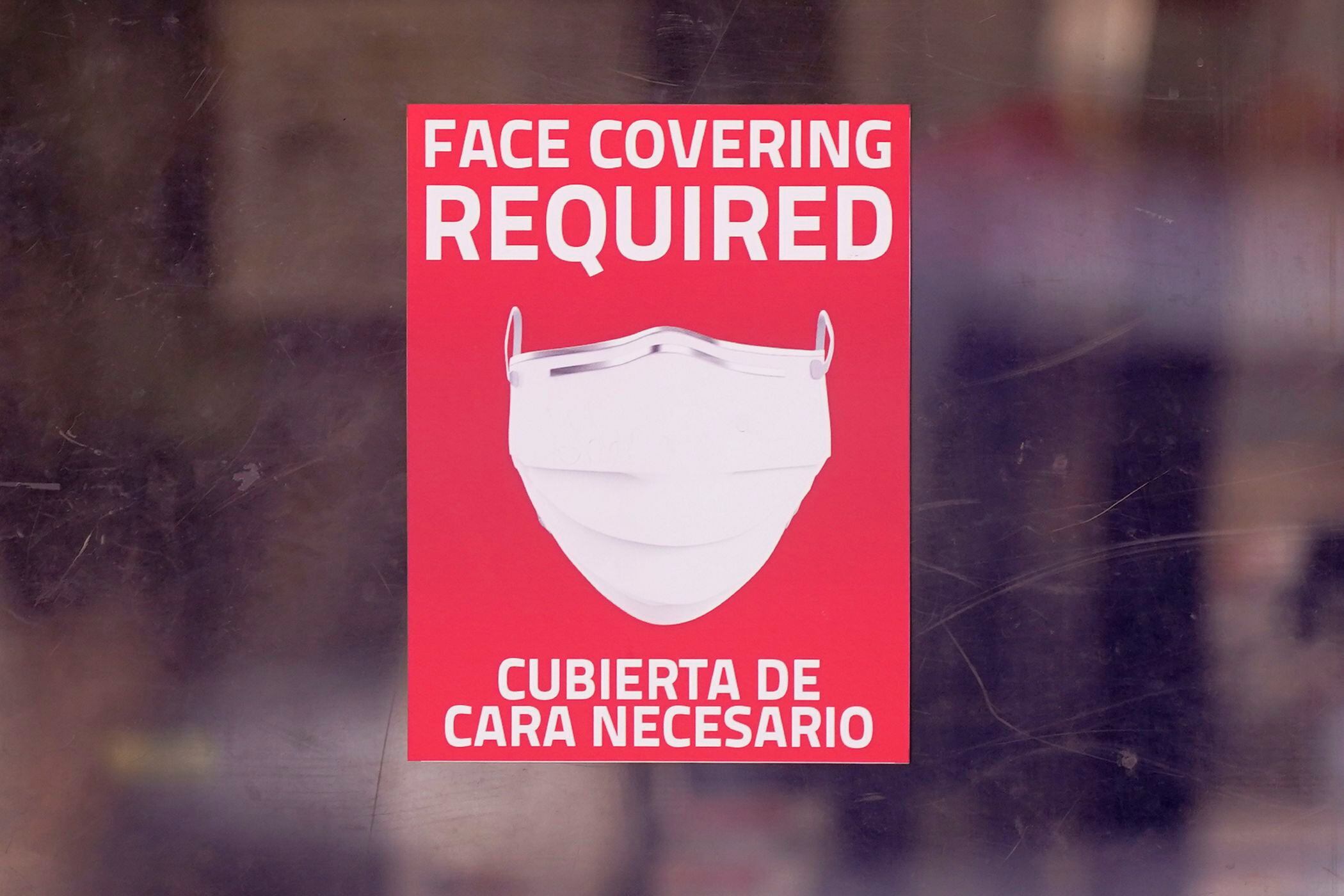
Texas is lifting a COVID-19 mask mandate that was imposed last summer but has only been lightly enforced. Republican Gov. Greg Abbott’s announcement Tuesday makes Texas the largest state to do away with a face covering order.
Drugmaker Merck & Co. will help produce rival Johnson & Johnson’s newly approved coronavirus vaccine in an effort to expand supply more quickly.
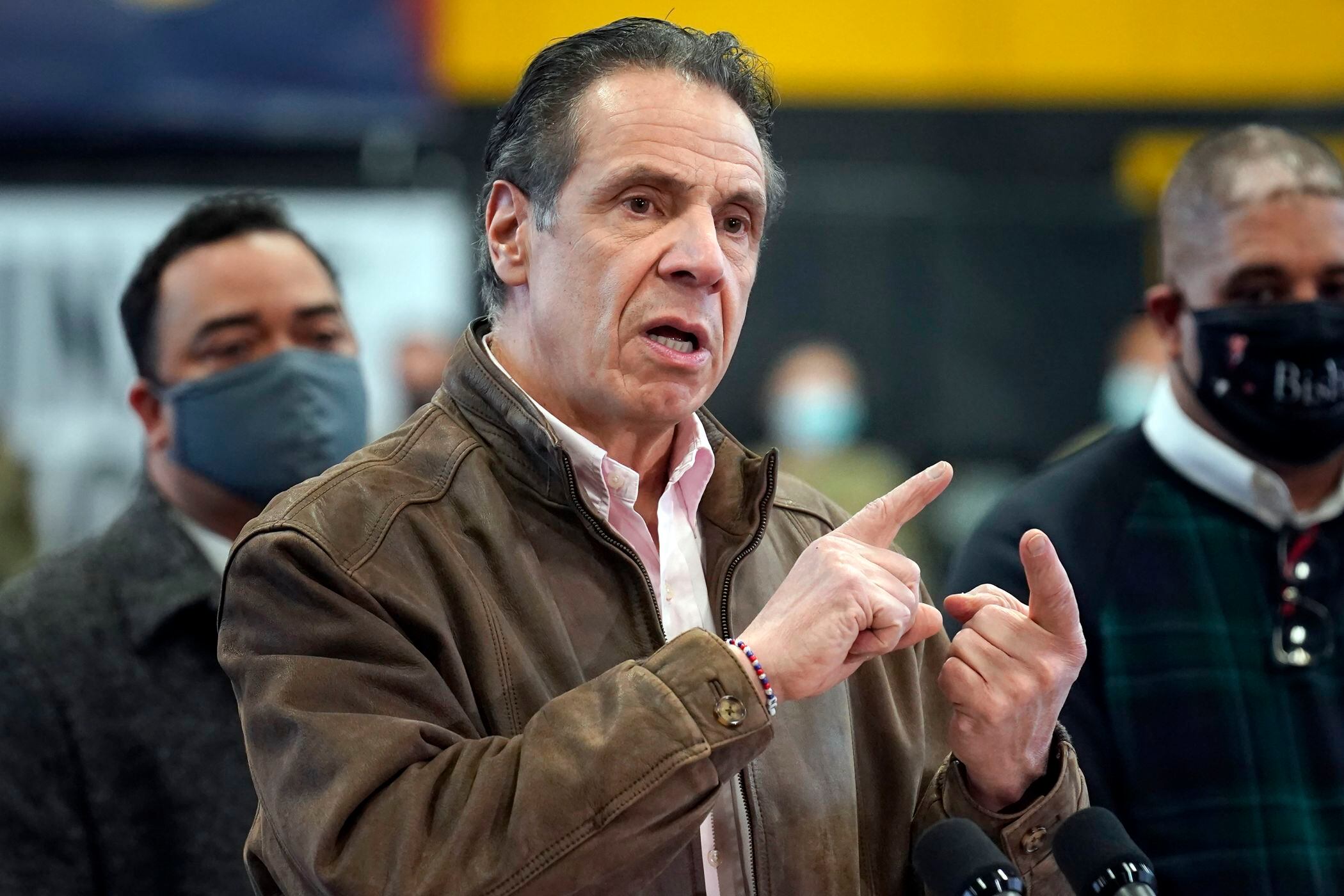
Calls for New York Gov. Andrew Cuomo to resign are intensifying now that a third woman has accused him of offensive behavior.
The pill comprises 40% of the profits in the U.S. contraceptive market and 25% of contraceptive consumers, causing millions of unnecessary ‘periods’ along the way. So, why hasn’t birth control evolved beyond the pseudo-period?
This is your Washington Week Ahead for the week of March 1.
U.S. health advisers have endorsed a one-dose COVID-19 vaccine from Johnson & Johnson that's expected to provide an easier-to-use option to fight the pandemic.
Following the Senate Intelligence Committee hearing on the widespread SolarWinds cyberattack, cybersecurity experts are pushing the need for private businesses and federal agencies to cooperate closely to prevent future such breaches.
From Wall Street to Silicon Valley, these are the top stories that moved markets and had investors, business leaders, and entrepreneurs talking this week on Cheddar.