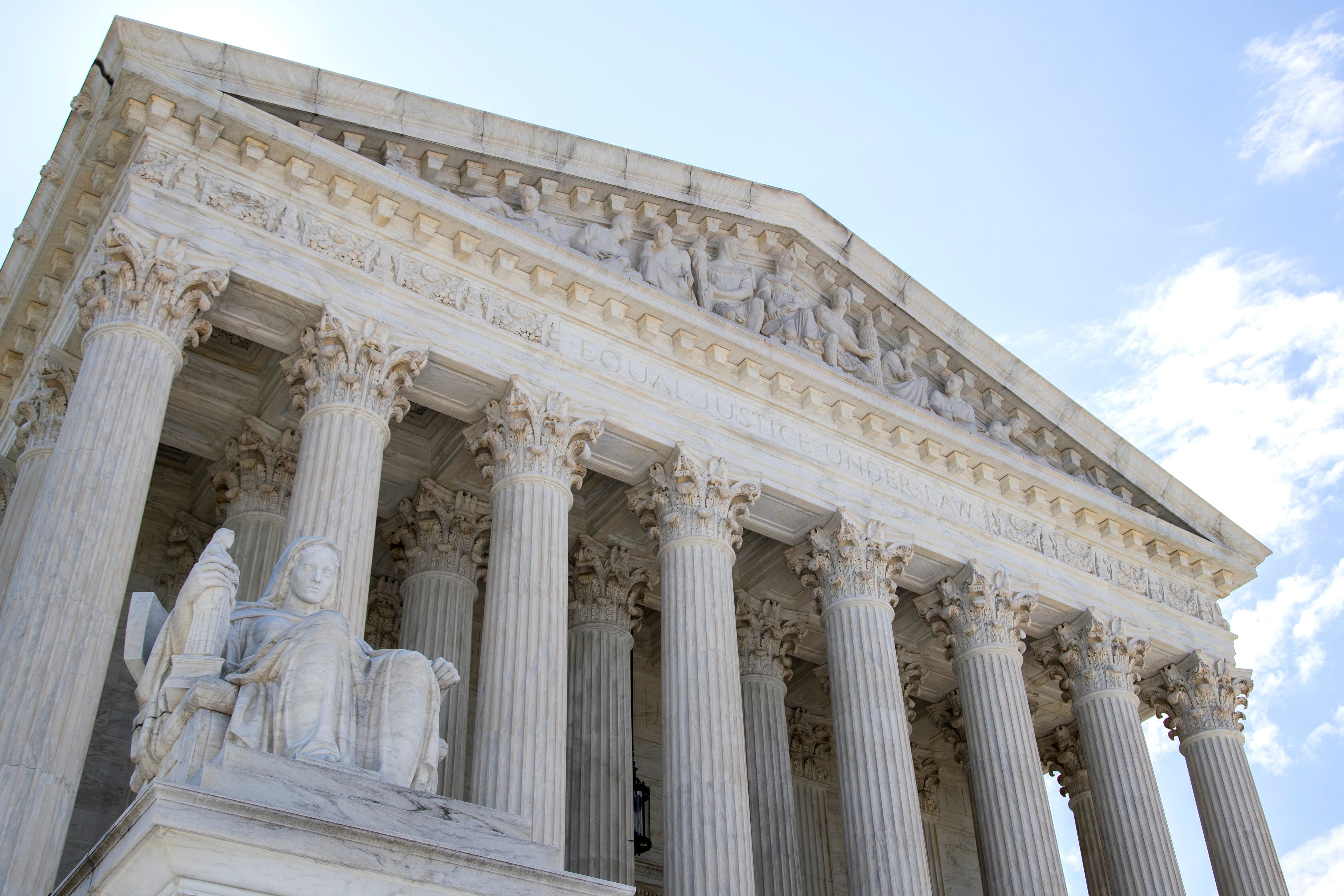
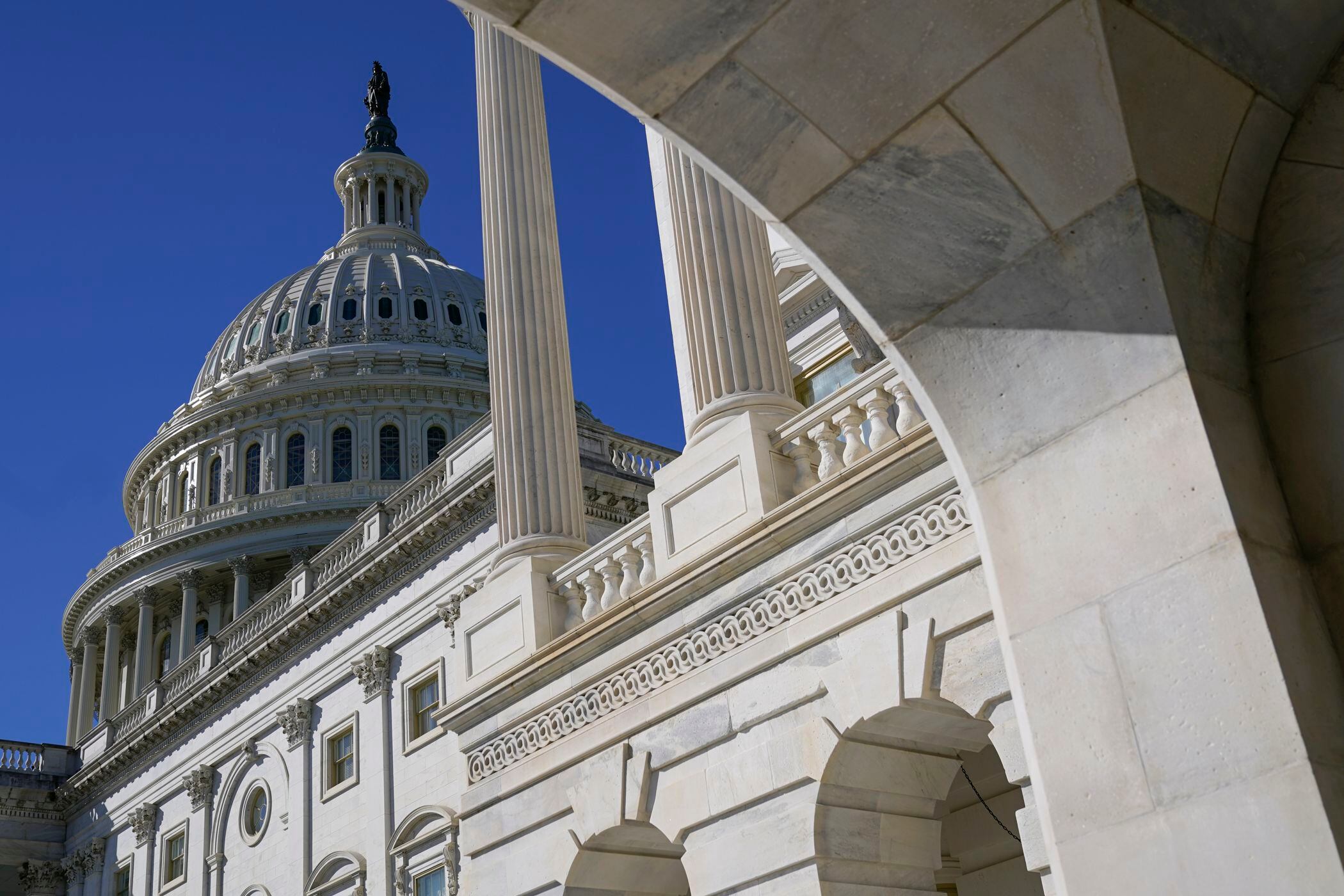
The Supreme Court on Monday upheld a 1991 law that bars robocalls to cellphones.
The case, argued by telephone in May because of the coronavirus pandemic, only arose after Congress in 2015 created an exception in the law that allowed the automated calls for collection of government debt.
Political consultants and pollsters were among those who asked the Supreme Court to strike down the entire 1991 law that bars them from making robocalls to cellphones as a violation of their free speech rights under the Constitution. The issue was whether, by allowing one kind of speech but not others, the exception made the whole law unconstitutional.
Six justices agreed that by allowing debt collection calls to cellphones Congress "impermissibly favored debt-collection speech over political and other speech, in violation of the First Amendment," Justice Brett Kavanaugh wrote. And seven justices agreed that the 2015 exception should be stricken from the law.
"Americans passionately disagree about many things. But they are largely united in their disdain for robocalls," Kavanaugh noted at the outset of his opinion.
During arguments in the case in May, Justice Stephen Breyer got cut off when someone tried calling him. Breyer said after he rejoined the court's arguments: "The telephone started to ring, and it cut me off the call and I don't think it was a robocall."
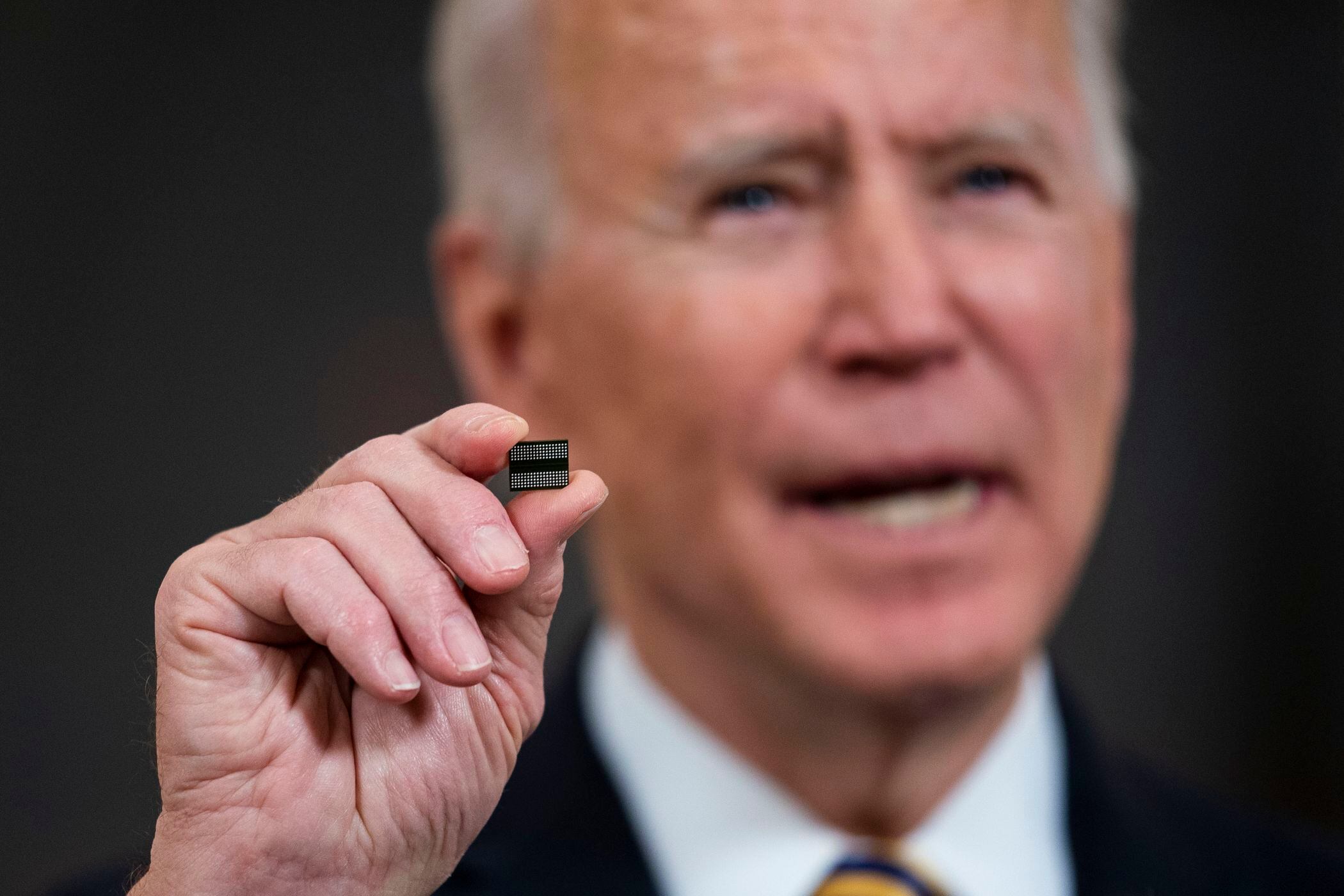
Semiconductors are essential in industries such as defense, automobiles, and telecom. Cheddar assembled a timeline of the chip shortage stretching back to the pre-Covid economy.
Jared Berstein, a member of the White House Council of Economic Advisers, joined Cheddar about what's at stake for the economy despite a positive February jobs report.
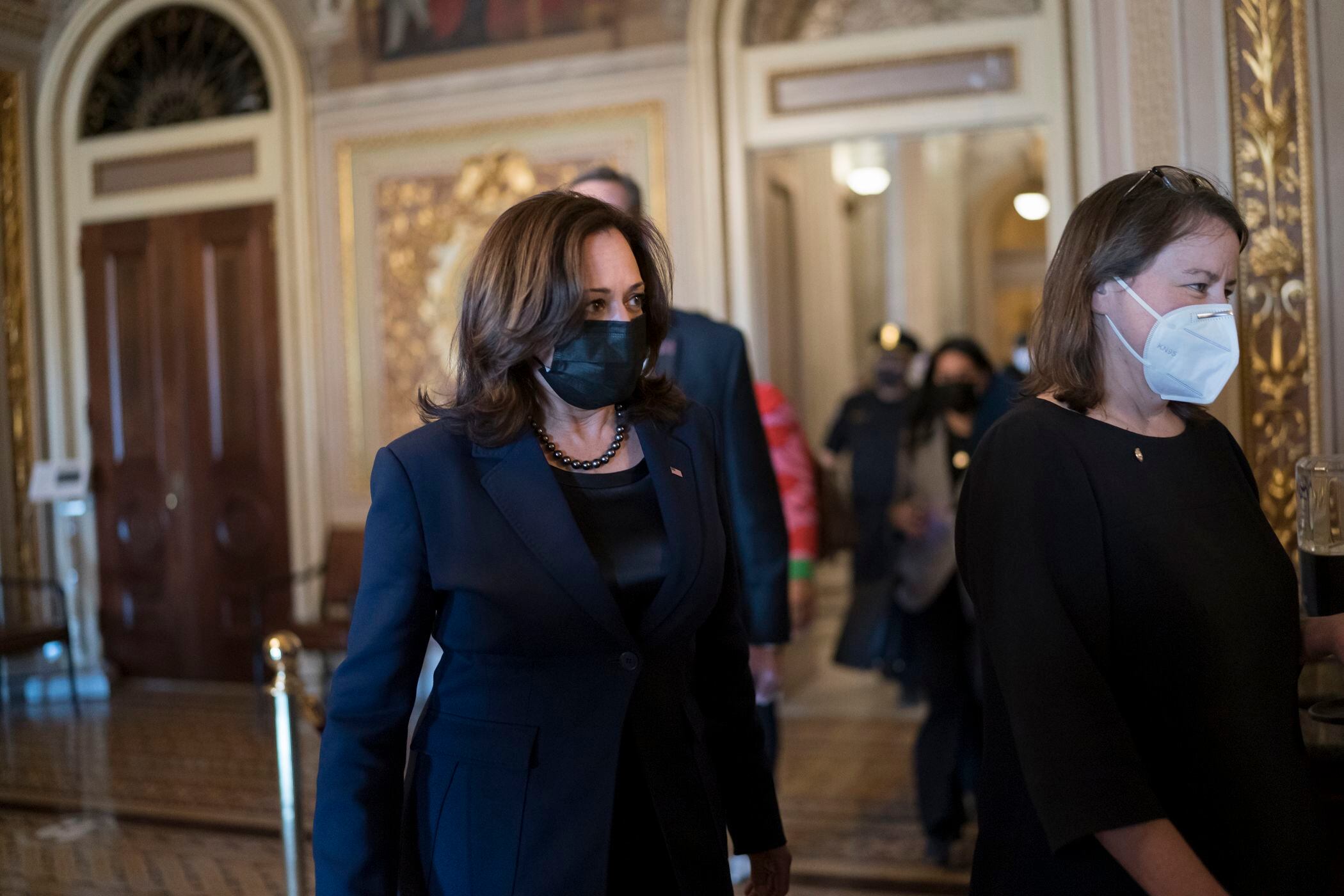
The Senate has voted to begin debating a $1.9 trillion COVID-19 relief bill.
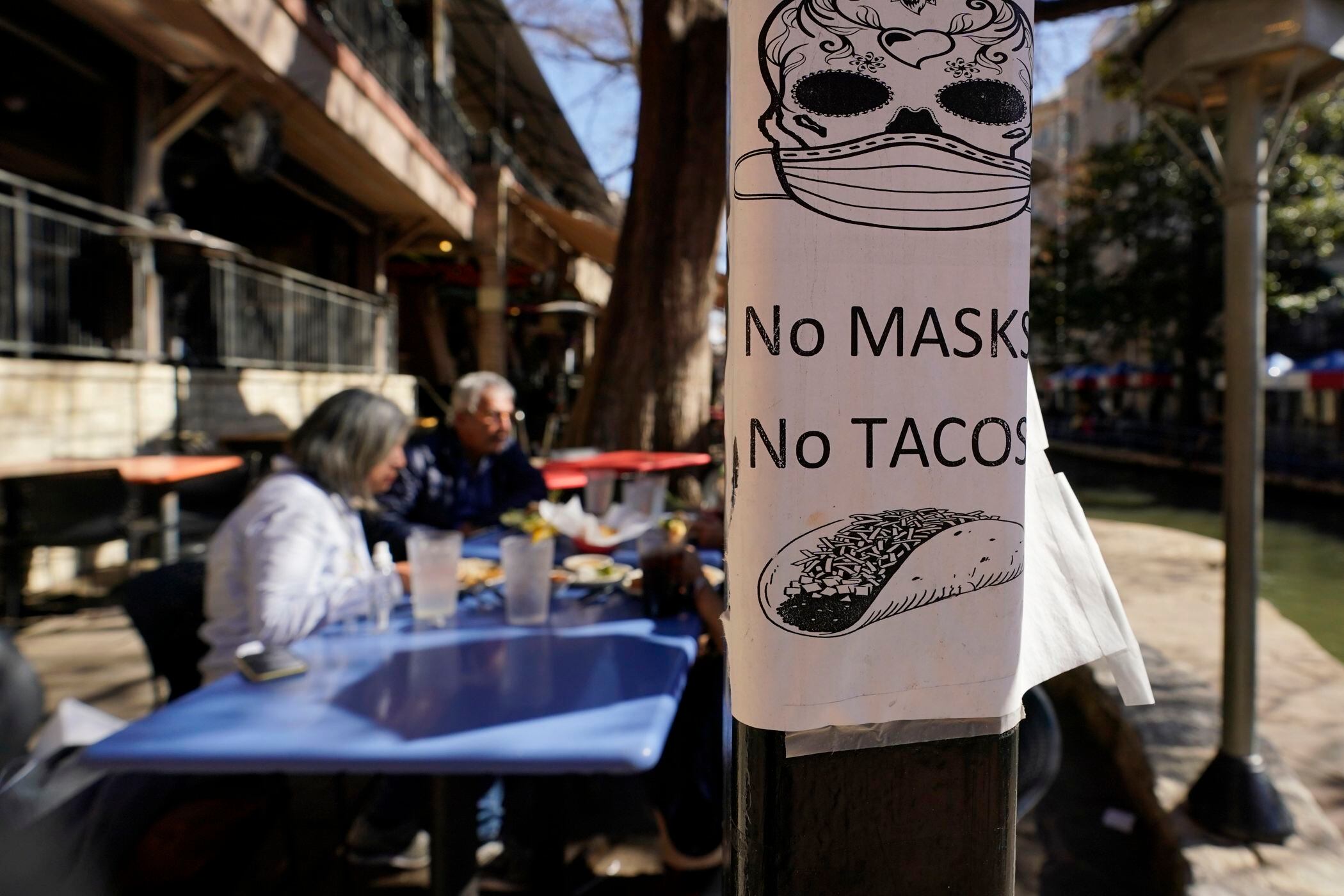
The impact of Texas' governor repealing many of the state’s COVID-19 restrictions is beginning to take shape.
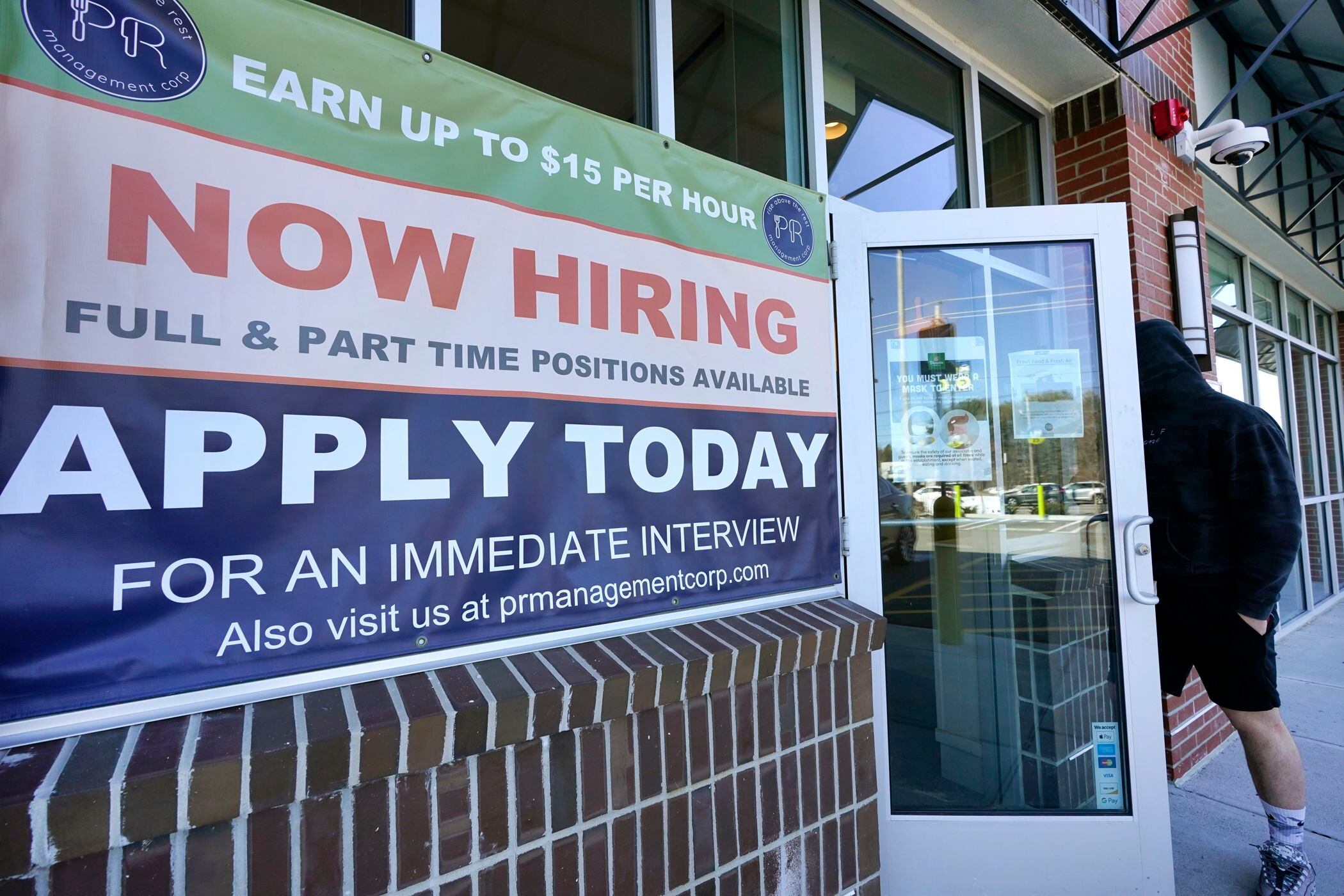
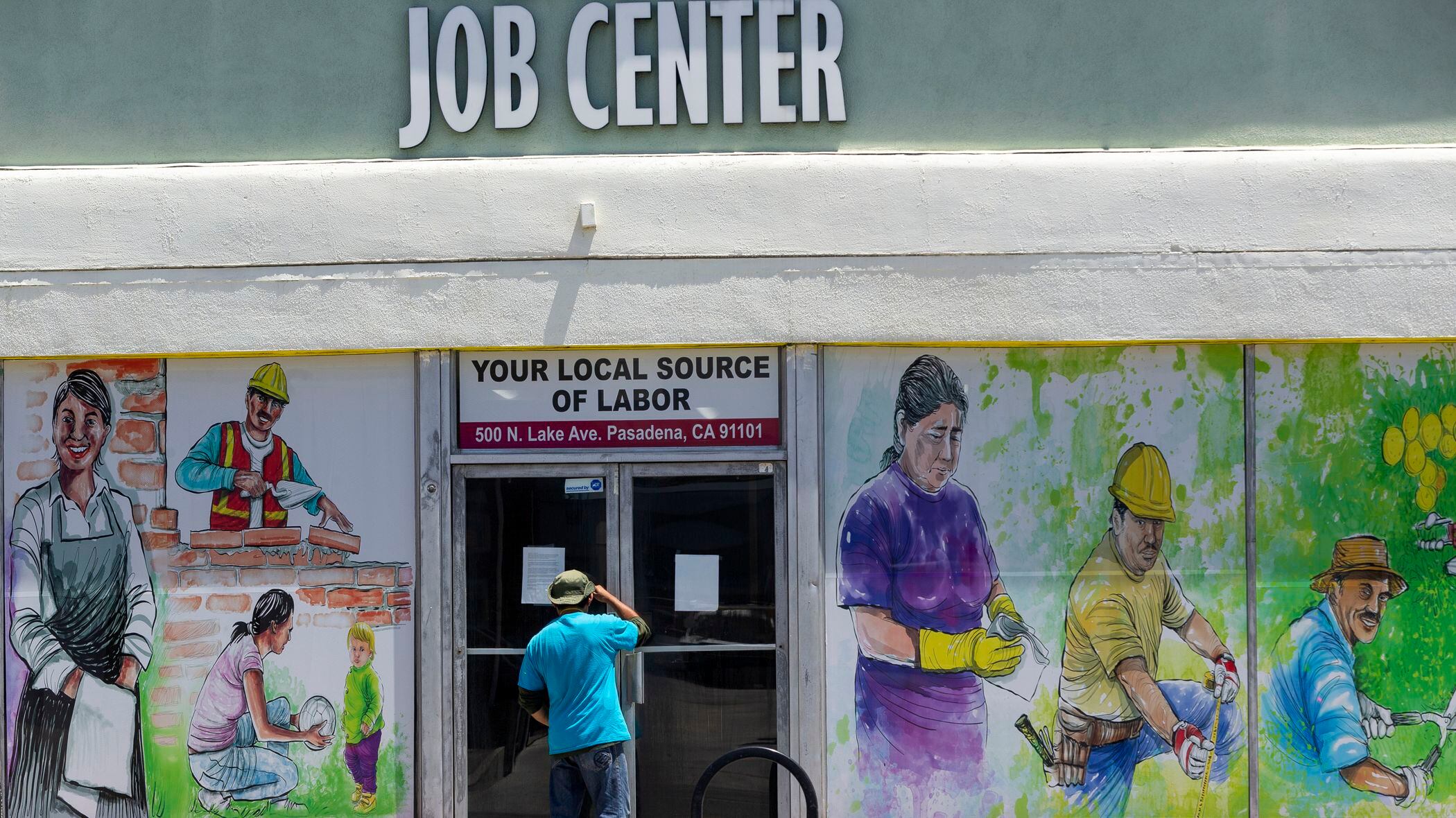
The number of Americans applying for unemployment benefits edged higher last week to 745,000, a sign that many employers continue to cut jobs despite a drop in confirmed viral infections and evidence that the overall economy is improving.
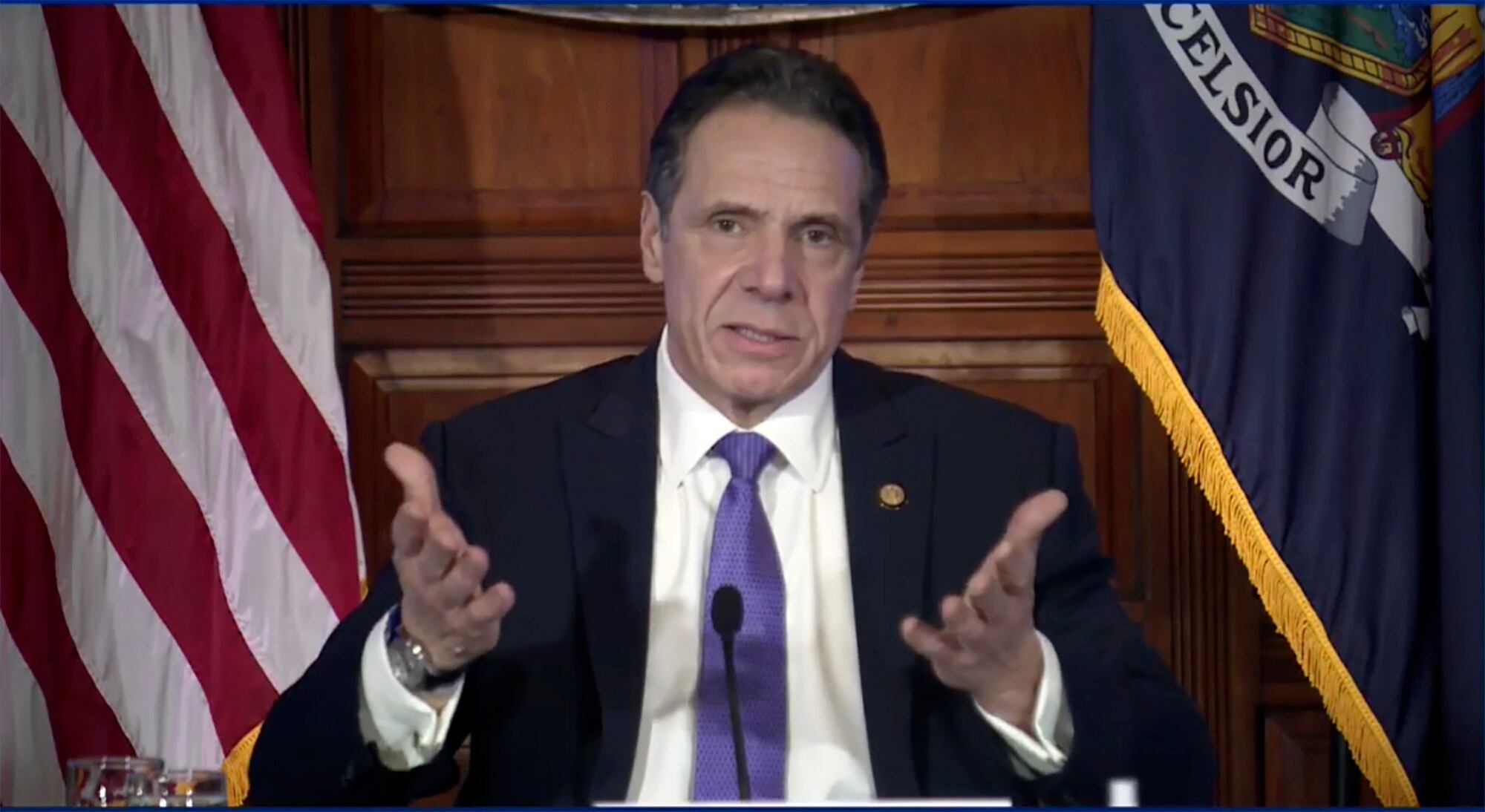
A somber New York Gov. Andrew Cuomo is apologizing following sexual harassment allegations against him.
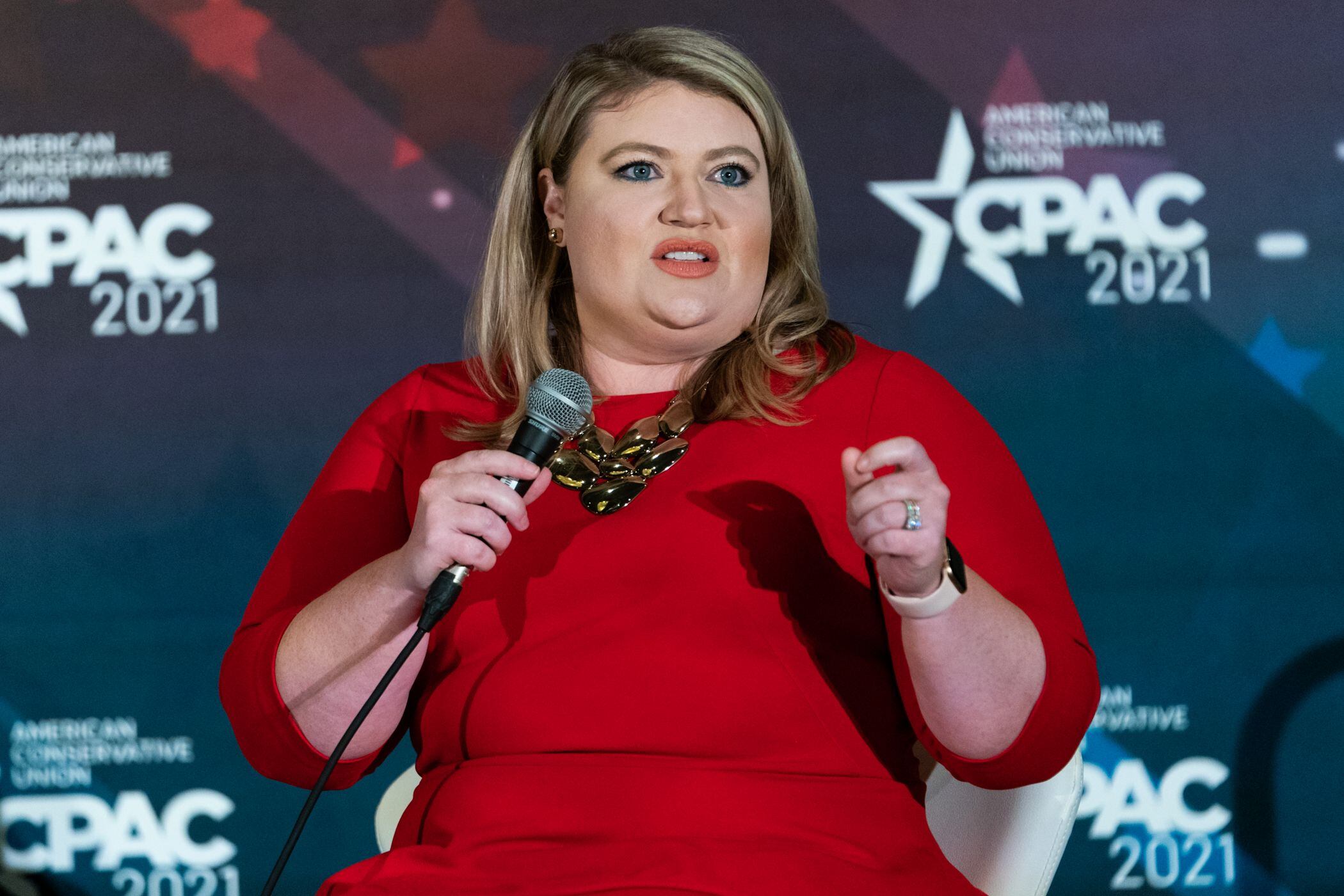
Rep. Kat Cammack (R-Fla. 3rd District), spoke to Cheddar regarding her concerns about spending priorities and the price tag of the latest COVID relief bill being put forth by Democrats.
Former Department of Homeland Security acting secretary under Trump, Chad Wolf, talked to Cheddar about domestic terrorism, border control, and cybersecurity.
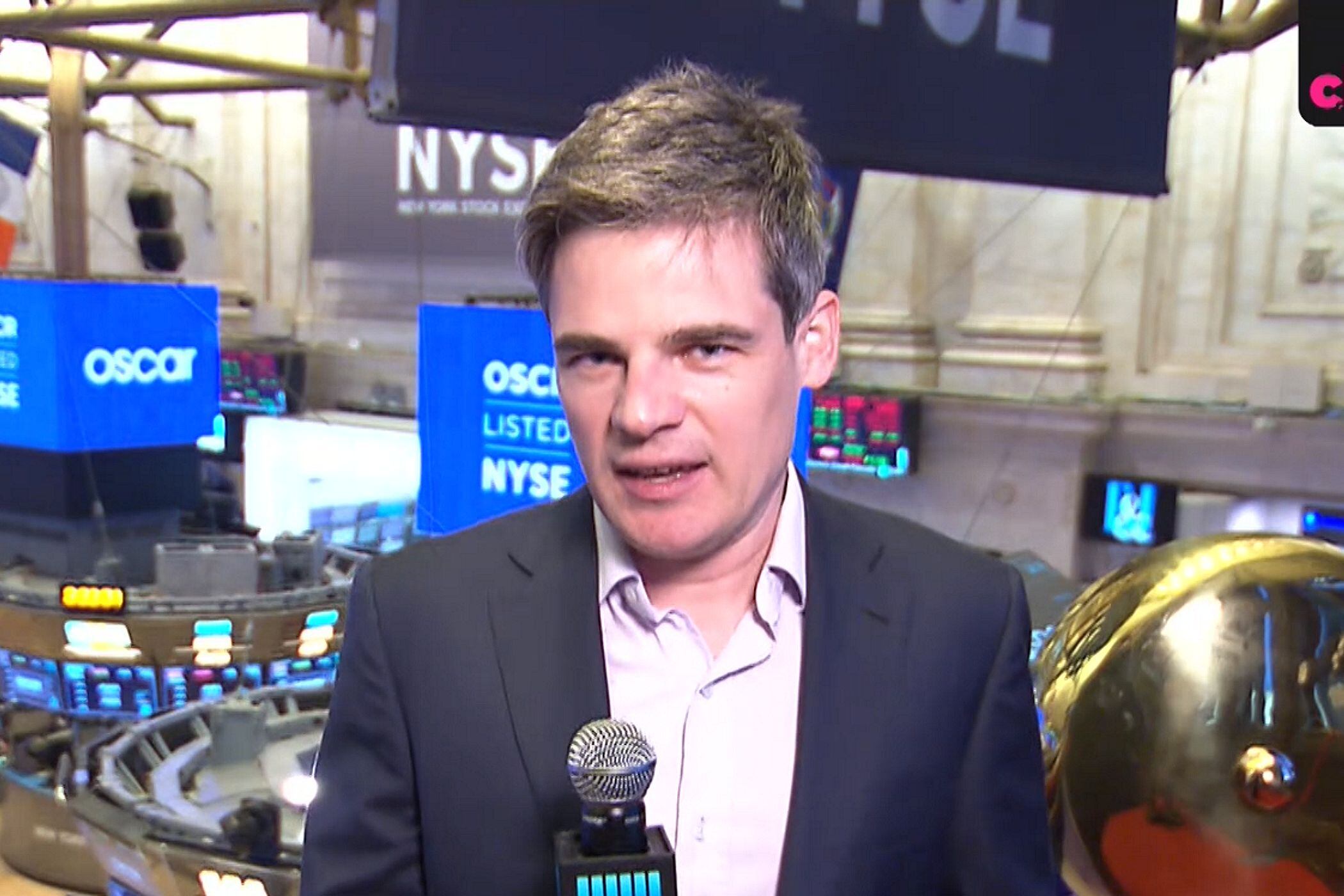
Mario Schlosser, CEO and co-founder of Oscar Health, spoke to Cheddar about the future of healthcare and insurance in the United States after the company went public.
A Democratic official says President Joe Biden and Senate Democrats have agreed to tighten the upper-income limits at which people could qualify for stimulus checks in the party's $1.9 trillion coronavirus relief bill.