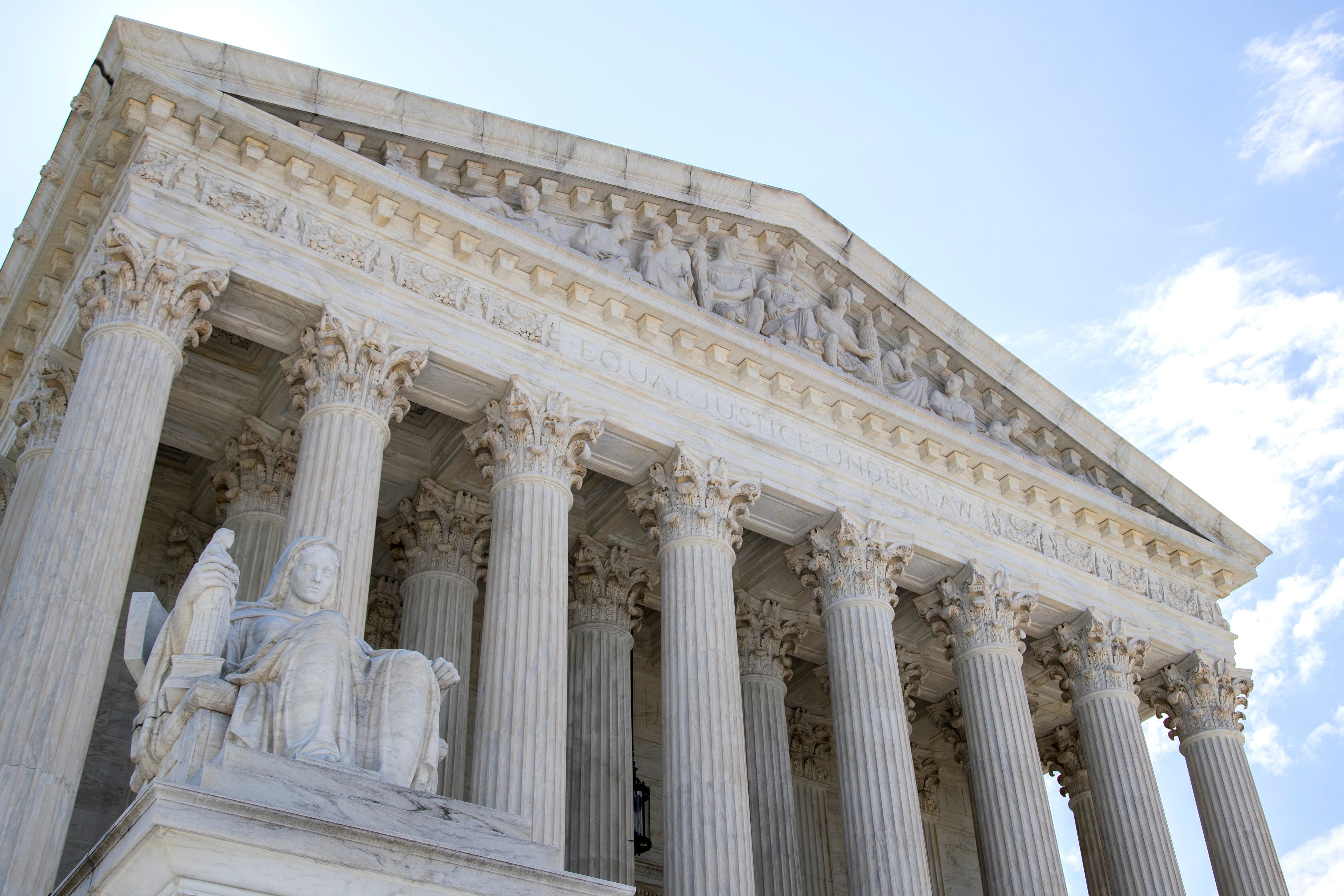
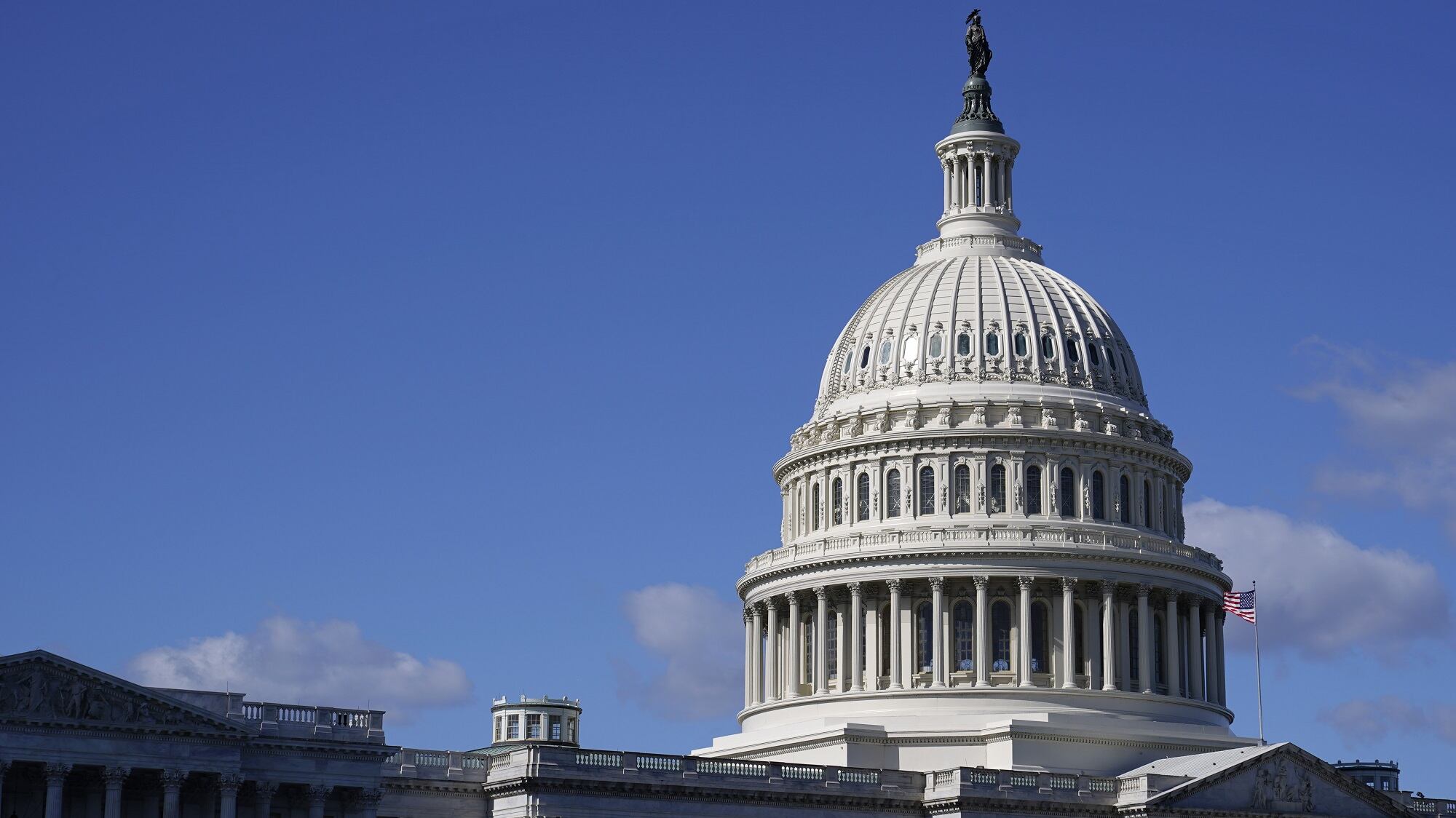
The Supreme Court on Monday upheld a 1991 law that bars robocalls to cellphones.
The case, argued by telephone in May because of the coronavirus pandemic, only arose after Congress in 2015 created an exception in the law that allowed the automated calls for collection of government debt.
Political consultants and pollsters were among those who asked the Supreme Court to strike down the entire 1991 law that bars them from making robocalls to cellphones as a violation of their free speech rights under the Constitution. The issue was whether, by allowing one kind of speech but not others, the exception made the whole law unconstitutional.
Six justices agreed that by allowing debt collection calls to cellphones Congress "impermissibly favored debt-collection speech over political and other speech, in violation of the First Amendment," Justice Brett Kavanaugh wrote. And seven justices agreed that the 2015 exception should be stricken from the law.
"Americans passionately disagree about many things. But they are largely united in their disdain for robocalls," Kavanaugh noted at the outset of his opinion.
During arguments in the case in May, Justice Stephen Breyer got cut off when someone tried calling him. Breyer said after he rejoined the court's arguments: "The telephone started to ring, and it cut me off the call and I don't think it was a robocall."
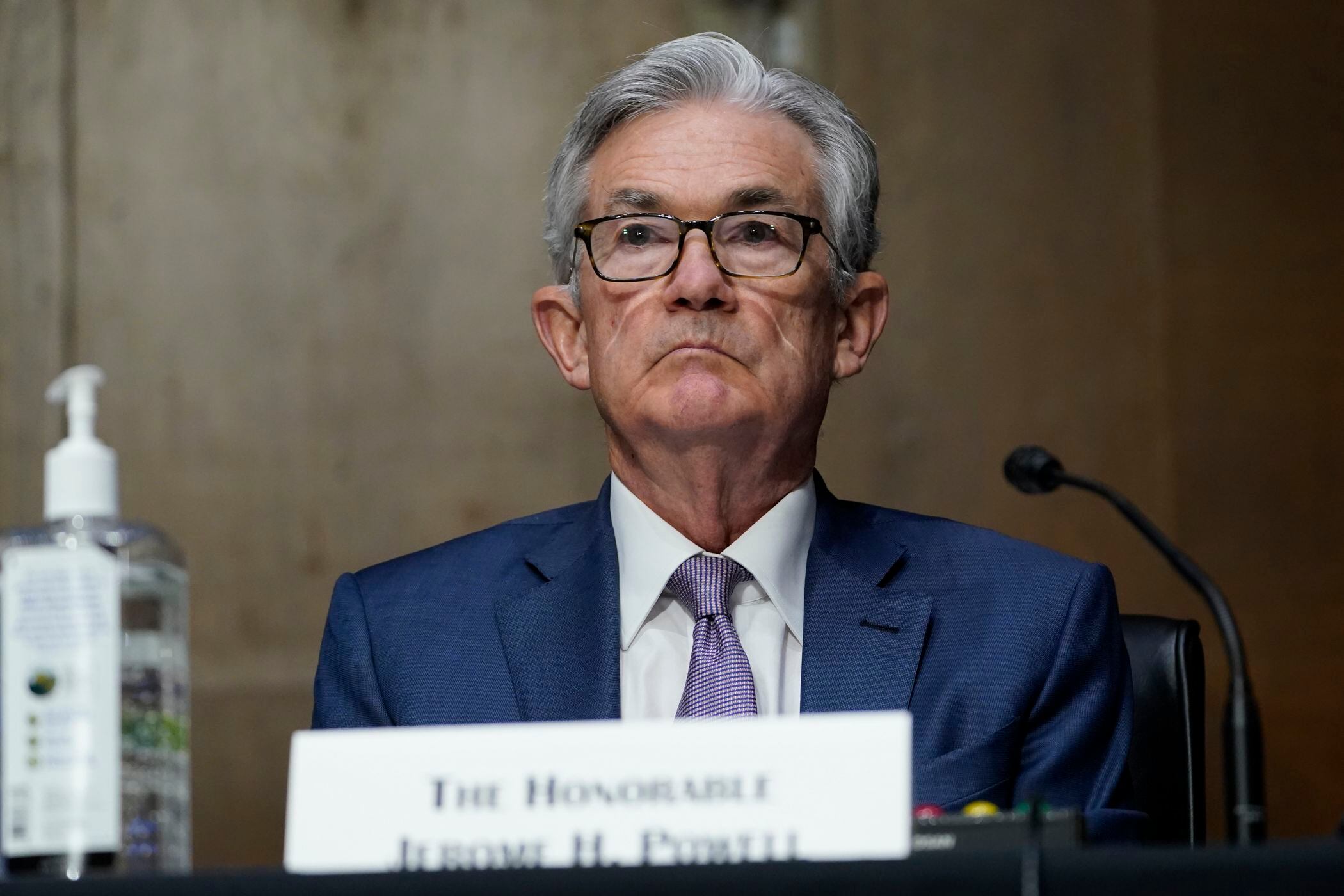
Federal Reserve Chairman Jerome Powell once again doubled down on the easy money policies that have defined the central bank's response to the pandemic-fueled economic downturn.
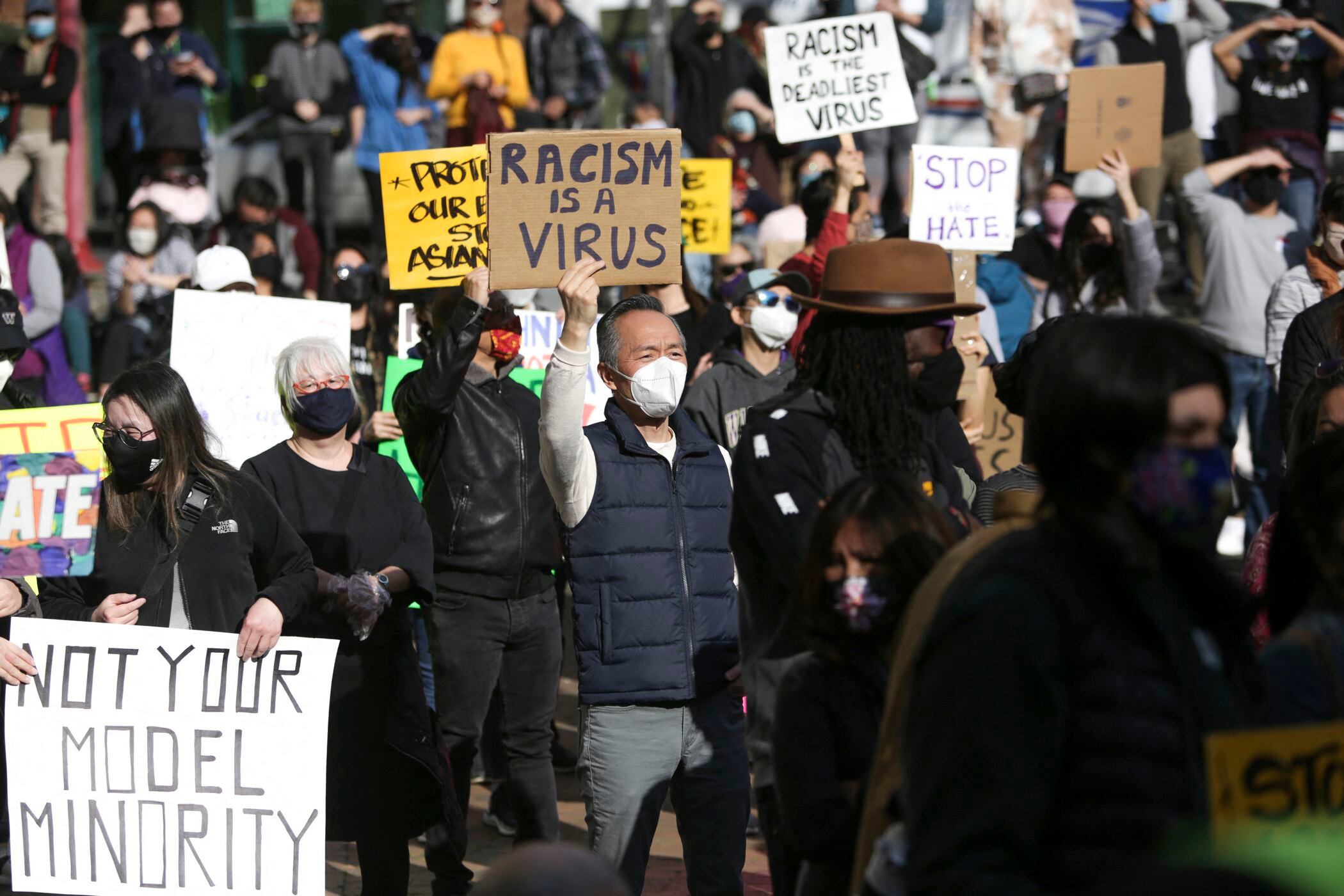
Stop AAPI Hate co-founder Cynthia Choi joined Cheddar to discuss anti-Asian hate crime reporting and what Americans can do to combat incidents of racial discrimination against Asian and Pacific Islander Americans.
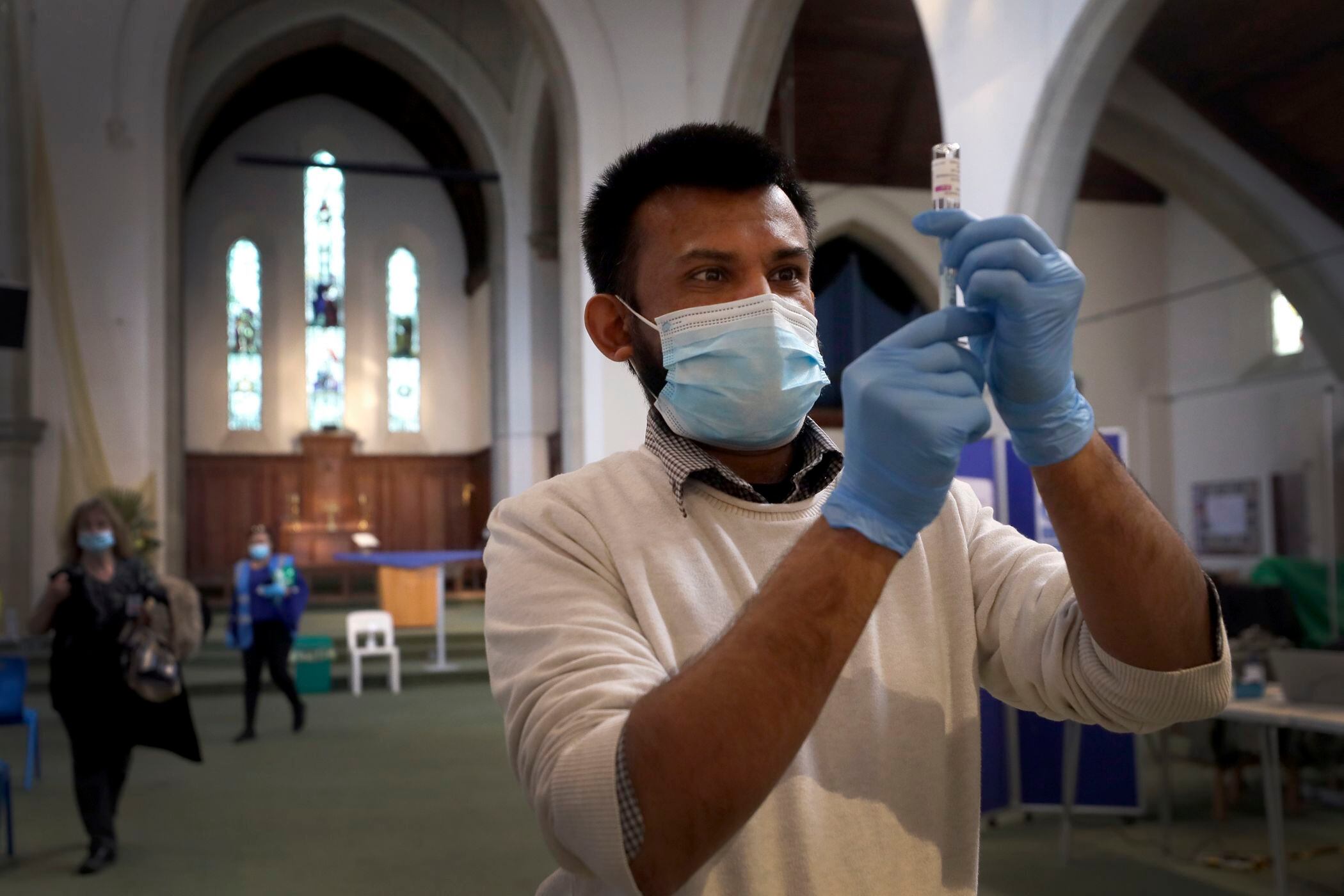
With COVID cases rising in many places, governments are facing the dilemma to push on with a vaccine that is known to save lives or suspend use of AstraZeneca over reports of dangerous blood clots in a few recipients.
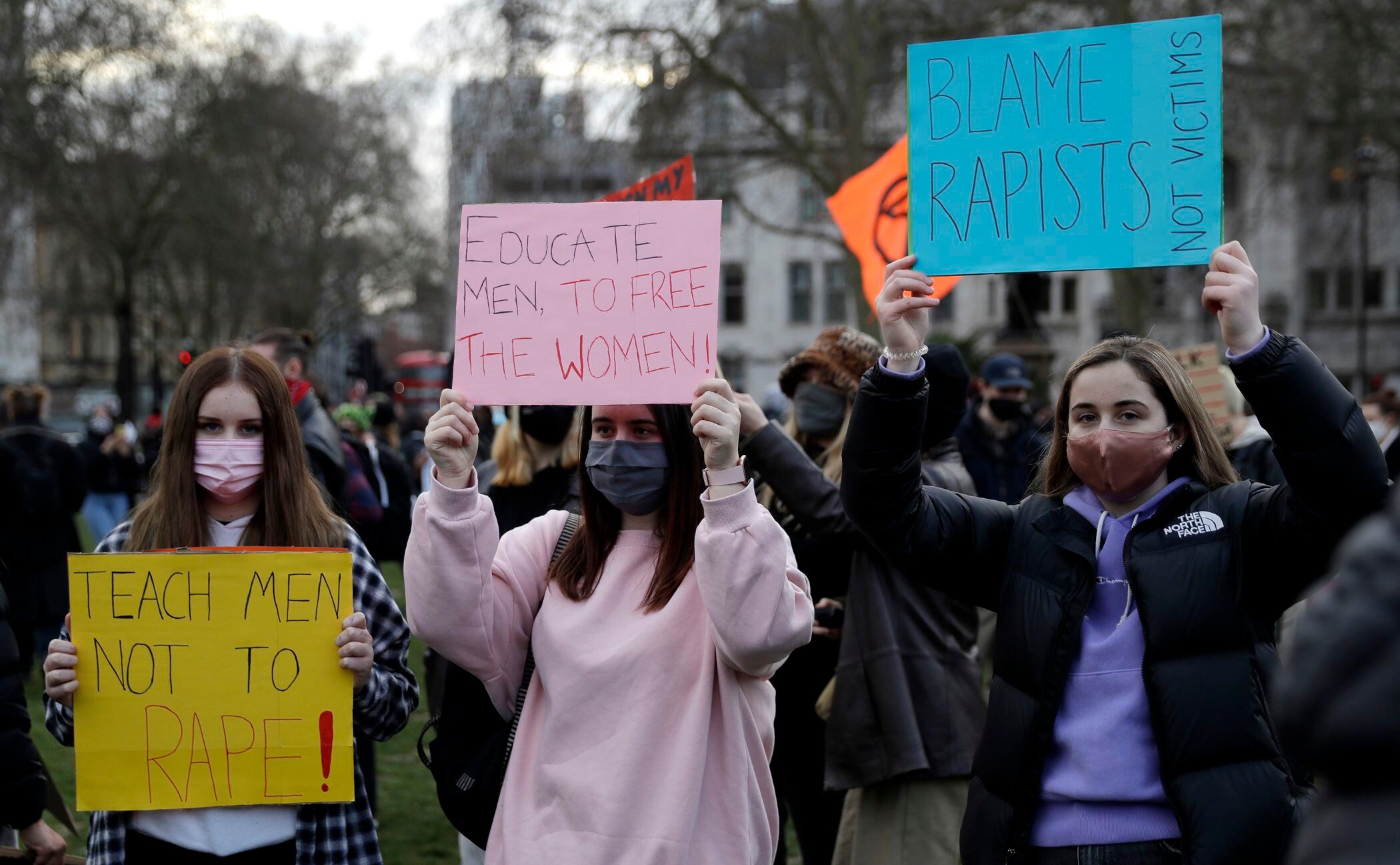
The police break up of a weekend vigil for a young murder victim abducted in London has touched off a national debate in Britain.
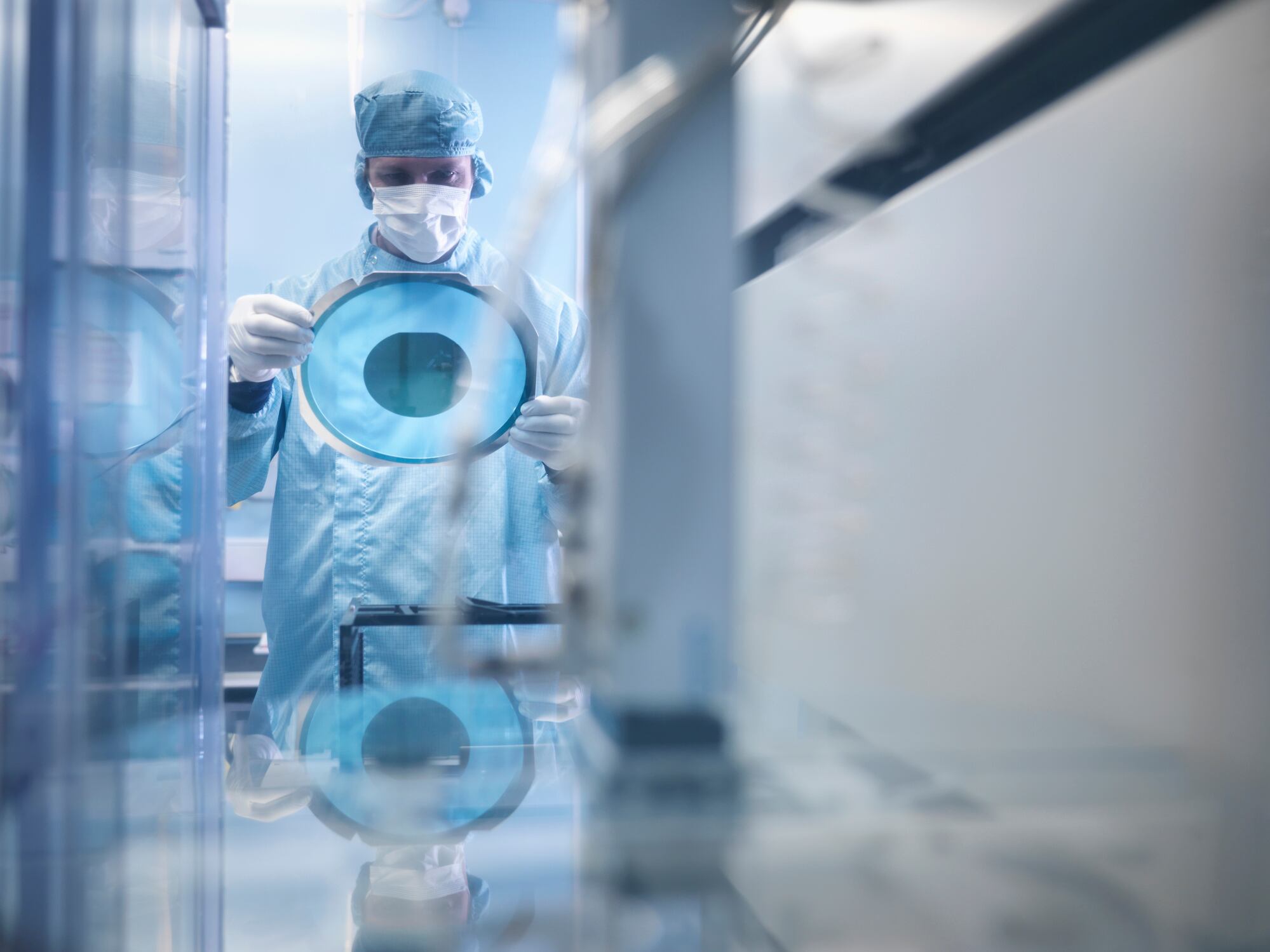
As a worldwide semiconductor shortage hammers American industries, trade groups are reaching out to the Biden administration with pleas to boost production in the U.S.
Microsoft President Brad Smith will testify before a House Judiciary subcommittee on Friday.
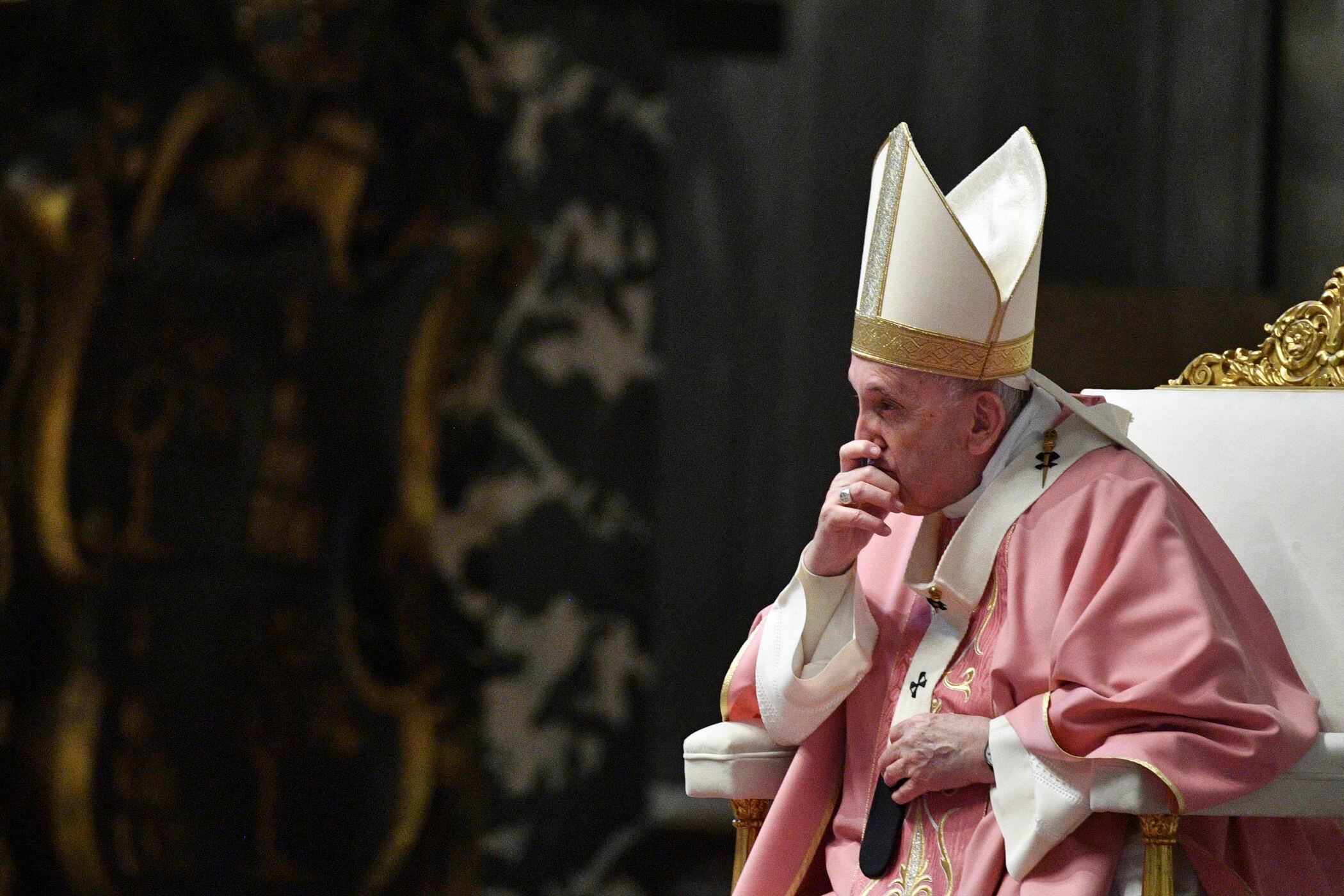
The Vatican has decreed that the Catholic Church won't bless same-sex unions, saying that God “cannot bless sin.”
More than a dozen congressional Democrats from New York, as well as both senators, put out statements in what appeared to be a coordinated release Friday morning, calling on the state’s governor, Andrew Cuomo, to resign.
What is up next for the Biden administration now that it has clocked its first major legislative win? This is your Washington Week Ahead.
From Wall Street to Silicon Valley, these are the top stories that moved markets and had investors, business leaders, and entrepreneurs talking this week on Cheddar.