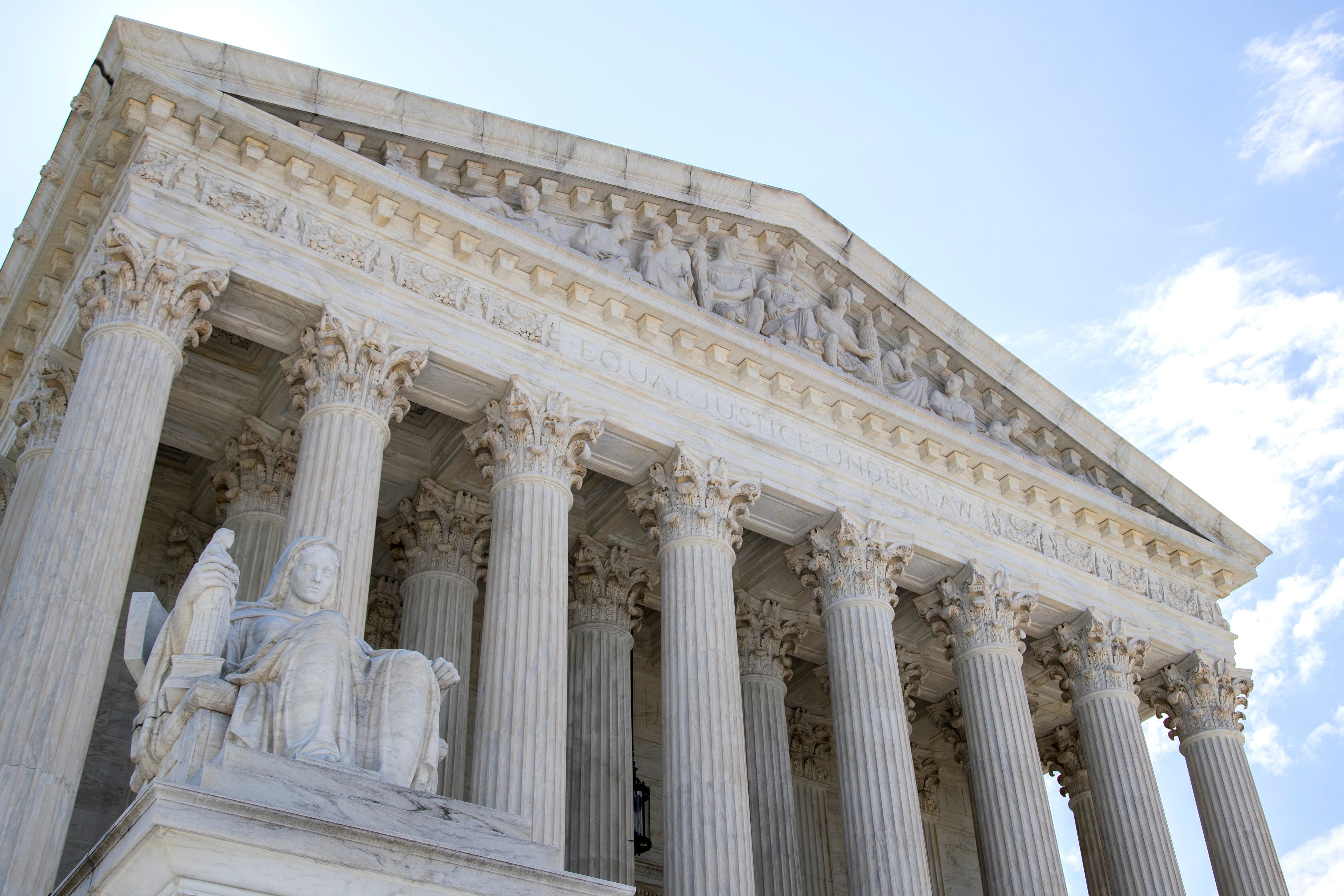
The Supreme Court on Monday upheld a 1991 law that bars robocalls to cellphones.
The case, argued by telephone in May because of the coronavirus pandemic, only arose after Congress in 2015 created an exception in the law that allowed the automated calls for collection of government debt.
Political consultants and pollsters were among those who asked the Supreme Court to strike down the entire 1991 law that bars them from making robocalls to cellphones as a violation of their free speech rights under the Constitution. The issue was whether, by allowing one kind of speech but not others, the exception made the whole law unconstitutional.
Six justices agreed that by allowing debt collection calls to cellphones Congress "impermissibly favored debt-collection speech over political and other speech, in violation of the First Amendment," Justice Brett Kavanaugh wrote. And seven justices agreed that the 2015 exception should be stricken from the law.
"Americans passionately disagree about many things. But they are largely united in their disdain for robocalls," Kavanaugh noted at the outset of his opinion.
During arguments in the case in May, Justice Stephen Breyer got cut off when someone tried calling him. Breyer said after he rejoined the court's arguments: "The telephone started to ring, and it cut me off the call and I don't think it was a robocall."
Rep. Jan Schakowsky (D-Ill. 9th District) and Rep. Bob Latta (R-Ohio 5th District) joined Cheddar to discuss what Congress might do about the Big Tech companies following the latest hearing on misinformation and disinformation online.
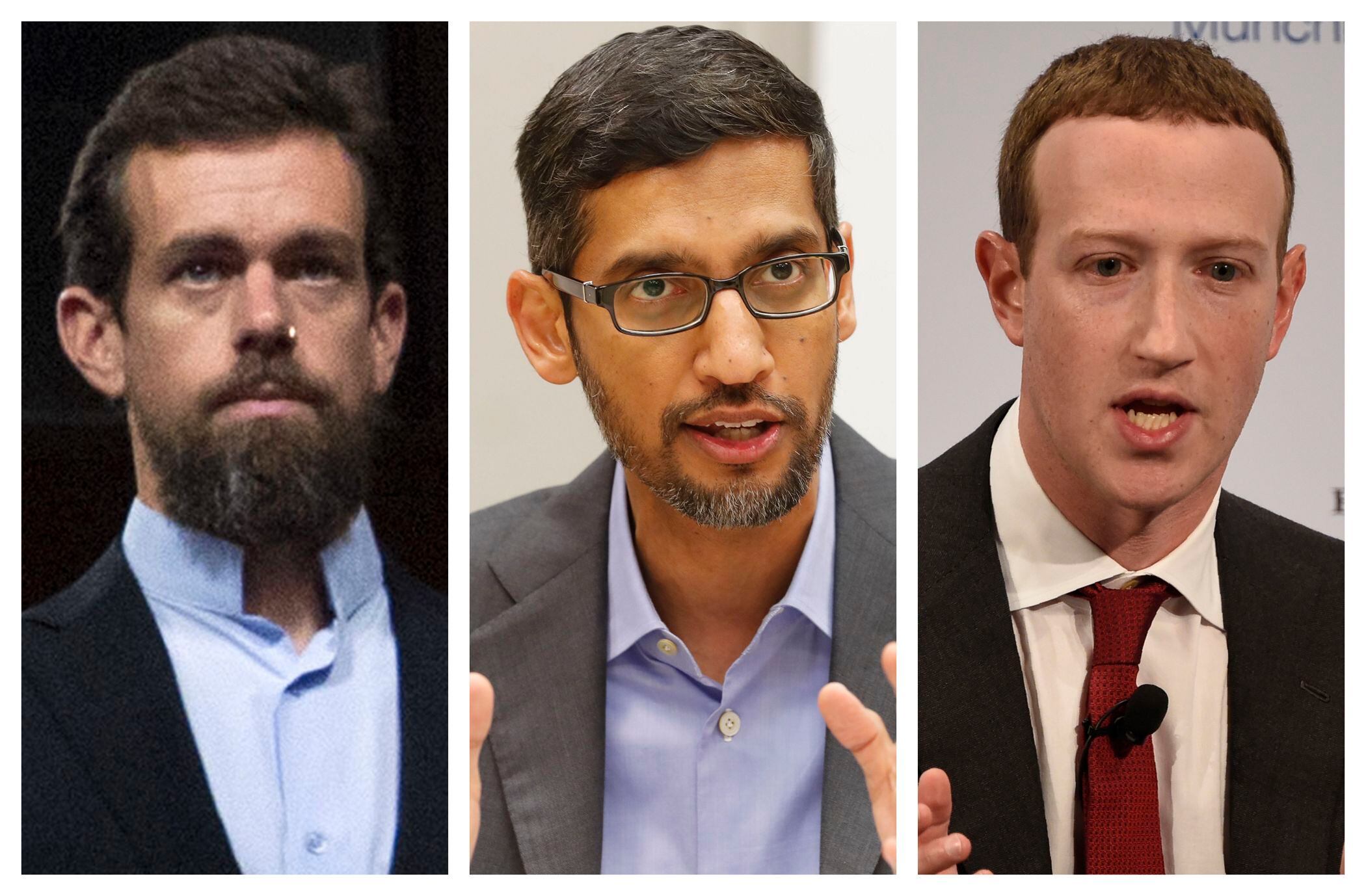
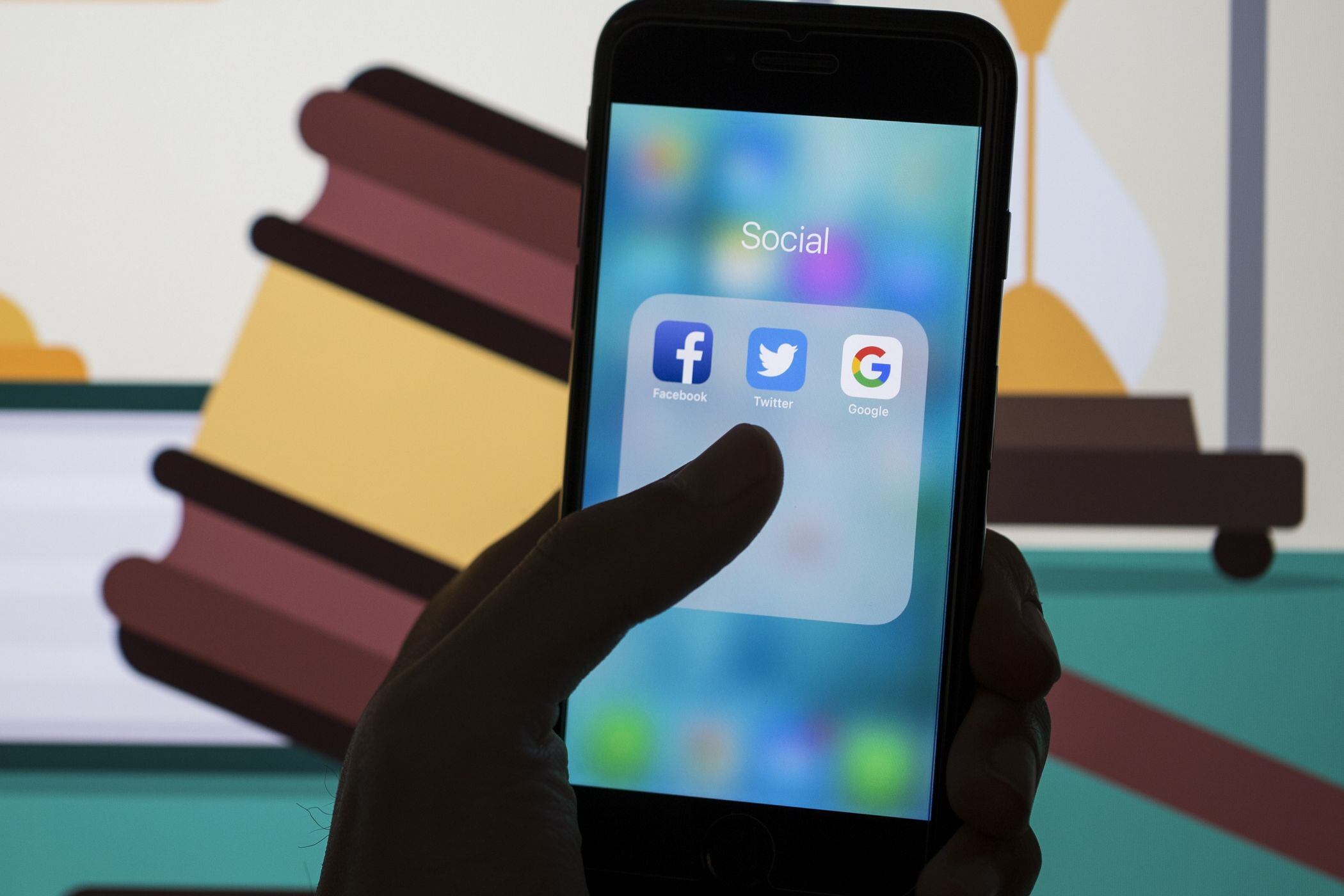
On Thursday, March 25, Congress will hold a remote hearing with testimony from Facebook CEO Mark Zuckerberg, Twitter CEO Jack Dorsey, and Google CEO Sundar Pichai on the "misinformation and disinformation" that some argue continue to plague online platforms.
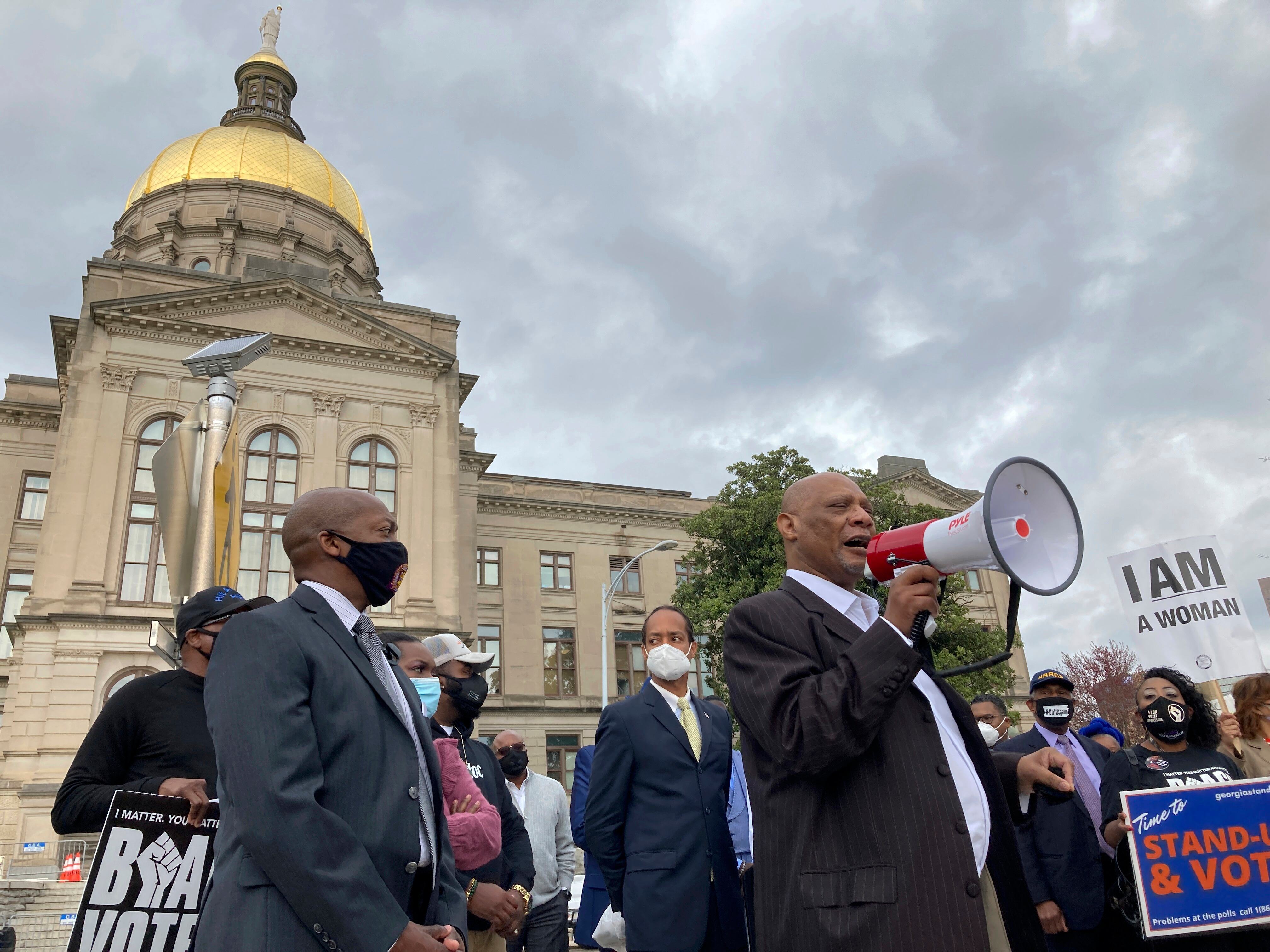
The law passed Thursday places new restrictions on voting by mail and greater legislative oversight of elections. Democrats and voting rights groups say the law will disproportionately disenfranchise voters of color.
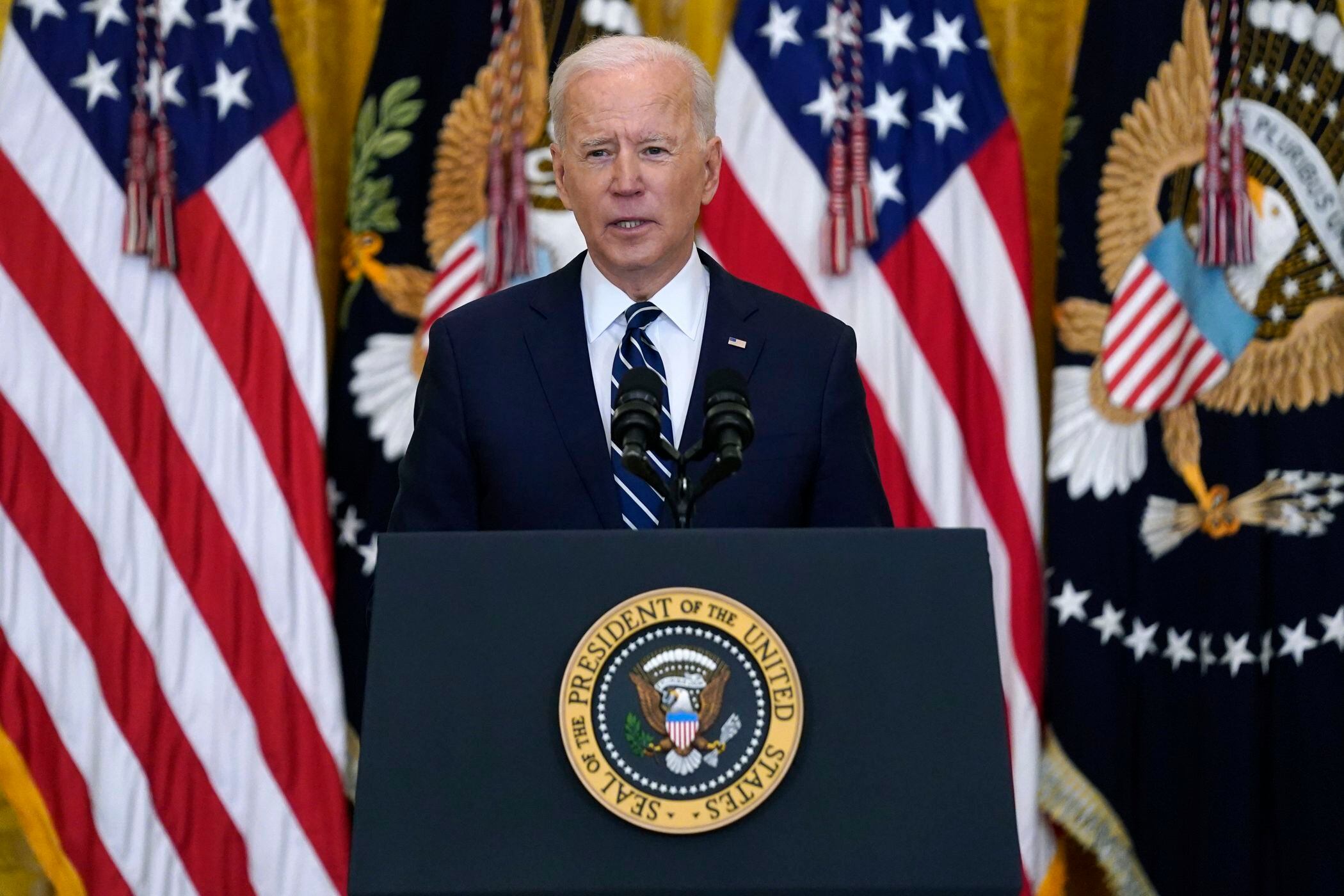
President Joe Biden is leaving the door open to backing fundamental changes in Senate procedure to muscle key parts of his agenda past Republican opposition.
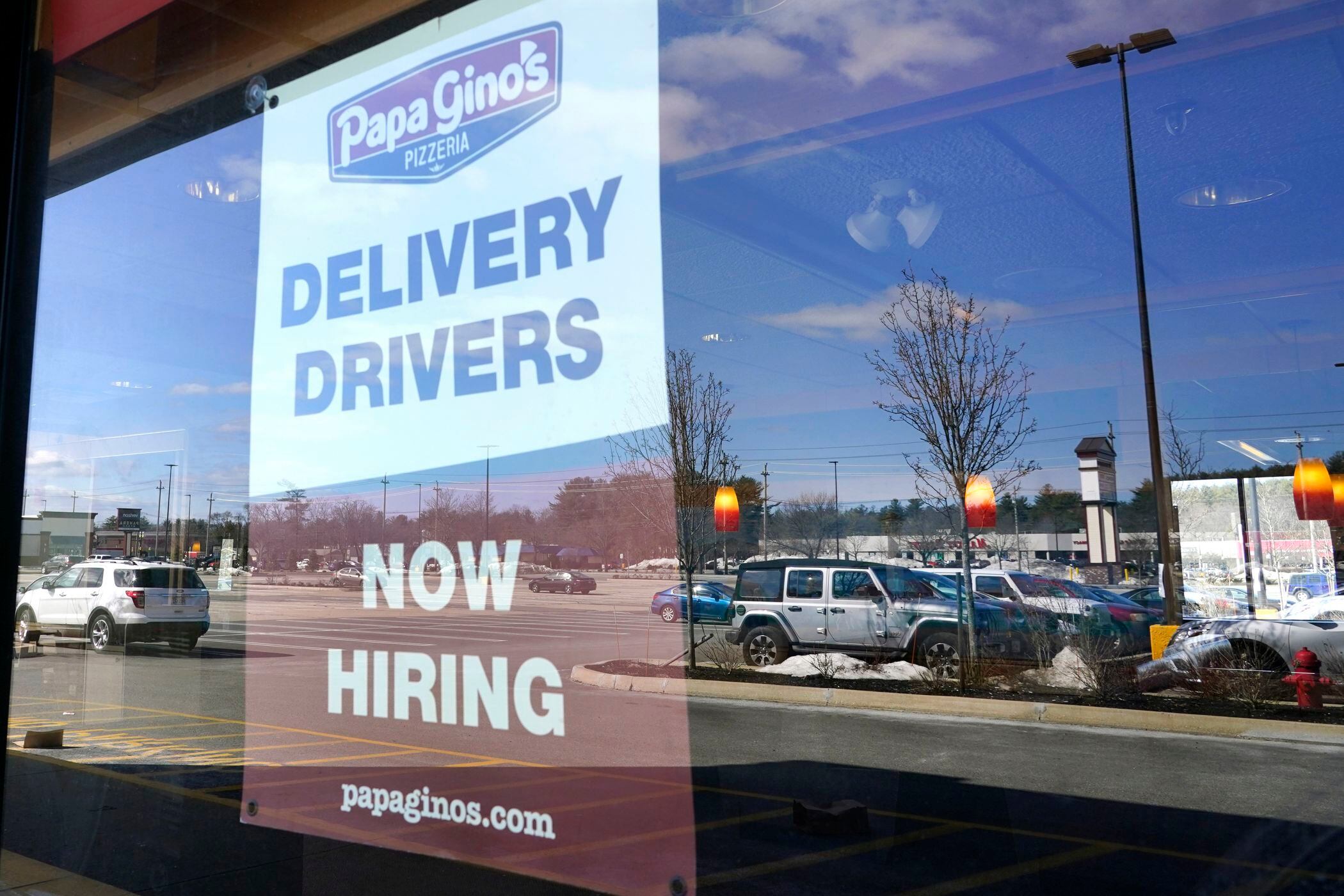
The number of people seeking unemployment benefits fell sharply last week to 684,000, the fewest since the pandemic erupted a year ago and a sign the economy is improving.
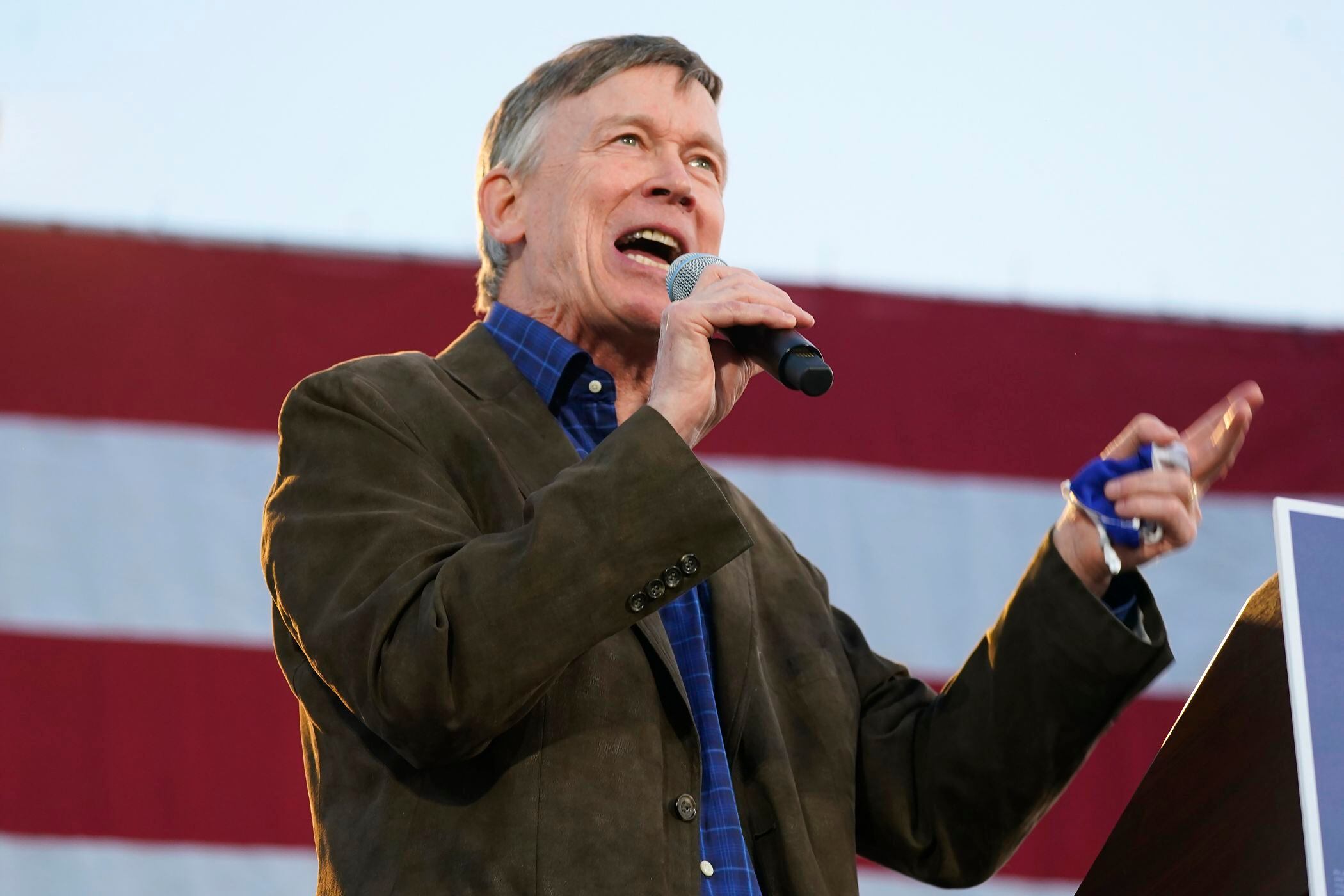
Sen. John Hickenlooper (D-Colo.) spoke to Cheddar about how his GOP colleagues should back universal background checks for gun purchasers while avoiding taking a hard stance on changes to the filibuster.
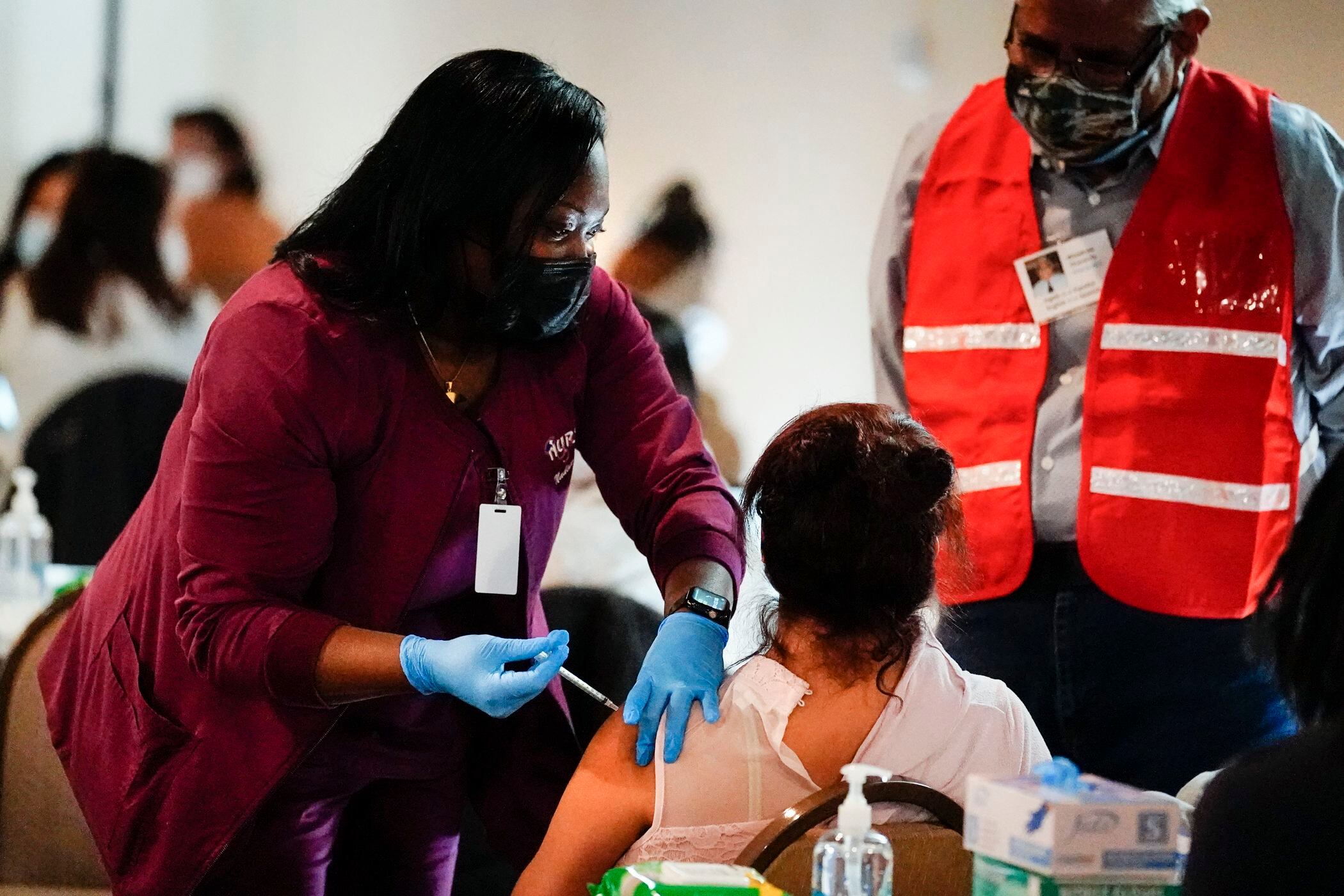
More than three months into the U.S. vaccination drive, many of the numbers paint an increasingly encouraging picture.
Cheddar previews the Thursday, March 25, Congressional hearing to feature Facebook CEO Mark Zuckerberg, Twitter CEO Jack Dorsey, and Google CEO Sundar Pichai.
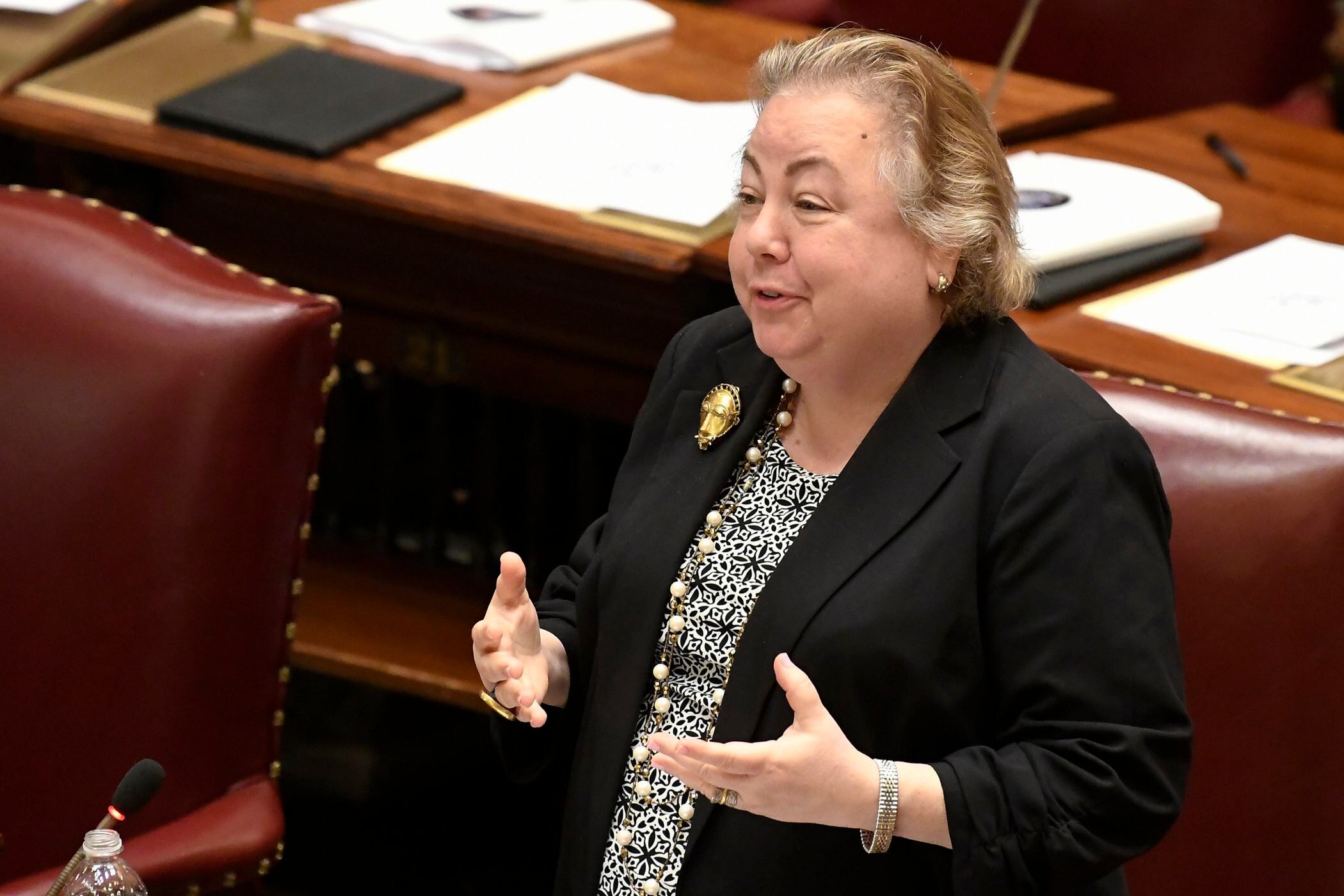
In an interview with Cheddar, New York State Senator Liz Krueger (D) said that there is now one bill on the table that is almost complete and is agreed upon by all legislative bodies in the state.
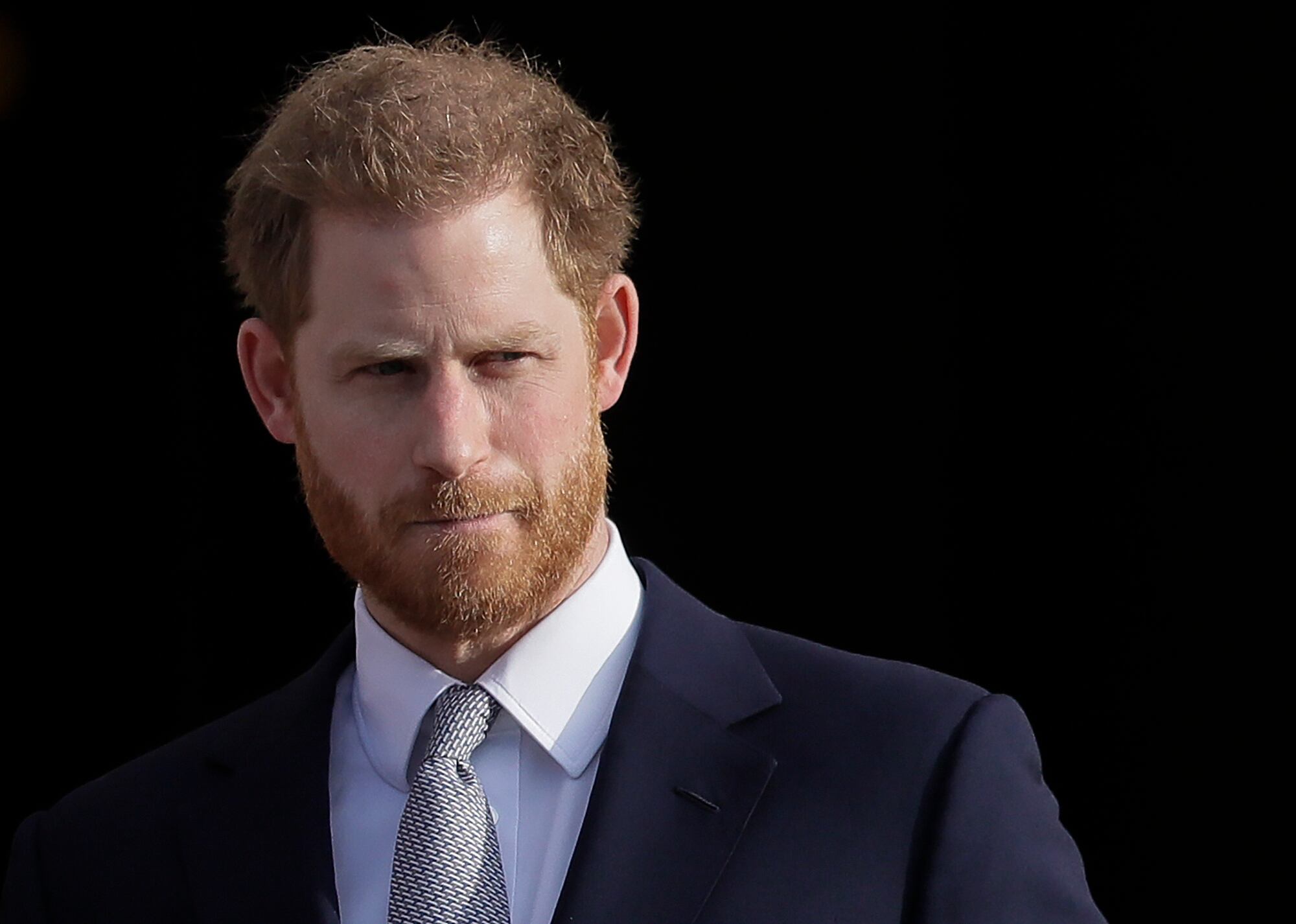
Prince Harry has joined the corporate world as employee coaching and mental health firm BetterUp Inc.’s Chief Impact Officer.