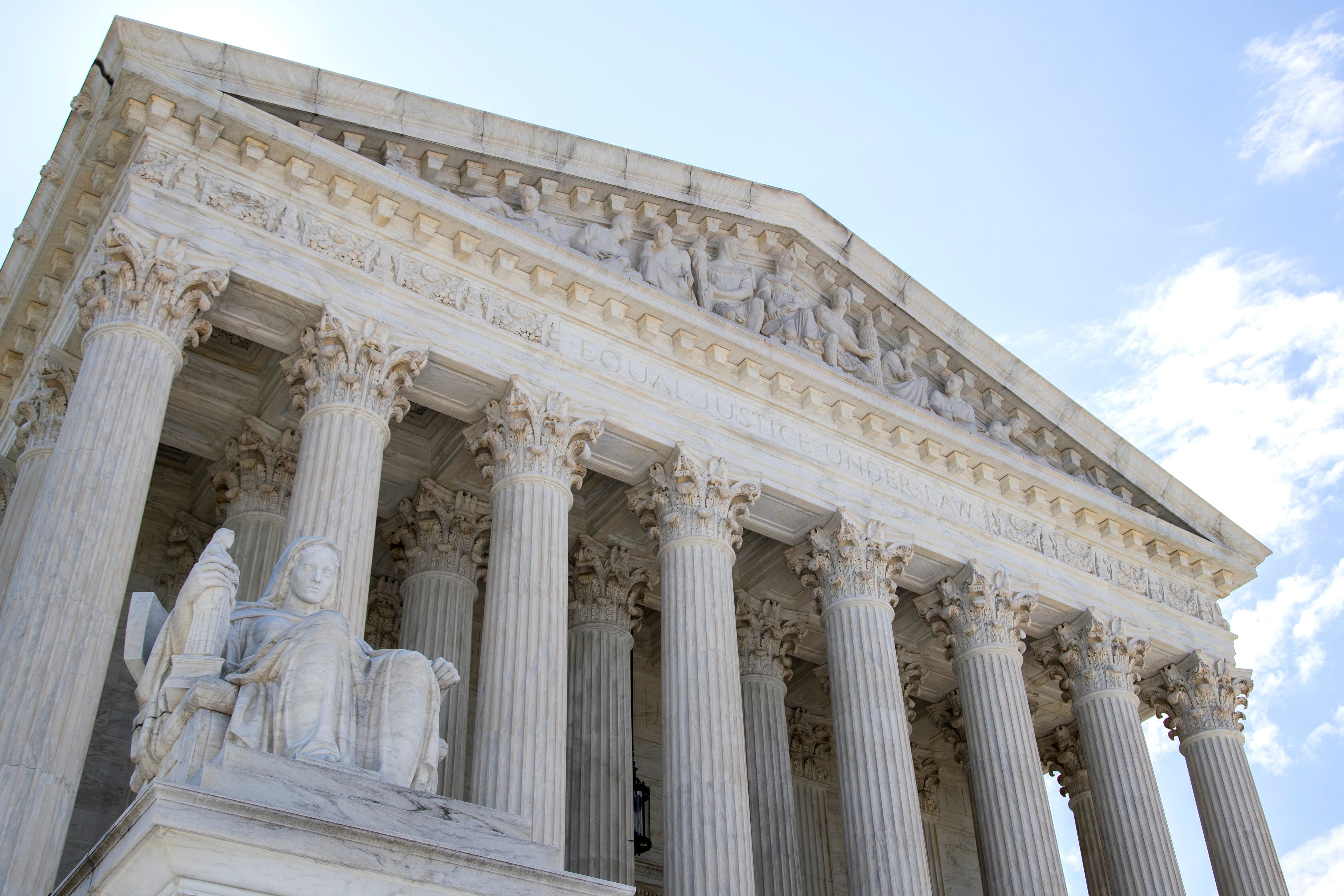
The Supreme Court on Monday upheld a 1991 law that bars robocalls to cellphones.
The case, argued by telephone in May because of the coronavirus pandemic, only arose after Congress in 2015 created an exception in the law that allowed the automated calls for collection of government debt.
Political consultants and pollsters were among those who asked the Supreme Court to strike down the entire 1991 law that bars them from making robocalls to cellphones as a violation of their free speech rights under the Constitution. The issue was whether, by allowing one kind of speech but not others, the exception made the whole law unconstitutional.
Six justices agreed that by allowing debt collection calls to cellphones Congress "impermissibly favored debt-collection speech over political and other speech, in violation of the First Amendment," Justice Brett Kavanaugh wrote. And seven justices agreed that the 2015 exception should be stricken from the law.
"Americans passionately disagree about many things. But they are largely united in their disdain for robocalls," Kavanaugh noted at the outset of his opinion.
During arguments in the case in May, Justice Stephen Breyer got cut off when someone tried calling him. Breyer said after he rejoined the court's arguments: "The telephone started to ring, and it cut me off the call and I don't think it was a robocall."
As Cheddar celebrates phenomenal women during the month of March, we're taking a second to highlight a few trailblazers who have helped shape the world we live in.
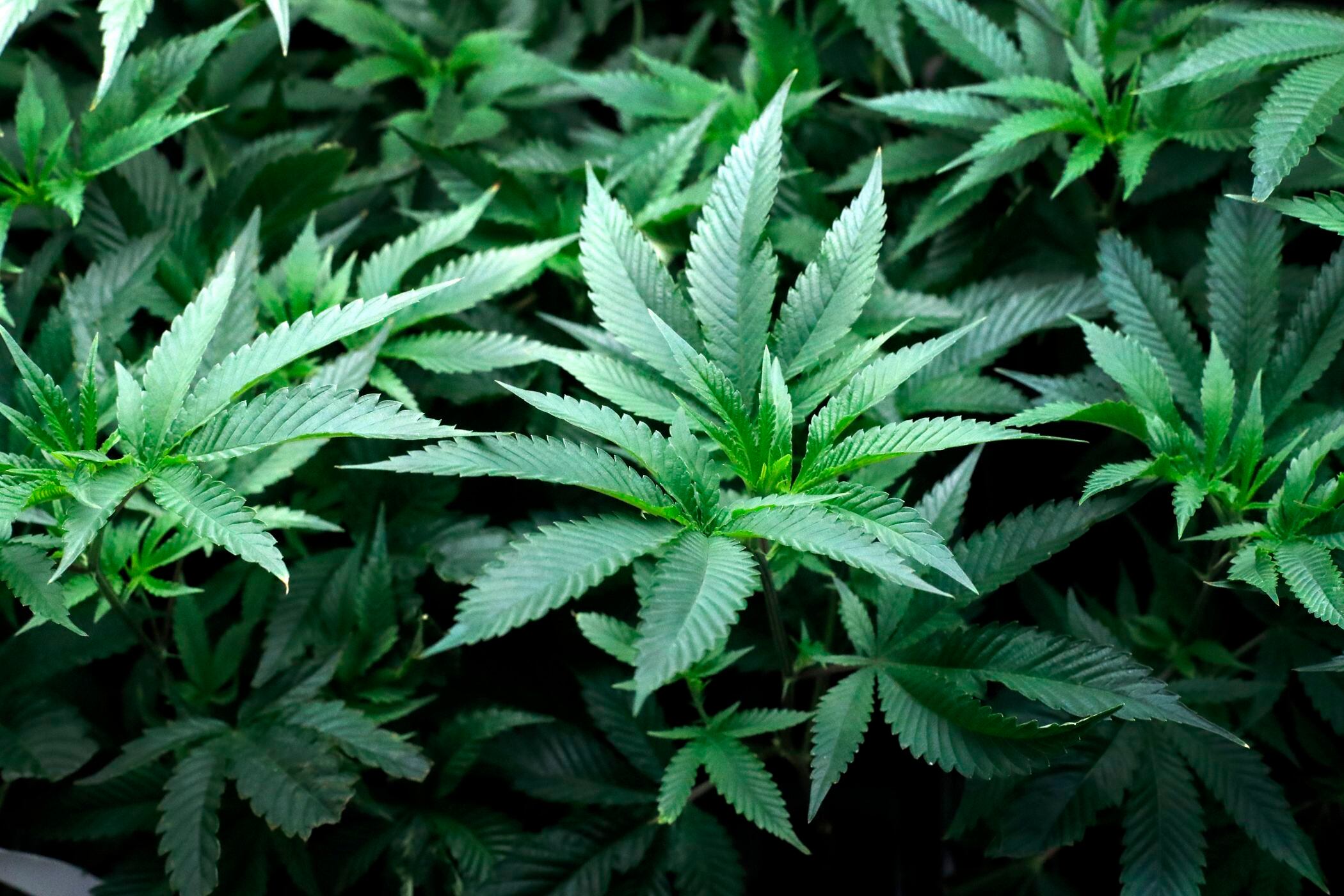
It's official: Lawmakers and Gov. Cuomo have made New York the 15th state to legalize marijuana for recreational use.
Witnesses testified Tuesday that onlookers grew increasingly angry as they begged Minneapolis Officer Derek Chauvin to take his knee off George Floyd’s neck.
Russian President Vladimir Putin has hailed the military’s performance during recent Arctic drills, part of Moscow’s efforts to expand its presence in the polar region.
What happens inside a warehouse in Bessemer, Alabama could have major implications not just for the country’s second-largest employer but the labor movement at large.
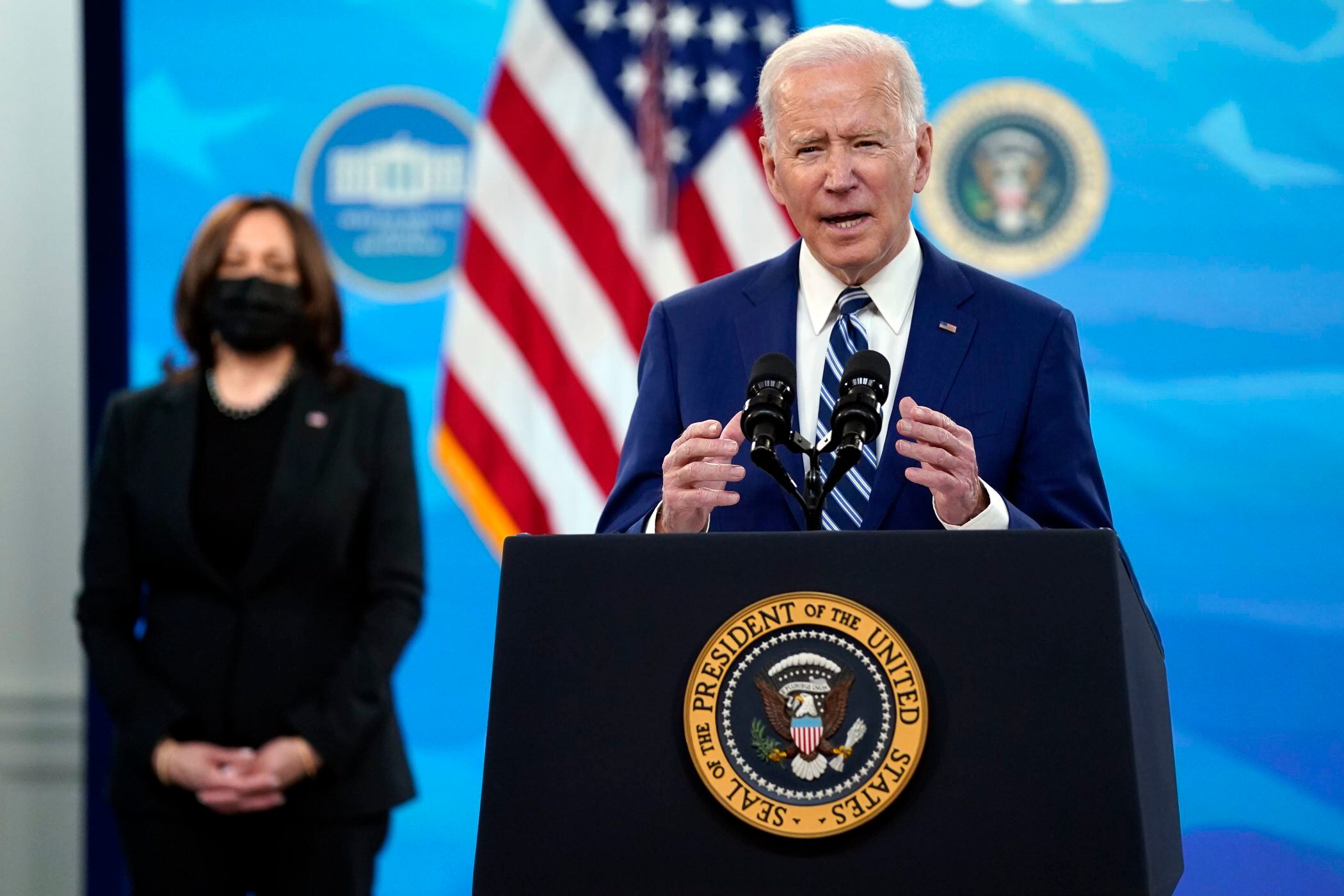
President Joe Biden and CDC Director Dr. Rochelle Walensky are making impassioned pleas to Americans not to let their guard down in the fight against COVID-19.
New York lawmakers have finalized an agreement to legalize recreational marijuana sales to adults over the age of 21.
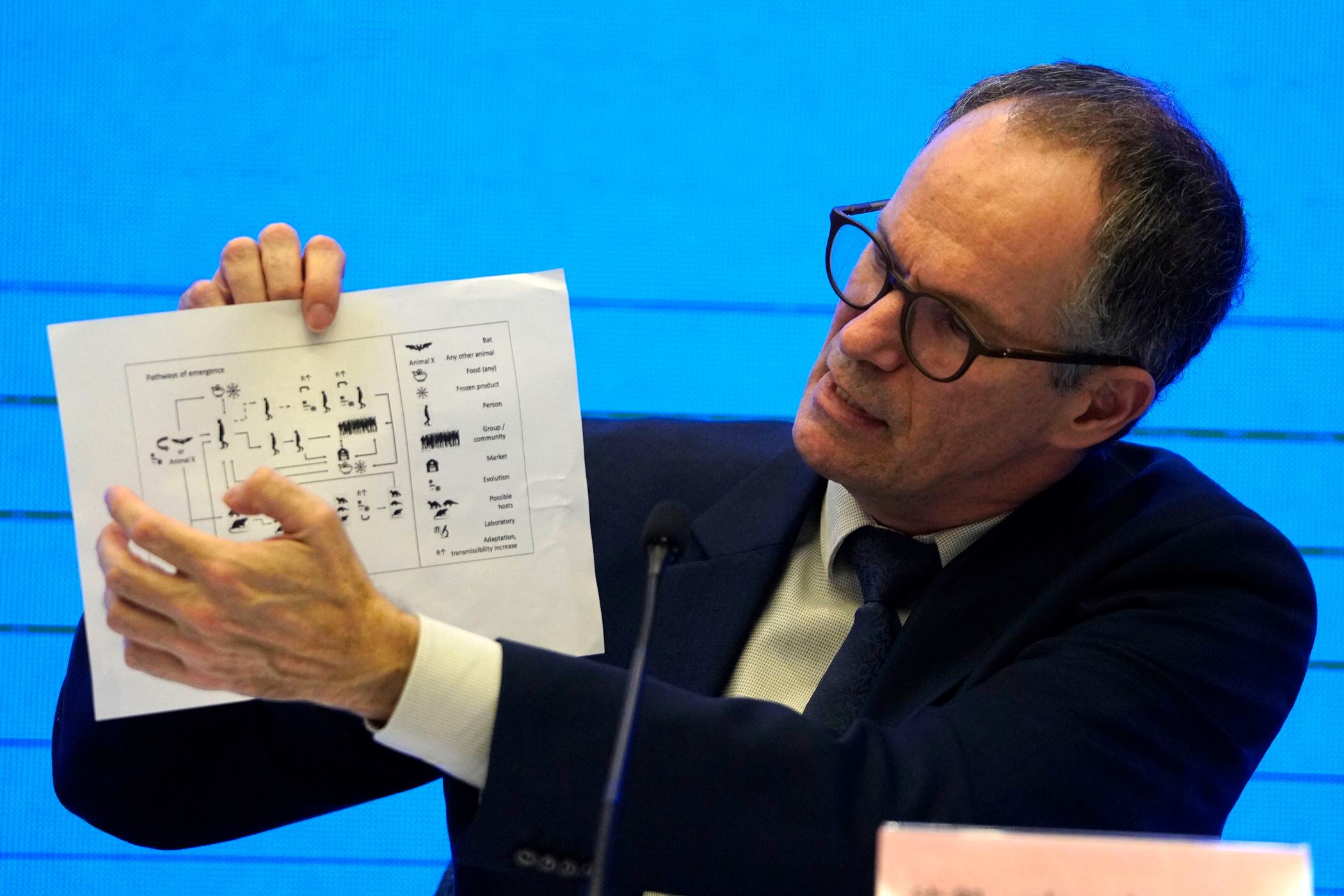
A joint WHO-China study on the origins of COVID-19 says that transmission from bats to humans through another animal is the most likely scenario and that a lab leak of the coronavirus is “extremely unlikely.”
We have another Infrastructure Week on the schedule and if you had “the filibuster isn’t racist” on your 2021 BINGO card, you win a prize. Here’s more about what is and isn’t expected in the Washington Week Ahead.
New York lawmakers and Gov. Cuomo have reached a deal on legalizing adult-use marijuana in the state.