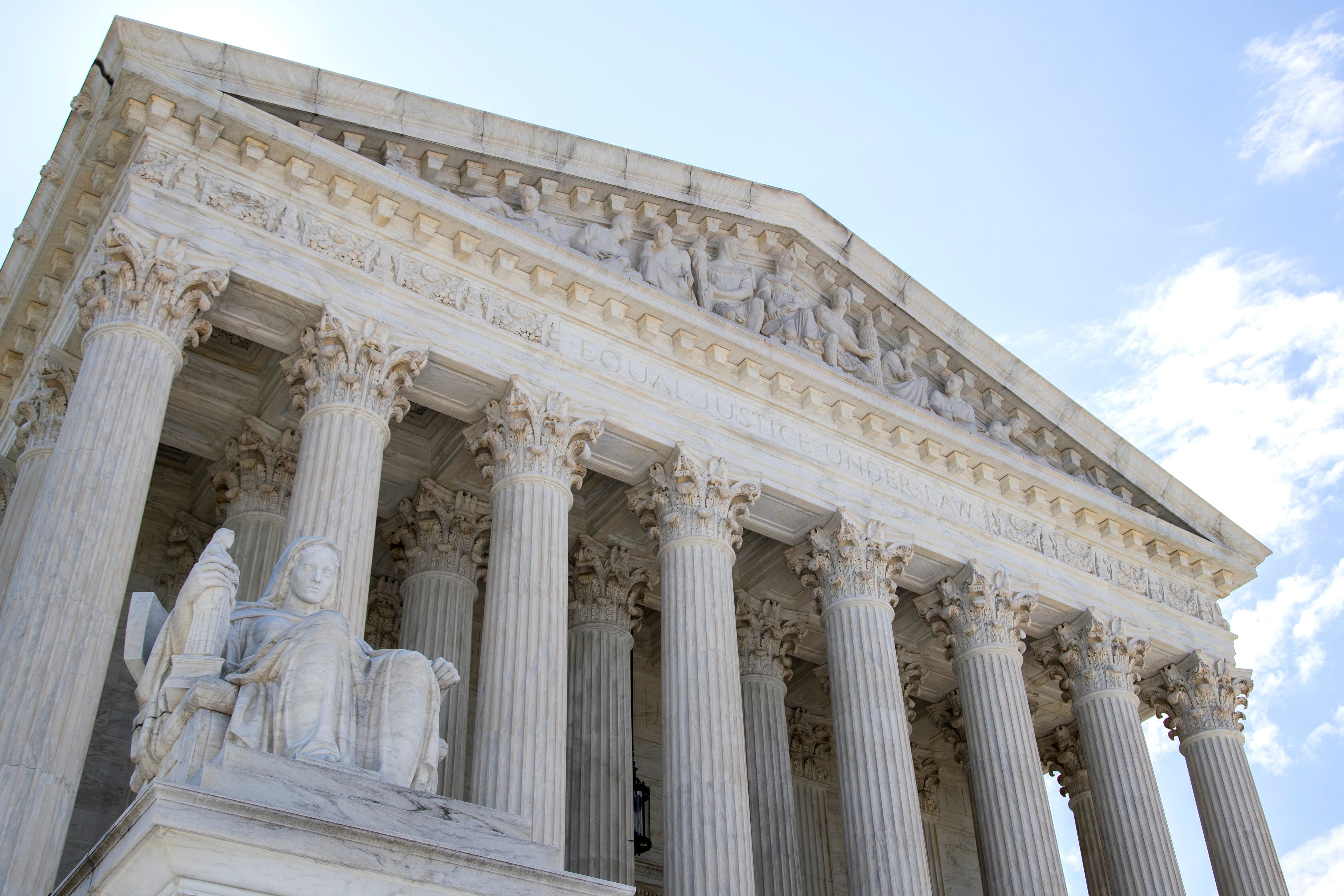
The Supreme Court on Monday upheld a 1991 law that bars robocalls to cellphones.
The case, argued by telephone in May because of the coronavirus pandemic, only arose after Congress in 2015 created an exception in the law that allowed the automated calls for collection of government debt.
Political consultants and pollsters were among those who asked the Supreme Court to strike down the entire 1991 law that bars them from making robocalls to cellphones as a violation of their free speech rights under the Constitution. The issue was whether, by allowing one kind of speech but not others, the exception made the whole law unconstitutional.
Six justices agreed that by allowing debt collection calls to cellphones Congress "impermissibly favored debt-collection speech over political and other speech, in violation of the First Amendment," Justice Brett Kavanaugh wrote. And seven justices agreed that the 2015 exception should be stricken from the law.
"Americans passionately disagree about many things. But they are largely united in their disdain for robocalls," Kavanaugh noted at the outset of his opinion.
During arguments in the case in May, Justice Stephen Breyer got cut off when someone tried calling him. Breyer said after he rejoined the court's arguments: "The telephone started to ring, and it cut me off the call and I don't think it was a robocall."
Sen. Tammy Duckworth discusses her support for President Biden's infrastructure plan and how it would potentially help improve the economy.
President Biden has named a racially diverse and overwhelmingly female group to federal and other judgeships. His first list of judicial nominees includes three Black women for U.S. courts of appeals.
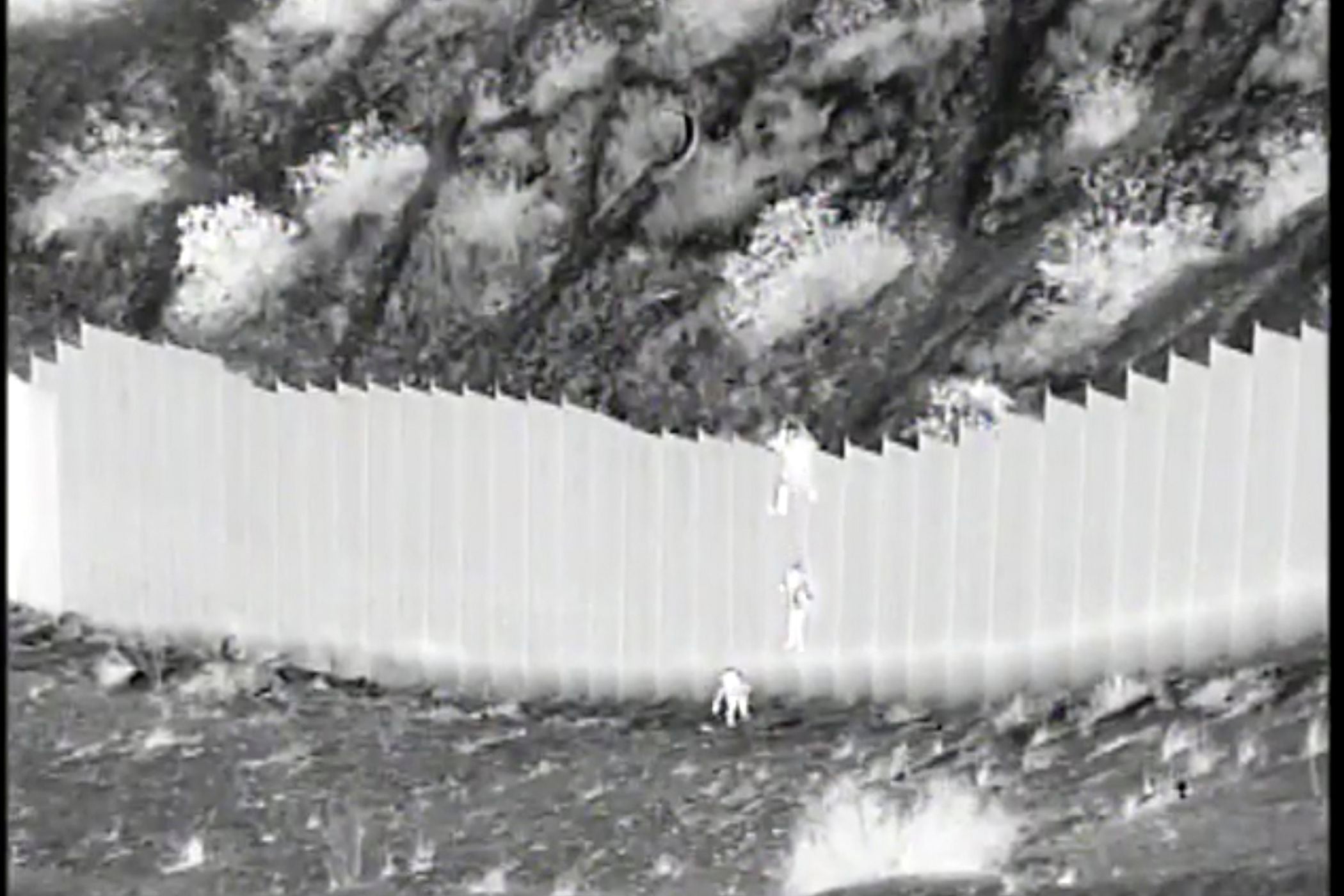
Authorities say two Ecuadoran children were abandoned by smugglers after being dropped over a 14-foot-high barrier along the U.S.-Mexico border Tuesday evening.
The still-elevated number of unemployment claims shows that many employers are still cutting jobs even as more businesses reopen, vaccines are increasingly administered and federal aid spreads through the economy.
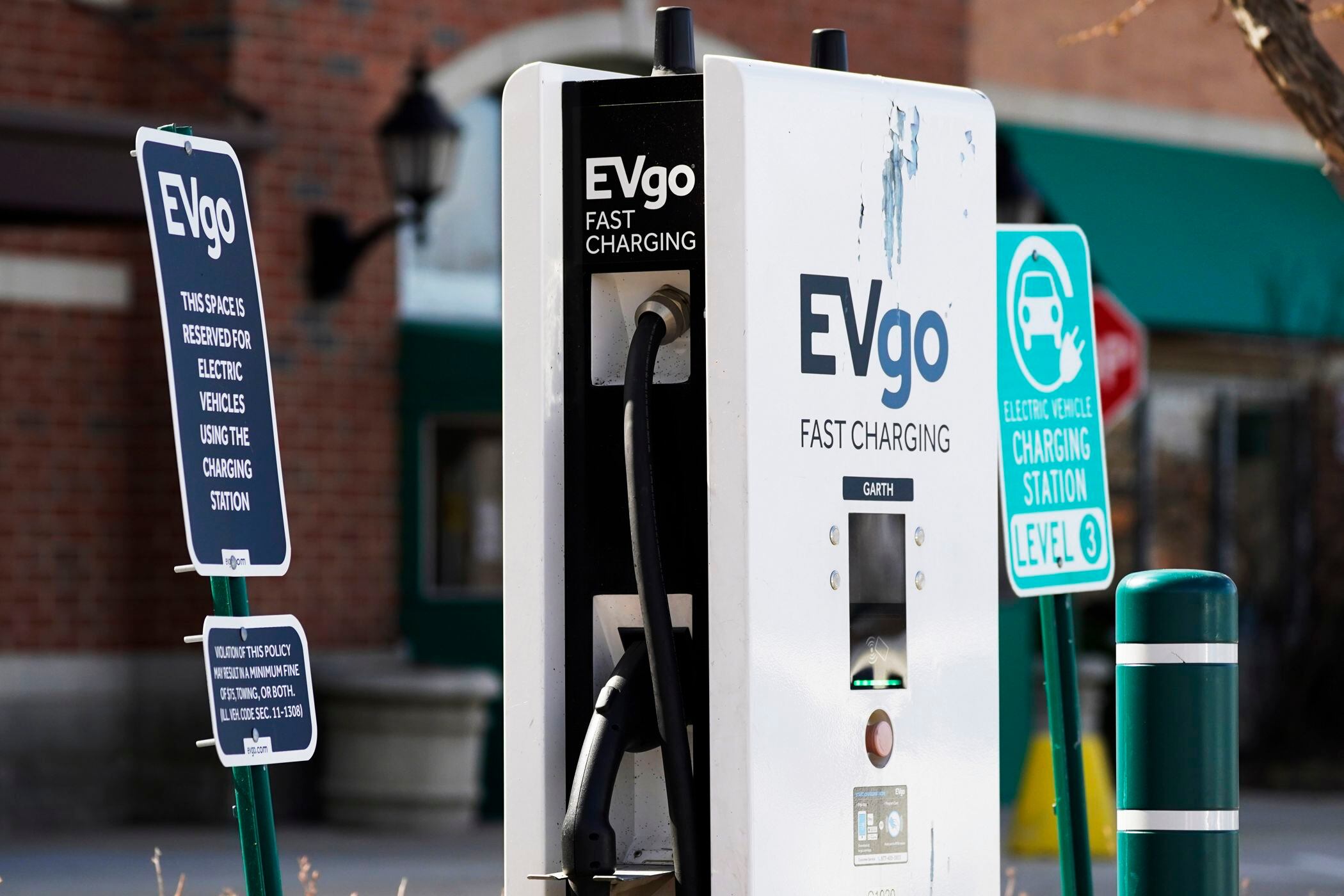
With President Biden unveiling a $2.9 trillion infrastructure plan, the old gas tax formula may not be able to serve as a matching revenue source, especially with the consistent drumbeat of growing the electric vehicle market.
The Minneapolis officer who put his knee on George Floyd's neck defended himself to a bystander afterward by saying Floyd was “a sizable guy” and “probably on something."
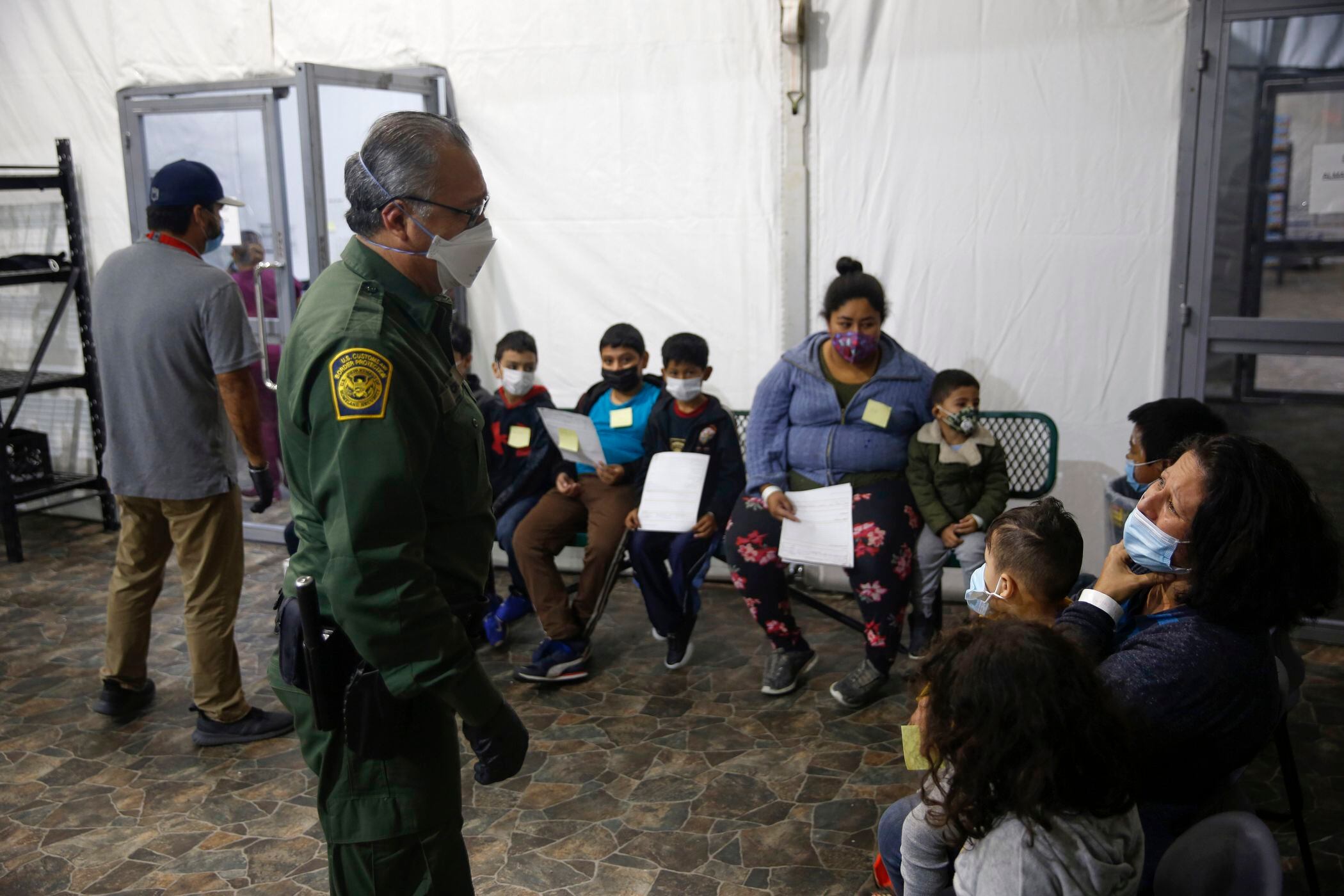
The Biden administration for the first time has allowed journalists inside its main border detention facility for migrant children.
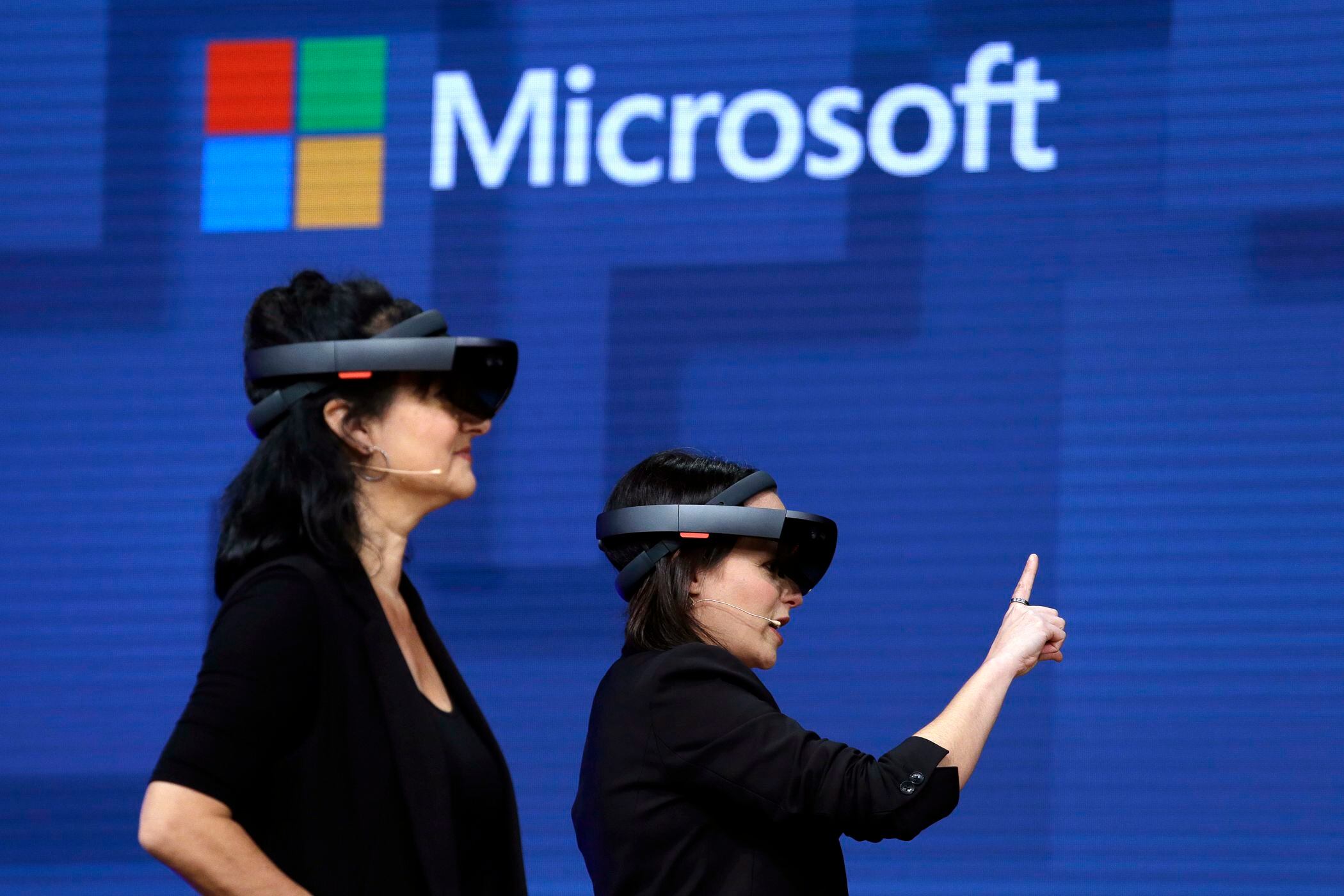
Microsoft won a nearly $22 billion contract to supply U.S. Army combat troops with its virtual reality headsets.
President Joe Biden wants $2.3 trillion to reengineer America’s infrastructure and expects the nation’s corporations to pay for it.
Andrew Williamson, vice president of global government affairs and economic adviser for Huawei, spoke to Cheddar about the Chinese telecom company's lack of communication with President Biden regarding ongoing trade tensions with the U.S.