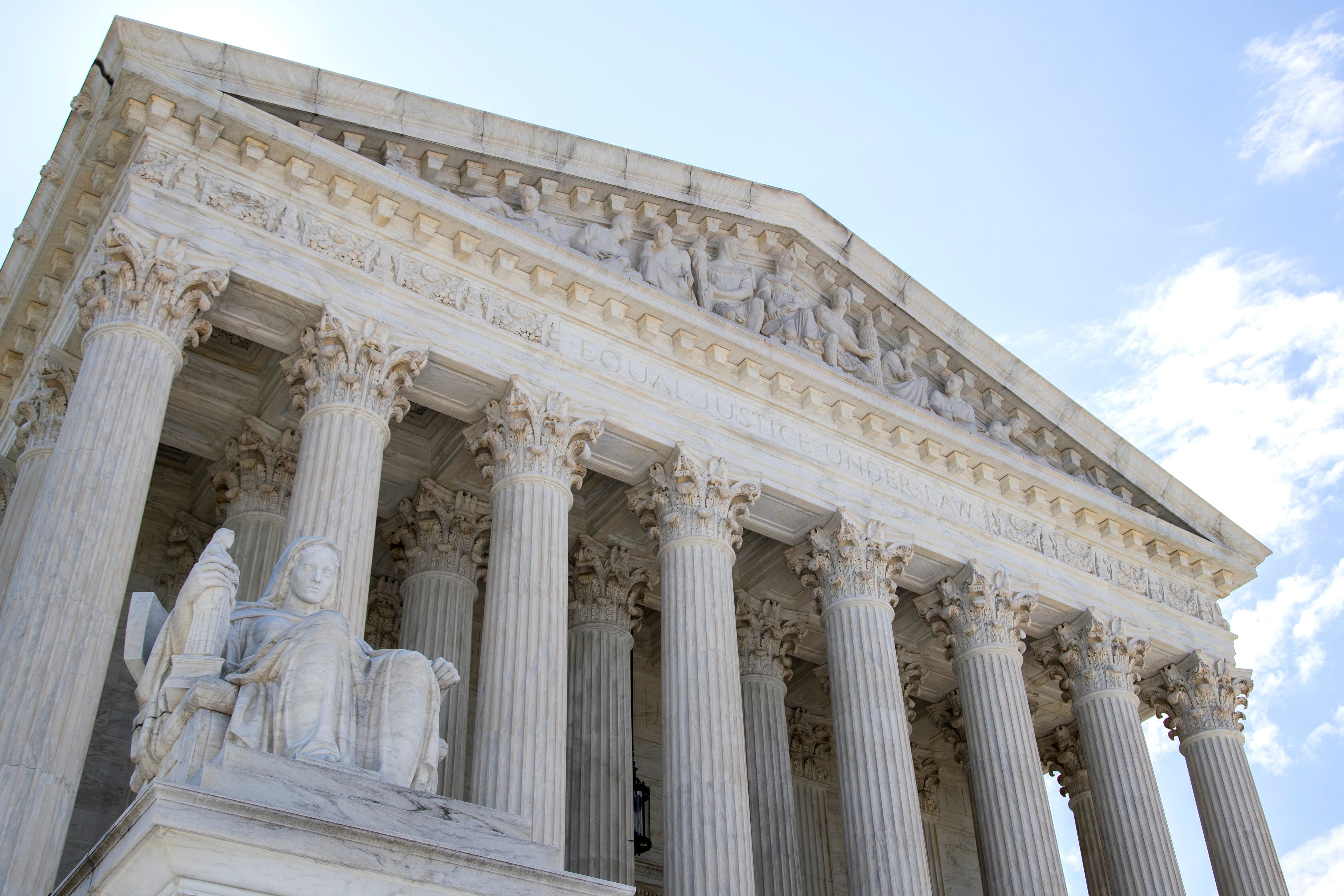
The Supreme Court on Monday upheld a 1991 law that bars robocalls to cellphones.
The case, argued by telephone in May because of the coronavirus pandemic, only arose after Congress in 2015 created an exception in the law that allowed the automated calls for collection of government debt.
Political consultants and pollsters were among those who asked the Supreme Court to strike down the entire 1991 law that bars them from making robocalls to cellphones as a violation of their free speech rights under the Constitution. The issue was whether, by allowing one kind of speech but not others, the exception made the whole law unconstitutional.
Six justices agreed that by allowing debt collection calls to cellphones Congress "impermissibly favored debt-collection speech over political and other speech, in violation of the First Amendment," Justice Brett Kavanaugh wrote. And seven justices agreed that the 2015 exception should be stricken from the law.
"Americans passionately disagree about many things. But they are largely united in their disdain for robocalls," Kavanaugh noted at the outset of his opinion.
During arguments in the case in May, Justice Stephen Breyer got cut off when someone tried calling him. Breyer said after he rejoined the court's arguments: "The telephone started to ring, and it cut me off the call and I don't think it was a robocall."
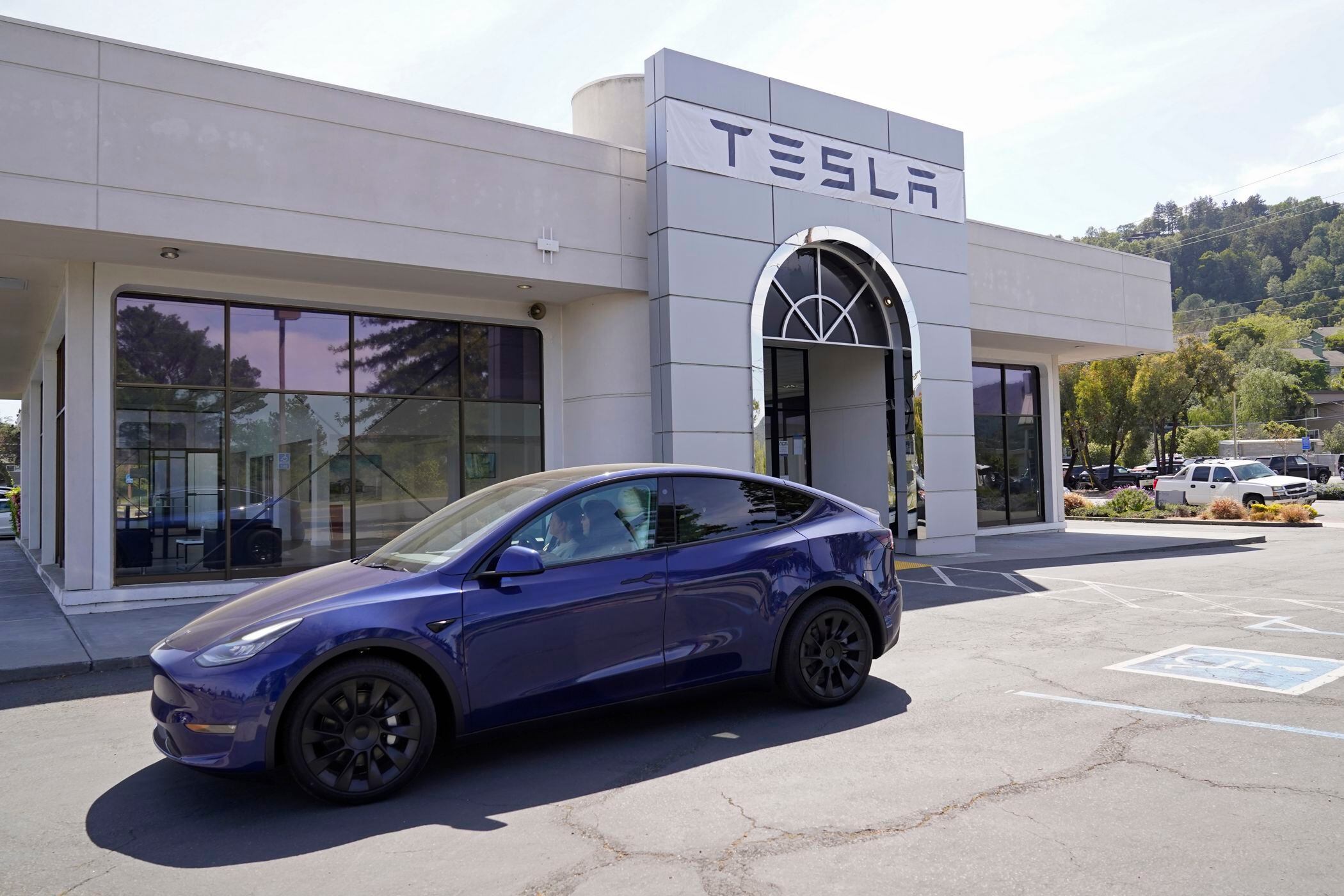
A fiery crash near Houston with no one behind the wheel of a Tesla is drawing scrutiny from federal agencies that could bring new regulation of electronic systems that take on some driving tasks.
Despite a measurable impact that the COVID-19 pandemic made on carbon emissions throughout 2020, researchers are warning that to hold back climate change, nations need to keep pushing for reductions.
Apple said it has an agreement to reinstate Parler, the social network popular with supporters of former President Donald Trump it kicked off its app store in January over ties to the deadly siege on the U.S. Capitol.
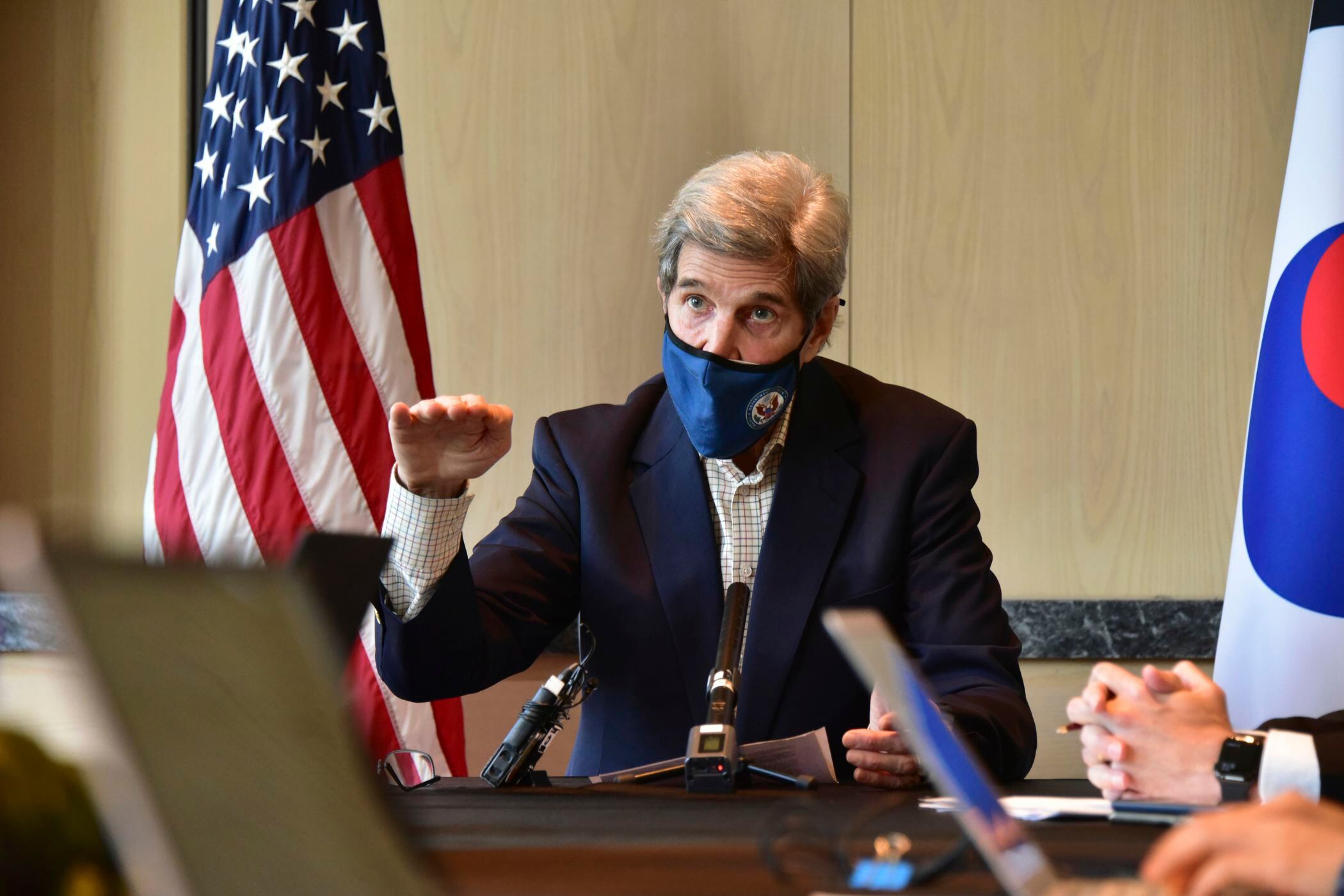
The United States and China, the world’s two biggest carbon polluters, have agreed to cooperate to curb climate change with urgency.
Ezra Kucharz, chief business officer at DraftKings, talked to Cheddar about the online sportsbook's deal with the NFL and the future of legal sports gambling in the U.S.
From Wall Street to Silicon Valley, these are the top stories that moved markets and had investors, business leaders, and entrepreneurs talking this week on Cheddar.
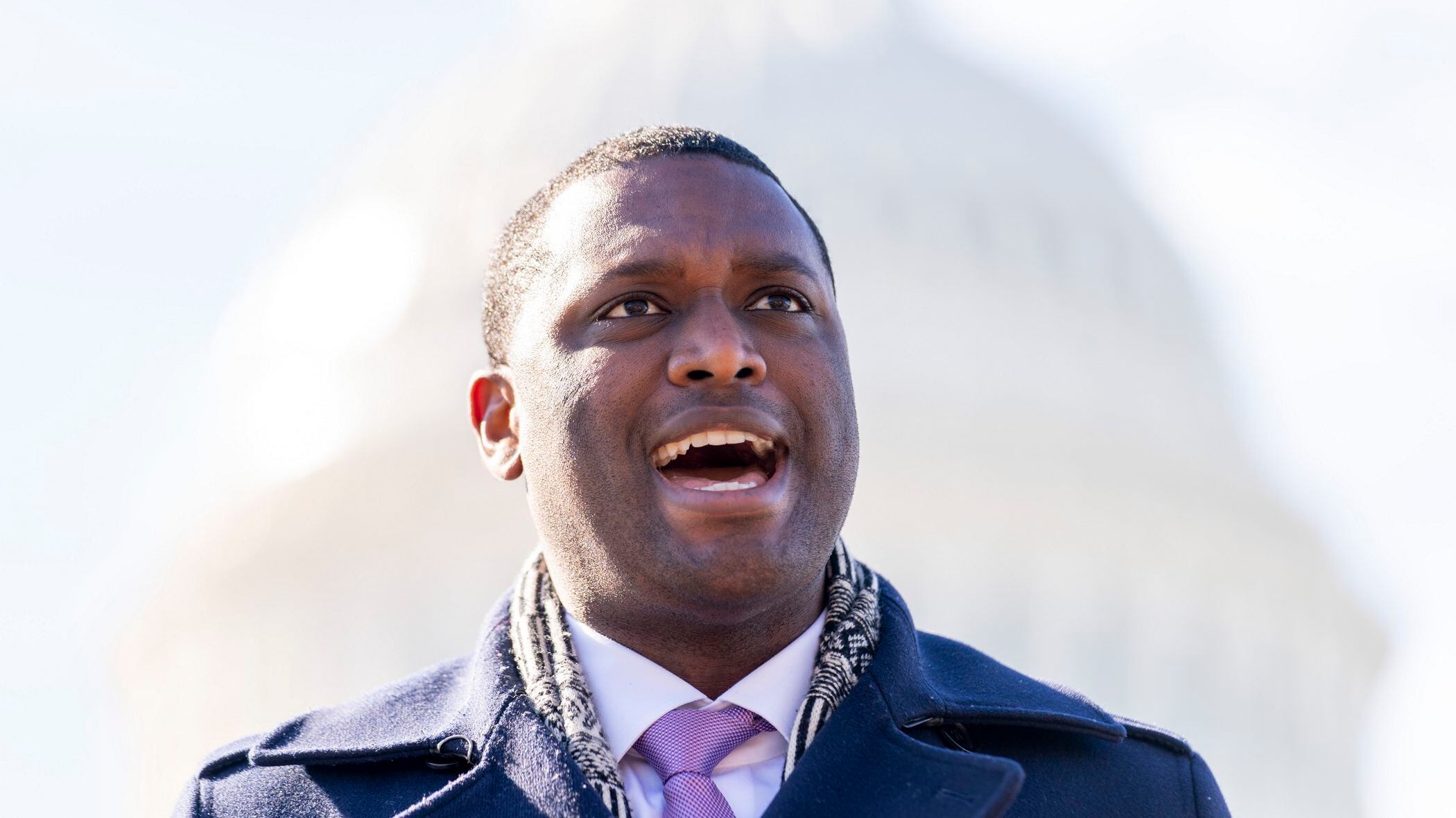
Rep. Mondaire Jones (D-N.Y. 17th District) is the first member of Congress to call on 82-year-old Justice Stephen Breyer, who was appointed by President Bill Clinton, to retire.
Nine lives notwithstanding, killing a cat in a hit-and-run soon could become illegal in New Hampshire.
Cheddar takes a closer look at the controversy surrounding COVID-19 "vaccine passports."
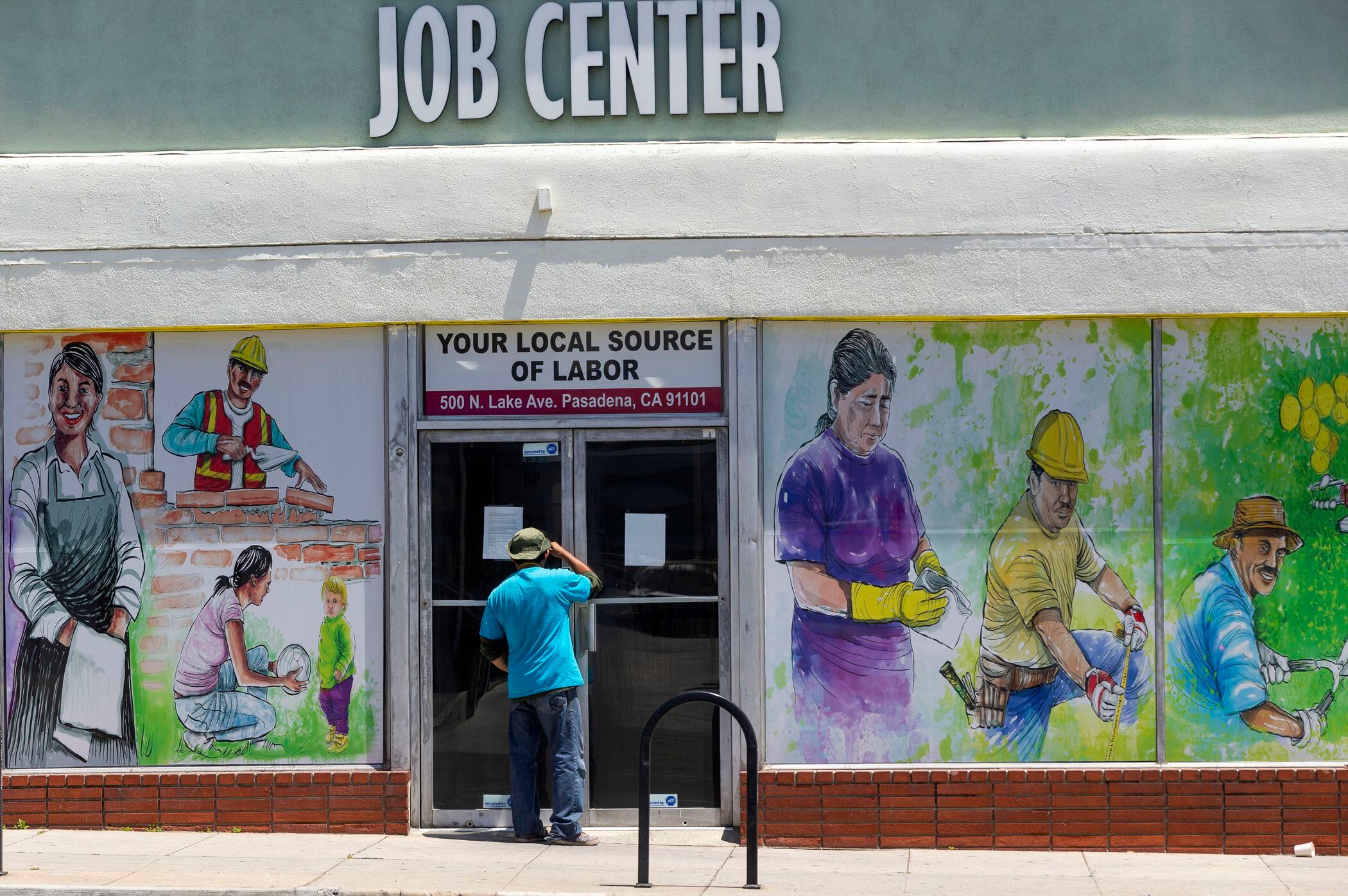
The number of Americans applying for unemployment benefits fell sharply last week to 576,000, a hopeful sign that layoffs are easing as the economy recovers from the pandemic recession.