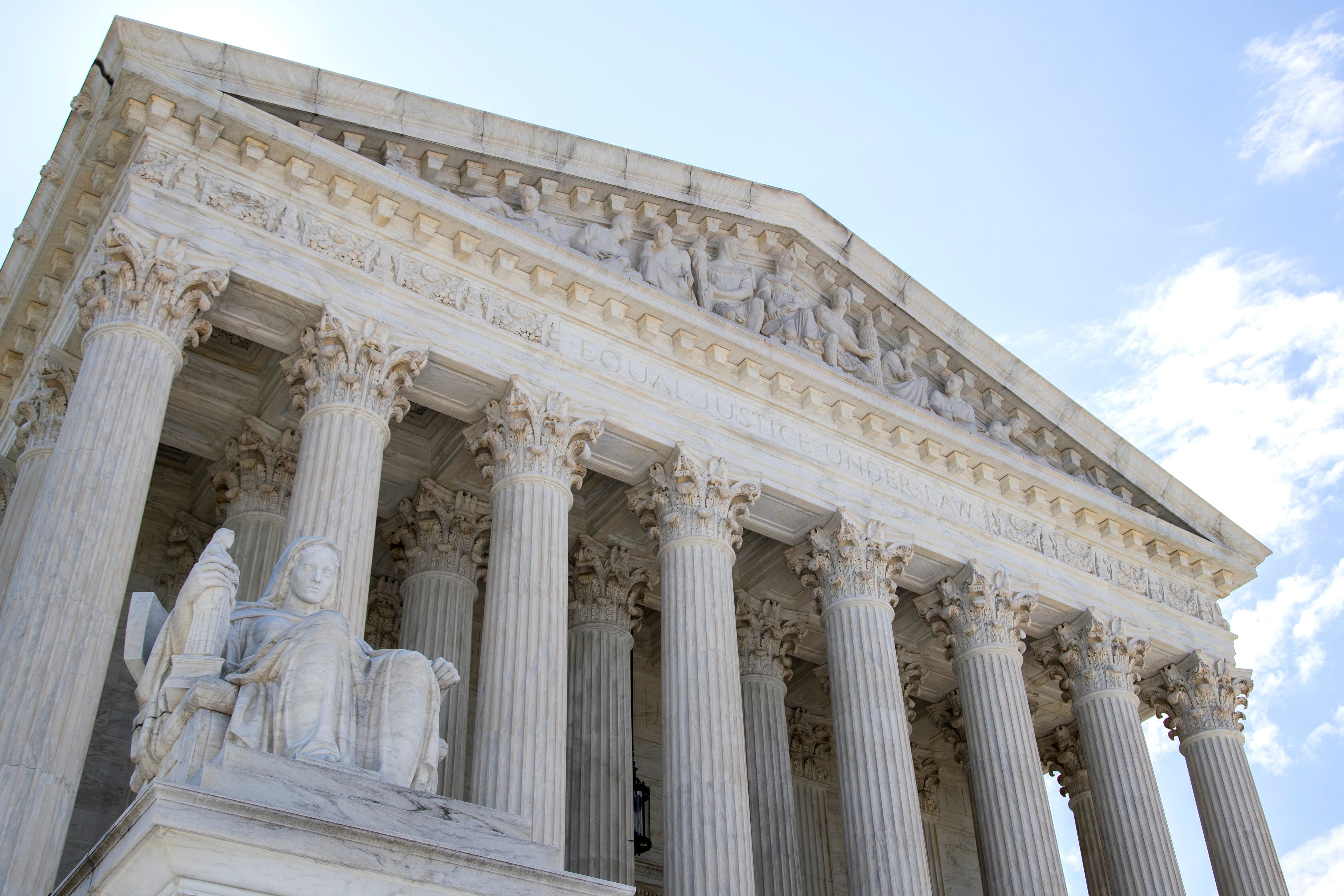
The Supreme Court on Monday upheld a 1991 law that bars robocalls to cellphones.
The case, argued by telephone in May because of the coronavirus pandemic, only arose after Congress in 2015 created an exception in the law that allowed the automated calls for collection of government debt.
Political consultants and pollsters were among those who asked the Supreme Court to strike down the entire 1991 law that bars them from making robocalls to cellphones as a violation of their free speech rights under the Constitution. The issue was whether, by allowing one kind of speech but not others, the exception made the whole law unconstitutional.
Six justices agreed that by allowing debt collection calls to cellphones Congress "impermissibly favored debt-collection speech over political and other speech, in violation of the First Amendment," Justice Brett Kavanaugh wrote. And seven justices agreed that the 2015 exception should be stricken from the law.
"Americans passionately disagree about many things. But they are largely united in their disdain for robocalls," Kavanaugh noted at the outset of his opinion.
During arguments in the case in May, Justice Stephen Breyer got cut off when someone tried calling him. Breyer said after he rejoined the court's arguments: "The telephone started to ring, and it cut me off the call and I don't think it was a robocall."
MindMed CEO J.R. Rahn spoke to Cheddar about the psychedelic mental health therapy company taking the big step forward going public on the Nasdaq exchange.
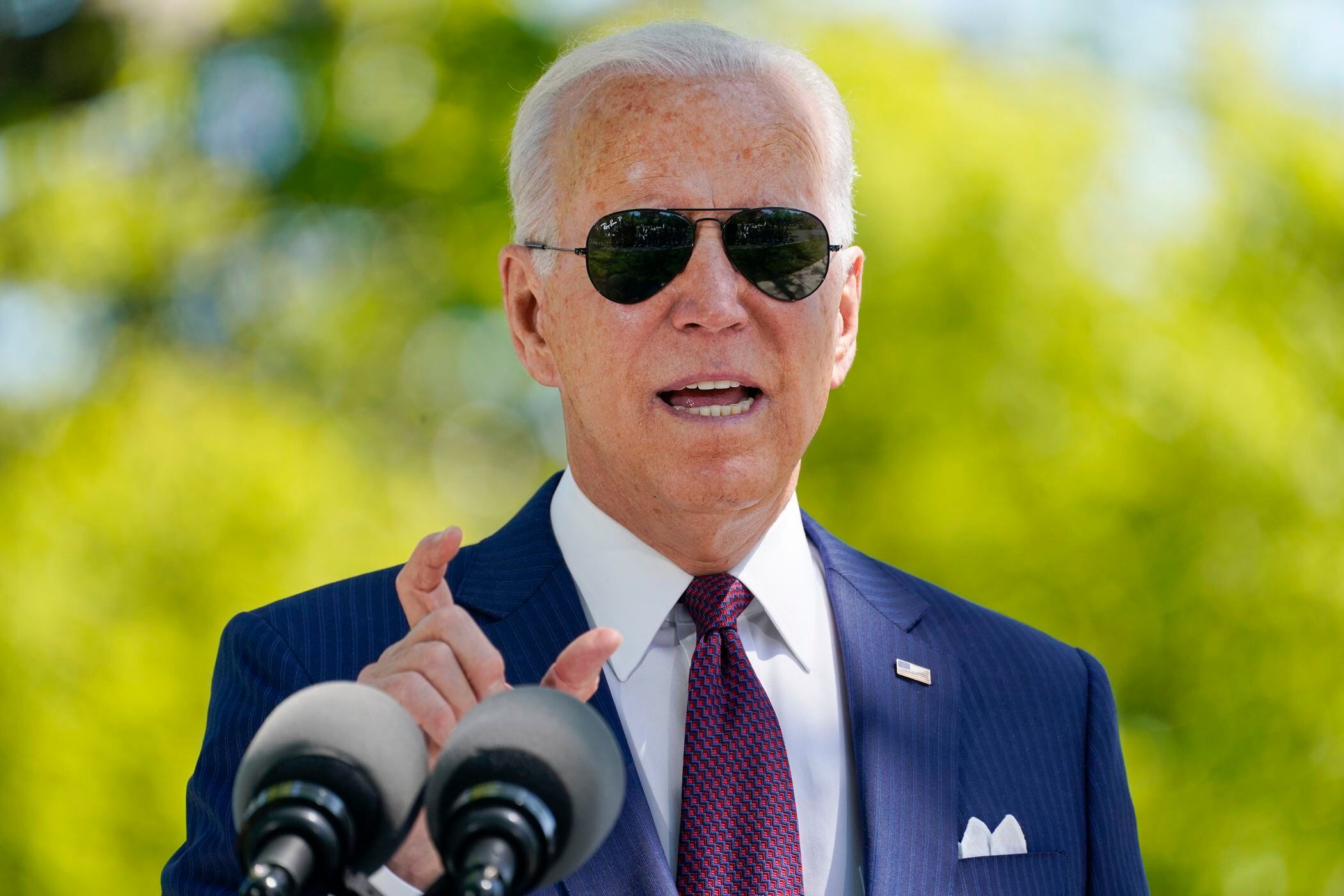
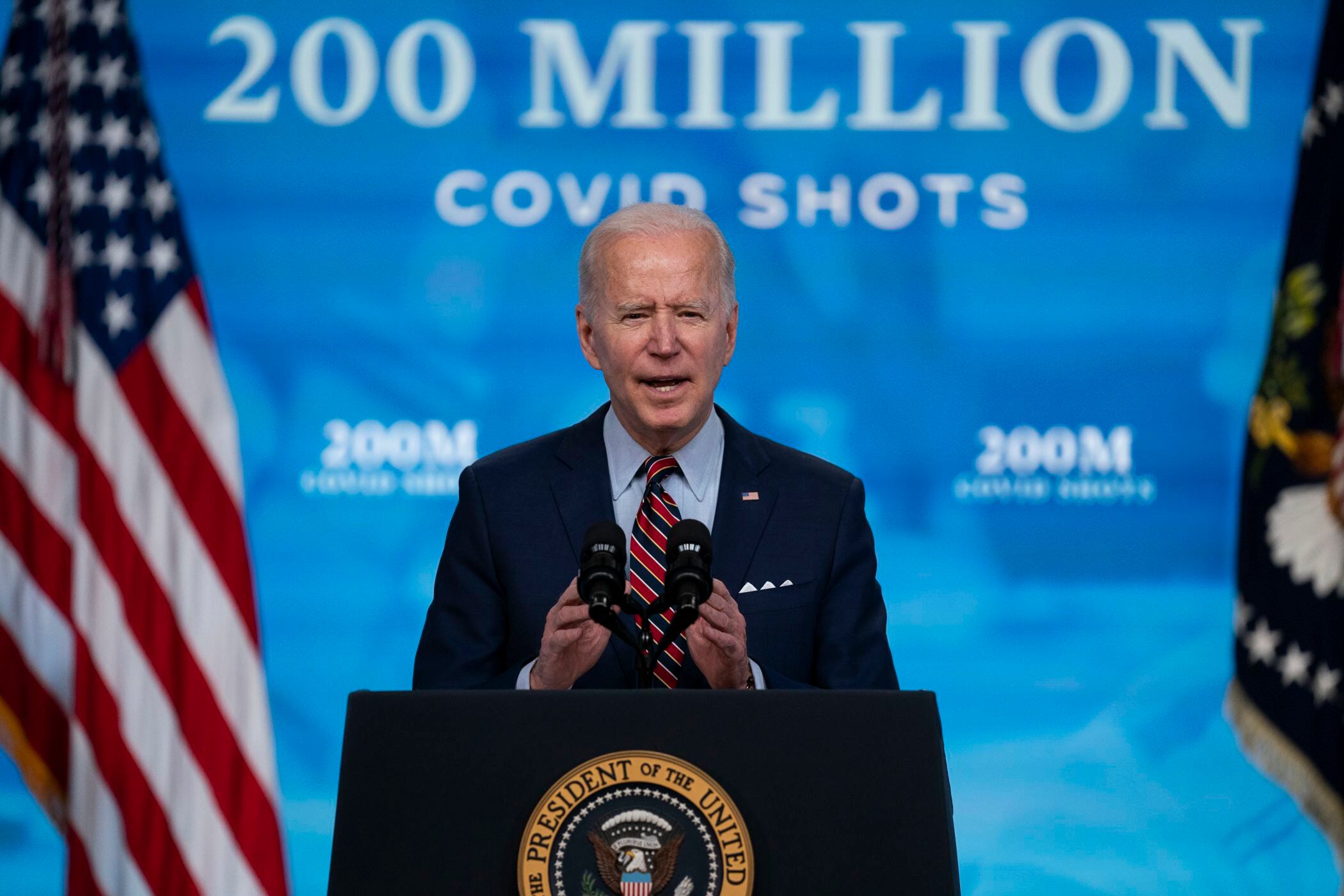
President Joe Biden spent his first 100 days in office encouraging Americans to mask up and stay home to slow the spread of COVID-19.
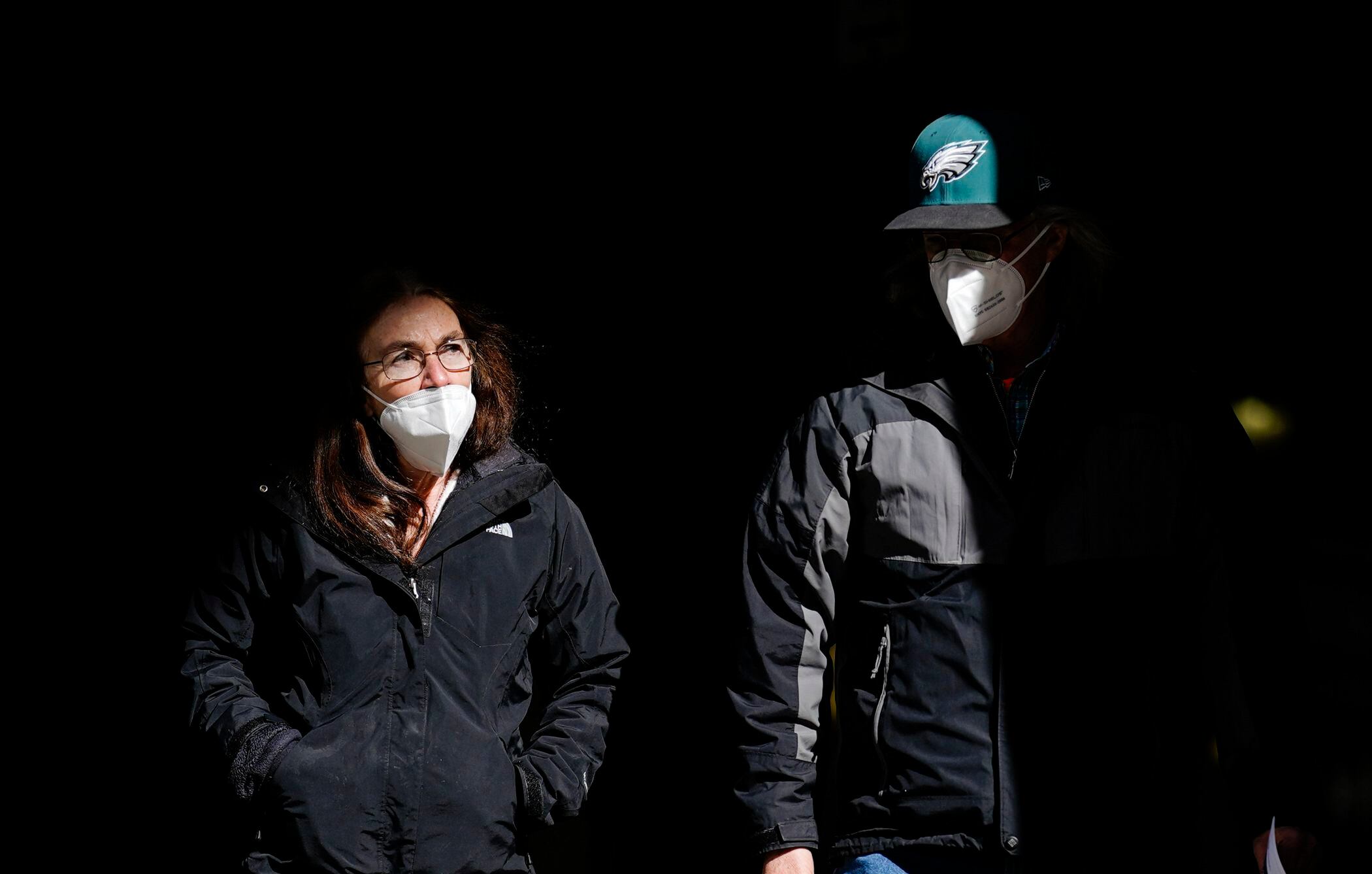
U.S. health officials say fully vaccinated Americans don't need to wear masks outdoors anymore unless they are in a big crowd of strangers.
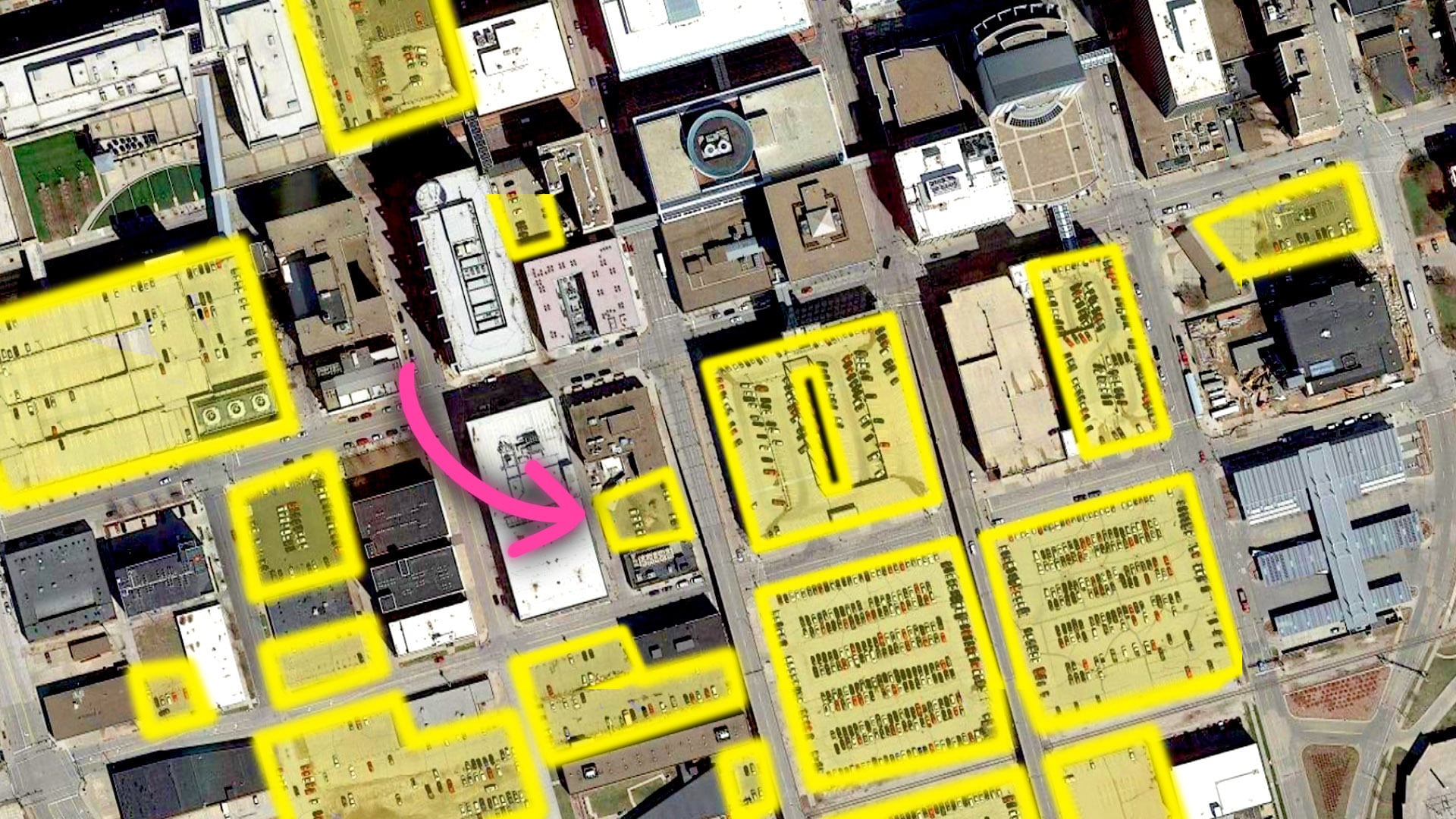
Car culture in the U.S. spurred a parking boom since the early 1900s. As a result, cities are chock full of parking lots and garages. Cheddar explains why this happened and the often unseen damage it's doing to our urban centers.
Jill and Carlo talk about optimism on the pandemic and economy, a big demographic shift that will have implications for the midterms, Apple rolling out its new privacy tool, and the Oscars ratings.
The first numbers from the 2020 census are out and they show Republican-controlled Southern and Western states gaining congressional seats.
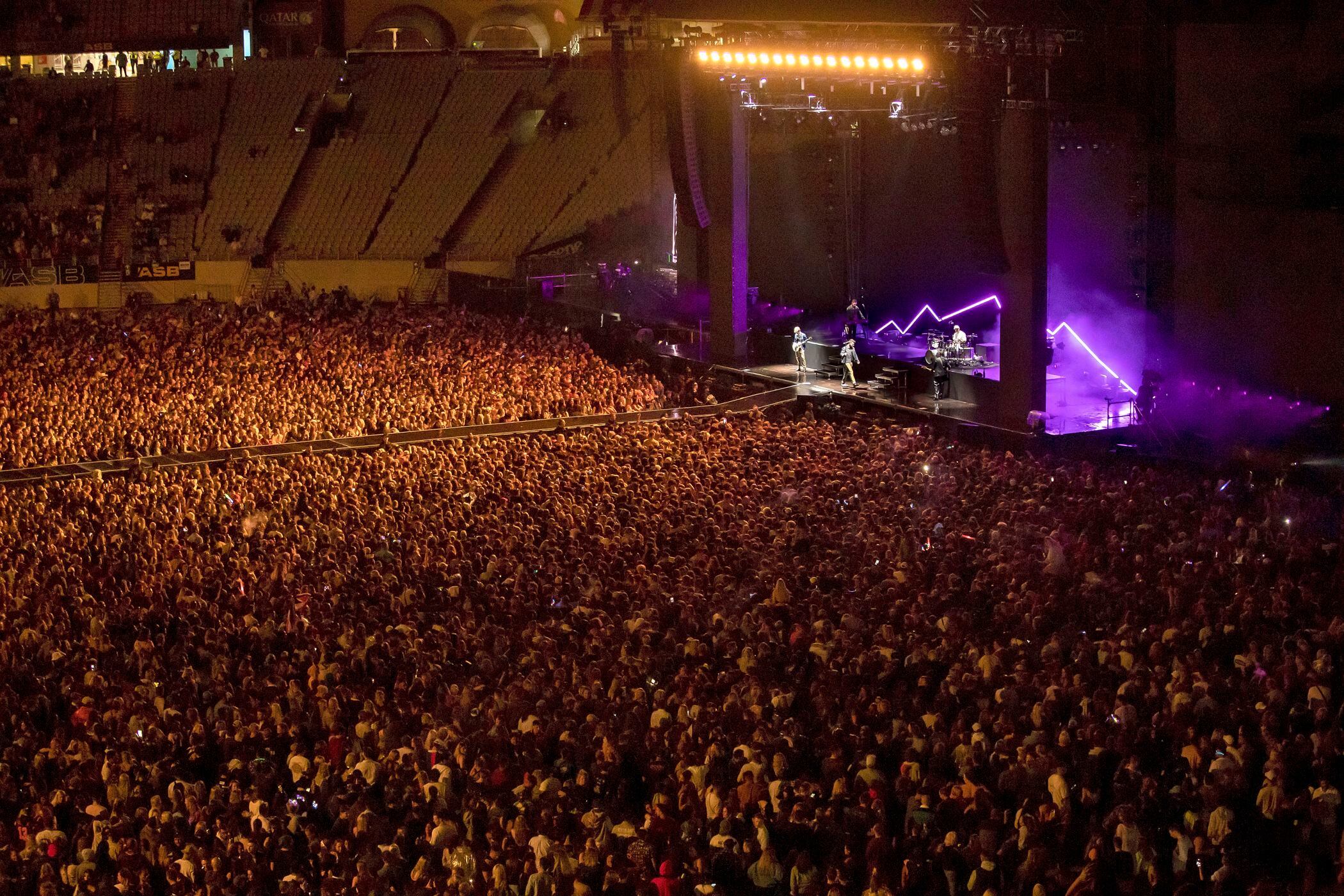
While much of the world remains hunkered down, the band Six60 has been playing to huge crowds in New Zealand, where social distancing isn’t required after the nation stamped out the coronavirus.
The White House says the U.S. will begin sharing its entire stock of AstraZeneca COVID-19 vaccines with the world once it clears federal safety reviews.
Even before COVID, Modern Monetary Theory (MMT) was coming into vogue among left-leaning economists and policy-makers. But what is it? And what are the arguments for and against it?
Officials say the European Union is finalizing plans to allow tourists from the United States to travel to the 27-nation bloc this summer.