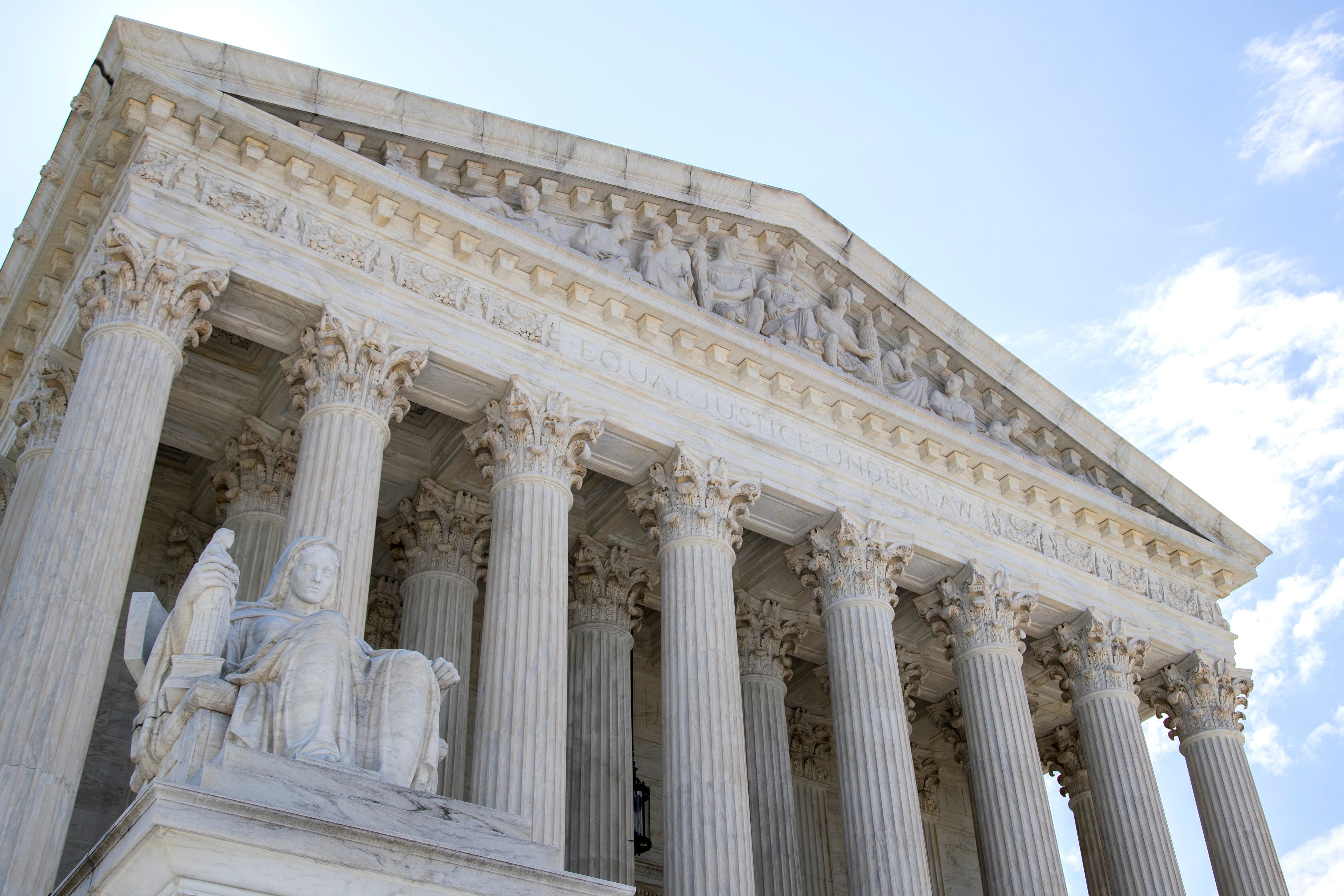
The Supreme Court on Monday upheld a 1991 law that bars robocalls to cellphones.
The case, argued by telephone in May because of the coronavirus pandemic, only arose after Congress in 2015 created an exception in the law that allowed the automated calls for collection of government debt.
Political consultants and pollsters were among those who asked the Supreme Court to strike down the entire 1991 law that bars them from making robocalls to cellphones as a violation of their free speech rights under the Constitution. The issue was whether, by allowing one kind of speech but not others, the exception made the whole law unconstitutional.
Six justices agreed that by allowing debt collection calls to cellphones Congress "impermissibly favored debt-collection speech over political and other speech, in violation of the First Amendment," Justice Brett Kavanaugh wrote. And seven justices agreed that the 2015 exception should be stricken from the law.
"Americans passionately disagree about many things. But they are largely united in their disdain for robocalls," Kavanaugh noted at the outset of his opinion.
During arguments in the case in May, Justice Stephen Breyer got cut off when someone tried calling him. Breyer said after he rejoined the court's arguments: "The telephone started to ring, and it cut me off the call and I don't think it was a robocall."
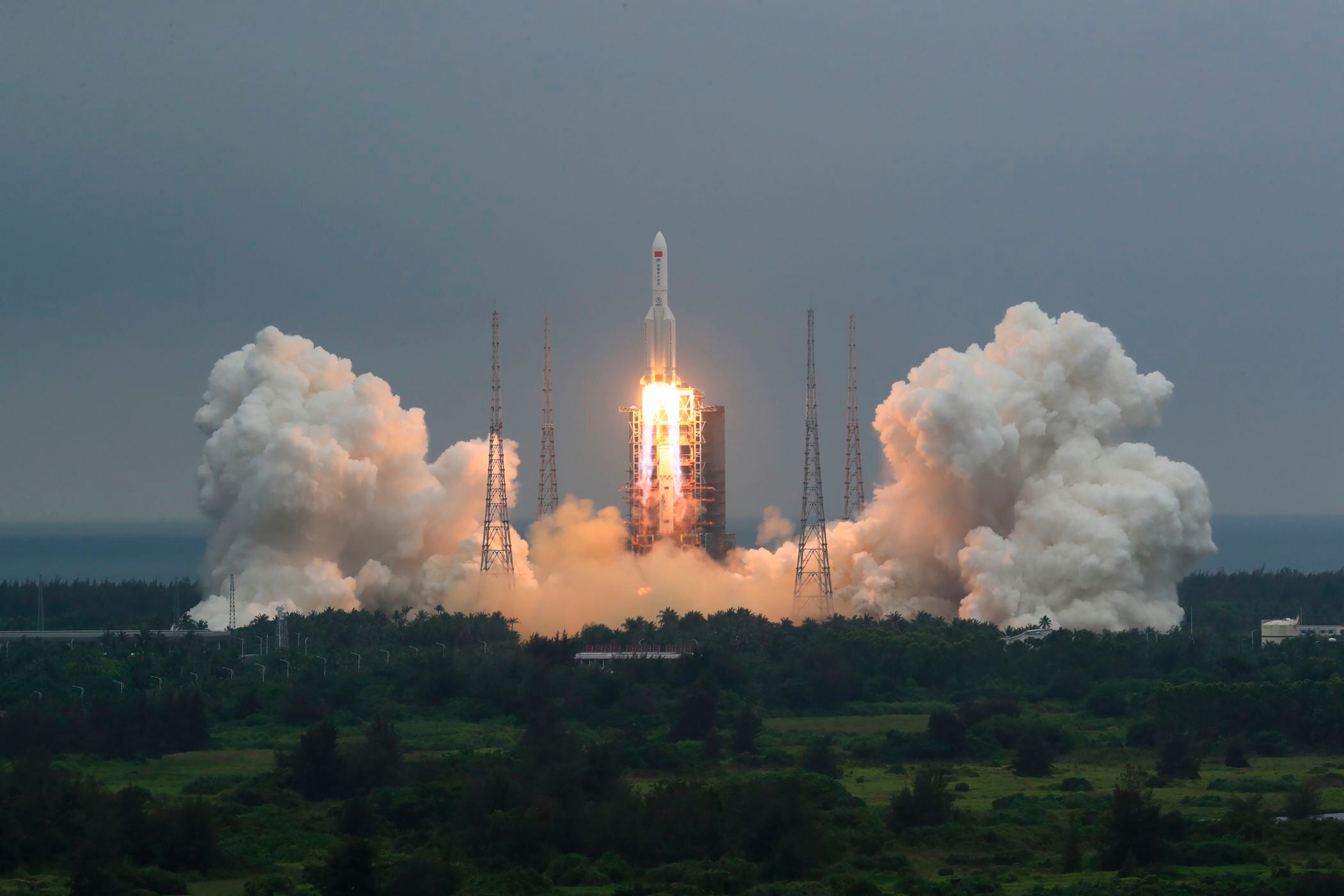
China has launched the main module of its first permanent space station that will host astronauts long term.
This time the Food and Drug Administration is under pressure from African American groups to remove the mint flavor, which is popular among Black smokers.
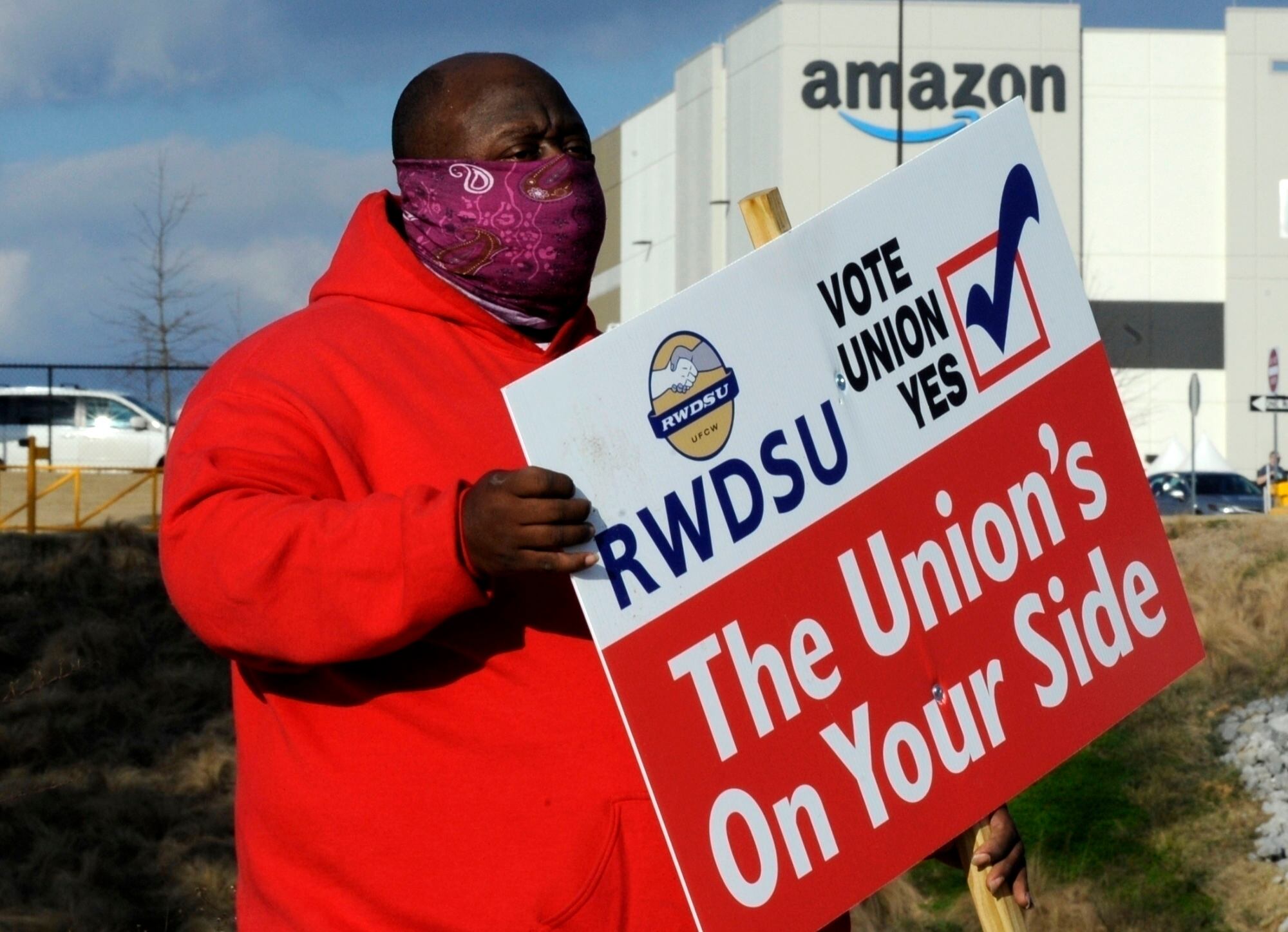
Fresh off a high-profile loss against Amazon in Bessemer, Alabama, the union movement in America is more fired up than it's been in a generation.
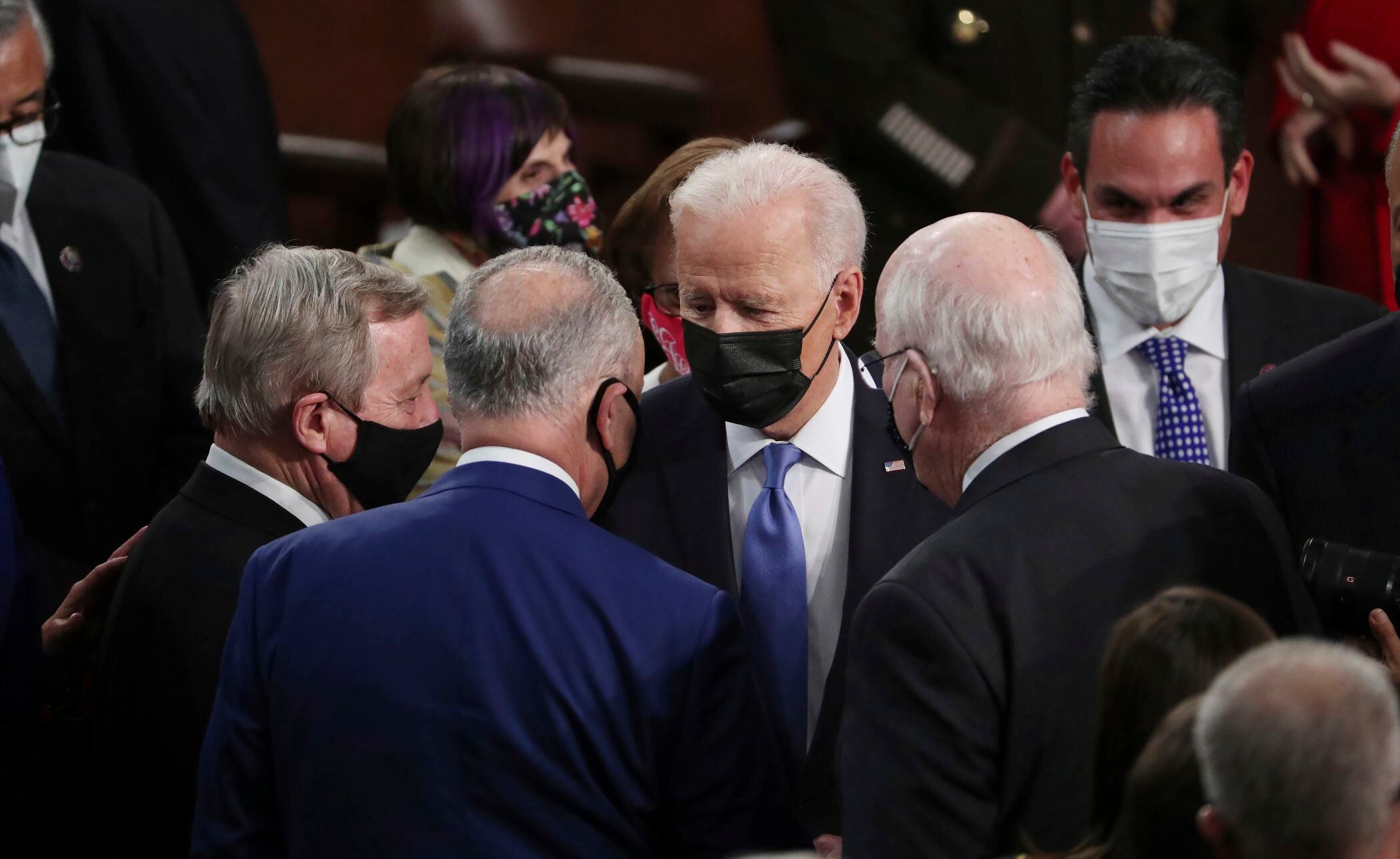
The headlines from President Biden's first speech to Congress, plus why he's got reason to be sounding optimistic about the state of the pandemic. And would you let a Walmart worker stock your fridge?
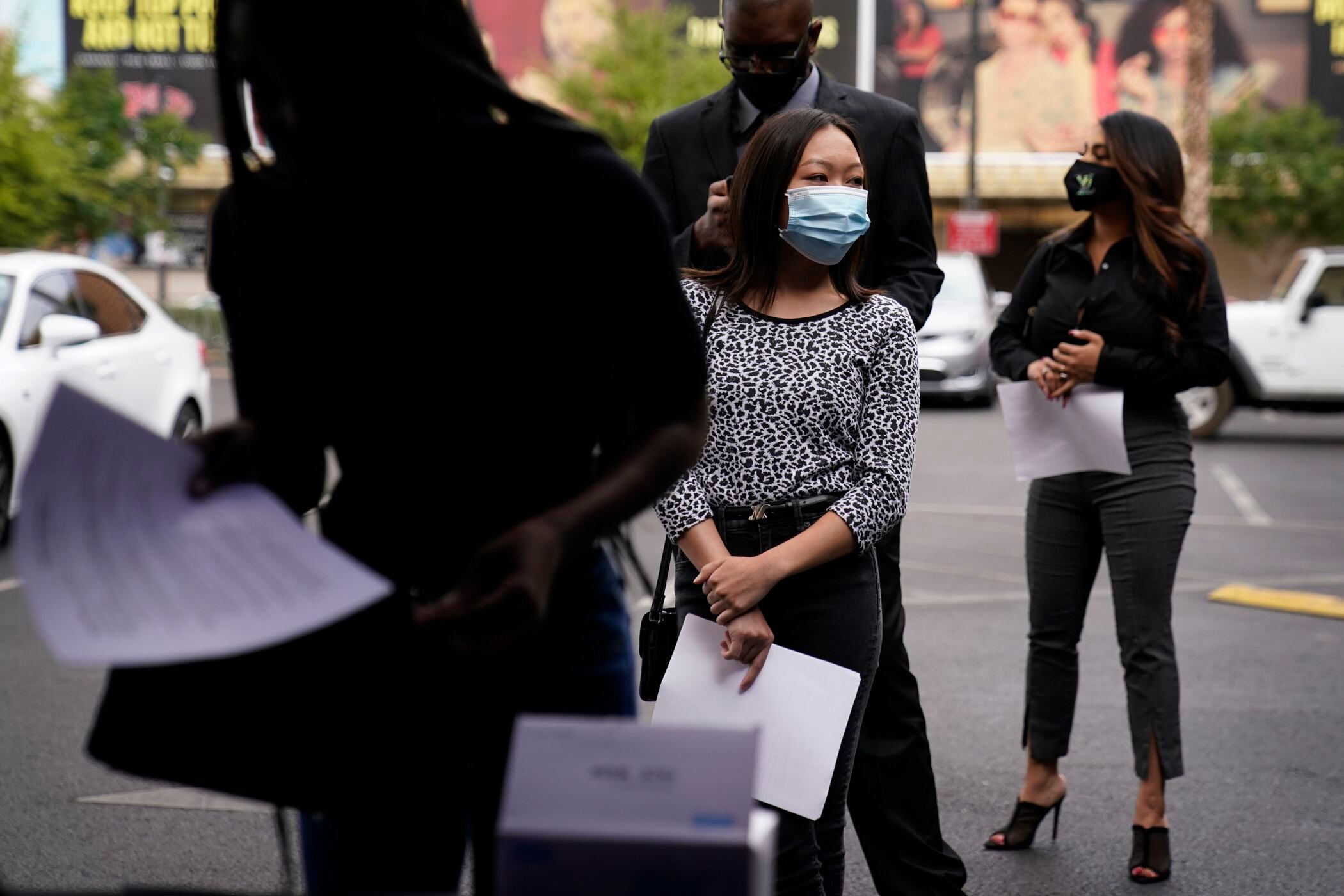
The number of Americans applying for unemployment benefits dropped by 13,000 last week to 553,000, the lowest level since the pandemic hit last March and another sign the economy is recovering from the coronavirus recession.
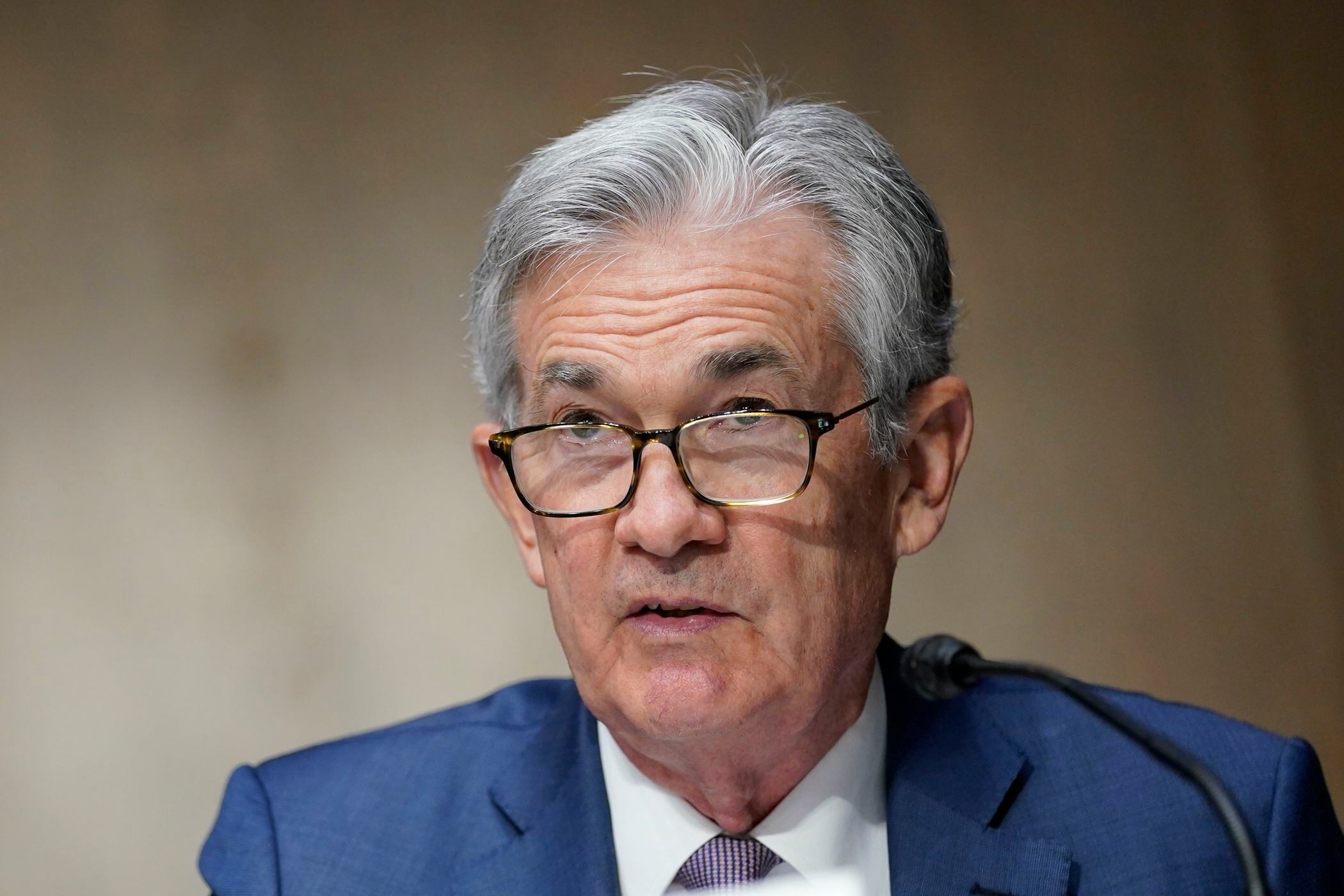
Federal Reserve Chair Jerome Powell stuck to his guns on Wednesday following a two-day policy meeting of the Federal Open Market Committee.
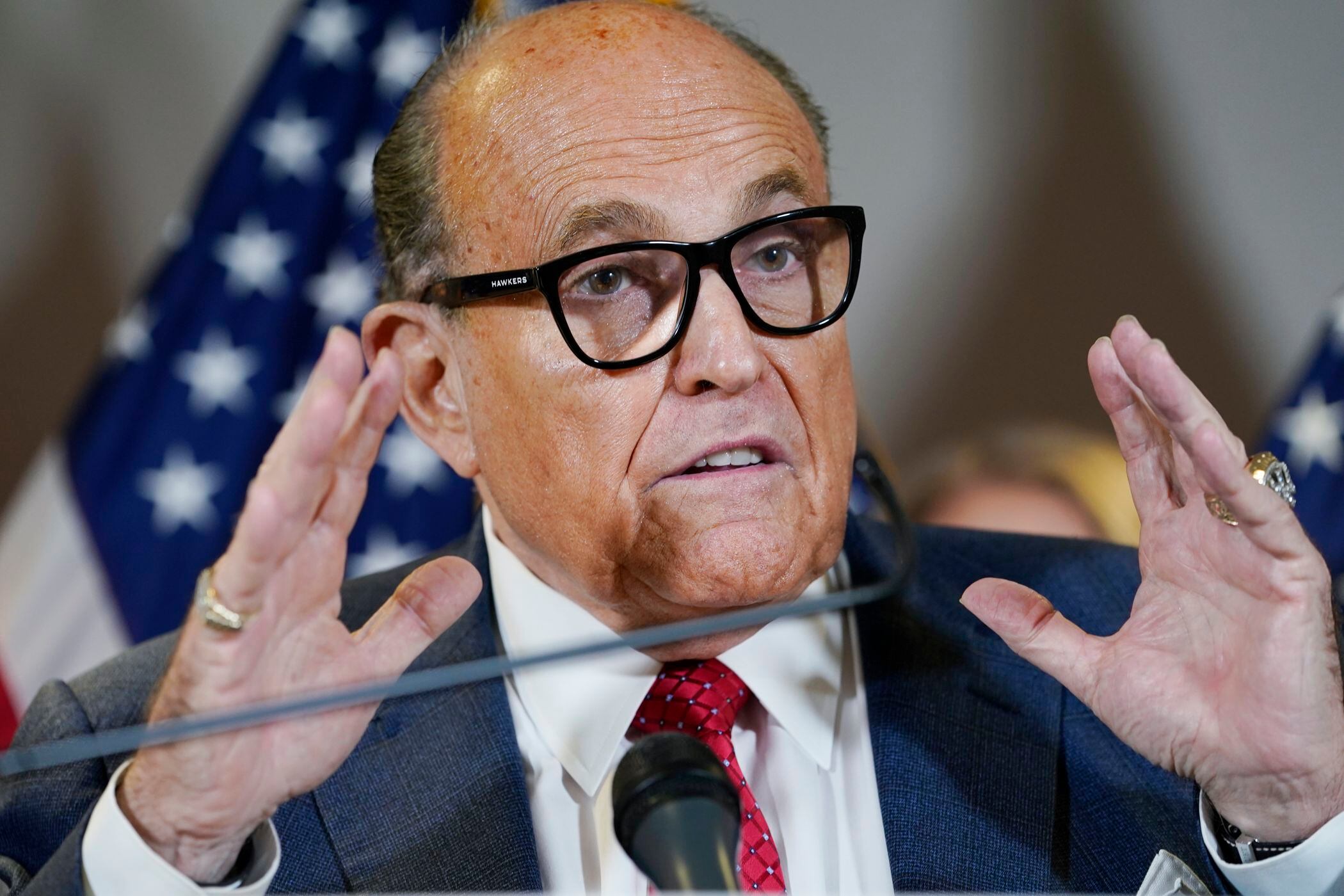
Former President Donald Trump is defending Rudy Giuliani, his longtime personal lawyer, after federal investigators executed search warrants at Rudy Giuliani’s Manhattan residence and office.
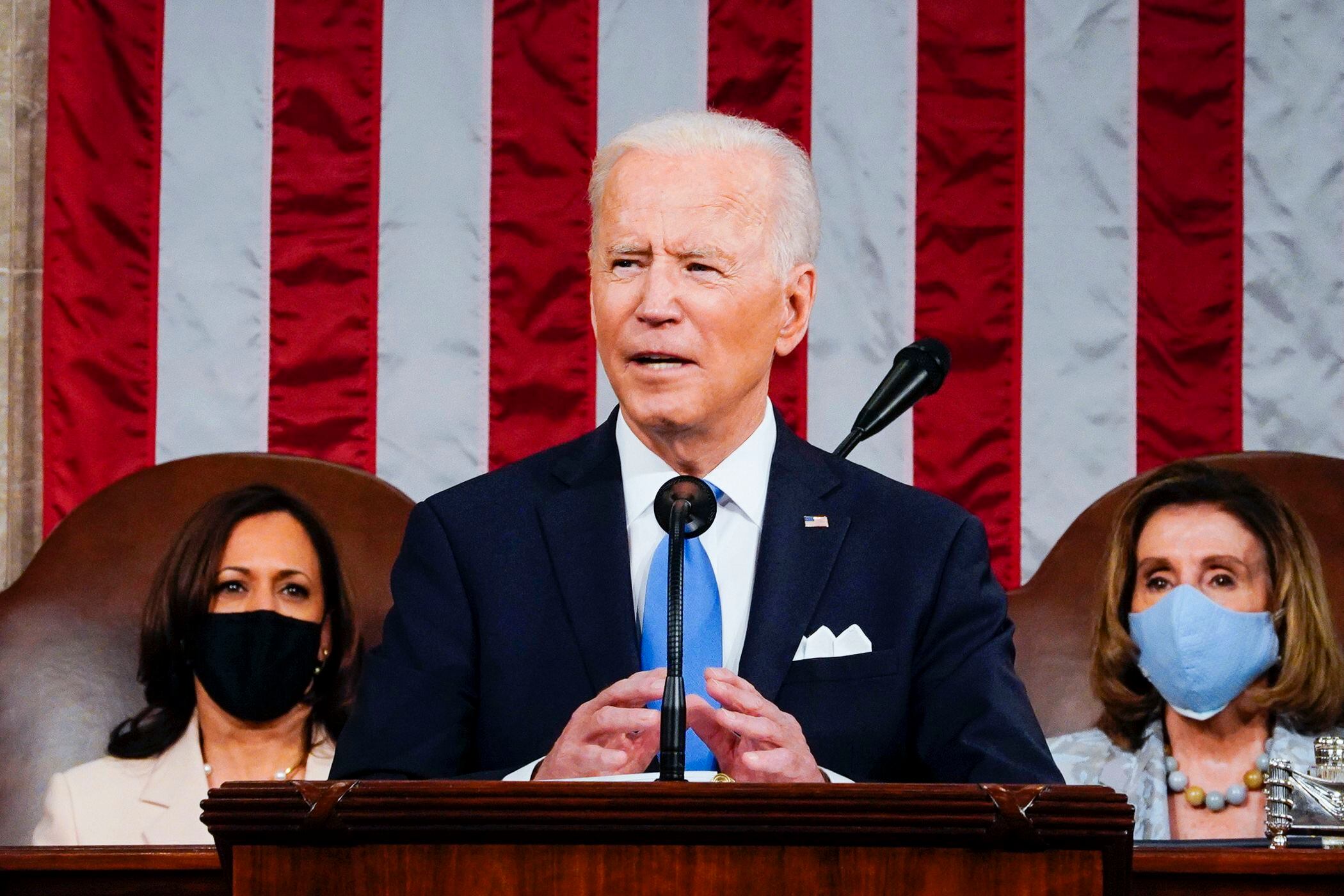
President Joe Biden declares “America is rising anew” as he calls for an expansion of federal programs to drive the economy past the coronavirus pandemic and broadly extend the social safety net on a scale not seen in decades.
Jill and Carlo discuss the CDC's updated mask guidance, a deeper dive into the catastrophe in India, what POTUS will pitch to Congress, and the biggest public health breakthrough of the decade that you haven't heard about.
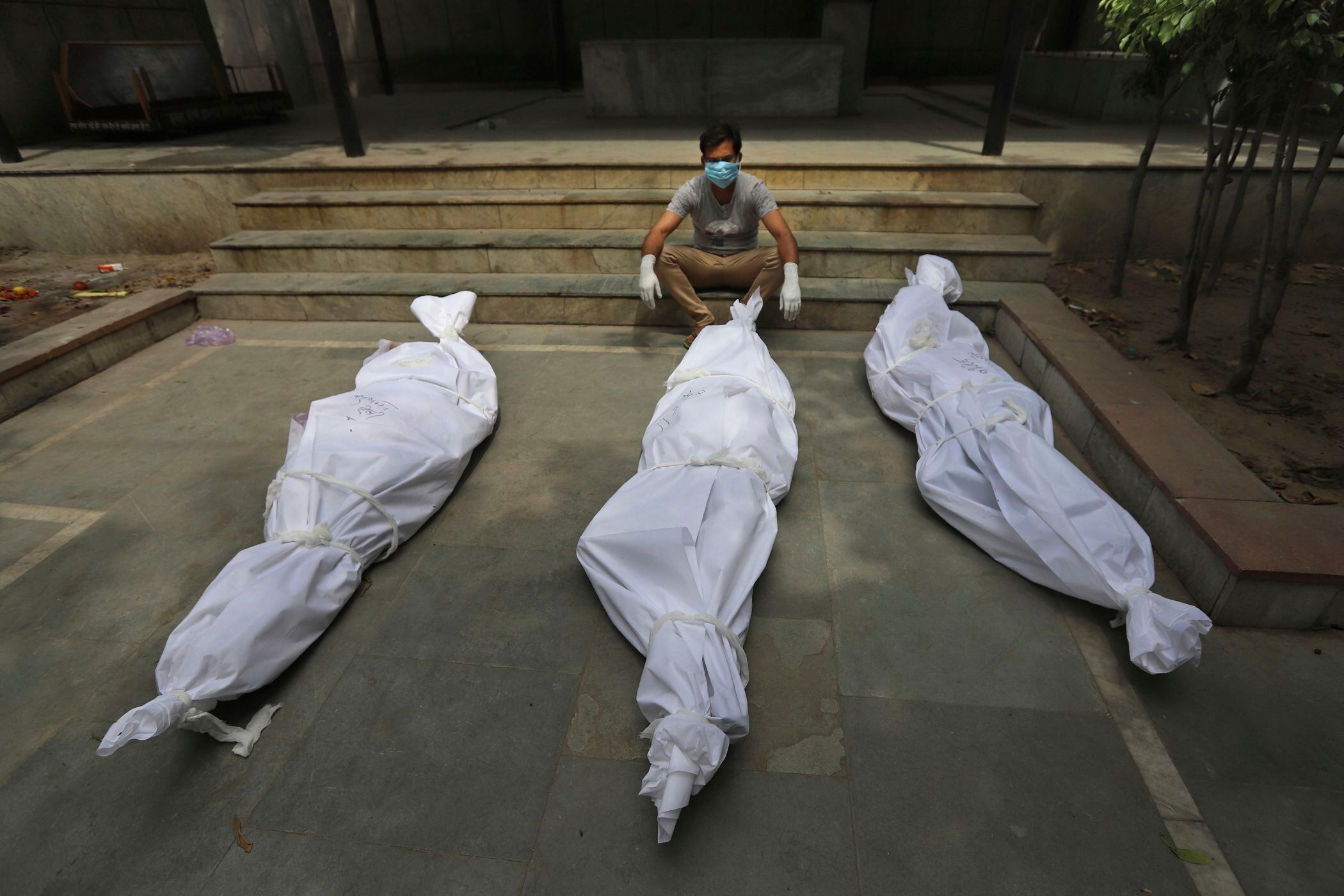
India’s official death toll has passed 200,000, but the true number is likely far higher.