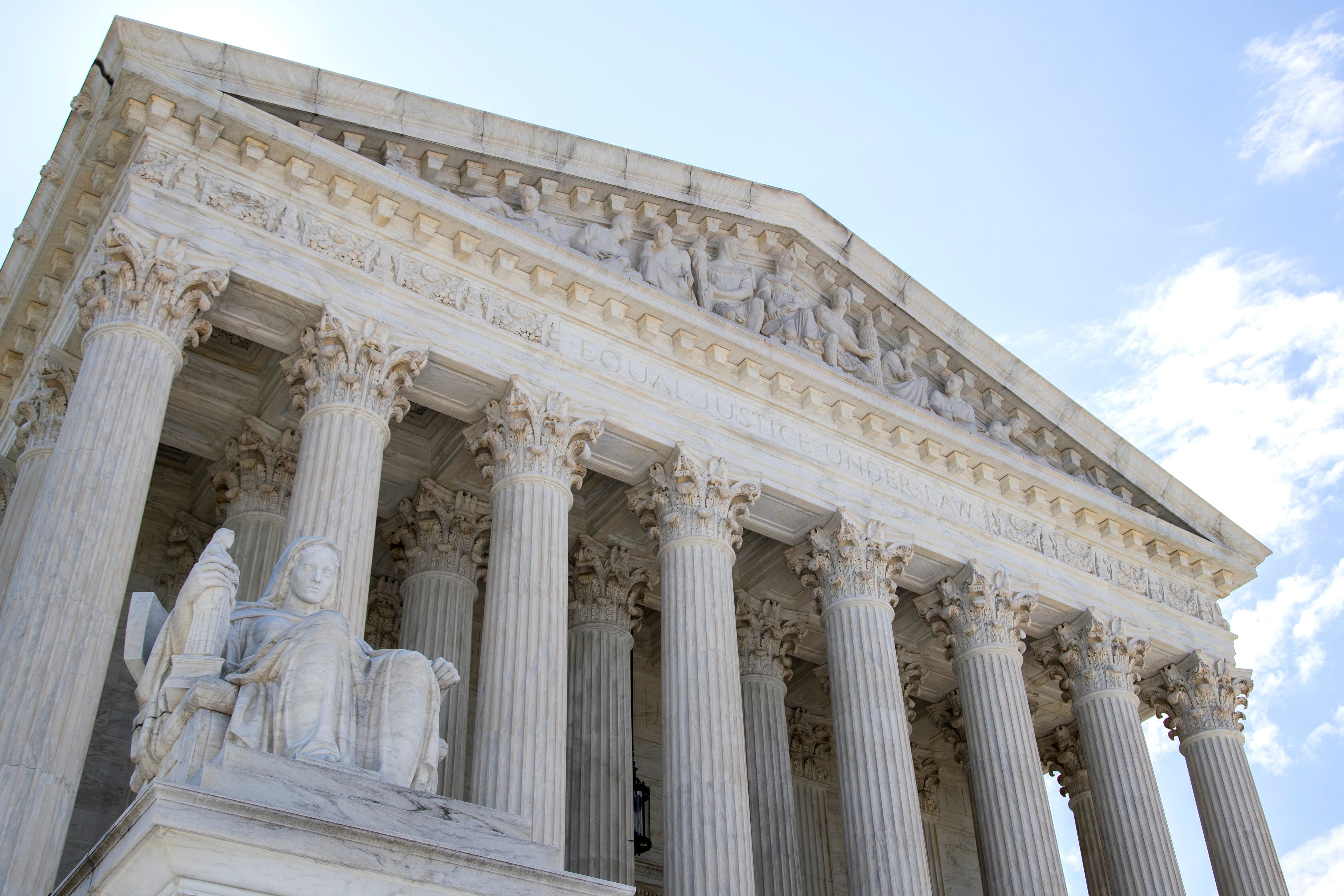
The Supreme Court on Monday upheld a 1991 law that bars robocalls to cellphones.
The case, argued by telephone in May because of the coronavirus pandemic, only arose after Congress in 2015 created an exception in the law that allowed the automated calls for collection of government debt.
Political consultants and pollsters were among those who asked the Supreme Court to strike down the entire 1991 law that bars them from making robocalls to cellphones as a violation of their free speech rights under the Constitution. The issue was whether, by allowing one kind of speech but not others, the exception made the whole law unconstitutional.
Six justices agreed that by allowing debt collection calls to cellphones Congress "impermissibly favored debt-collection speech over political and other speech, in violation of the First Amendment," Justice Brett Kavanaugh wrote. And seven justices agreed that the 2015 exception should be stricken from the law.
"Americans passionately disagree about many things. But they are largely united in their disdain for robocalls," Kavanaugh noted at the outset of his opinion.
During arguments in the case in May, Justice Stephen Breyer got cut off when someone tried calling him. Breyer said after he rejoined the court's arguments: "The telephone started to ring, and it cut me off the call and I don't think it was a robocall."
A worrisome bout of inflation struck the economy in April, with U.S. consumer prices surging 0.8%, the largest monthly jump in in more than a decade and the year-over-year increase reaching its fastest rate since 2008.
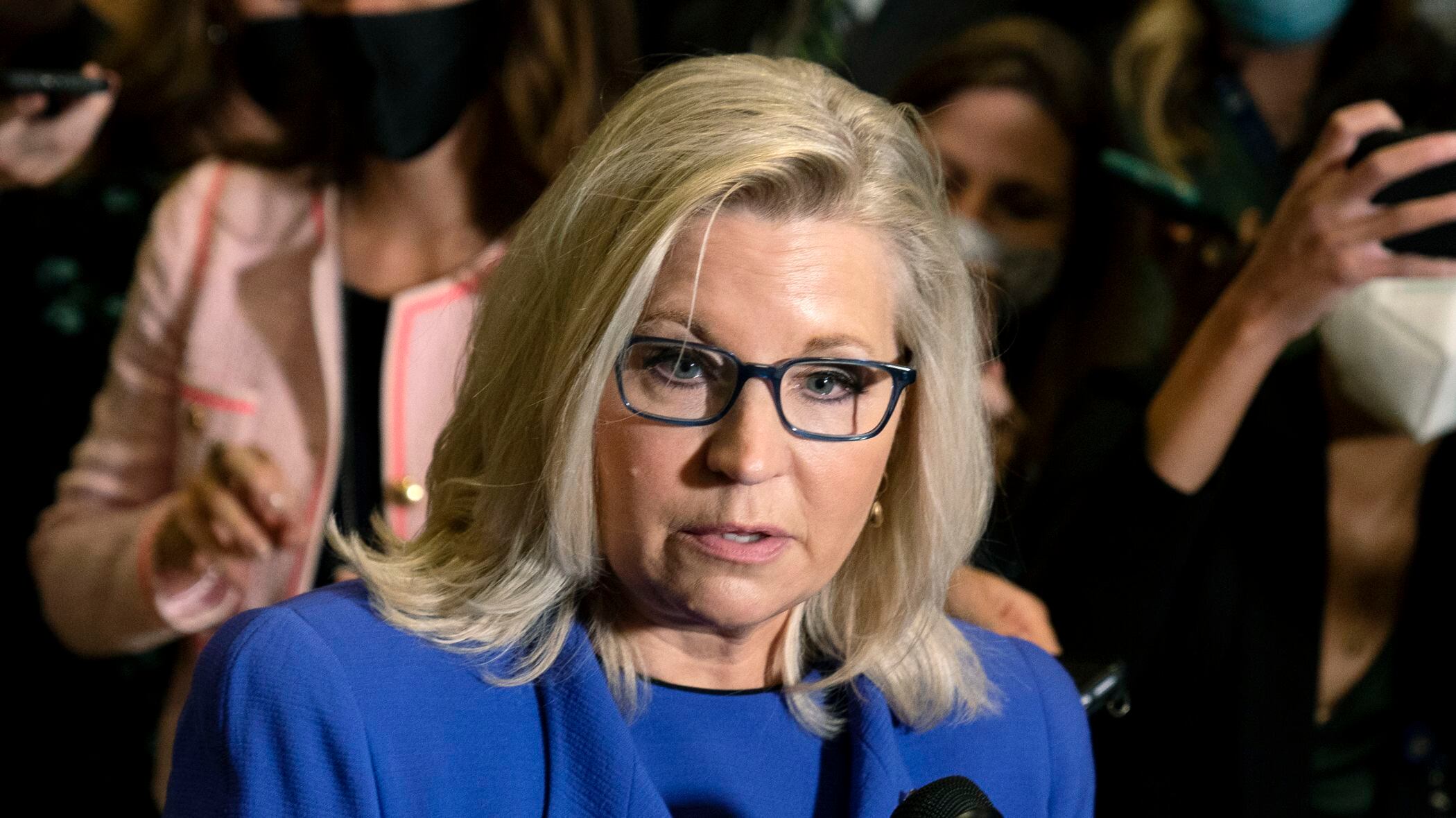
Republicans have dumped Rep. Liz Cheney from her House leadership post. The reason: Her persistent repudiation of President Donald Trump’s election falsehoods.
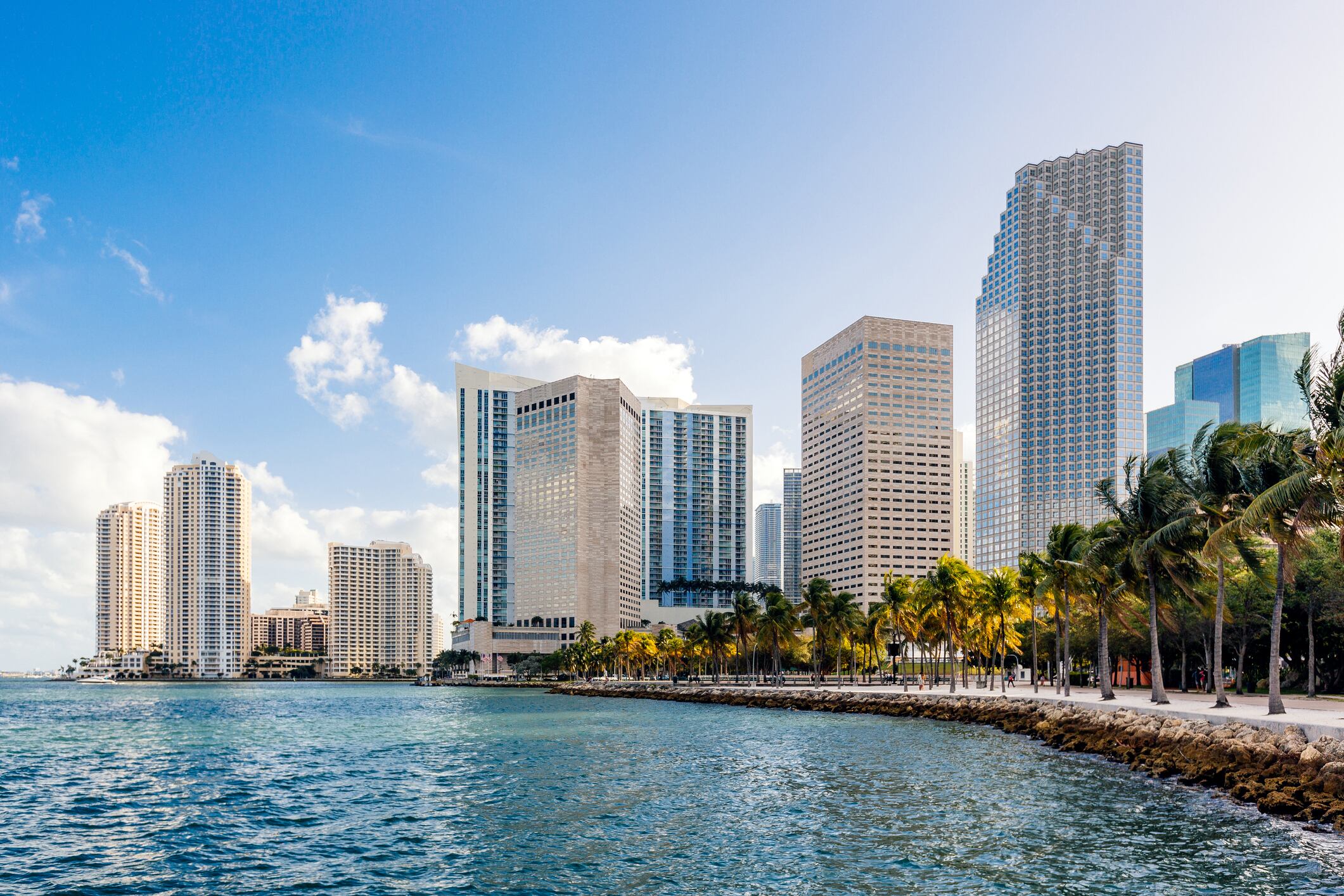
The Florida city's appeal to outside companies isn't limited to the world of crypto, but to tech writ large.
A federal judge has dismissed the National Rifle Association’s bankruptcy case.
President Joe Biden is highlighting new programs from ride-sharing companies Uber and Lyft to provide free rides to and from vaccination sites as the pace of vaccination shots nationally declines.
A year after an agreement to sell Victoria’s Secret fell apart as the pandemic emptied malls nationwide, the chain will be spun off by its owner to become a separate company
The Food and Drug Administration said Monday the shot is safe and offers strong protection for younger teens based on testing of more than 2,000 U.S. volunteers.
The U.S. Navy says it has seized an arms shipment of thousands of assault weapons, machines guns and sniper rifles hidden aboard a ship in the Arabian Sea.
From Wall Street to Silicon Valley, these are the top stories that moved markets and had investors, business leaders, and entrepreneurs talking this week on Cheddar.
California's population declined in 2020 for the first time since state officials have been measuring it.