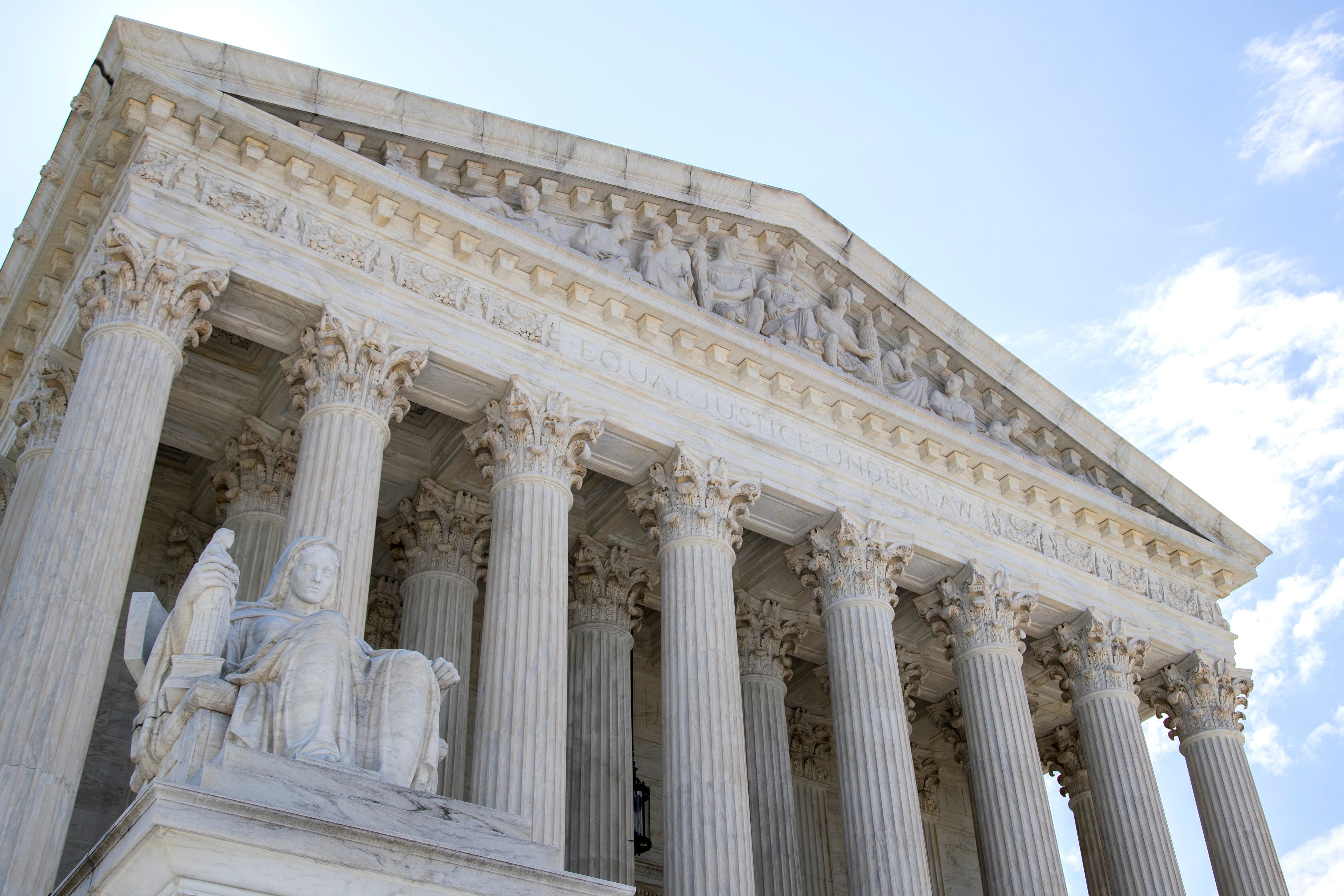
The Supreme Court on Monday upheld a 1991 law that bars robocalls to cellphones.
The case, argued by telephone in May because of the coronavirus pandemic, only arose after Congress in 2015 created an exception in the law that allowed the automated calls for collection of government debt.
Political consultants and pollsters were among those who asked the Supreme Court to strike down the entire 1991 law that bars them from making robocalls to cellphones as a violation of their free speech rights under the Constitution. The issue was whether, by allowing one kind of speech but not others, the exception made the whole law unconstitutional.
Six justices agreed that by allowing debt collection calls to cellphones Congress "impermissibly favored debt-collection speech over political and other speech, in violation of the First Amendment," Justice Brett Kavanaugh wrote. And seven justices agreed that the 2015 exception should be stricken from the law.
"Americans passionately disagree about many things. But they are largely united in their disdain for robocalls," Kavanaugh noted at the outset of his opinion.
During arguments in the case in May, Justice Stephen Breyer got cut off when someone tried calling him. Breyer said after he rejoined the court's arguments: "The telephone started to ring, and it cut me off the call and I don't think it was a robocall."
From Wall Street to Silicon Valley, these are the top stories that moved markets and had investors, business leaders, and entrepreneurs talking this week on Cheddar.
The White House is pushing a new reason to swipe right: Dating apps are starting to offer vaccination badges and “super swipes” for people who've gotten their coronavirus shots.
Israel and Hamas have announced a cease-fire to end a bruising 11-day war that caused widespread destruction in the Gaza Strip and brought life in much of Israel to a standstill.
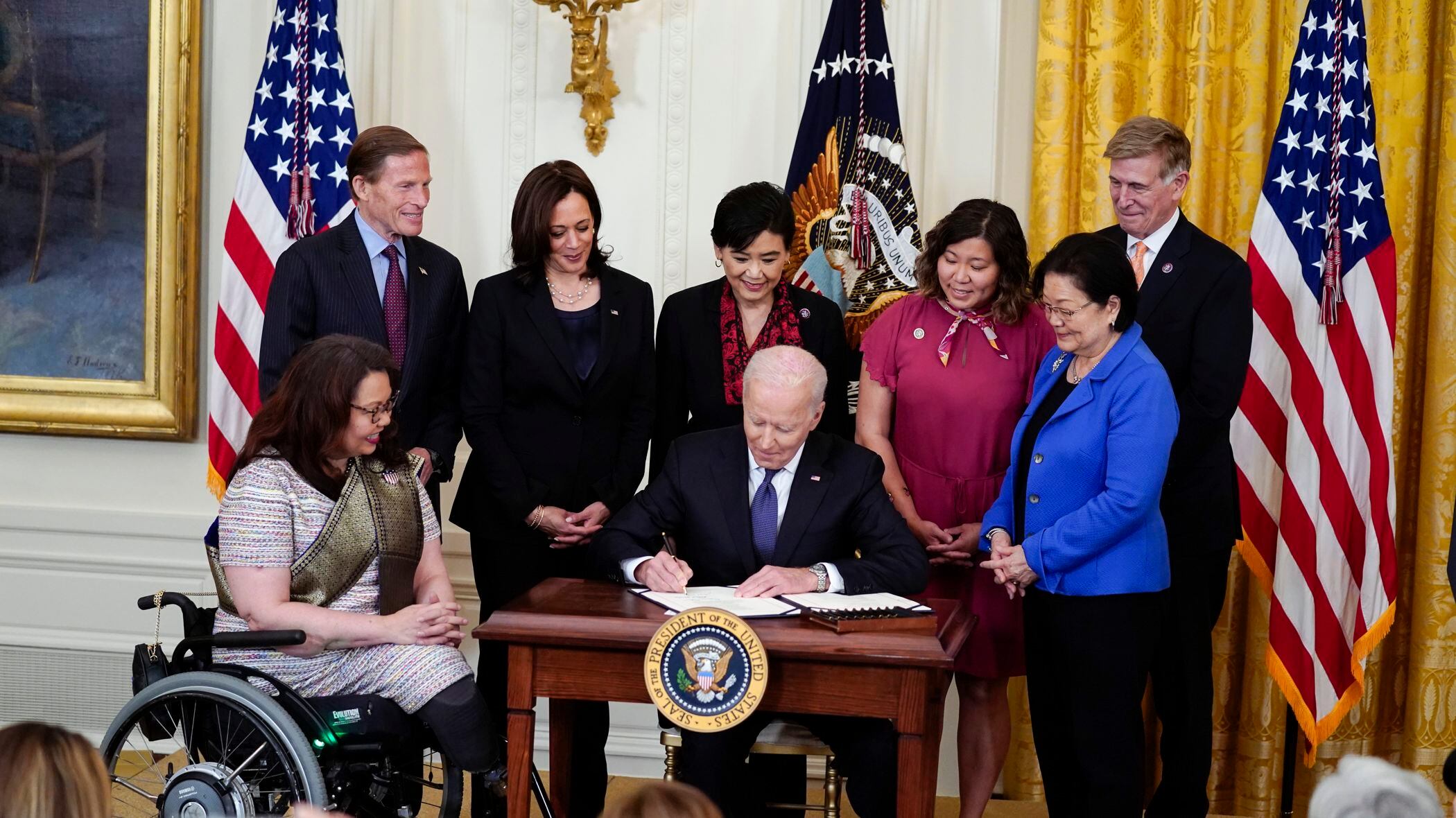
President Joe Biden signed legislation Thursday designed to curtail a dramatic rise in hate crimes against Asian Americans and Pacific Islanders.
Anyone who gets vaccinated at select state-run vaccination sites in New York next week will receive a lottery scratch ticket with prizes potentially worth millions, as the state tries to boost slowing vaccination rates.
Amazon says it will extend its ban on police use of its face-recognition technology beyond the one-year pause it announced last year.
The number of Americans seeking unemployment aid fell last week to 444,000, a new pandemic low and a sign that the job market keeps strengthening as consumers spend freely again, viral infections drop and business restrictions ease.
The U.S. economy’s faster-than-expected reawakening had some Federal Reserve officials discussing whether it might be time to start planning for easing back on one of the central bank’s levers for keeping interest rates low.
The European Union has taken a step toward relaxing travel for visitors from outside the bloc, with EU ambassadors agreeing on measures to make it easier for fully vaccinated visitors to get in.
Congress has passed legislation aimed at combating hate crimes against Asian Americans and Pacific Islanders. It would expedite federal reviews of hate crimes and provide grants to local law enforcement.