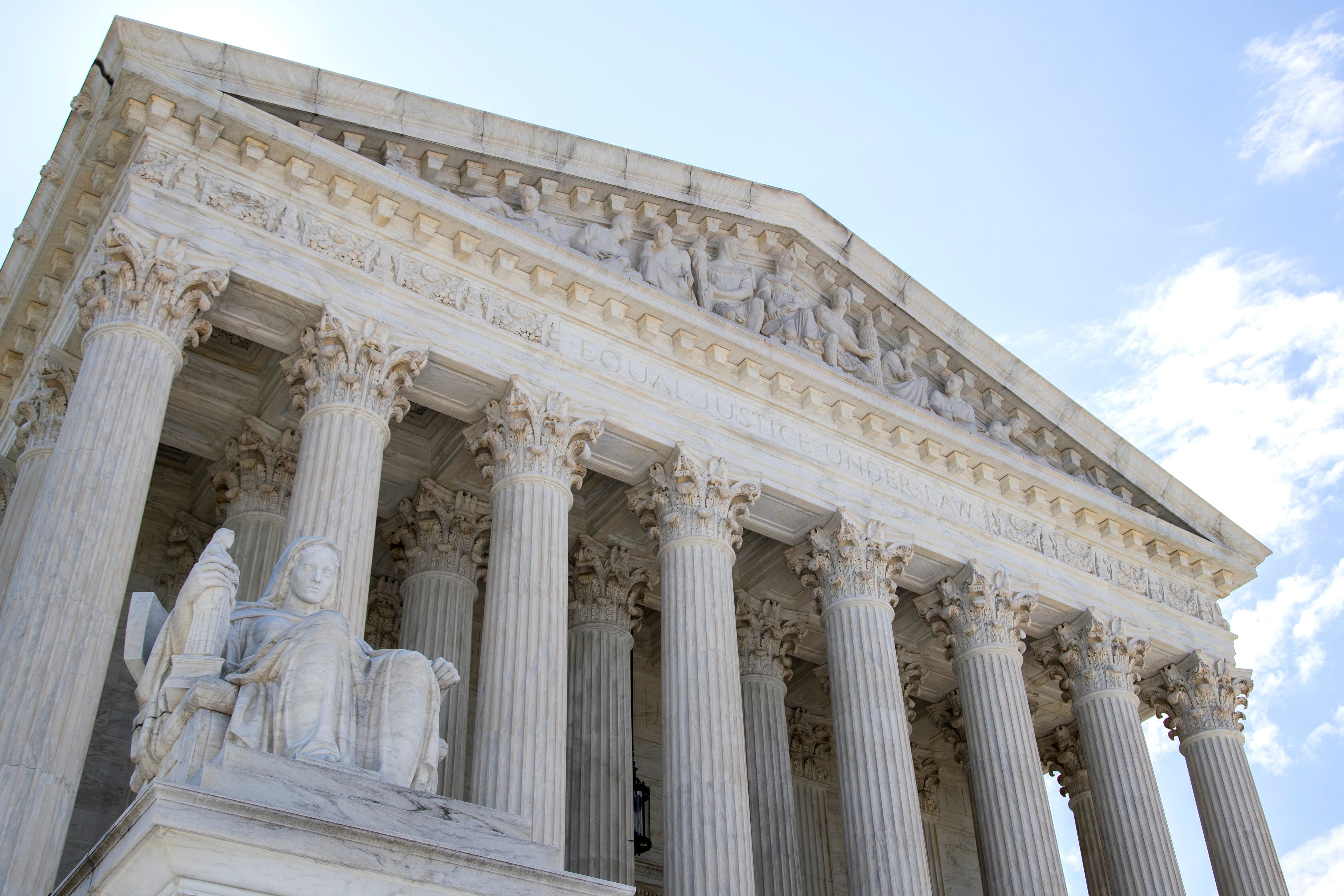
The Supreme Court on Monday upheld a 1991 law that bars robocalls to cellphones.
The case, argued by telephone in May because of the coronavirus pandemic, only arose after Congress in 2015 created an exception in the law that allowed the automated calls for collection of government debt.
Political consultants and pollsters were among those who asked the Supreme Court to strike down the entire 1991 law that bars them from making robocalls to cellphones as a violation of their free speech rights under the Constitution. The issue was whether, by allowing one kind of speech but not others, the exception made the whole law unconstitutional.
Six justices agreed that by allowing debt collection calls to cellphones Congress "impermissibly favored debt-collection speech over political and other speech, in violation of the First Amendment," Justice Brett Kavanaugh wrote. And seven justices agreed that the 2015 exception should be stricken from the law.
"Americans passionately disagree about many things. But they are largely united in their disdain for robocalls," Kavanaugh noted at the outset of his opinion.
During arguments in the case in May, Justice Stephen Breyer got cut off when someone tried calling him. Breyer said after he rejoined the court's arguments: "The telephone started to ring, and it cut me off the call and I don't think it was a robocall."
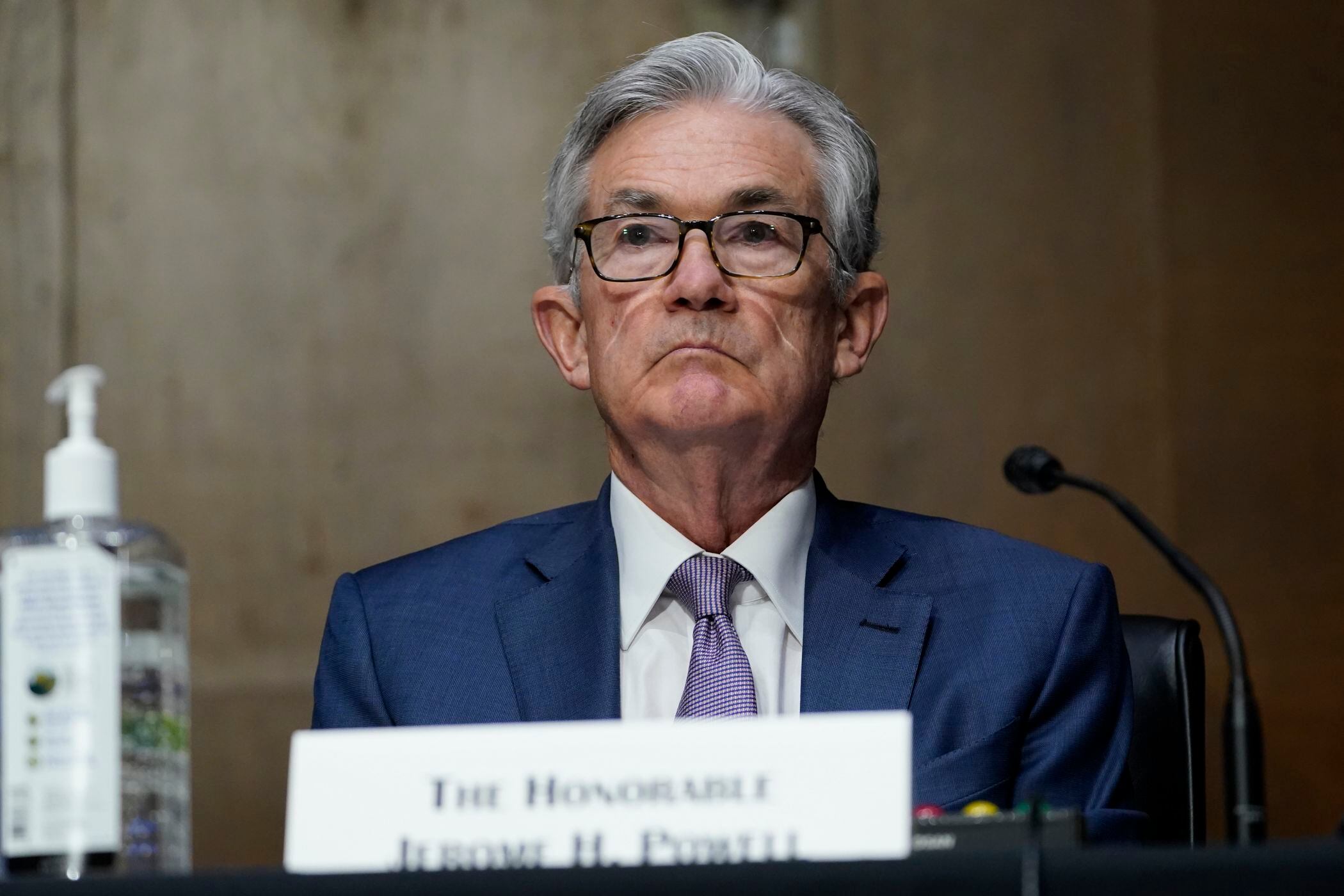
The Federal Reserve is holding steady on the dovish policy stance that it's maintained since the beginning of the pandemic but not without a hat-tip to those worried about rising inflation.
Just 40 years ago, New York City's Times Square was a very different place: crime-ridden and adult theaters as the main source of entertainment. Cheddar explains how it went from this to one of the top tourist attractions in the world.
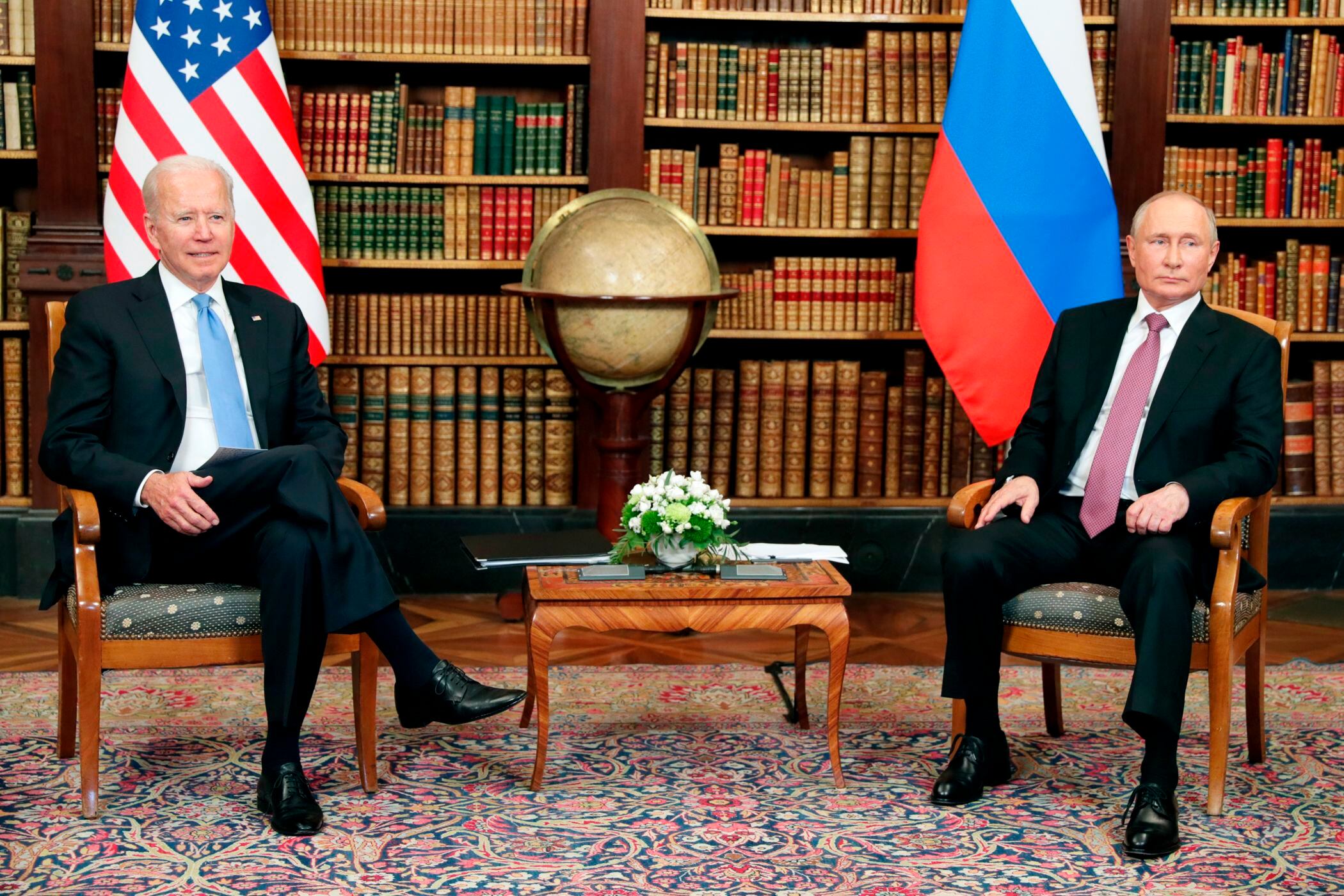
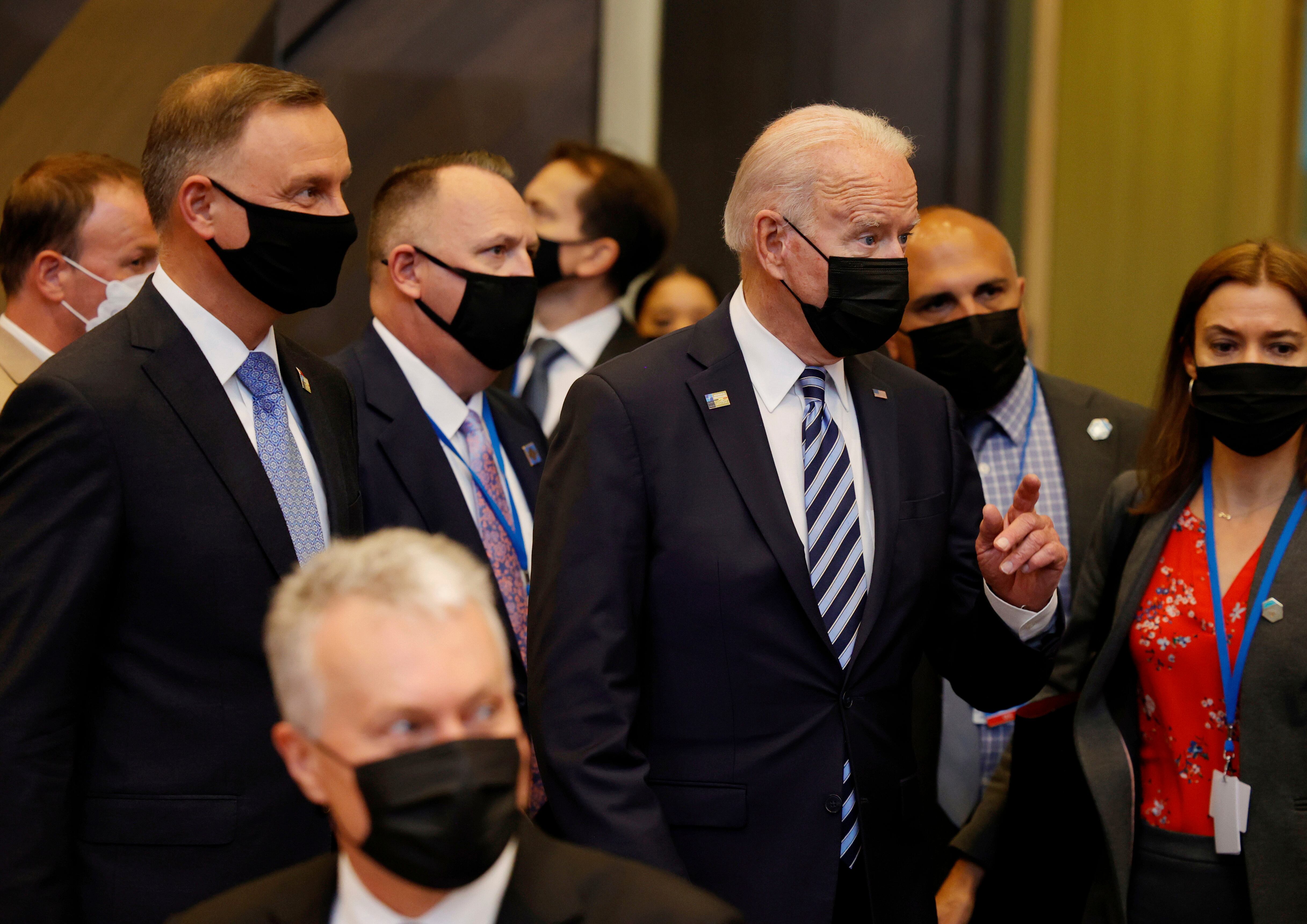
Russian President Vladimir Putin says he and U.S. President Joe Biden agreed in a “constructive” summit to return their ambassadors to their posts and to begin consultations to replace the last remaining treaty between the two countries limiting nuclear weapons.
Joe Biden has arrived in the summit city of Geneva ahead of what will be the most-watched part of his first trip abroad as president: talks with Russia’s Vladimir Putin.
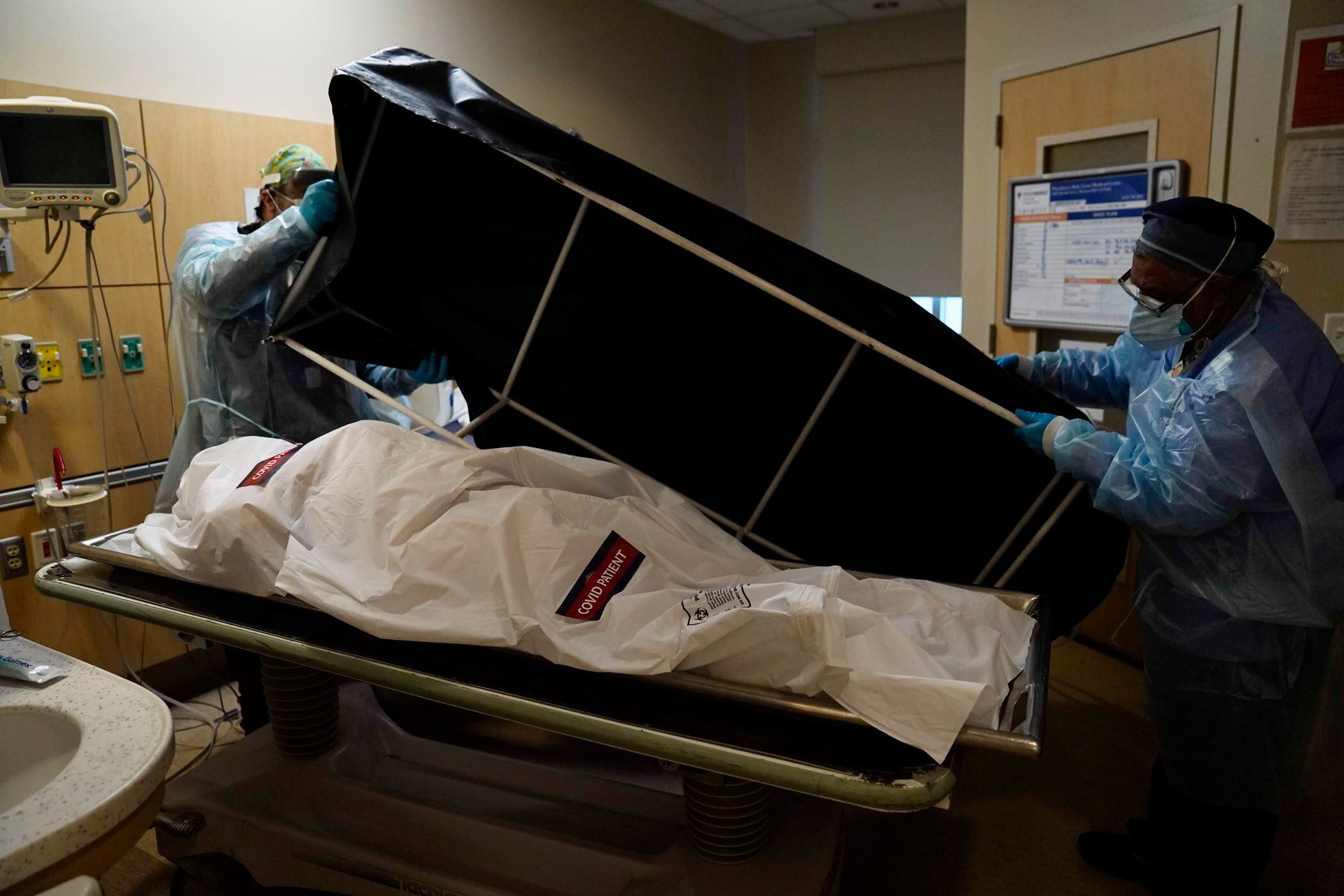
The U.S. death toll from COVID-19 has topped 600,000, even as the vaccination drive has slashed daily cases and deaths and allowed the country to emerge from the gloom.
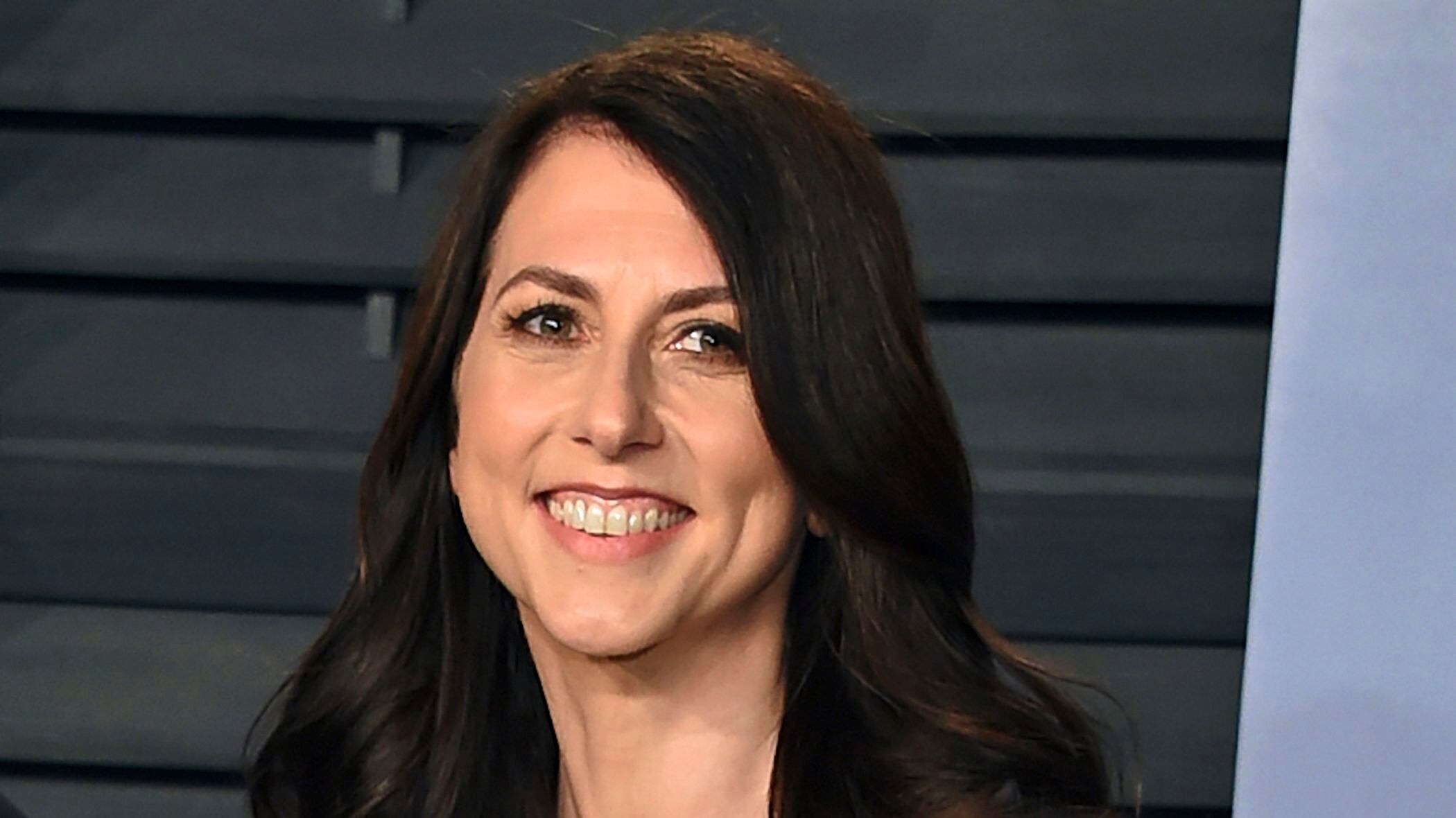
MacKenzie Scott, the billionaire philanthropist known for her impromptu multi-billion dollar donations to charities and racial equity causes, announced Tuesday that she has given $2.7 billion to 286 organizations.
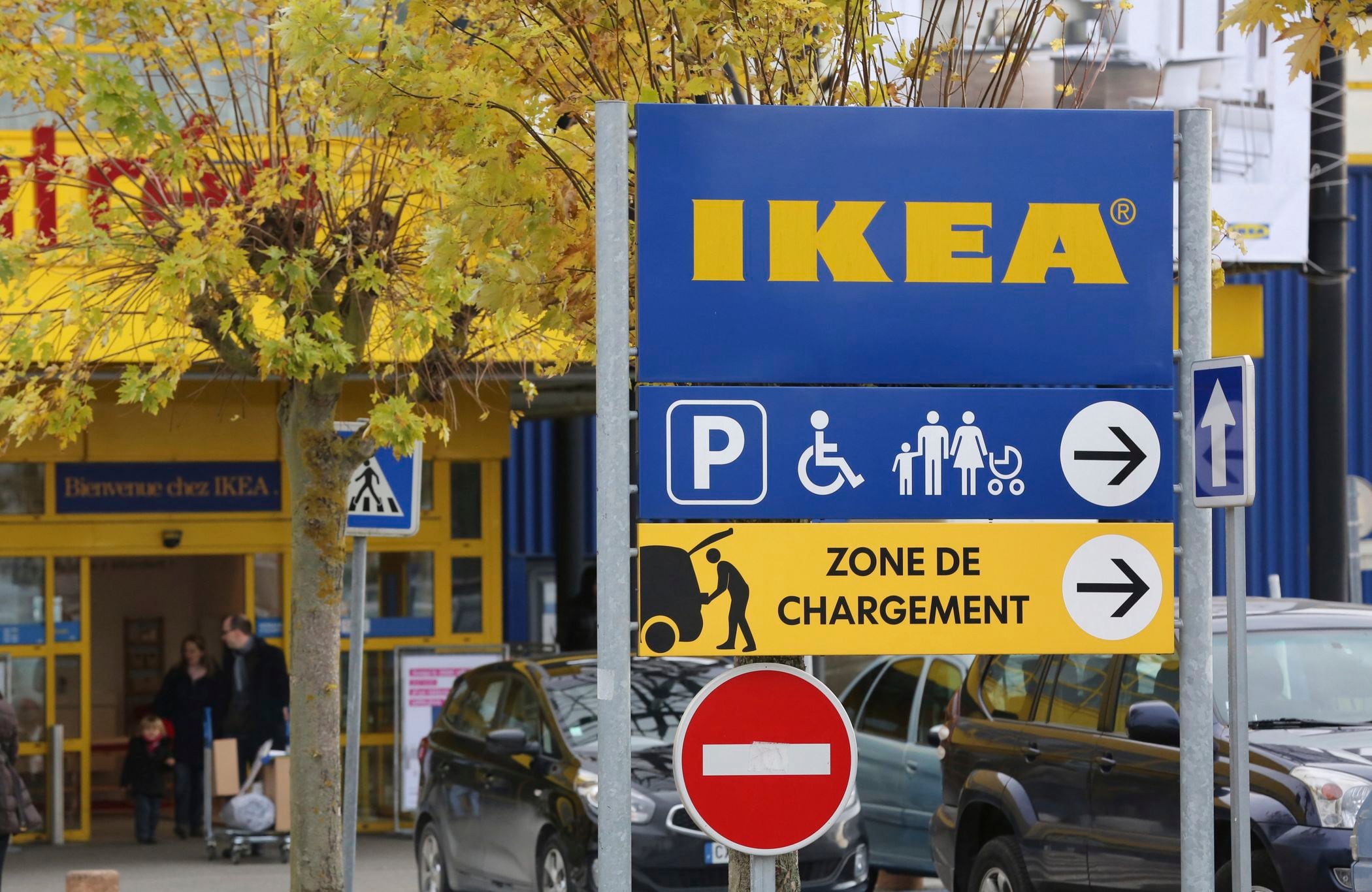
A French court has ordered home furnishings giant Ikea to pay more than $1.3 million in fines and damages Tuesday over a campaign to spy on union representatives, employees and some unhappy customers in France.
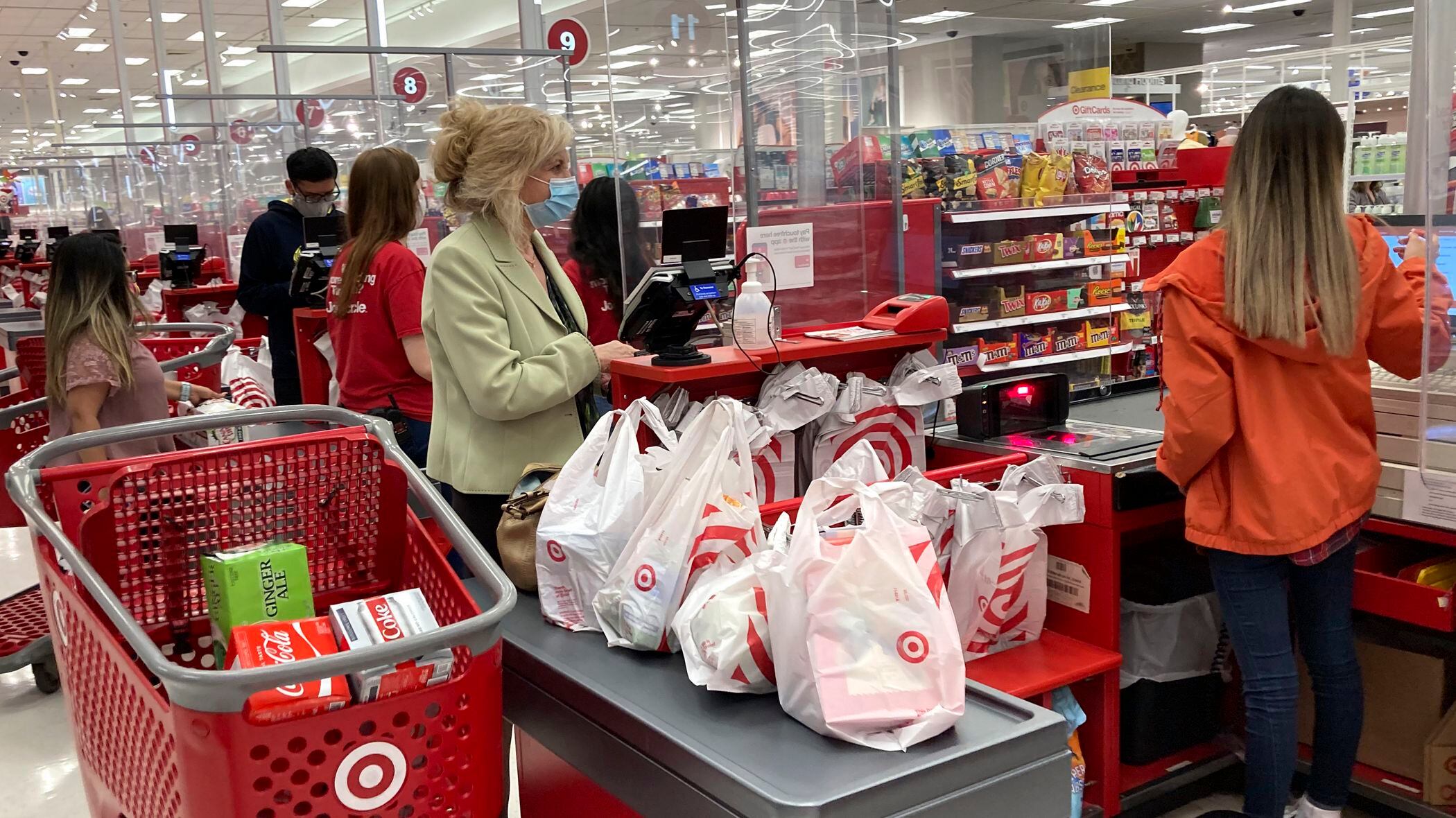
Retail sales fell in May, dragged down by a decline in auto sales and a shift by Americans to spend more on vacations and other services instead of goods.
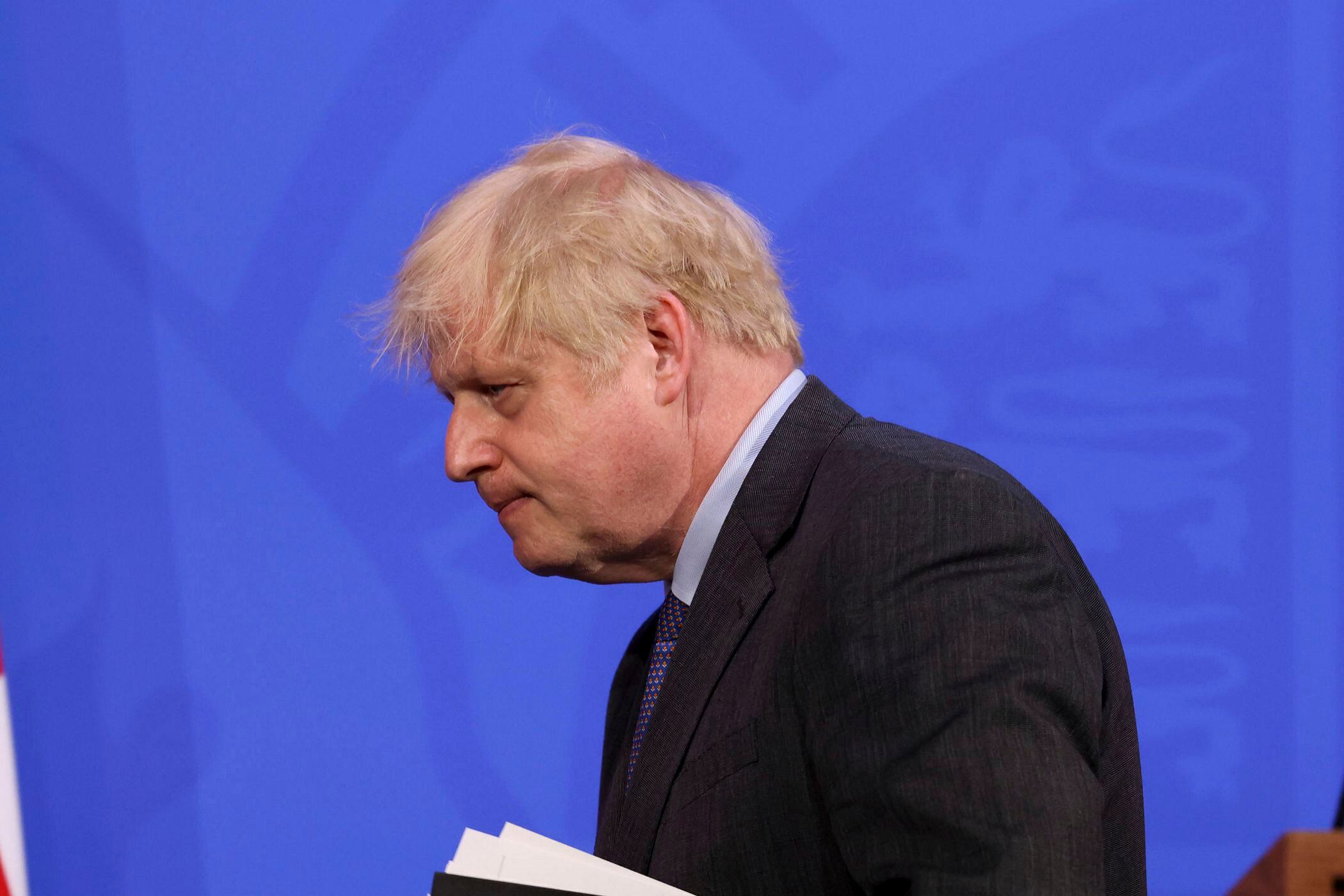
British Prime Minister Boris Johnson has confirmed that the next planned relaxation of coronavirus restrictions in England will be delayed by four weeks until July 19, as a result of the spread of the delta variant.
J&J Contamination, New Israeli Government, Djokovic wins. Here are the headlines you Need2Know for Monday, June 14, 2021: