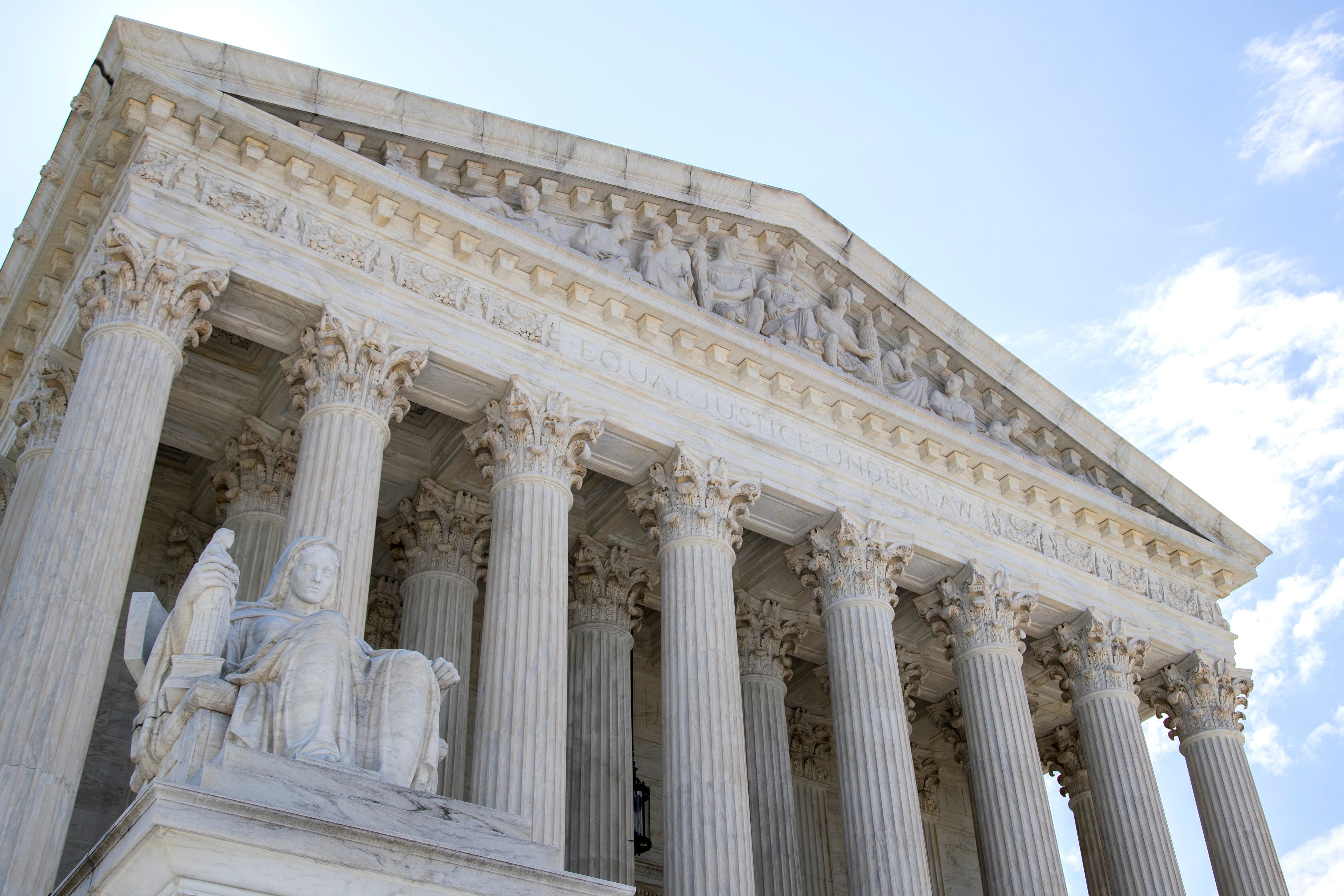
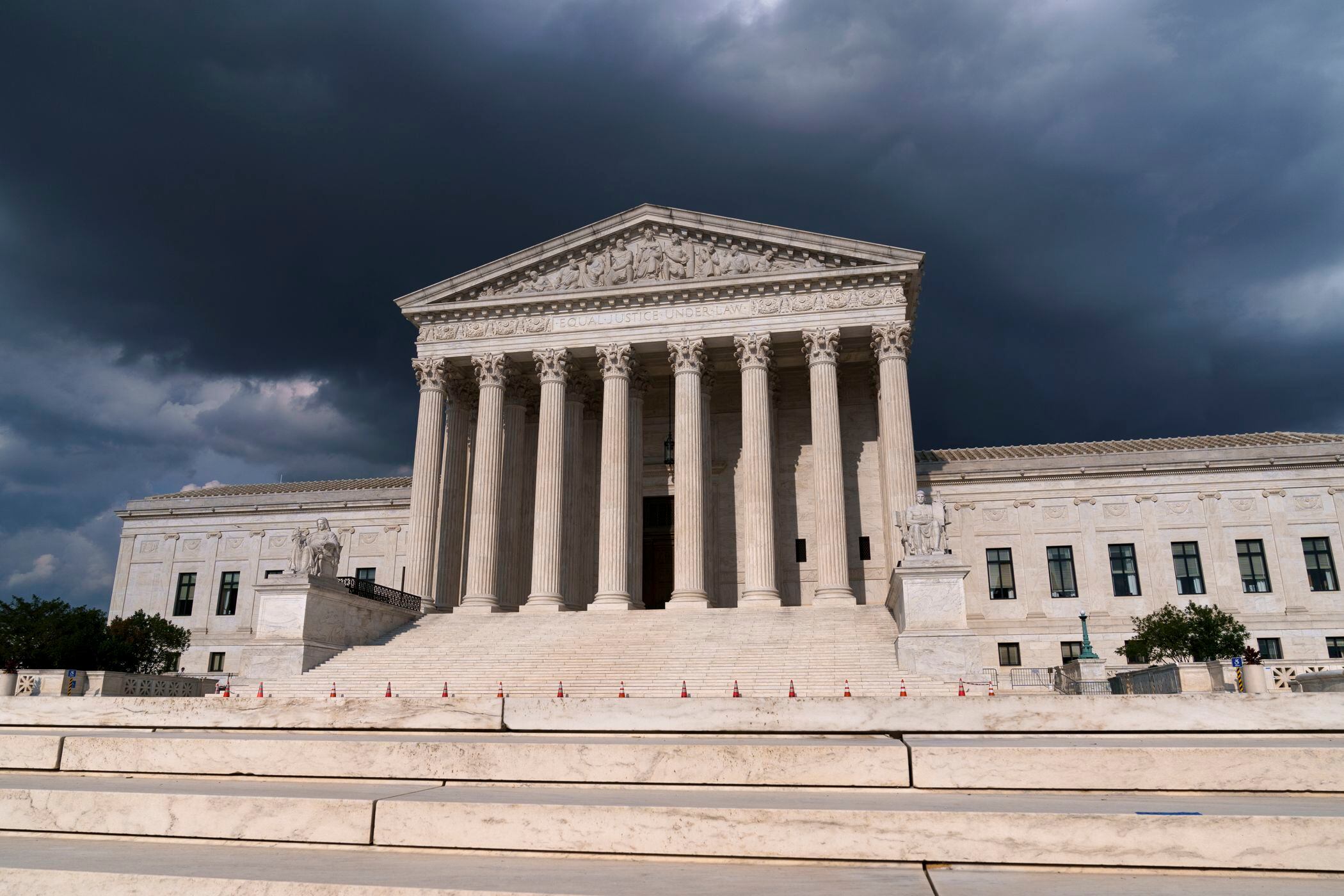
The Supreme Court on Monday upheld a 1991 law that bars robocalls to cellphones.
The case, argued by telephone in May because of the coronavirus pandemic, only arose after Congress in 2015 created an exception in the law that allowed the automated calls for collection of government debt.
Political consultants and pollsters were among those who asked the Supreme Court to strike down the entire 1991 law that bars them from making robocalls to cellphones as a violation of their free speech rights under the Constitution. The issue was whether, by allowing one kind of speech but not others, the exception made the whole law unconstitutional.
Six justices agreed that by allowing debt collection calls to cellphones Congress "impermissibly favored debt-collection speech over political and other speech, in violation of the First Amendment," Justice Brett Kavanaugh wrote. And seven justices agreed that the 2015 exception should be stricken from the law.
"Americans passionately disagree about many things. But they are largely united in their disdain for robocalls," Kavanaugh noted at the outset of his opinion.
During arguments in the case in May, Justice Stephen Breyer got cut off when someone tried calling him. Breyer said after he rejoined the court's arguments: "The telephone started to ring, and it cut me off the call and I don't think it was a robocall."
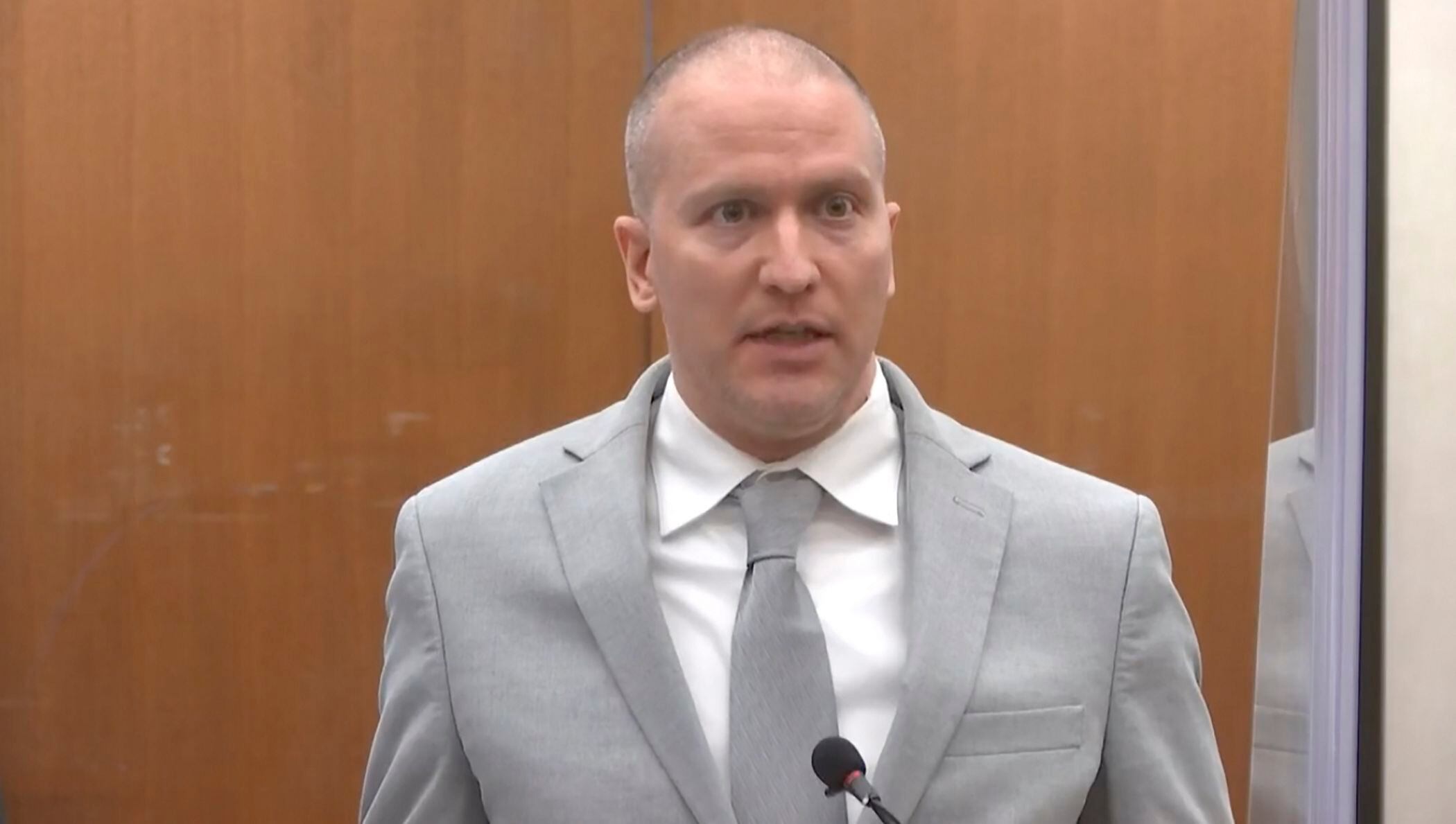
Former Minneapolis police Officer Derek Chauvin has been sentenced to 22 1/2 years in prison for the murder of George Floyd, whose dying gasps under Chauvin’s knee led to the biggest outcry against racial injustice in the U.S. in generations.
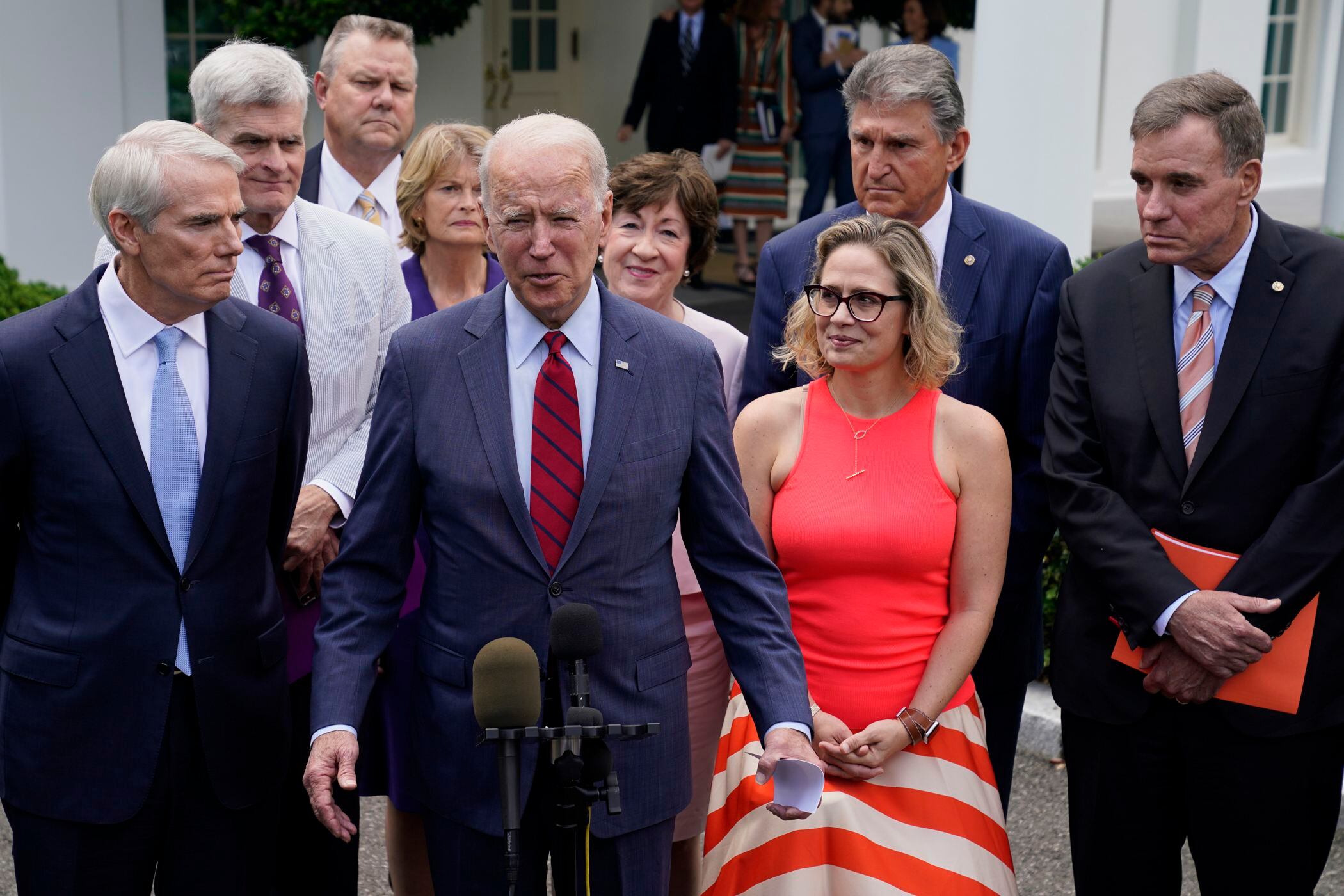
President Joe Biden has announced a bipartisan agreement on a pared-down infrastructure plan that would make a start on his top legislative priority and validate his efforts to reach across the political aisle.
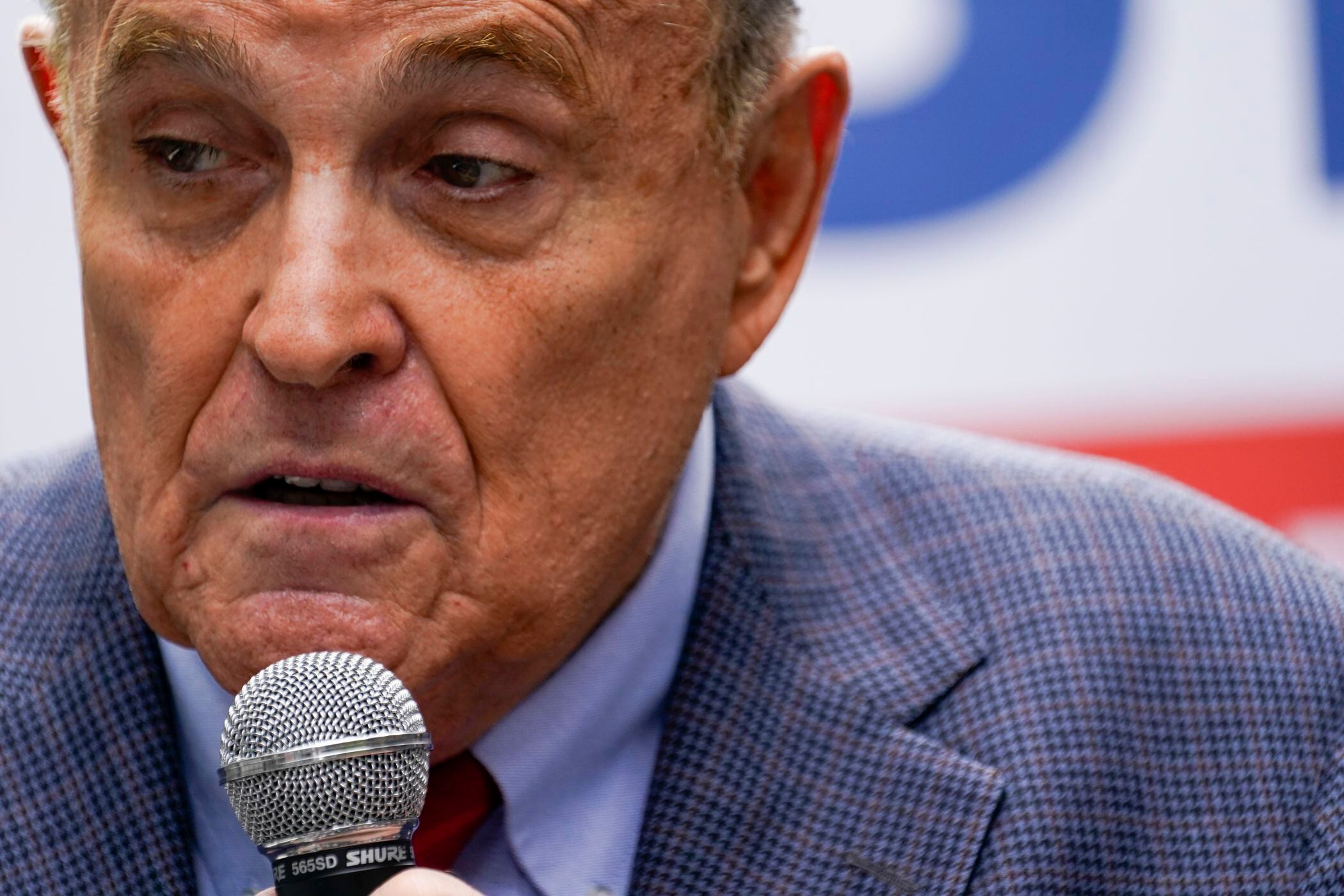
An appeals court has suspended Rudy Giuliani from practicing law in New York because he made false statements while trying to get courts to overturn Donald Trump’s loss in the presidential race.
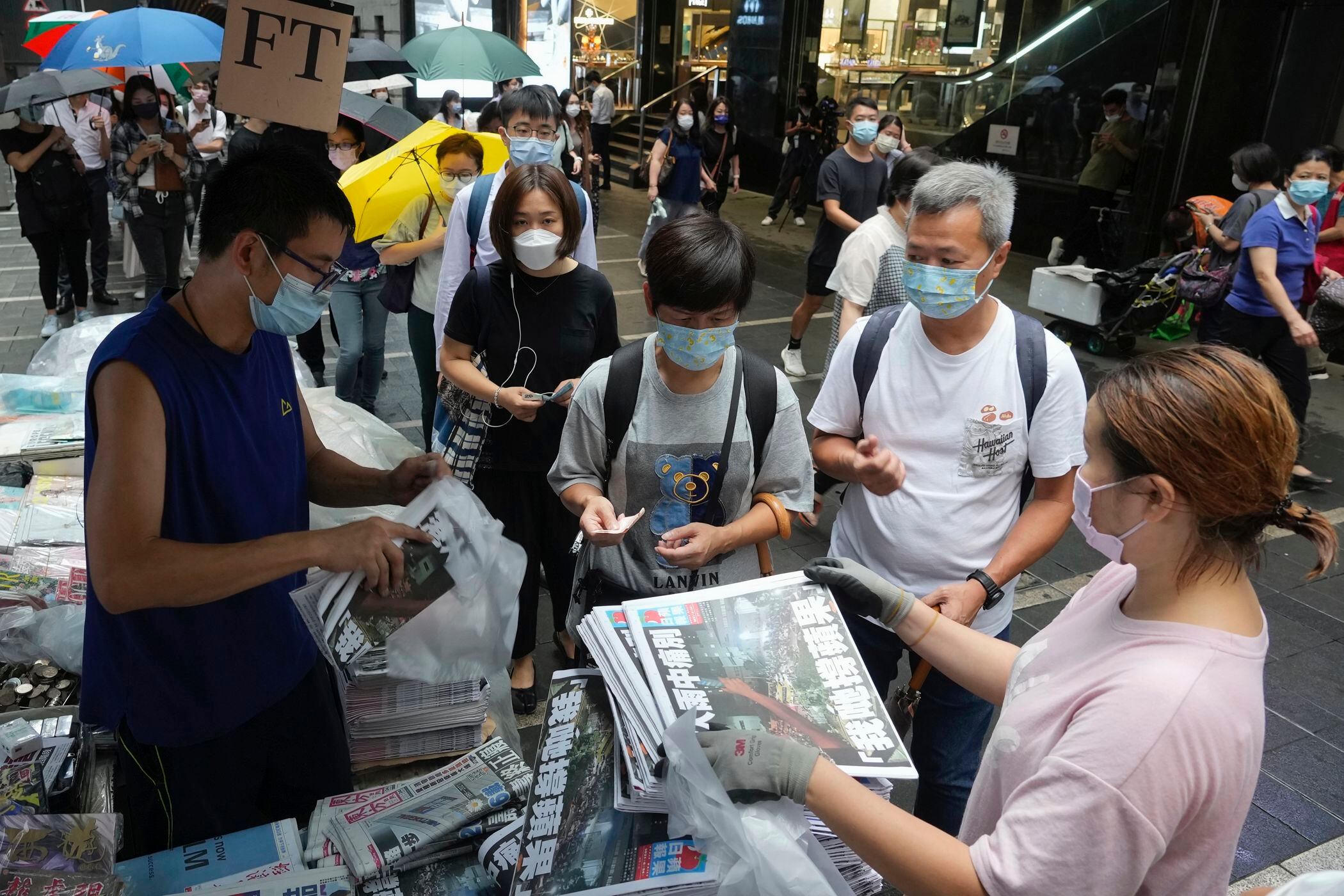
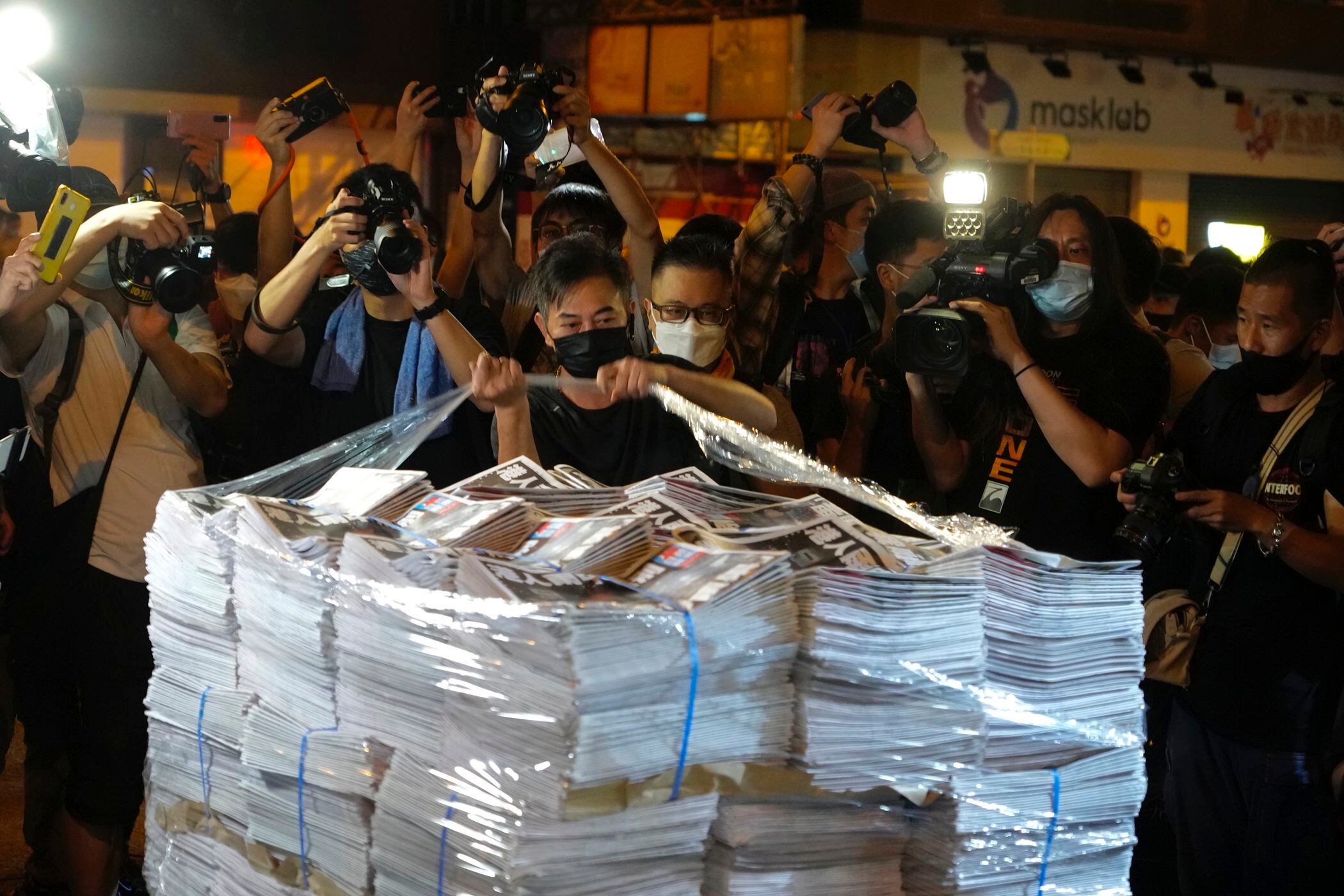
The final edition of Hong Kong’s last remaining pro-democracy paper sold out in hours, as readers scooped up all 1 million copies of the Apple Daily.
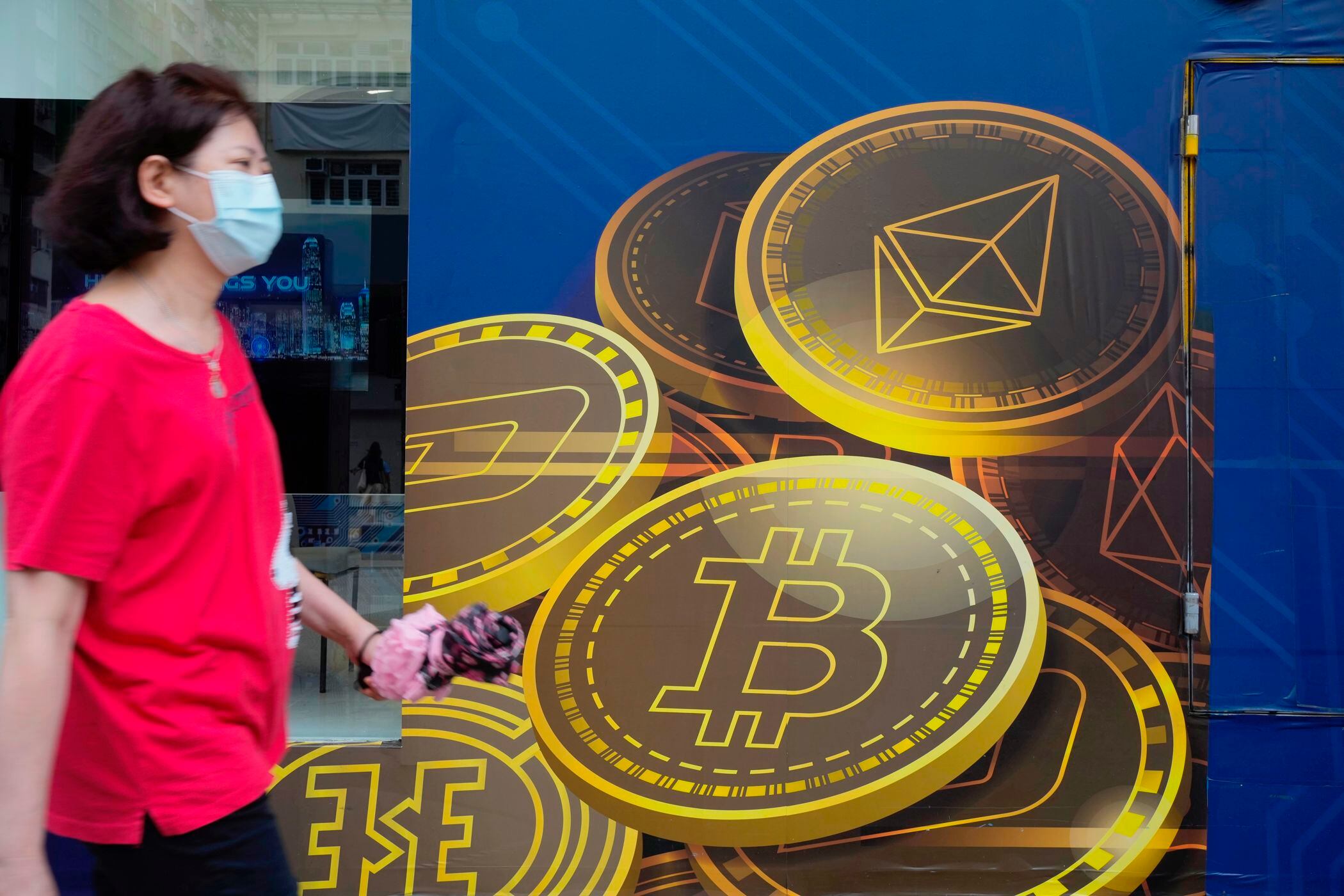
After weeks of regulatory crackdowns and public denouncements, the Chinese government has delivered a crushing blow to bitcoin mining in the country.
Apple Daily was forced to shut down Thursday after five editors and executives were arrested and millions of dollars in its assets were frozen as part of China’s increasing crackdown on dissent in the semi-autonomous city.
The Supreme Court has ruled that a Pennsylvania public school wrongly suspended a cheerleader over a vulgar social media post.
Gov. Ned Lamont has signed a bill making Connecticut the 19th state to legalize recreational use of marijuana, which remains an illegal drug under federal law.
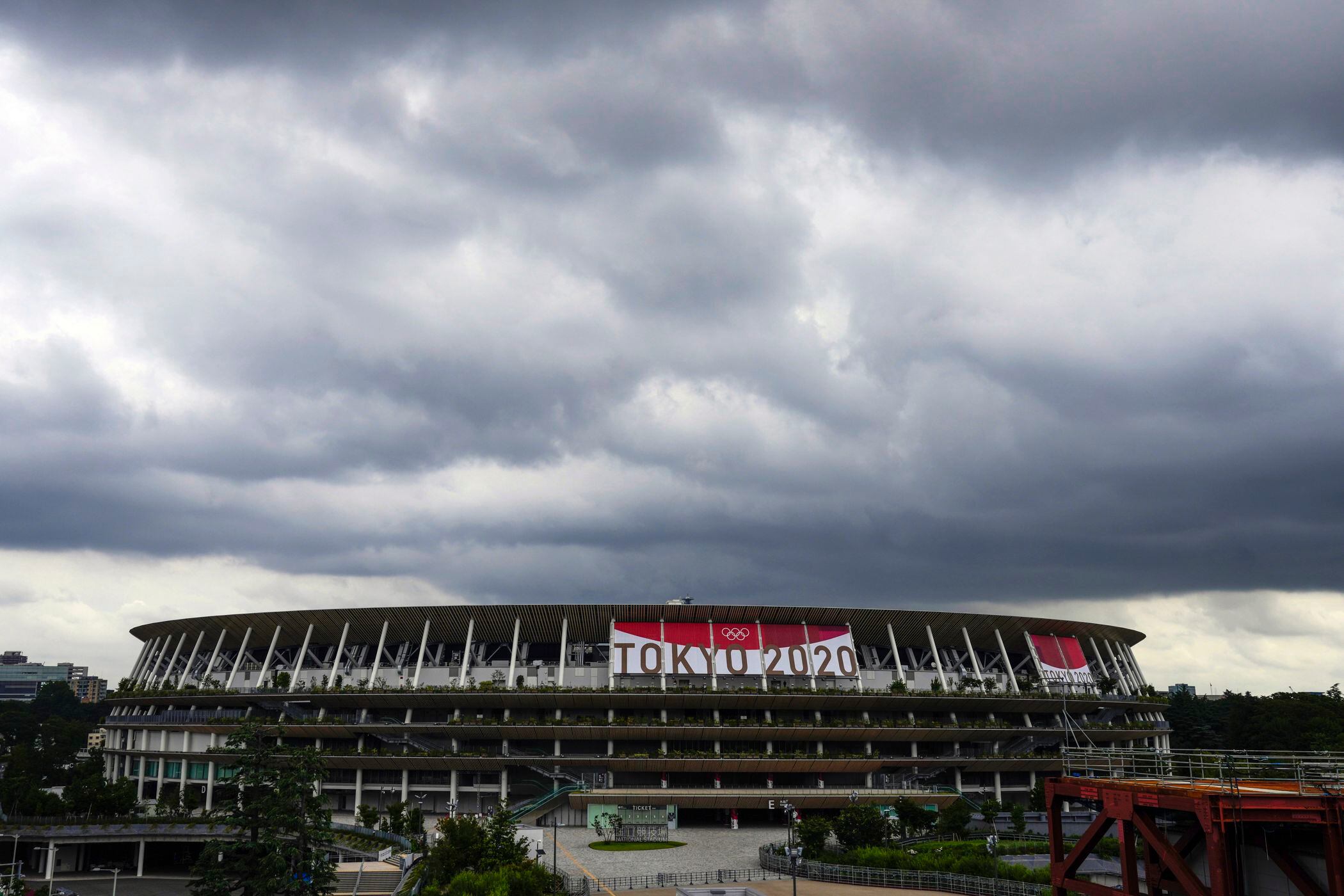
The Tokyo Olympics are not looking like much fun: Not for athletes. Not for fans. And not for the Japanese public.
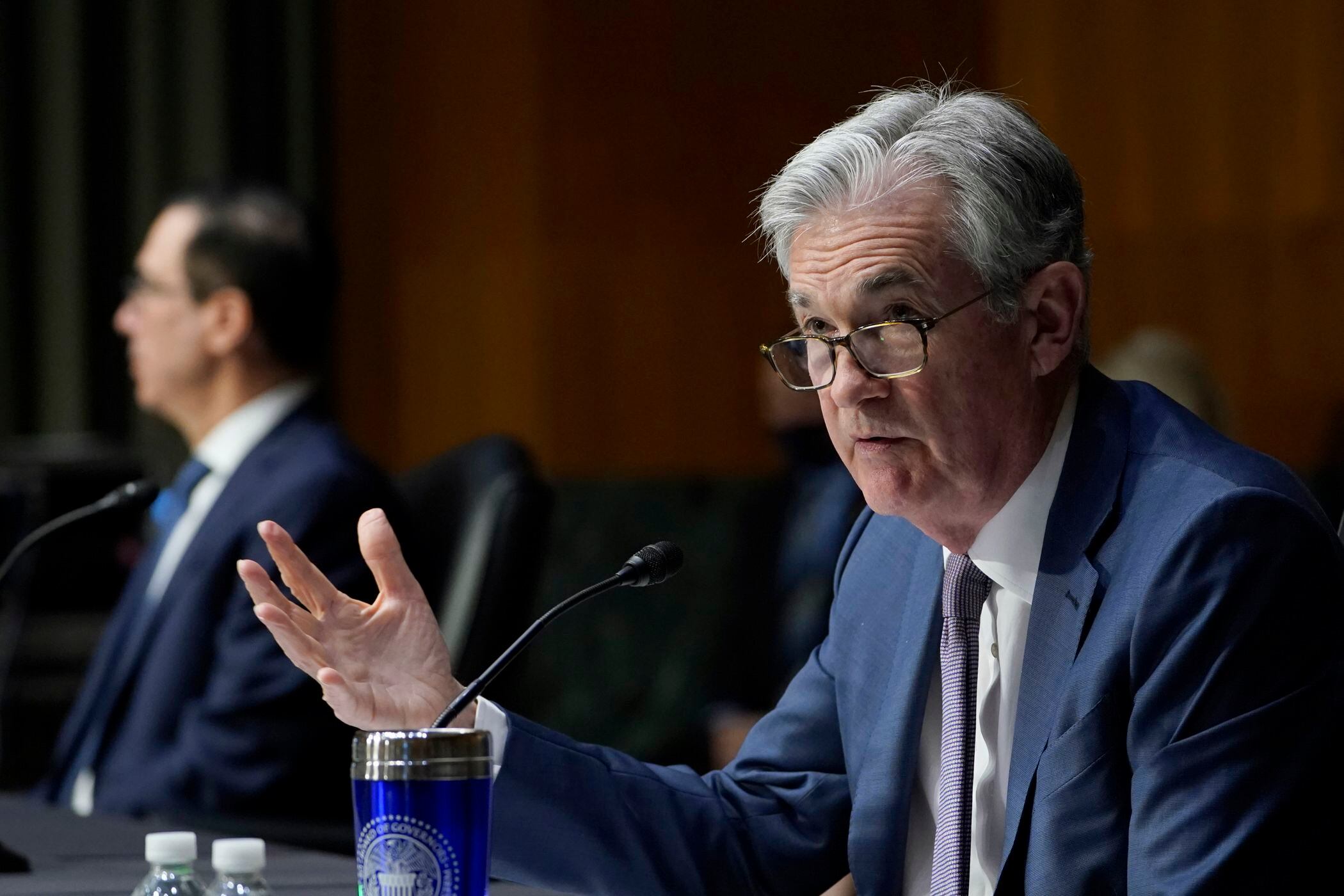
Federal Reserve Chairman Jerome Powell testified before the House Select Subcommittee on the Coronavirus Crisis on Tuesday.