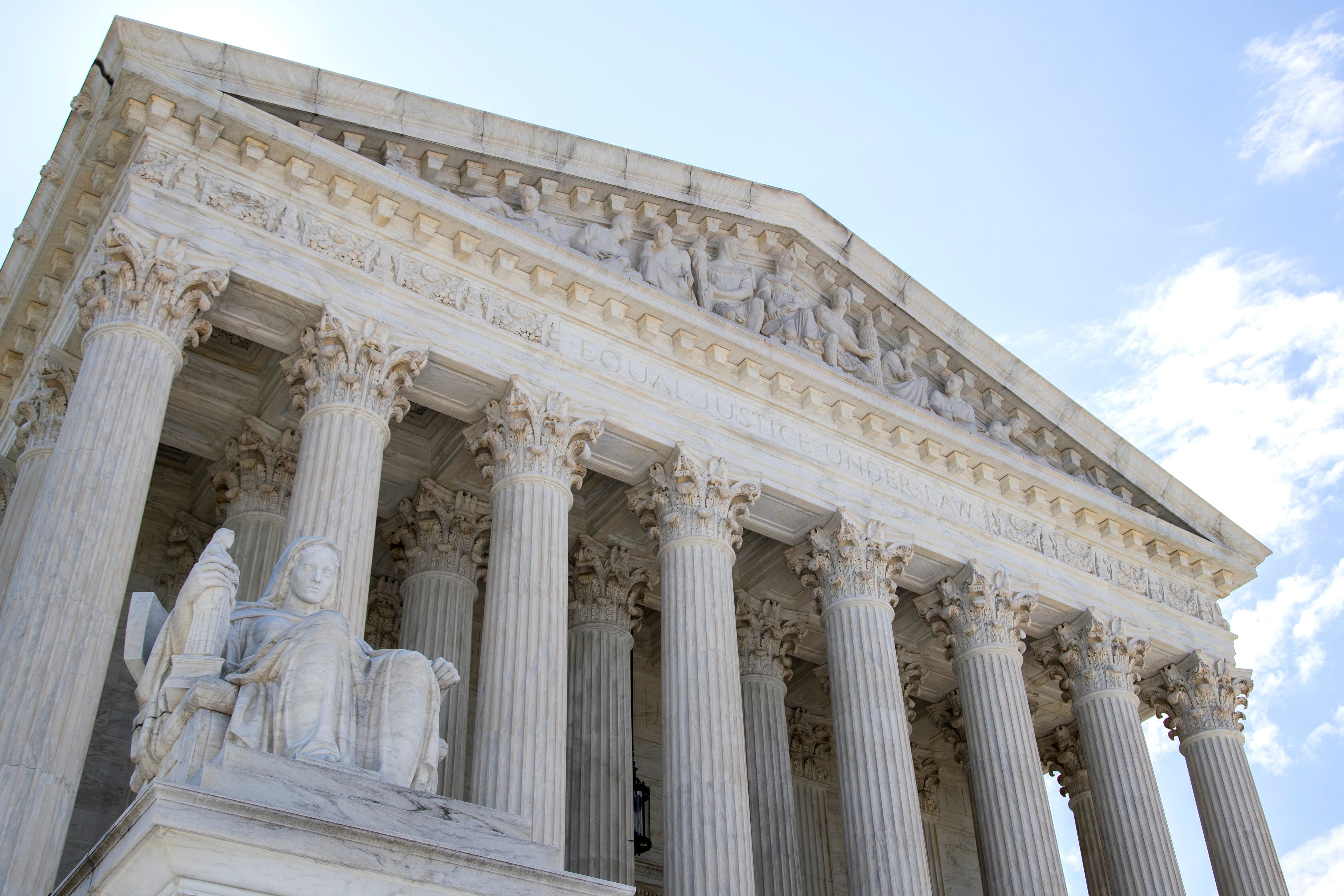
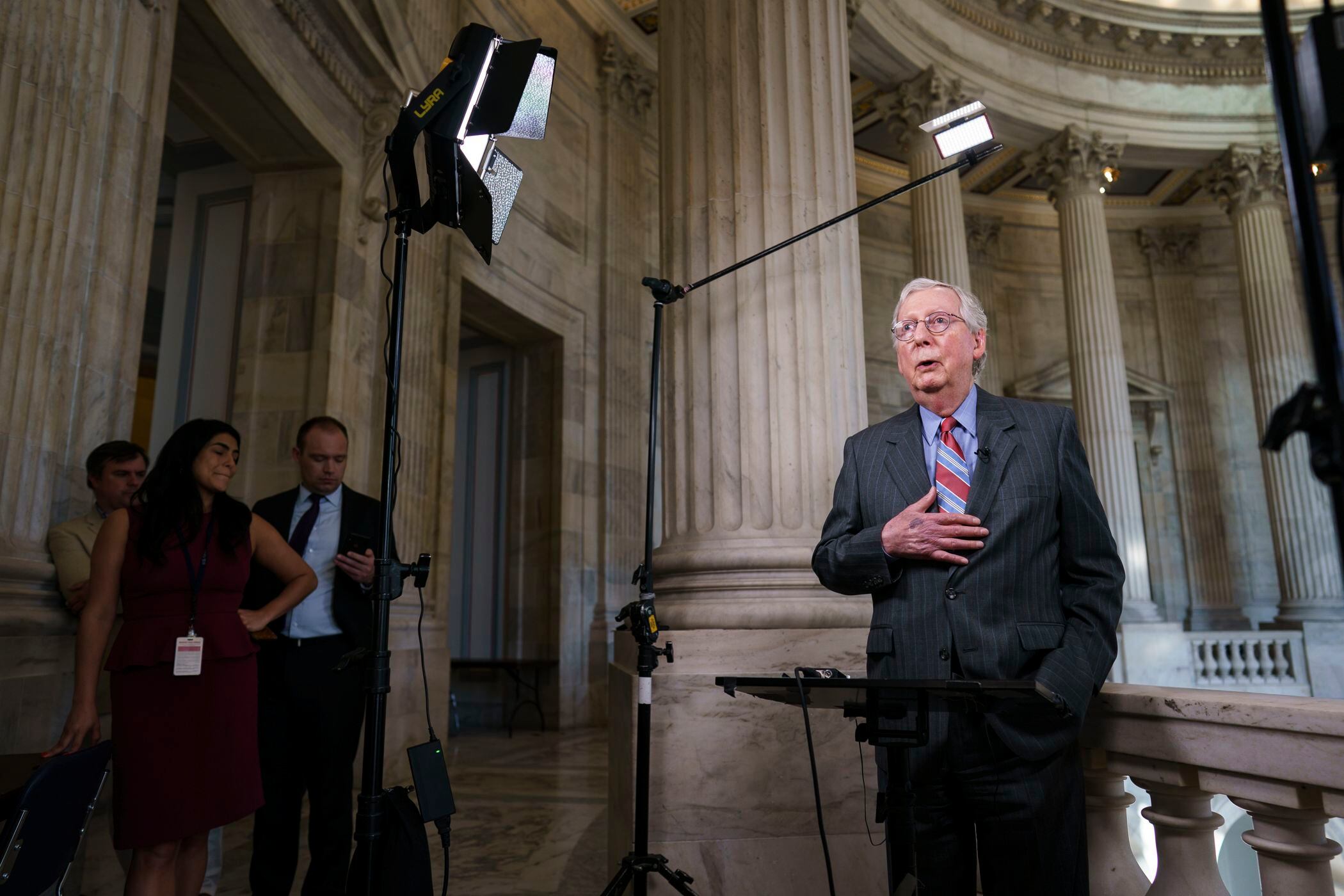
The Supreme Court on Monday upheld a 1991 law that bars robocalls to cellphones.
The case, argued by telephone in May because of the coronavirus pandemic, only arose after Congress in 2015 created an exception in the law that allowed the automated calls for collection of government debt.
Political consultants and pollsters were among those who asked the Supreme Court to strike down the entire 1991 law that bars them from making robocalls to cellphones as a violation of their free speech rights under the Constitution. The issue was whether, by allowing one kind of speech but not others, the exception made the whole law unconstitutional.
Six justices agreed that by allowing debt collection calls to cellphones Congress "impermissibly favored debt-collection speech over political and other speech, in violation of the First Amendment," Justice Brett Kavanaugh wrote. And seven justices agreed that the 2015 exception should be stricken from the law.
"Americans passionately disagree about many things. But they are largely united in their disdain for robocalls," Kavanaugh noted at the outset of his opinion.
During arguments in the case in May, Justice Stephen Breyer got cut off when someone tried calling him. Breyer said after he rejoined the court's arguments: "The telephone started to ring, and it cut me off the call and I don't think it was a robocall."
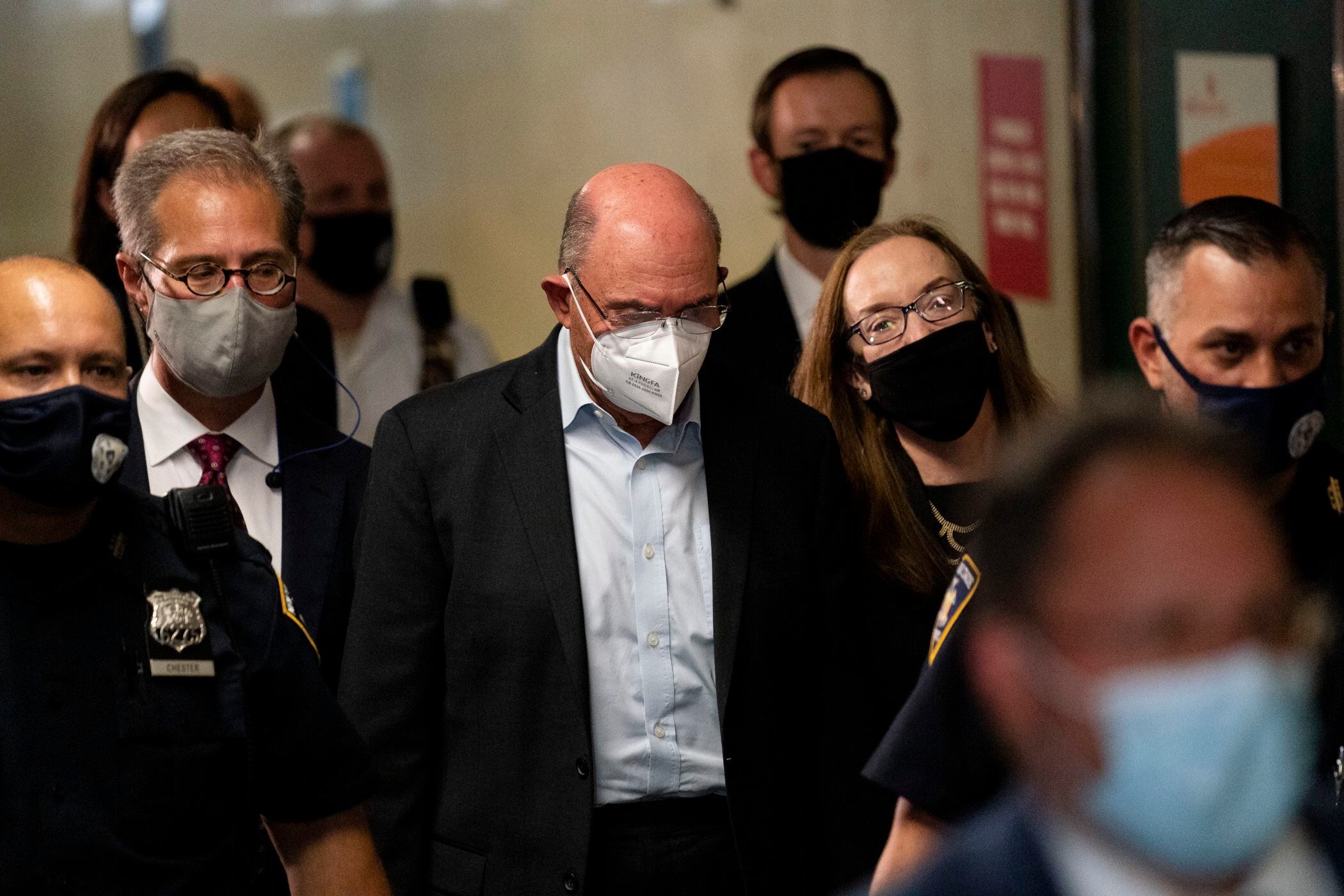
Donald Trump’s company and its longtime finance chief were charged Thursday in what a prosecutor called a “sweeping and audacious” tax fraud scheme.
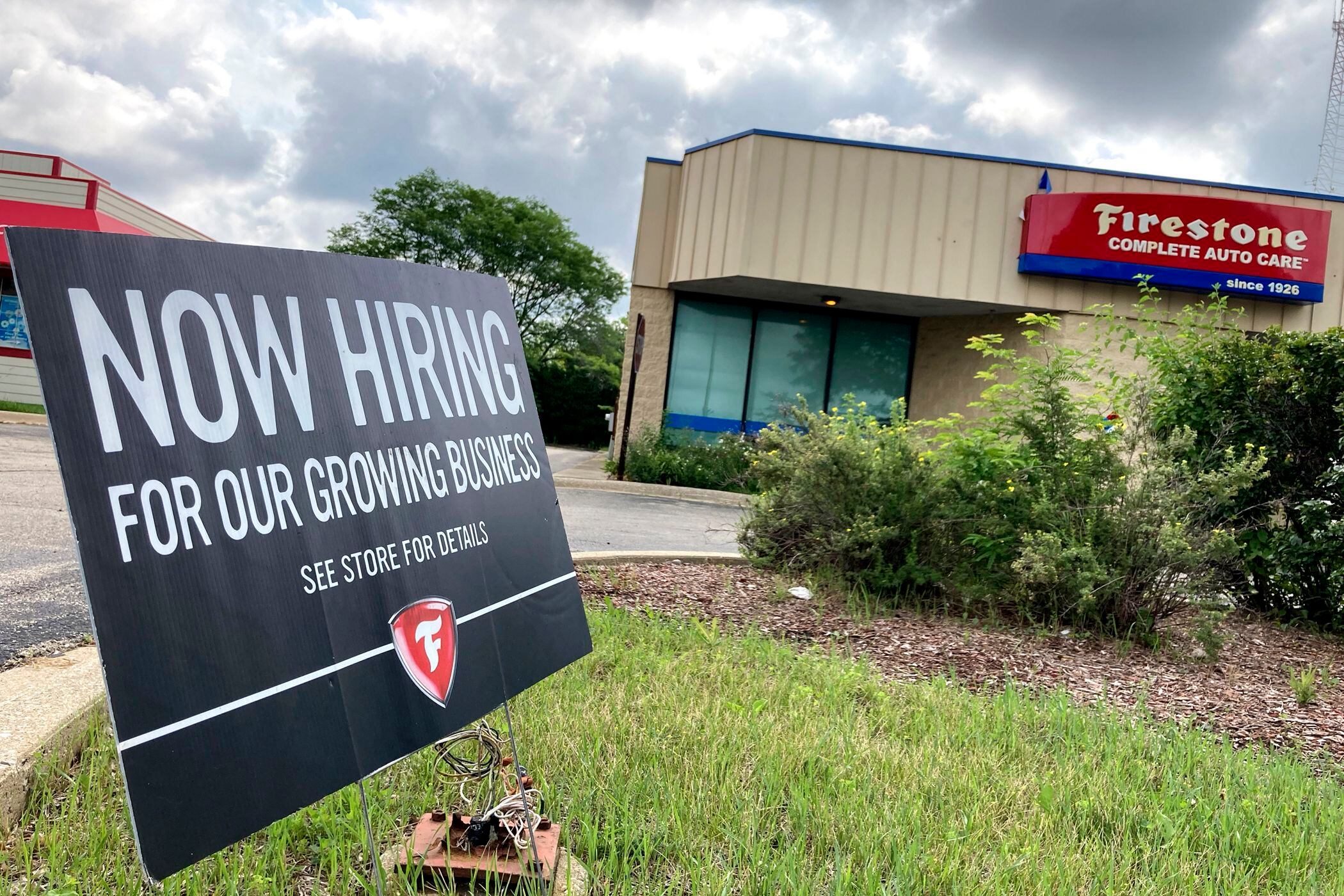
The number of Americans applying for unemployment aid fell again last week to the lowest level since the pandemic struck last year.
The Biden administration says it is hiring more federal firefighters — and immediately raising their pay — as officials ramp up response efforts in the face of a severe drought that's setting the stage for another destructive summer of intense wildfires across the West.
The race for an exchange-traded fund (ETF) based on bitcoin is heating up despite multiple delays from federal regulators.
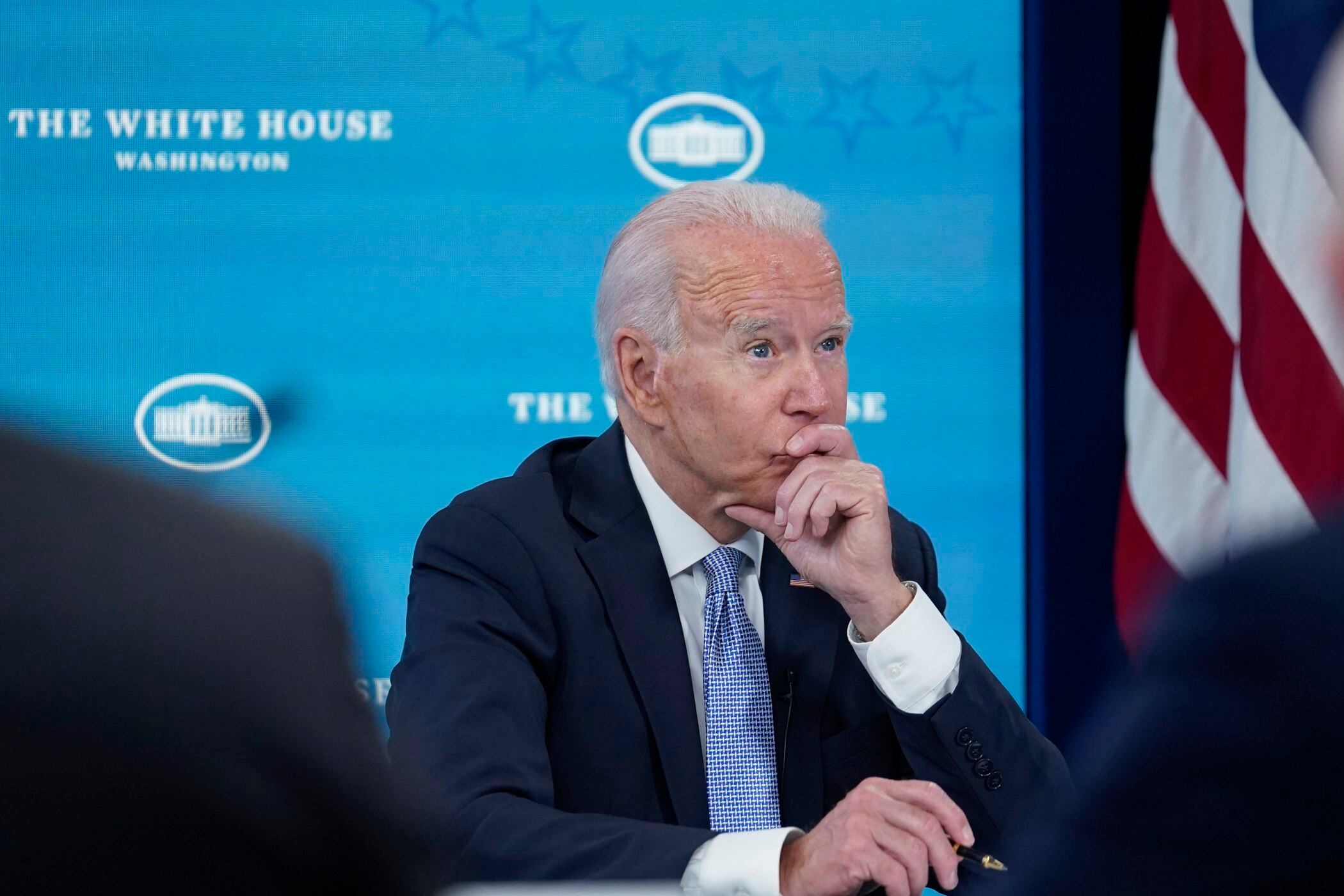
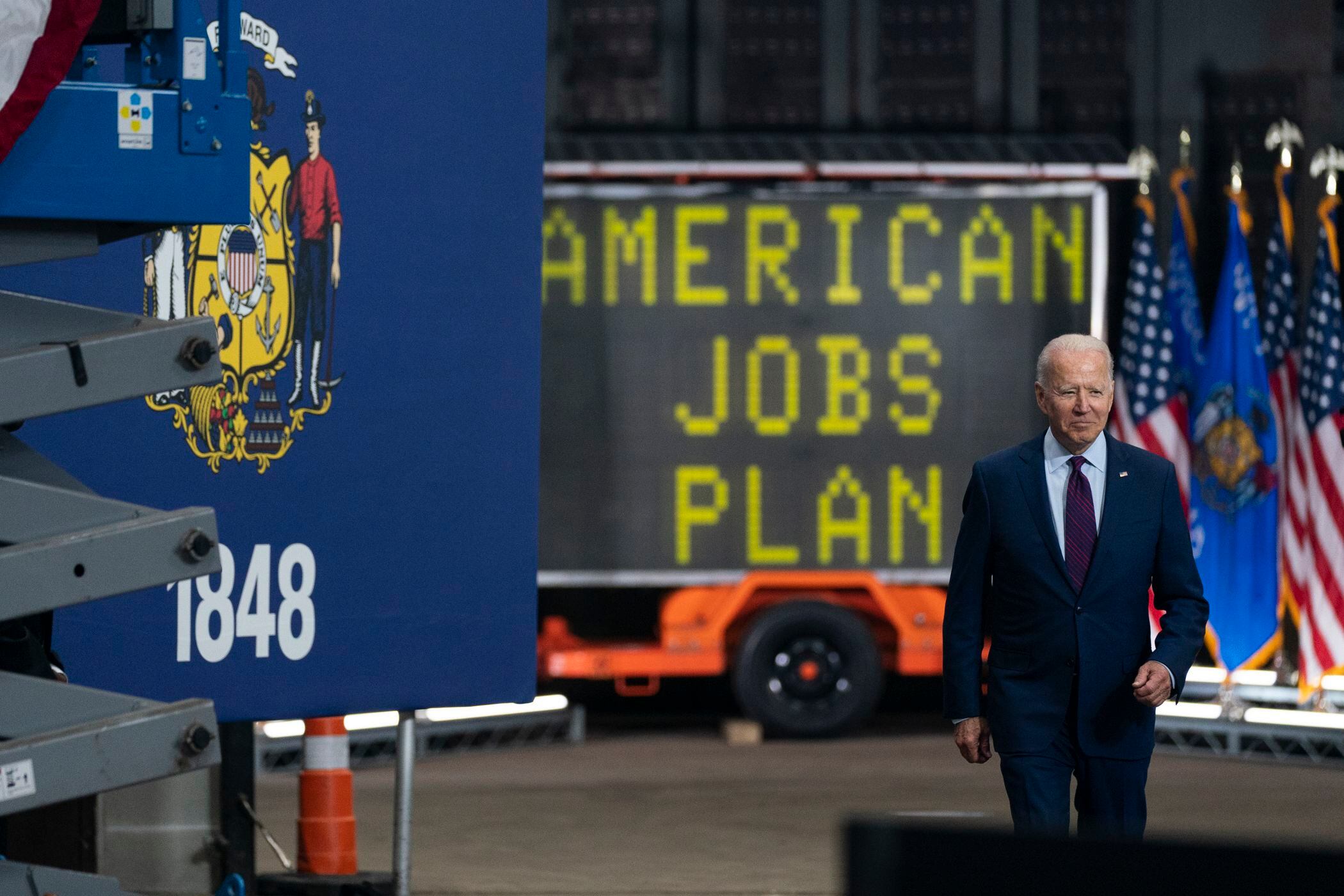
President Joe Biden is in Wisconsin, looking to sell voters on the economic benefits of the $973 billion infrastructure package.
Christina Radigan, chief marketing officer of the Out of Home Advertising Association of America, joined Cheddar News' Michelle Castillo to talk about its new study on consumer travel trends and the push to get people to do things outdoors.
A federal judge has dismissed antitrust lawsuits brought against Facebook by the Federal Trade Commission and a coalition of state attorneys general, dealing a significant blow to attempts by regulators to rein in tech giants.
Electronic cigarette giant Juul Labs Inc. will pay $40 million to North Carolina and take more action to prevent underage use and sales.
President Joe Biden is hoping to get the bipartisan infrastructure deal on track by highlighting its expected economic benefits.
The Defense Department says the U.S. military conducted airstrikes against what it says were “facilities used by Iran-backed militia groups” near the border between Iraq and Syria.