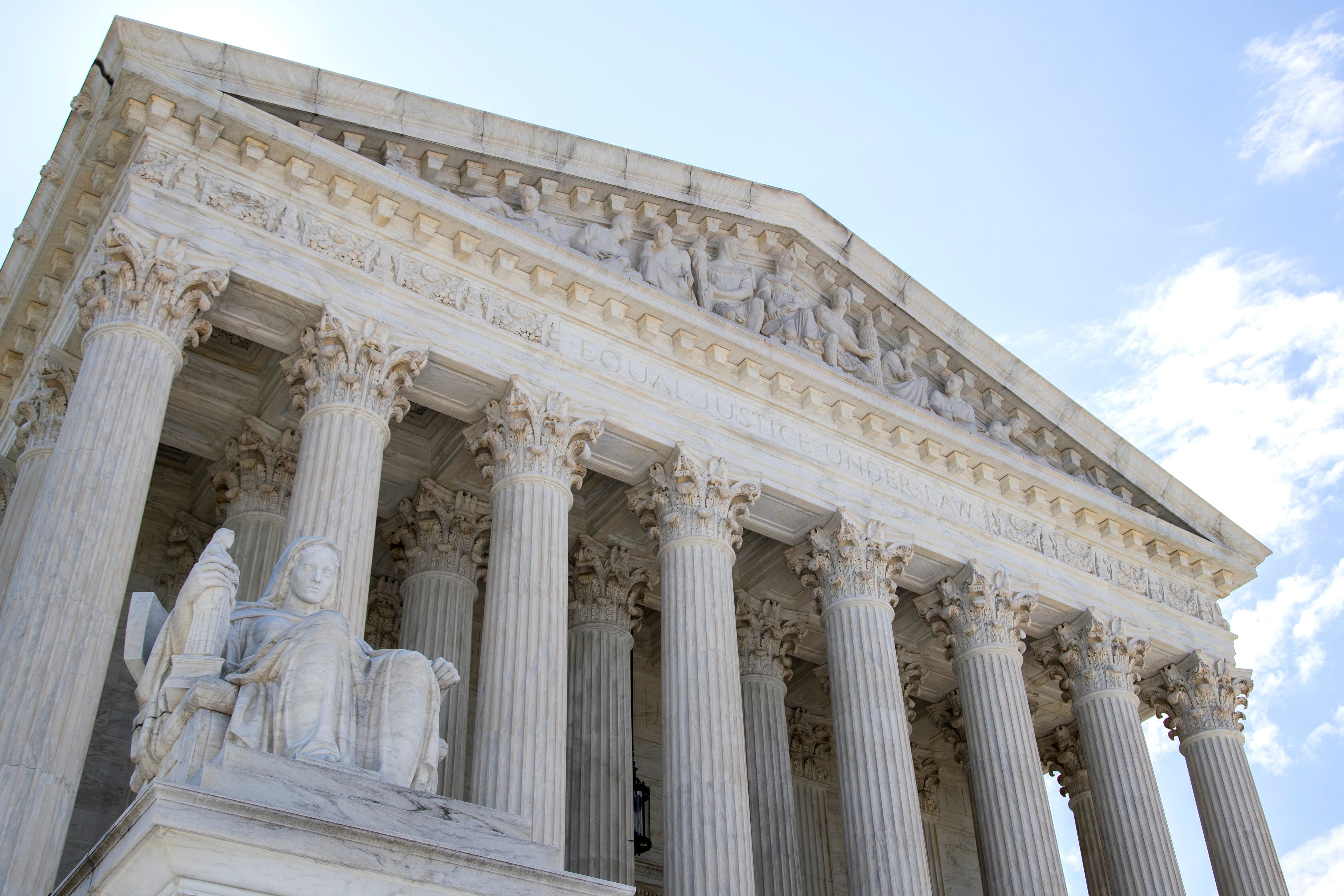
The Supreme Court on Monday upheld a 1991 law that bars robocalls to cellphones.
The case, argued by telephone in May because of the coronavirus pandemic, only arose after Congress in 2015 created an exception in the law that allowed the automated calls for collection of government debt.
Political consultants and pollsters were among those who asked the Supreme Court to strike down the entire 1991 law that bars them from making robocalls to cellphones as a violation of their free speech rights under the Constitution. The issue was whether, by allowing one kind of speech but not others, the exception made the whole law unconstitutional.
Six justices agreed that by allowing debt collection calls to cellphones Congress "impermissibly favored debt-collection speech over political and other speech, in violation of the First Amendment," Justice Brett Kavanaugh wrote. And seven justices agreed that the 2015 exception should be stricken from the law.
"Americans passionately disagree about many things. But they are largely united in their disdain for robocalls," Kavanaugh noted at the outset of his opinion.
During arguments in the case in May, Justice Stephen Breyer got cut off when someone tried calling him. Breyer said after he rejoined the court's arguments: "The telephone started to ring, and it cut me off the call and I don't think it was a robocall."
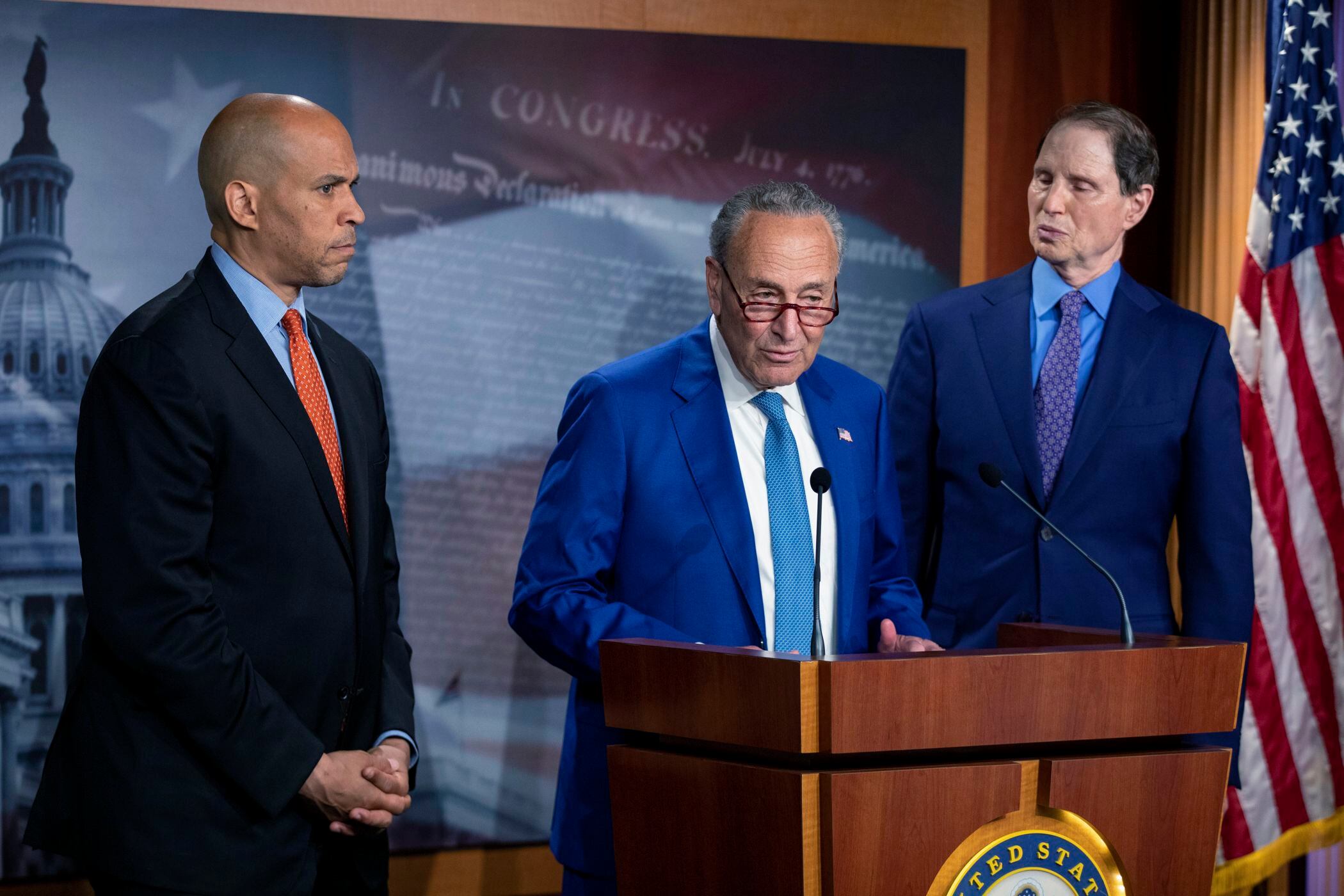
Democratic Senators Chuck Schumer, Cory Booker, and Ron Wyden unveiled the draft of a historic cannabis decriminalization bill on Wednesday, more than five months after originally announcing it.
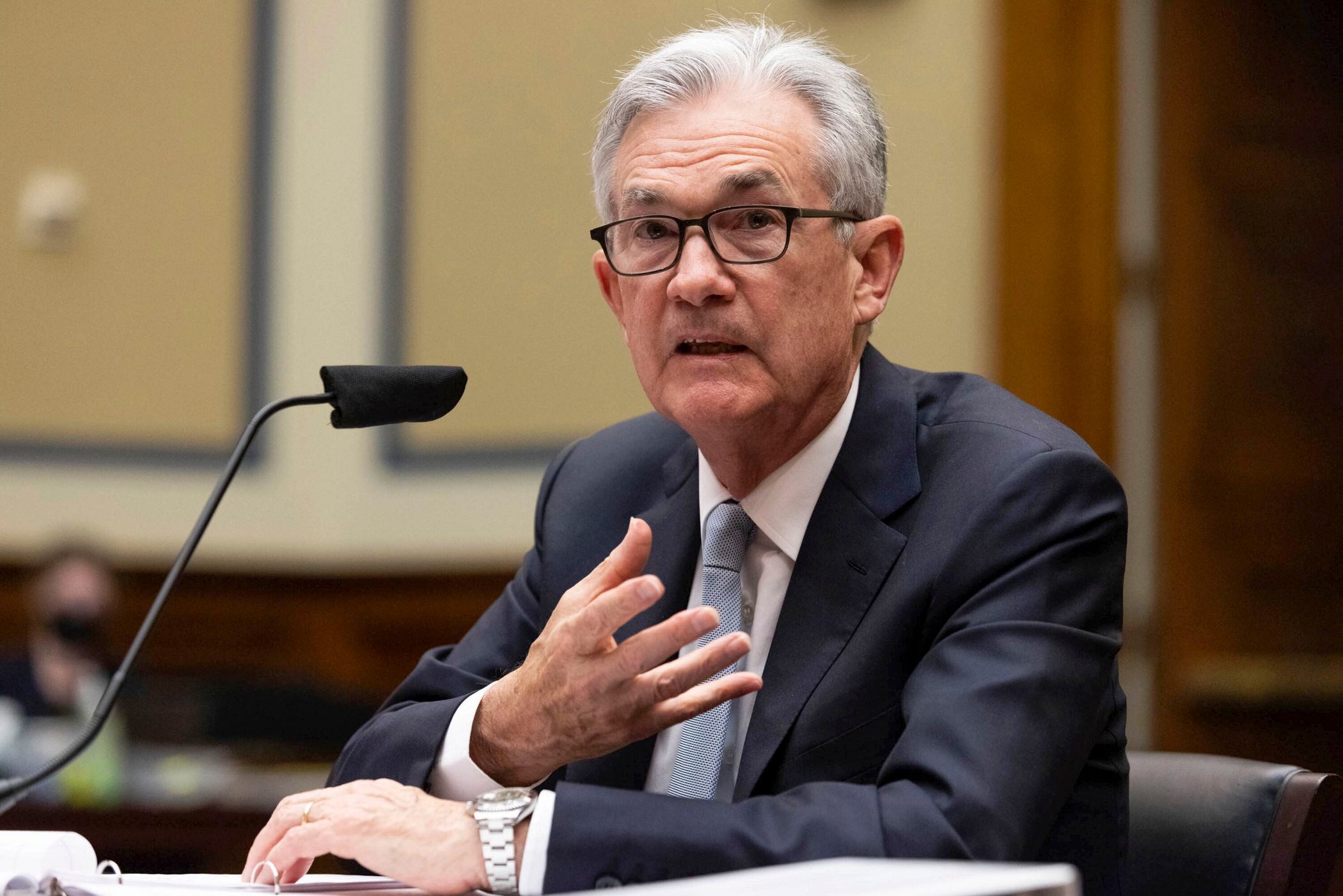
While testifying before Congress on Wednesday, Federal Reserve Chairman Jerome Powell offered his most extensive comments yet on the possibility of a central bank digital currency.
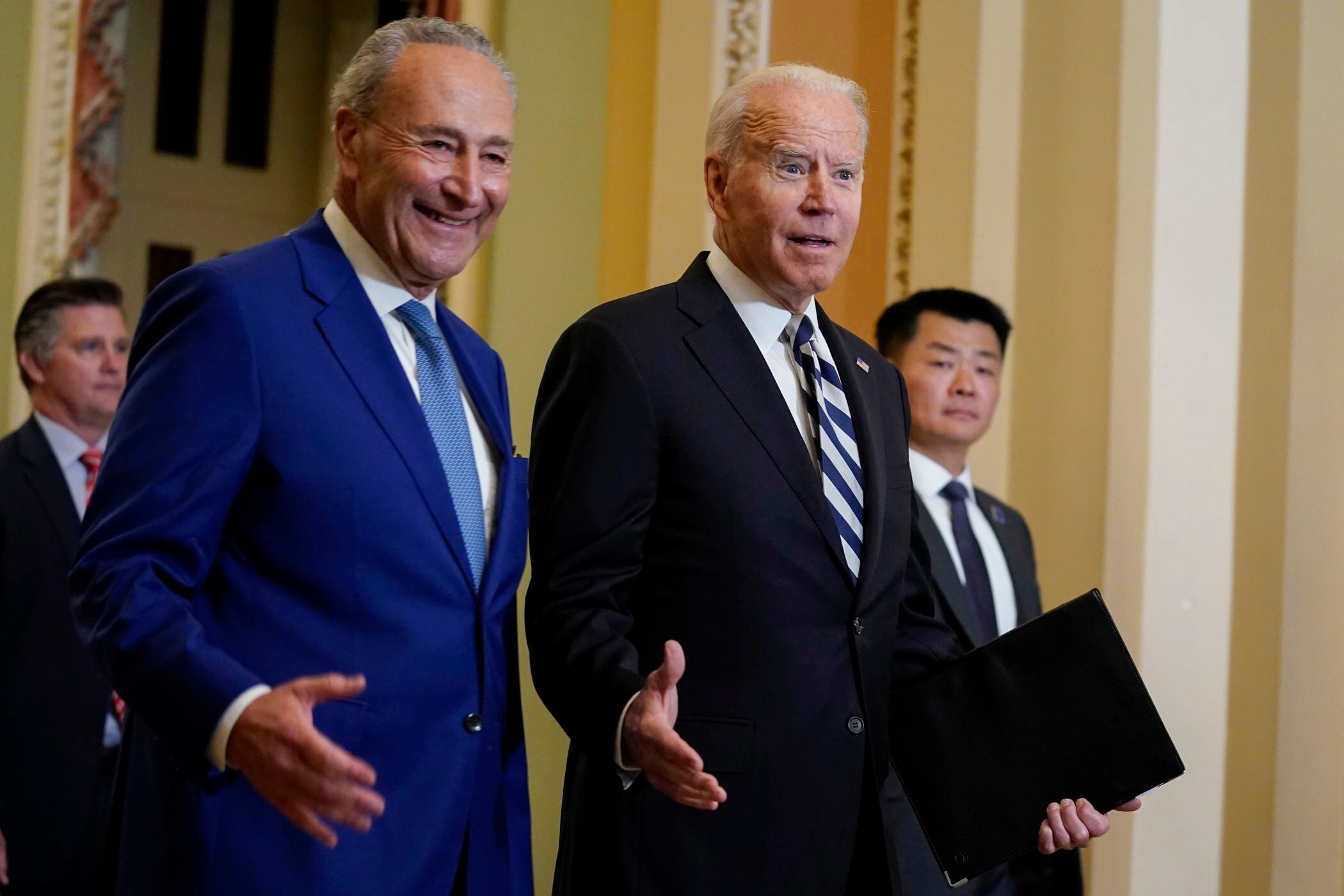
President Joe Biden is stepping up his bid to push his multitrillion-dollar domestic agenda through Congress.
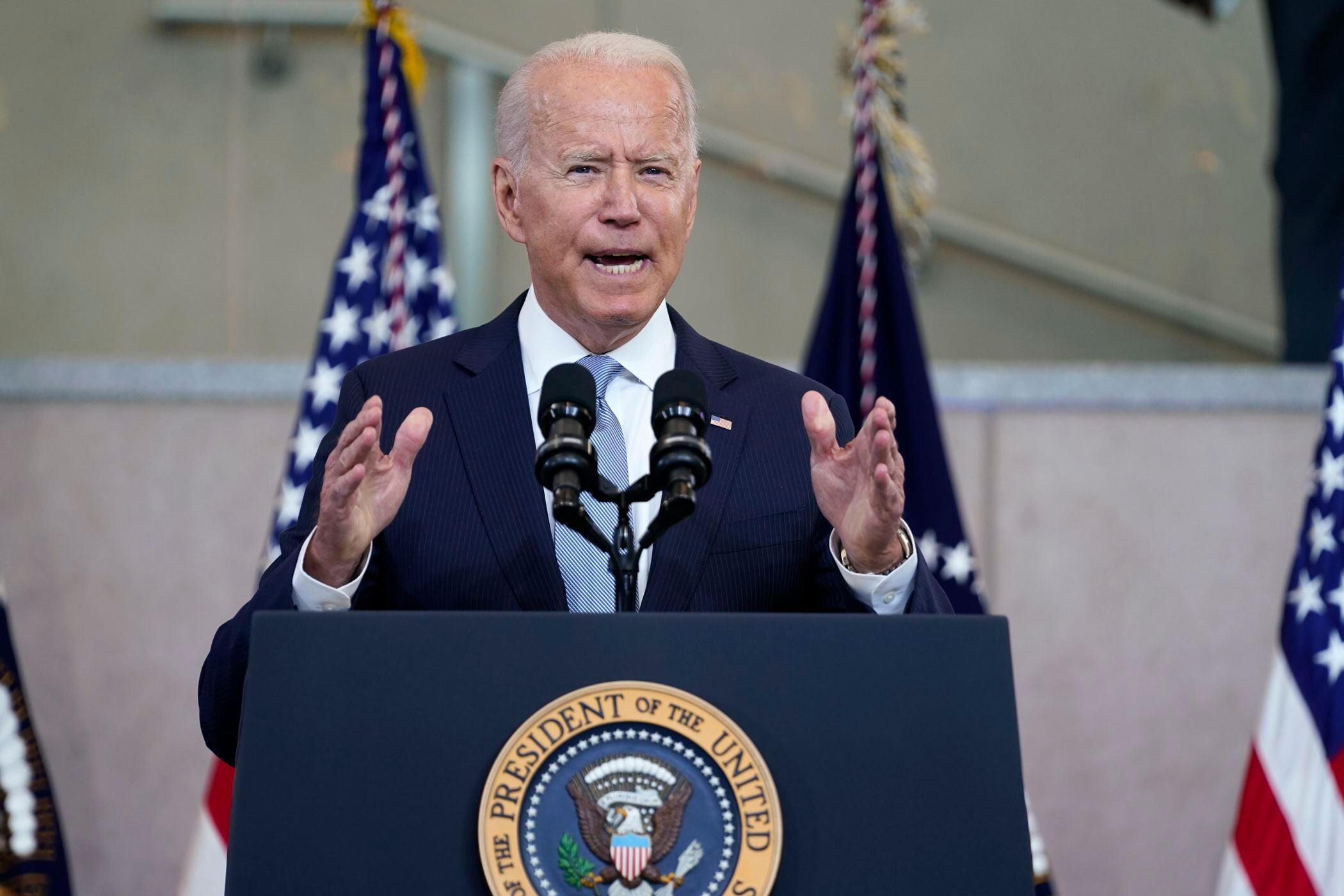
President Joe Biden is declaring that preserving voting rights is “a test of our time” as he urges passage of federal legislation to combat efforts by Republican-led state legislatures to restrict access to ballots.
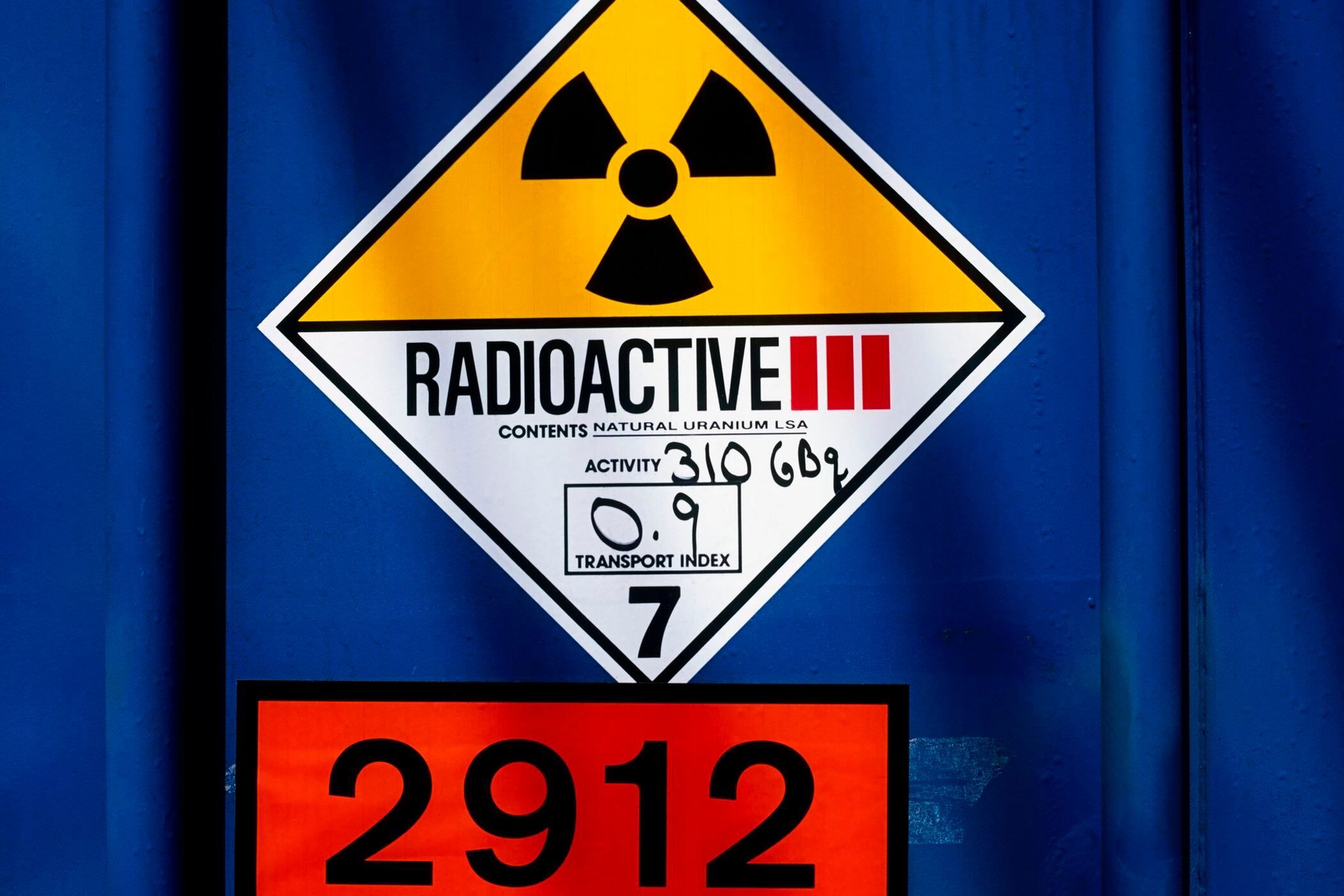
"Uranium bulls," a small but devoted group of investors, see an opportunity in the metal commodity that makes nuclear power possible.
From Wall Street to Silicon Valley, these are the top stories that moved markets and had investors, business leaders, and entrepreneurs talking this week on Cheddar.
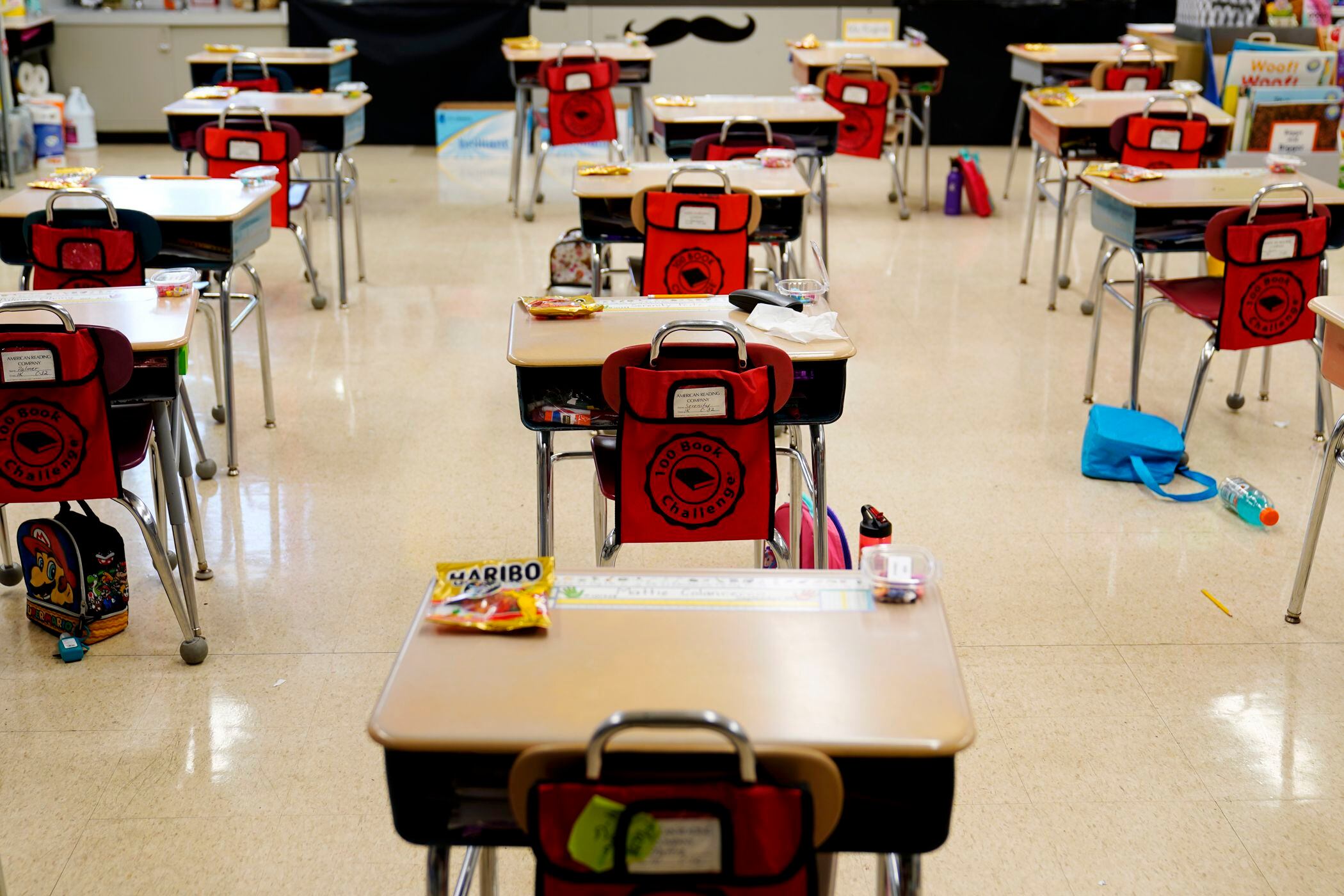
U.S. health officials say vaccinated teachers and students don't need to wear masks inside school buildings.
For most aficionados, a sparkling wine can be called champagne only if it comes from the region of France with that name and is made under certain regulations.
President Joe Biden has signed an executive order that targets what he says are anticompetitive practices in tech, health care and other parts of the economy.
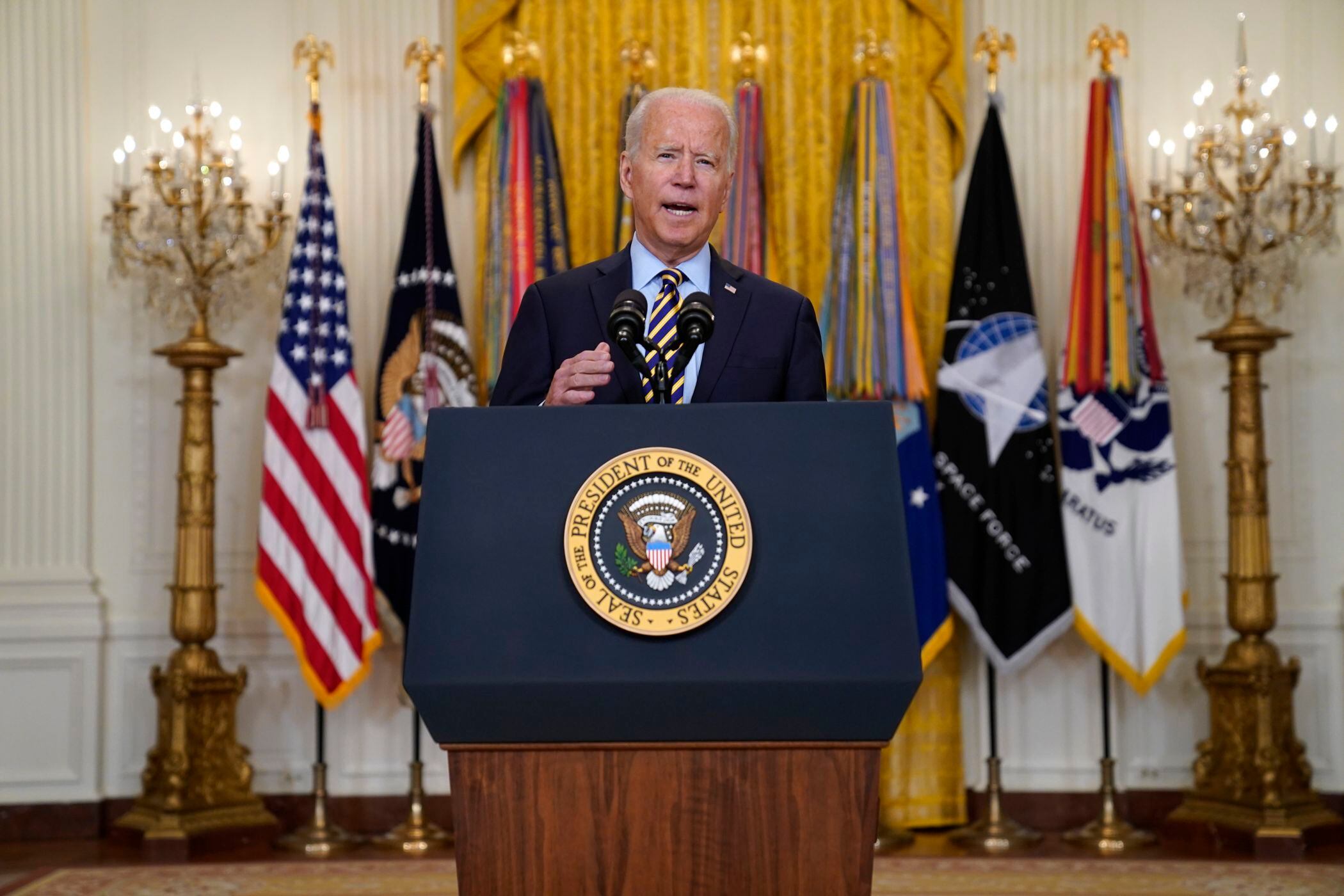
President Joe Biden says the U.S. military mission in Afghanistan will conclude on Aug. 31. He says “speed is safety” as the United States seeks to end the nearly 20-year war.