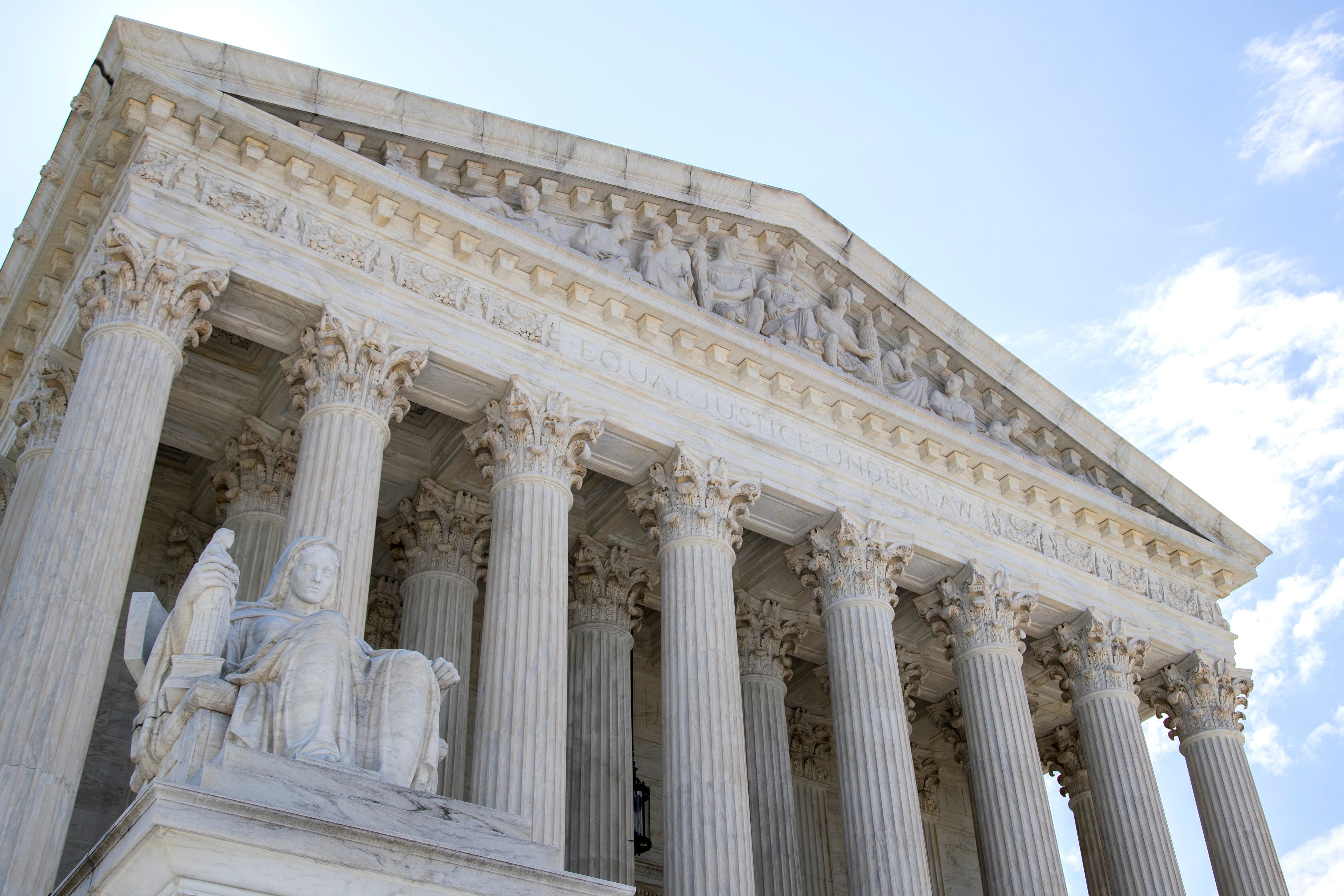
The Supreme Court on Monday upheld a 1991 law that bars robocalls to cellphones.
The case, argued by telephone in May because of the coronavirus pandemic, only arose after Congress in 2015 created an exception in the law that allowed the automated calls for collection of government debt.
Political consultants and pollsters were among those who asked the Supreme Court to strike down the entire 1991 law that bars them from making robocalls to cellphones as a violation of their free speech rights under the Constitution. The issue was whether, by allowing one kind of speech but not others, the exception made the whole law unconstitutional.
Six justices agreed that by allowing debt collection calls to cellphones Congress "impermissibly favored debt-collection speech over political and other speech, in violation of the First Amendment," Justice Brett Kavanaugh wrote. And seven justices agreed that the 2015 exception should be stricken from the law.
"Americans passionately disagree about many things. But they are largely united in their disdain for robocalls," Kavanaugh noted at the outset of his opinion.
During arguments in the case in May, Justice Stephen Breyer got cut off when someone tried calling him. Breyer said after he rejoined the court's arguments: "The telephone started to ring, and it cut me off the call and I don't think it was a robocall."
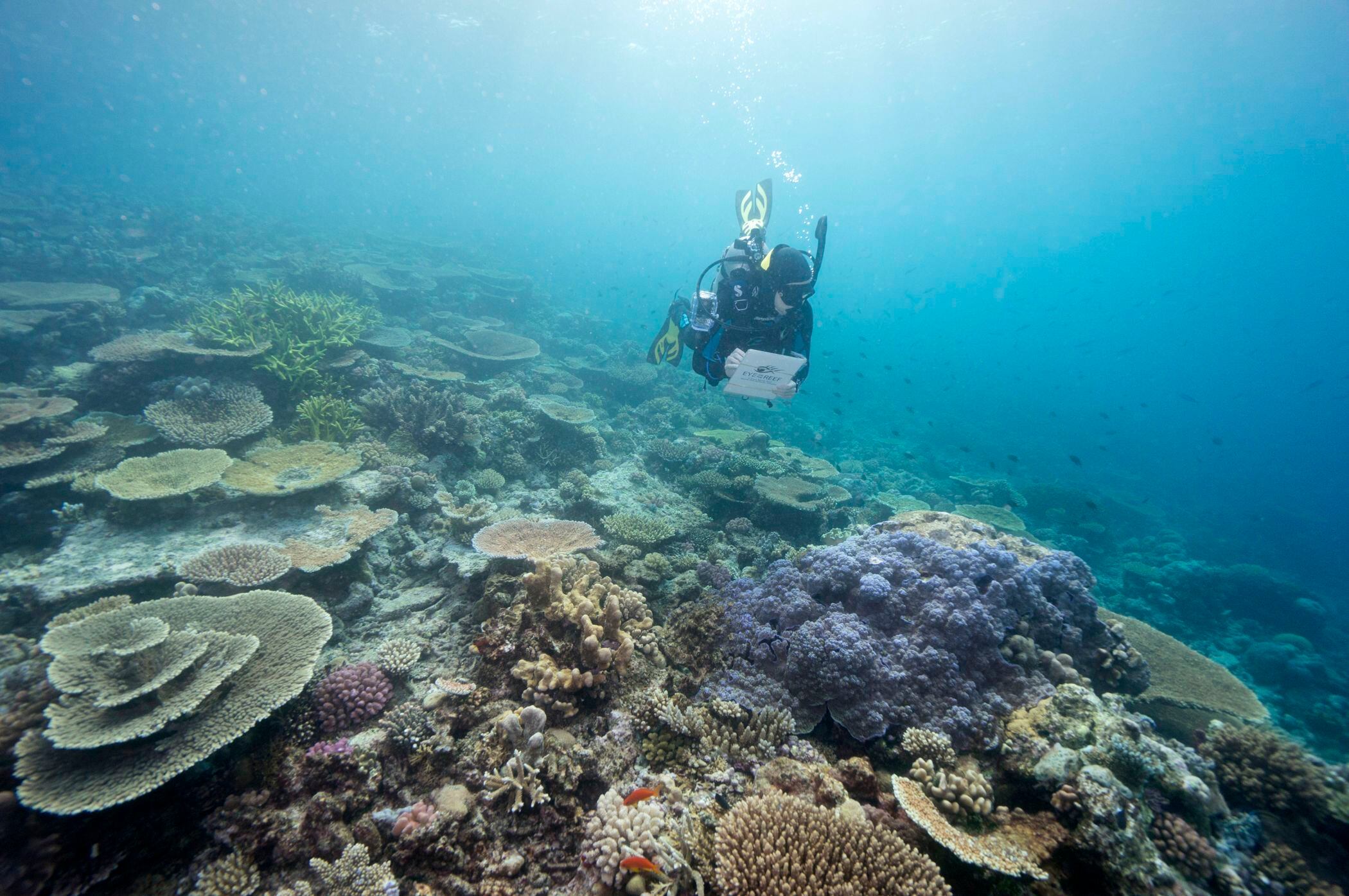
Australia has garnered enough international support to defer for two years an attempt by the United Nations’ cultural organization to downgrade the Great Barrier Reef’s World Heritage status because of damage caused by climate change.
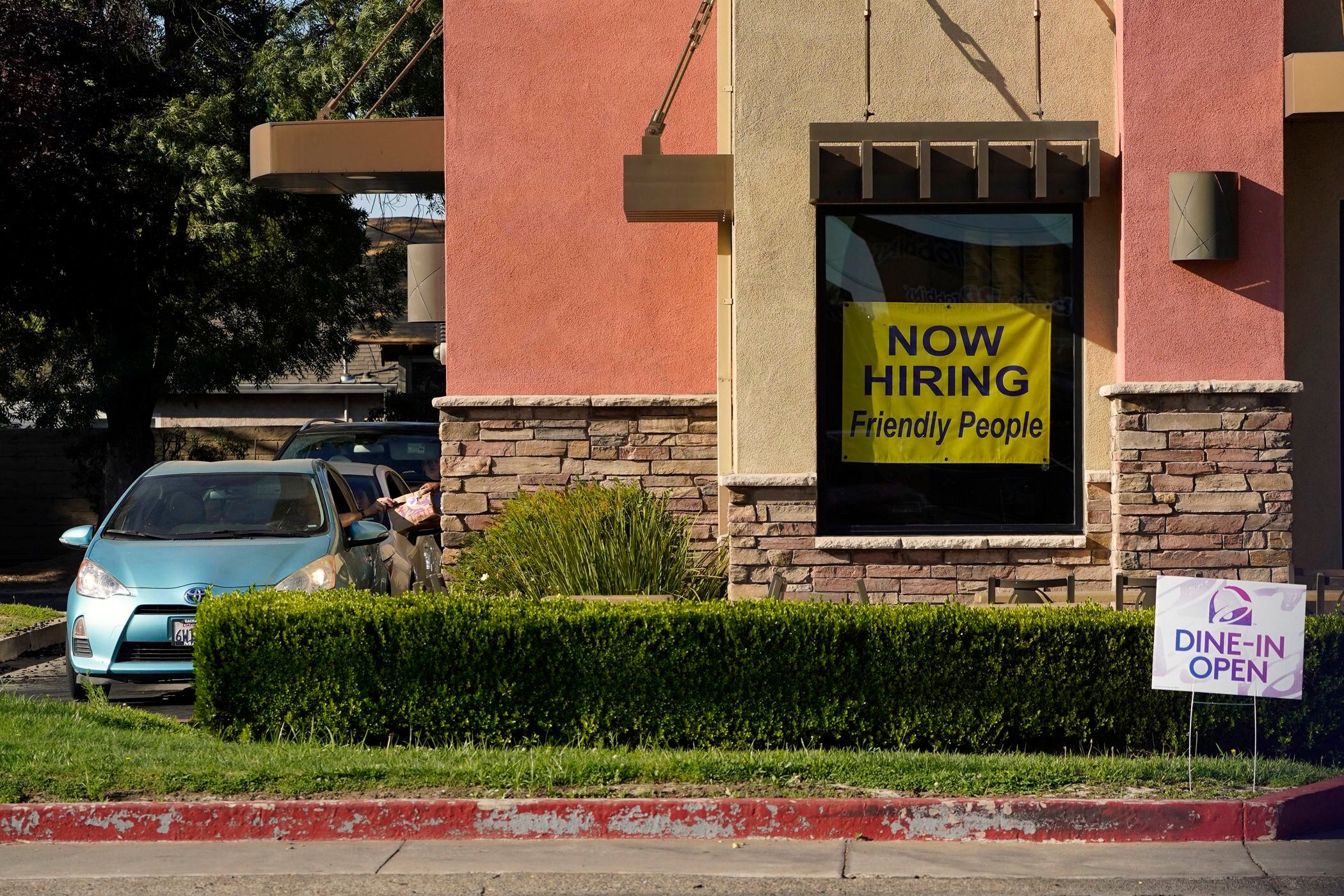
The number of Americans seeking unemployment benefits rose last week from the lowest point of the pandemic, even as the job market appears to be rebounding on the strength of a reopened economy
Dollar-pegged cryptocurrencies called stablecoins are on the rise, and U.S. regulators are taking notice.
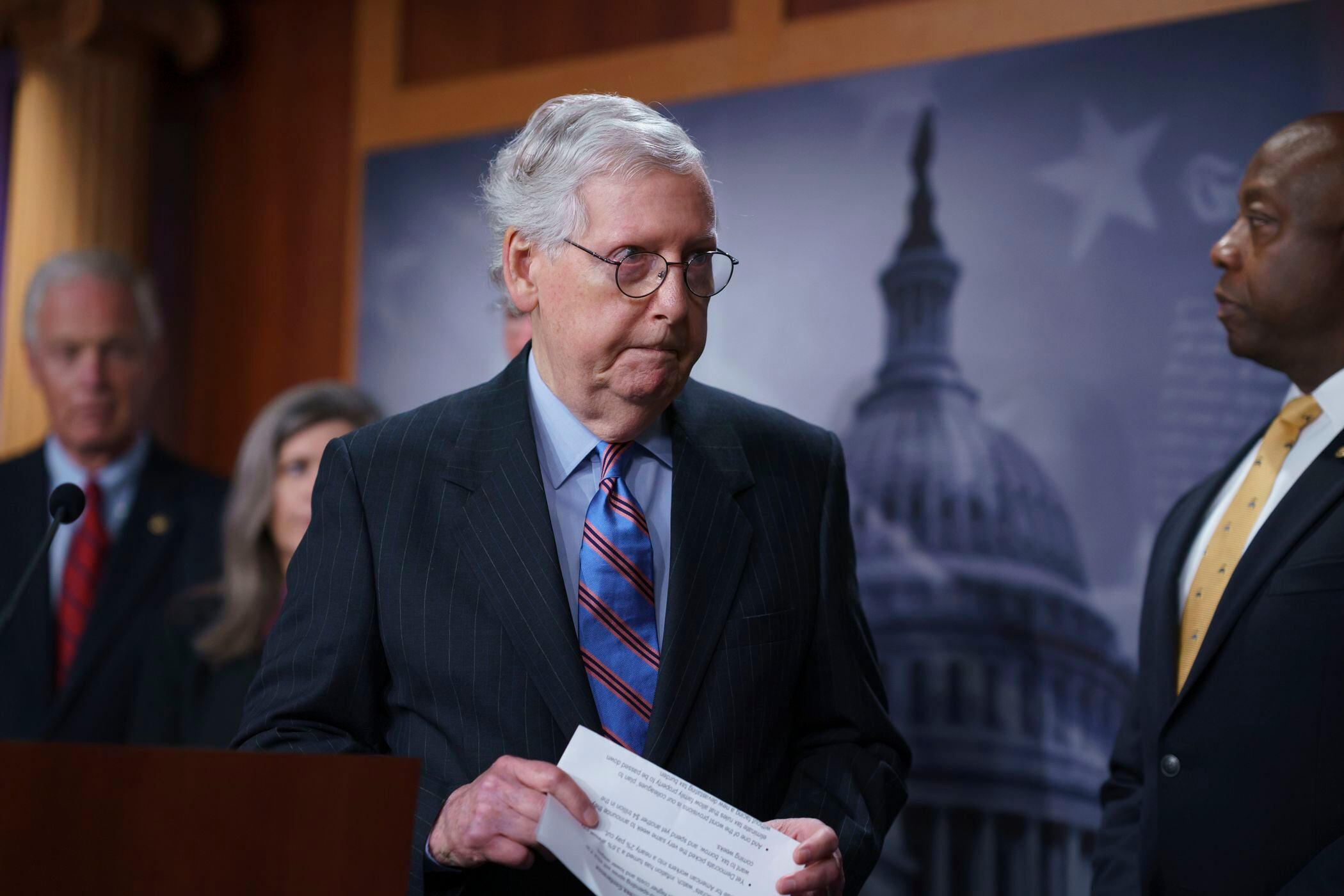
Senate Republicans have rejected an effort to begin debate on a bipartisan infrastructure deal that senators brokered with President Joe Biden.
While the Biden administration has been busy undoing some of former President Trump's legacy decisions, the latest military branch, the U.S. Space Force established in 2019, isn't going anywhere.
Israeli Prime Minister Naftali Bennett spoke to the head of Unilever after its subsidiary Ben & Jerry’s announced it would stop selling its ice cream in the Israeli-occupied West Bank and contested east Jerusalem.
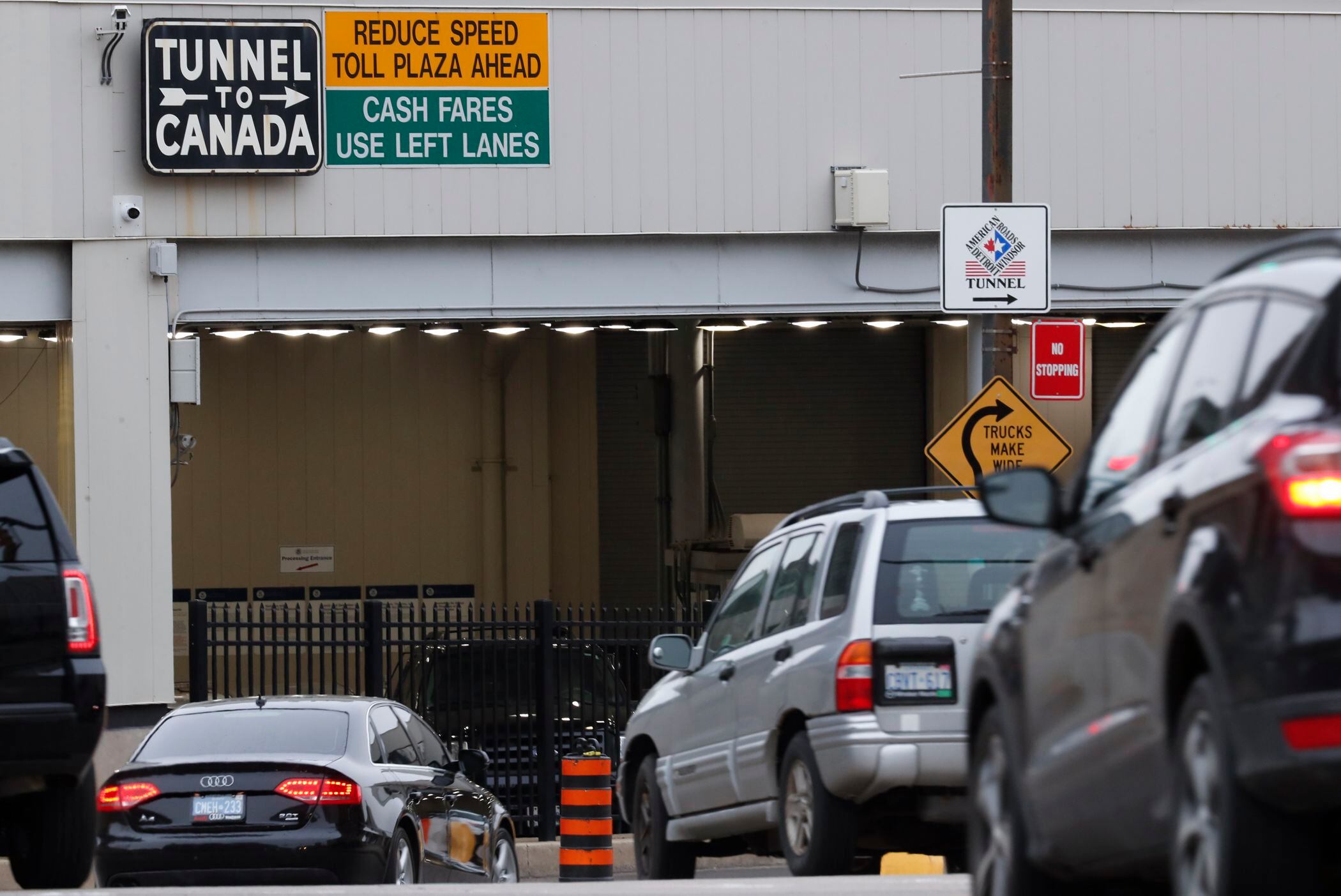
Canada will begin letting fully vaccinated U.S. citizens into Canada on Aug. 9, and those from the rest of the world on Sept. 7.
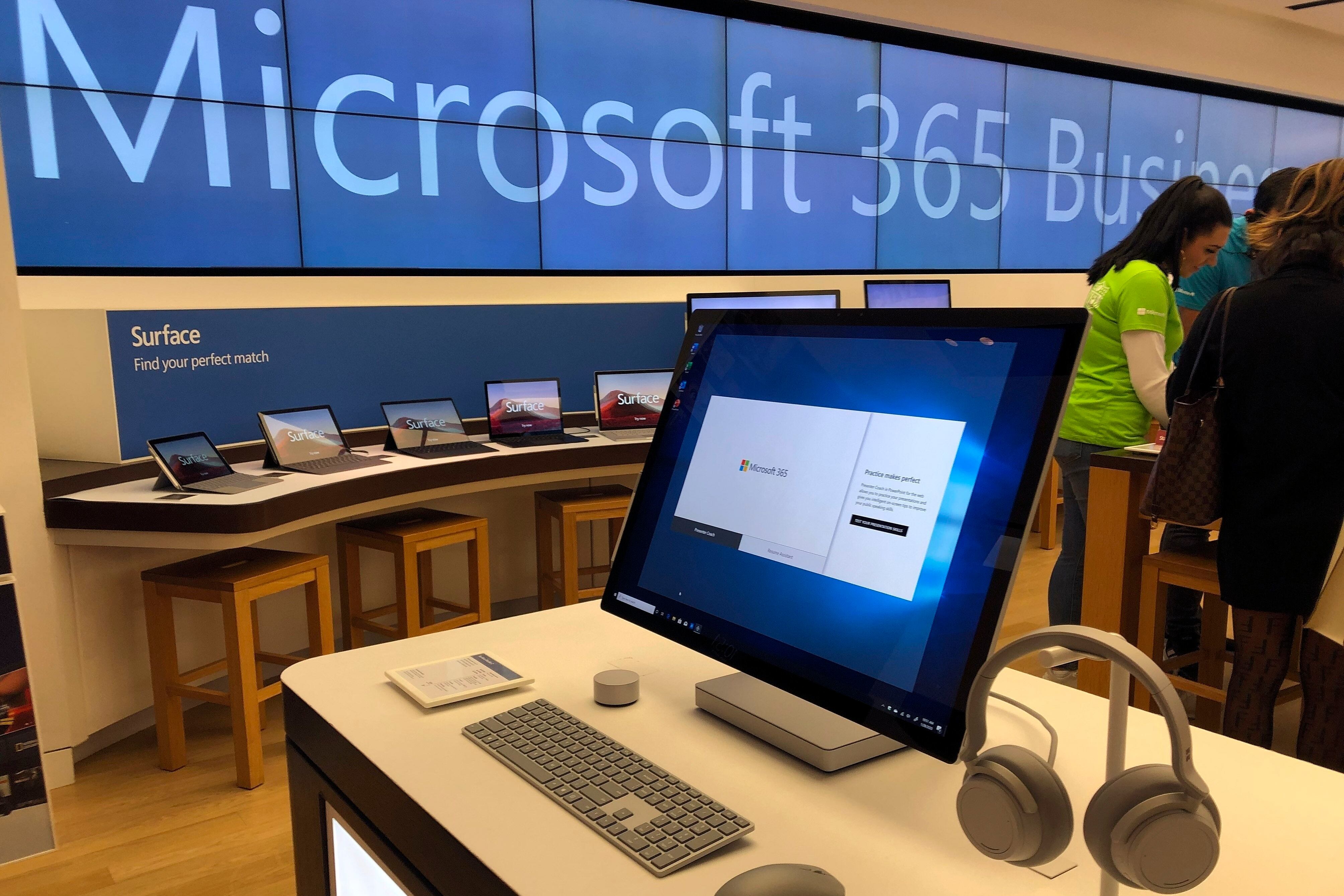
The Biden administration is blaming China for a hack of Microsoft Exchange email server software that compromised tens of thousands of computers around the world earlier this year.
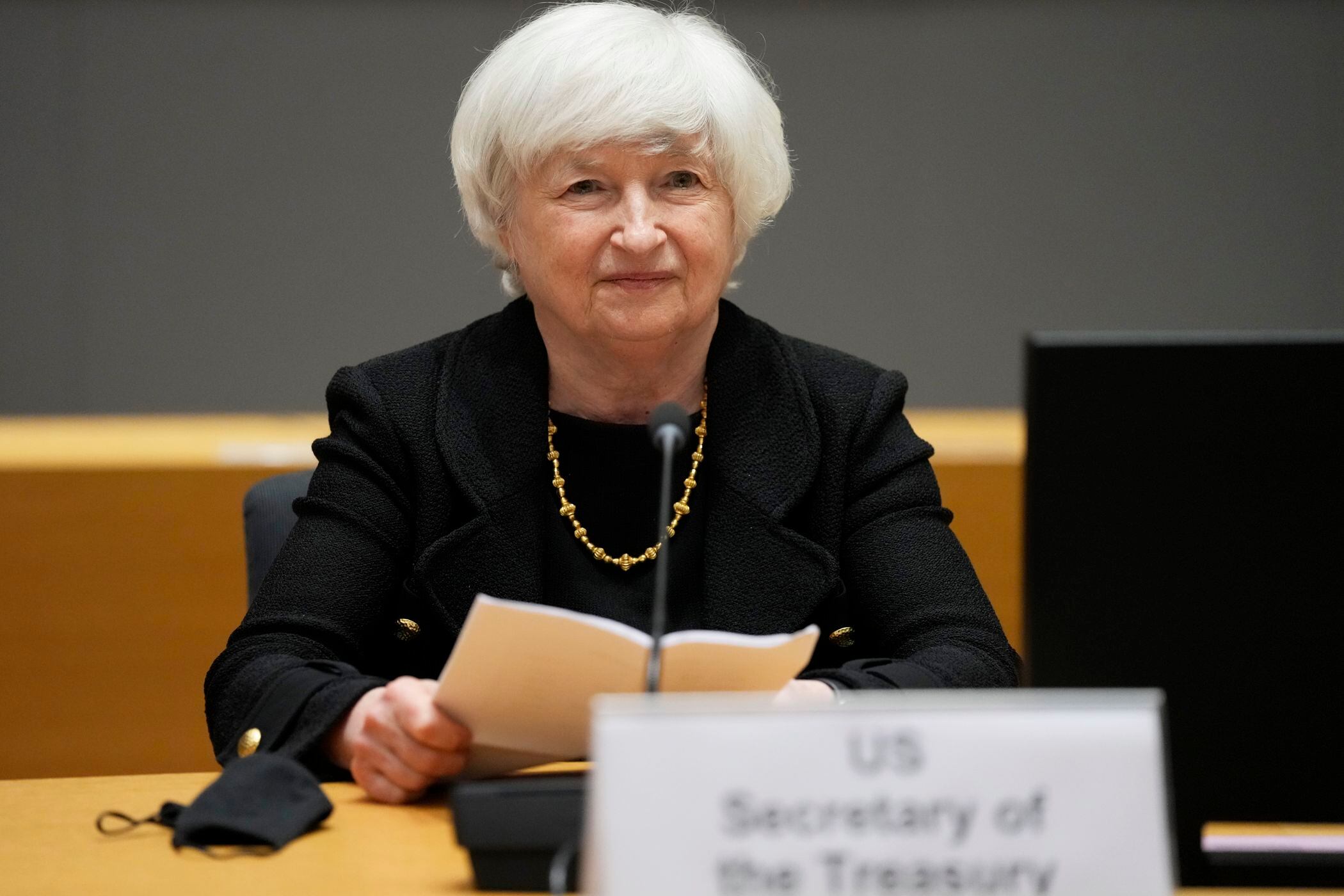
The State Department will offer rewards up to $10 million for information leading to the identification of anyone engaged in foreign state-sanctioned malicious cyber activity, including ransomware attacks, against critical U.S. infrastructure.
The U.S. government is starting to deposit child tax credit money into the accounts of more than 35 million families.