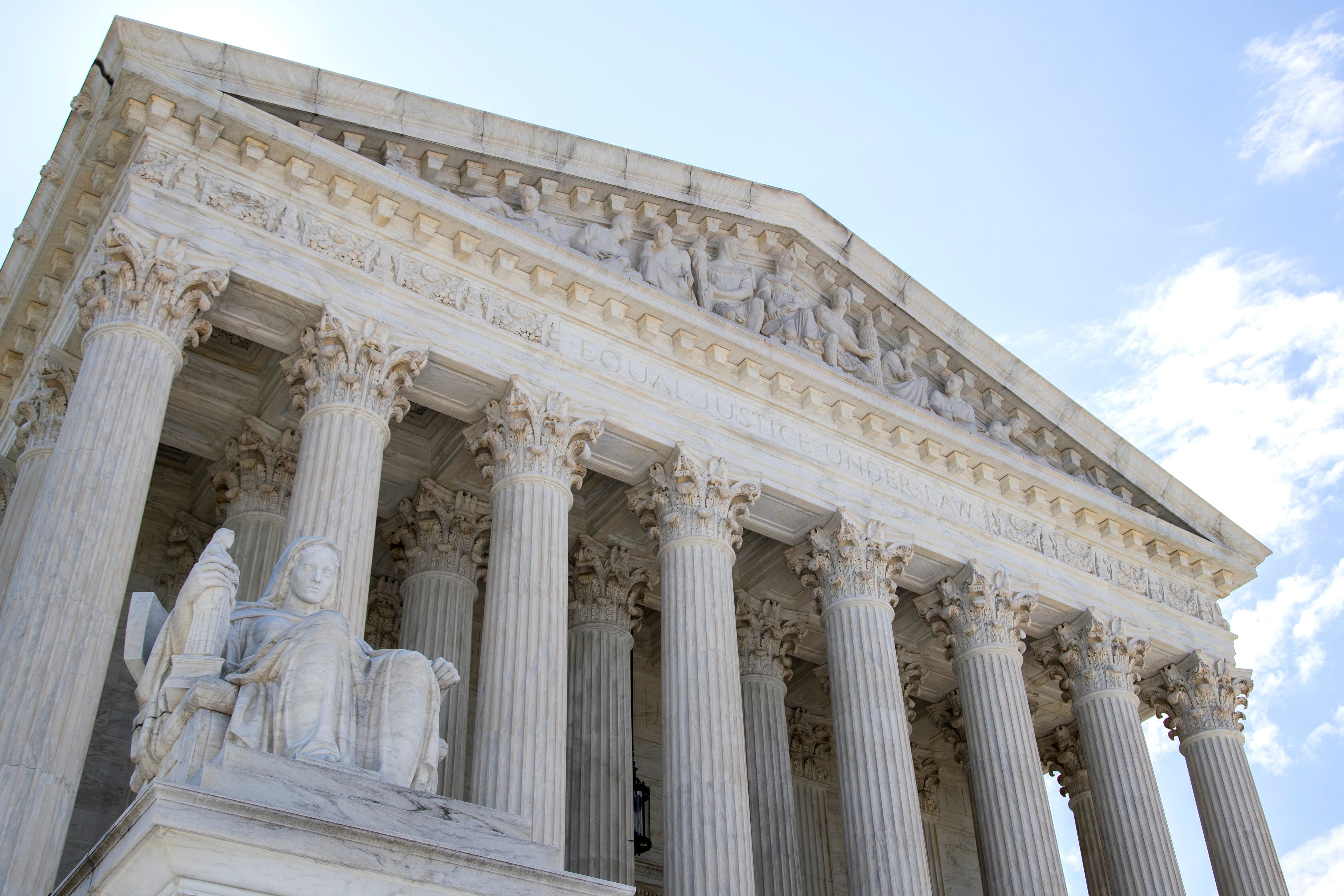
The Supreme Court on Monday upheld a 1991 law that bars robocalls to cellphones.
The case, argued by telephone in May because of the coronavirus pandemic, only arose after Congress in 2015 created an exception in the law that allowed the automated calls for collection of government debt.
Political consultants and pollsters were among those who asked the Supreme Court to strike down the entire 1991 law that bars them from making robocalls to cellphones as a violation of their free speech rights under the Constitution. The issue was whether, by allowing one kind of speech but not others, the exception made the whole law unconstitutional.
Six justices agreed that by allowing debt collection calls to cellphones Congress "impermissibly favored debt-collection speech over political and other speech, in violation of the First Amendment," Justice Brett Kavanaugh wrote. And seven justices agreed that the 2015 exception should be stricken from the law.
"Americans passionately disagree about many things. But they are largely united in their disdain for robocalls," Kavanaugh noted at the outset of his opinion.
During arguments in the case in May, Justice Stephen Breyer got cut off when someone tried calling him. Breyer said after he rejoined the court's arguments: "The telephone started to ring, and it cut me off the call and I don't think it was a robocall."
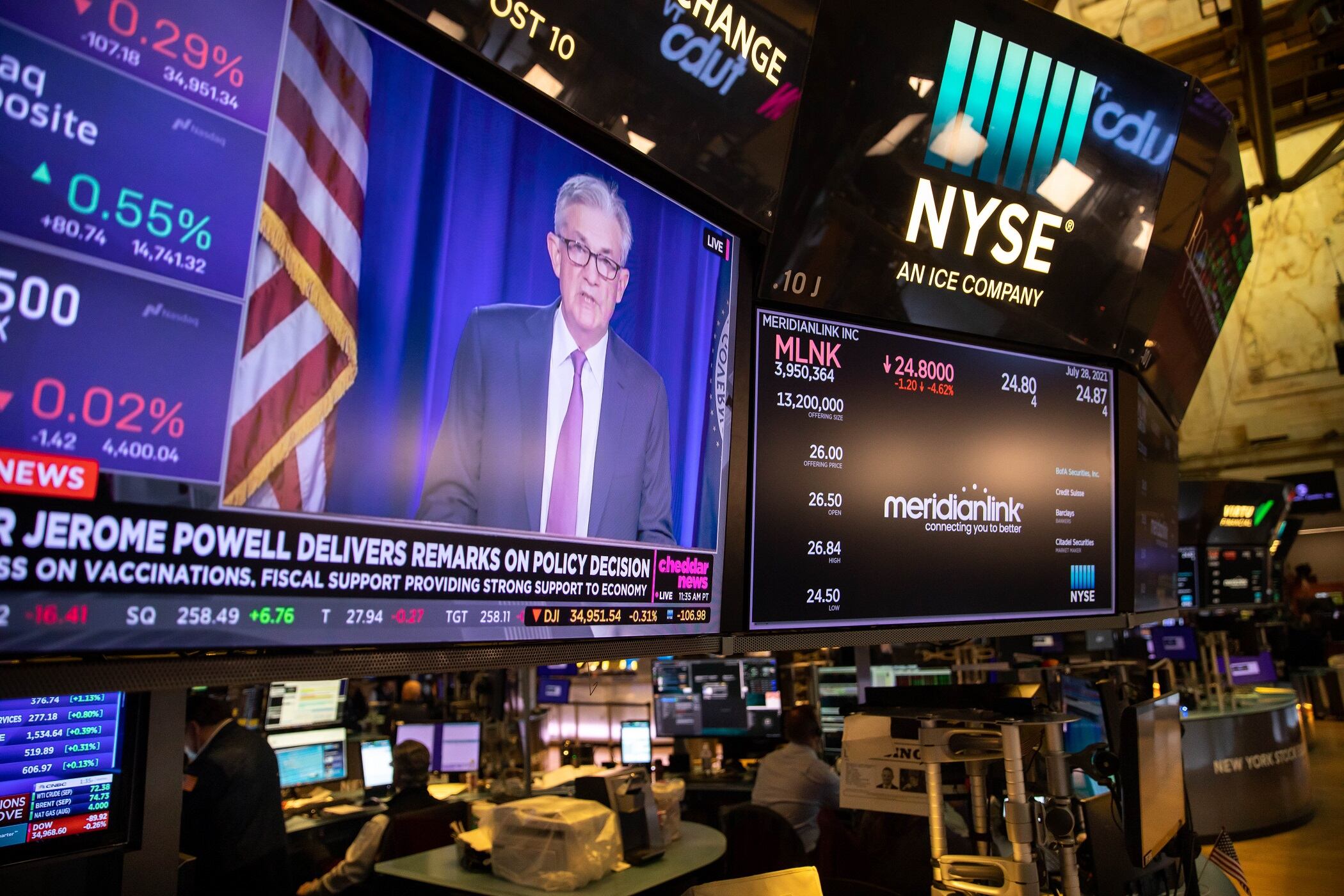
Fed-watchers had their ears peeled after Wednesday's meeting of the Federal Reserve's Open Market Committee for any signal of when the central bank might start tapering its $120 billion in monthly assets purchases.
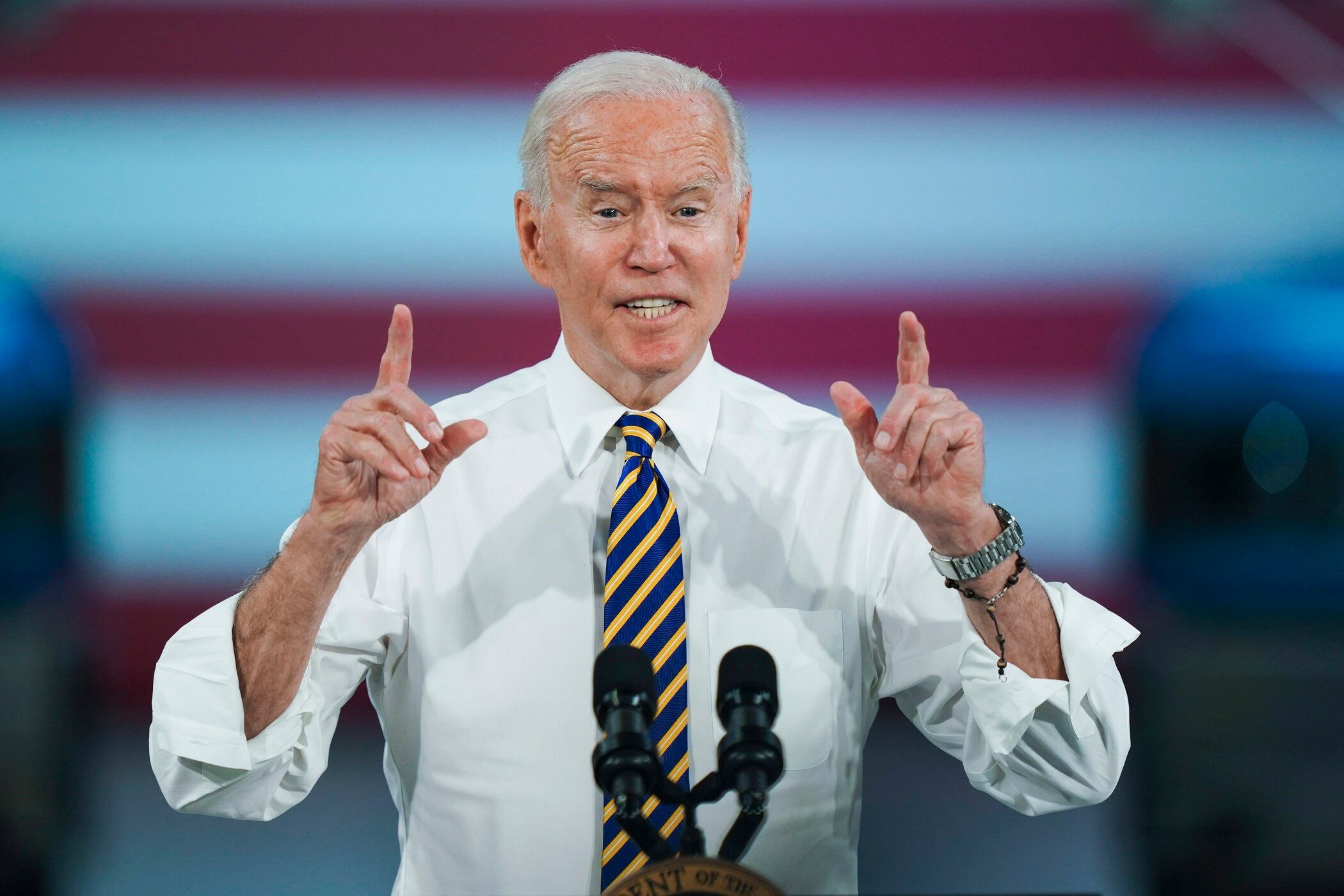
President Joe Biden and a bipartisan group of senators have reached a deal over major outstanding issues in a $1 trillion infrastructure bill.
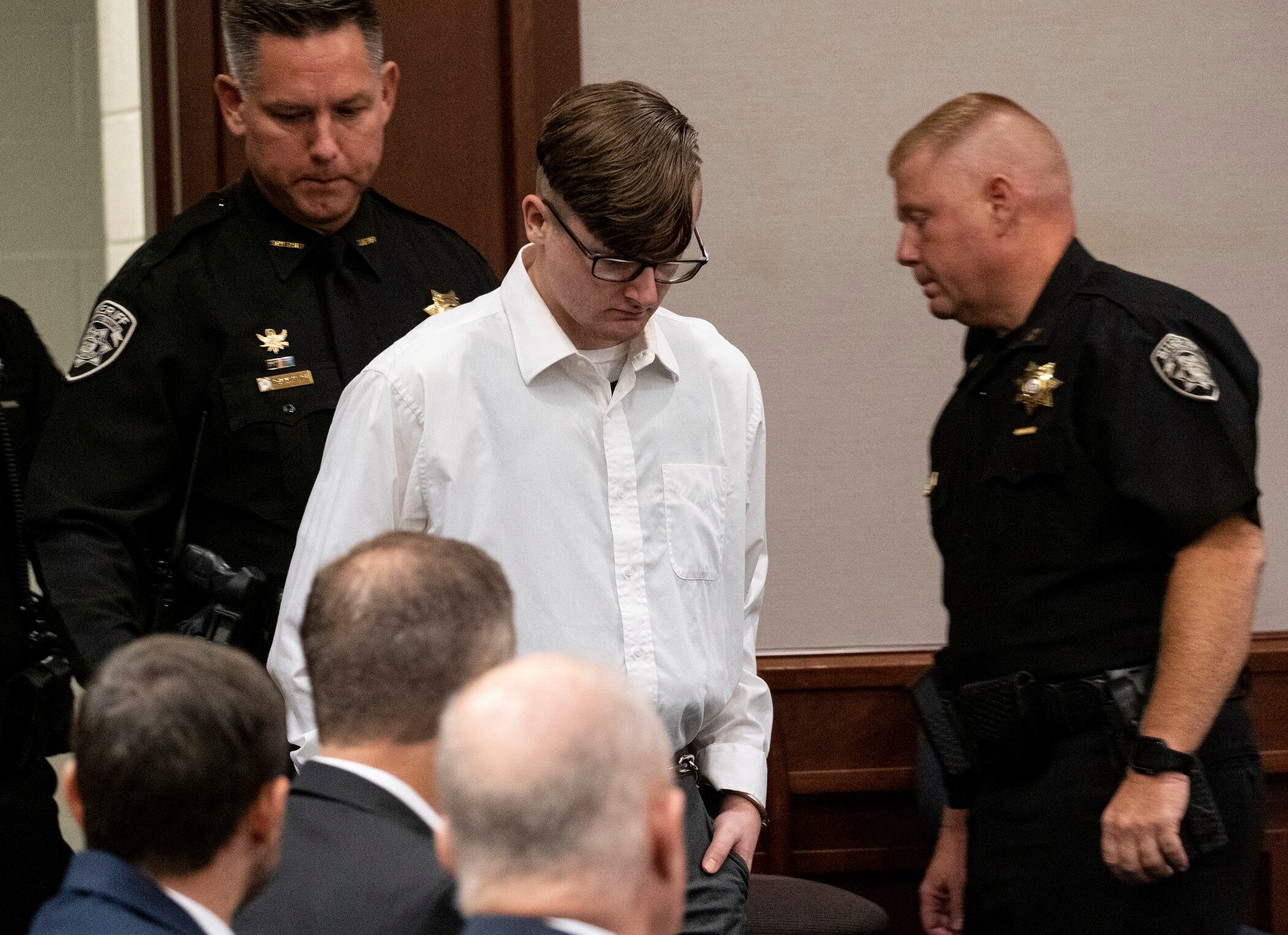
man accused of killing eight people, most of them women of Asian descent, at massage businesses in Georgia pleaded guilty to four of the murders.
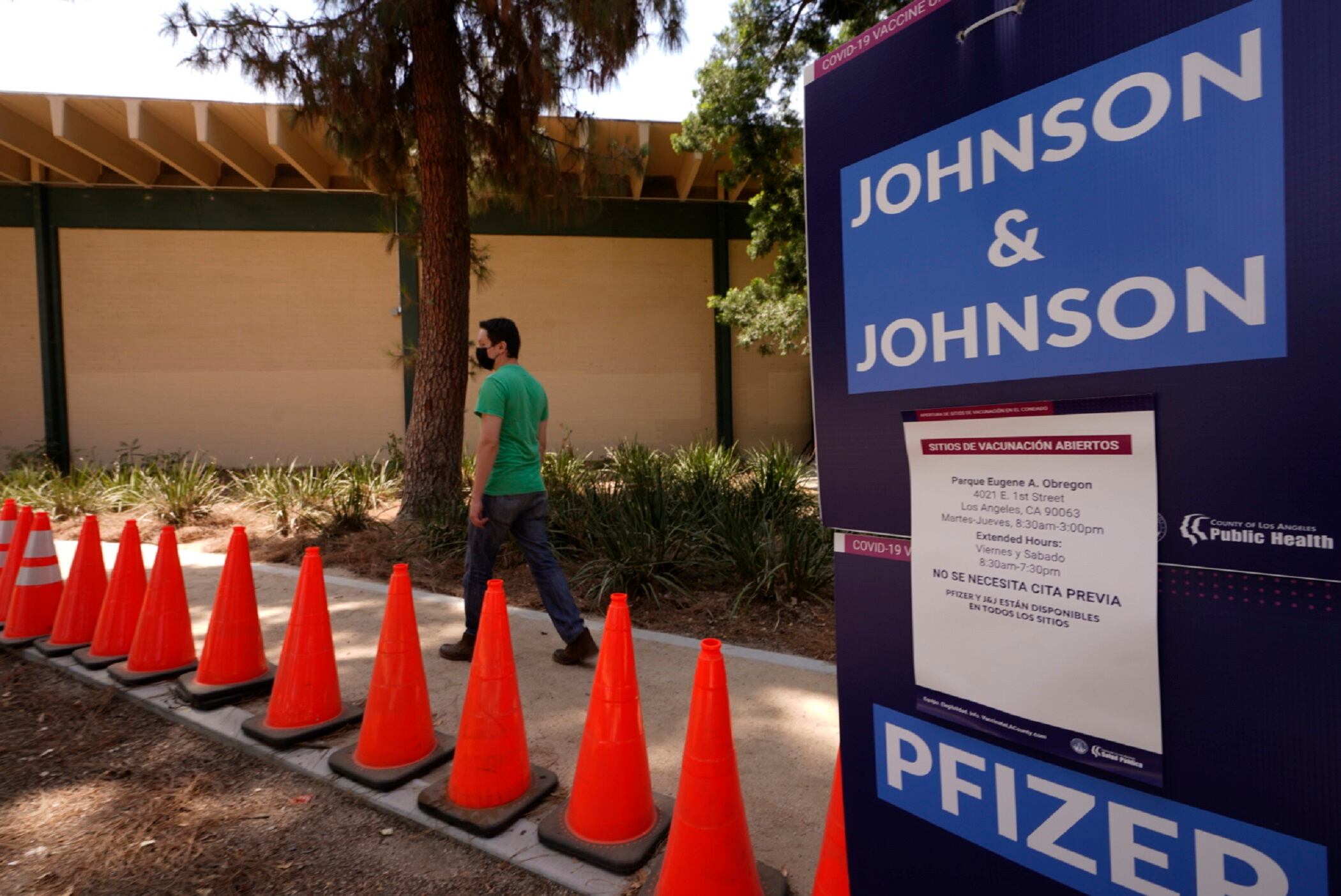
The Centers for Disease Control and Prevention is reversing course on some masking guidelines. The agency announced new recommendations Tuesday that even vaccinated people should return to wearing masks indoors in parts of the U.S.
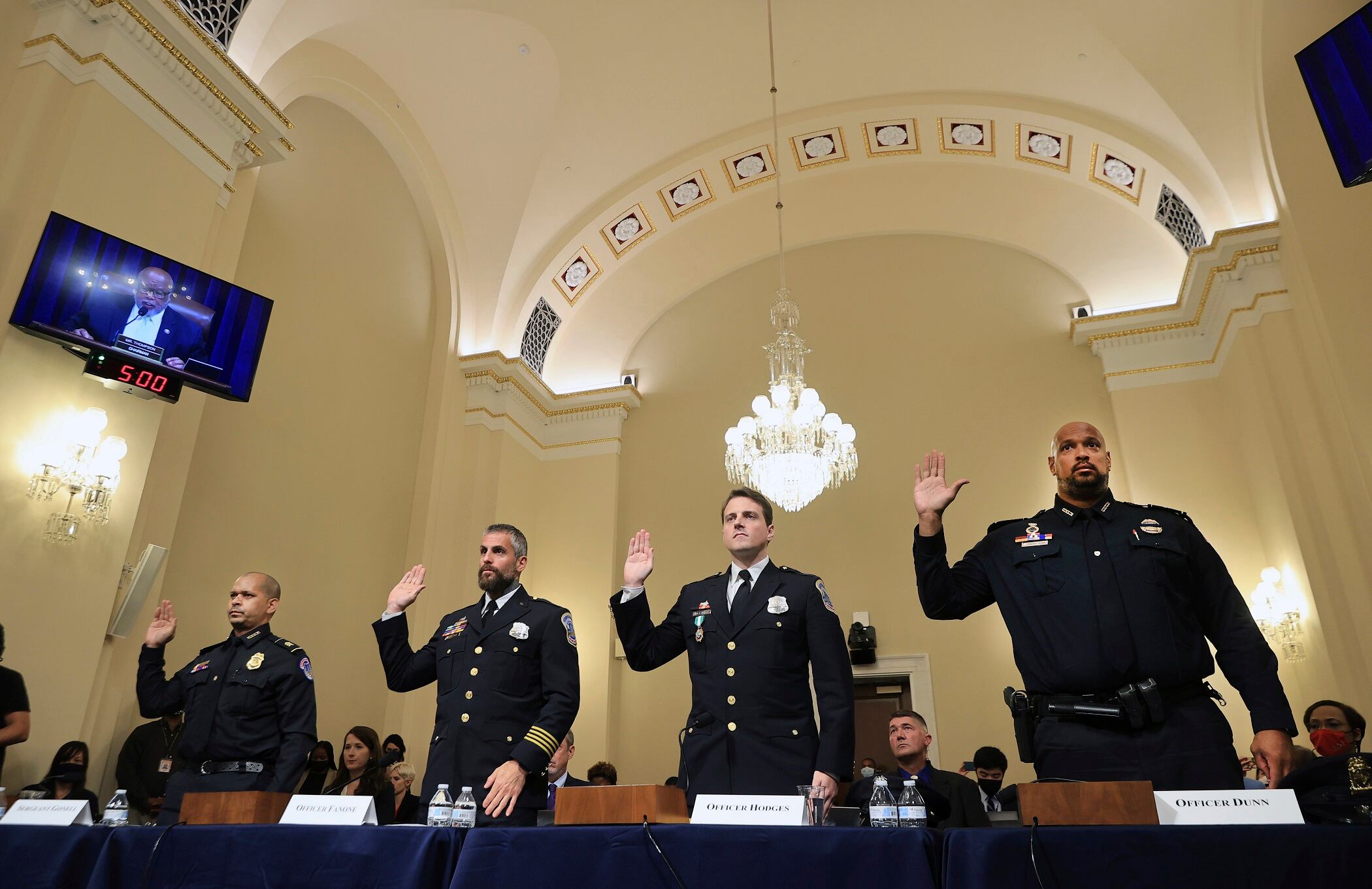
Four officers who defended the Capitol during the Jan. 6 insurrection are giving emotional and angry accounts of the attack.
Vaccine Mandates, Osaka Out & LeVar Burton Takes Jeopardy!
New York City will require all municipal workers to get coronavirus vaccines by mid-September or face weekly COVID-19 testing.
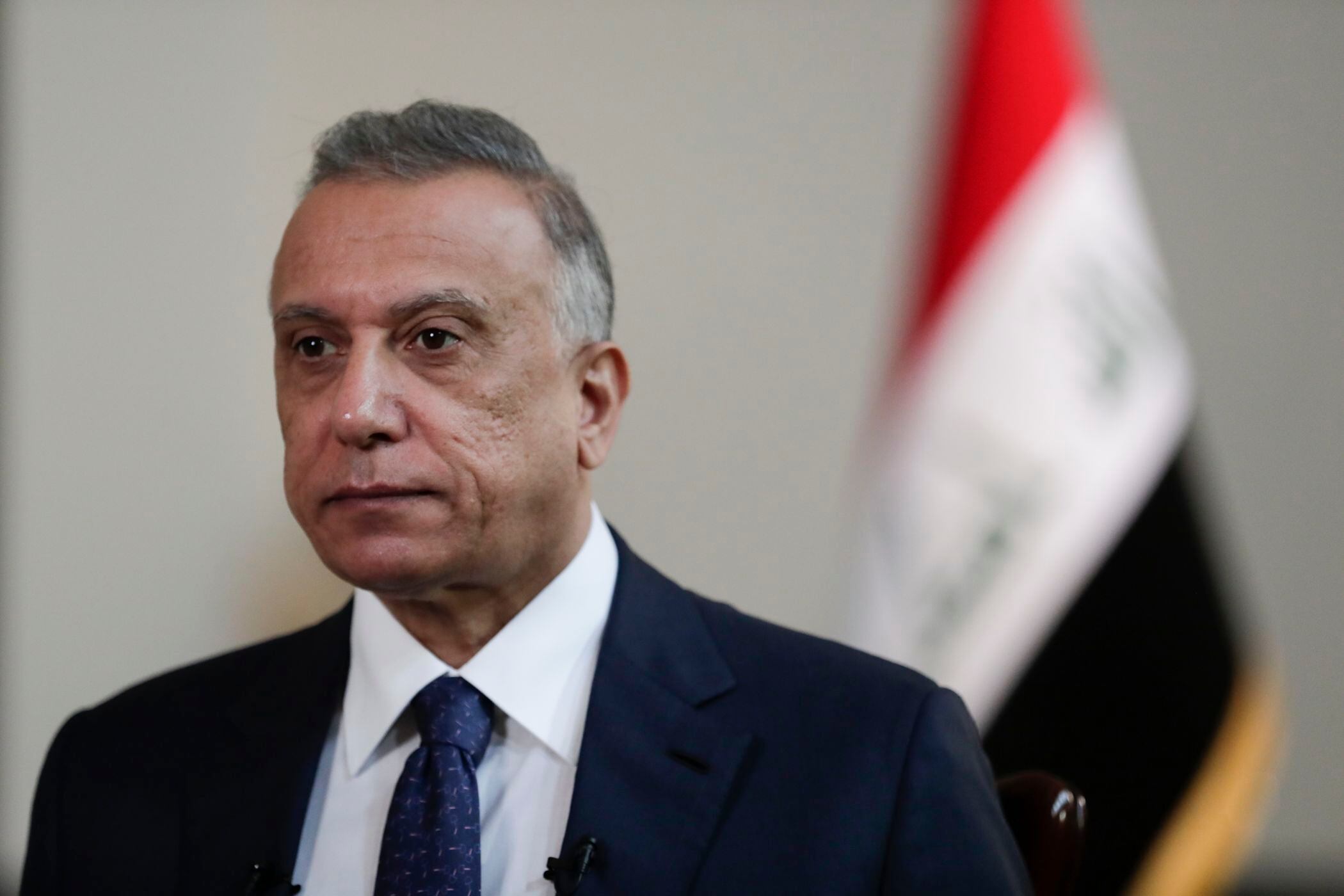
President Joe Biden and Iraqi Prime Minister Mustafa al-Kadhimi are set to announce that they’ve come to an agreement to end the U.S. military’s combat mission in Iraq by the end of the year.
Team USA's Uneven Start, Optimism Plummets & 'Old' Stuns Box Office
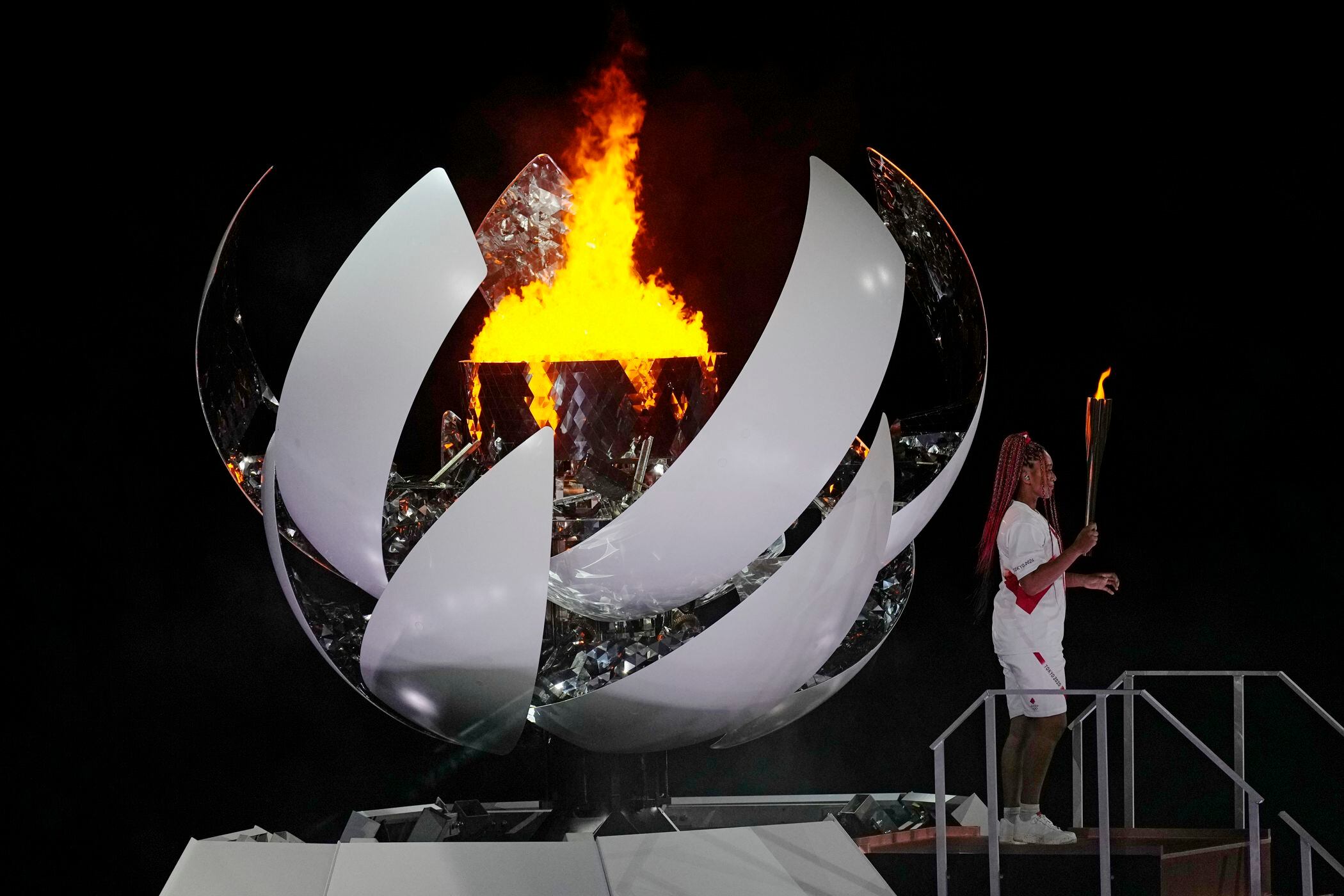
The flame at Tokyo’s National Stadium and another cauldron burning along the waterfront near Tokyo Bay throughout the games will be sustained in part by hydrogen, the first time the clean fuel source will be used to power an Olympic fire.