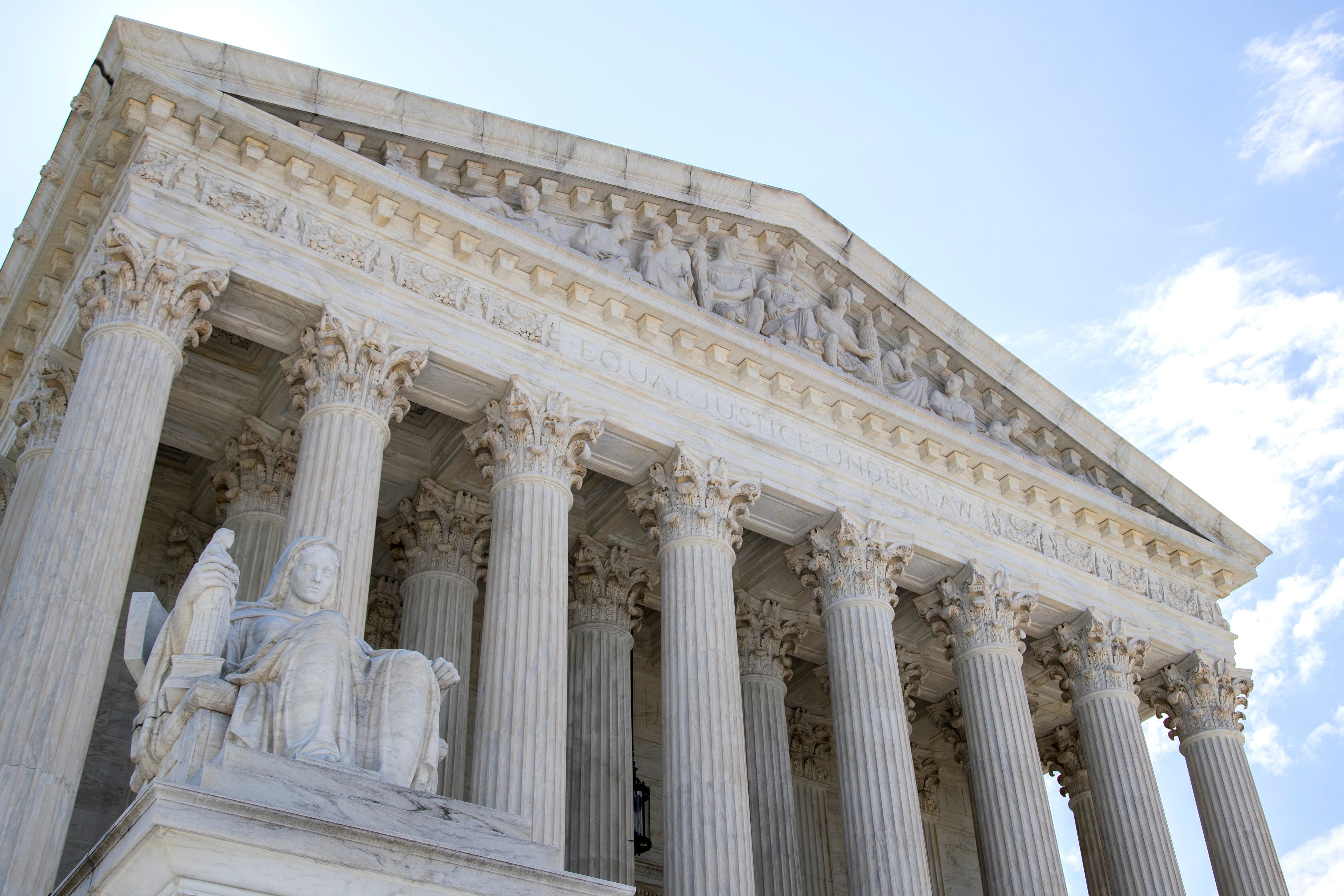
The Supreme Court on Monday upheld a 1991 law that bars robocalls to cellphones.
The case, argued by telephone in May because of the coronavirus pandemic, only arose after Congress in 2015 created an exception in the law that allowed the automated calls for collection of government debt.
Political consultants and pollsters were among those who asked the Supreme Court to strike down the entire 1991 law that bars them from making robocalls to cellphones as a violation of their free speech rights under the Constitution. The issue was whether, by allowing one kind of speech but not others, the exception made the whole law unconstitutional.
Six justices agreed that by allowing debt collection calls to cellphones Congress "impermissibly favored debt-collection speech over political and other speech, in violation of the First Amendment," Justice Brett Kavanaugh wrote. And seven justices agreed that the 2015 exception should be stricken from the law.
"Americans passionately disagree about many things. But they are largely united in their disdain for robocalls," Kavanaugh noted at the outset of his opinion.
During arguments in the case in May, Justice Stephen Breyer got cut off when someone tried calling him. Breyer said after he rejoined the court's arguments: "The telephone started to ring, and it cut me off the call and I don't think it was a robocall."
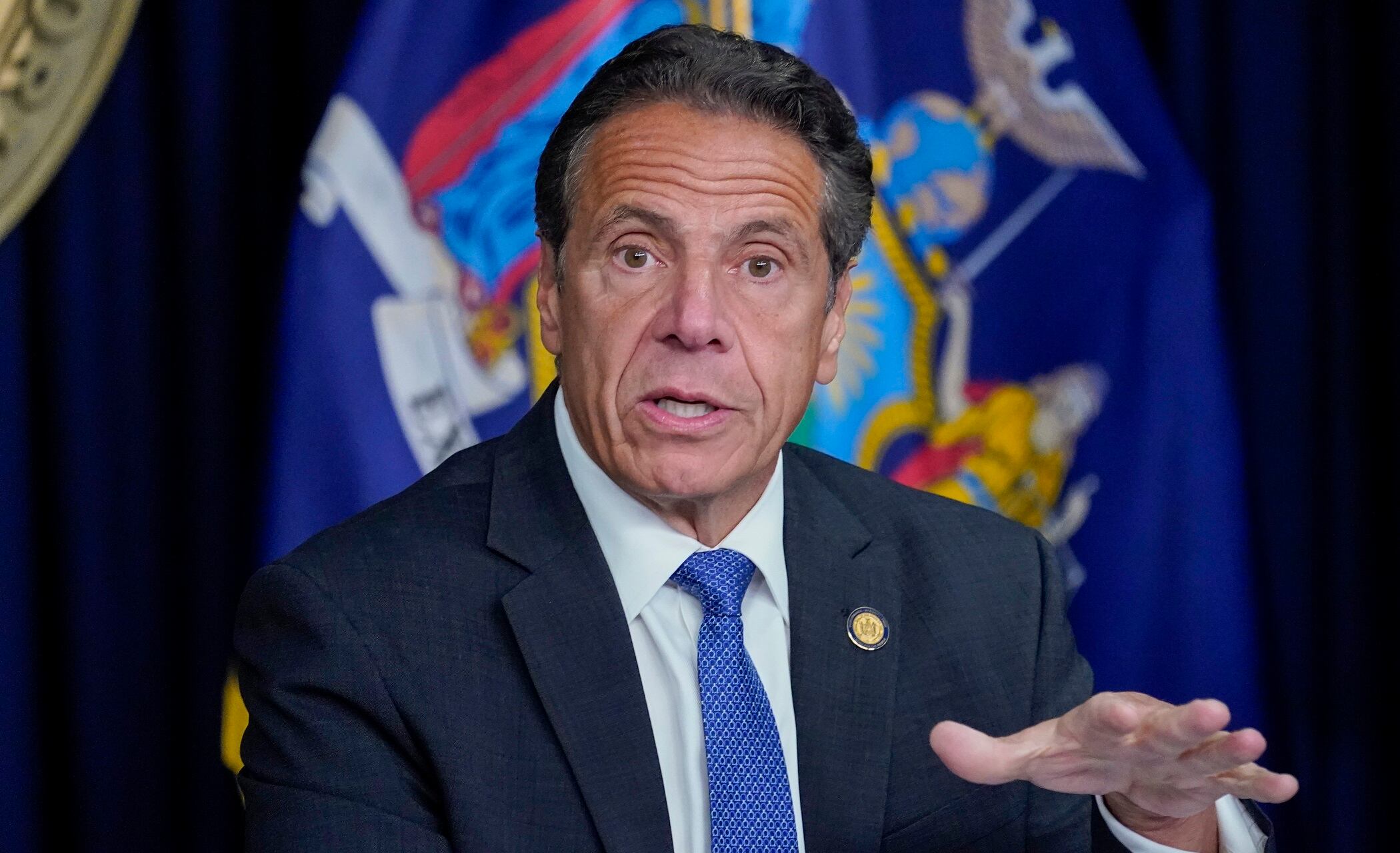
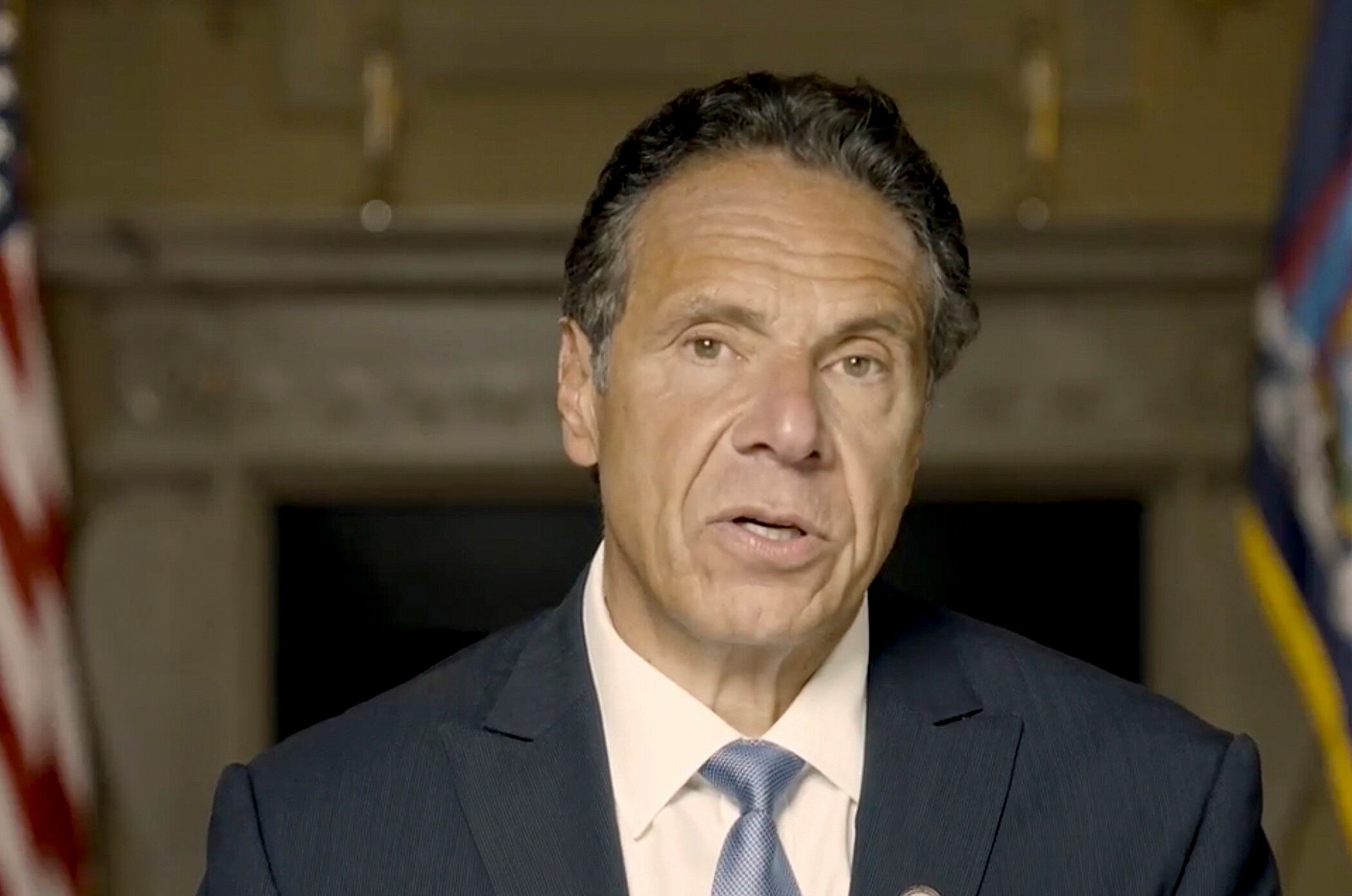
The Albany County Sheriff’s office says a woman who accused Gov. Andrew Cuomo of groping her breast at the New York governor’s state residence has filed a criminal complaint against him.
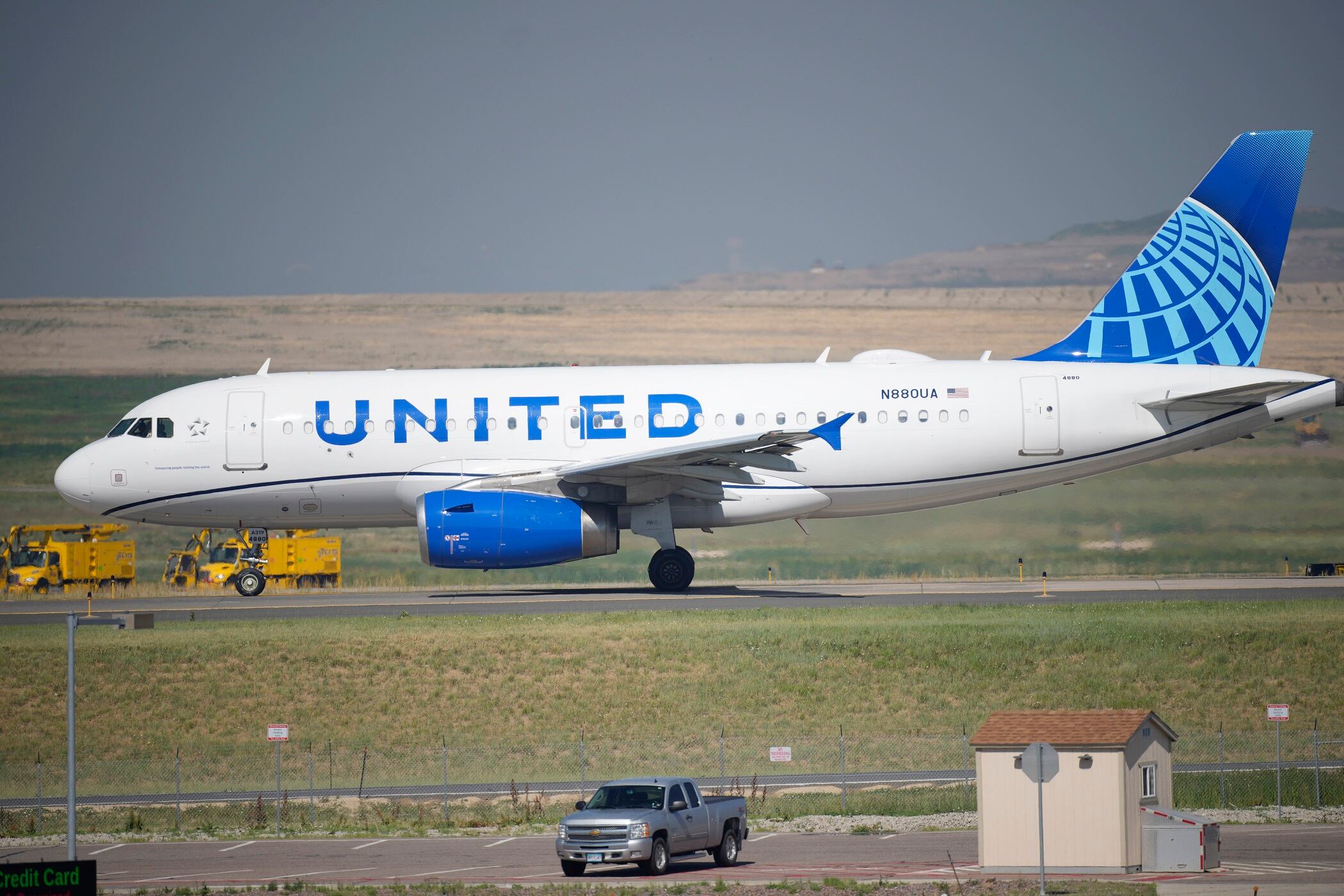
United Airlines will require U.S.-based employees to be vaccinated against COVID-19 by late October, and maybe sooner.
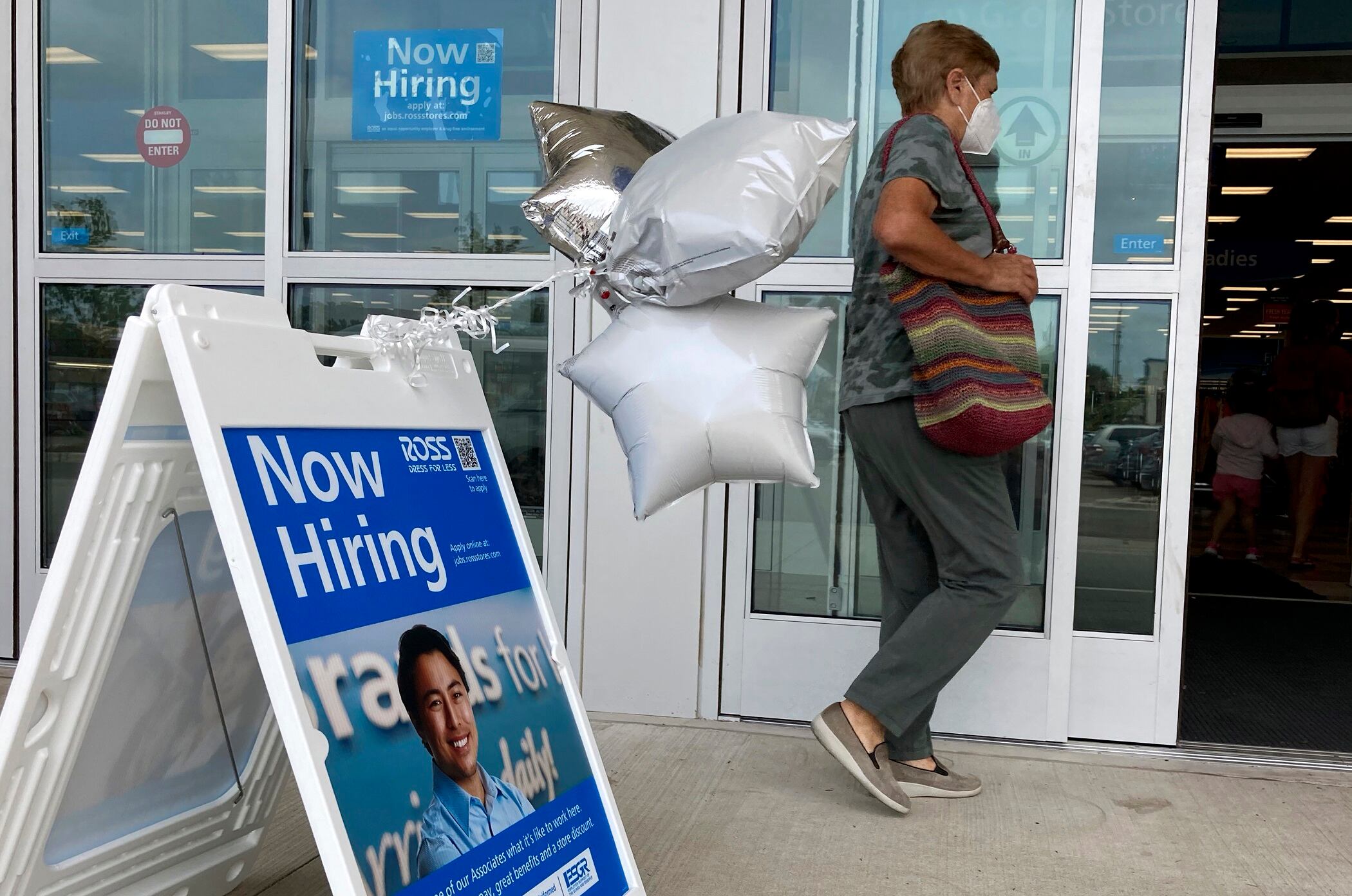
Hiring surged in July as American employers added 943,000 jobs.
State lawmakers are telling New York Gov. Andrew Cuomo that their ongoing impeachment investigation is “nearing completion” and gave him a deadline of Aug. 13 to provide additional evidence.
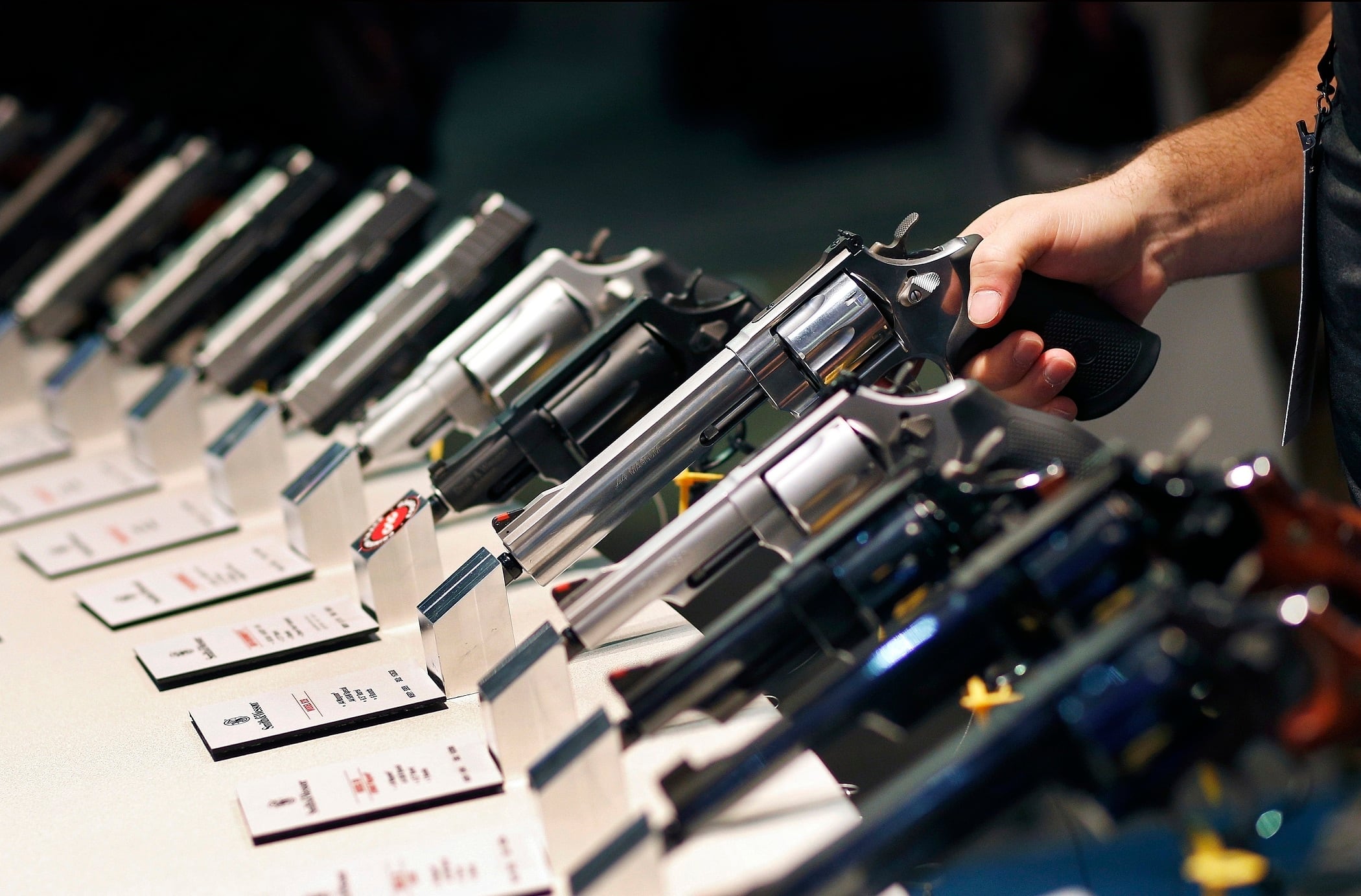
The Mexican government is suing U.S. gun manufacturers and distributors, arguing that their commercial practices have unleashed tremendous bloodshed in Mexico.
The number of Americans applying for unemployment benefits fell last week by 14,000 to 385,000 more evidence that the economy and the job market are rebounding briskly from the coronavirus recession.
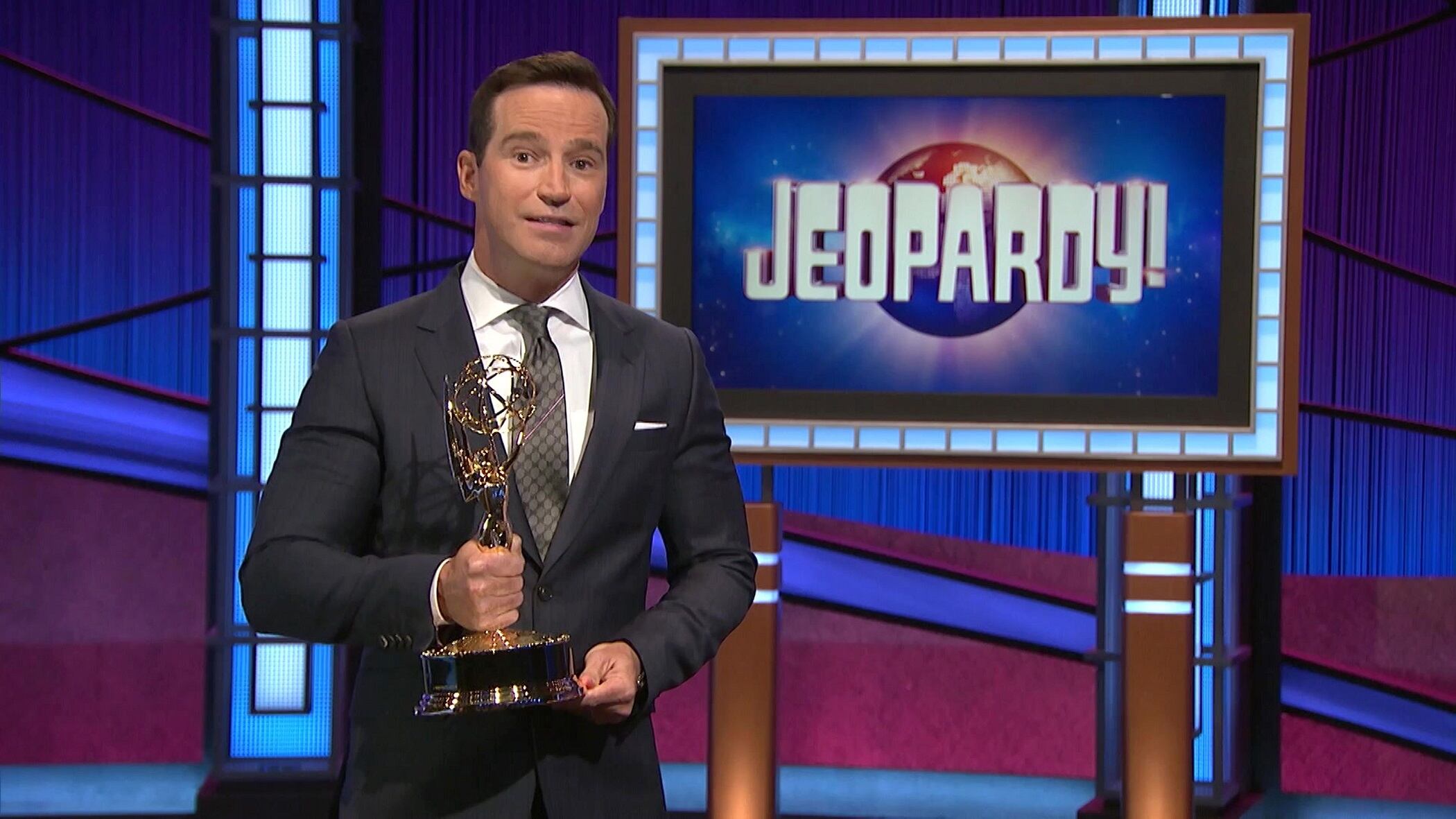
The White House will be requiring incoming travelers to the U.S. to be vaccinated., Gov. Cuomo is potentially looking at criminal charges, and Jeopardy! might be heading in a surprise direction for a new host.
The Biden administration wants automakers to raise gas mileage and cut tailpipe pollution between now and model year 2026. It also has won a voluntary commitment from the industry that electric vehicles would make up roughly half of U.S. sales by 2030.
A Belarusian Olympic sprinter who criticized her coaches at the Tokyo Games said Thursday that she showed police at the airport a translated plea for help on her phone as she tried to avoid being put on a plane back home.
The State Department says it's looking into the apparent disappearance of a nearly $6,000 bottle of whisky given more than two years ago to then-Secretary of State Mike Pompeo by the government of Japan.