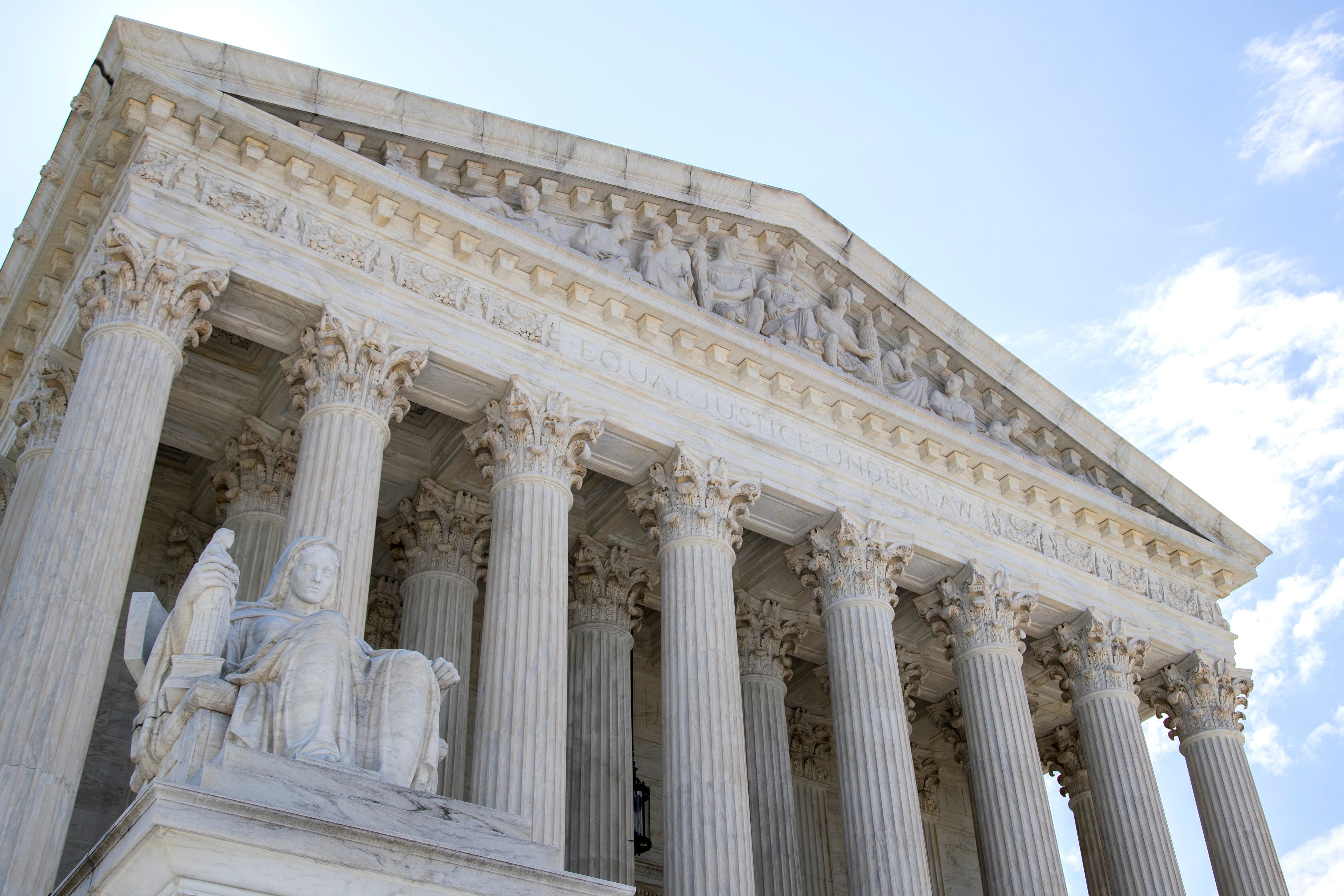
The Supreme Court on Monday upheld a 1991 law that bars robocalls to cellphones.
The case, argued by telephone in May because of the coronavirus pandemic, only arose after Congress in 2015 created an exception in the law that allowed the automated calls for collection of government debt.
Political consultants and pollsters were among those who asked the Supreme Court to strike down the entire 1991 law that bars them from making robocalls to cellphones as a violation of their free speech rights under the Constitution. The issue was whether, by allowing one kind of speech but not others, the exception made the whole law unconstitutional.
Six justices agreed that by allowing debt collection calls to cellphones Congress "impermissibly favored debt-collection speech over political and other speech, in violation of the First Amendment," Justice Brett Kavanaugh wrote. And seven justices agreed that the 2015 exception should be stricken from the law.
"Americans passionately disagree about many things. But they are largely united in their disdain for robocalls," Kavanaugh noted at the outset of his opinion.
During arguments in the case in May, Justice Stephen Breyer got cut off when someone tried calling him. Breyer said after he rejoined the court's arguments: "The telephone started to ring, and it cut me off the call and I don't think it was a robocall."
Prices for U.S. consumers rose last month but at the slowest pace since February, a sign that Americans could gain some relief after four months of sharp increases that elevated inflation to its fastest pace in more than a decade.
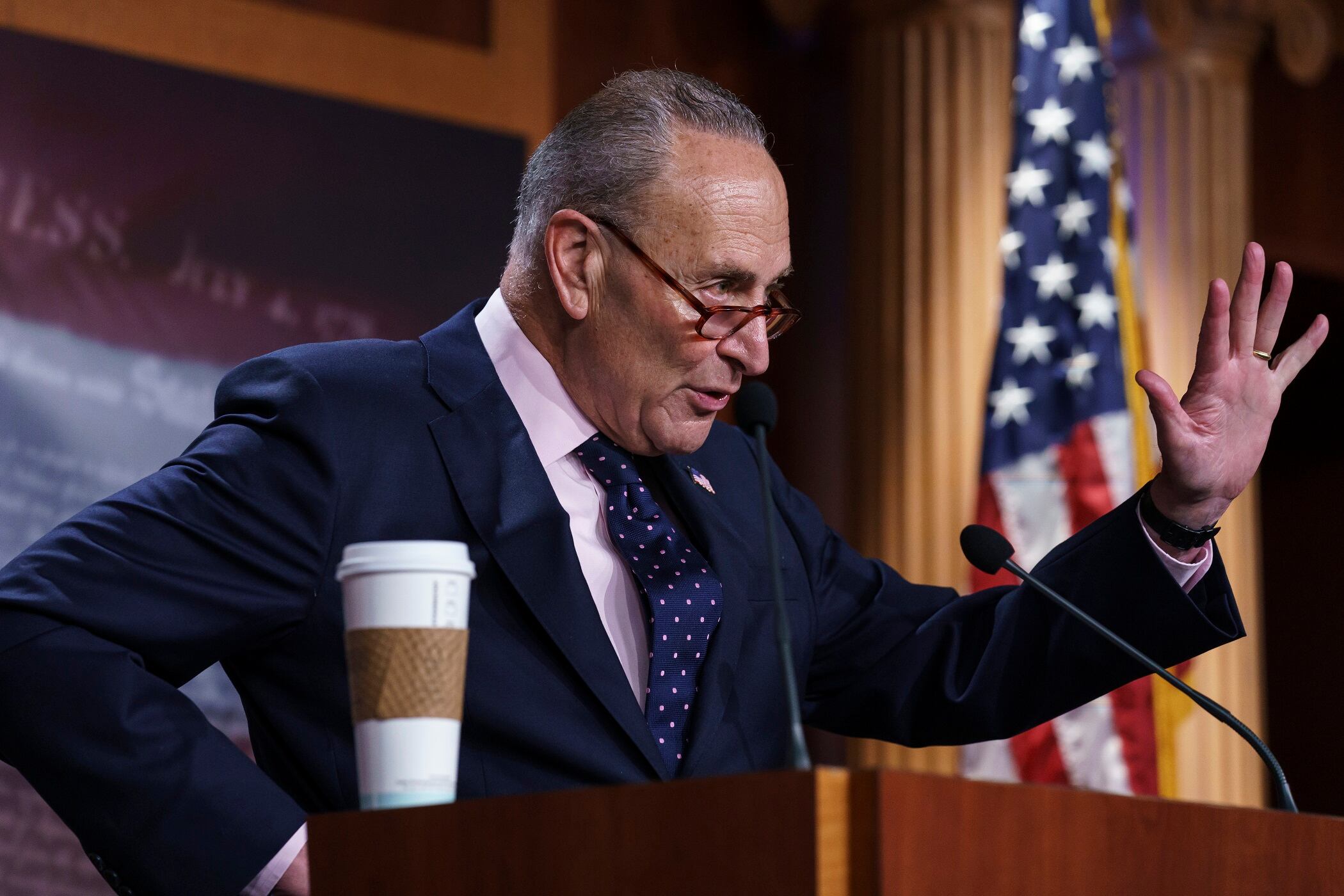
Senate Majority Leader Chuck Schumer is conceding that Democrats face a tough pathway to delivering a $3.5 trillion package for family, health and environment programs to President Joe Biden’s desk.
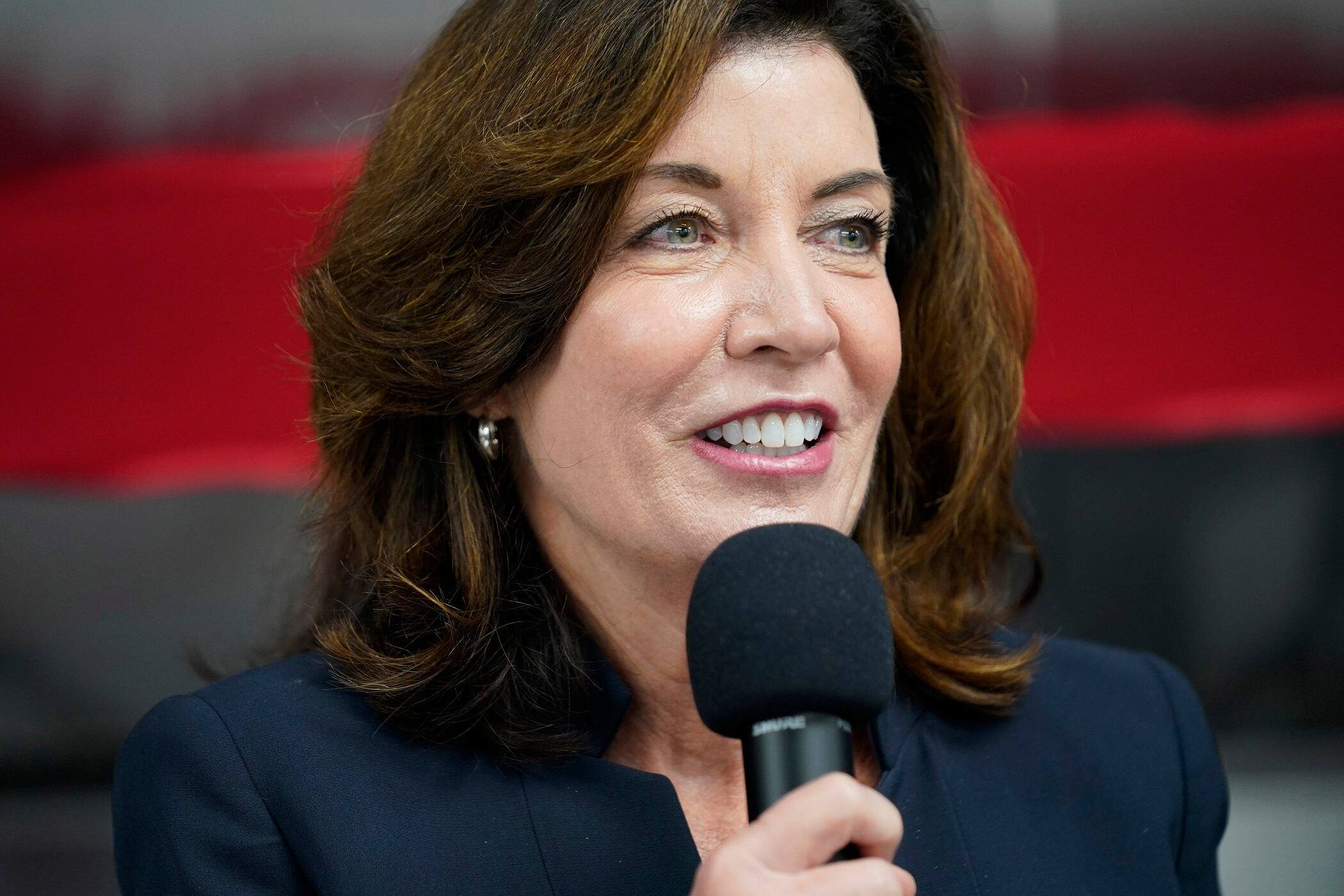
Kathy Hochul will become the state’s first female governor once Cuomo's resignation is effective in two weeks.
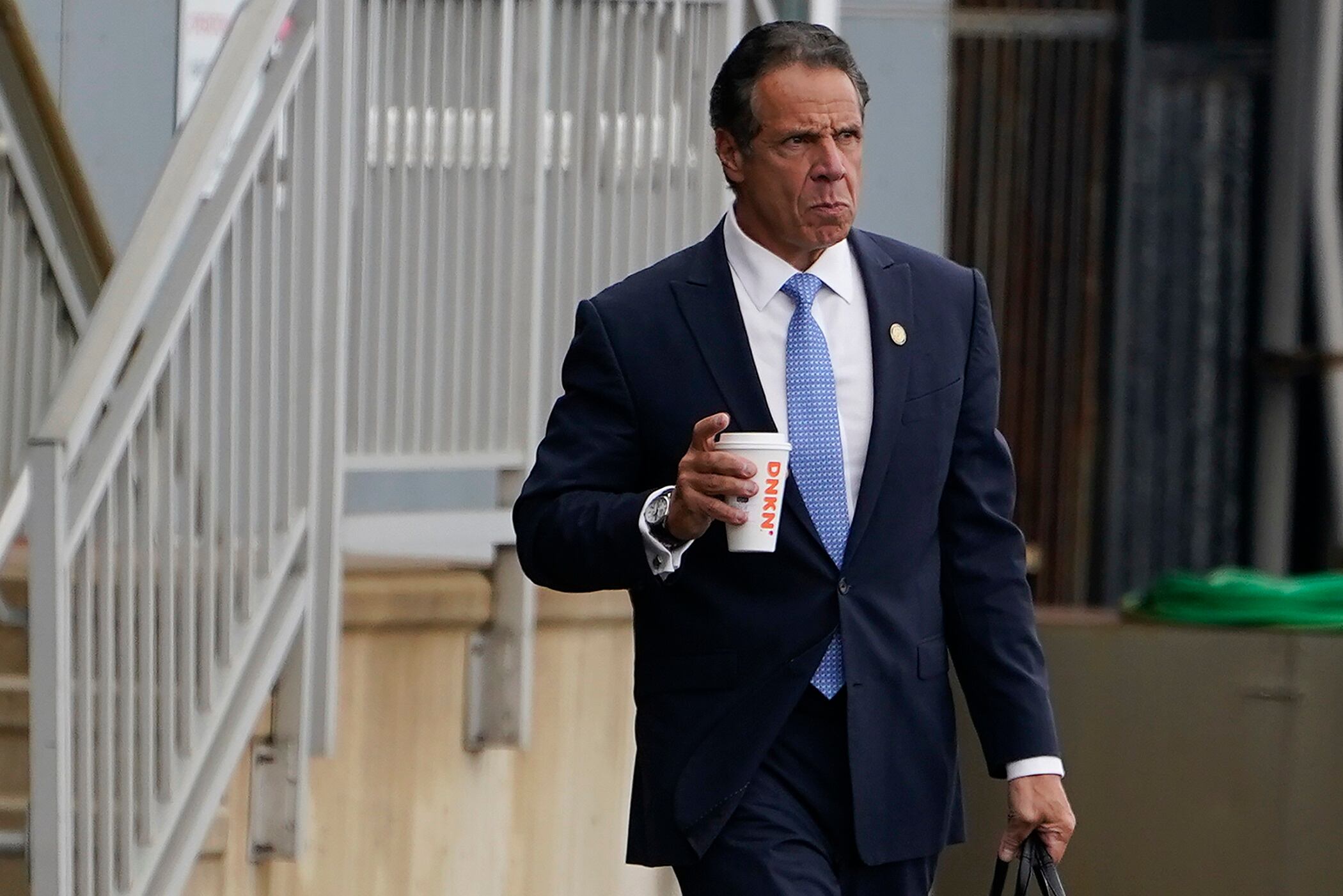
Gov. Andrew Cuomo says he will resign over a barrage of sexual harassment allegations in a fall from grace a year after he was widely hailed nationally for his detailed daily briefings and leadership during the darkest days of COVID-19.
With a robust vote after weeks of fits and starts, the Senate has approved the $1 trillion bipartisan infrastructure plan.
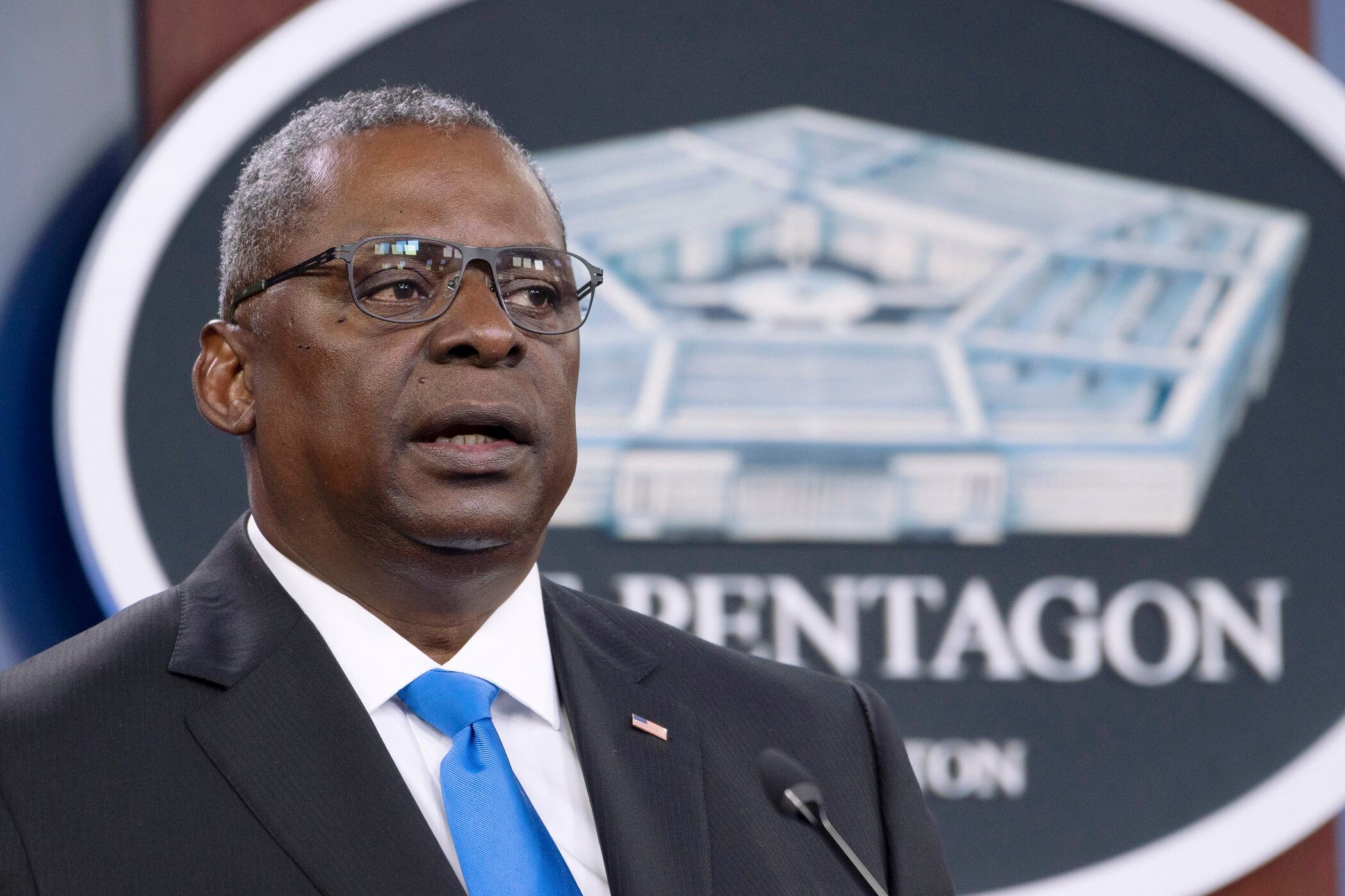
Members of the U.S. military would be required to have the COVID-19 vaccine beginning Sept. 15, under a plan announced by the Pentagon on Monday and endorsed by President Joe Biden.
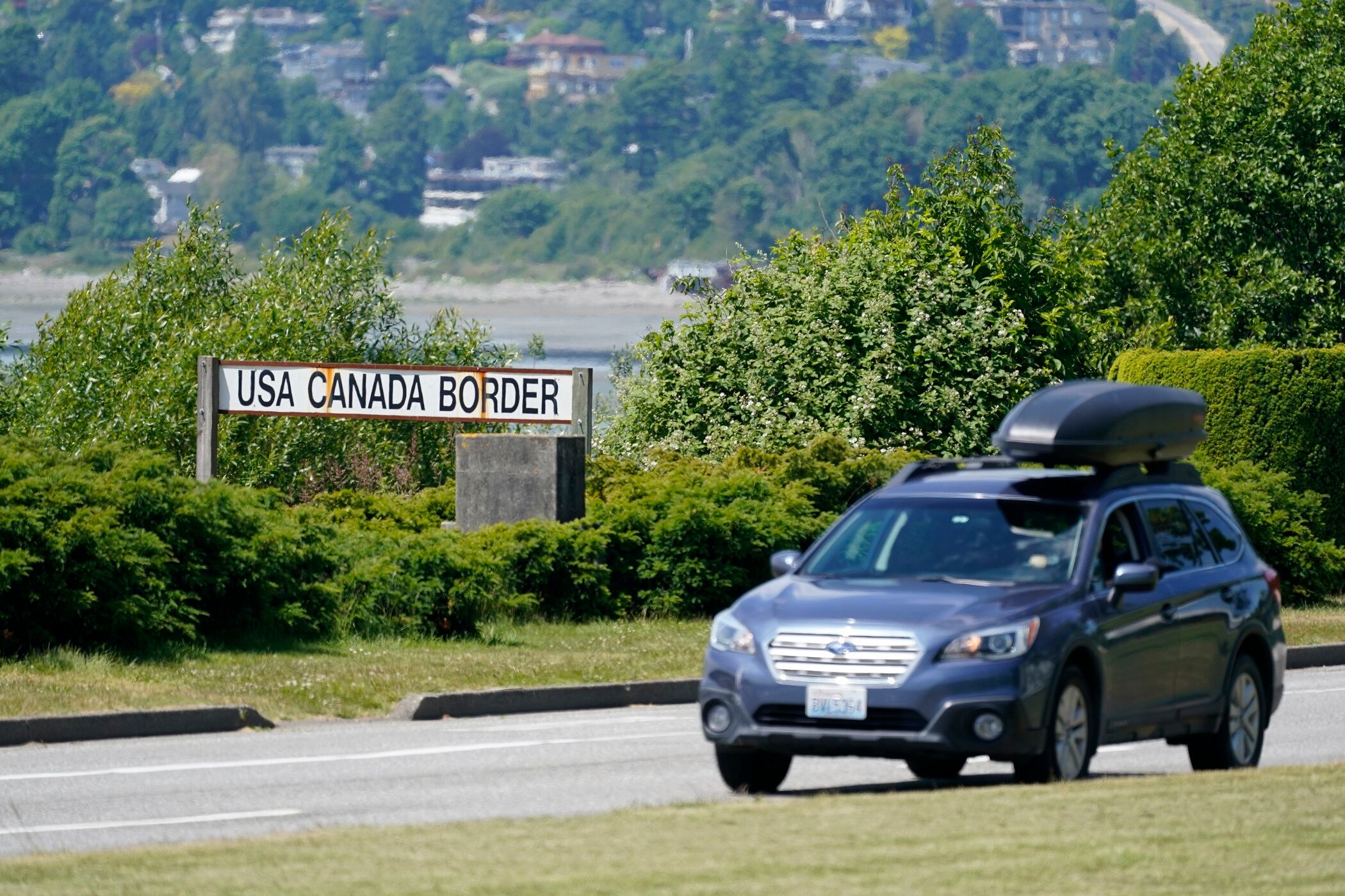
Canada is lifting its prohibition on Americans crossing the border to shop, vacation or visit, but the United States is keeping similar restrictions in place for Canadians.
Earth is getting so hot that temperatures in about a decade will probably blow past a level of warming that world leaders have sought to prevent.
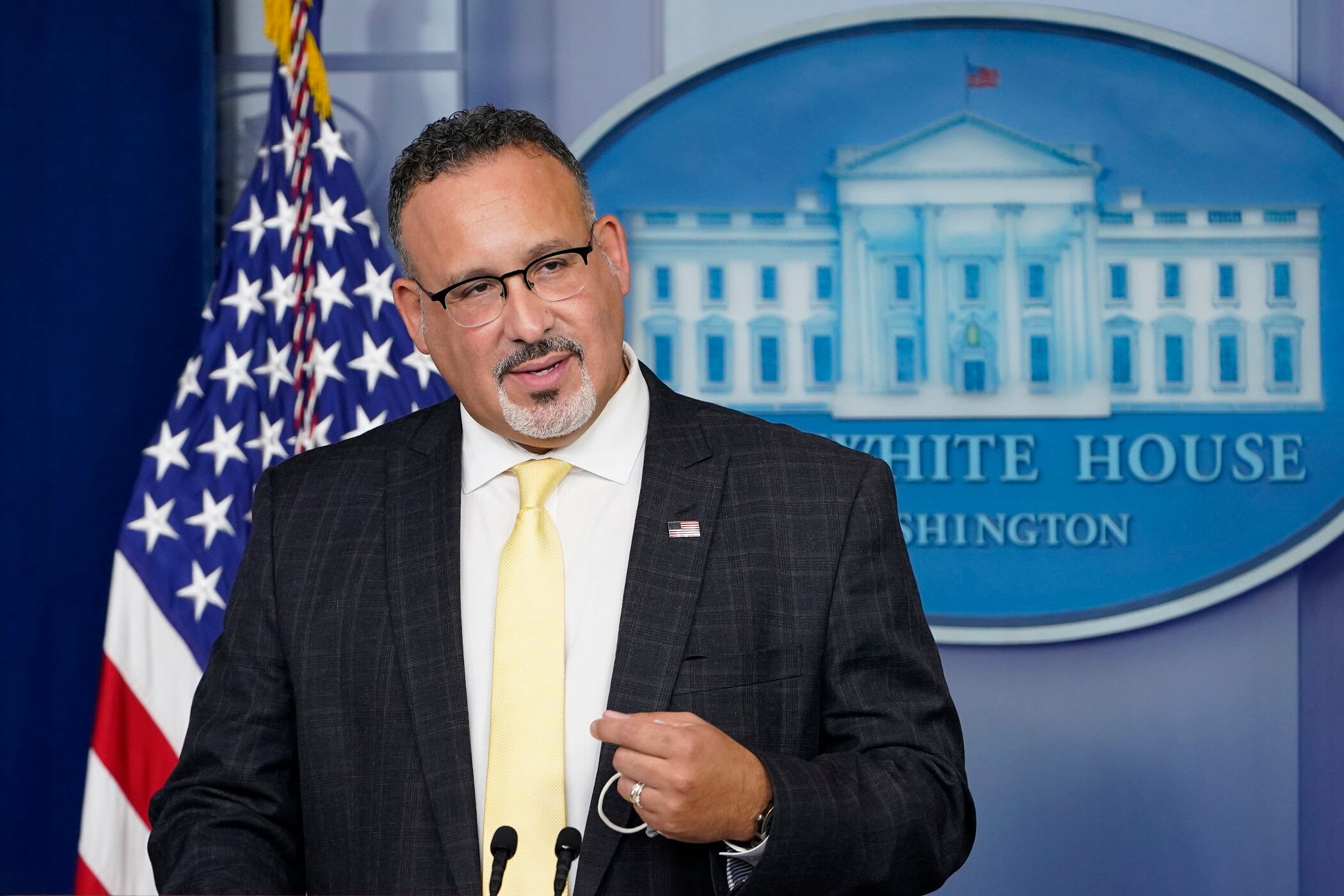
The Biden administration has announced that federal student loan payments will remain suspended through January 2022, extending a pause that was scheduled to expire next month.
From Wall Street to Silicon Valley, these are the top stories that moved markets and had investors, business leaders, and entrepreneurs talking this week on Cheddar.