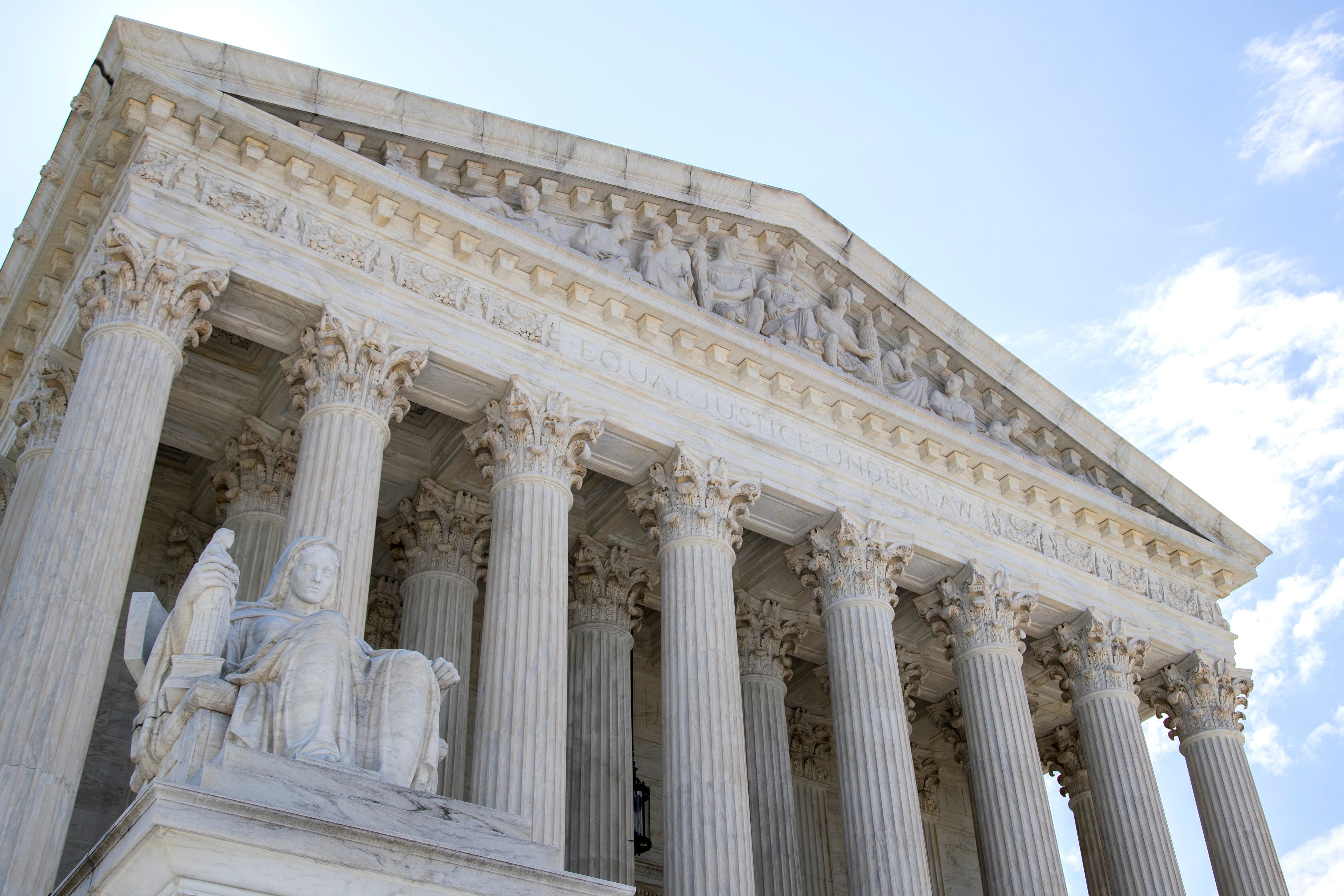
The Supreme Court on Monday upheld a 1991 law that bars robocalls to cellphones.
The case, argued by telephone in May because of the coronavirus pandemic, only arose after Congress in 2015 created an exception in the law that allowed the automated calls for collection of government debt.
Political consultants and pollsters were among those who asked the Supreme Court to strike down the entire 1991 law that bars them from making robocalls to cellphones as a violation of their free speech rights under the Constitution. The issue was whether, by allowing one kind of speech but not others, the exception made the whole law unconstitutional.
Six justices agreed that by allowing debt collection calls to cellphones Congress "impermissibly favored debt-collection speech over political and other speech, in violation of the First Amendment," Justice Brett Kavanaugh wrote. And seven justices agreed that the 2015 exception should be stricken from the law.
"Americans passionately disagree about many things. But they are largely united in their disdain for robocalls," Kavanaugh noted at the outset of his opinion.
During arguments in the case in May, Justice Stephen Breyer got cut off when someone tried calling him. Breyer said after he rejoined the court's arguments: "The telephone started to ring, and it cut me off the call and I don't think it was a robocall."
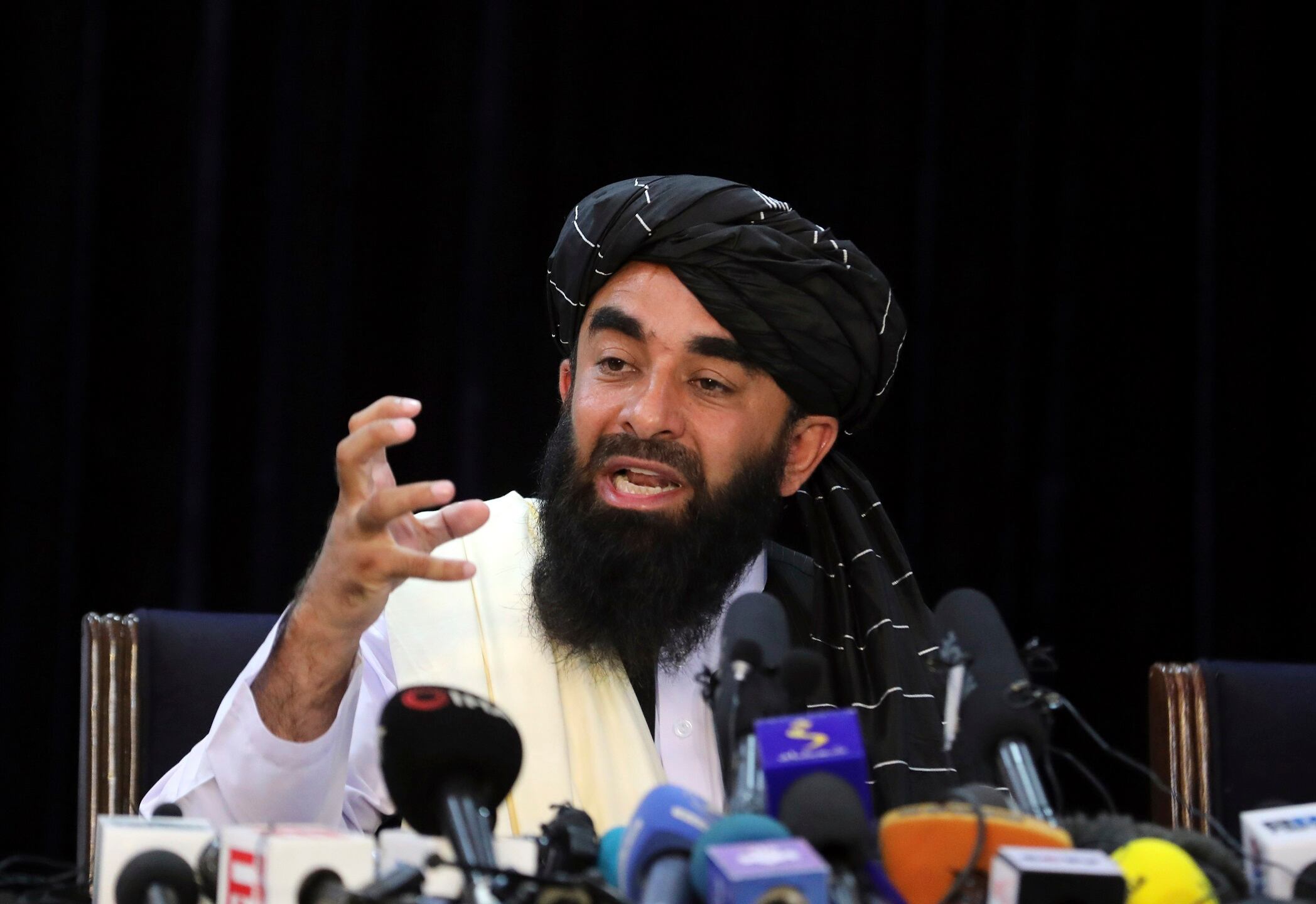
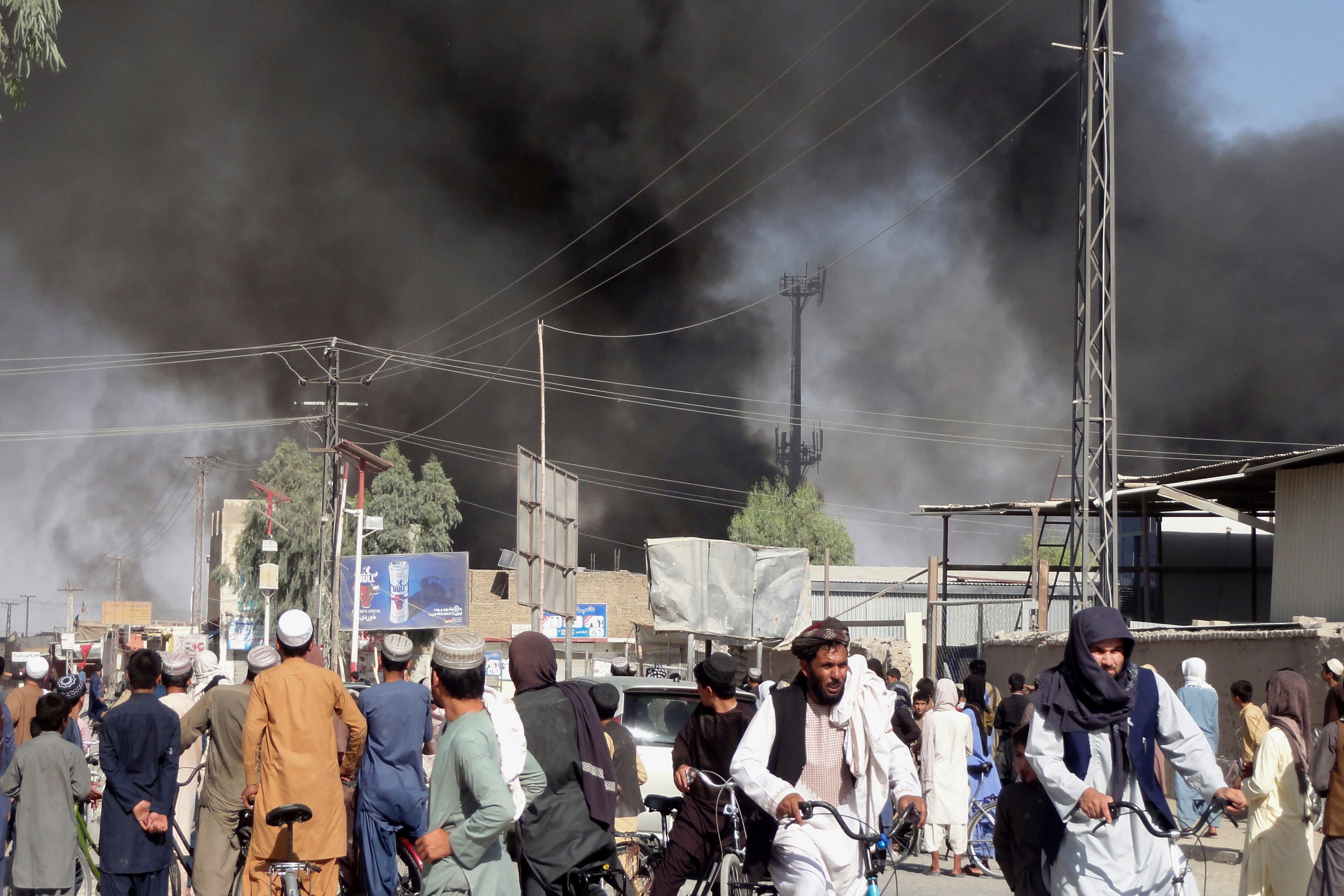
The Taliban have vowed to respect women’s rights, forgive those who fought them and ensure Afghanistan does not become a haven for terrorists.
New Zealand’s government has taken drastic action by putting the entire nation into a strict lockdown after finding a single case of coronavirus infection in the community.
President Joe Biden says he stands “squarely behind” his decision for the U.S. to leave Afghanistan.
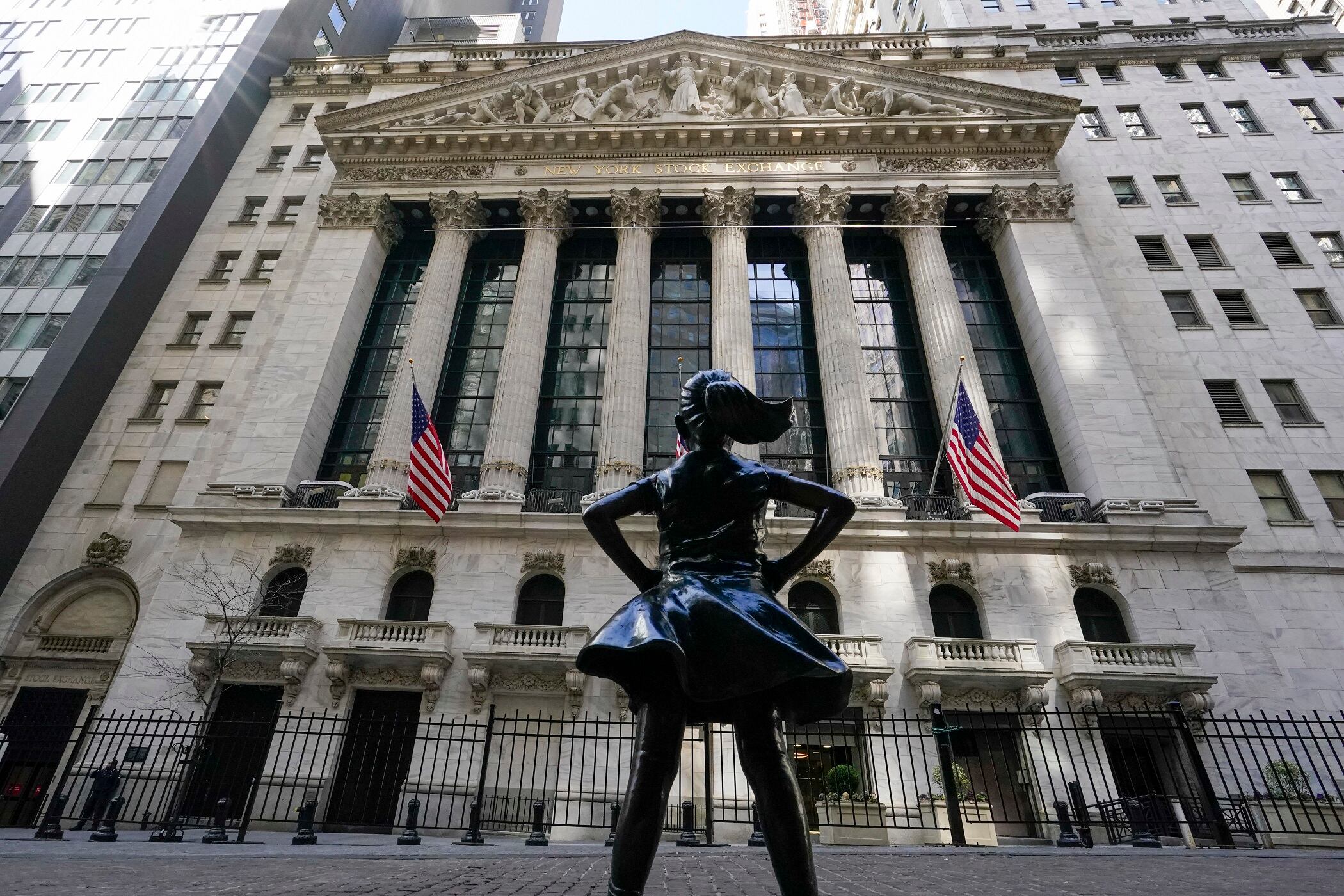
Stock indexes closed at record highs on Wall Street Monday, despite rising coronavirus infections in the U.S. and around the globe, as well as geopolitical concerns in Asia.
From Wall Street to Silicon Valley, these are the top stories that moved markets and had investors, business leaders, and entrepreneurs talking this week on Cheddar.
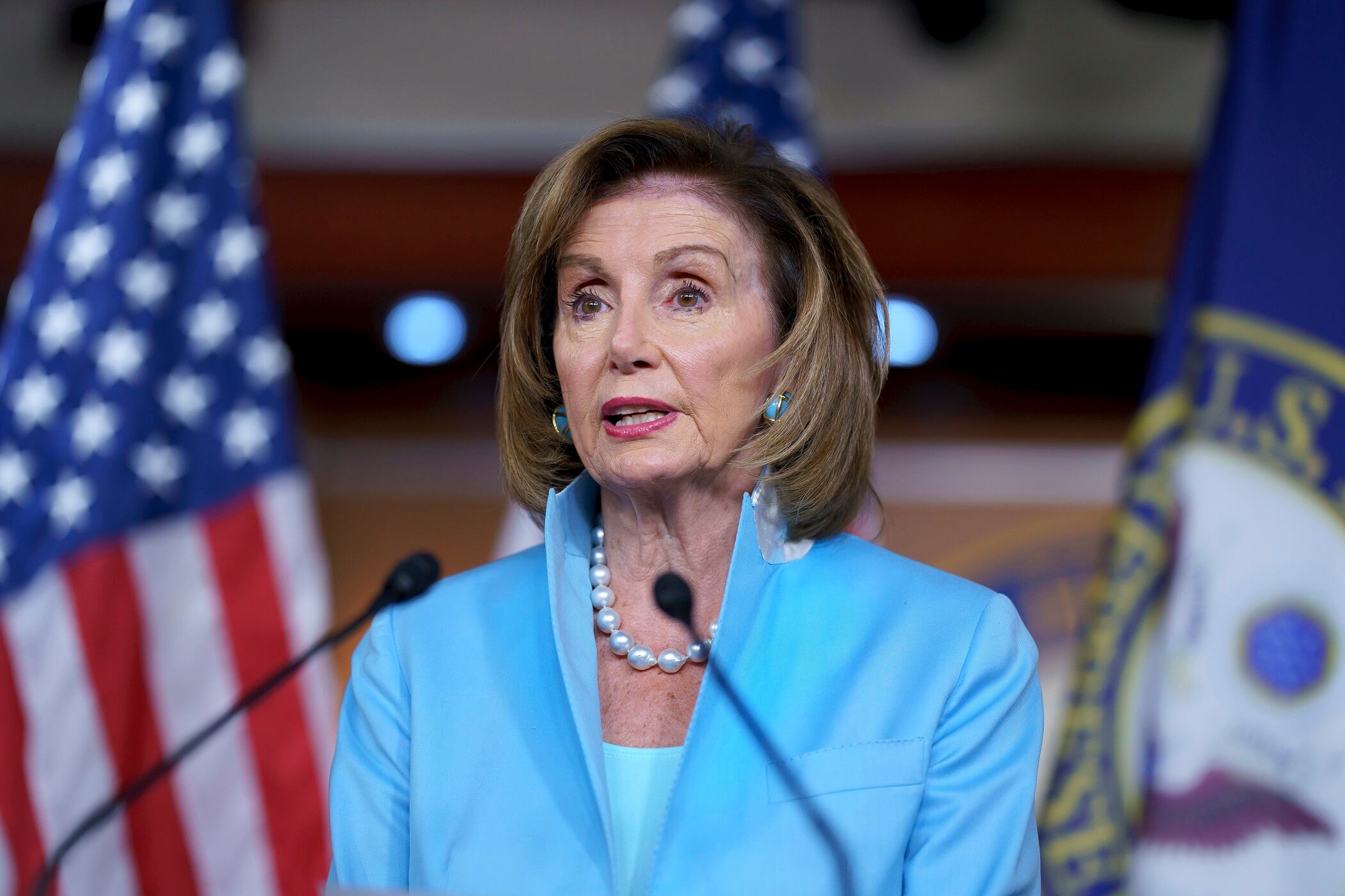
House Speaker Nancy Pelosi is facing a fresh hurdle to passing President Joe Biden’s multi-trillion dollar domestic policy aspirations.
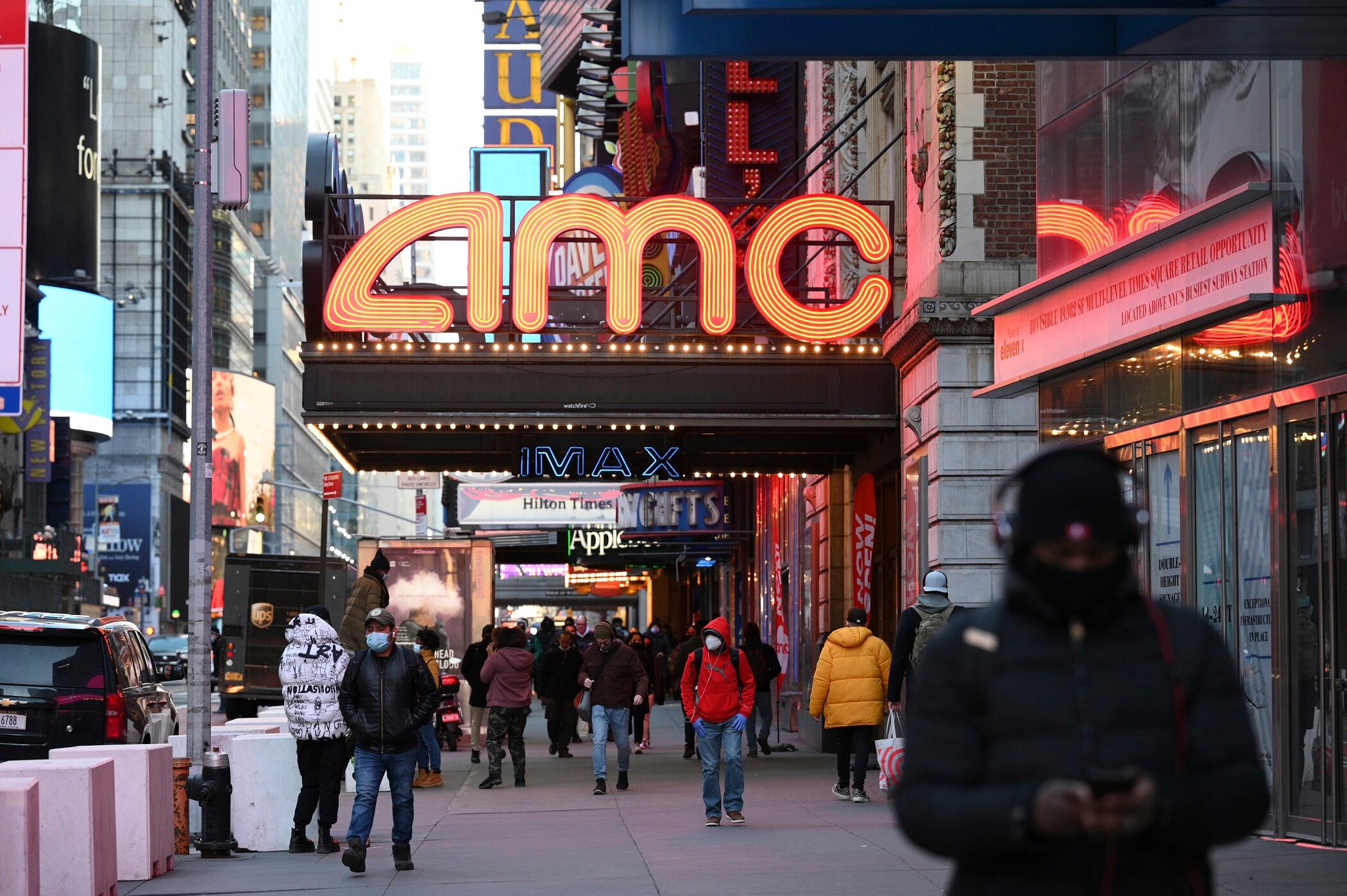
Collapse of Afghanistan, Future of Fast Food & Britney Gets a Win
The U.S. is sending an additional 3,000 troops to Afghanistan to assist in the evacuation of some personnel from the U.S. Embassy in Kabul.
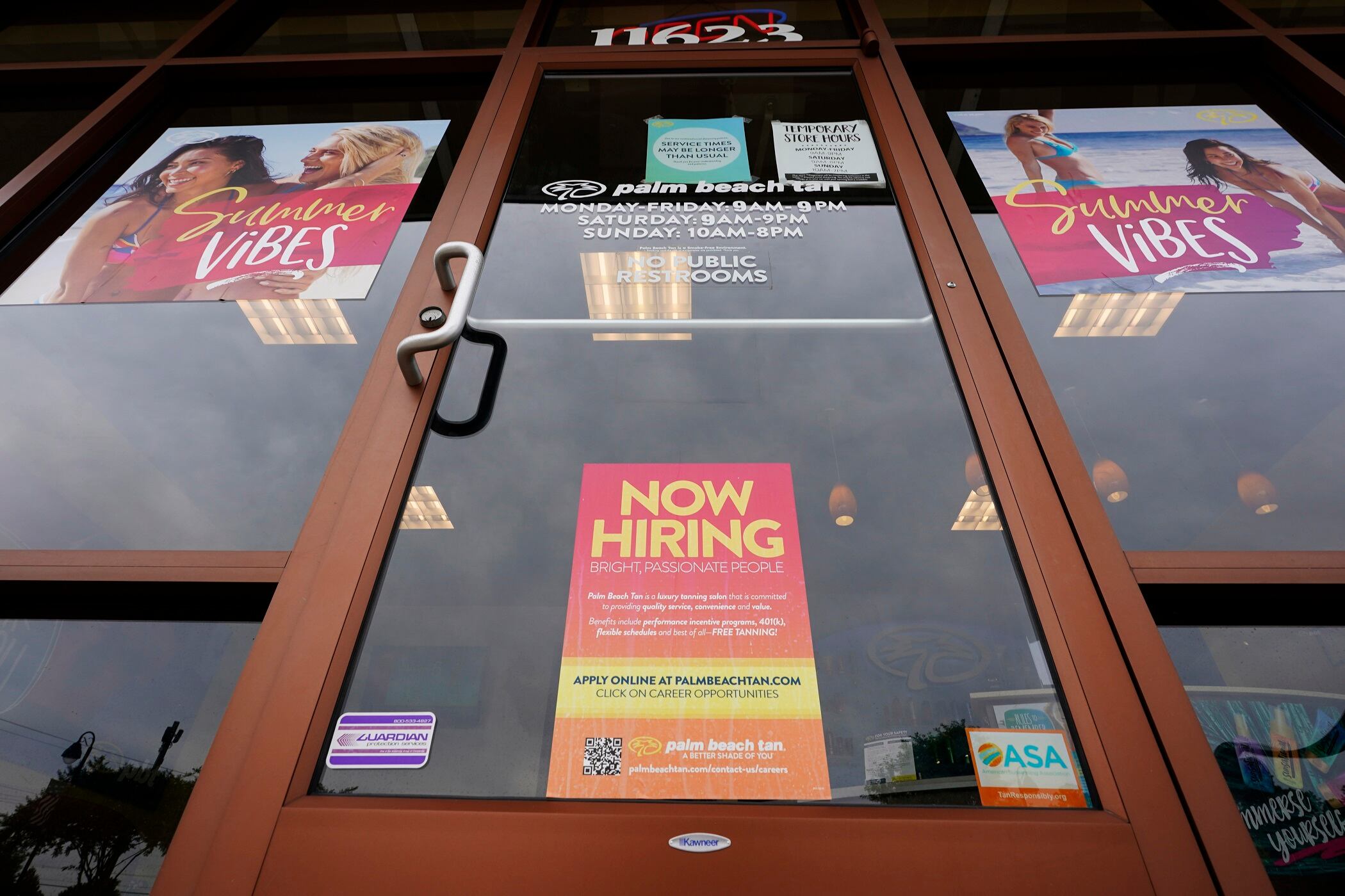
The number of Americans seeking unemployment benefits fell for a third straight time last week, the latest sign that employers are laying off fewer people as they struggle to fill a record number of open jobs and meet a surge in consumer demand.
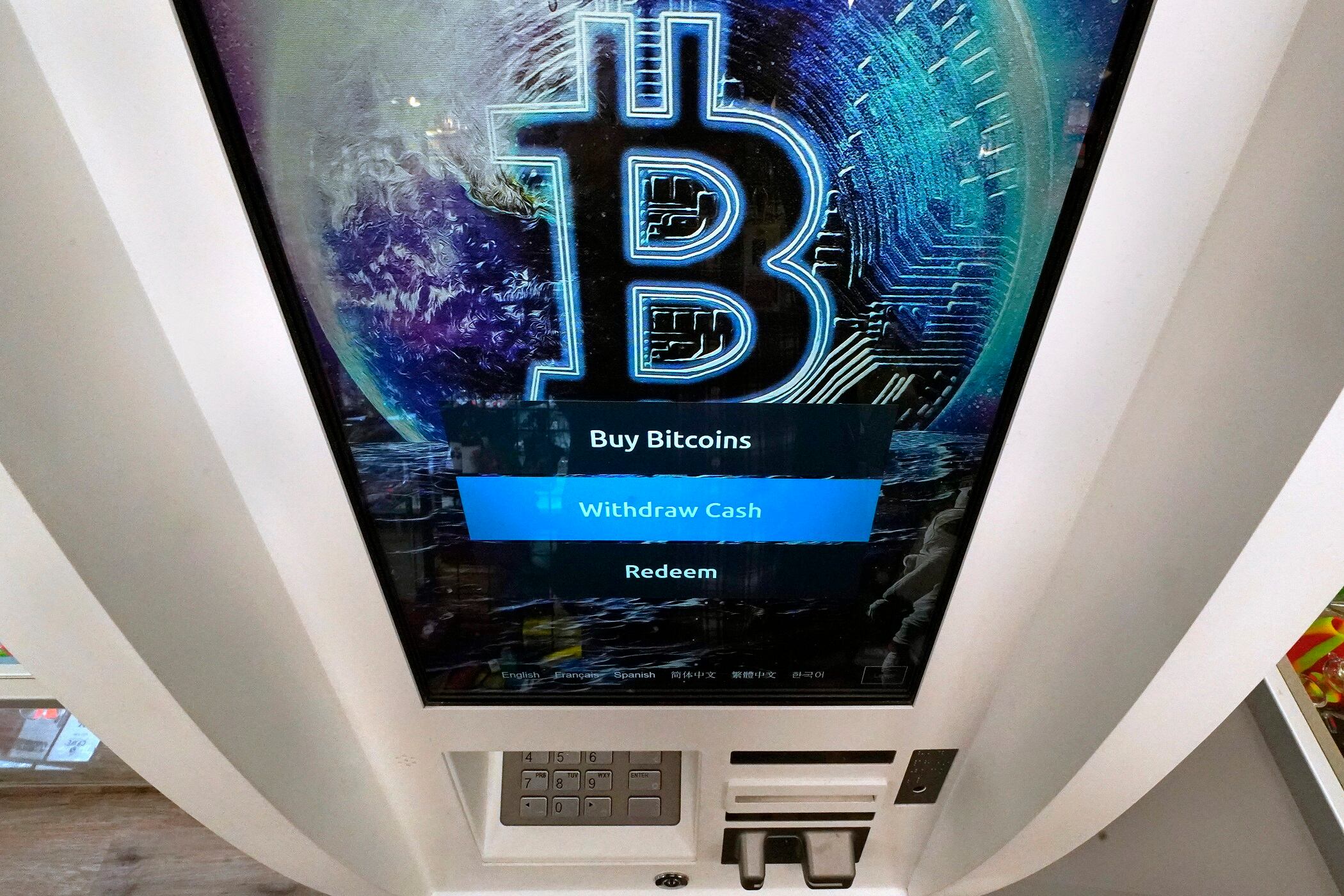
A controversial crypto provision, which would impose tax-reporting requirements on a broad cross-section of digital asset holders, slipped into the Senate infrastructure bill despite pushback from the industry's nascent lobbying arm.