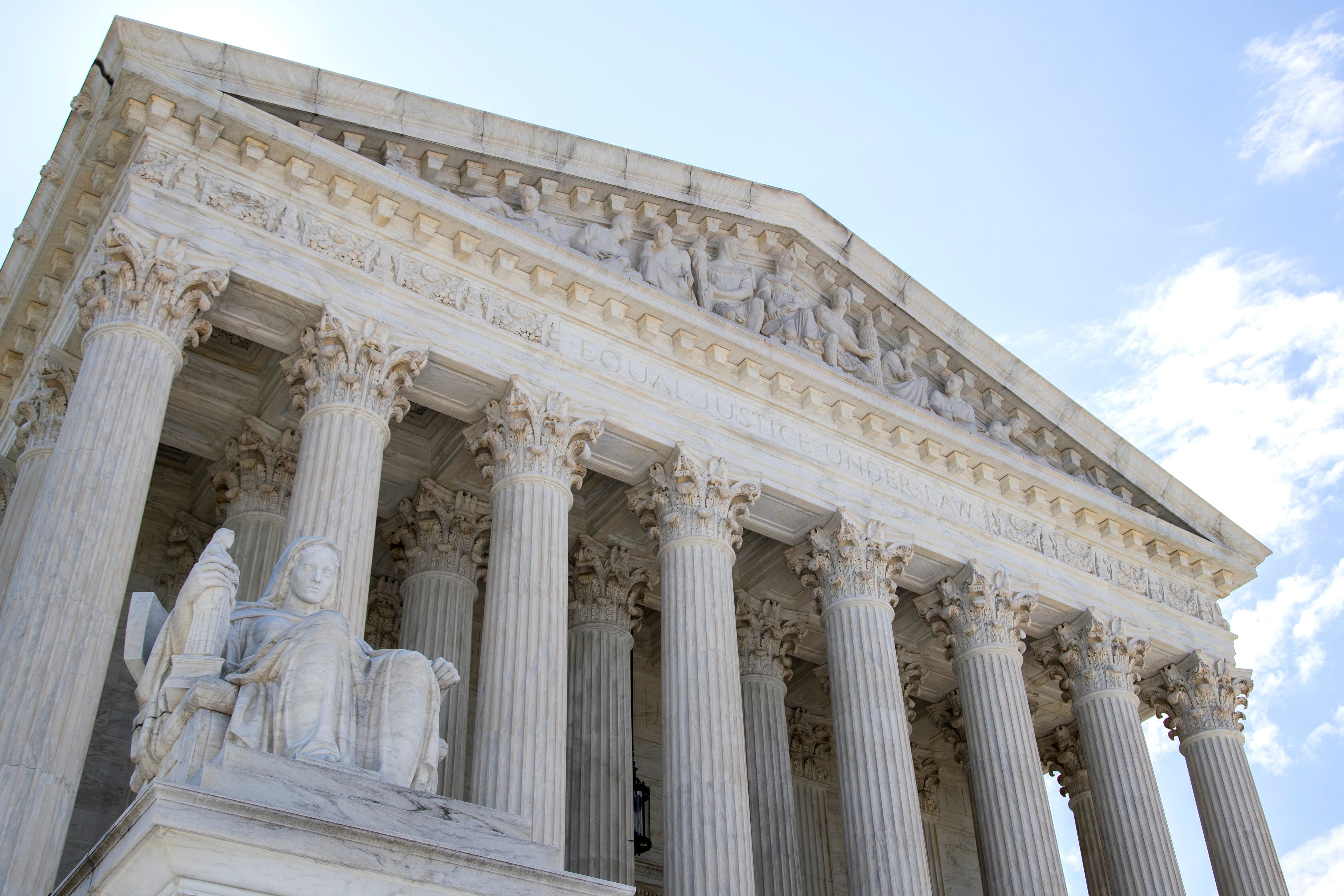
The Supreme Court on Monday upheld a 1991 law that bars robocalls to cellphones.
The case, argued by telephone in May because of the coronavirus pandemic, only arose after Congress in 2015 created an exception in the law that allowed the automated calls for collection of government debt.
Political consultants and pollsters were among those who asked the Supreme Court to strike down the entire 1991 law that bars them from making robocalls to cellphones as a violation of their free speech rights under the Constitution. The issue was whether, by allowing one kind of speech but not others, the exception made the whole law unconstitutional.
Six justices agreed that by allowing debt collection calls to cellphones Congress "impermissibly favored debt-collection speech over political and other speech, in violation of the First Amendment," Justice Brett Kavanaugh wrote. And seven justices agreed that the 2015 exception should be stricken from the law.
"Americans passionately disagree about many things. But they are largely united in their disdain for robocalls," Kavanaugh noted at the outset of his opinion.
During arguments in the case in May, Justice Stephen Breyer got cut off when someone tried calling him. Breyer said after he rejoined the court's arguments: "The telephone started to ring, and it cut me off the call and I don't think it was a robocall."
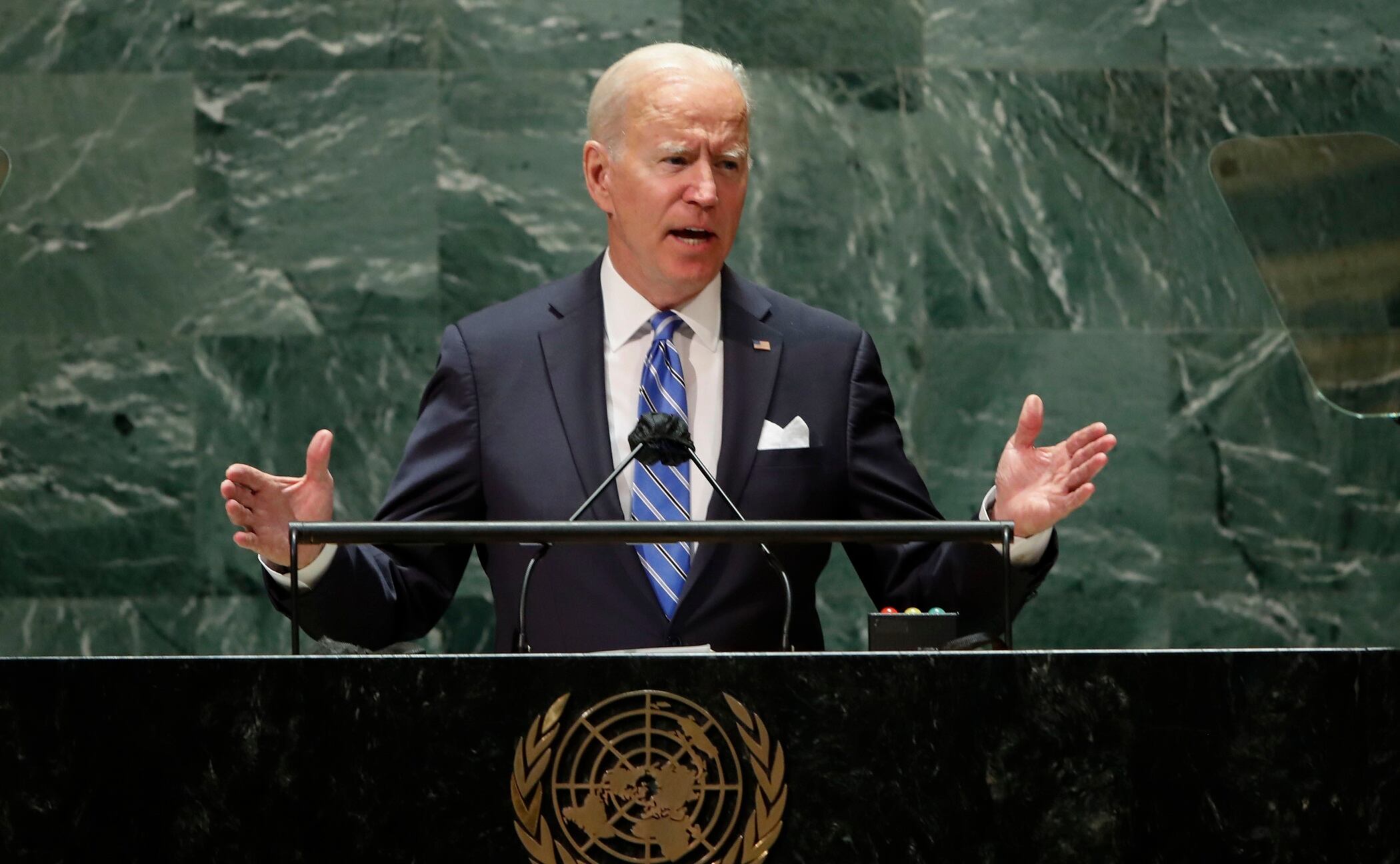
President Biden used his first address before the U.N. General Assembly to declare that the world stands and at an “inflection point in history” and that the world must act with haste to move quickly and cooperatively to address the festering issues.
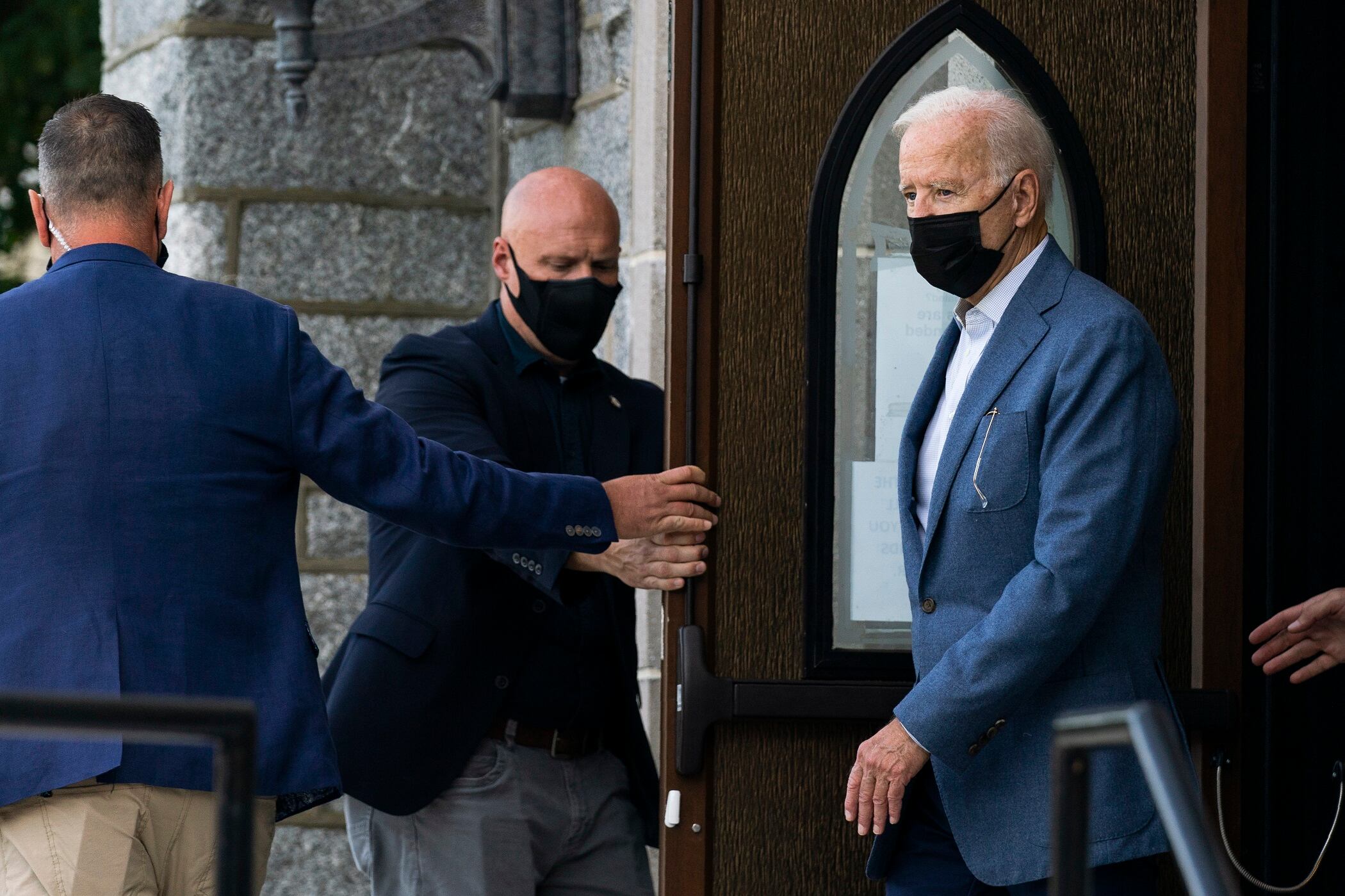
The White House says President Joe Biden will ease foreign travel restrictions into the U.S. beginning in November.
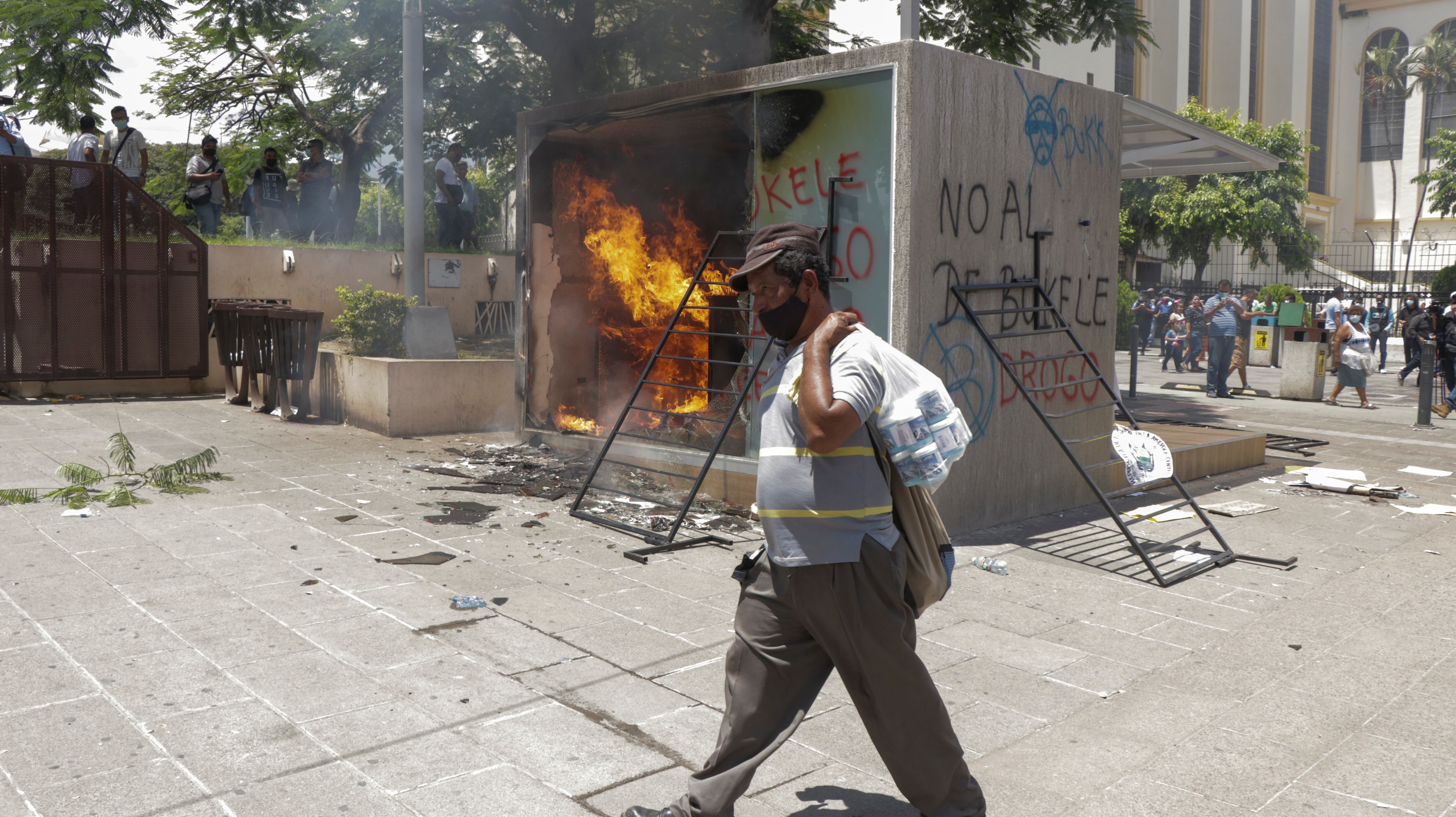
The demonstration Wednesday centered on fears Bukele may try for re-election in 2024. Protests also voiced concern about the president's concentration of power and the controversial decision to make the cryptocurrency Bitcoin legal tender.
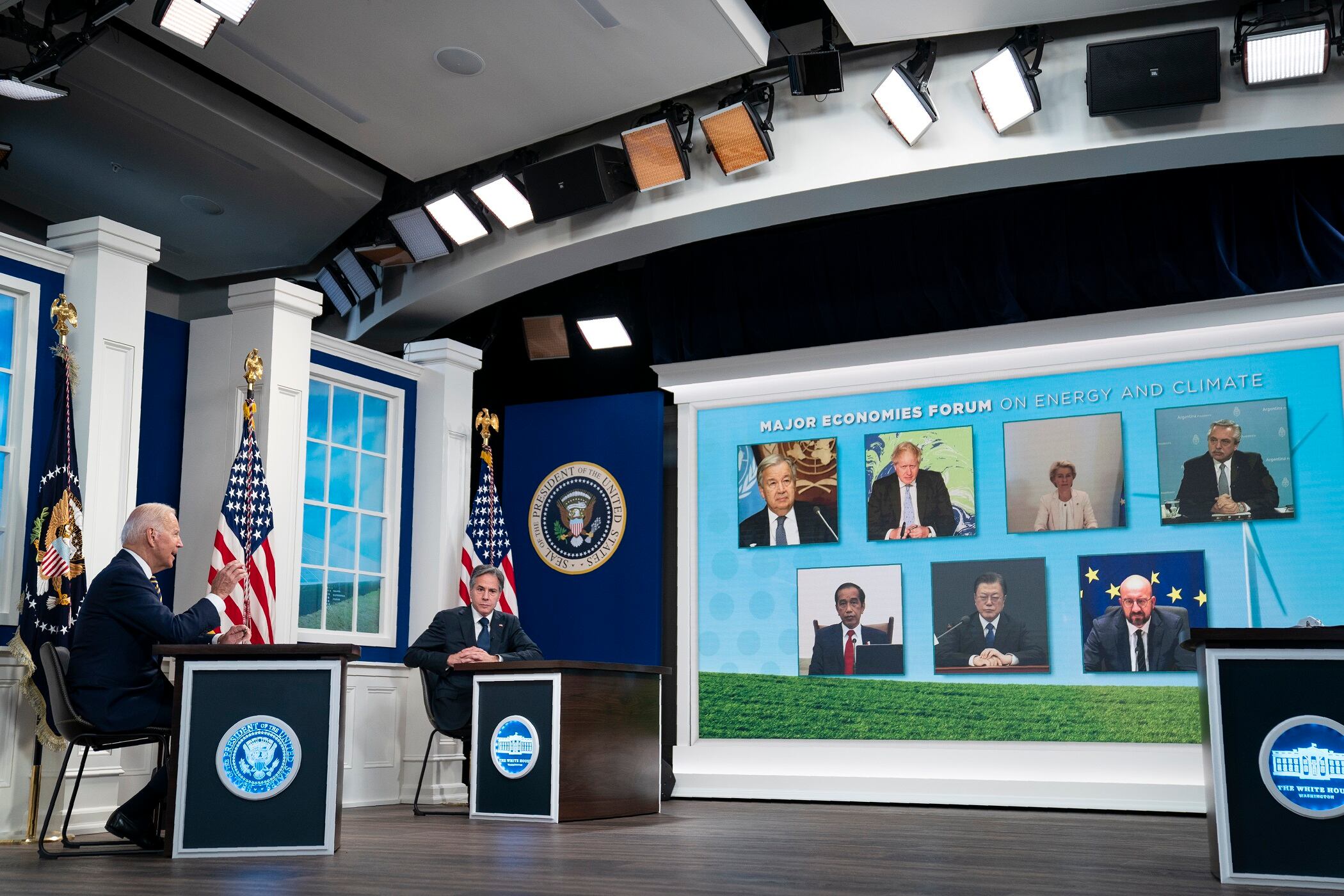
President Joe Biden is trying to hammer out the world’s next steps against rapidly worsening climate change in a private, virtual session with a small group of other global leaders.
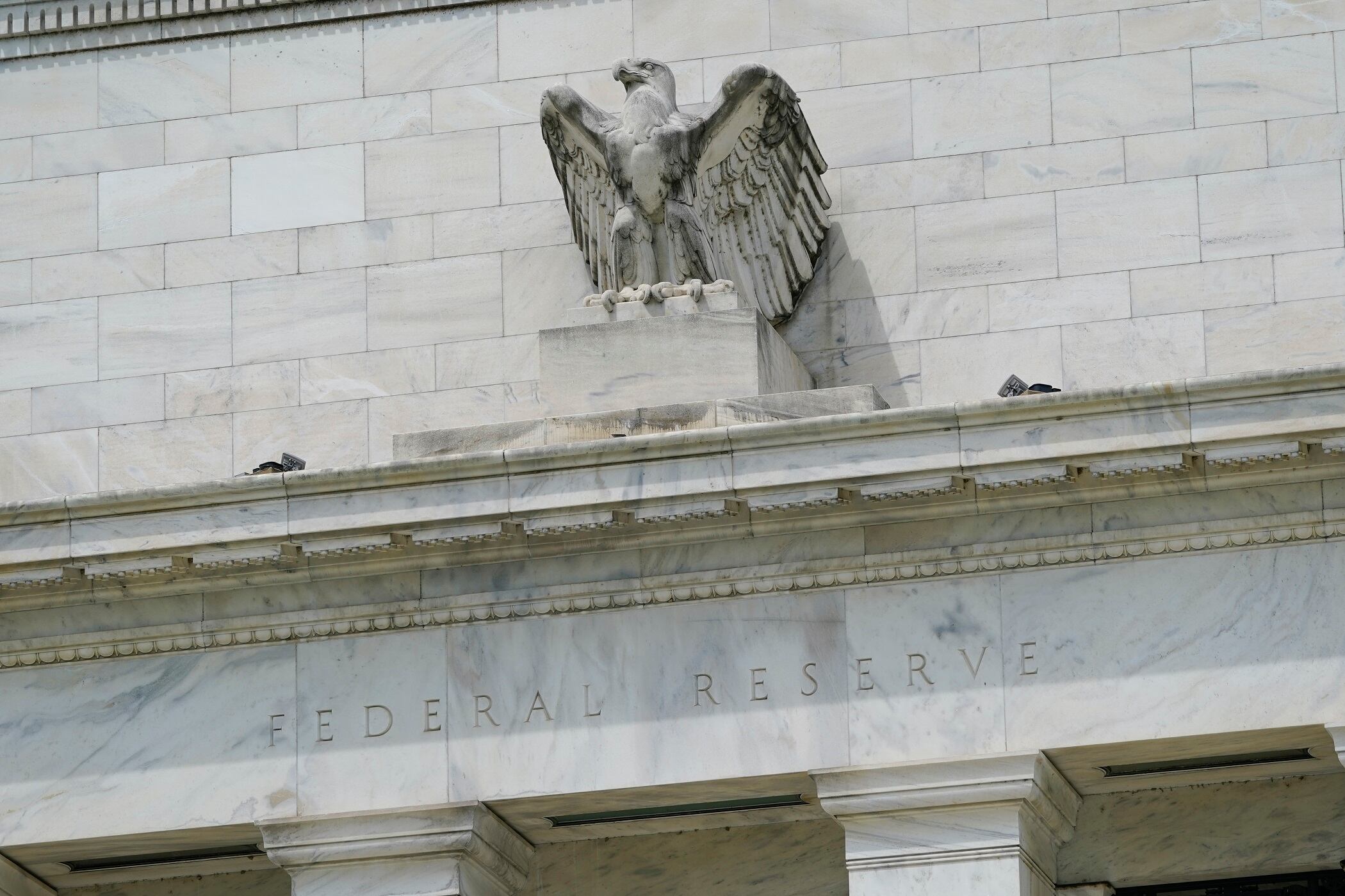
The Federal Reserve is reviewing the ethics policies that cover the financial holdings of its senior officials in the wake of disclosures that two regional Fed presidents engaged in extensive trading last year.
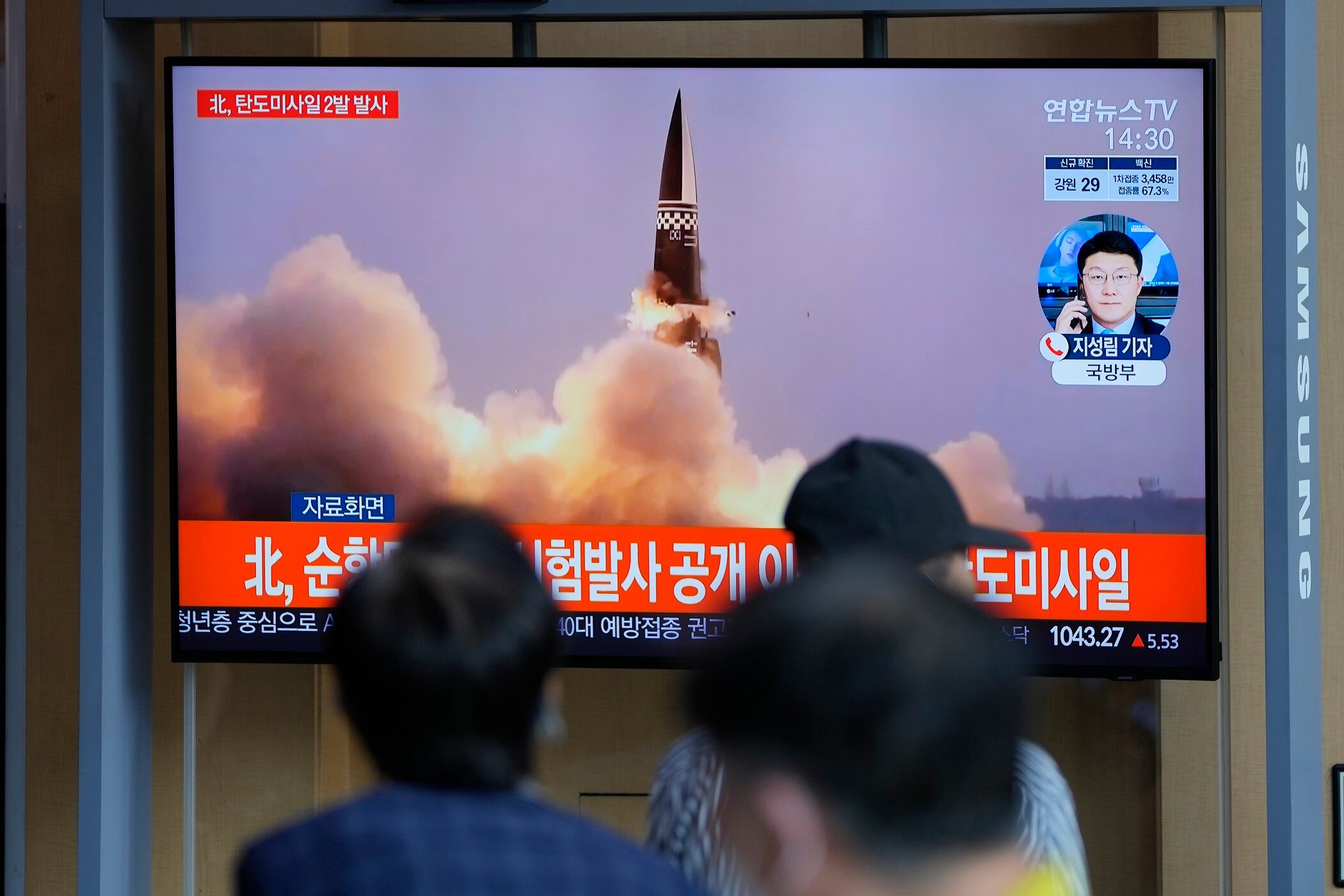
North Korea said it successfully launched ballistic missiles from a train for the first time and was continuing to bolster its defenses, after the two Koreas test-fired missiles hours apart in dueling displays of military might.
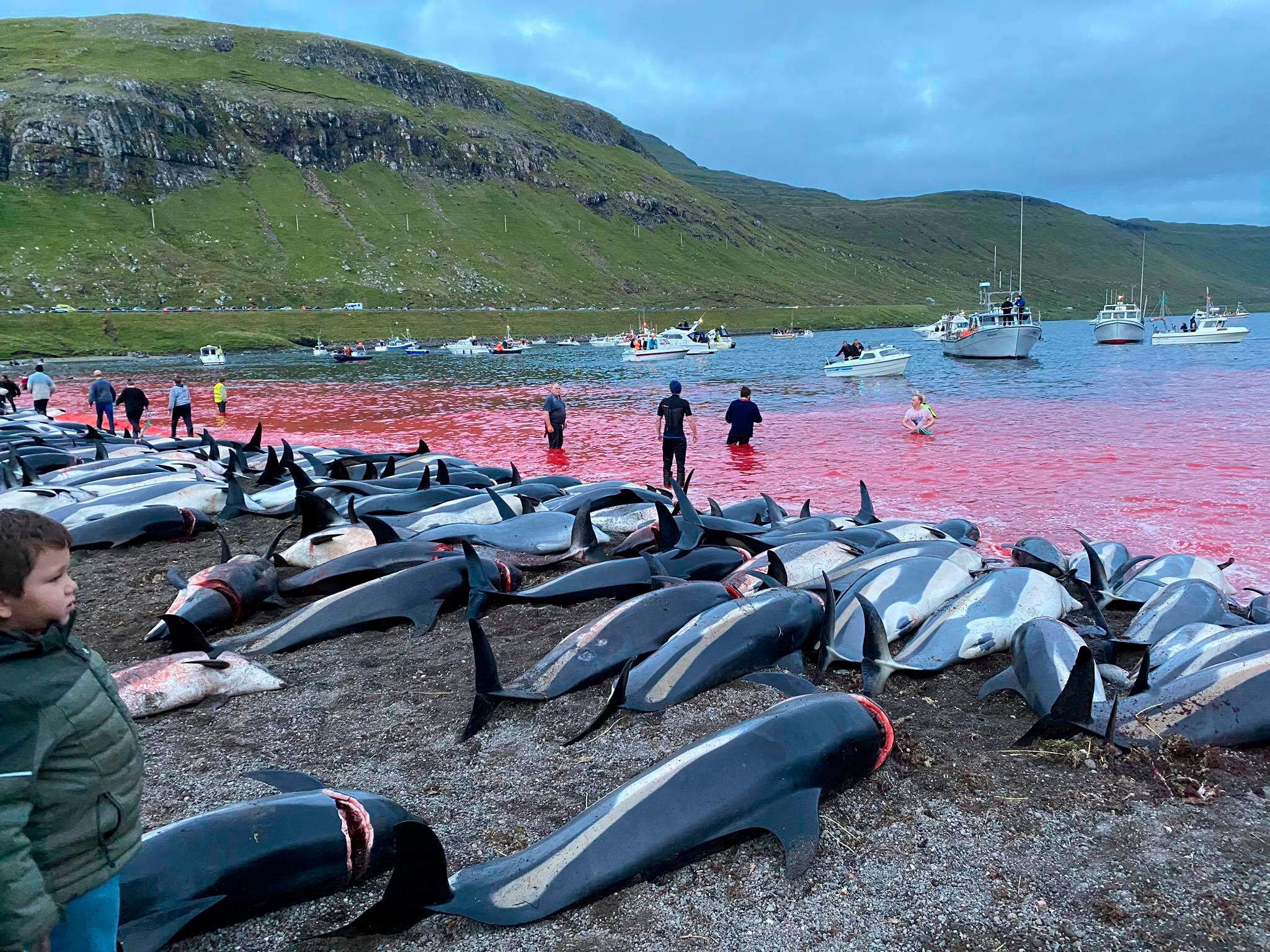
The slaughter of 1,428 white-sided dolphins as part of a four-century-old traditional drive of sea mammals into shallow water in the Faeroe Islands where they are killed has reignited a debate in the small North Atlantic islands.
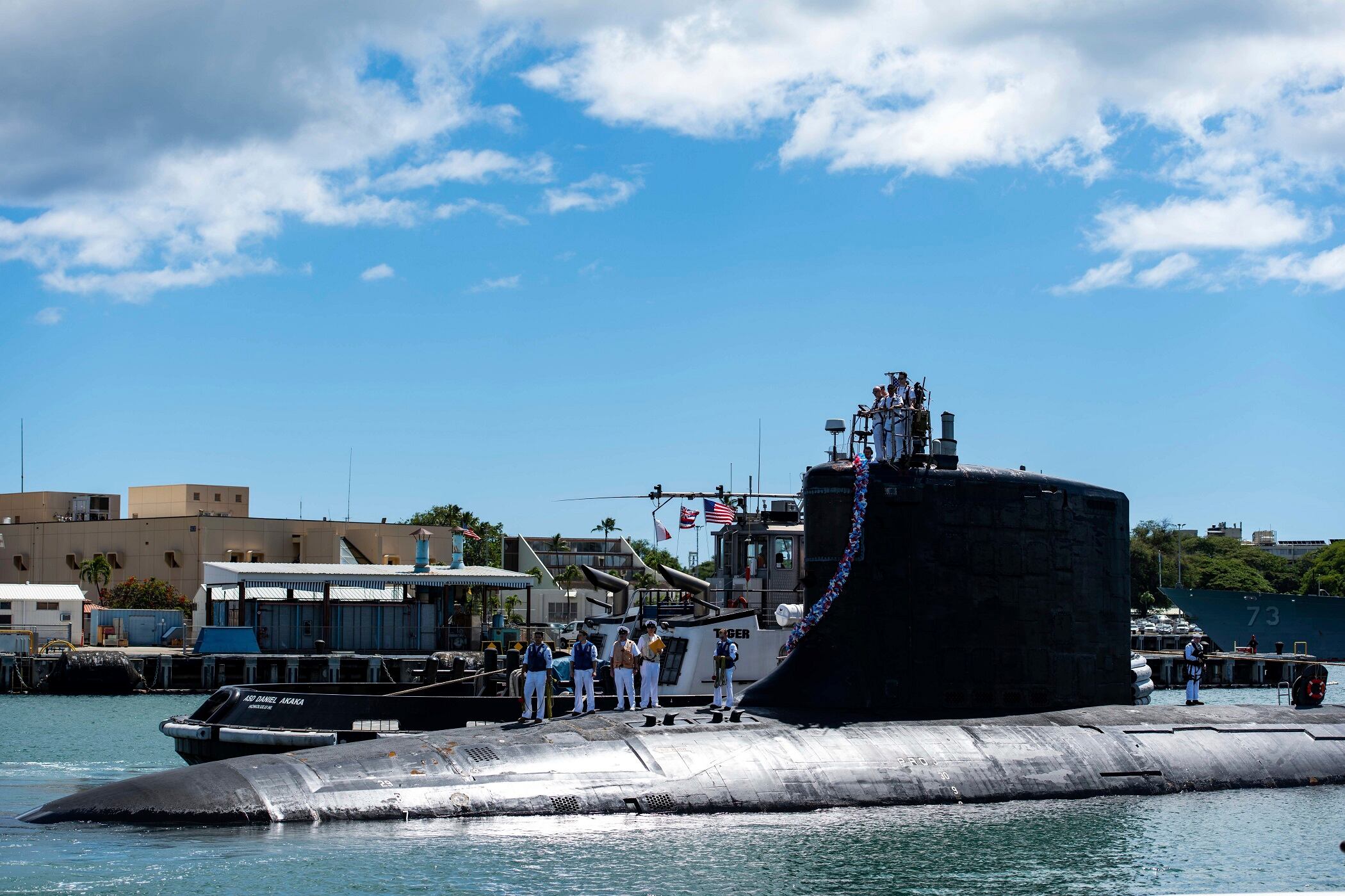
The U.S., Britain and Australia have announced they’re forming a new security alliance that will help equip Australia with nuclear-powered submarines.
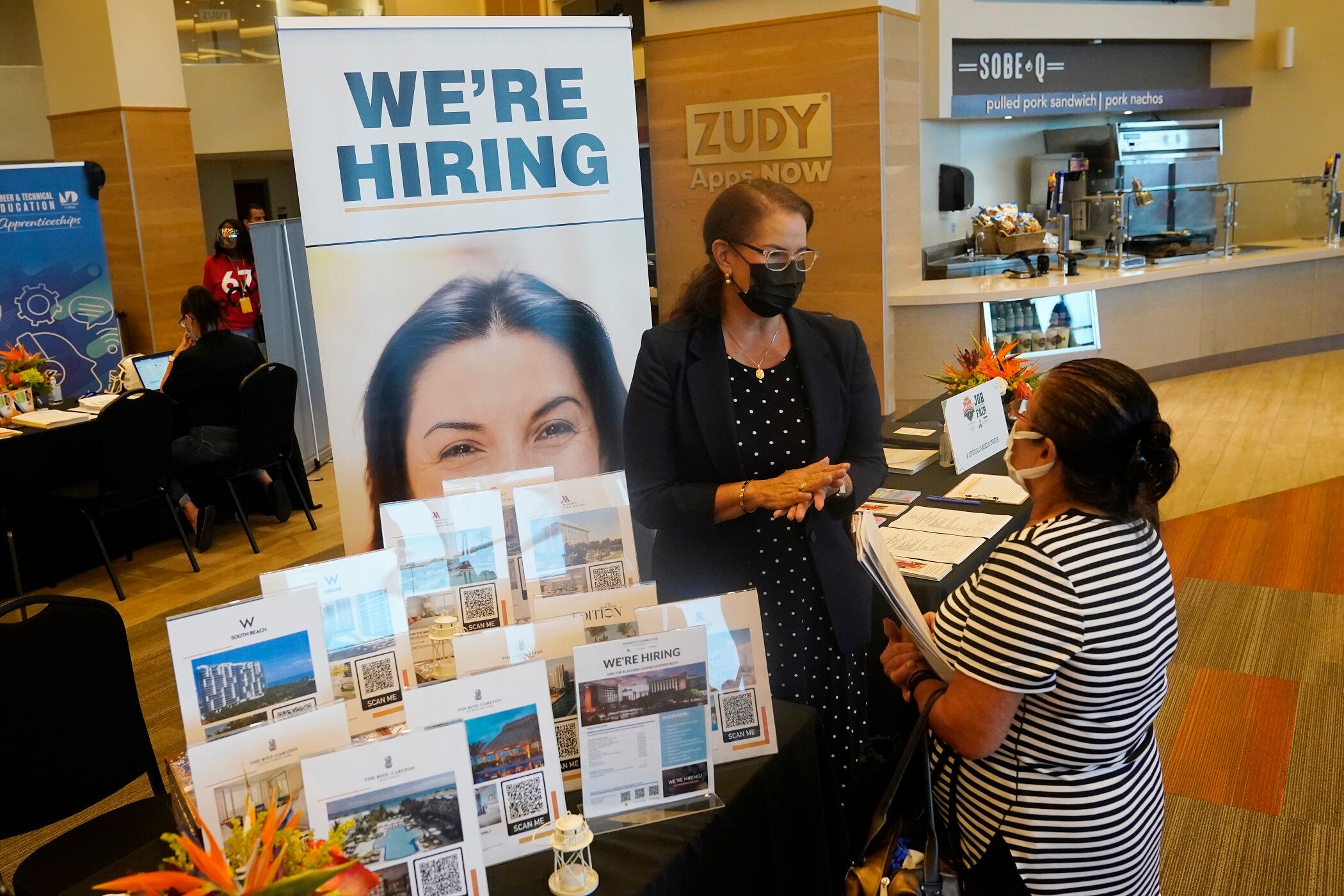
The number of Americans seeking unemployment benefits moved up last week to 332,000 from a pandemic low, a sign that worsening COVID-19 infections may have slightly increased layoffs.
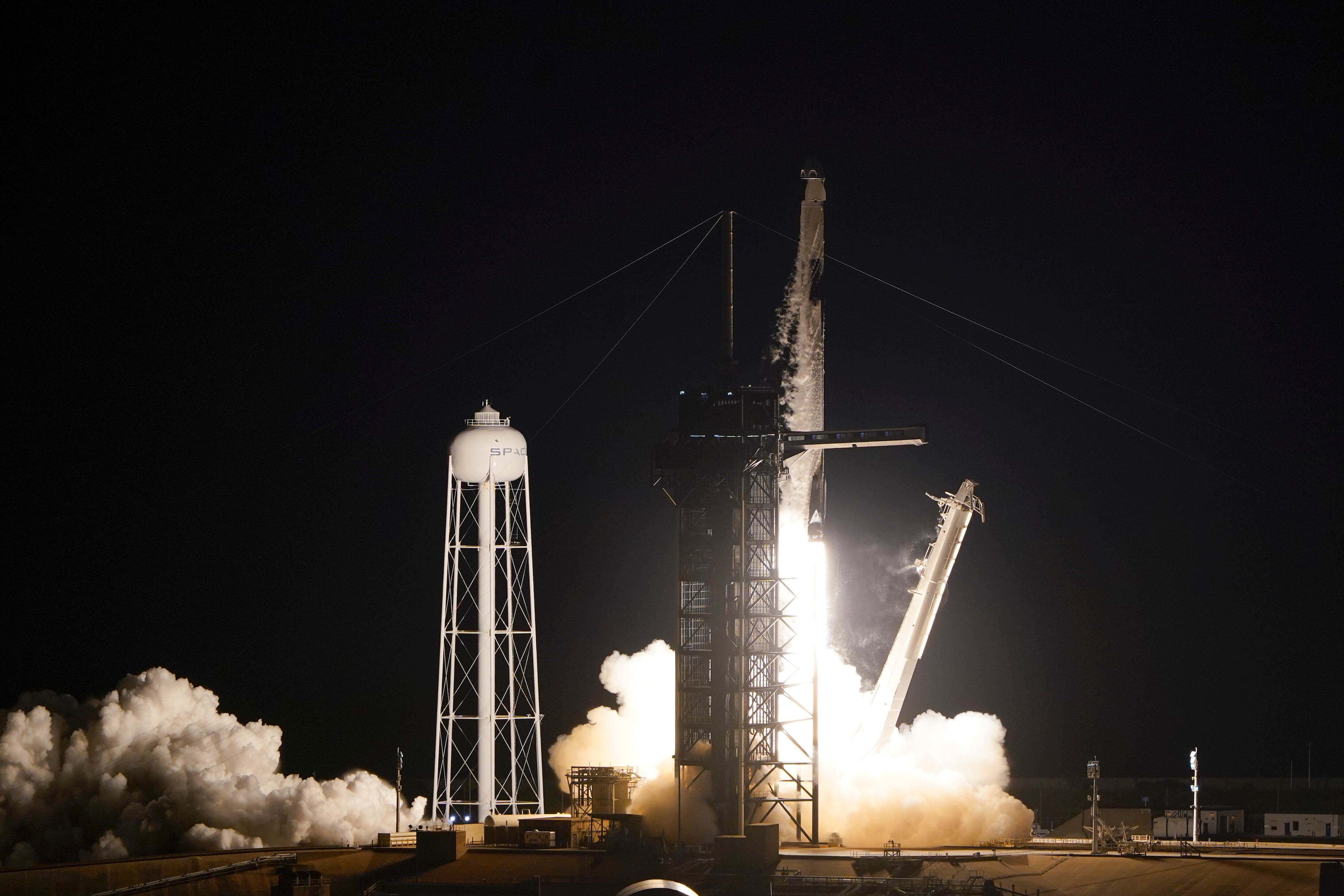
Space Milestone, Booster Debate & Greatest Songs Ever