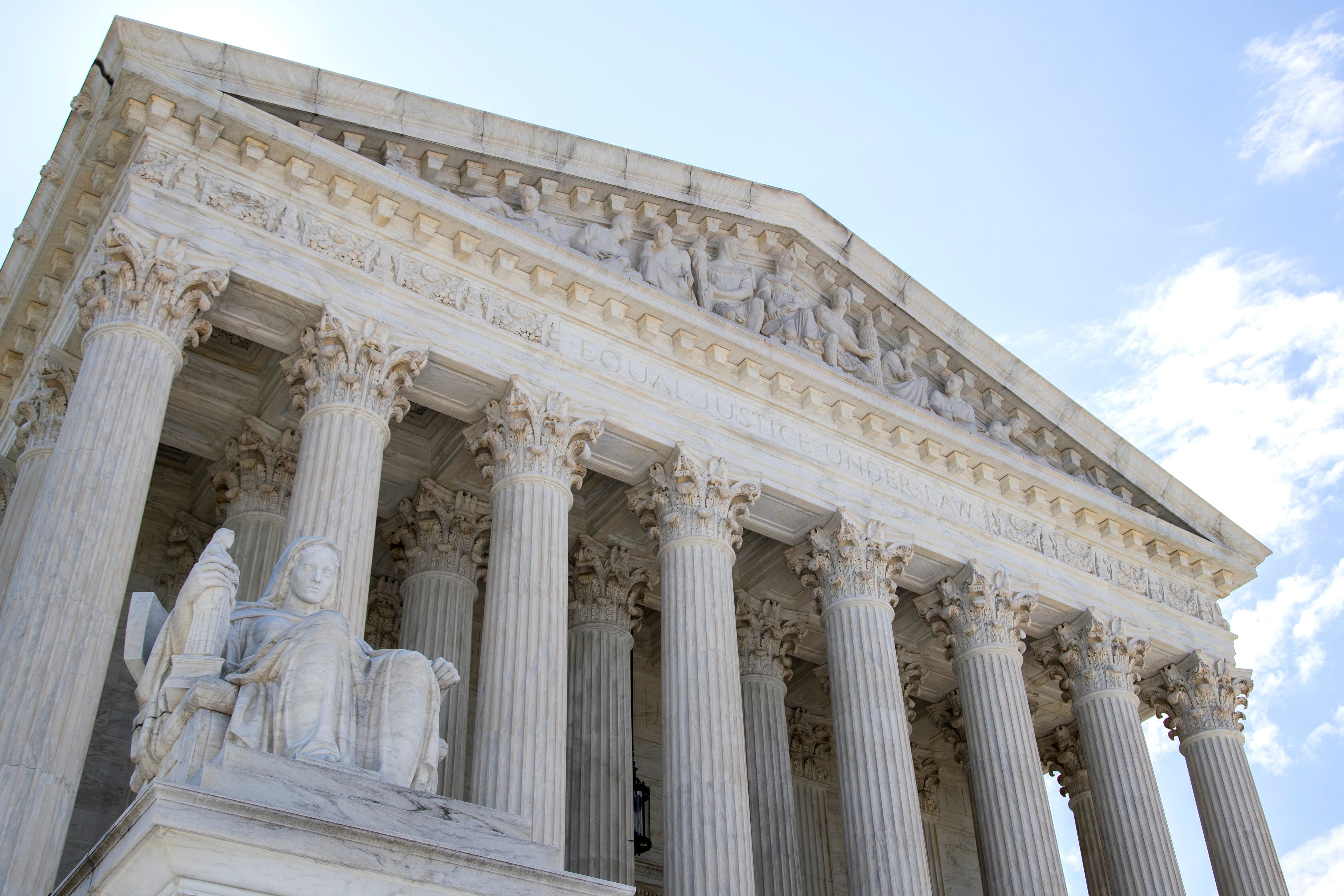
The Supreme Court on Monday upheld a 1991 law that bars robocalls to cellphones.
The case, argued by telephone in May because of the coronavirus pandemic, only arose after Congress in 2015 created an exception in the law that allowed the automated calls for collection of government debt.
Political consultants and pollsters were among those who asked the Supreme Court to strike down the entire 1991 law that bars them from making robocalls to cellphones as a violation of their free speech rights under the Constitution. The issue was whether, by allowing one kind of speech but not others, the exception made the whole law unconstitutional.
Six justices agreed that by allowing debt collection calls to cellphones Congress "impermissibly favored debt-collection speech over political and other speech, in violation of the First Amendment," Justice Brett Kavanaugh wrote. And seven justices agreed that the 2015 exception should be stricken from the law.
"Americans passionately disagree about many things. But they are largely united in their disdain for robocalls," Kavanaugh noted at the outset of his opinion.
During arguments in the case in May, Justice Stephen Breyer got cut off when someone tried calling him. Breyer said after he rejoined the court's arguments: "The telephone started to ring, and it cut me off the call and I don't think it was a robocall."
Video-sharing tech platform YouTube on Wednesday announced immediate bans on false claims that vaccines are dangerous and cause health issues like autism, cancer or infertility.
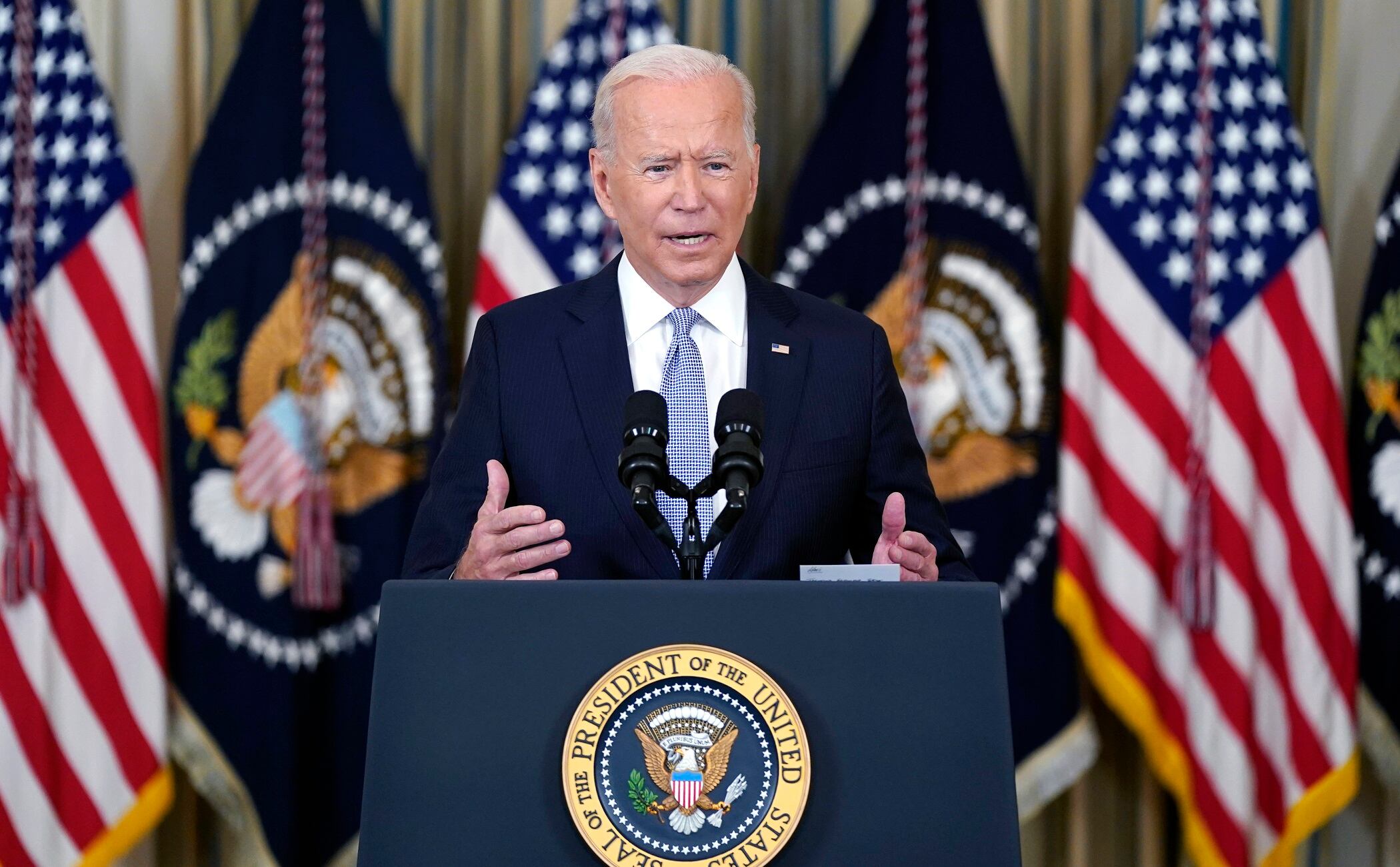
Pressure is mounting on President Joe Biden to trim back his $3.5 trillion federal government overhaul to win over holdout fellow Democrats.
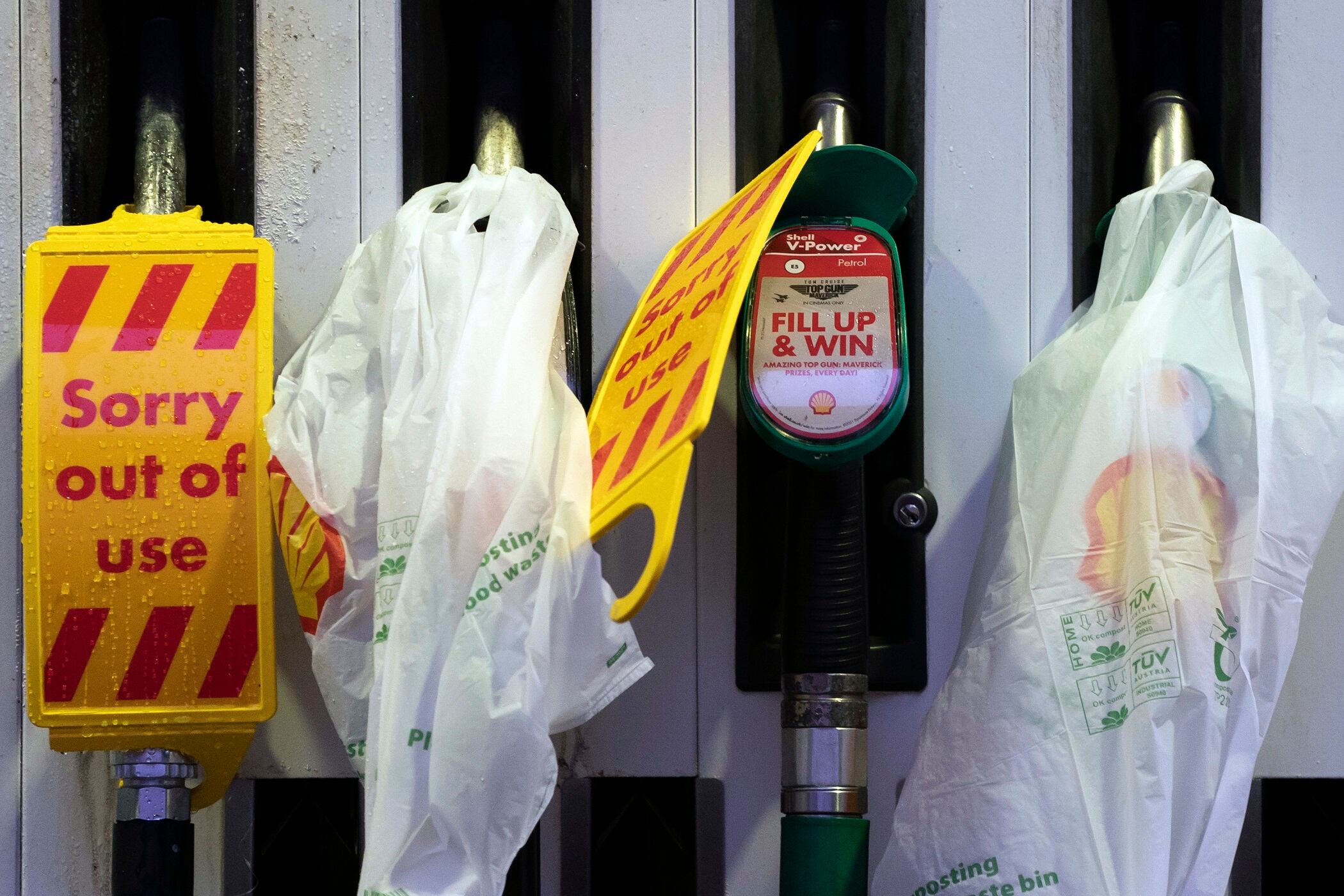
Lines of cars formed at British gas stations for a fourth day on Monday, as the government mulled bringing in the army to help ease supply disruption triggered by a shortage of truck drivers.
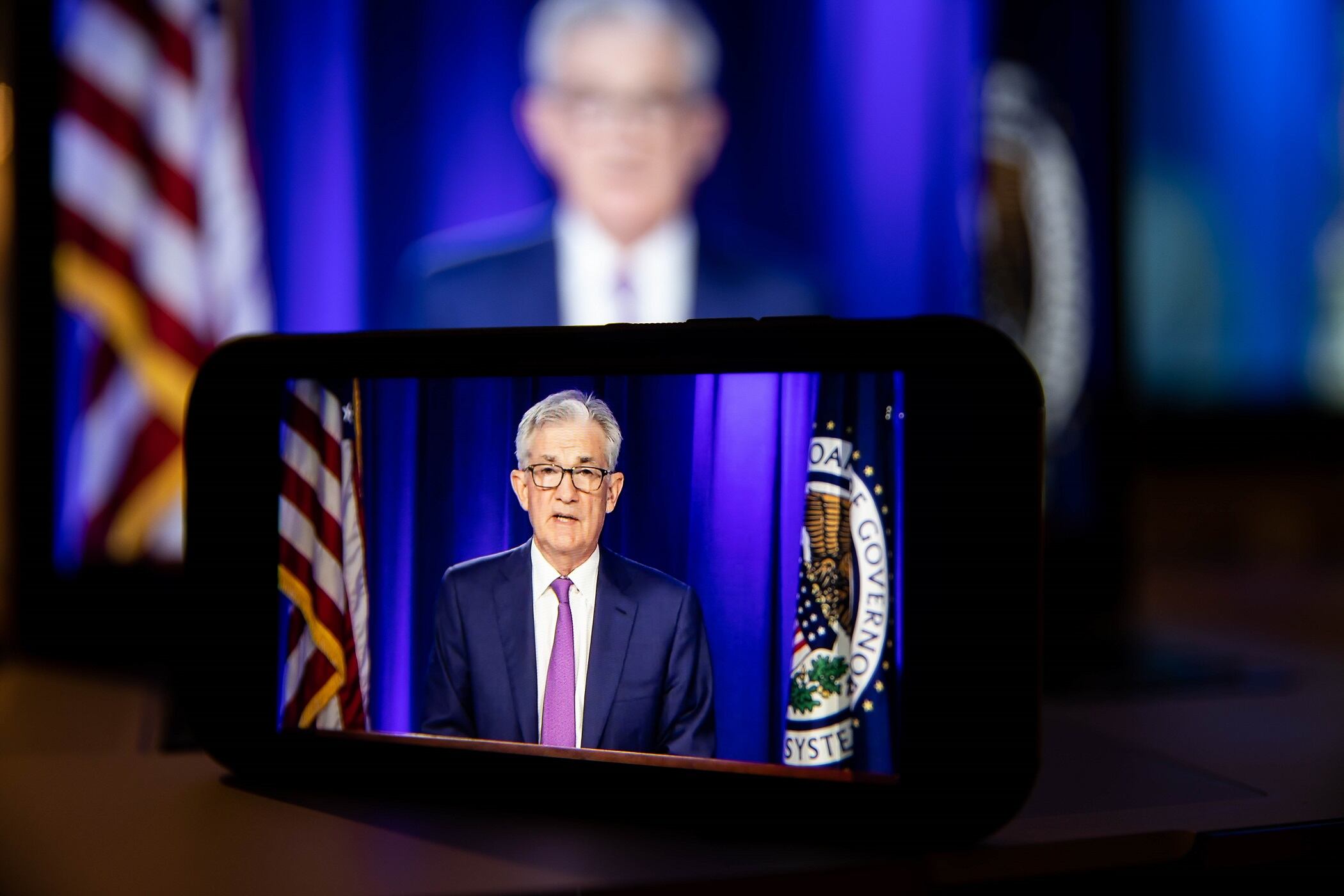
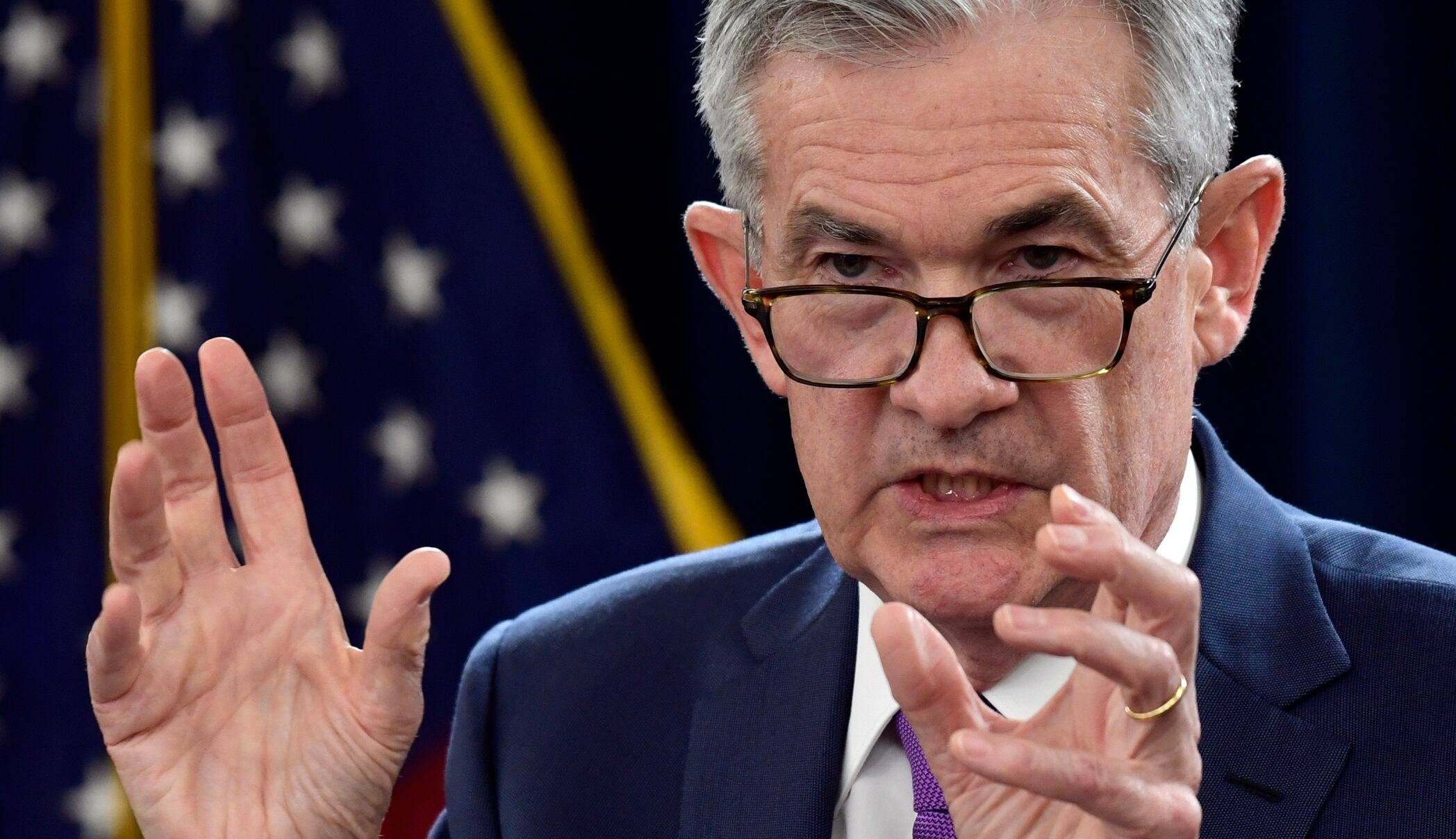
Powell on Wednesday shed new light on the possibility of launching a central bank digital currency (CBDC) in the U.S., and stakeholders in the worlds of both monetary policy and cryptocurrency took notice.
President Joe Biden is urging those now eligible for COVID-19 booster shots to get the added protection.
China’s central bank has declared all transactions involving Bitcoin and other virtual currencies illegal, stepping up a campaign to block use of unofficial digital money.
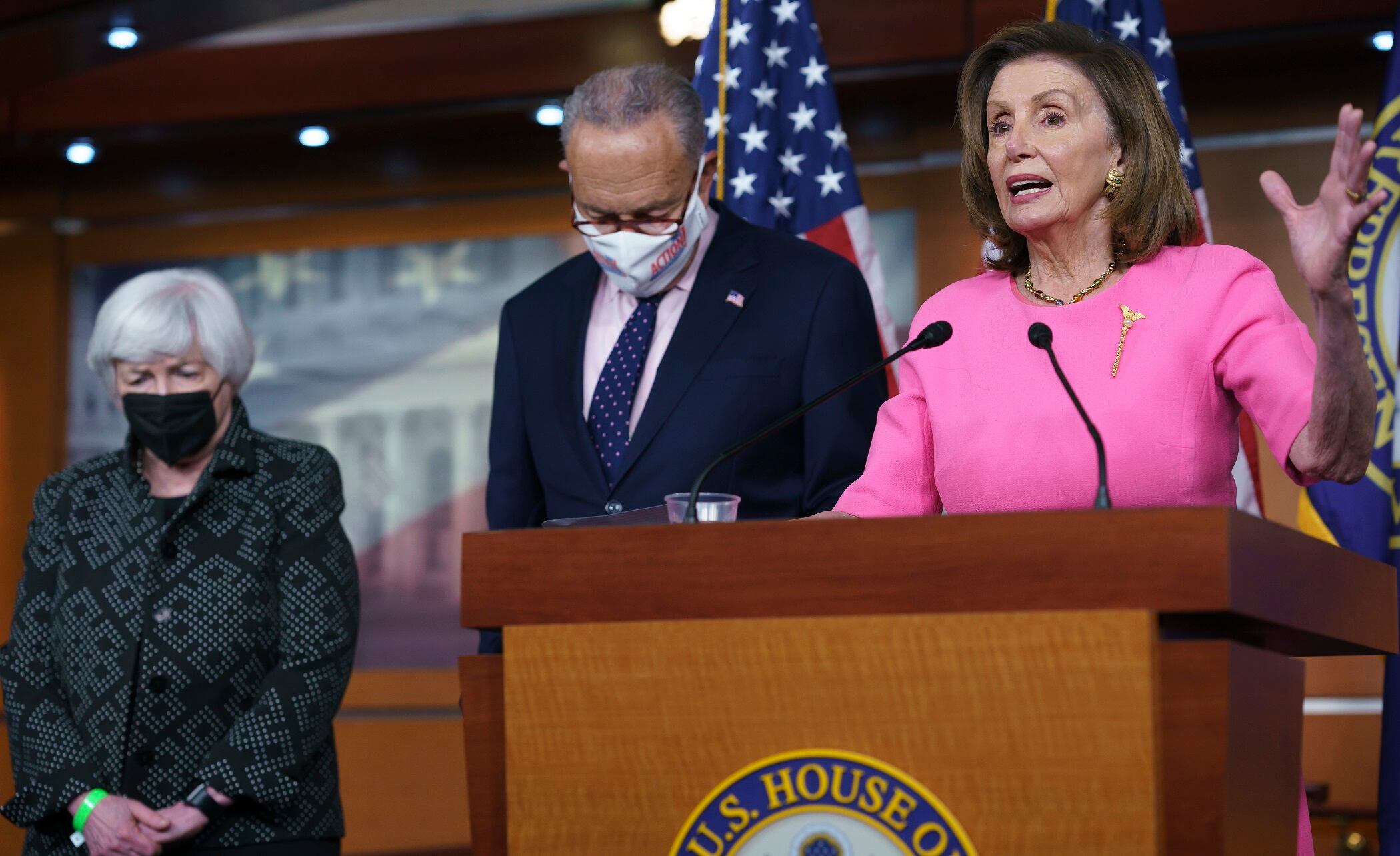
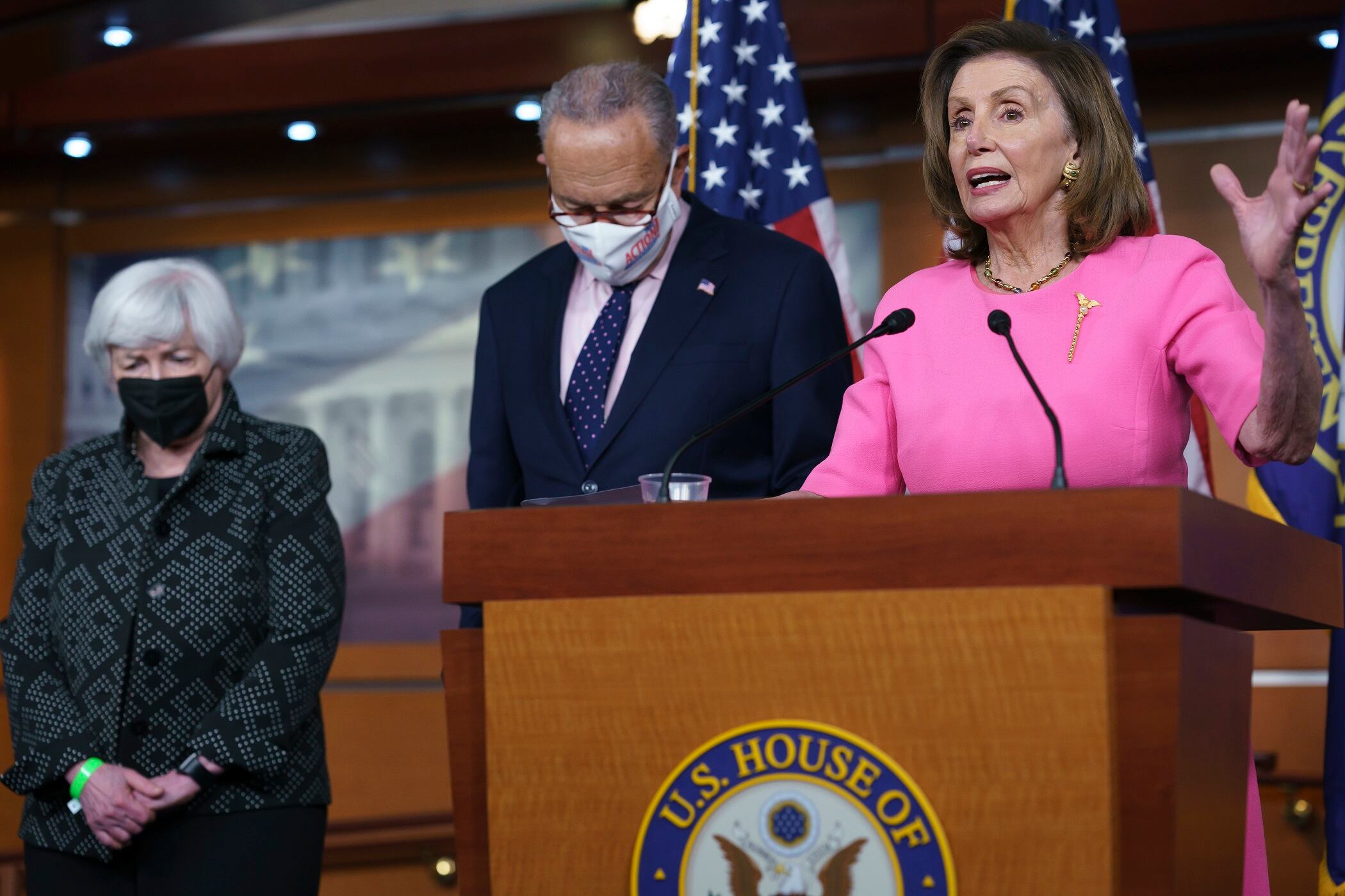
Senate Majority Leader Chuck Schumer and House Speaker Nancy Pelosi revealed the development to reporters on Thursday. But
The European Union is unveiling plans that would require smartphone makers to adopt a single charging method for mobile devices.
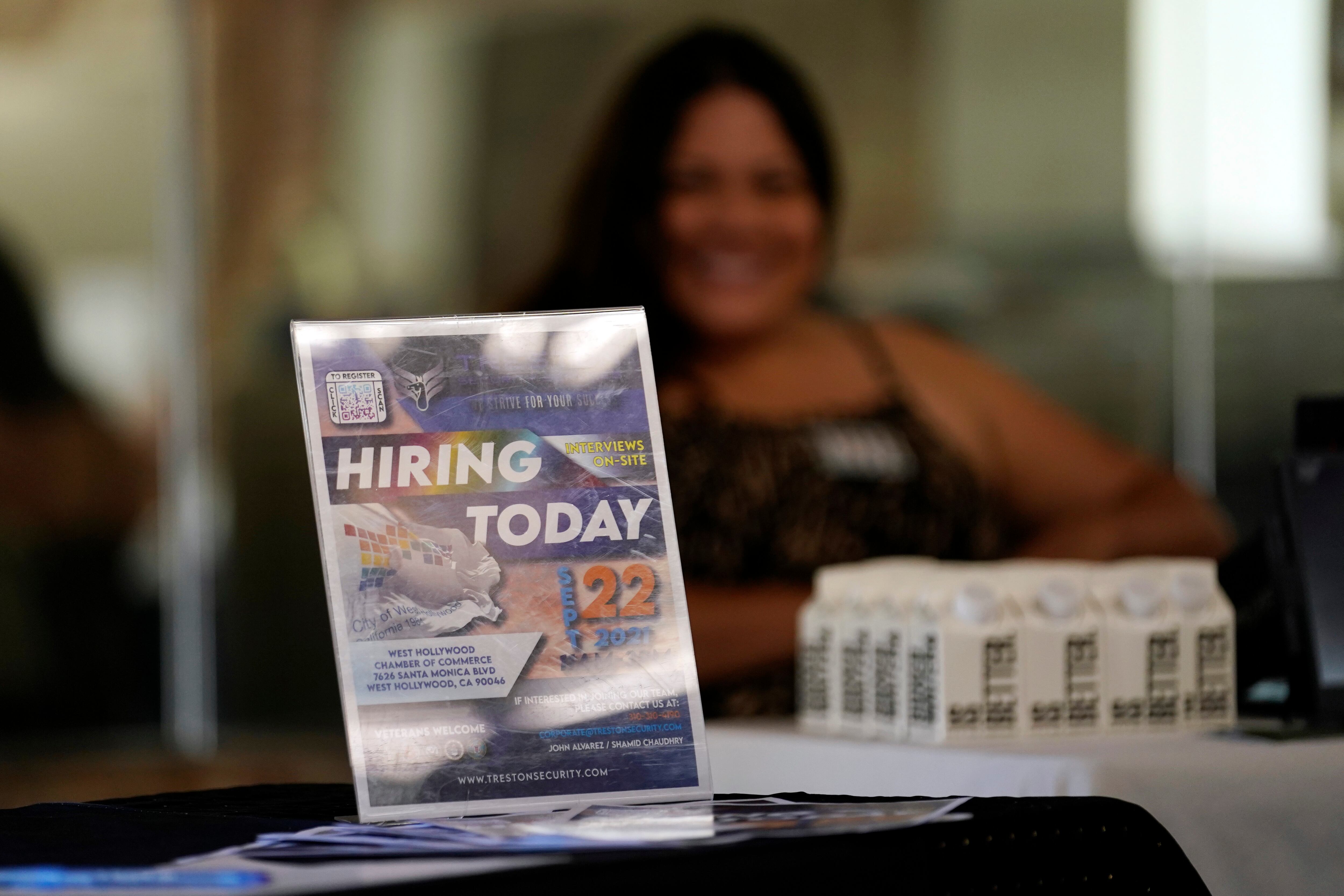
The number of Americans applying for unemployment aid rose last week for a second straight week to 351,000, a sign that the delta variant of the coronavirus may be disrupting the job market’s recovery, at least temporarily.
Many had expected Fed Chair Jerome Powell to clarify the timing of the long-anticipated taper following Wednesday's meeting of the Federal Open Market Committee (FOMC), and he didn't disappoint.