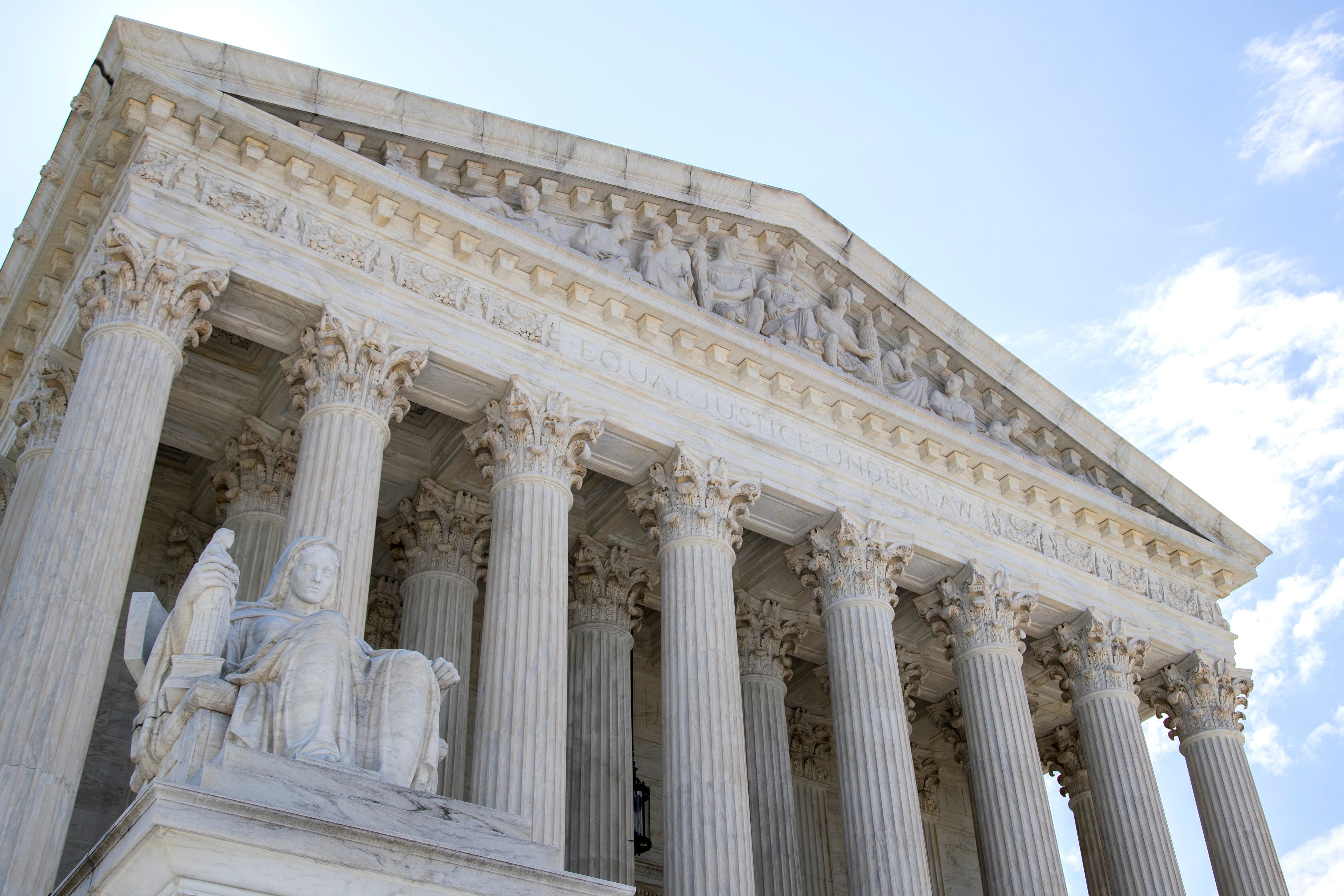
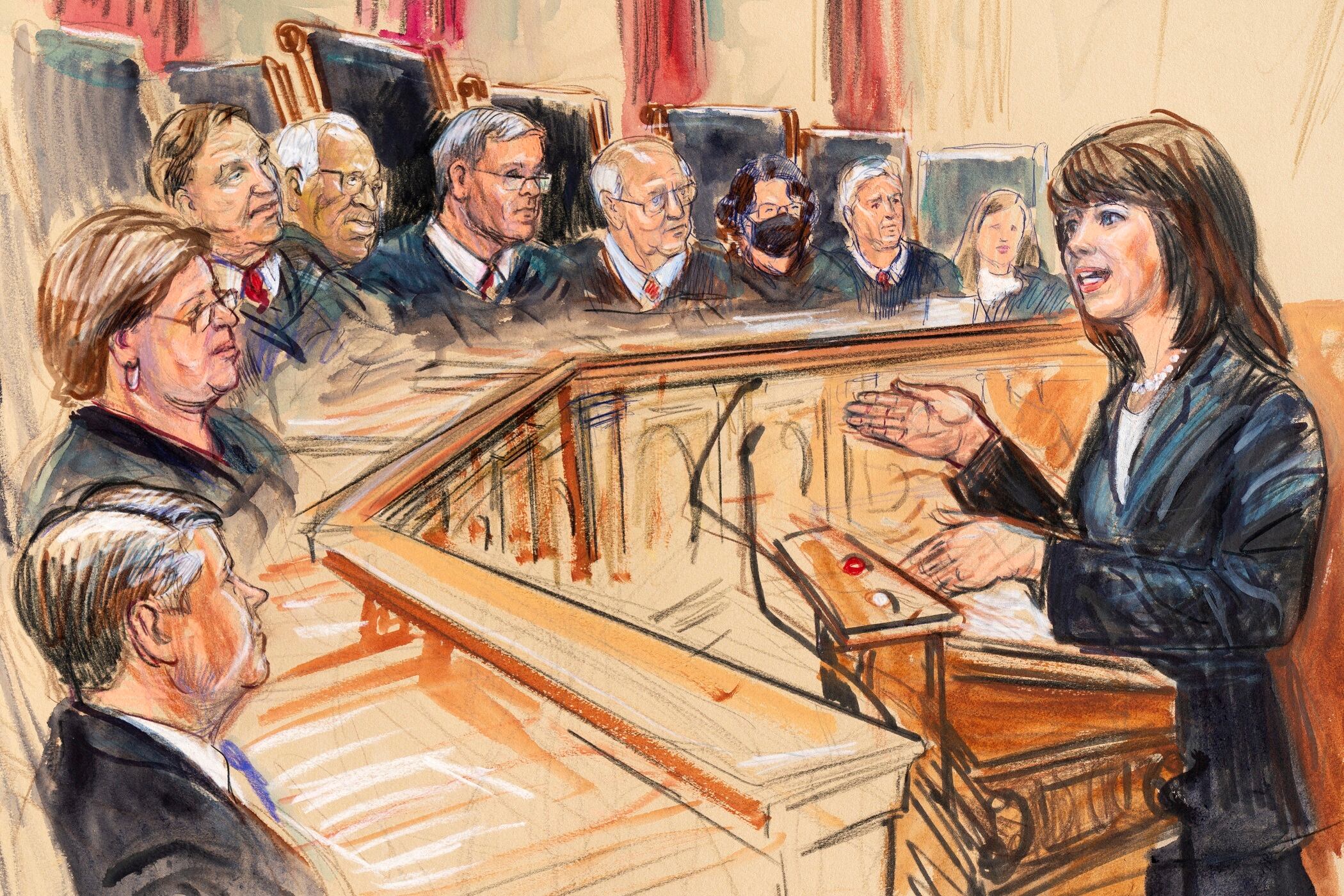
The Supreme Court on Monday upheld a 1991 law that bars robocalls to cellphones.
The case, argued by telephone in May because of the coronavirus pandemic, only arose after Congress in 2015 created an exception in the law that allowed the automated calls for collection of government debt.
Political consultants and pollsters were among those who asked the Supreme Court to strike down the entire 1991 law that bars them from making robocalls to cellphones as a violation of their free speech rights under the Constitution. The issue was whether, by allowing one kind of speech but not others, the exception made the whole law unconstitutional.
Six justices agreed that by allowing debt collection calls to cellphones Congress "impermissibly favored debt-collection speech over political and other speech, in violation of the First Amendment," Justice Brett Kavanaugh wrote. And seven justices agreed that the 2015 exception should be stricken from the law.
"Americans passionately disagree about many things. But they are largely united in their disdain for robocalls," Kavanaugh noted at the outset of his opinion.
During arguments in the case in May, Justice Stephen Breyer got cut off when someone tried calling him. Breyer said after he rejoined the court's arguments: "The telephone started to ring, and it cut me off the call and I don't think it was a robocall."
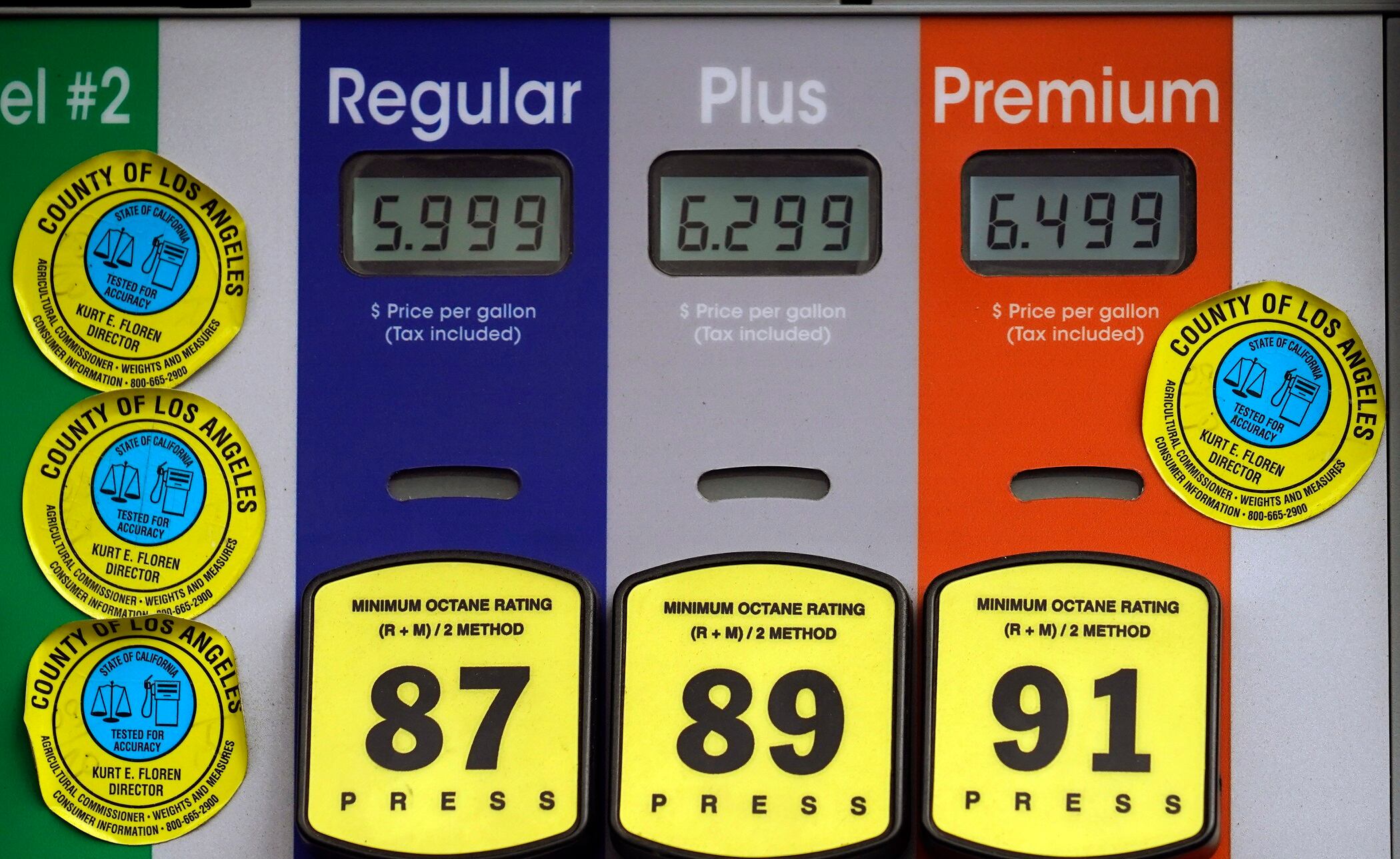
Prices for U.S. consumers jumped 6.2% in October compared with a year earlier as surging costs for food, gas and housing left Americans grappling with the highest inflation rate since 1990.
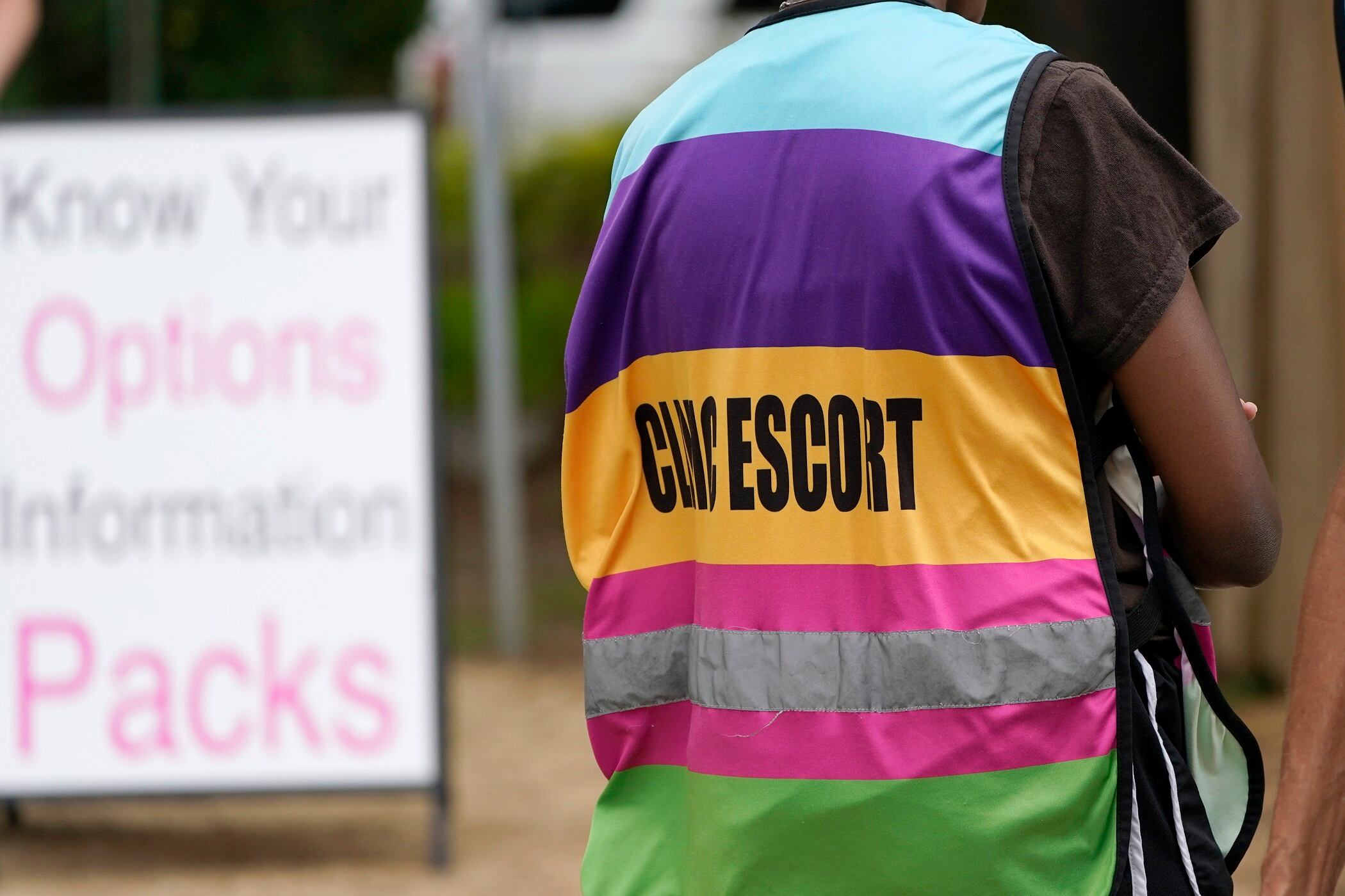
Mississippi's 2018 law banning almost all abortions after 15 weeks of pregnancy, could be the one to show whether a strong conservative majority on the Supreme Court will uphold or overturn Roe v. Wade
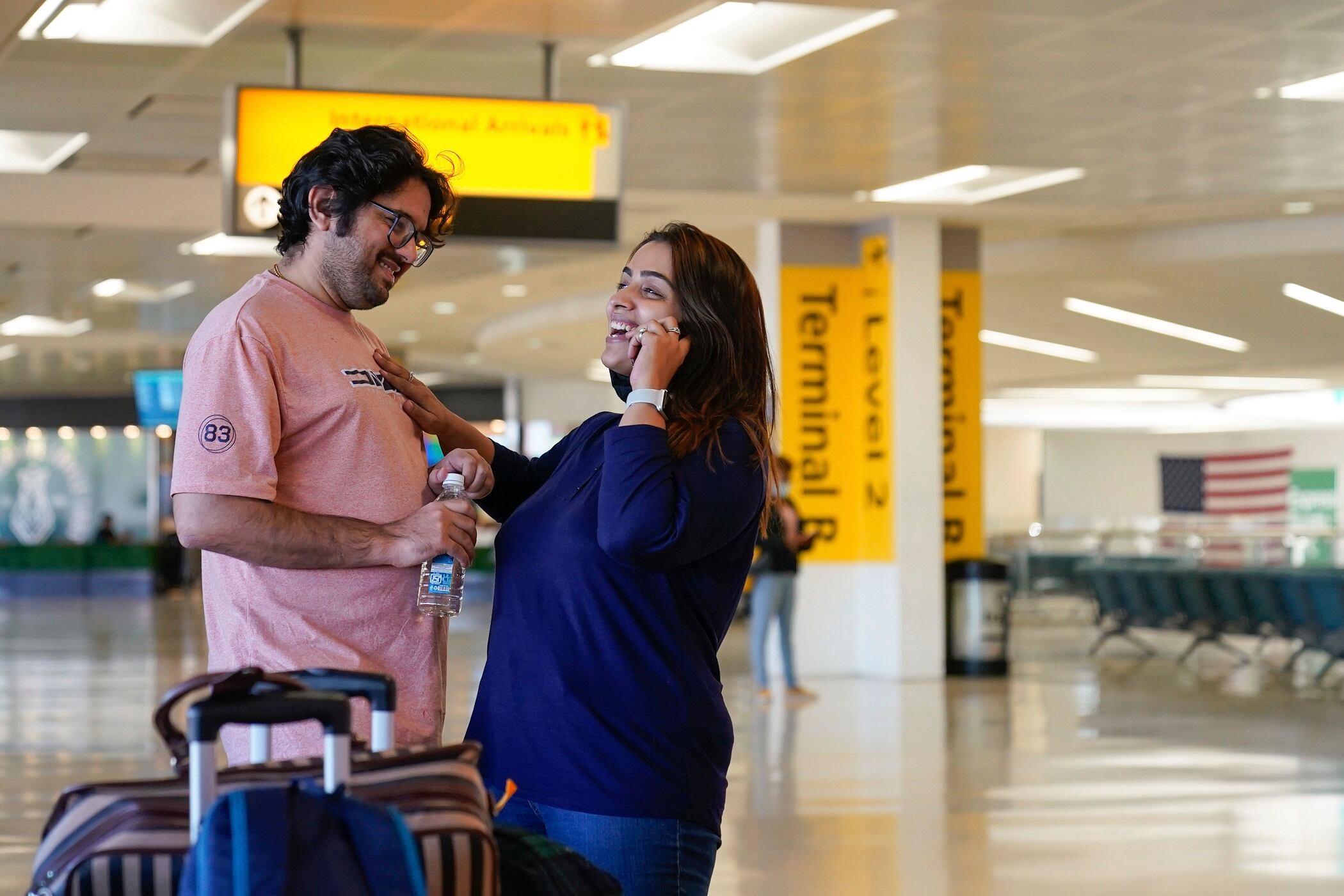
The U.S. has fully reopened its borders with Mexico and Canada and lifted restrictions on travel that covered most of Europe.
America’s employers stepped up their hiring in October, adding a solid 531,000 jobs, the most since July and a sign that the recovery from the pandemic recession may be overcoming a virus-induced slowdown.
The number of Americans applying for unemployment benefits fell to a fresh pandemic low last week, another sign the job market is healing after last year’s coronavirus recession.
The Federal Reserve made official on Wednesday its plan to wind down the aggressive monthly bond-buying program that has defined the central bank's pandemic response.
Fed watchers are expecting Jerome Powell to announce a timeline for tapering bond purchases on Wednesday afternoon following the meeting of the Federal Open Market Committee.
World leaders are promising to protect the world’s forests, cut methane emissions and help South Africa wean itself off coal at the U.N. climate summit.
A majority of the Supreme Court are signaling that they would allow abortion providers to pursue a court challenge to a Texas law that has virtually ended abortion in the nation’s second-largest state after six weeks of pregnancy.
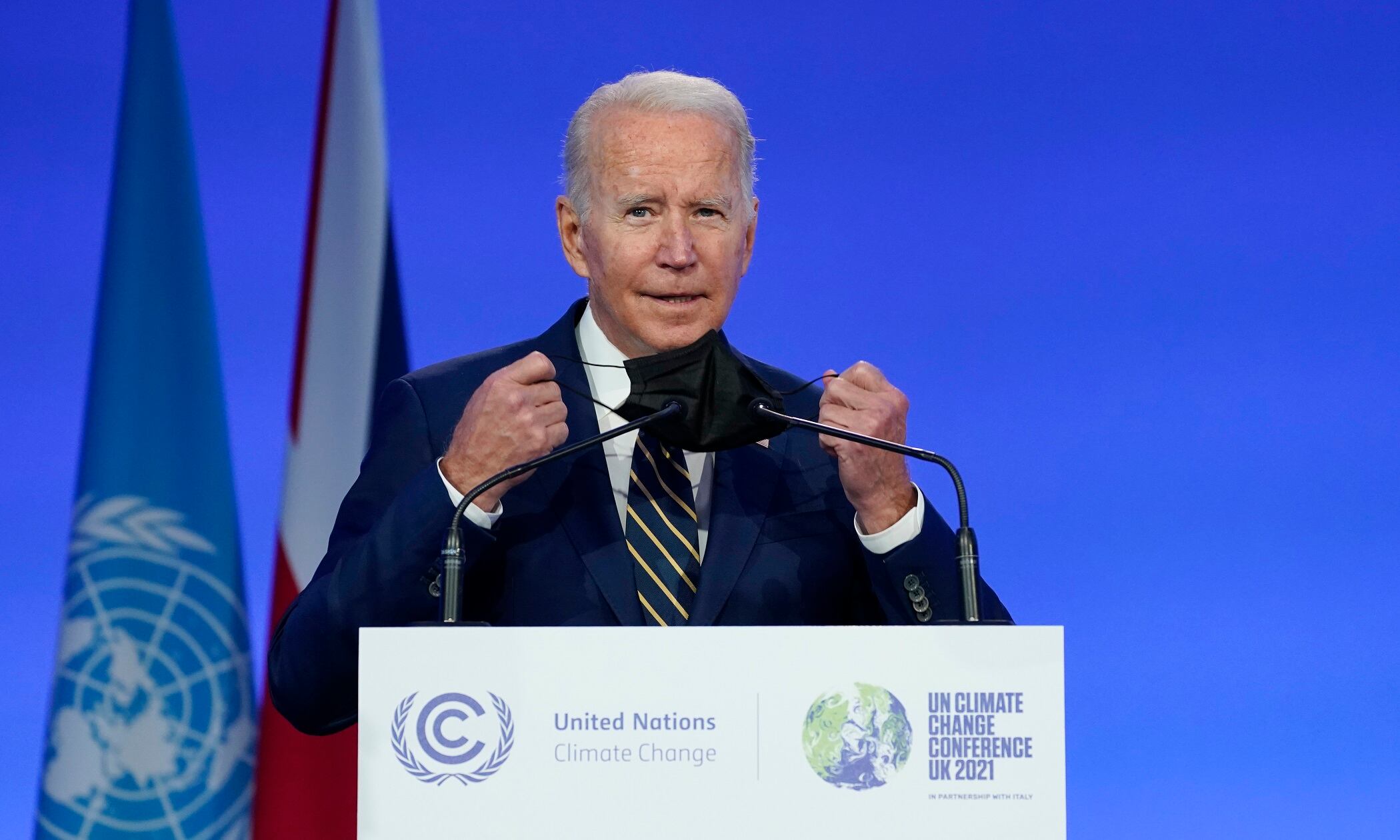
President Joe Biden is taking a markedly more humble tone for a U.S. leader on climate change.