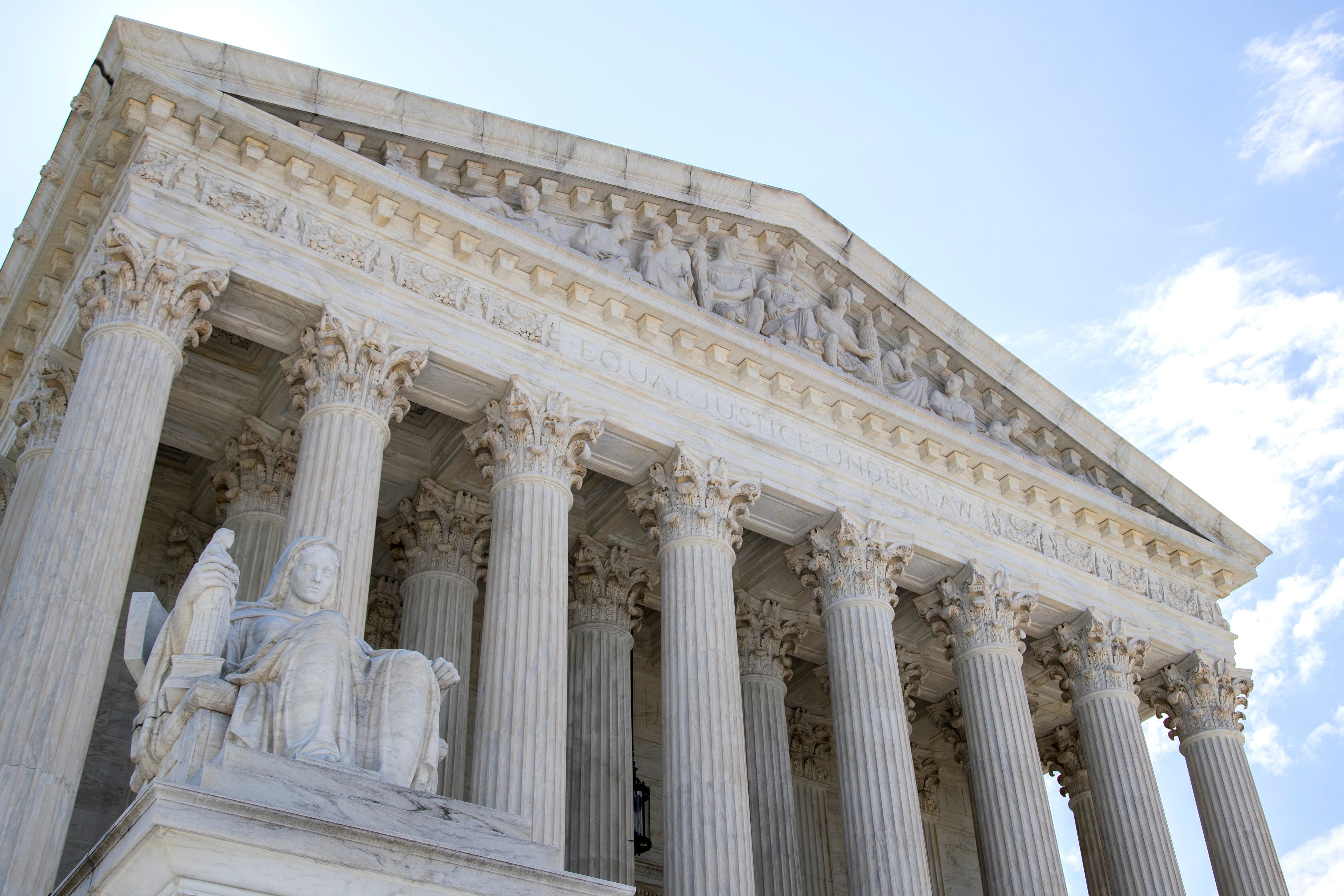
The Supreme Court on Monday upheld a 1991 law that bars robocalls to cellphones.
The case, argued by telephone in May because of the coronavirus pandemic, only arose after Congress in 2015 created an exception in the law that allowed the automated calls for collection of government debt.
Political consultants and pollsters were among those who asked the Supreme Court to strike down the entire 1991 law that bars them from making robocalls to cellphones as a violation of their free speech rights under the Constitution. The issue was whether, by allowing one kind of speech but not others, the exception made the whole law unconstitutional.
Six justices agreed that by allowing debt collection calls to cellphones Congress "impermissibly favored debt-collection speech over political and other speech, in violation of the First Amendment," Justice Brett Kavanaugh wrote. And seven justices agreed that the 2015 exception should be stricken from the law.
"Americans passionately disagree about many things. But they are largely united in their disdain for robocalls," Kavanaugh noted at the outset of his opinion.
During arguments in the case in May, Justice Stephen Breyer got cut off when someone tried calling him. Breyer said after he rejoined the court's arguments: "The telephone started to ring, and it cut me off the call and I don't think it was a robocall."
As inflation continues to heat up faster than expected, those on the side of seeing it as a transitory issue tied to the pandemic remain steadfast in their position. Cheddar's Alex Vuocolo takes a look at team transitory and its critics.
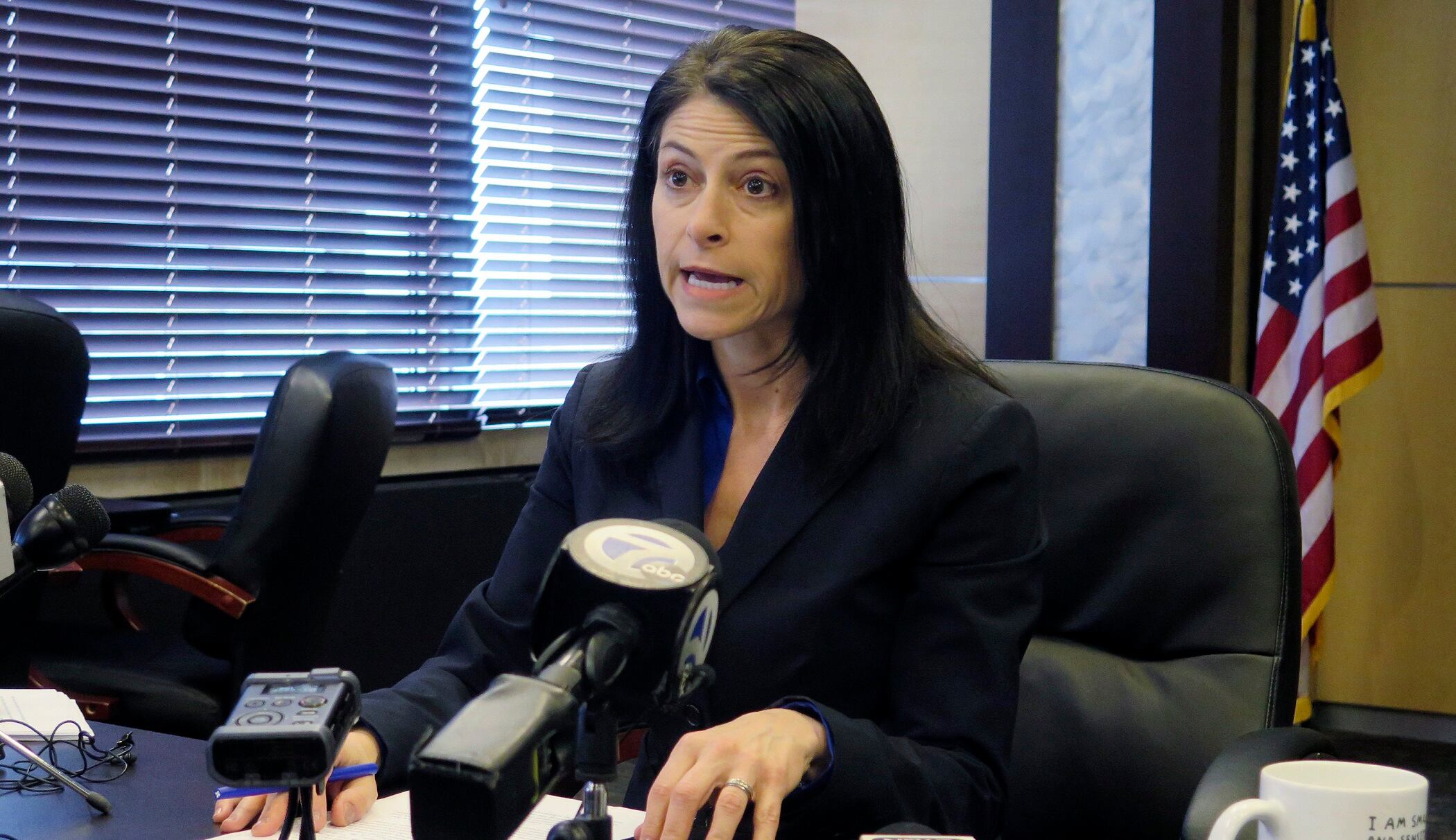
Michigan’s attorney general says she drank too much booze before a big football game between Michigan and Michigan State.
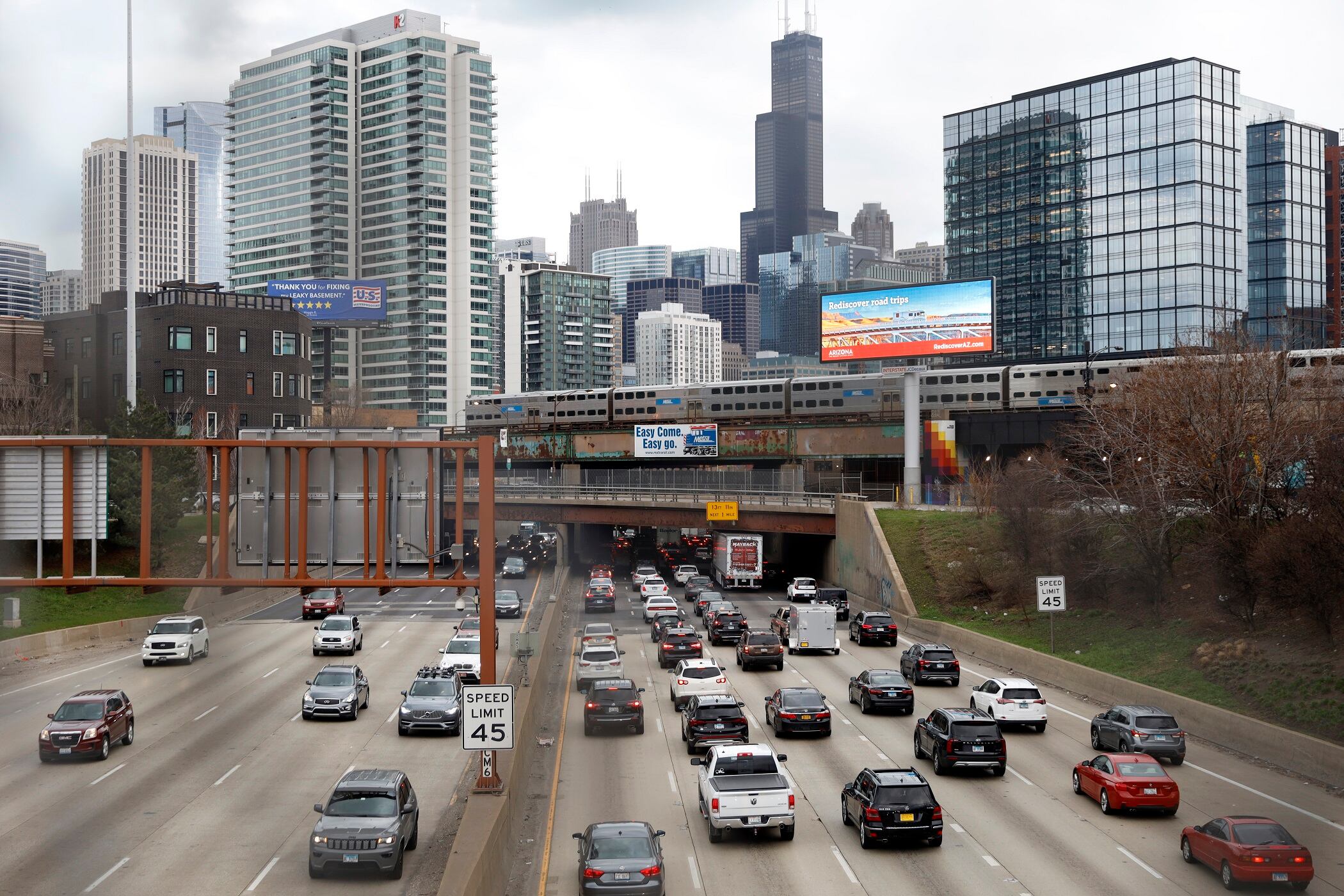
Congress has created a new requirement for automakers: Find a high-tech way to keep drunken people from driving cars.
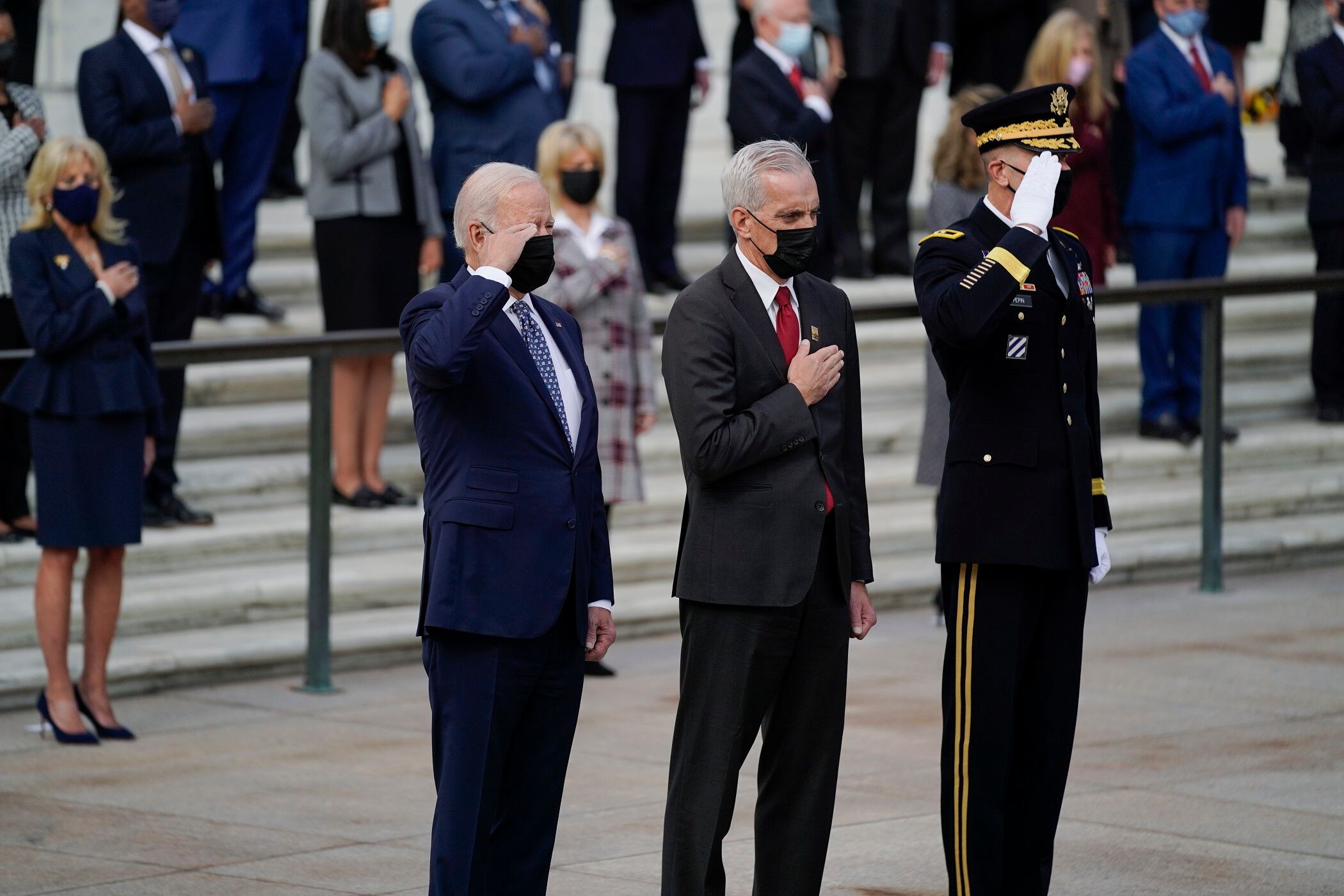
President Joe Biden is using his first Veterans Day in office to announce an effort to better understand, identify and treat medical conditions suffered by troops deployed to toxic environments.
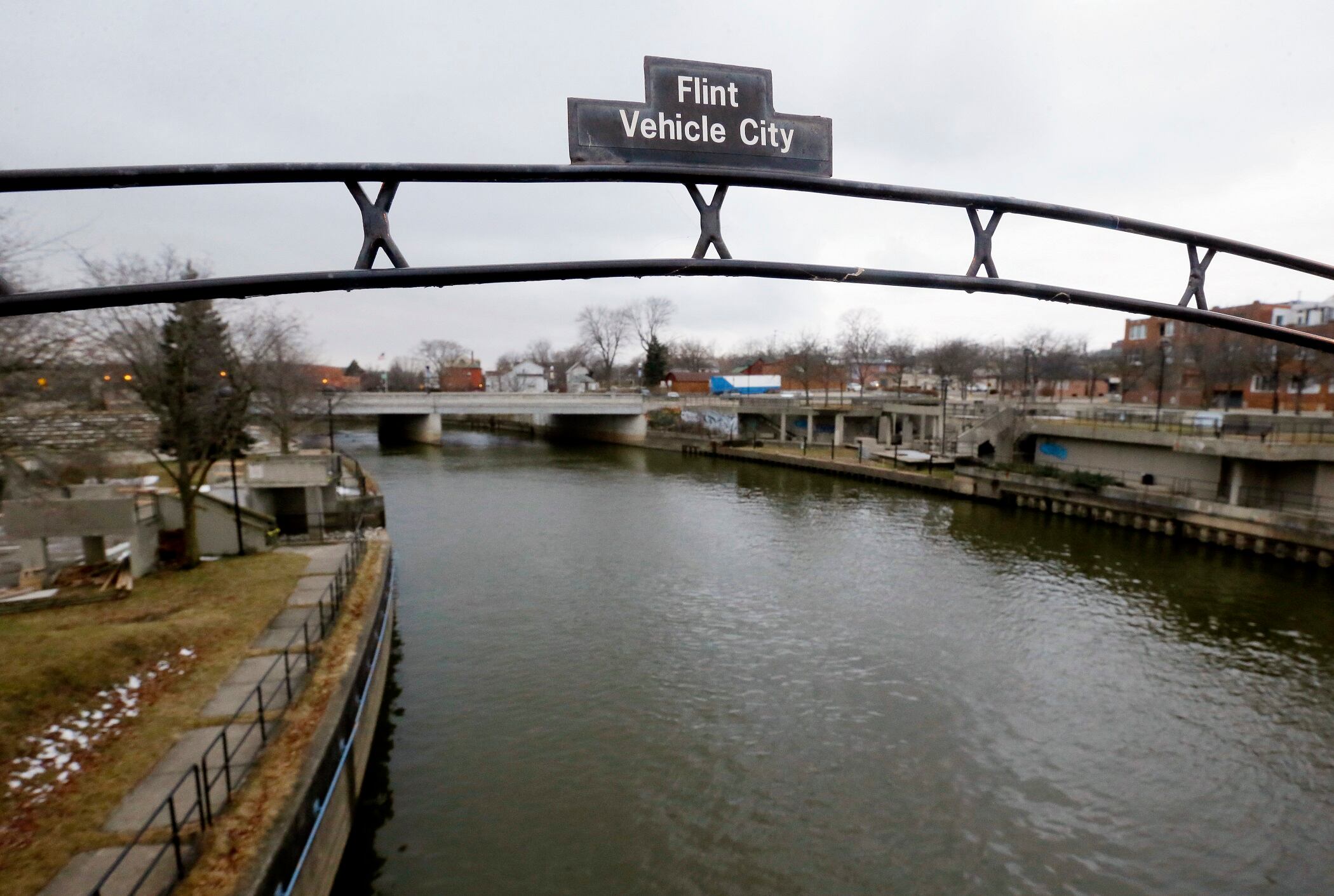
A judge in Michigan has approved a $626 million settlement for Flint residents and others who were exposed to lead-contaminated water.
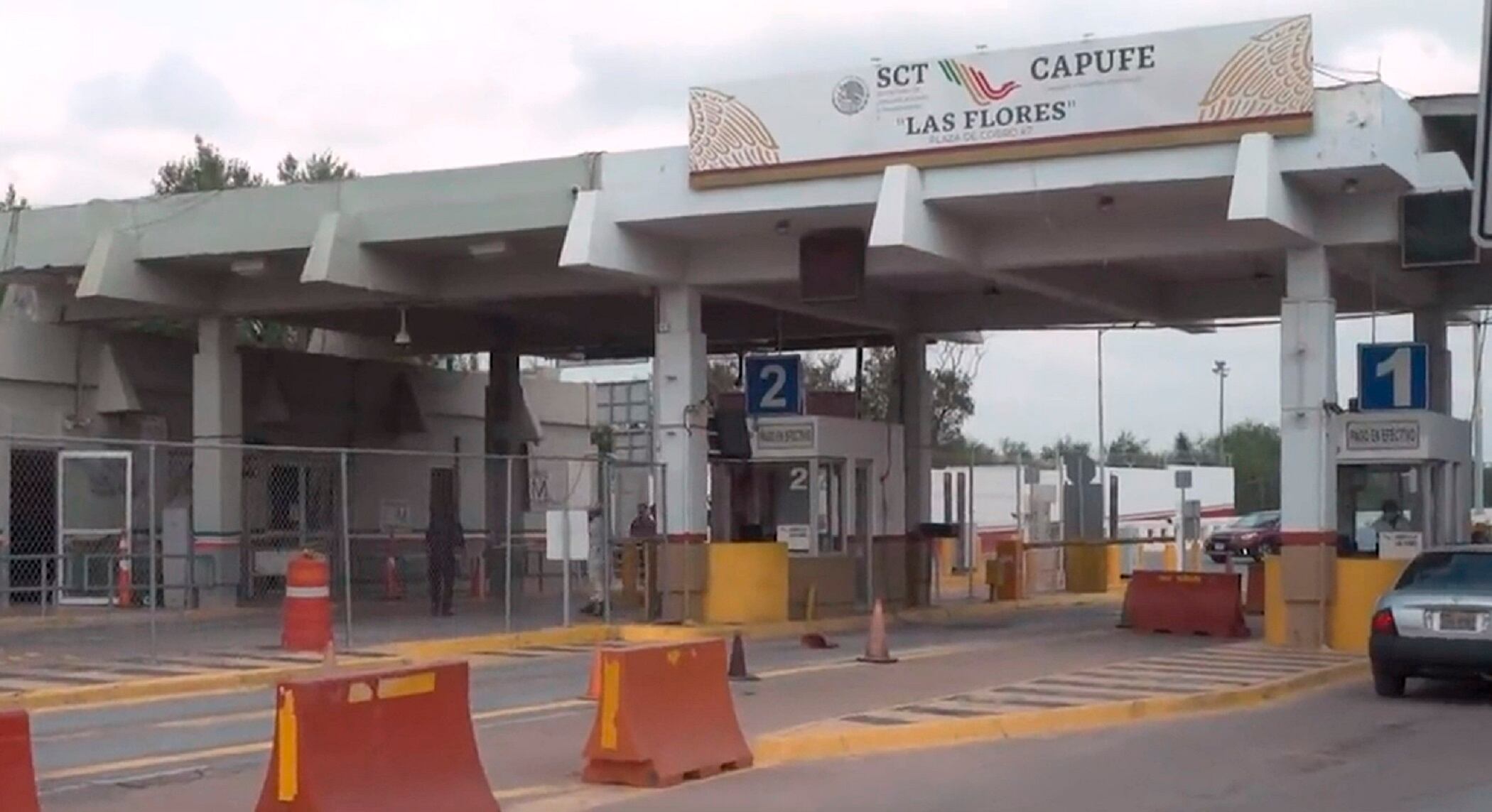
Until recently, abortion was criminalized in Mexico. Now, Mexico's Supreme Court decriminalized abortion at the same time the strictest abortion law in the United States went into effect in Texas, changing the dynamics of seeking abortions in the region.
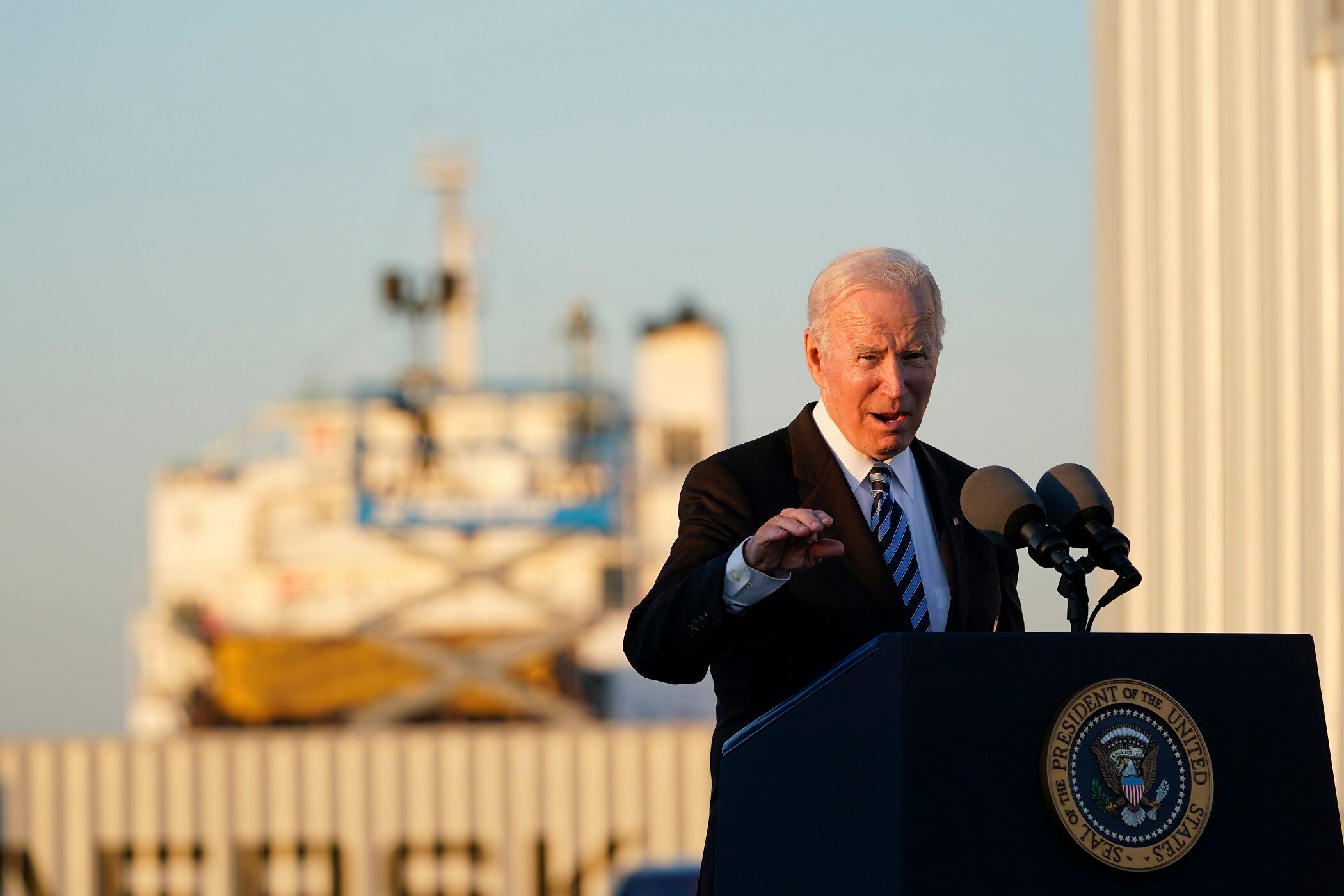
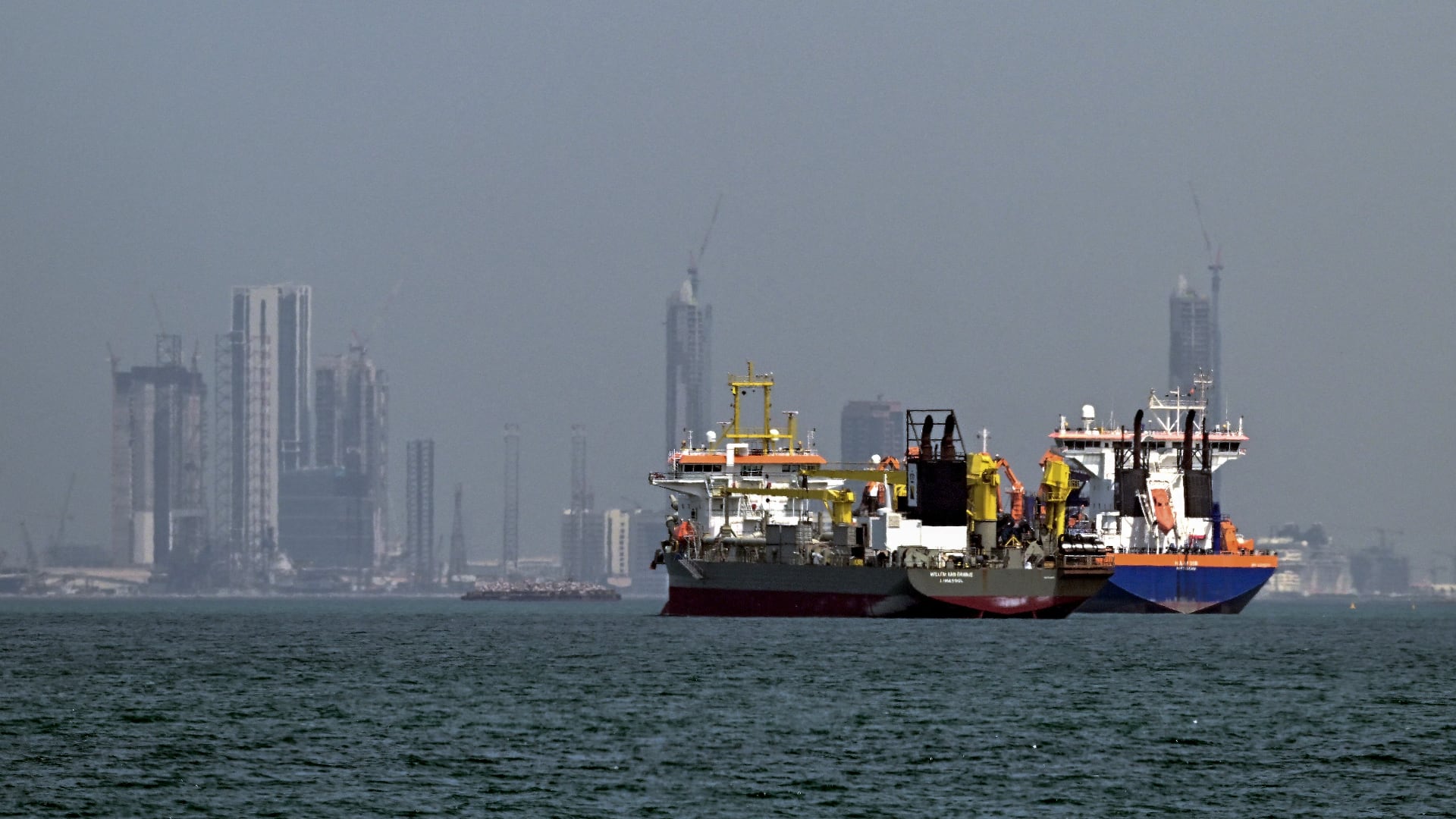
Biden is holding up Baltimore’s port as a blueprint on how to reduce shipping bottlenecks that have held back the economic recovery from the coronavirus pandemic
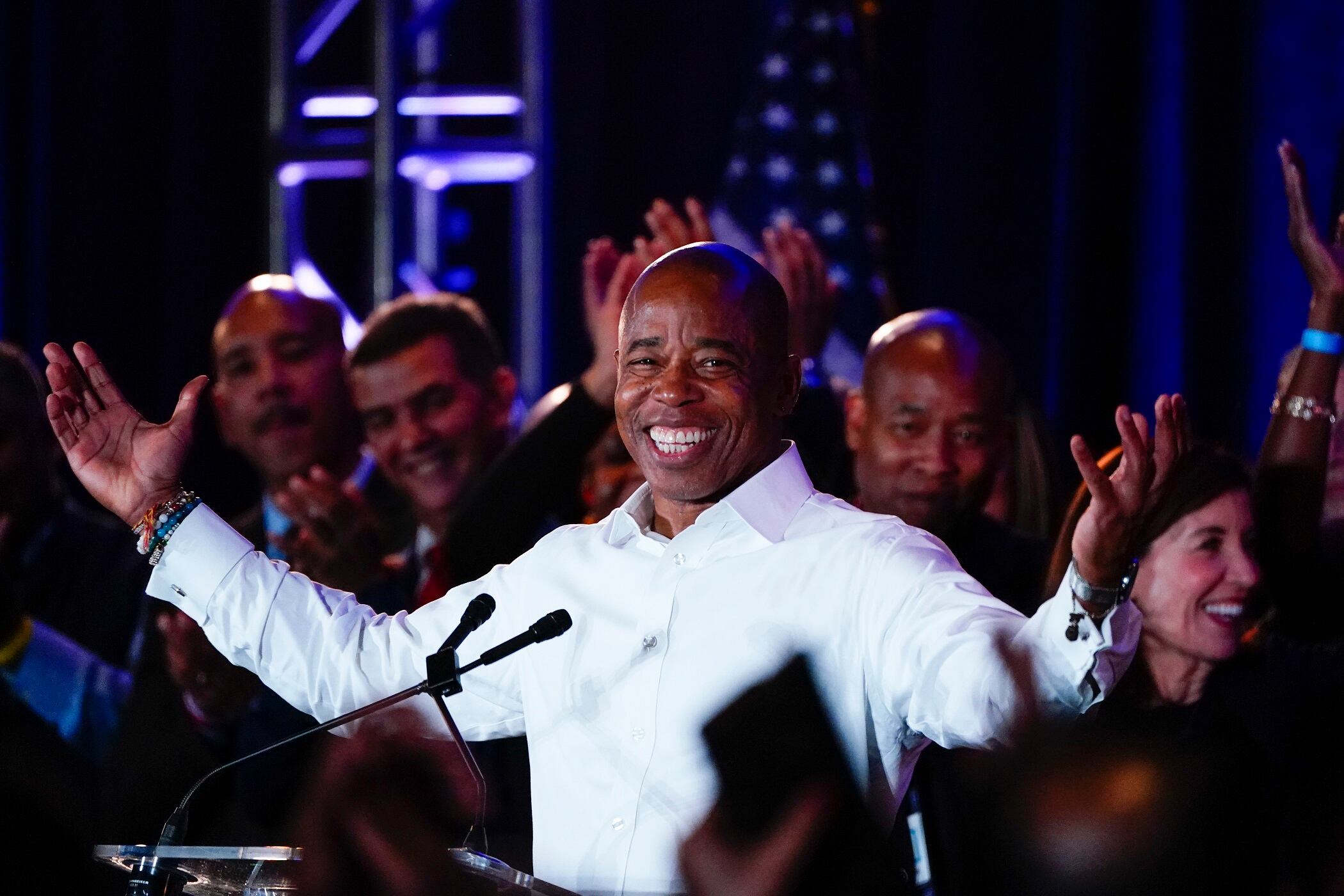
The Democrat and former police officer has since doubled down on his plans to make New York a crypto hub along the lines of Miami,
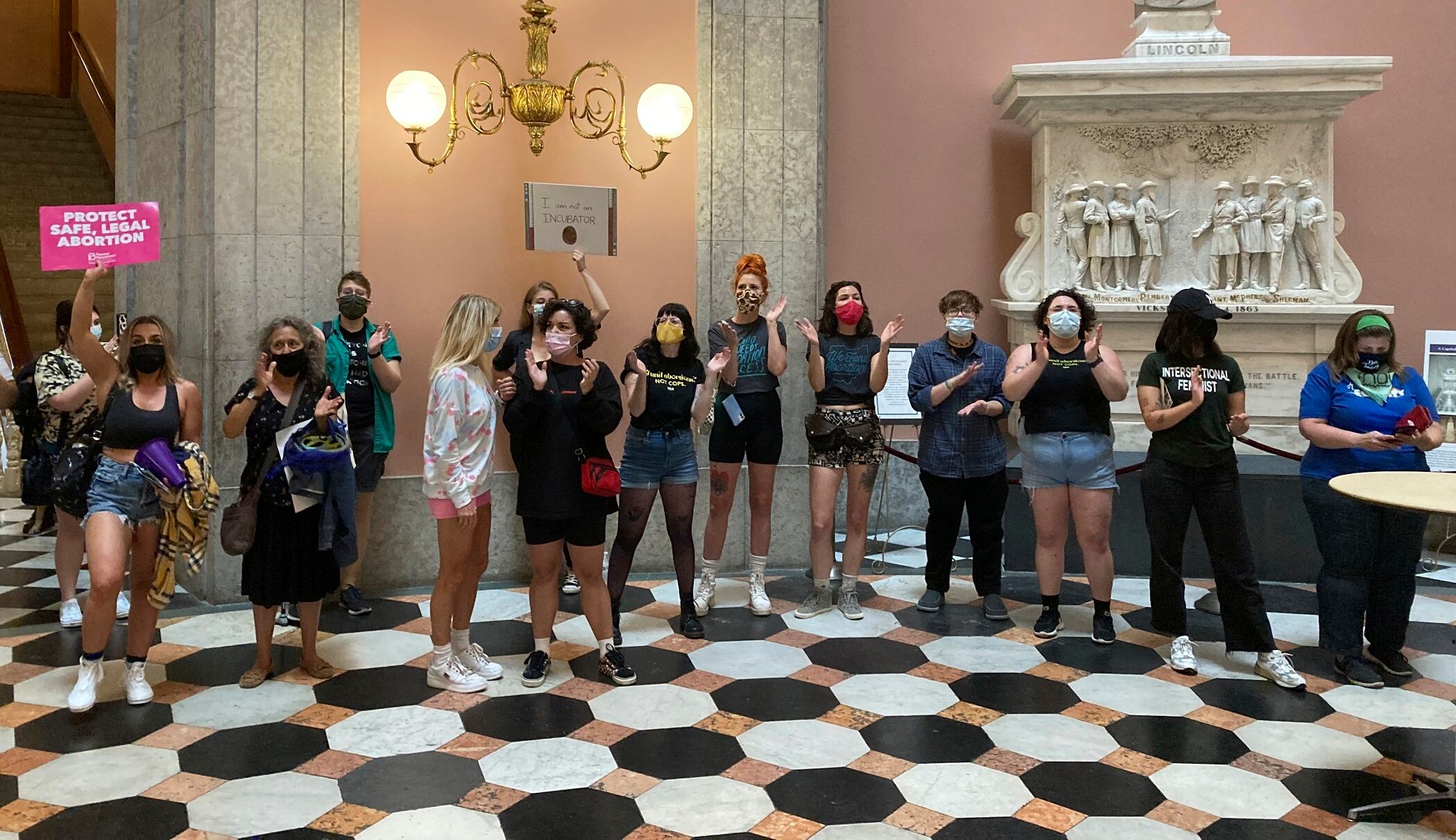
The fight over anti-abortion ordinances has moved to southwest Ohio where alleged "Sanctuary Cities for the Unborn" are spreading from Texas.
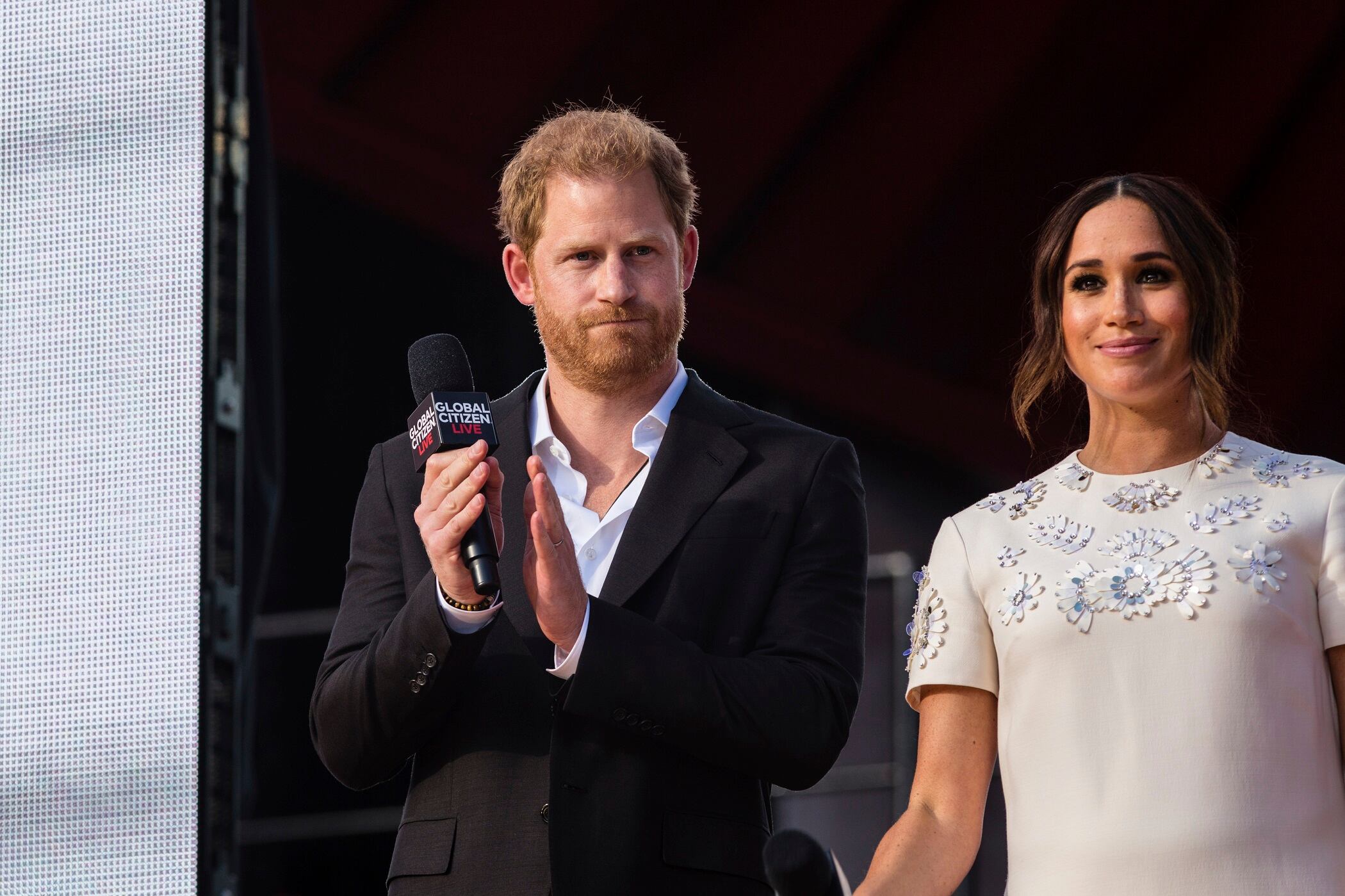
Britain’s Prince Harry has sharply attacked the failure of social media companies to challenge hate online, revealing that he warned the chief executive of Twitter ahead of the Jan. 6 Capitol riots that the site was being used to stage political unrest.