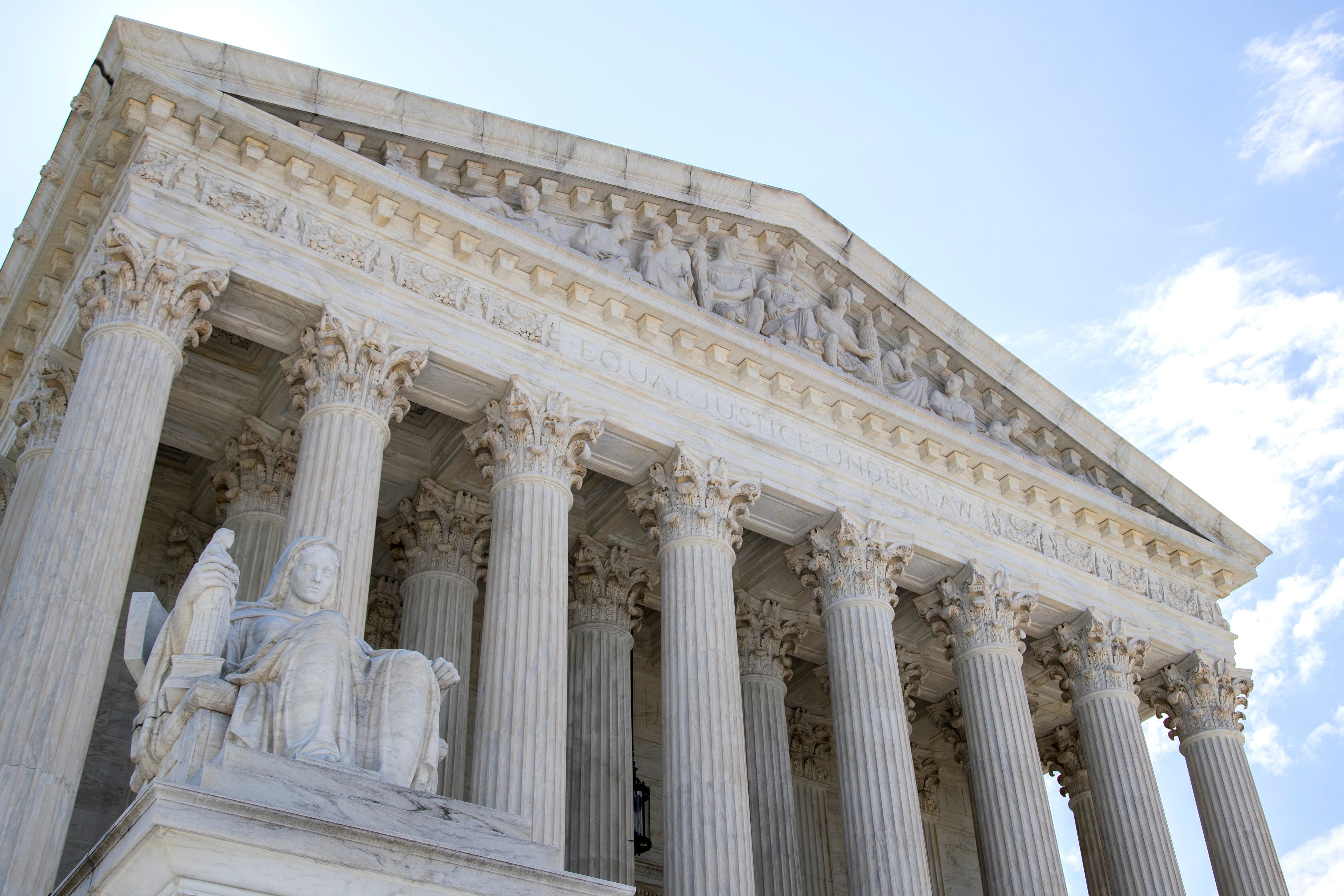
The Supreme Court on Monday upheld a 1991 law that bars robocalls to cellphones.
The case, argued by telephone in May because of the coronavirus pandemic, only arose after Congress in 2015 created an exception in the law that allowed the automated calls for collection of government debt.
Political consultants and pollsters were among those who asked the Supreme Court to strike down the entire 1991 law that bars them from making robocalls to cellphones as a violation of their free speech rights under the Constitution. The issue was whether, by allowing one kind of speech but not others, the exception made the whole law unconstitutional.
Six justices agreed that by allowing debt collection calls to cellphones Congress "impermissibly favored debt-collection speech over political and other speech, in violation of the First Amendment," Justice Brett Kavanaugh wrote. And seven justices agreed that the 2015 exception should be stricken from the law.
"Americans passionately disagree about many things. But they are largely united in their disdain for robocalls," Kavanaugh noted at the outset of his opinion.
During arguments in the case in May, Justice Stephen Breyer got cut off when someone tried calling him. Breyer said after he rejoined the court's arguments: "The telephone started to ring, and it cut me off the call and I don't think it was a robocall."
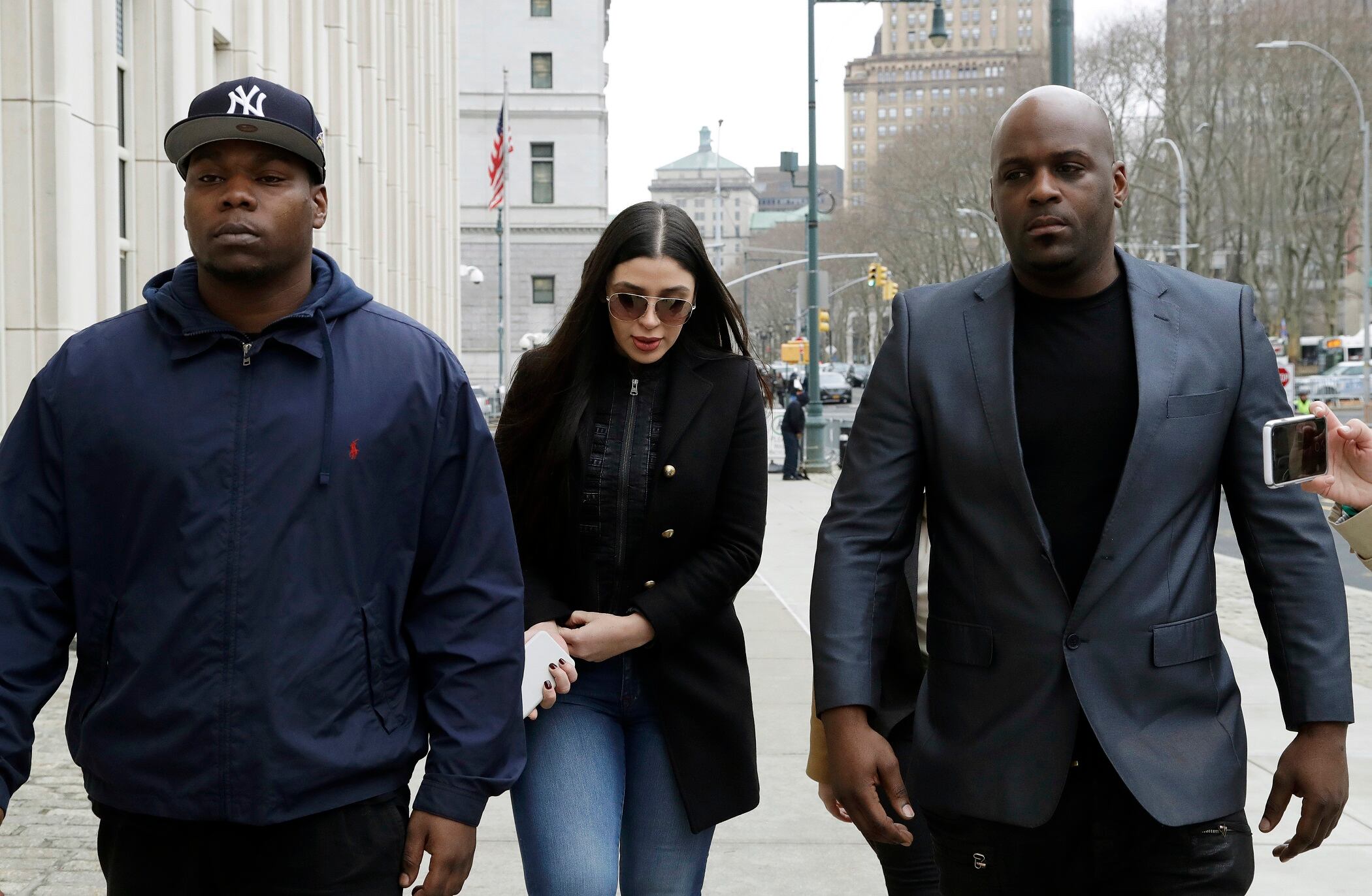
The wife of Mexican drug kingpin Joaquin “El Chapo” Guzman was sentenced Tuesday to three years in prison after pleading guilty to helping her husband run his multibillion-dollar criminal empire.
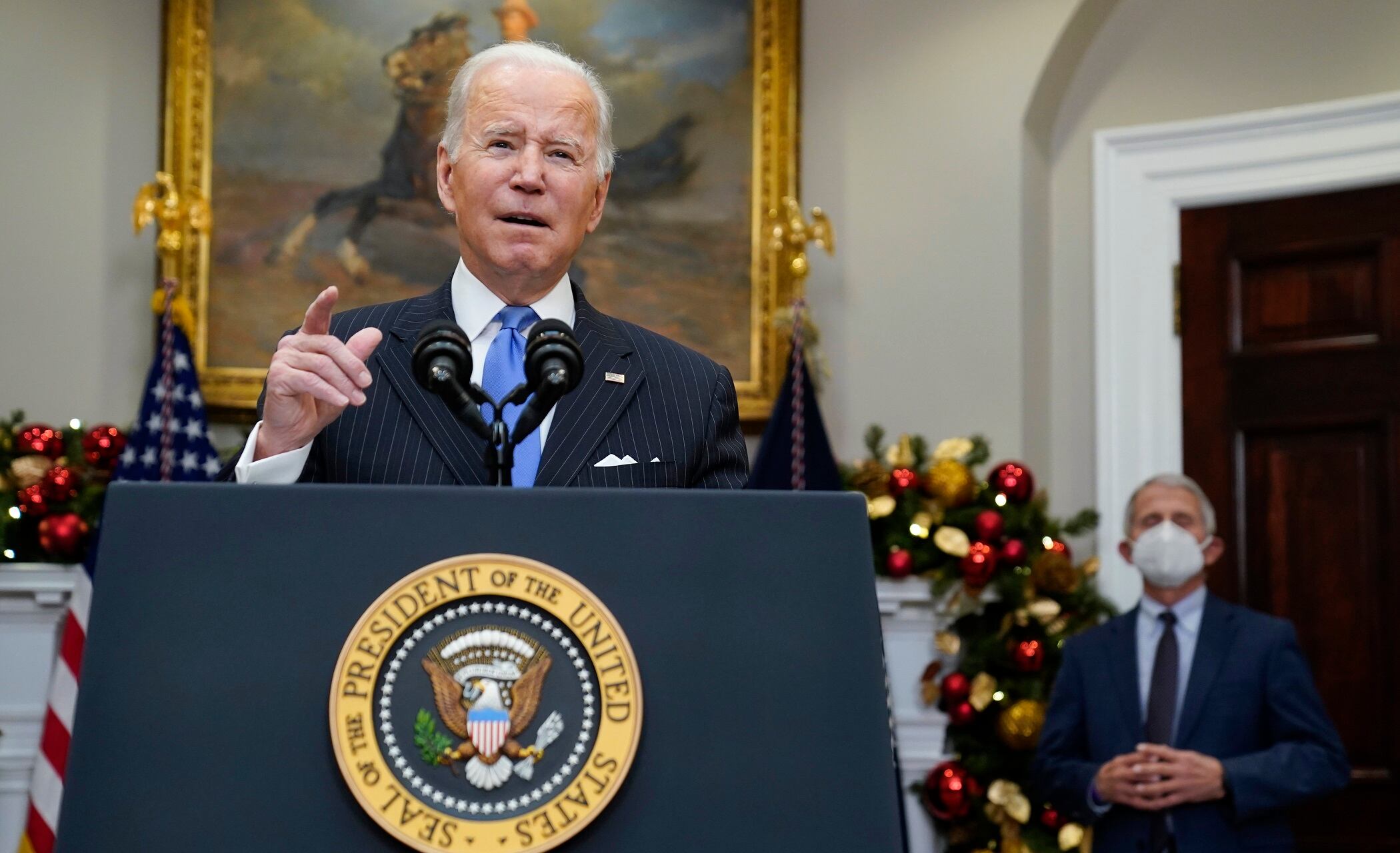
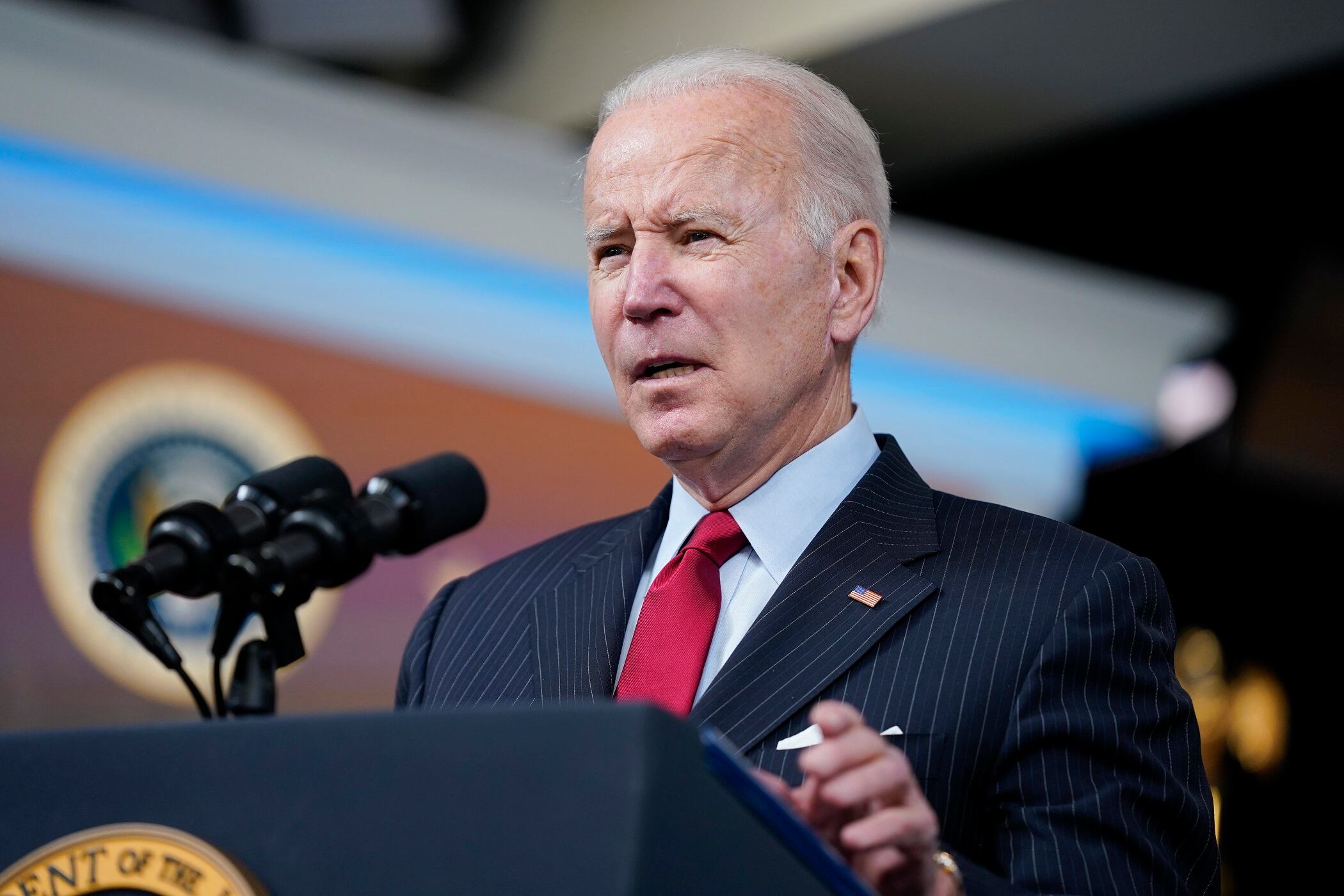
President Joe Biden is urging Americans to get vaccinated, including booster shots, as he seeks to quell concerns over the newly identified coronavirus variant named omicron.
The Treasury Department pushed for the requirement to help close the tax gap in the crypto industry by forcing better IRS reporting, but legislators on both sides of the aisle argue that the language is too broad and could curb innovation in the space.
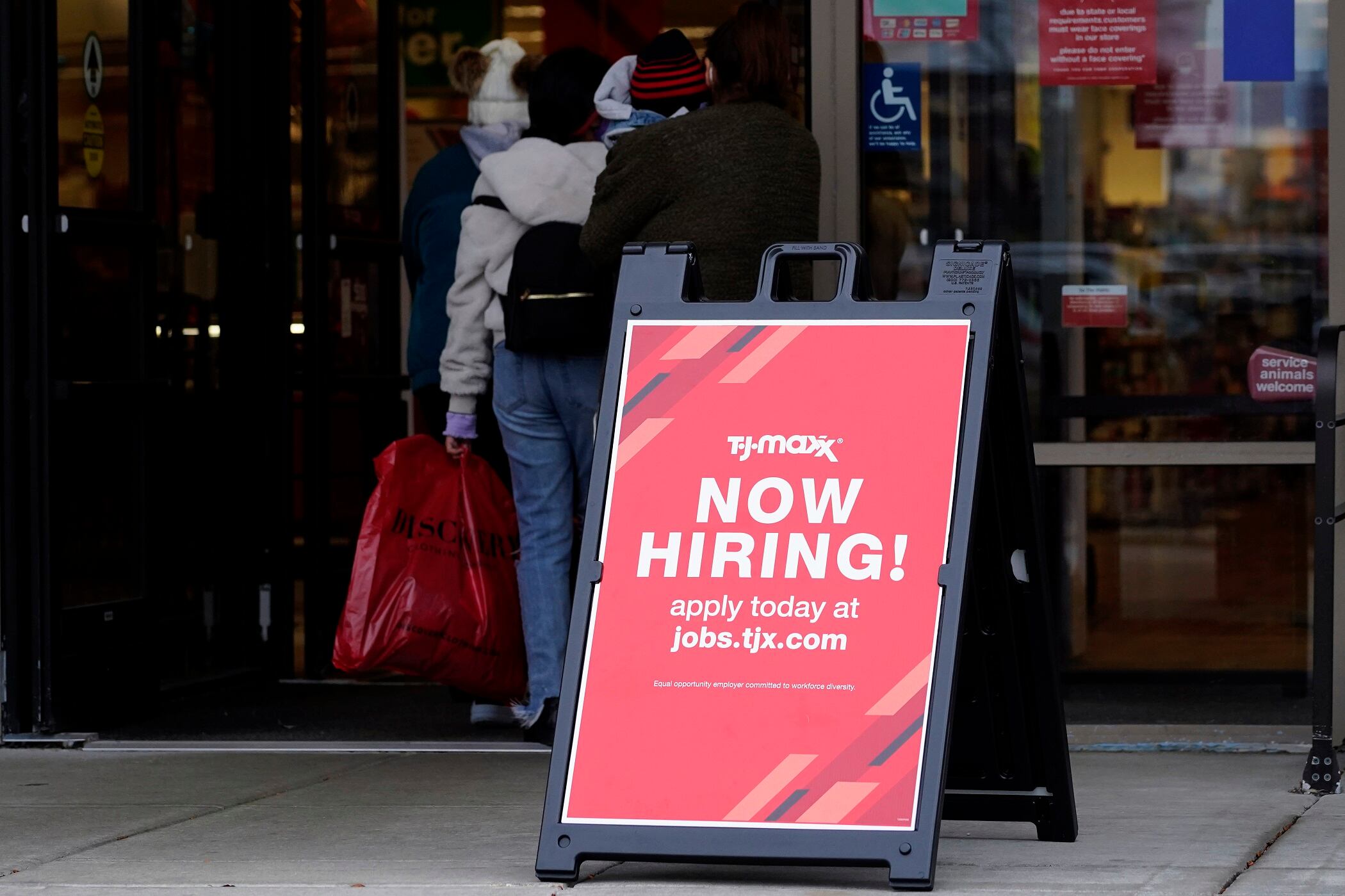
The number of Americans applying for unemployment benefits plummeted last week to the lowest level in more than half a century, another sign that the U.S. job market is rebounding rapidly from last year’s coronavirus recession.
Federal officials said Monday they are seeking more than $160,000 in fines from eight airline passengers over incidents involving alcohol.
President Joe Biden is ordering a record-setting 50 million barrels of oil released from America's strategic reserve to help bring down energy costs.
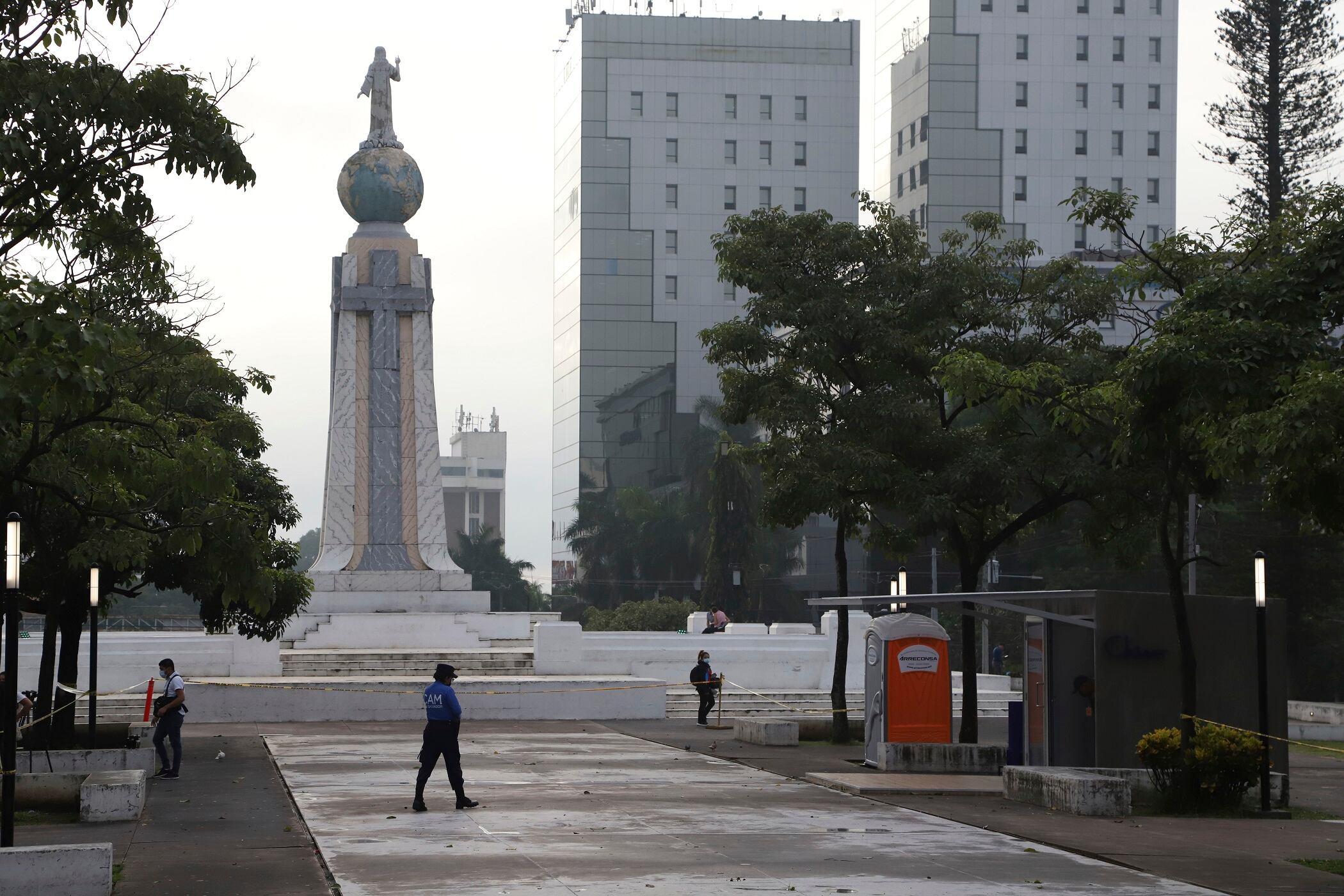
El Salvador President Nayib Bukele says his government will build an oceanside “Bitcoin City” at the base of a volcano.
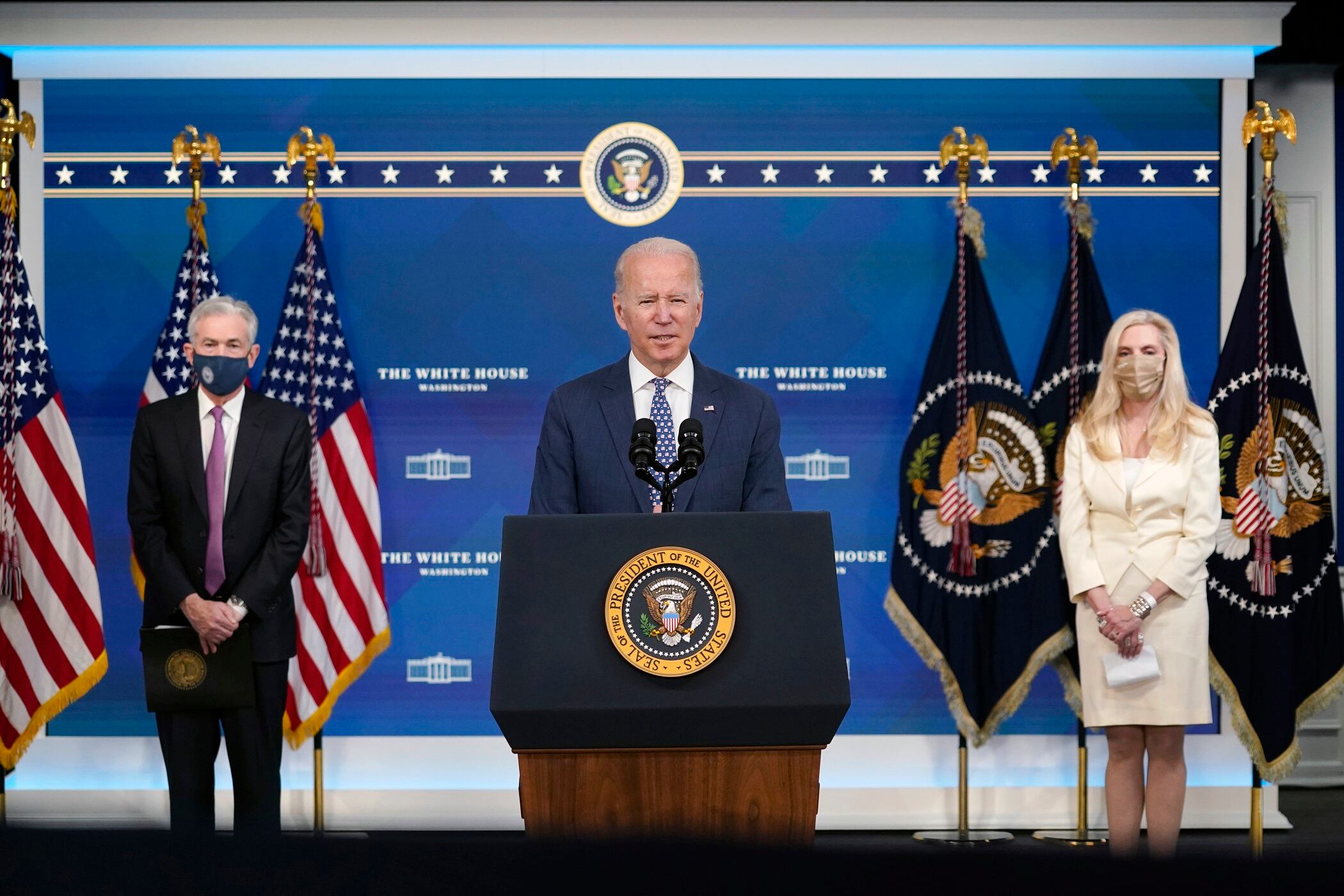
President Joe Biden announced he’s nominating Jerome Powell for a second term as Federal Reserve chair, endorsing Powell’s stewardship of the economy through a brutal pandemic recession.
From Wall Street to Silicon Valley, these are the top stories that moved markets and had investors, business leaders, and entrepreneurs talking this week on Cheddar.
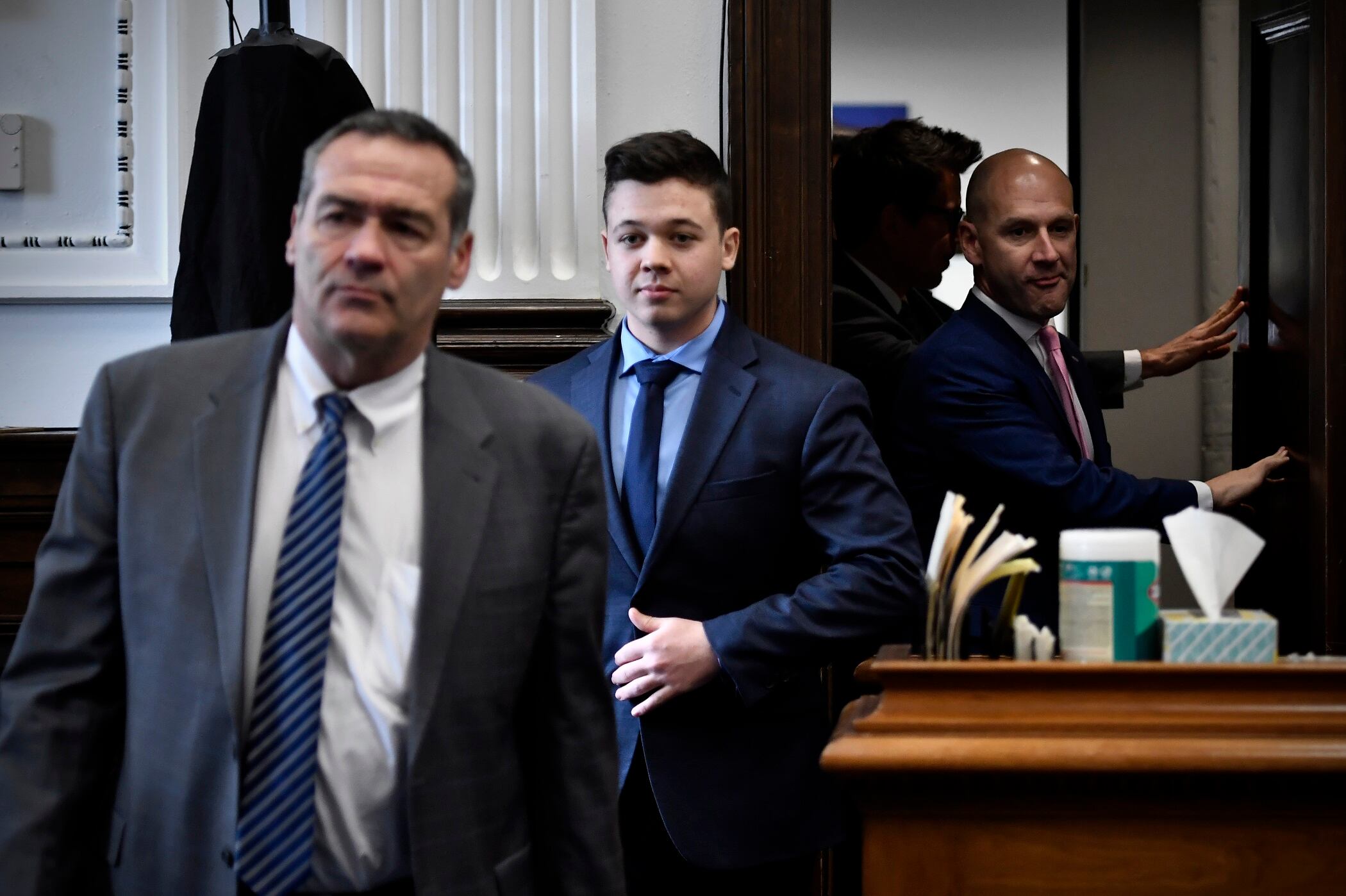
Kyle Rittenhouse has been acquitted of all charges after pleading self-defense in the deadly Kenosha, Wisconsin, shootings that became a flashpoint in the nation’s debate over guns, vigilantism and racial injustice.