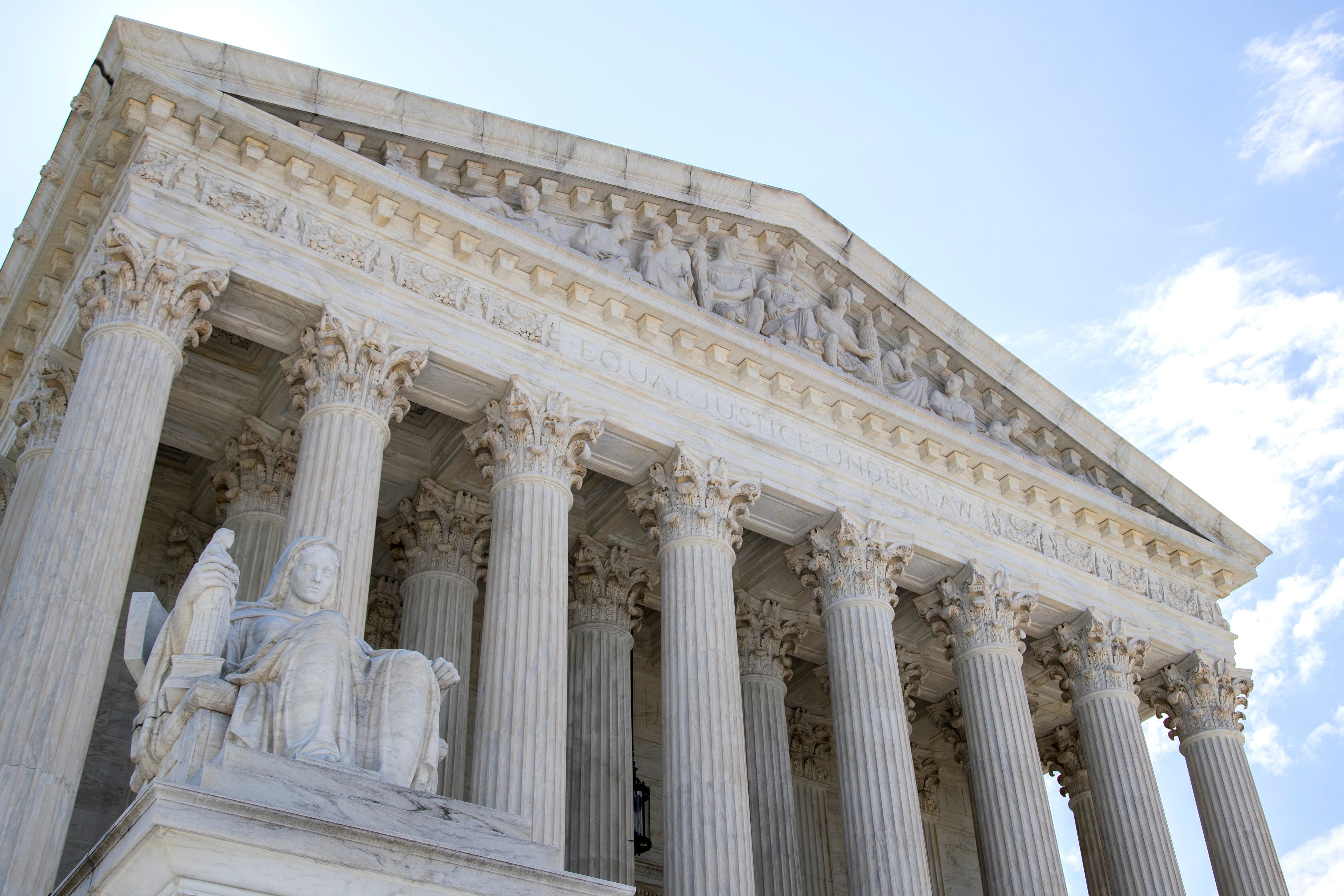
The Supreme Court on Monday upheld a 1991 law that bars robocalls to cellphones.
The case, argued by telephone in May because of the coronavirus pandemic, only arose after Congress in 2015 created an exception in the law that allowed the automated calls for collection of government debt.
Political consultants and pollsters were among those who asked the Supreme Court to strike down the entire 1991 law that bars them from making robocalls to cellphones as a violation of their free speech rights under the Constitution. The issue was whether, by allowing one kind of speech but not others, the exception made the whole law unconstitutional.
Six justices agreed that by allowing debt collection calls to cellphones Congress "impermissibly favored debt-collection speech over political and other speech, in violation of the First Amendment," Justice Brett Kavanaugh wrote. And seven justices agreed that the 2015 exception should be stricken from the law.
"Americans passionately disagree about many things. But they are largely united in their disdain for robocalls," Kavanaugh noted at the outset of his opinion.
During arguments in the case in May, Justice Stephen Breyer got cut off when someone tried calling him. Breyer said after he rejoined the court's arguments: "The telephone started to ring, and it cut me off the call and I don't think it was a robocall."
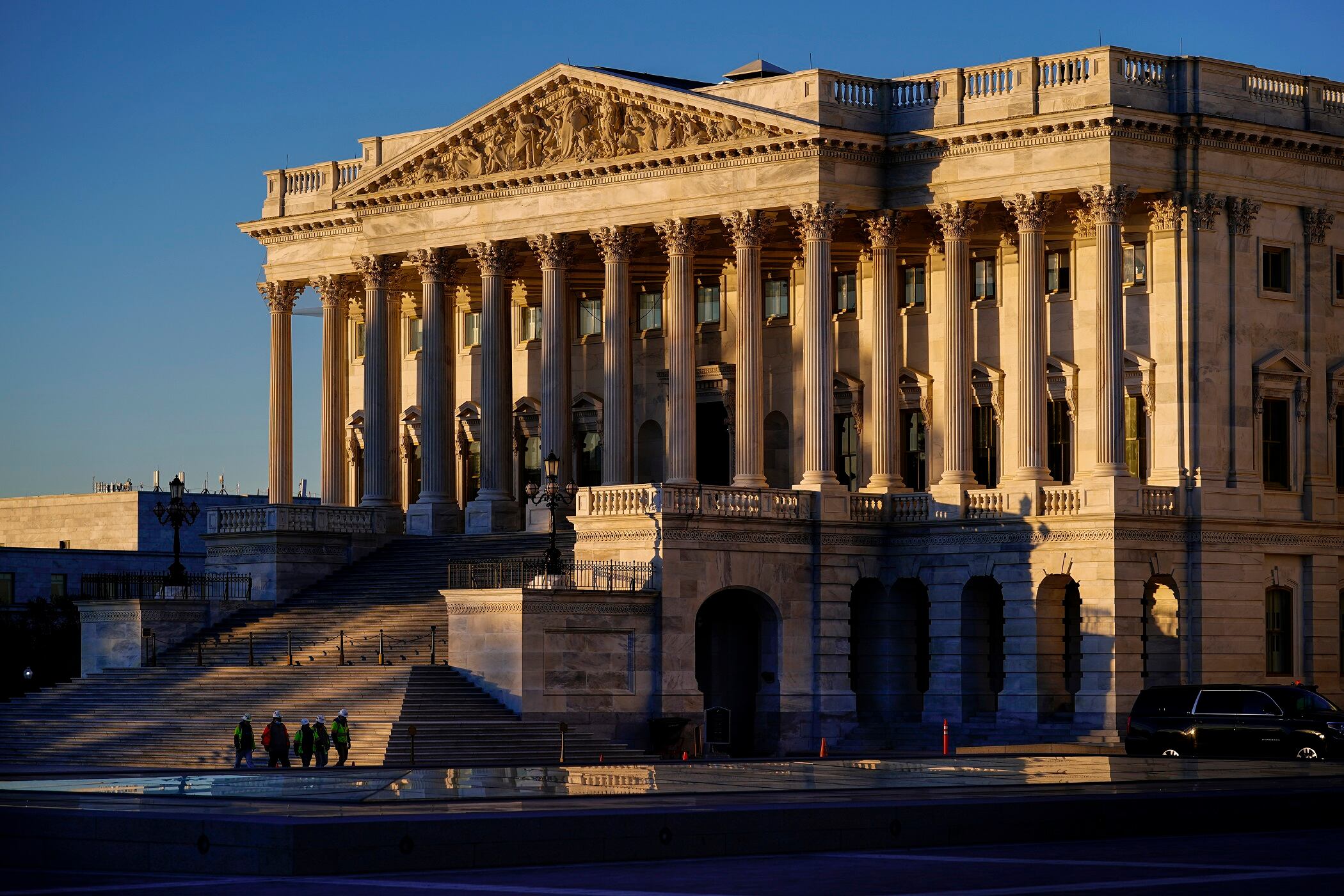
Congress got a crash course in crypto on Wednesday, as six executives from companies representing a cross-section of the digital economy answered questions from the House Financial Services Committee.
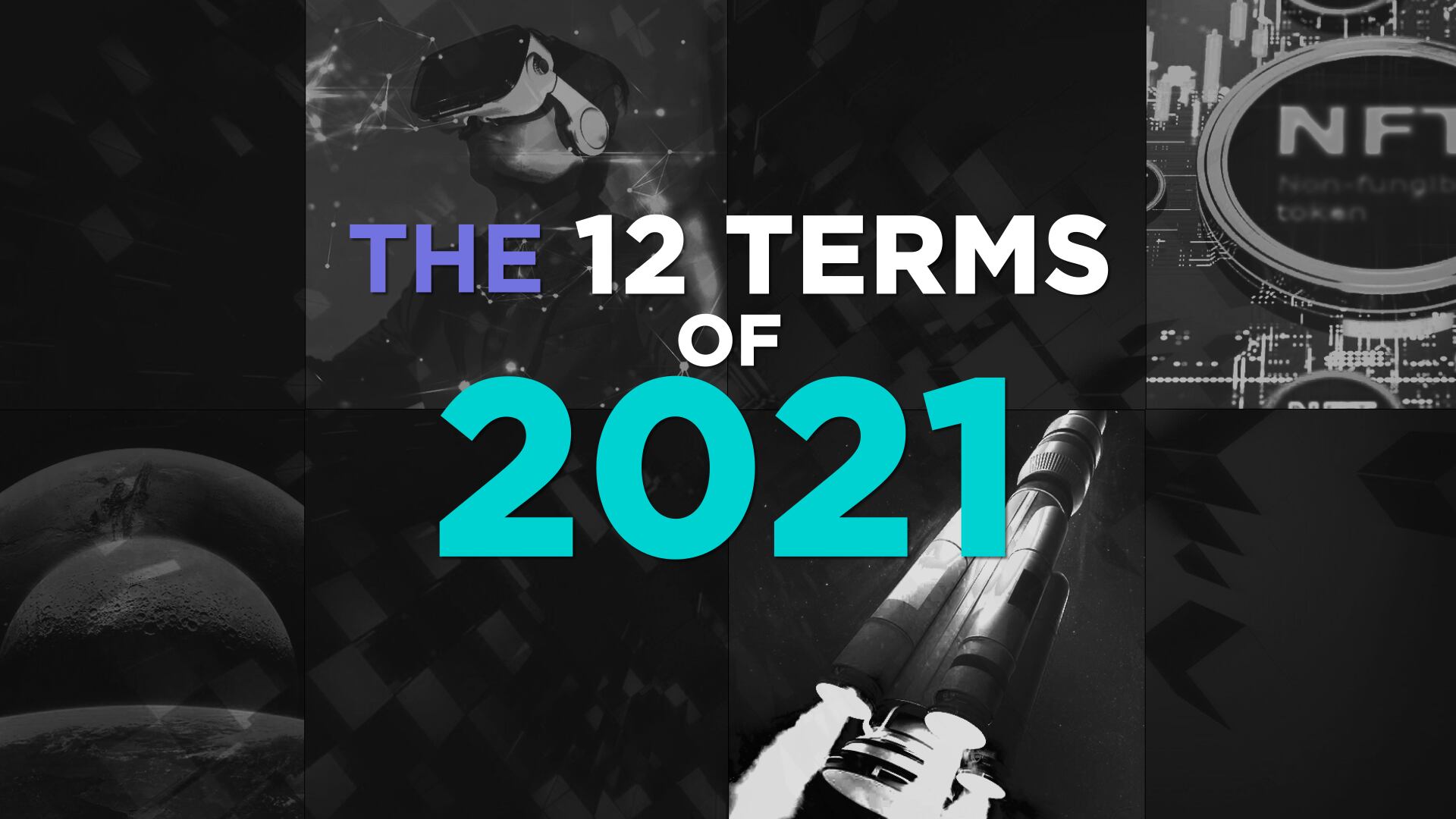
In the spirit of the holidays, Cheddar presents the 12 days of the top terms of 2021.
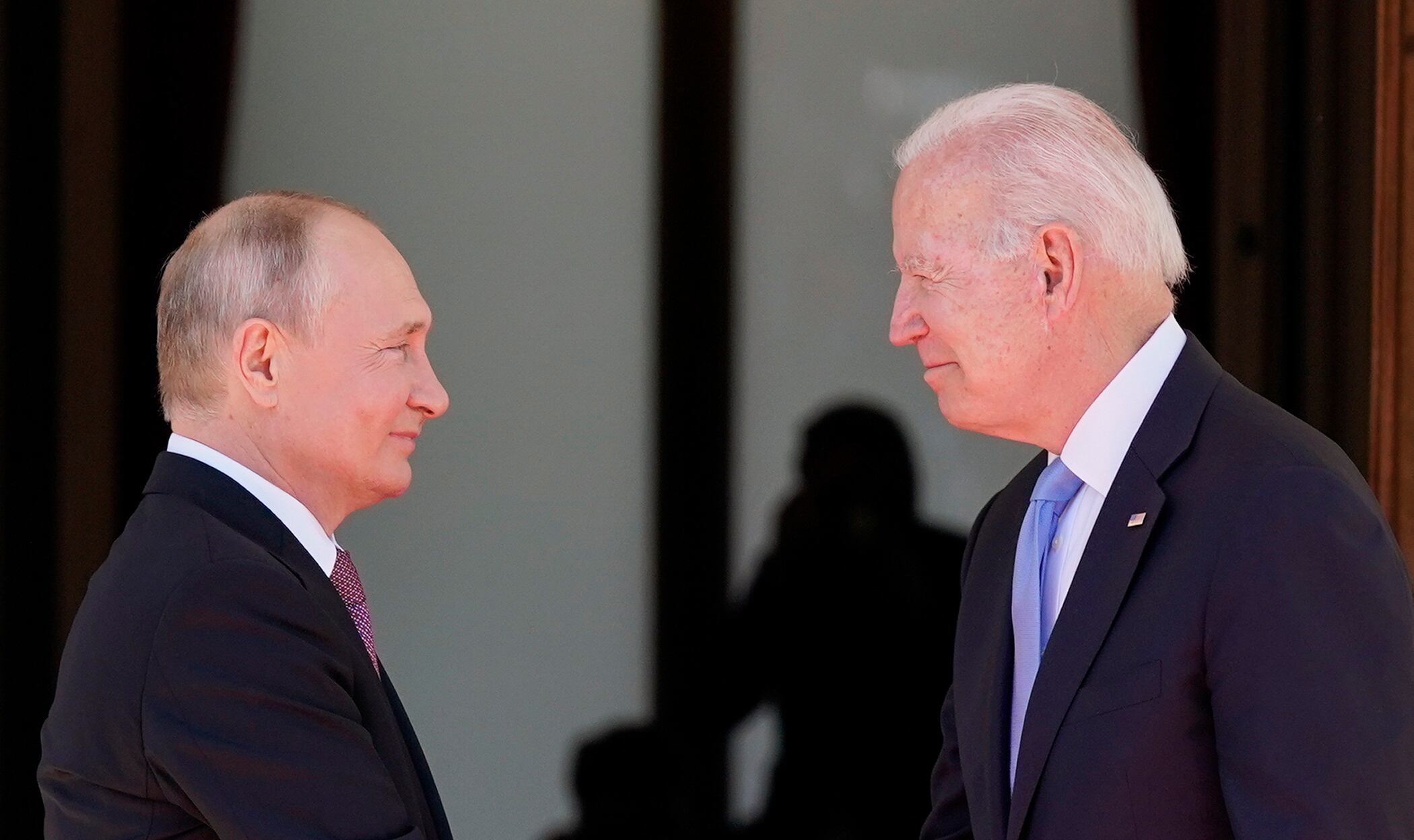
Face to face for just over two hours, President Joe Biden and Russia’s Vladimir Putin squared off in a secure video call Tuesday as the U.S. president put Moscow on notice that an invasion of Ukraine would bring enormous harm to the Russian economy.
Hawaii Flooding, Beijing Boycott & Disrupting Death
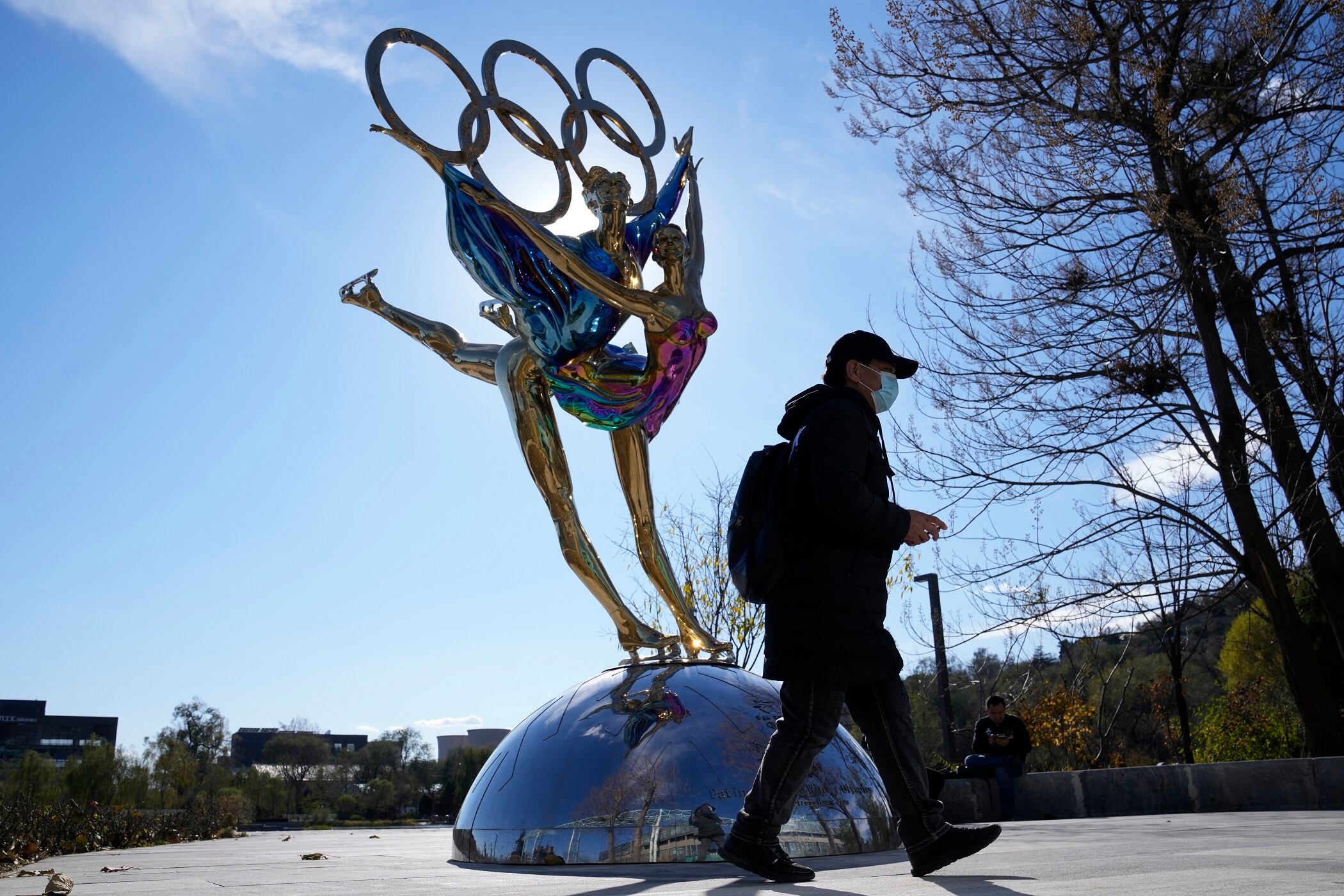
The White House says the U.S. will stage a diplomatic boycott of the upcoming Winter Olympics in Beijing to protest Chinese human rights abuses.
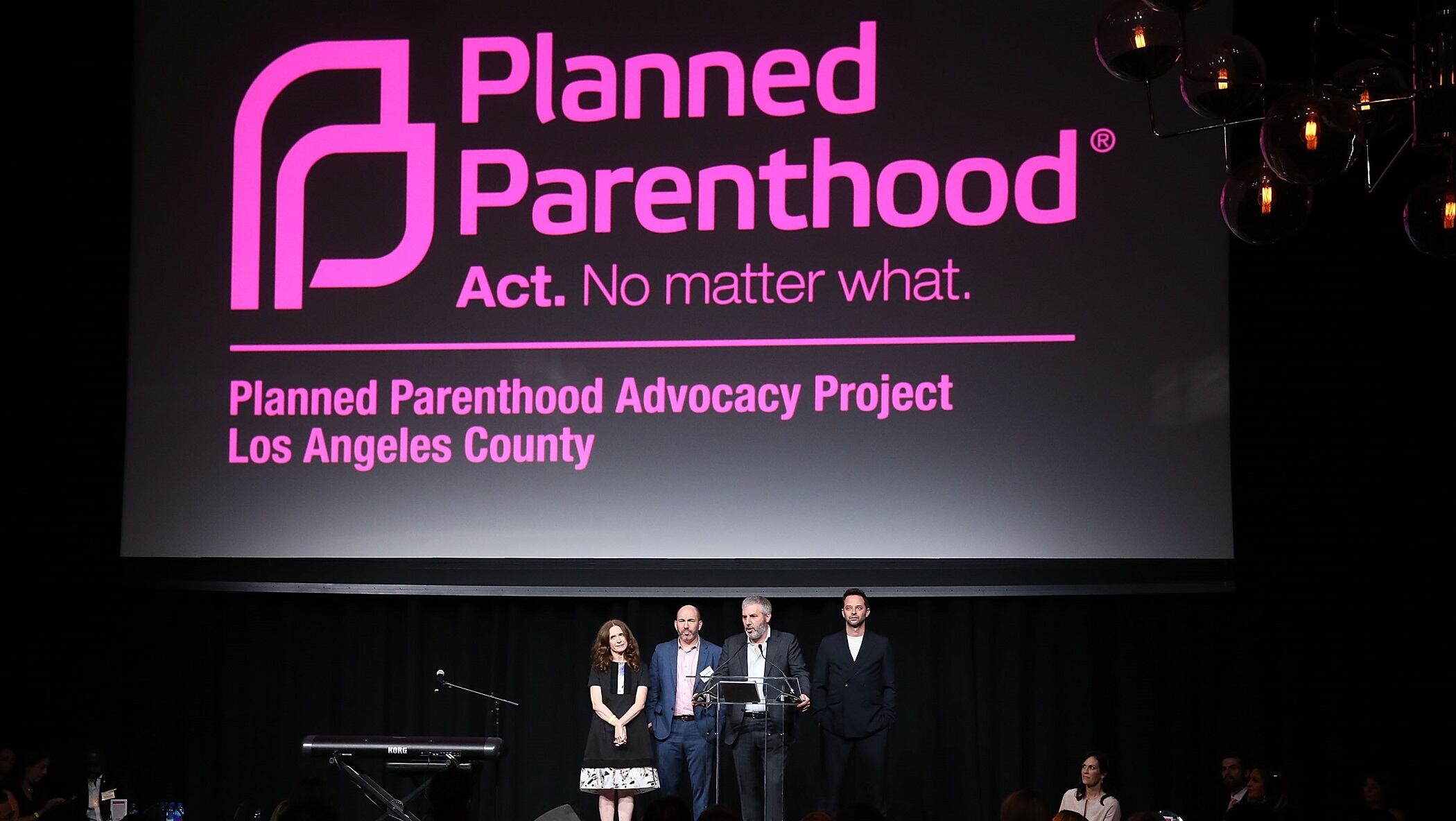
The Los Angeles branch of Planned Parenthood chapter has been hit by a data breach involving about 400,000 patients, but the group says there is no indication the information was used “for fraudulent purposes.”
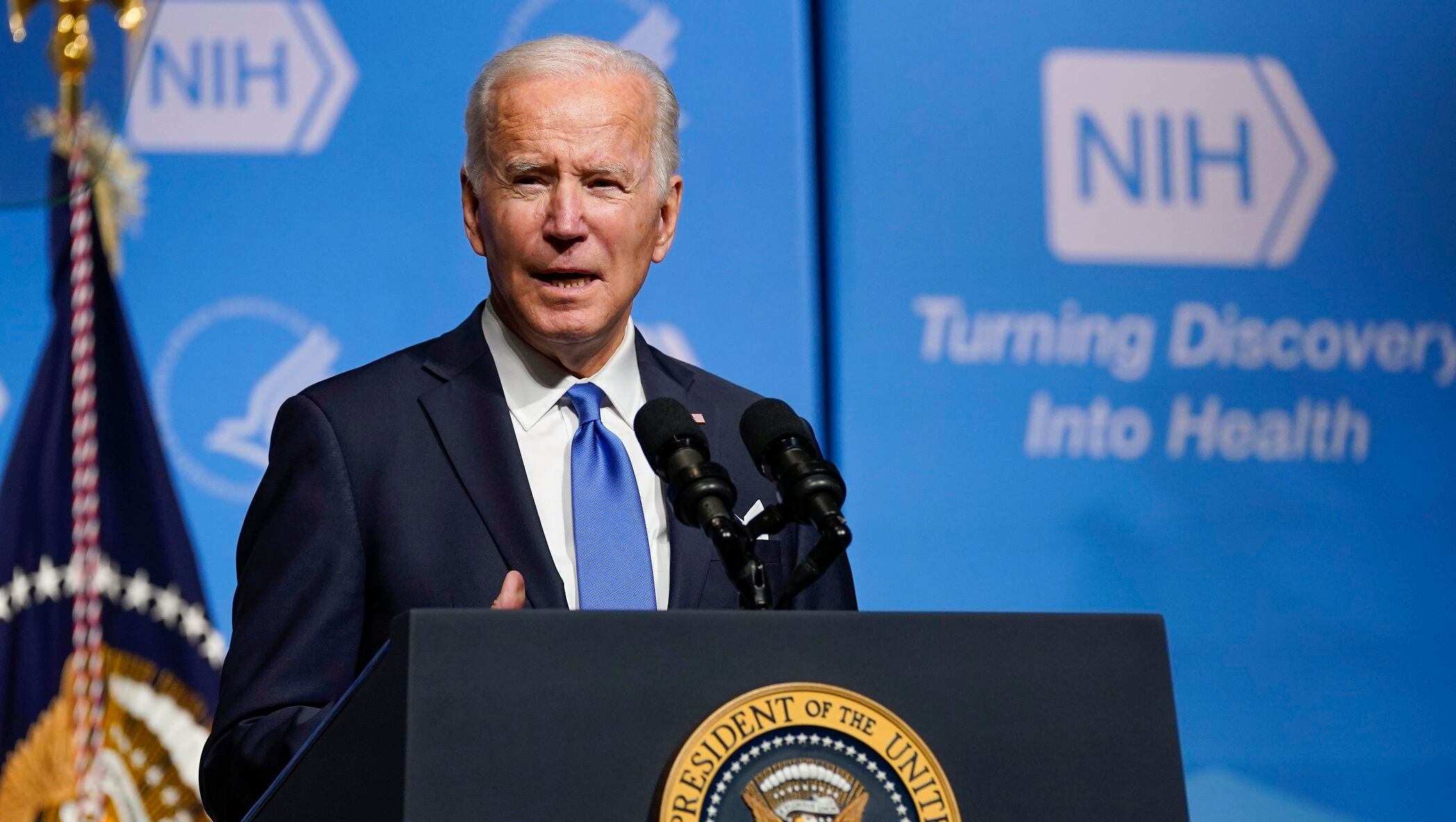
With rising numbers of COVID-19 cases predicted this winter, President Joe Biden is appealing for Americans to get their boosters and get behind his plan to tackle the new omicron variant through wider availability of vaccines and shots.
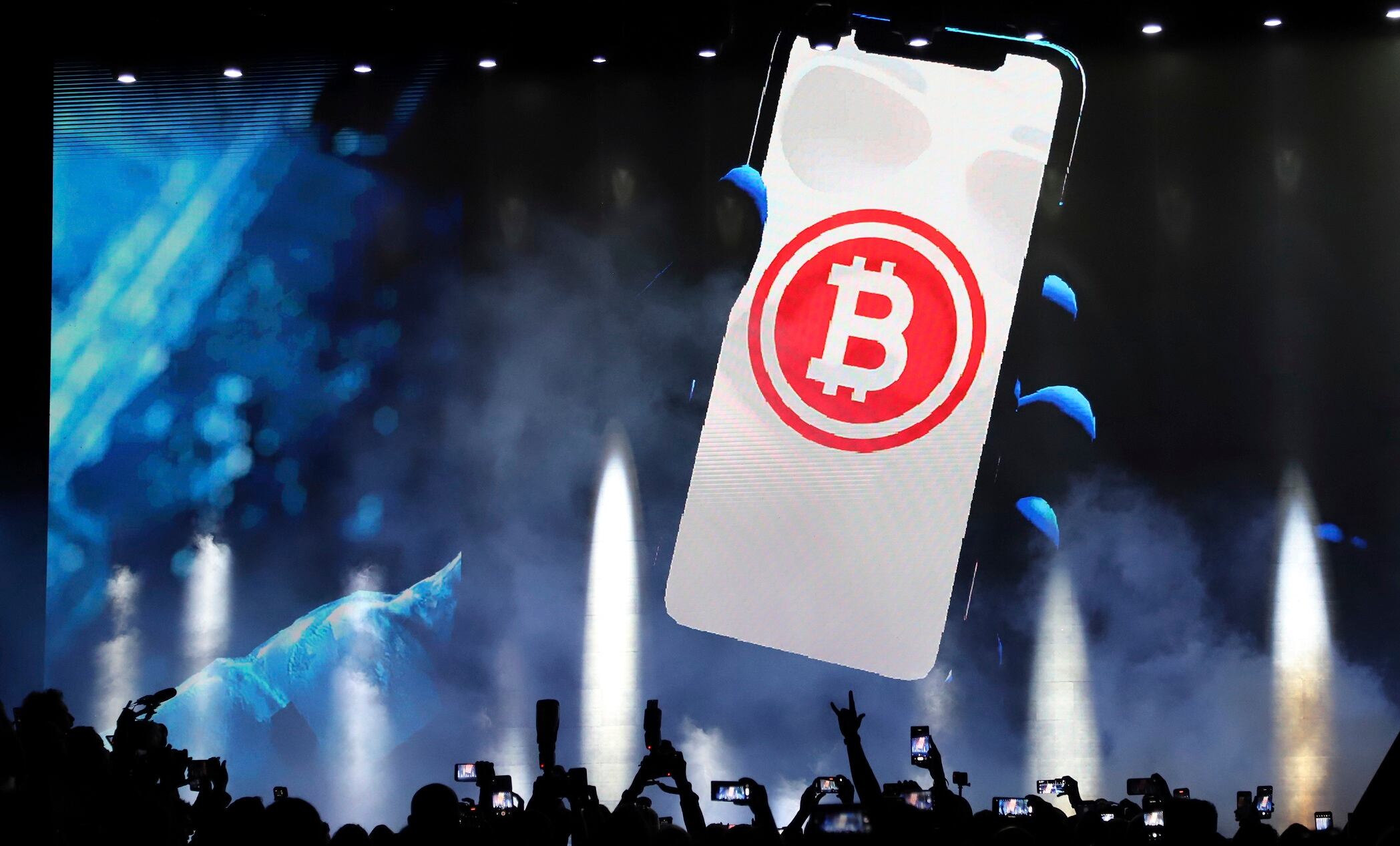
President Nayib Bukele announced last week that the Central American country plans to issue the world's first "Bitcoin bond" early next year.
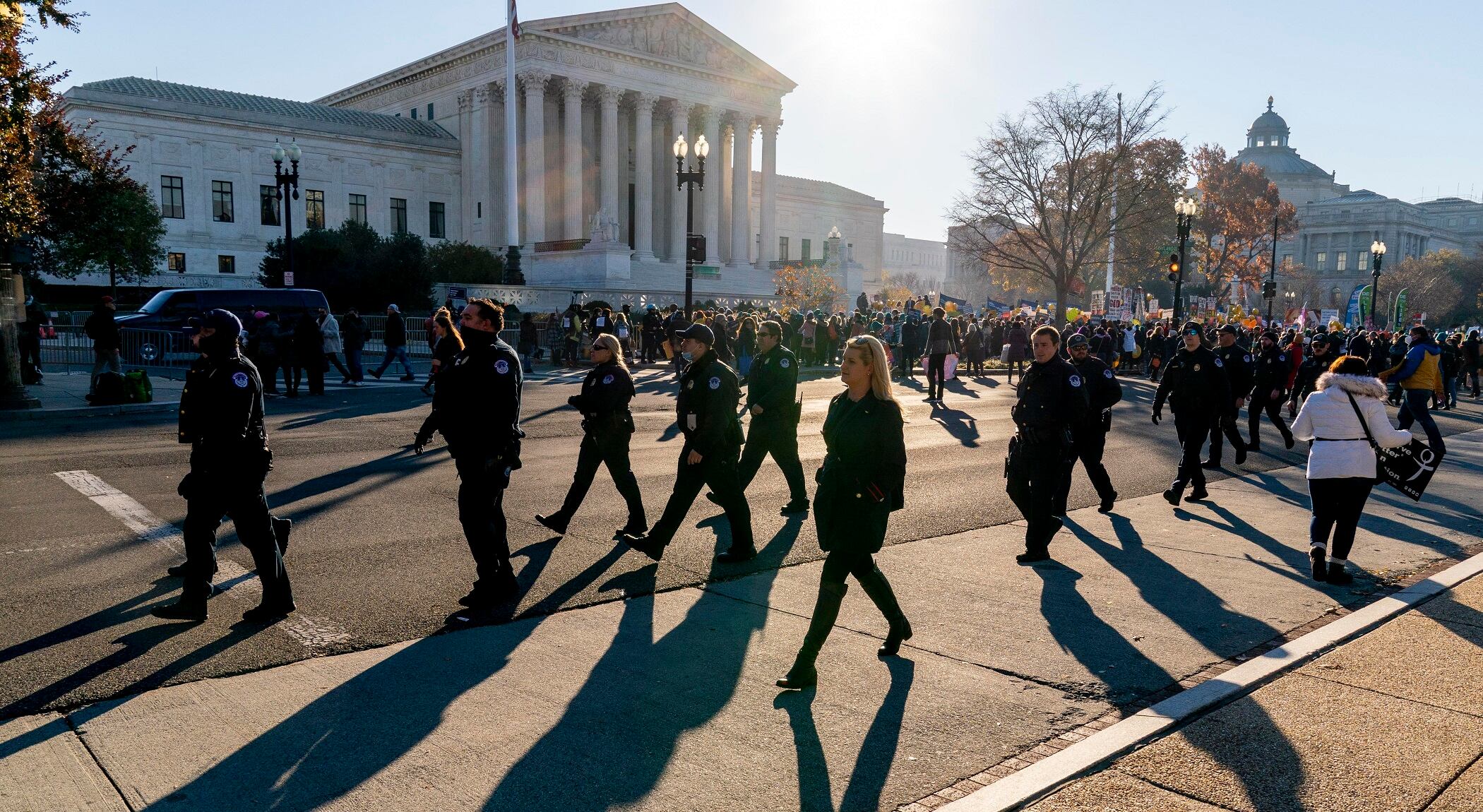
The Supreme Court’s conservative majority is signaling it will uphold Mississippi’s 15-week ban on abortion — and may go much further to overturn the nationwide right to abortion that has existed for nearly 50 years.
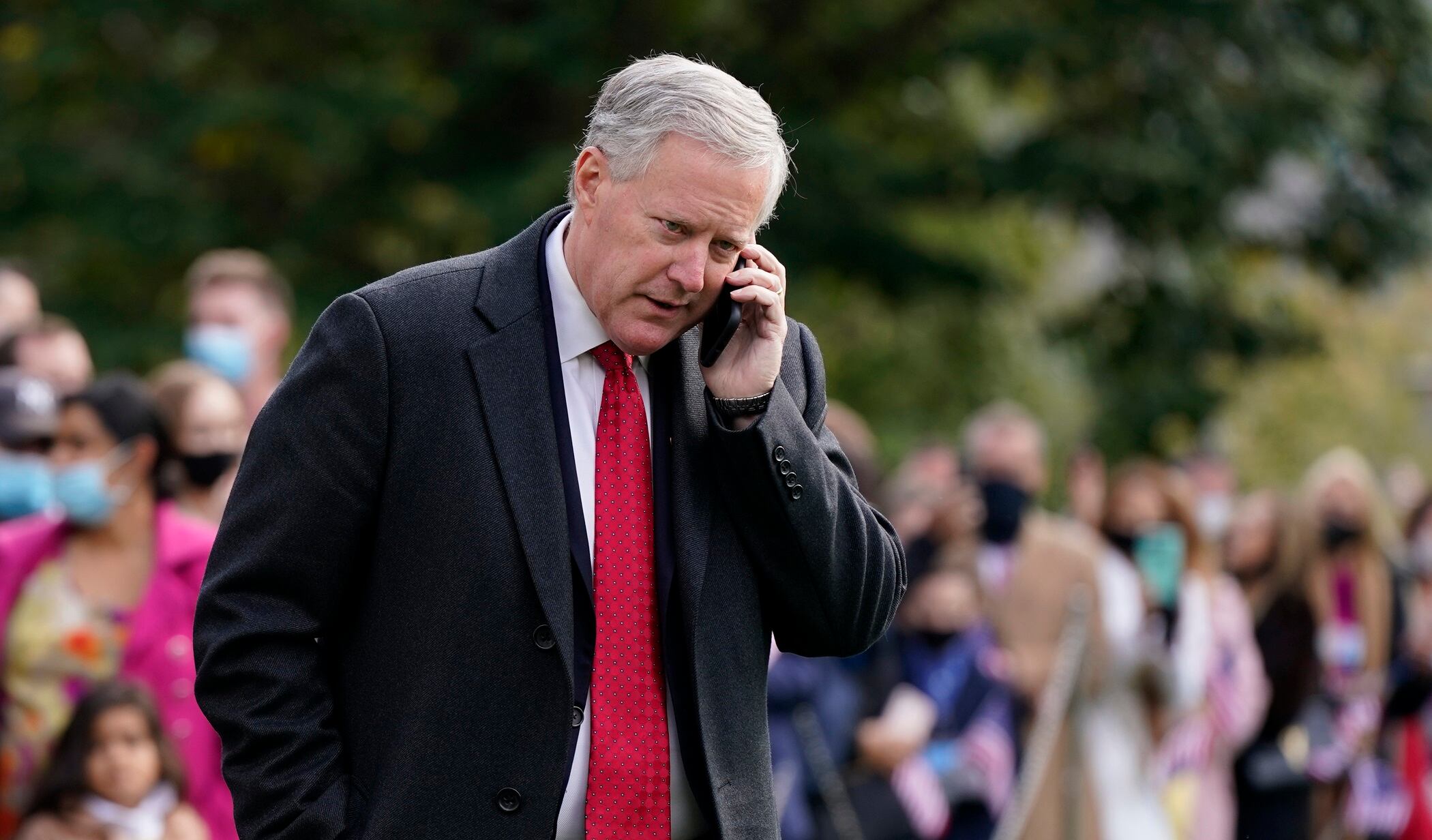
Mark Meadows, Donald Trump’s former chief of staff, is cooperating with a House panel investigating the Jan. 6 Capitol insurrection.