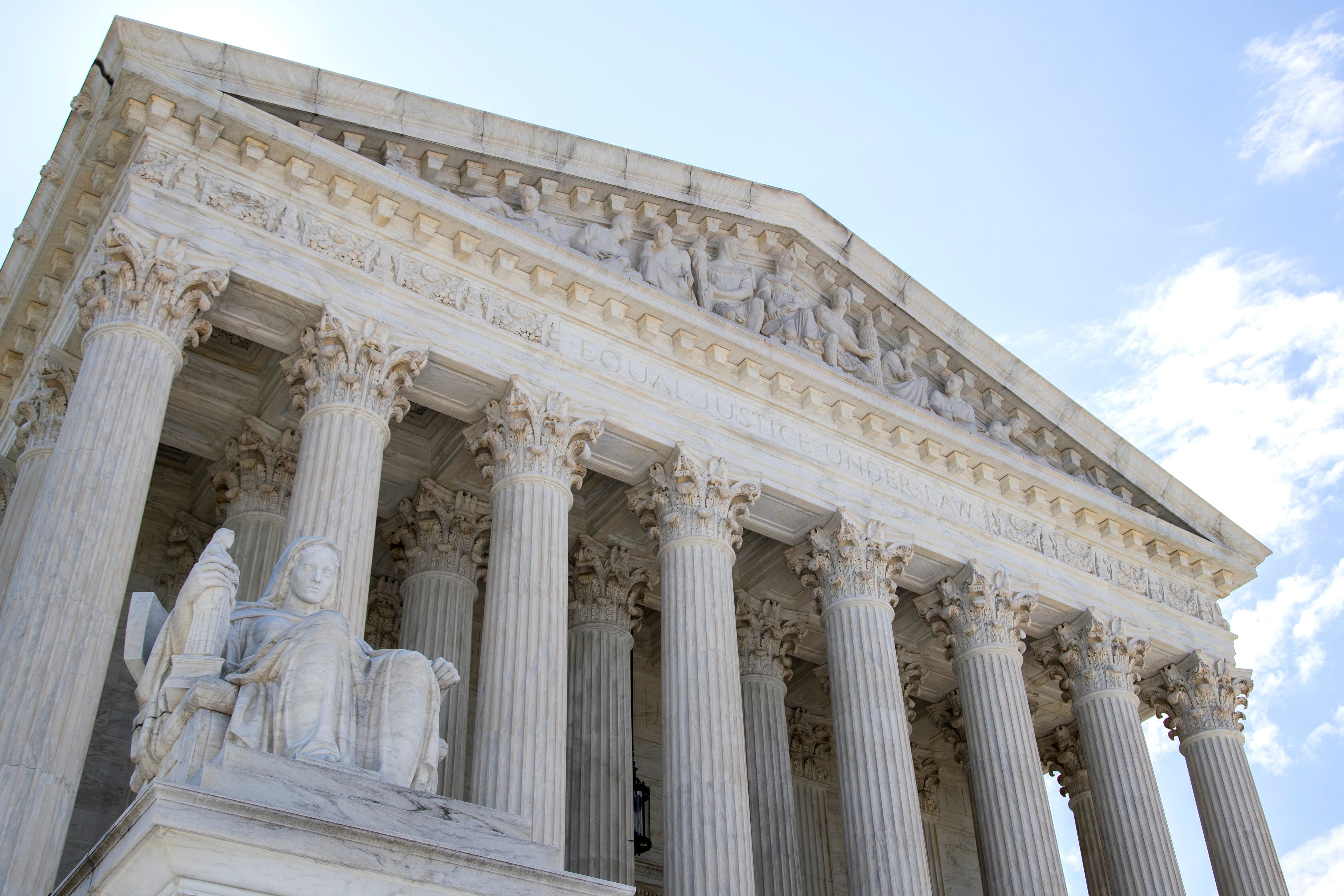
The U.S. Supreme Court is seen Tuesday, June 30, 2020 in Washington. (AP Photo/Manuel Balce Ceneta)
The Supreme Court on Monday upheld a 1991 law that bars robocalls to cellphones.
The case, argued by telephone in May because of the coronavirus pandemic, only arose after Congress in 2015 created an exception in the law that allowed the automated calls for collection of government debt.
Political consultants and pollsters were among those who asked the Supreme Court to strike down the entire 1991 law that bars them from making robocalls to cellphones as a violation of their free speech rights under the Constitution. The issue was whether, by allowing one kind of speech but not others, the exception made the whole law unconstitutional.
Six justices agreed that by allowing debt collection calls to cellphones Congress "impermissibly favored debt-collection speech over political and other speech, in violation of the First Amendment," Justice Brett Kavanaugh wrote. And seven justices agreed that the 2015 exception should be stricken from the law.
"Americans passionately disagree about many things. But they are largely united in their disdain for robocalls," Kavanaugh noted at the outset of his opinion.
During arguments in the case in May, Justice Stephen Breyer got cut off when someone tried calling him. Breyer said after he rejoined the court's arguments: "The telephone started to ring, and it cut me off the call and I don't think it was a robocall."
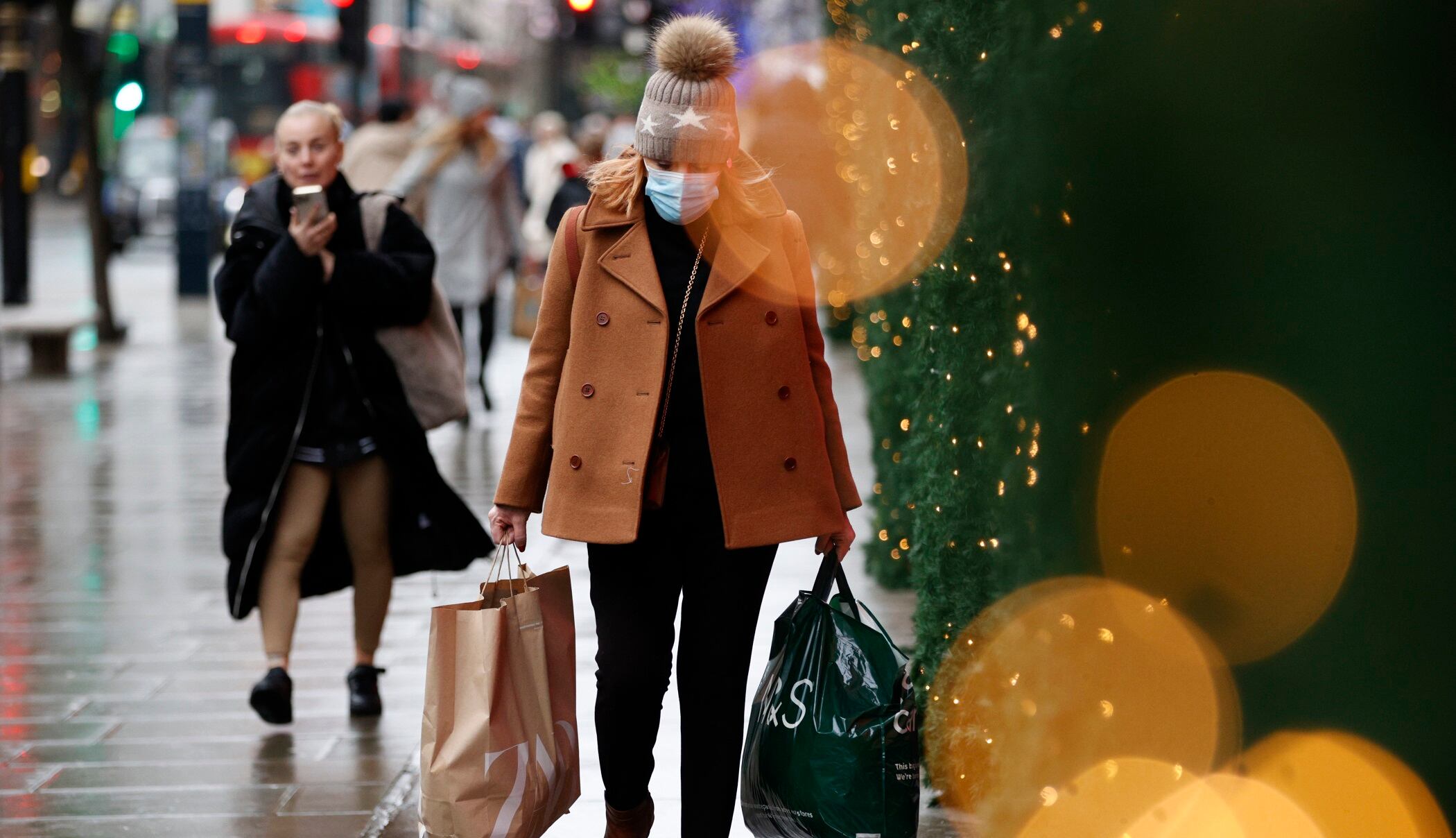
New Year celebrations are approaching and across the world there is an urge to party. But the desire to let loose is being countered by the highly transmissible omicron variant.
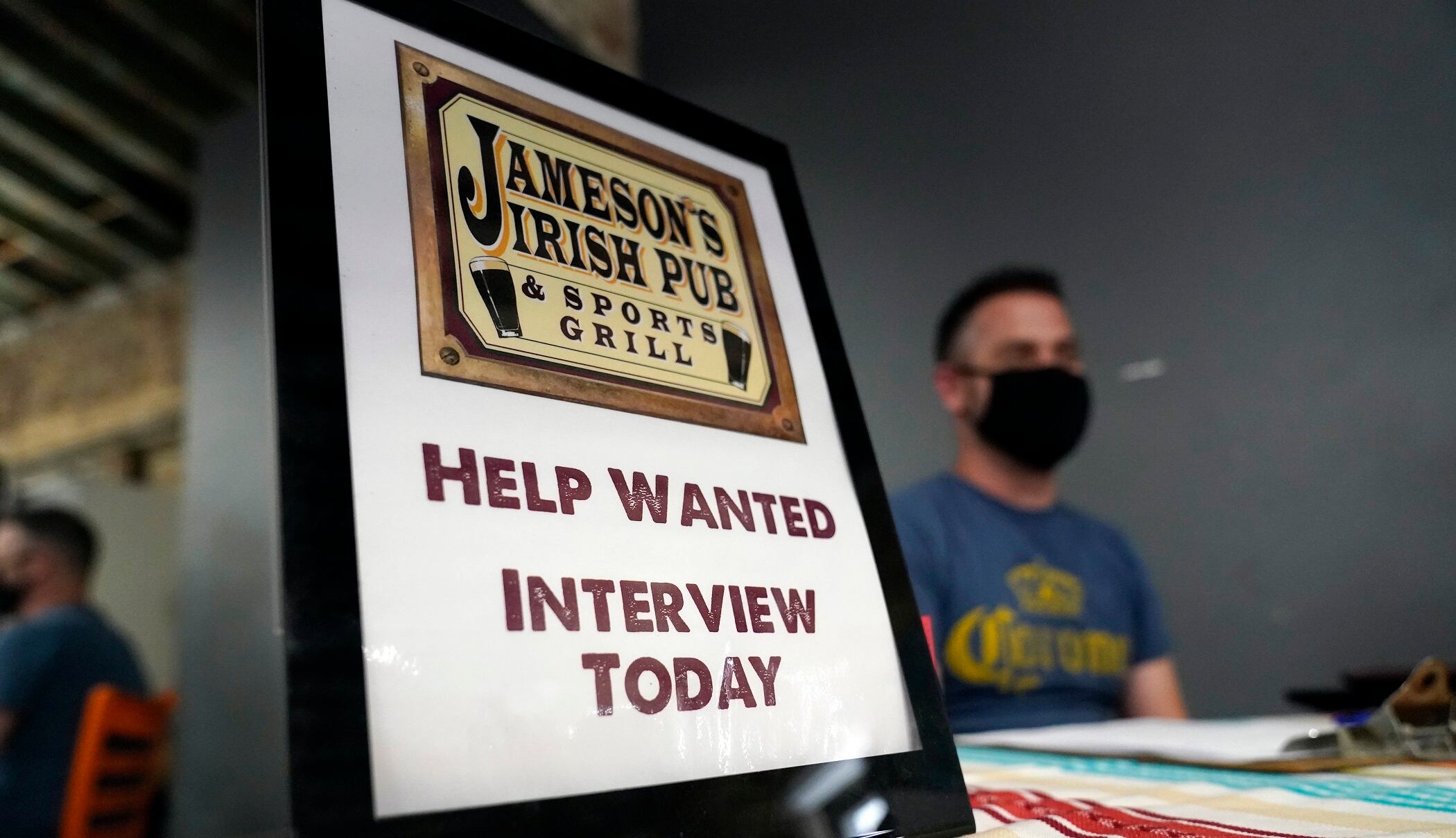
The number of Americans applying for unemployment benefits was unchanged last week, remaining at a historically low level that reflects the job market’s strong recovery from the coronavirus recession last year.
The Biden administration is extending a student loan moratorium that has allowed tens of millions of Americans to put off debt payments during the pandemic.
President Joe Biden plans to deliver 500 million free COVID-19 tests to Americans, increase support for hospitals and expand the availability of vaccines to confront a winter surge of coronavirus cases driven by the fast-spreading omicron variant.
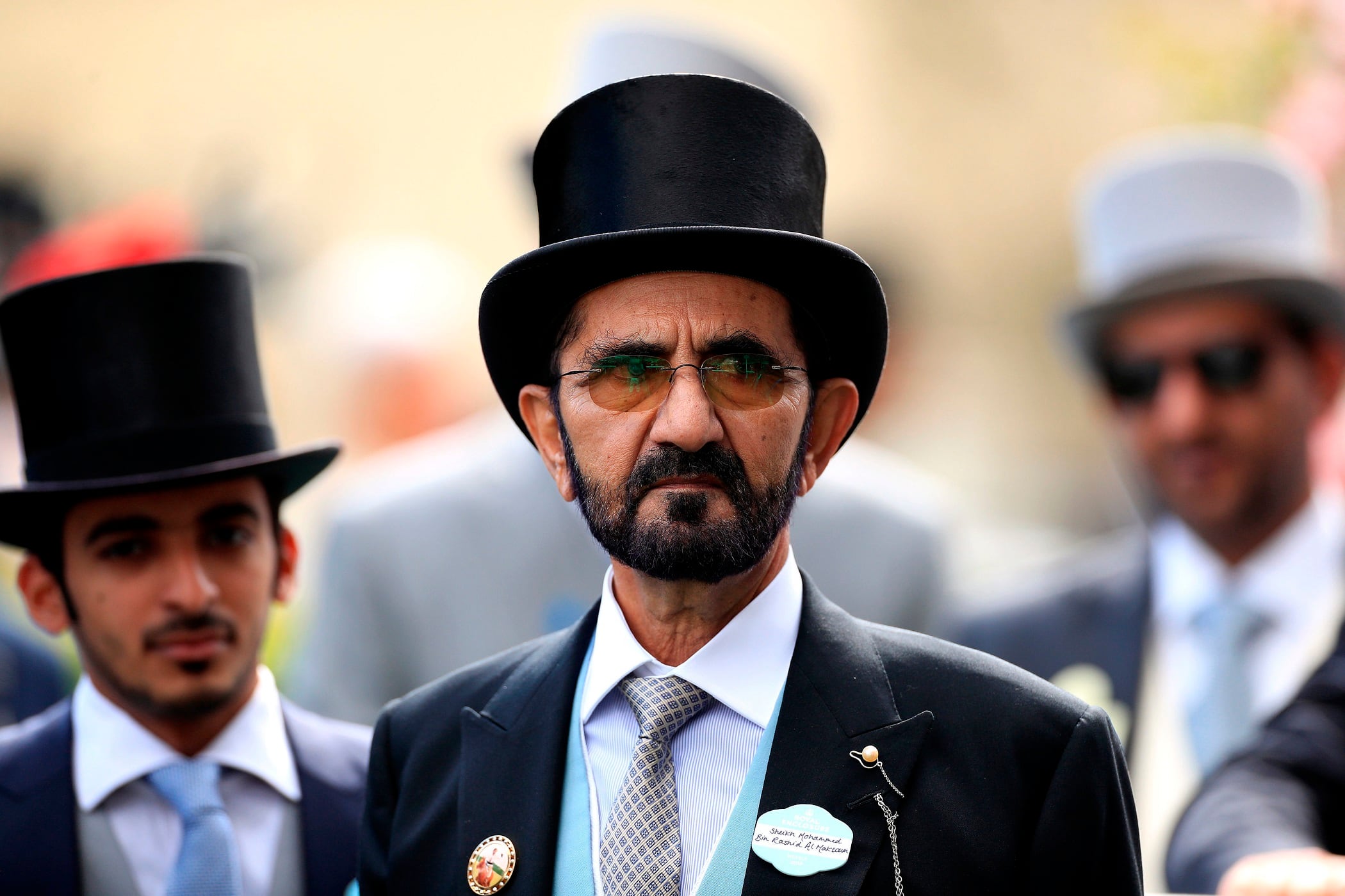
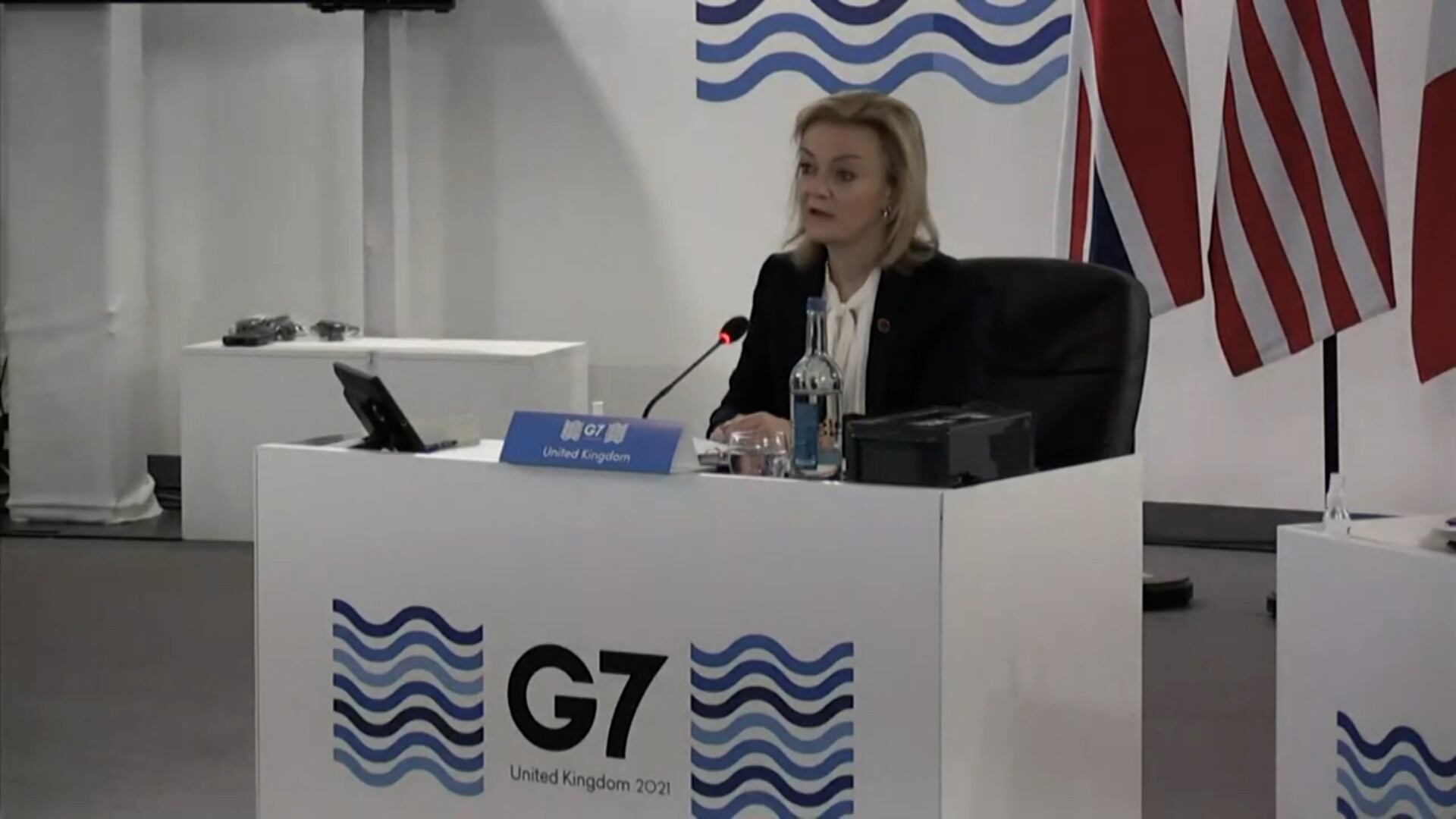
Former deputy assistant U.S. Secretary of State Joel Rubin joined Cheddar to break down the latest dispute between G7 nations and Russia as its increased military buildup along the Ukrainian border drew stern warnings of "massive consequences" should an invasion occur. "If Putin wants to keep on going further, there will be many tools that the financial system can use against him, and the United States, now, is gathering our allies in a way that is really unprecedented," he said.
Carlo and Baker cover the latest developments after a devastating tornado outbreak over the weekend, plus an eye on Omicron and inflation, and not even Spielberg can save the box office.