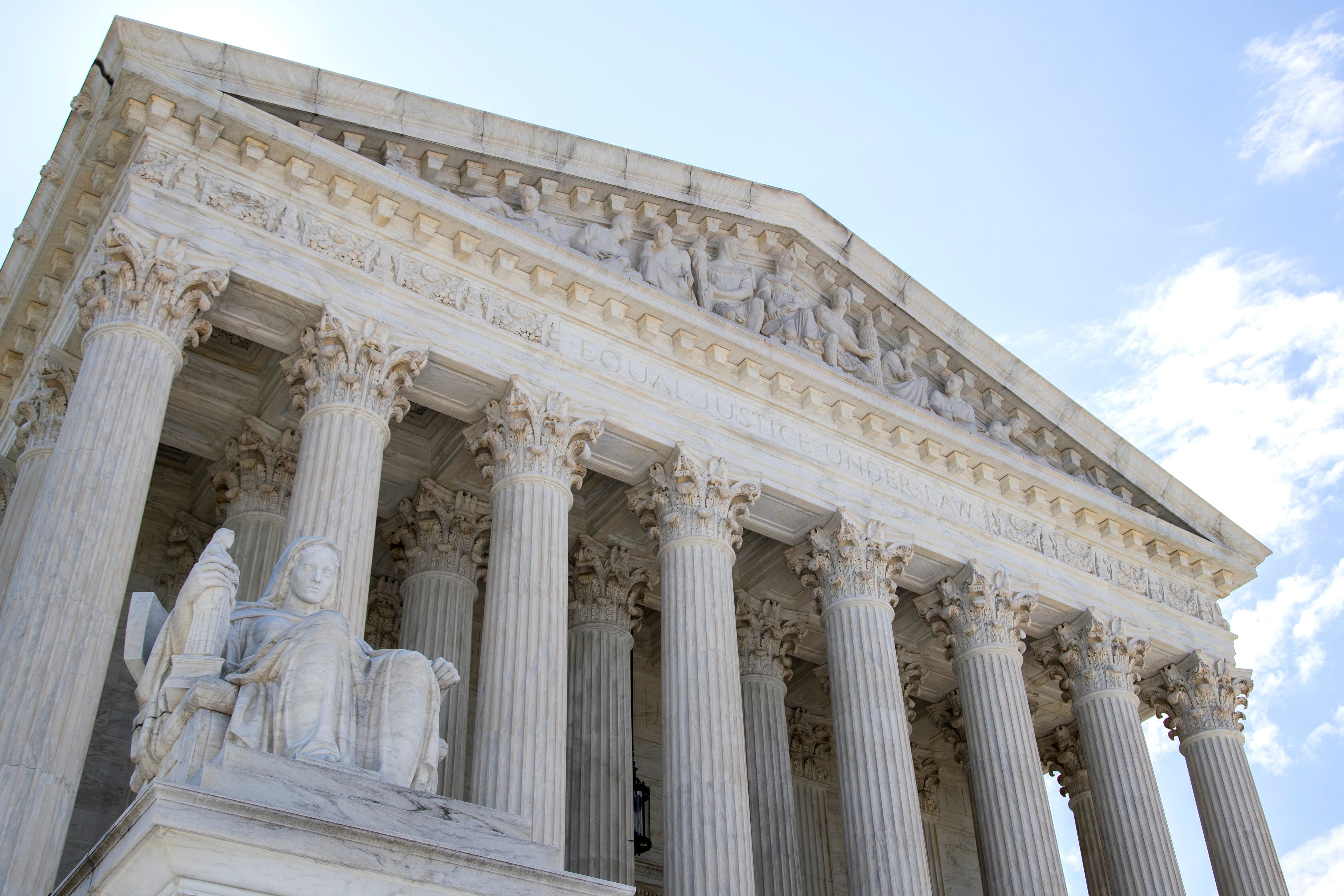
The U.S. Supreme Court is seen Tuesday, June 30, 2020 in Washington. (AP Photo/Manuel Balce Ceneta)
The Supreme Court on Monday upheld a 1991 law that bars robocalls to cellphones.
The case, argued by telephone in May because of the coronavirus pandemic, only arose after Congress in 2015 created an exception in the law that allowed the automated calls for collection of government debt.
Political consultants and pollsters were among those who asked the Supreme Court to strike down the entire 1991 law that bars them from making robocalls to cellphones as a violation of their free speech rights under the Constitution. The issue was whether, by allowing one kind of speech but not others, the exception made the whole law unconstitutional.
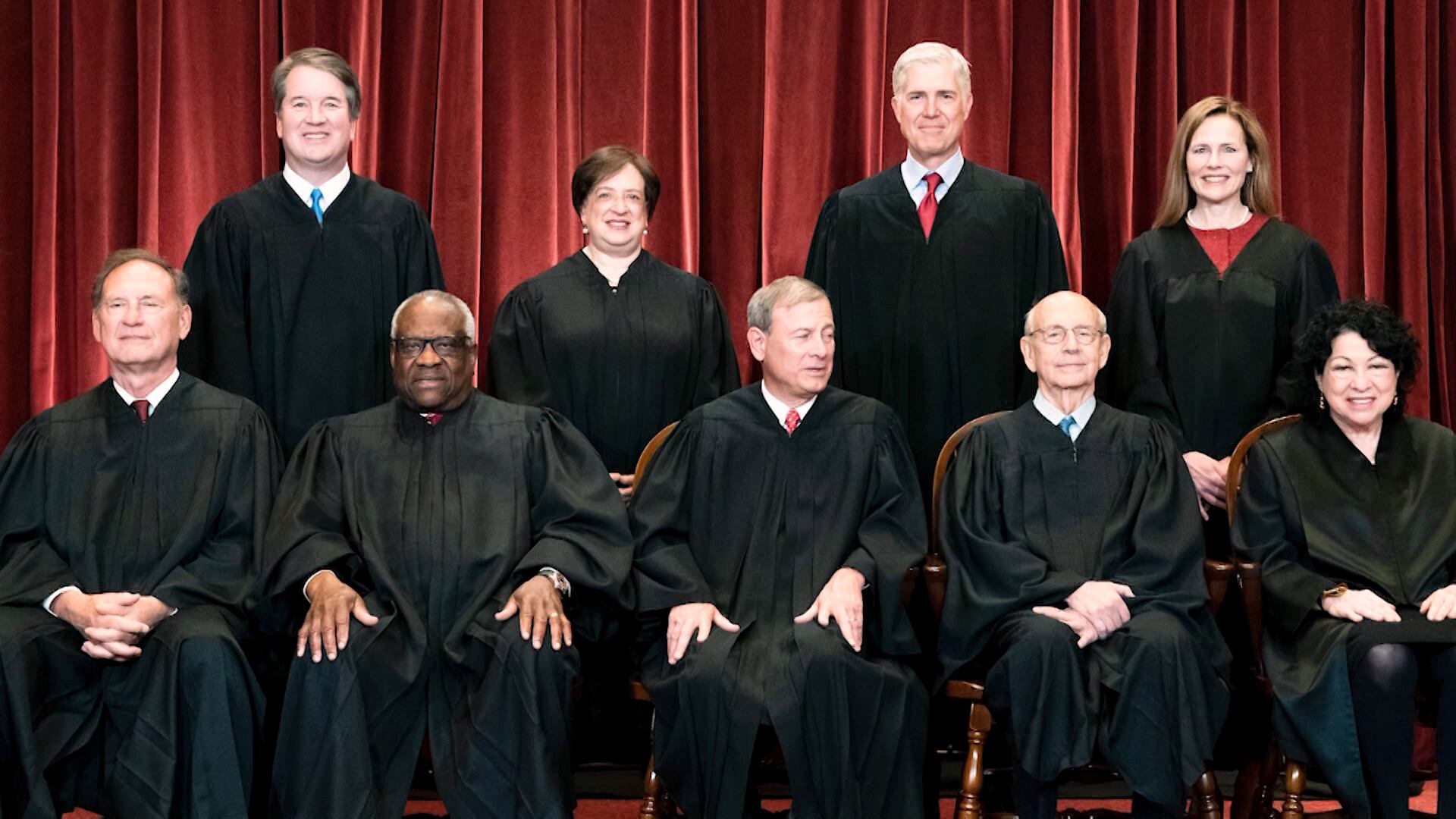
Six justices agreed that by allowing debt collection calls to cellphones Congress "impermissibly favored debt-collection speech over political and other speech, in violation of the First Amendment," Justice Brett Kavanaugh wrote. And seven justices agreed that the 2015 exception should be stricken from the law.
"Americans passionately disagree about many things. But they are largely united in their disdain for robocalls," Kavanaugh noted at the outset of his opinion.
During arguments in the case in May, Justice Stephen Breyer got cut off when someone tried calling him. Breyer said after he rejoined the court's arguments: "The telephone started to ring, and it cut me off the call and I don't think it was a robocall."
Minh-Thu Pham, co-founder of New American Voices, joins Cheddar News to discuss the organization and why new citizens are key to defending U.S. democracy.
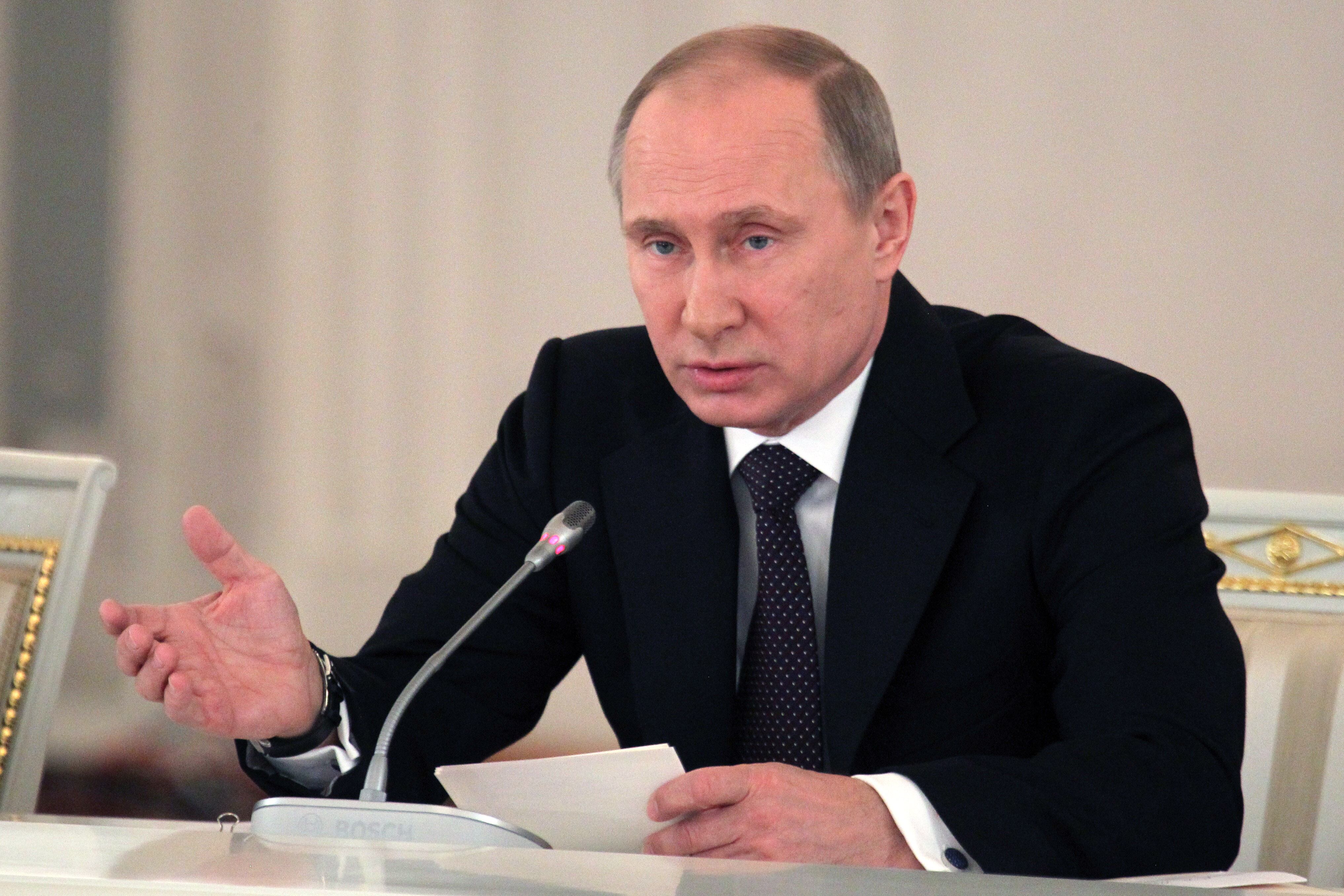
Joel Willett, a former CIA operative, joins Cheddar News to discuss Russian President Vladimir Putin officially launching a "special military operation" in Ukraine
Ursula Perano, politics reporter at the Daily Beast, joins Cheddar Politics to discuss the wave of 30 House Democrats retiring or not seeking re-election in November.
Jimmy Hoover, Supreme Court editor-at-large for Law360, joins Cheddar Politics to discuss the high court's latest ruling in an Alabama gerrymandering case that could end up further chipping away at the Voting Rights Act.
GLAAD, the media watchdog for the LGBTQ community, released its “Where We Are on TV” report last week, with updated data on the entertainment industry. Rich Ferraro, chief communications officer for the non-profit organization, joined Cheddar News to talk about the progress that has been made on media representation and what's at stake in the process of humanizing queer people in popular culture as a recent backlash in legislative trends demonstrated. "We just saw the news yesterday in Texas, a move from Governor Abbott that would try to pull trans youth away from their parents for receiving gender-affirming care," Ferraro said. "And television and entertainment can be a frontline to preventing such anti-LGBTQ legislation from moving forward."
Russia's invasion of Ukraine has begun. Explosions and sirens were reported across the country early Thursday morning, as Russia launched a wide-ranging attack with shelling, tanks, and missile strikes. Lauren Baer, former State Department Senior Adviser and current Managing Partner at Arena, joined Cheddar to provide the latest update on the crisis.
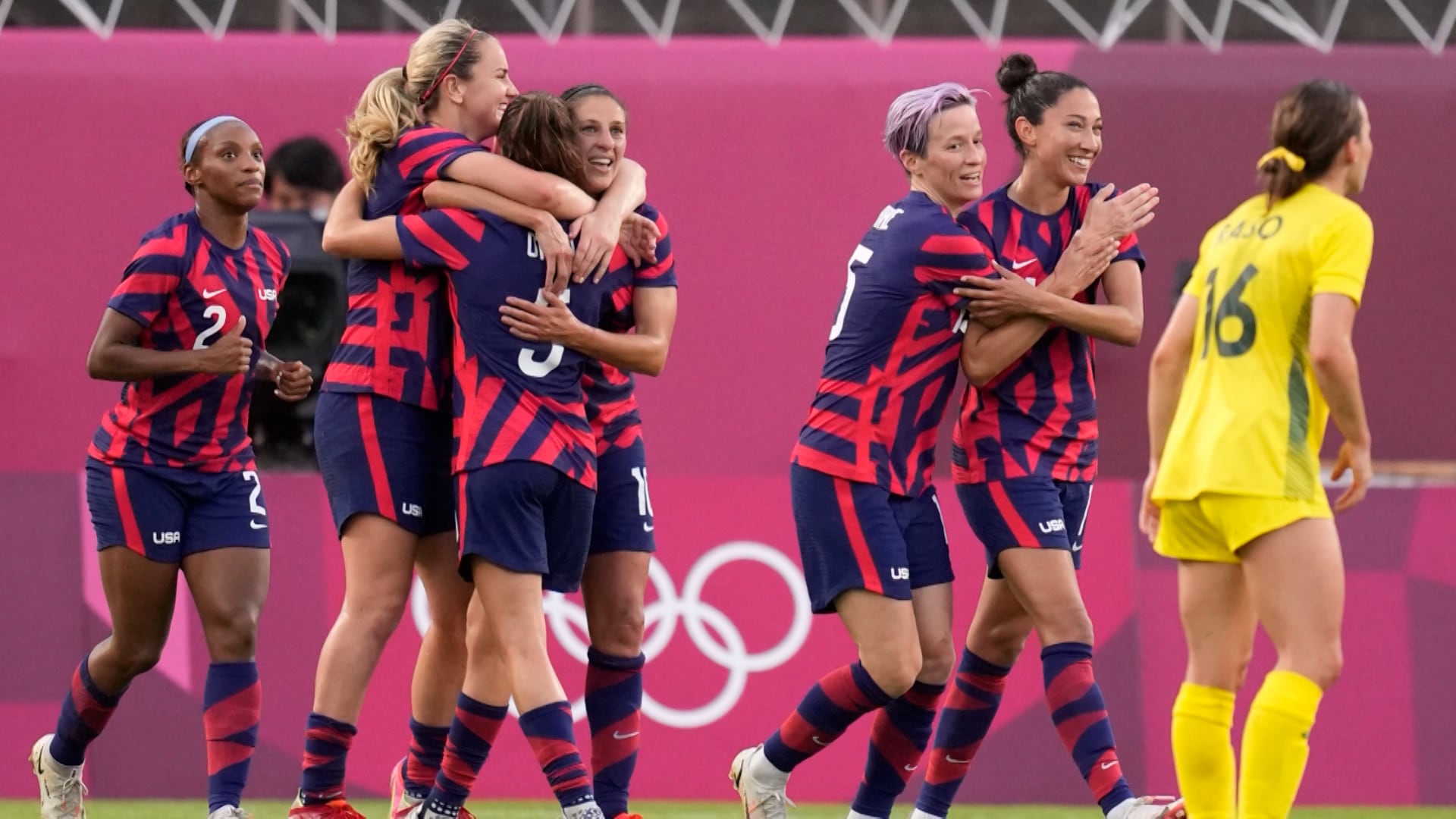
A six-year battle over equal pay has finally come to an end-- as U.S. Soccer and The United States Women's Soccer Team have agreed to settle their lawsuit. Under the terms of the deal, the athletes will receive $24 million from U.S. Soccer, and a pledge from the federation to equalize pay for the men's and women's national teams. Lily Roberts, Managing Director of the Poverty to Prosperity Team at the Center for American Progress joined Cheddar's Opening Bell to discuss.
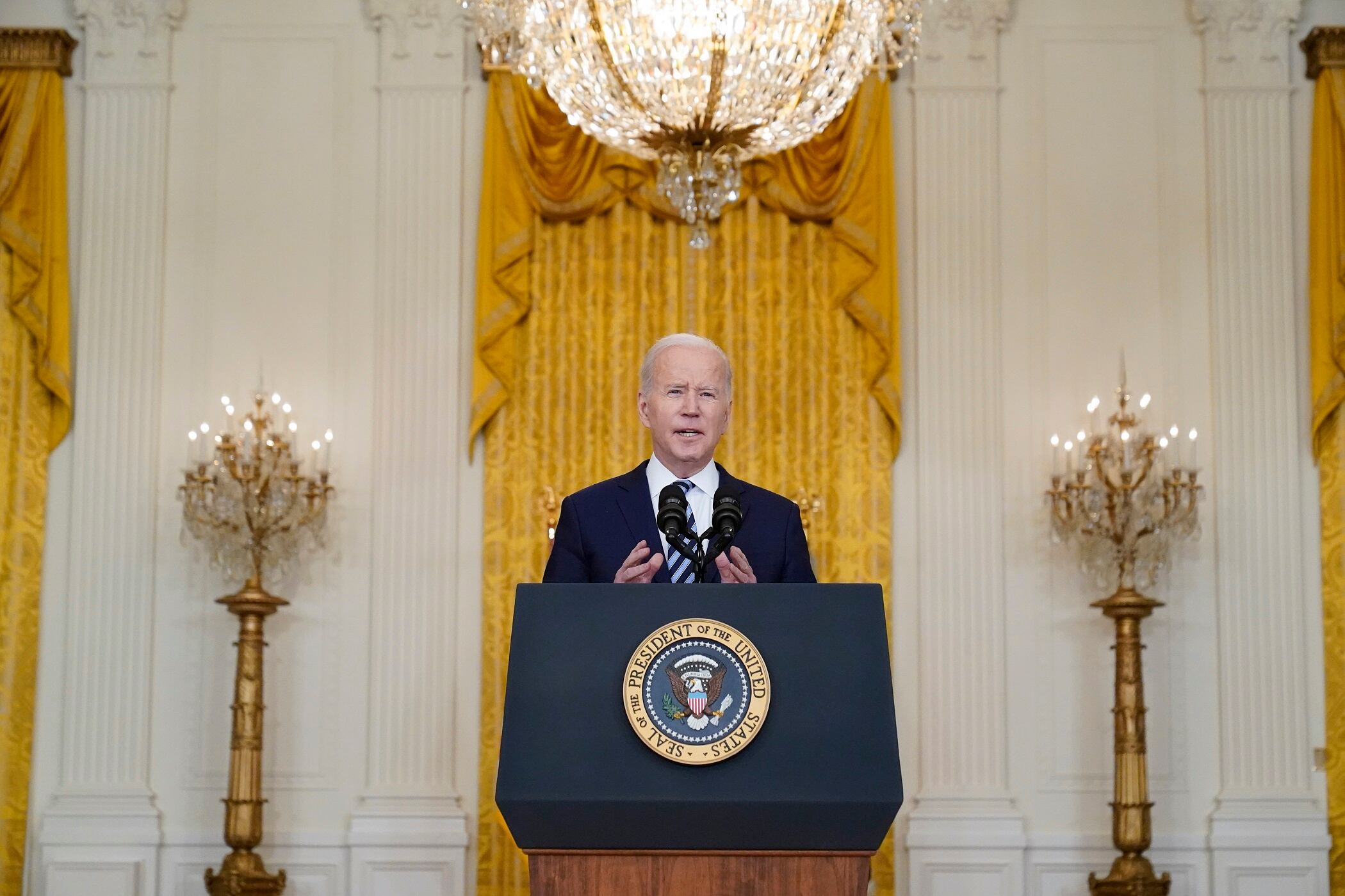
President Biden has hit back against Russia’s invasion of Ukraine, unleashing robust new sanctions, ordering the deployment of thousands of additional troops to NATO ally Germany, and declaring that America will stand up to Russia’s Vladimir Putin.