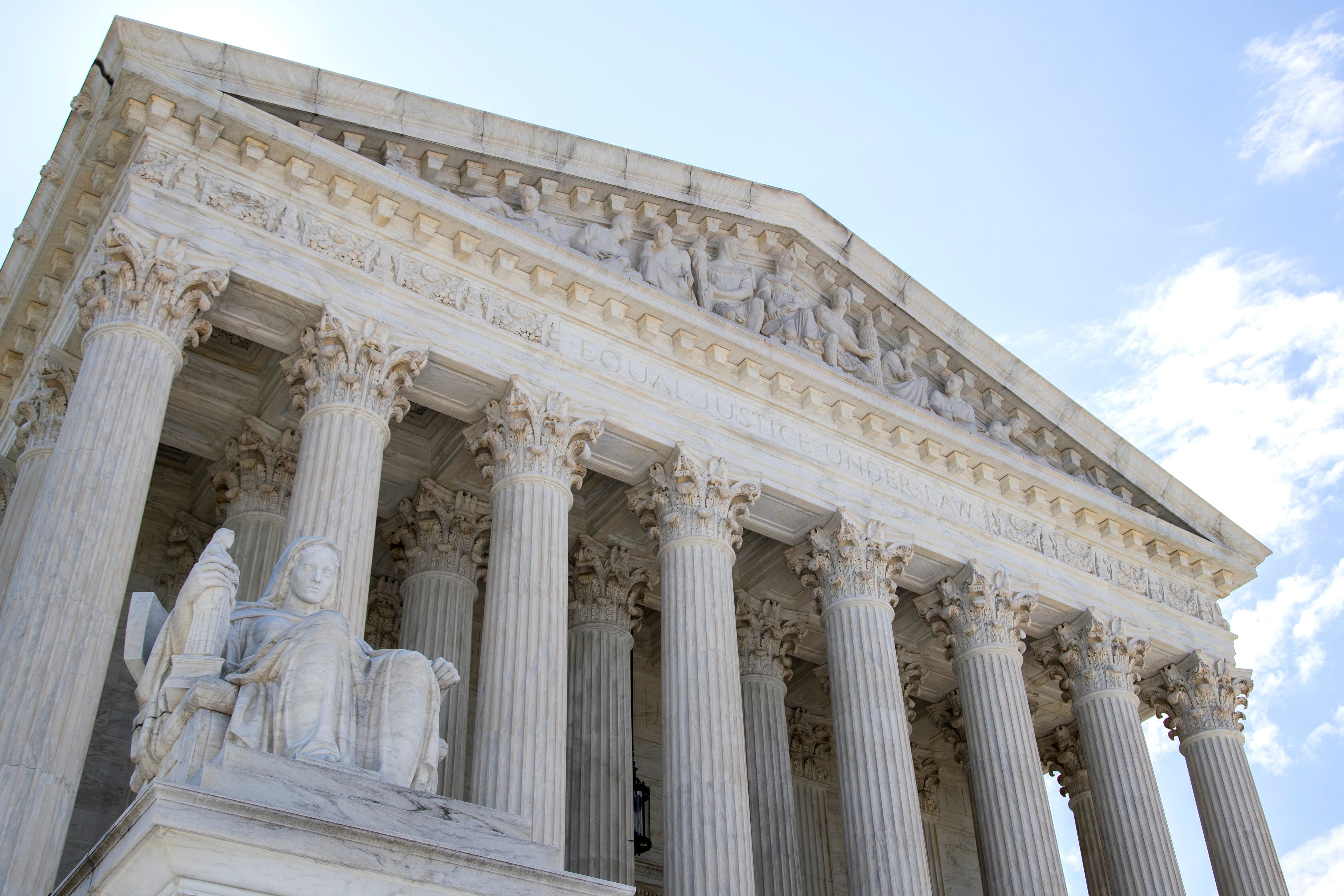
The U.S. Supreme Court is seen Tuesday, June 30, 2020 in Washington. (AP Photo/Manuel Balce Ceneta)
The Supreme Court on Monday upheld a 1991 law that bars robocalls to cellphones.
The case, argued by telephone in May because of the coronavirus pandemic, only arose after Congress in 2015 created an exception in the law that allowed the automated calls for collection of government debt.
Political consultants and pollsters were among those who asked the Supreme Court to strike down the entire 1991 law that bars them from making robocalls to cellphones as a violation of their free speech rights under the Constitution. The issue was whether, by allowing one kind of speech but not others, the exception made the whole law unconstitutional.
Six justices agreed that by allowing debt collection calls to cellphones Congress "impermissibly favored debt-collection speech over political and other speech, in violation of the First Amendment," Justice Brett Kavanaugh wrote. And seven justices agreed that the 2015 exception should be stricken from the law.
"Americans passionately disagree about many things. But they are largely united in their disdain for robocalls," Kavanaugh noted at the outset of his opinion.
During arguments in the case in May, Justice Stephen Breyer got cut off when someone tried calling him. Breyer said after he rejoined the court's arguments: "The telephone started to ring, and it cut me off the call and I don't think it was a robocall."
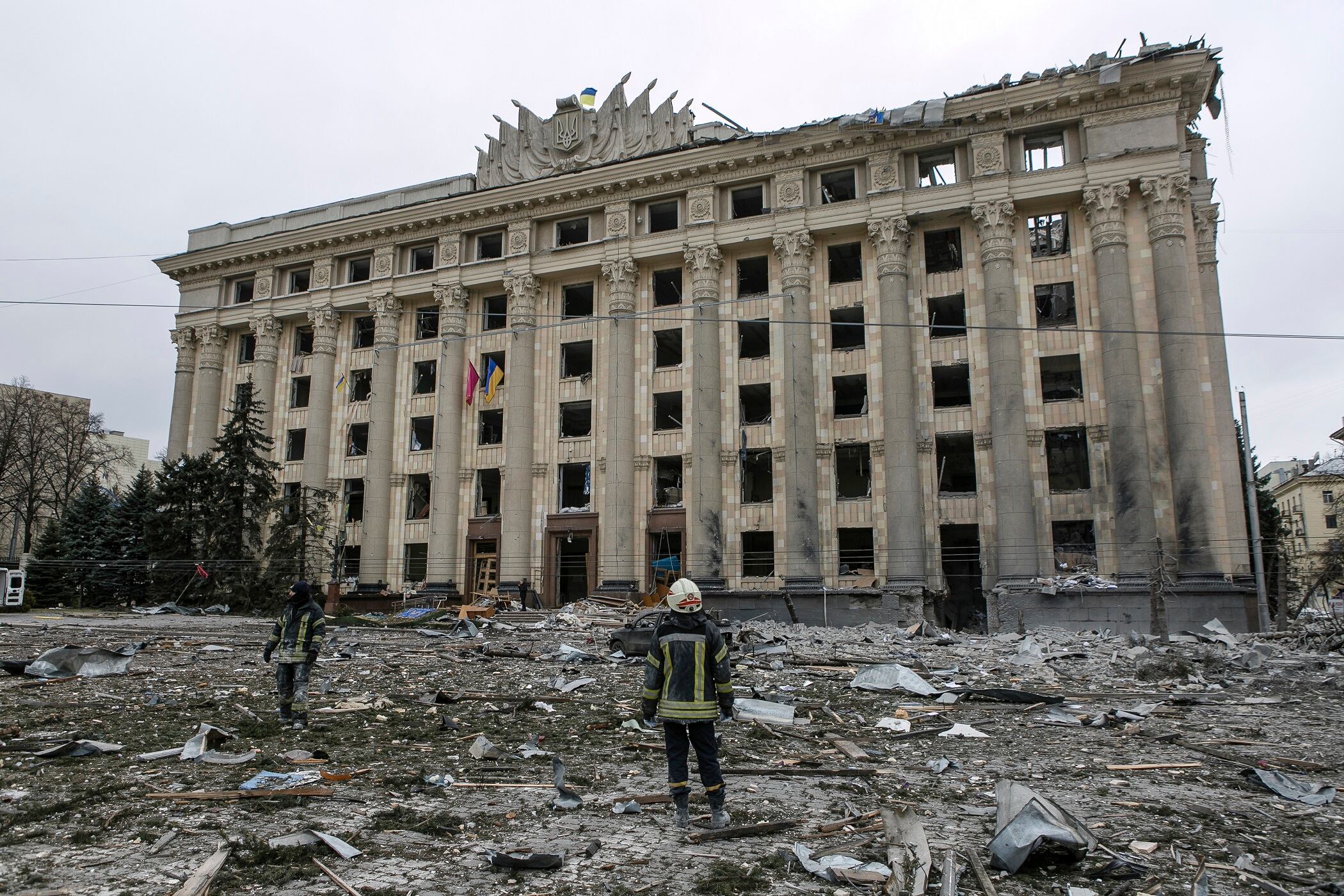
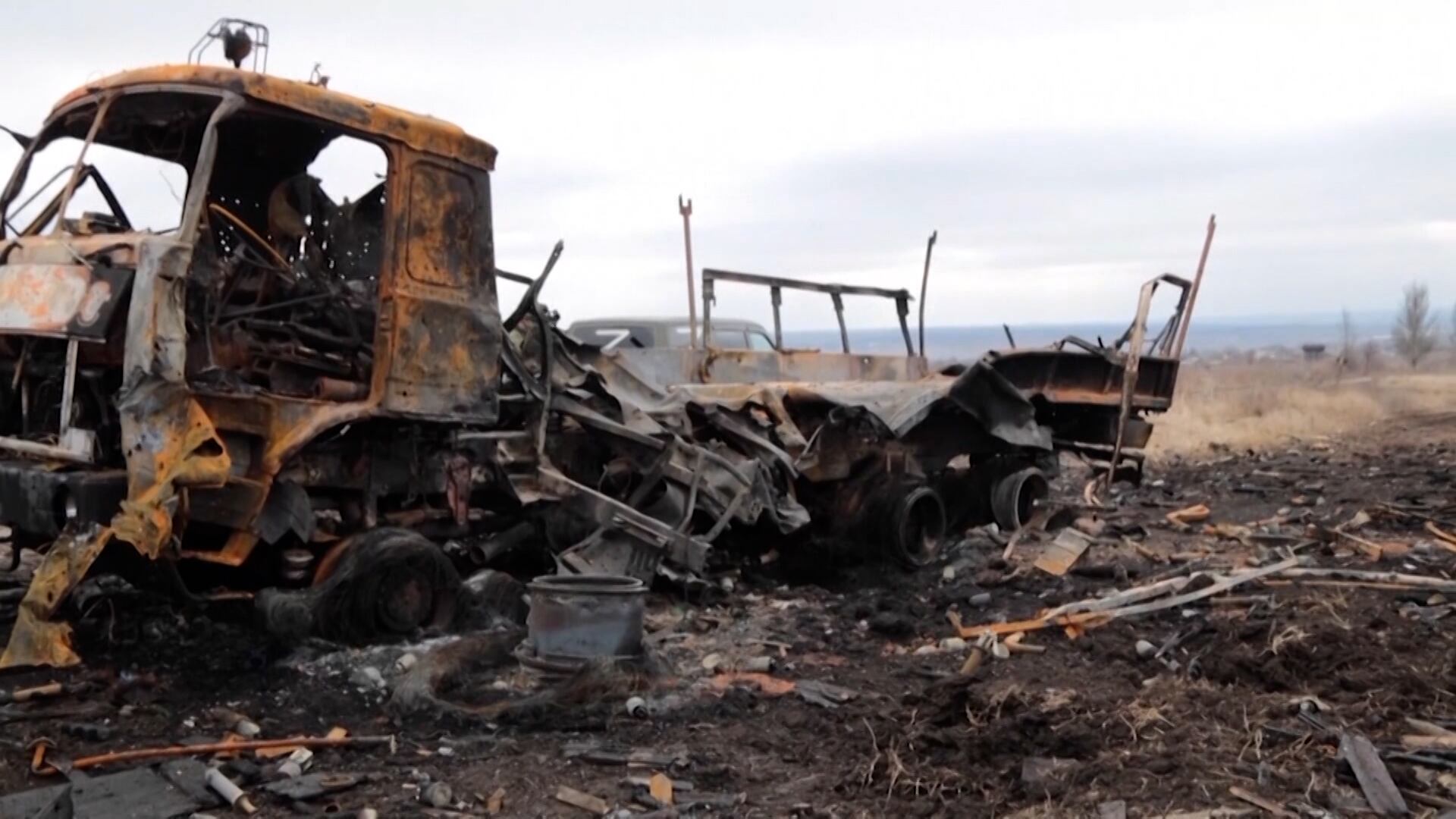
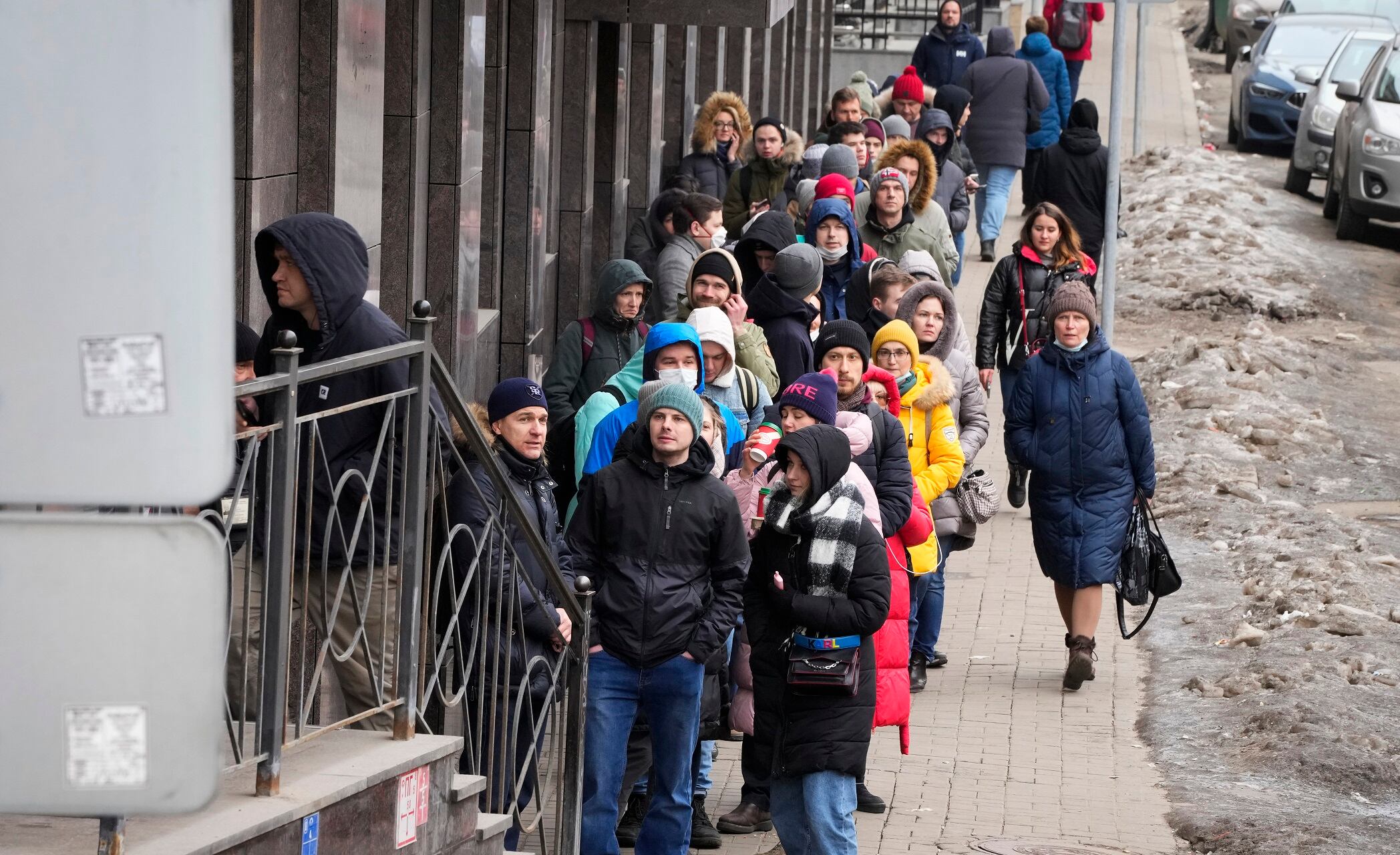
Russian forces escalated their attacks on populated urban areas Tuesday, bombarding the central square in Ukraine’s second-largest city and Kyiv’s main TV tower.
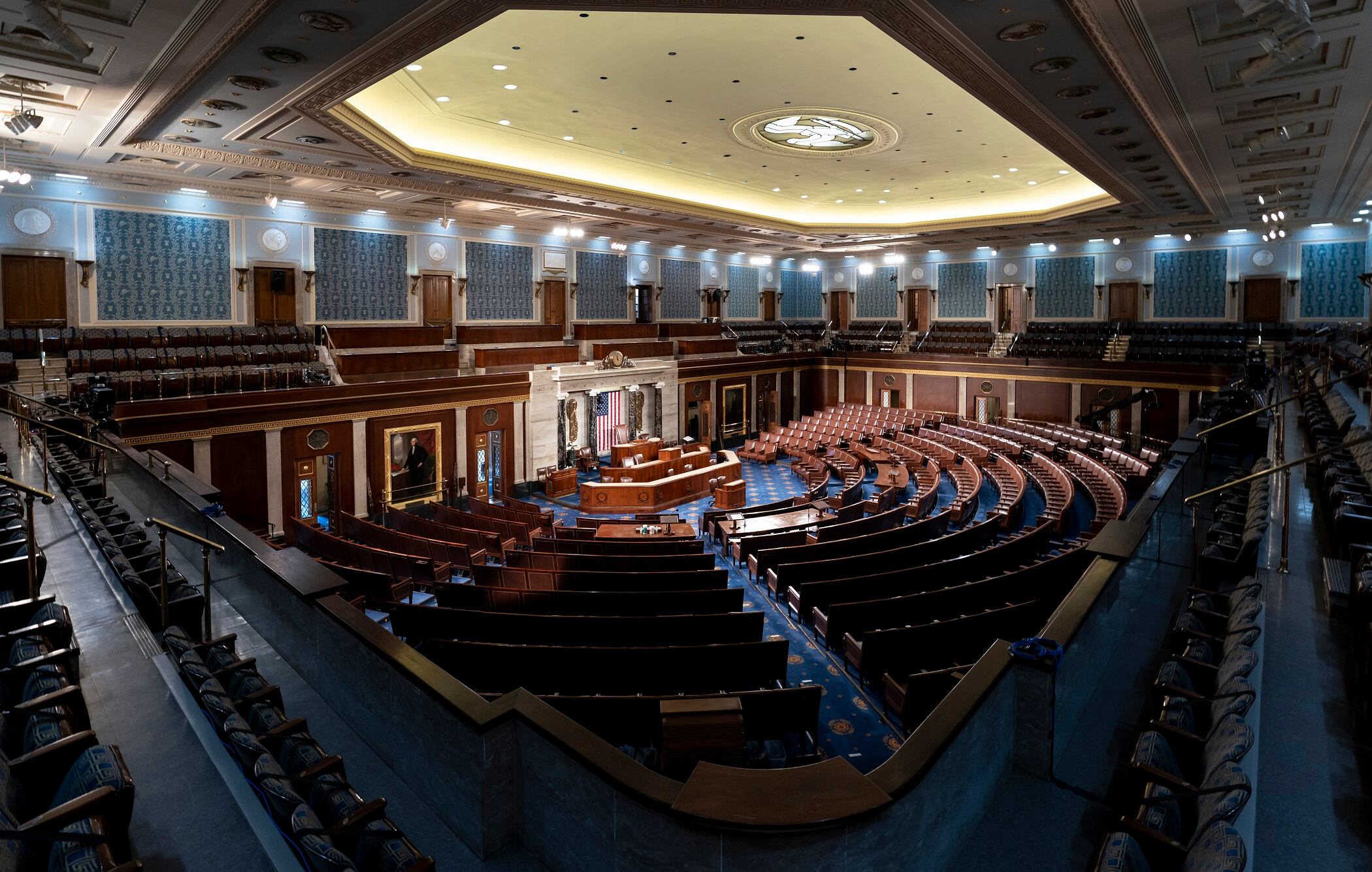
A bipartisan group of 43 representatives joined forces in a letter to President Joe Biden to remind the executive branch that it must seek the approval of Congress before authorizing a war — whether or not its in Ukraine as Russia continues its invasion. Rep. Peter DeFazio (D-Ore. 4th District) led the effort and joined Cheddar News Wrap to explain. "It's time for Congress to get back the authority, which is vested to us in the constitution, not in the executive branch," he said. "The president. once we're at war, we speak with one voice with the commander in chief. But before that, it's up to the American people and Congress whether or not we're going to become engaged in a war."
Chris Konstantinos, Chief Investment Strategist at RiverFront Investment Group, explains why he remains encouraged about the S&P and the state of the market despite the major indexes closing mostly lower on Monday.
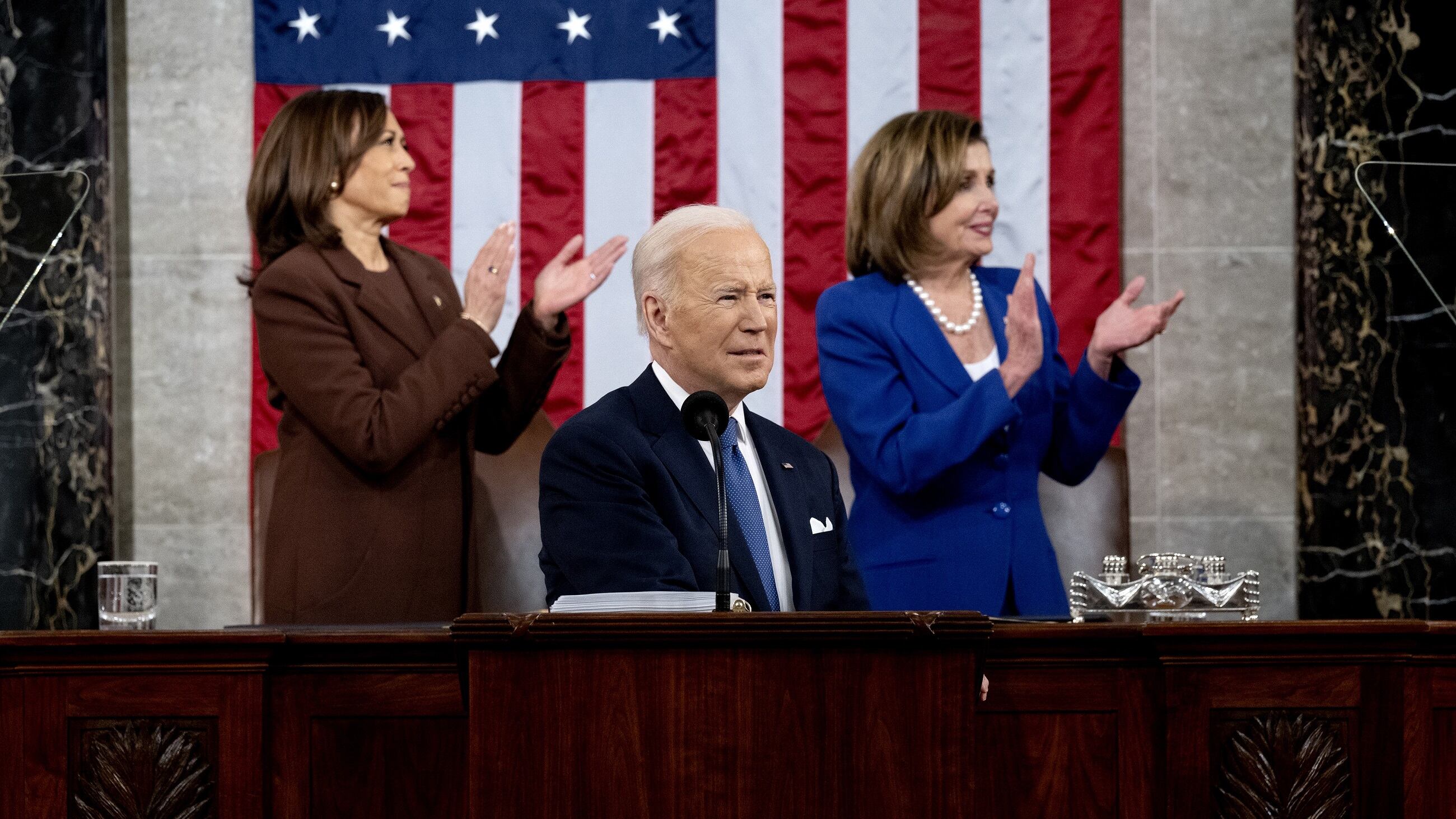
President Joe Biden will be delivering his first State of the Union address on Tuesday night, and with so many issues from Ukraine to inflation, everyone will be focused on what he might say. Rep. Nicole Malliotakis (R-N.Y. 11th District) joined Cheddar News to discuss what she thinks the president should address. "I think what he hasn't done yet is go after the gas, the oil, the minerals, the mining industries, that is incredibly important," she said. "There's still some banks there that are not sanctioned. He needs to go after all the banks, but I also think that providing the equipment that Ukraine needs to continue to protect its capital and its country are incredibly important."
As Russia’s attack on Ukraine continues, one of its few big allies remaining appears to be China. Gordon Chang, Asian affairs expert and author of "The Coming Collapse of China," joined Cheddar News to discuss what might be behind China's support for Putin's current strategy. “I think China is looking at what Putin did yesterday, which is to raise his nuclear forces on a higher alert level,” Chang stated, “If they see that Putin gets away with his nuclear threats, which he's been making over the last three or four days, then I'm sure that Beijing is going to ramp up its threats as well, and it could ramp them up against any number of different countries with which it perceives it has a problem with"
Joel Rubin, president of the Washington Strategy Group and former Deputy Assistant Secretary of State, joins Cheddar News to discuss the Russia-Ukraine tensions and the new sanctions President Biden placed on Russia.